Martha Bennett
Martha Bennett Facebook ad: “Hershey died and I paid $3,400 for it…”
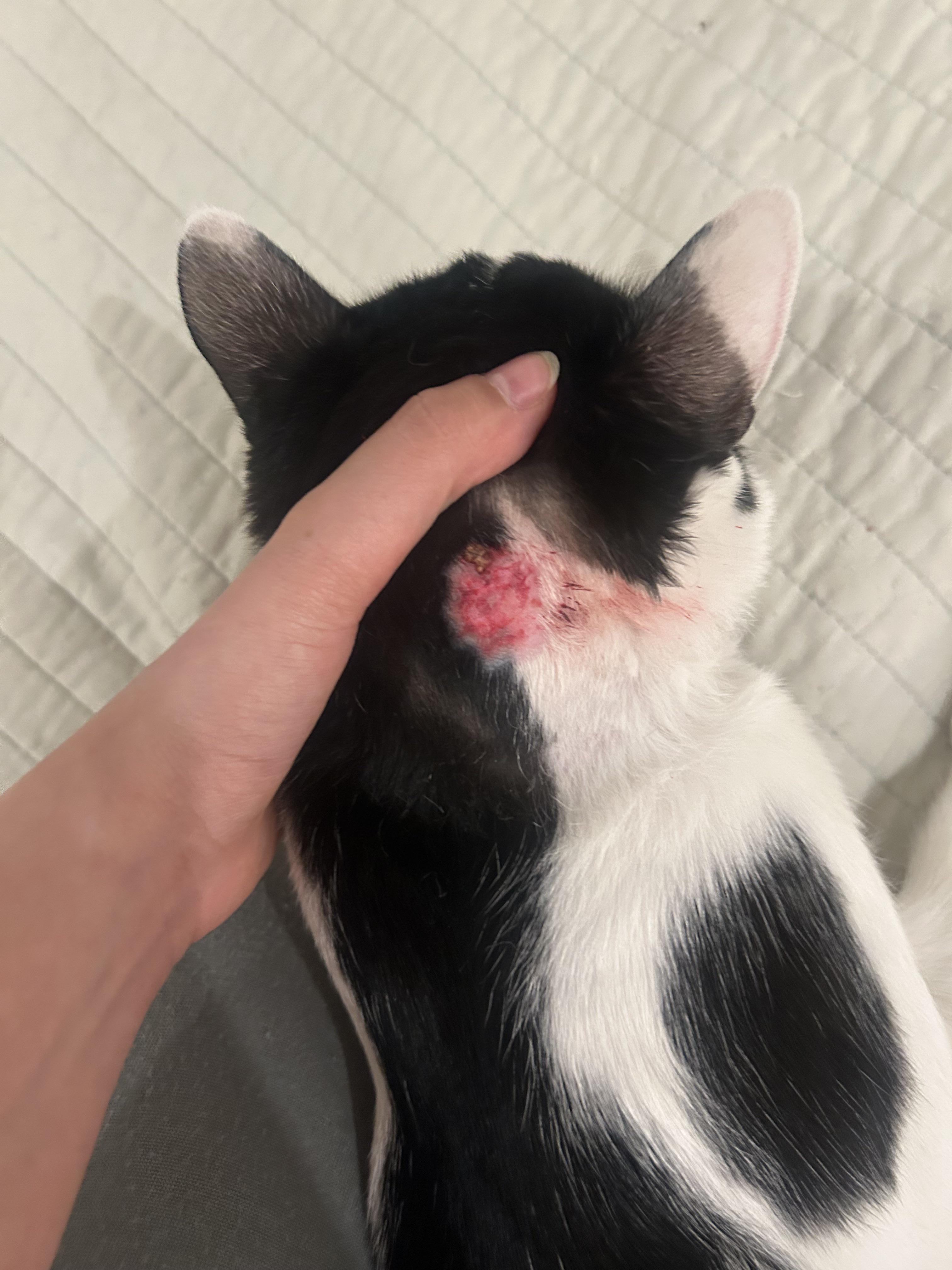
Ran for 130 days, from May 21 to September 28, 2026, the last day Crush saw it.
Run by Martha Bennett on Facebook. Crush is not the advertiser and does not verify its claims. See this ad in Meta's Ad Library(opens in a new tab)
Want an ad like this for your product?
Crush makes new ad images for your product from this ad: your logo, your product photo, your offer.
Trials from $19.95 USD, then $79.95 USD a month. Cancel anytime.
About this ad
- Meta Ad Library ID
- 1025605883363836
- Platforms
- Facebook, Instagram, Audience Network, Messenger and Threads
- Relaunches
- 1
- Niche
- Jewelry & Watches
Ad text
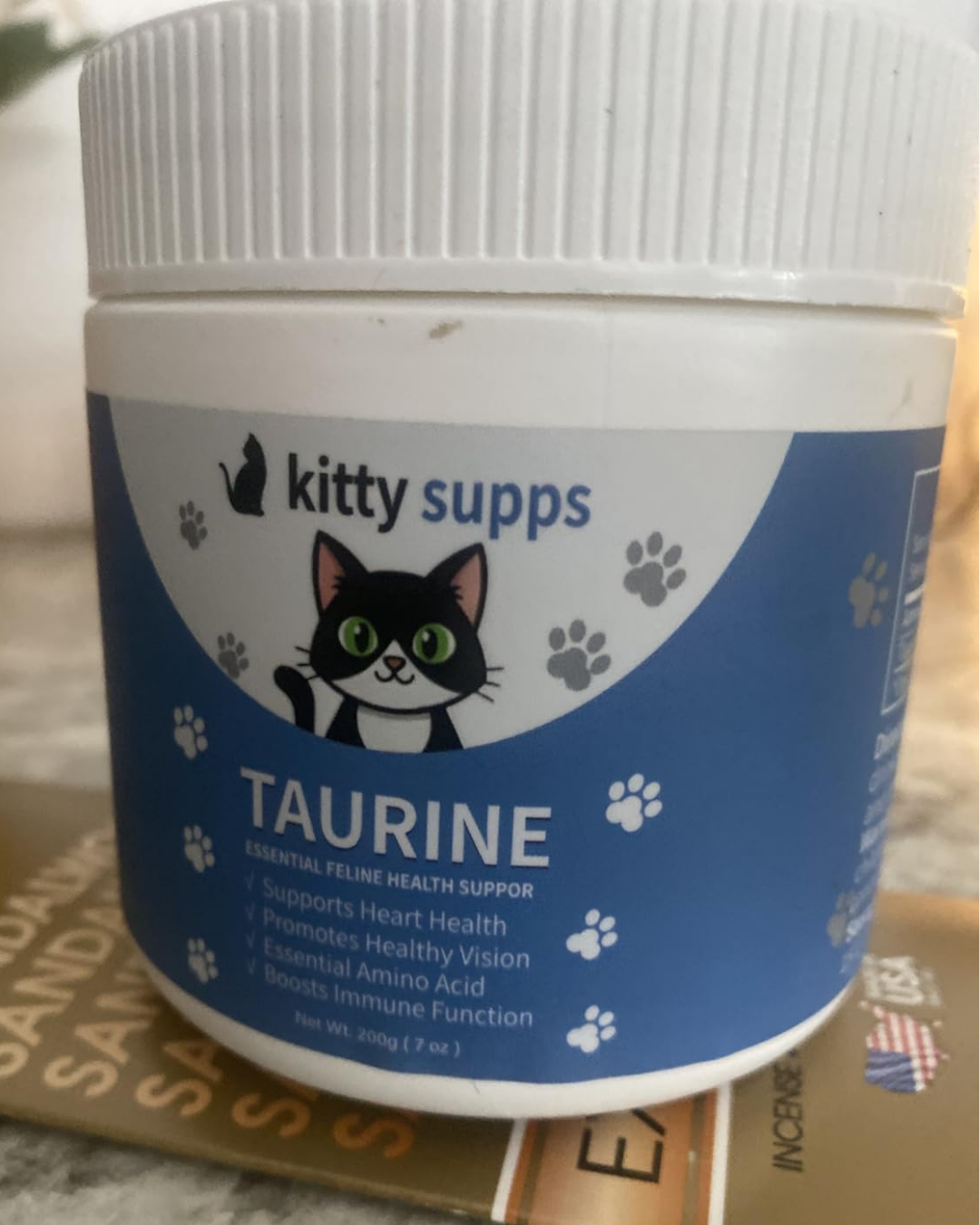
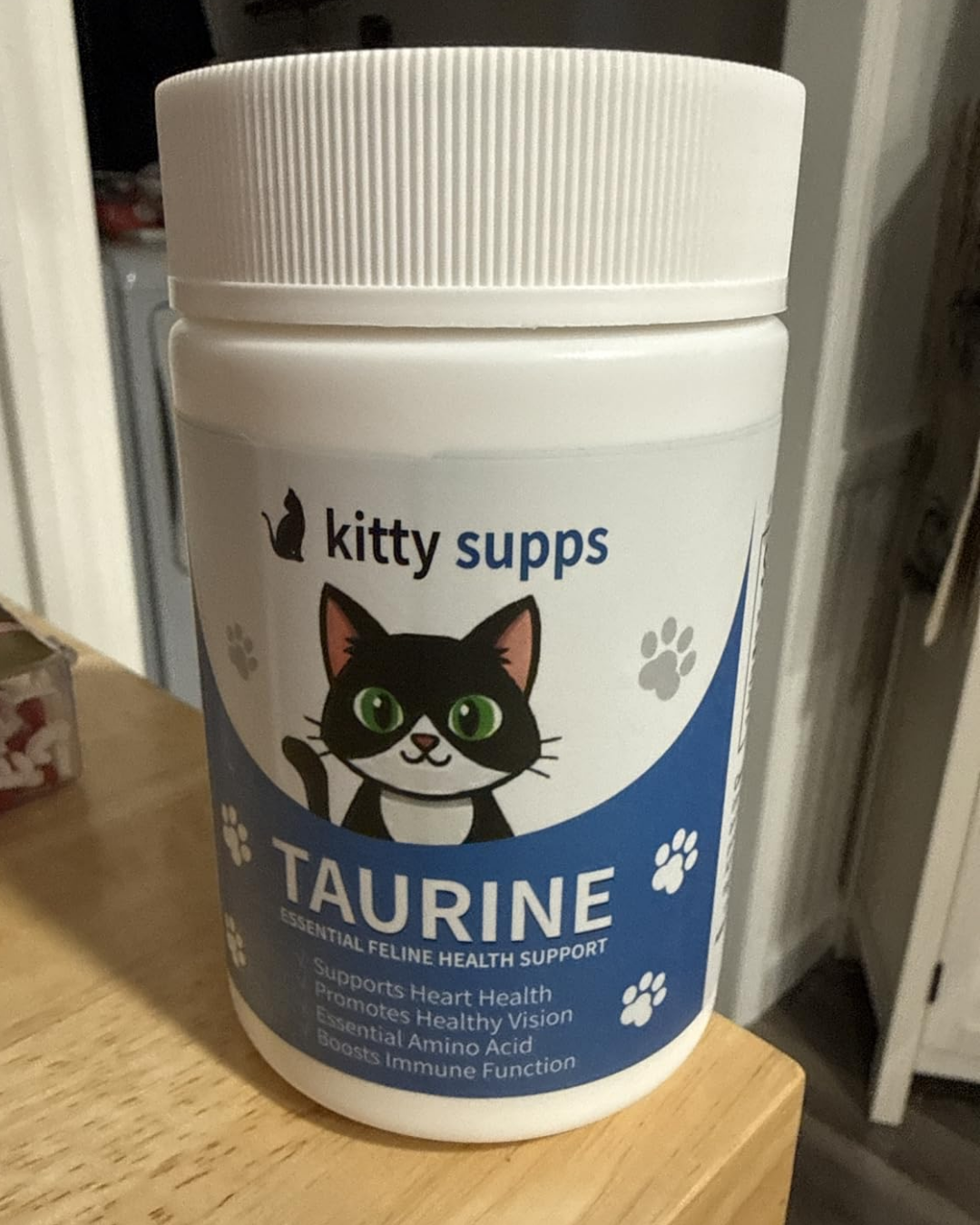
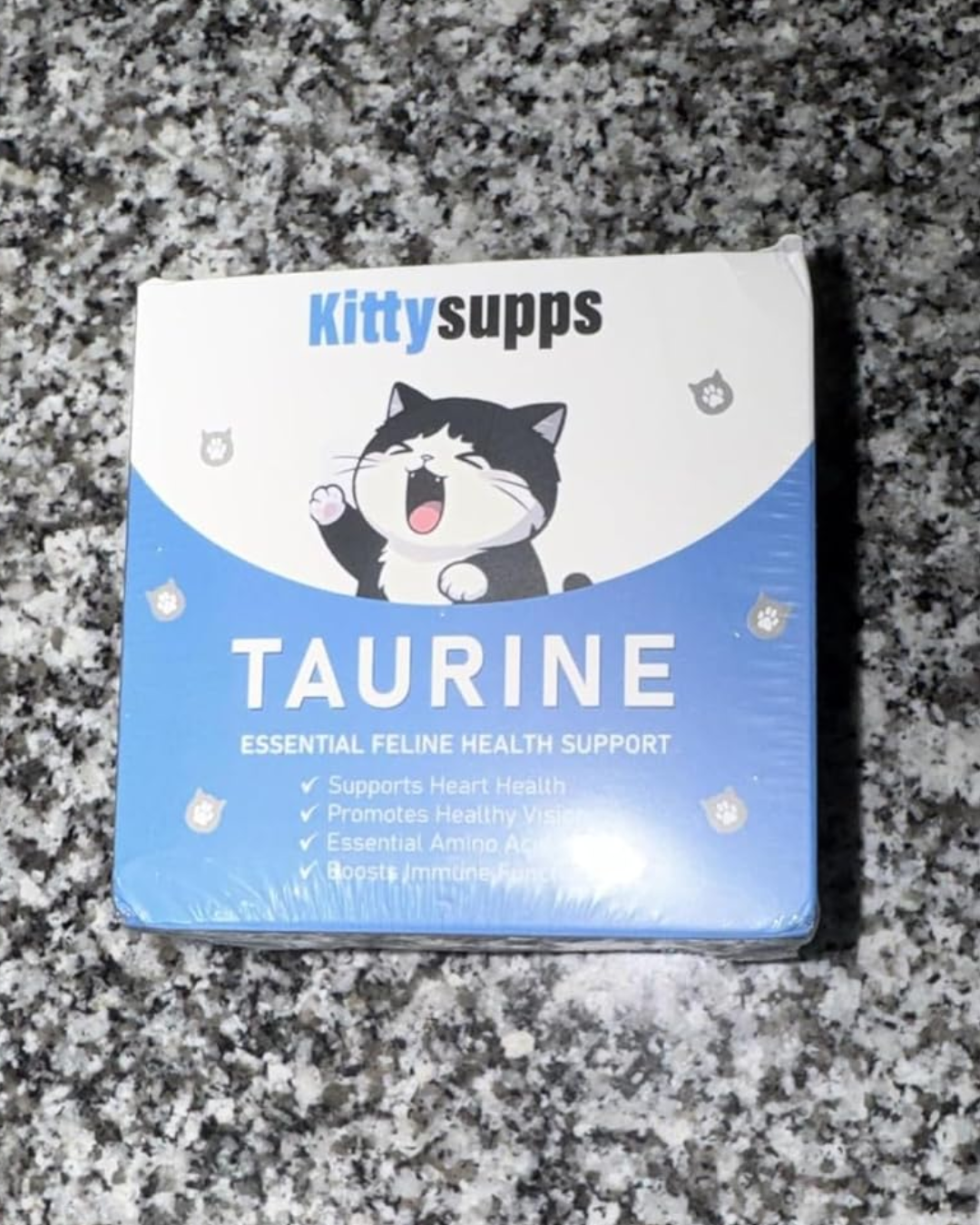
You are a good cat parent, right? But are you missing any of these symptoms that are right before your eyes? Before that raw bloody patch appeared, did you notice any of these? Your cat's coat felt slightly greasier than normal. The fur on their lower back sat in separated clumps instead of lying flat. There were small black specks on their chin that didn't wipe off. Your cat would stop mid-activity and lick one specific spot for three seconds with strange intensity, then continue as if nothing happened. If you saw any of those things in the last few months, those weren't quirks. Those were the early stages of an internal collapse that just became visible on the outside. I saw every single one of those signs on my cat for four months. I did nothing because I thought he was just being a cat. Fourteen months and $3,400 later, he was dead. And I'd missed the window where fixing it would have been simple. My name is Martha Bennett. I'm 56. I live in Seattle with my partner James and our two cats. Well. We used to have two cats. Hershey was a seven-year-old black & white domestic cat. Opinionated. Loud. The kind of cat who made specific, different sounds depending on exactly what he wanted, and had trained us both to understand all of them. Olive is a four-year-old tortoiseshell. Quieter. More cautious. Watches everything from the top of the bookshelf before deciding whether to participate. Two completely different cats. But they both started doing the same thing. And I missed all of it with Hershey. Looking back now, I can see it. The first signs appeared maybe four months before the raw patches. His coat started feeling different — not dramatically different, just slightly off. A little greasier than normal. The fur around his lower back sat in slightly separated clumps instead of lying flat the way it usually did. I remember noticing it and thinking: he's just been grooming himself differently. Maybe he's been sleeping in a weird position. I did nothing. A few weeks later, I found black specks on his chin. Tiny, scattered, like someone had shaken a pepper grinder over his lower jaw. I googled it. Feline acne. I read that it was common, often caused by plastic food bowls. I switched his bowl to stainless steel, bought antimicrobial wipes, and felt satisfied that I had identified and solved the problem. The black specks didn't go away. But the bowl was new and stainless steel and I had done the internet-approved thing so I told myself it was fine. Then there was the new behavior. Just occasionally. He'd be walking across the room, or sitting in the window, and suddenly stop. Freeze. And lick one specific spot on his belly for three or four seconds with focused, strange intensity. Then continue walking, as if nothing had happened. I thought he was just being a cat. Just being quirky. Just being Hershey. I did nothing. The crisis felt like it happened overnight. One morning I came downstairs and found Hershey on the kitchen floor. He wasn't doing anything. He was just sitting, and scratching. The same spot on his back leg, again and again, with a focus that looked less like grooming and more like something was burning under the skin and he couldn't reach it. I parted the fur on his leg. A raw patch. Angry pink skin, roughly the size of a fifty-cent piece. The fur around it already coming away. I felt my stomach drop. I made the vet appointment that day. That was the beginning of fourteen months. The vet looked at the patch, ran some basic checks, and said it was most likely a food allergy or an environmental trigger. "Has anything changed in his environment recently? New cleaning products? New furniture?" Nothing had changed. "The most common culprits are protein allergies. Chicken is highly allergenic in cats. I'd recommend switching to a limited ingredient food with a novel protein. Rabbit or fish." She also prescribed a short course of Prednisolone to reduce the inflammation. $85 for the novel protein food. $42 for the steroid prescription. For three weeks, the scratching reduced. The raw patch started to close. His fur grew back slightly. I thought: we found it. It was the chicken. Problem solved. I felt the specific relief of a mystery that has been definitively solved. Week four: the scratching came back. Not just on the leg this time. A new spot appeared on his belly. Then behind his left ear. I posted in a cat care group. "Switched my cat to rabbit formula for a food allergy. It worked for three weeks and now the scratching is back. What am I doing wrong?" Everyone had suggestions. "Maybe it's not just the protein. Try grain-free." "Have you checked for dust mites? My cat had the same thing and it was dust mites." "Try a limited ingredient fish diet. Some cats react to the pea protein in rabbit formulas." "Did you switch his litter at the same time? Litter dust is a huge one." So I investigated all of it. I bought a HEPA air purifier and put it in the room where Hershey slept. I vacuumed the apartment with a fine attachment twice a week. I changed the litter to an unscented, low-dust formula. I switched his food again — this time to a single-protein fish diet, limited ingredient, grain-free. $95 for the fish diet. $140 for the air purifier. The scratching did not improve. James started hearing it at night. The sound that I had already learned to dread. Rhythmic. Wet. Lick-lick-lick-lick in the dark. He'd shake me awake. "Is he doing it again?" I'd get up and take my phone into the hallway and shine the flashlight on whatever area I'd seen Hershey working on most recently. Checking the skin in the dark at 2 AM to count the raw patches and see if they'd grown. They had grown. I went back to the vet. She looked at the three raw patches on Hershey's leg, belly, and behind the ear. She added a skin scraping test to look for mites or fungal involvement. Everything came back negative. "I think this is likely atopic dermatitis. An environmental allergy. Given how it's spreading, I want to try Atopica. It's an immunosuppressant that works better for ongoing cases like this than repeated steroid courses." $180 a month. I started him on it. He developed nausea for the first two weeks. Stopped eating at full portions. Seemed lethargic. The vet said this was a common adjustment period and to continue. The scratching reduced significantly within a month. His fur started coming back in the raw patches. I felt something I hadn't felt in months — hope that this was actually working. I also felt the weight of $180 a month for an indefinite period. "How long does he stay on it?" "Indefinitely. It's management, not a cure. The goal is to keep the immune response suppressed so he can live comfortably." Management. Not a cure. I drove home from that appointment and sat in the car outside our building for fifteen minutes. Management meant forever. Management meant $180 a month forever. Management meant the underlying problem was not being fixed, just silenced. Management meant the moment we stopped, it would come back. And it did come back. Five months into Atopica, Hershey got sick. Respiratory infection. The vet explained it plainly: the Atopica works by suppressing the immune system. That's how it stops the allergic reaction. But a suppressed immune system cannot fight off infections the way a healthy one can. He recovered from the first infection with antibiotics. He got another respiratory infection eight weeks later. This one hit harder. He stopped eating. His breathing was labored. He lost weight fast — I could feel his spine when I stroked his back. We treated it aggressively. IV fluids. Stronger antibiotics. He improved slightly. Then declined. The vet called us in for a conversation I had been dreading. At the end of that conversation, James drove us home and I held an empty carrier on my lap and watched the city pass outside the window and tried to understand how I had spent fourteen months doing everything I was told to do and had ended up here. $3,400 in vet bills. Fourteen months of food changes, environmental changes, purifiers, wipes, steroids, and immunosuppressants. And Hershey was gone. Two months later, I noticed Olive licking her belly. I want you to understand what that moment felt like. She was on the windowsill in the afternoon light. Doing what I had watched Hershey do a hundred times in the months before the raw patches. That specific, focused, three-second lick of one particular spot. Then she looked up. Then she went back to watching the street. I crossed the room and parted her fur. Her belly coat felt slightly different. Slightly greasier than it should have. I had felt that texture before. I was not going to do fourteen months of the same cycle again. I was not going to spend $3,400 treating a symptom while the underlying problem kept getting worse. I was not going to watch her scratching become raw patches become infections become that conversation. I did not sleep that night. I spent it going through everything I had not properly researched when I was in the middle of managing Hershey's condition. I read studies. I read Reddit threads from cat owners who had been through years of the same spiral. I read papers on feline skin disease that I did not fully understand. And in a thread about cats who scratched themselves despite every environmental change the owner made, I found a comment that stopped me. Someone wrote: "After two years and four vets, I learned my cat's problem was never the allergen. The allergen was always there. The problem was that her skin could no longer keep it out. When I fixed the barrier, the scratching stopped." The barrier. I had never heard anyone use that word to describe what was wrong with Hershey's skin. I started pulling on that thread. Taurine. Bile. Lipid barrier. Fat absorption. Barrier degradation cycling. I understood pieces of it but not how they connected. I bought a taurine supplement on Amazon. $22. Good reviews. "Supports skin health." I figured even a partial understanding was better than going back to the vet for another round of the same management plan. I started giving it to Olive. Week one: The licking continued. Week two: The slightly greasy patch on her belly felt worse, not better. Week three: She was licking more frequently, not less. Week four: I was sitting on the back steps in the evening and Olive was indoors and I could hear, through the glass door, the sound I had not heard in months and thought I would never have to hear again. Lick-lick-lick. My neighbor from the floor below, Mrs. Patterson, came out onto the landing to put out her recycling. She's 74. She had sent James and me flowers when Hershey died, and a card that said she was sorry and that she had loved watching him sit in our window. I had not properly talked to her since. She saw my face. She sat down next to me on the steps without asking. I told her everything. Hershey. The fourteen months. The food changes and the Atopica and the infections. Olive. The taurine that wasn't working. She was quiet for a moment. "Can I ask you something? When you bought the taurine on Amazon — did you check what the actual bioavailability was?" I didn't know what bioavailability meant in this context. She explained herself then. She had spent over thirty-five years as the head veterinarian at the city animal shelter before she retired. Three and a half decades treating cats with every skin condition imaginable, in every stage from early warning signs to crisis. "The supplement you bought — most of them on Amazon — claim 500mg of taurine. But the amount that actually reaches the cat's bloodstream after absorption is usually 20 to 30 percent of that. Sometimes less. So Olive isn't getting 500mg of usable taurine. She's getting maybe 50 to 70mg." "Is that why it's not working?" "That's part of why it's not working. Can I explain the rest?" She sat back. "Your cat's skin isn't just fur and surface. Underneath the surface, there's a layer — a barrier made of specific fatty acids and lipids that the skin cells produce. It works like a wall. When it's intact, it keeps everything outside where it belongs. Dust. Mites. Pollen. Whatever is in the air. The allergens hit the wall and bounce off. The immune system never encounters them. The cat doesn't react." "And when the wall breaks down." "When the wall breaks down, the allergens pass directly through the skin and into the tissue underneath. The immune system encounters them and treats them like an invasion. It sends an inflammatory response. The cat feels it as a burning itch that comes from inside the skin — a place it can't reach by scratching the surface. So it scratches harder. Deeper. Trying to reach something it never can." "And the scratching makes the skin worse." "The scratching makes the skin worse. Which breaks the barrier further. Which lets more allergens in. Which creates more inflammation. Which creates more scratching. We call it barrier degradation cycling. Each flare-up destroys another six to eight percent of the barrier's strength. Once it reaches a tipping point — usually around 40 to 50 percent destroyed — the reaction becomes catastrophic. That's why it always feels like it happened overnight. The cat was scratching occasionally for months. And then suddenly they're ripping fur out in 48 hours." I thought about the four months before Hershey's first raw patch. The greasy coat. The black specks on his chin. The three-second focused lick in the middle of doing something else. "So the warning signs were there before the raw skin appeared." "Always. The greasy, slightly separated coat is the barrier starting to fail. The dandruff along the lower back is dead skin cells the barrier can no longer hold. The feline acne on the chin is the hair follicles becoming inflamed. Those signs appear months before the acute scratching begins. By the time you see the first raw patch, the barrier is already significantly compromised." I had seen all of those signs with Hershey. I had noticed the coat. I had switched his bowl because of the chin acne. I had done nothing about the real problem because I didn't know what the real problem was. "How do you rebuild the barrier?" I asked. "The barrier is made of fat. Specifically, fatty acids — EPA and DHA — that the body absorbs from food and transports to the skin. The skin uses them to rebuild and maintain the wall. To absorb those fats, the cat needs bile. The liver produces bile from taurine. If taurine is depleted, bile production drops. Fat absorption drops. The skin stops receiving the materials it needs to maintain the barrier. The barrier degrades." "So it starts with taurine." "It always starts with taurine. Restore adequate bioavailable taurine, the liver produces bile again, the cat can absorb dietary fats again, those fats reach the skin, the barrier starts to rebuild, the allergens stop penetrating, the immune system stops reacting, the itch stops." "But I've been giving her taurine." Mrs. Patterson picked up my phone and looked at the Amazon listing I still had open. "I know this brand. I tested it in my practice years ago. It claims 500mg and delivers approximately 180mg of actual taurine per dose. Of that 180mg, the cat absorbs maybe 28 percent. Olive is getting around 50mg of usable taurine per day. The minimum needed to restart bile production meaningfully is at least 400mg bioavailable. You're giving her one eighth of what she needs." "While the barrier keeps breaking down." "While the barrier keeps breaking down." She stood up. "I want to give you something. I'll be back in two minutes." She came back with a bottle. KittySupps. "This is what we used at the shelter for over thirty-five years when we needed reliable taurine supplementation. I tested dozens of brands. Sent them to labs. Most of them failed — underdosed, contaminated, degraded from improper storage. This is the only one that consistently passed everything I ran." I looked at it. "503mg of pure taurine per scoop. They label it 500 and they over-deliver. 95 to 98 percent bioavailability — meaning Olive's body will actually absorb and use what's in the dose. No fillers. No contamination. Pharmaceutical-grade storage so it doesn't degrade before she takes it." "And this will stop the scratching." "Within four to six weeks, her bile production should restore. Her fat absorption should normalize. The barrier should begin to rebuild. As the barrier seals, the allergens stop getting in. The immune response quiets. The itch stops." "What about the taurine in her food?" Mrs. Patterson looked at me. "The commercial food manufacturing process uses temperatures between 180 and 200 degrees Celsius. Taurine is heat-sensitive. Between 60 and 80 percent of the taurine added to the food before cooking is destroyed during processing. What remains on the label — 'taurine added, complete and balanced' — is what they added before they cooked it at a temperature that destroyed most of it." I thought of every premium bag I had bought. For Hershey. For Olive. "And the grain-free food I've been giving her—" "Grain-free formulas replace grains with legumes. Peas, lentils, chickpeas. Cheaper ingredients that let them charge a premium. Legumes contain compounds that bind to taurine in the gut and block absorption. So even the small amount that survives the cooking process often can't be absorbed because the legumes are blocking it." "So she's been taurine deficient since she started eating commercial food." "Almost certainly. Most indoor cats are. The barrier degrades slowly, over months, before the acute symptoms appear. By the time you see the scratching, the wall has already been failing for a long time." She handed me the bottle. "One scoop per day in her food. Start tonight. And Martha — you cannot overdose taurine. It's water-soluble. Whatever the body doesn't use, the kidneys filter out and she excretes it. No toxicity risk. No side effects. No upper limit you need to worry about." I started Olive on KittySupps that night. For the first four days, the licking continued and I checked her belly every morning and tried to stay calm. Day six: I realized I had not heard the sound at 3 AM for two nights. Week two: The licking was down to maybe once or twice a day. The slightly greasy texture of her belly coat was already feeling softer. Week three: I watched her in the window for two hours one afternoon without seeing her lick her belly once. She groomed herself normally — briefly, moving around, the way healthy cats groom — and then fell asleep in the sun. Week four: The licking had stopped. I ran my hand along her belly where the coat had started feeling different. It was soft again. Uniform. The way it had felt before any of this started. I took her to the vet at six weeks. The vet looked at her coat, checked the skin, found no raw areas, no thinning patches. "She looks great. Whatever you've been doing is working." "It's taurine. Pharmaceutical-grade taurine." A pause. "Interesting. Keep her on it." That was four months ago. Olive has not had a single episode of scratching since week four. Her coat is soft and even. She sleeps through the night. She grooms herself briefly and normally and then stops. She sits in the window in the afternoon and looks content. She is healthy. And I think about Hershey every single day. Because now I understand what those four months of warning signs were. The greasy coat was his lipid barrier starting to fail. The black specks on his chin were inflamed follicles — the skin's deeper infrastructure beginning to break down. The three-second focused lick in the middle of walking across the room was his body registering the internal burn for the first time. His barrier had been degrading for months before I saw the first raw patch. And for every month it degraded, it lost more of its structural integrity. Six to eight percent per flare-up. Until it hit the tipping point. Until the allergens in our ordinary home — dust, mites, particles he had lived with for years without reacting — started flooding through the compromised wall faster than his immune system could manage. And I was changing the detergent. Switching to rabbit food. Vacuuming for fleas that were never there. While his barrier kept collapsing. While the steroids muted the reaction without touching the cause. While the Atopica suppressed the immune system he needed to survive an infection. It was preventable. All of it. If the pet food companies put meaningful bioavailable taurine in their food instead of the legal minimum that gets destroyed in processing. If any of the four vets had explained what was actually failing instead of cycling through proteins and management plans. If anyone had told me that the greasy coat and the chin acne and the three-second lick were the beginning, not quirks, and that by the time I saw the raw skin the barrier was already half-gone. Hershey would still be here making his specific sounds at dinner time. But I didn't know. Because nobody told me. I'm writing this because I see all of you in the groups describing the exact same thing I lived through. "My cat scratched himself raw overnight. Was fine yesterday." "Changed to rabbit formula three weeks ago, scratching is worse." "Vet says it's environmental allergies, manage with steroids. It keeps coming back." "My cat has been in a cone for four months and found a new spot to scratch." "Spent $2,000. Nobody can tell me why this is happening." It did not happen overnight. The greasy patch you noticed a while ago and thought was nothing — that was the barrier starting to fail. The dandruff along the lower back you saw last month — the barrier losing integrity. The feline acne on the chin, the occasional focused lick mid-activity — months of the wall slowly collapsing. You are not dealing with a food allergy. You are not dealing with a flea. You are not dealing with the laundry detergent. You are dealing with a skin barrier that has been starving for building materials because your cat's body has not had enough bioavailable taurine to produce the bile to absorb the fats to maintain the wall. Every protein switch addresses a trigger the barrier can no longer keep out regardless. Every steroid shot quiets the immune system temporarily and does nothing to rebuild the wall. Every month on an immunosuppressant is another month the barrier isn't being fixed. And taurine cannot oversupplement. It's water-soluble. The kidneys filter whatever isn't used. There is no toxicity risk. There are no side effects. There is no upper limit to worry about. Which means even if you're not certain this is what's happening — even if the scratching is still mild, even if the raw skin hasn't appeared yet — there is zero harm in giving your cat pharmaceutical-grade taurine today. None. But if the barrier is already failing — and Mrs. Patterson told me that 99 percent of indoor cats on commercial food are taurine deficient — you could be stopping this months before the crisis hits. Start pharmaceutical-grade taurine today. Not the brands on Amazon. I gave Olive Amazon taurine for four weeks while the barrier kept breaking down. The label said 500mg and she was absorbing approximately 50mg of usable taurine per day. You cannot restart bile production on 50mg. You cannot rebuild a failing lipid barrier on 50mg. The only brand that passed every test Mrs. Patterson ran across thirty-five years at the city shelter: KittySupps. 503mg per scoop. 95 to 98 percent bioavailability. Pharmaceutical-grade. No fillers. No contamination. One scoop per day mixed into food. Within four to six weeks, bile production improves. Fat absorption restores. The skin barrier begins to rebuild from the inside. The allergens stop penetrating. The inflammation drops. The scratching stops. Not because you finally found the right protein. Not because you finally identified the right environmental trigger. Because you gave the barrier the materials it has been missing since the day your cat started eating commercial food. Get it here: https://kittysupps.com/products/taurine Olive's coat is soft and even and perfect. She sleeps through the night. She has not scratched once in four months. She does not need a cone. She does not need Atopica. She is not on a $110 prescription diet that doesn't address the actual problem. She is healthy. Your cat doesn't need another protein switch. They don't need another steroid shot. They don't need a management plan for something that can be fixed at the root. They need a wall that works. And the wall needs taurine to be built. Don't let what happened to Hershey happen in your home. https://kittysupps.com/products/taurine EDIT: Several people have messaged asking where to buy KittySupps and a few mentioned finding it on Amazon. Please do not buy from there. KittySupps only sells direct from their website and has issued warnings about counterfeit versions sold through third-party platforms. The counterfeit versions contain a fraction of the labeled dose — the same problem I had with the Amazon brand I tried first. Buy only from: https://kittysupps.com/products/taurine P.S. The Amazon taurine I gave Olive for four weeks claimed 500mg per dose and was delivering approximately 50mg of usable taurine to her system. You need at least 400mg of bioavailable taurine to meaningfully restart bile production. I was giving her one eighth of what was needed while the barrier kept breaking down. Don't waste weeks on something that cannot work at that dose. https://kittysupps.com/products/taurine P.P.S. The warning signs appeared four months before Hershey's first raw patch. The slightly greasy coat. The black specks on his chin. The three-second focused lick mid-activity. I saw all of it and didn't know what it meant. By the time the raw skin appeared, his barrier was already more than halfway destroyed. If your cat is showing any of those early signs right now — the coat texture, the dandruff, the occasional focused lick — the barrier has already started failing. Start pharmaceutical-grade taurine today: https://kittysupps.com/products/taurine
Where the ad sends people
kittysupps.com
Hershey died and I paid $3,400 for it…
If Hershey’s death means something - pls pls pls read the whole thing and if your cat is showing any of these signs. START them on Kittysupps taurine today. Prevent skin allergy today by protecting the barrier…
Shop now: kittysupps.com(opens in a new tab)