
Inactive· since May 4, 2026
- 36
- days it ran
- 0
- relaunches
Ad copy
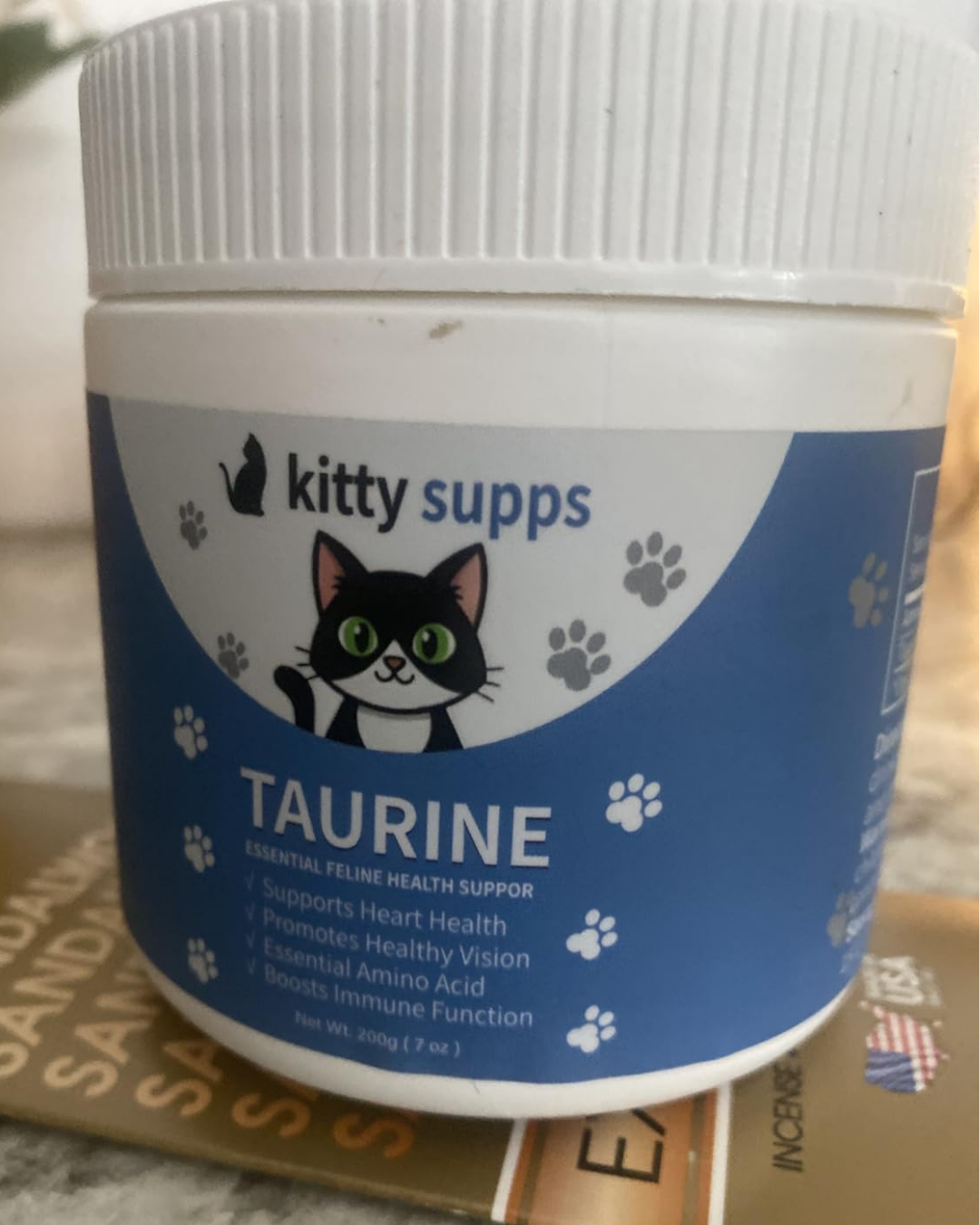
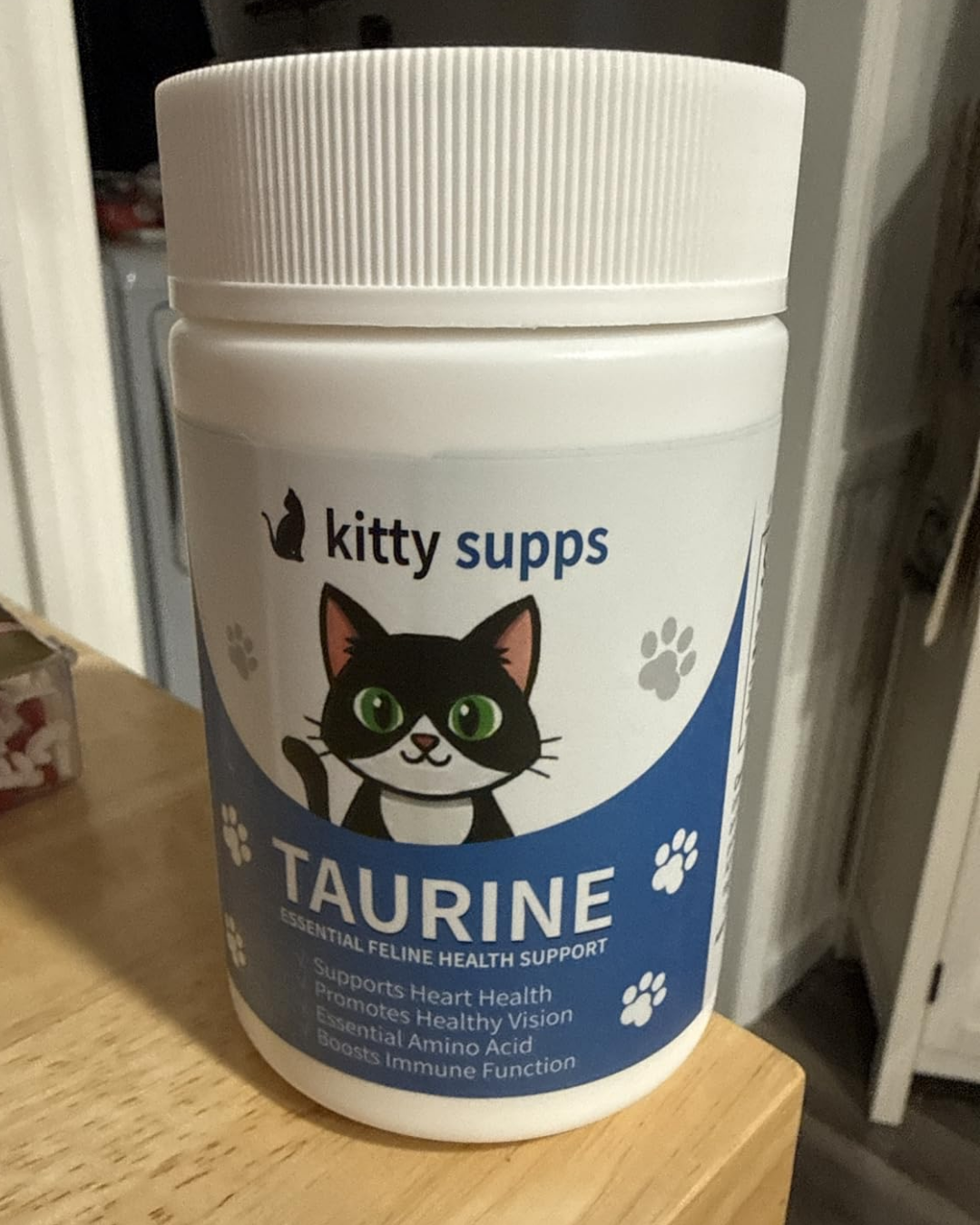
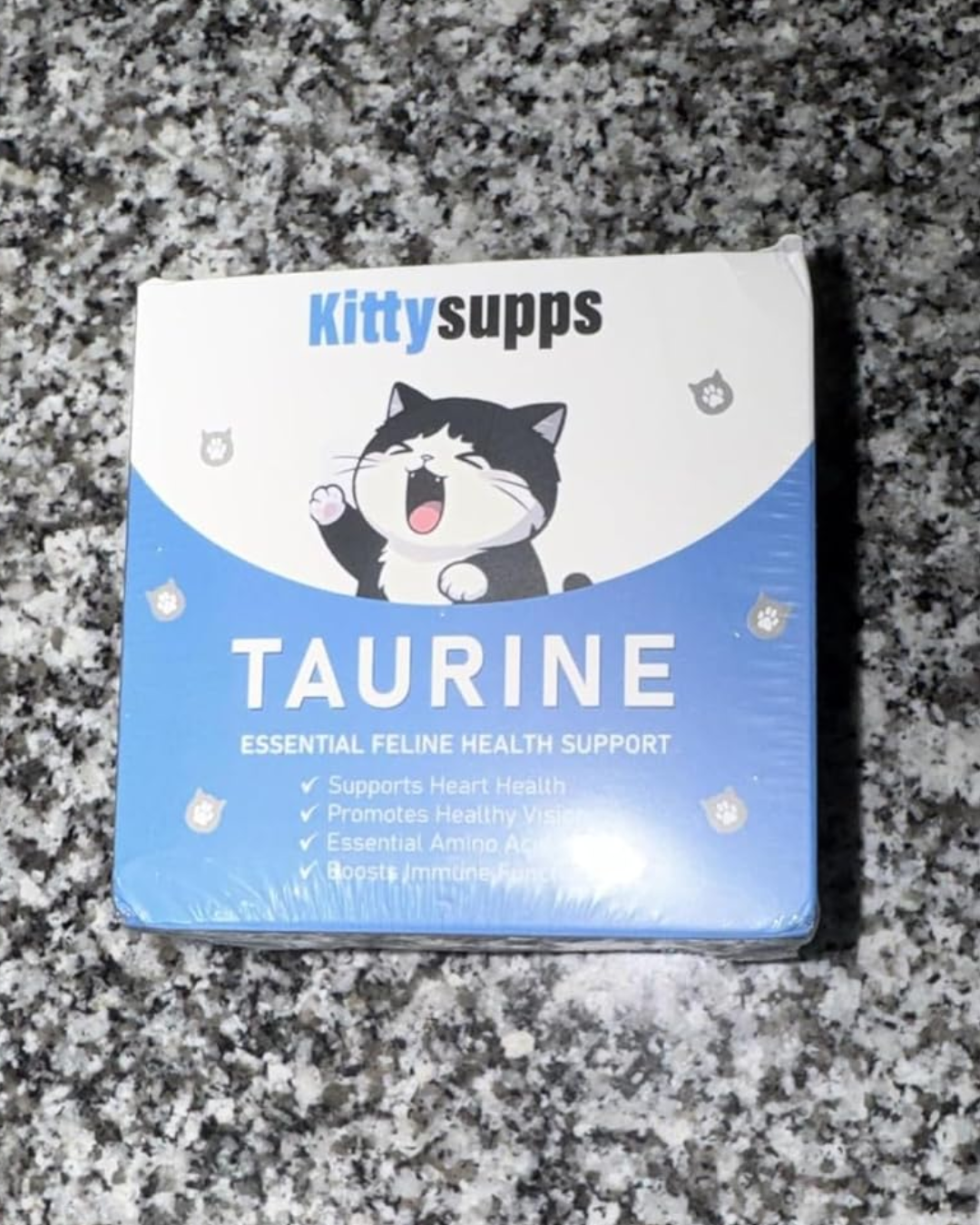
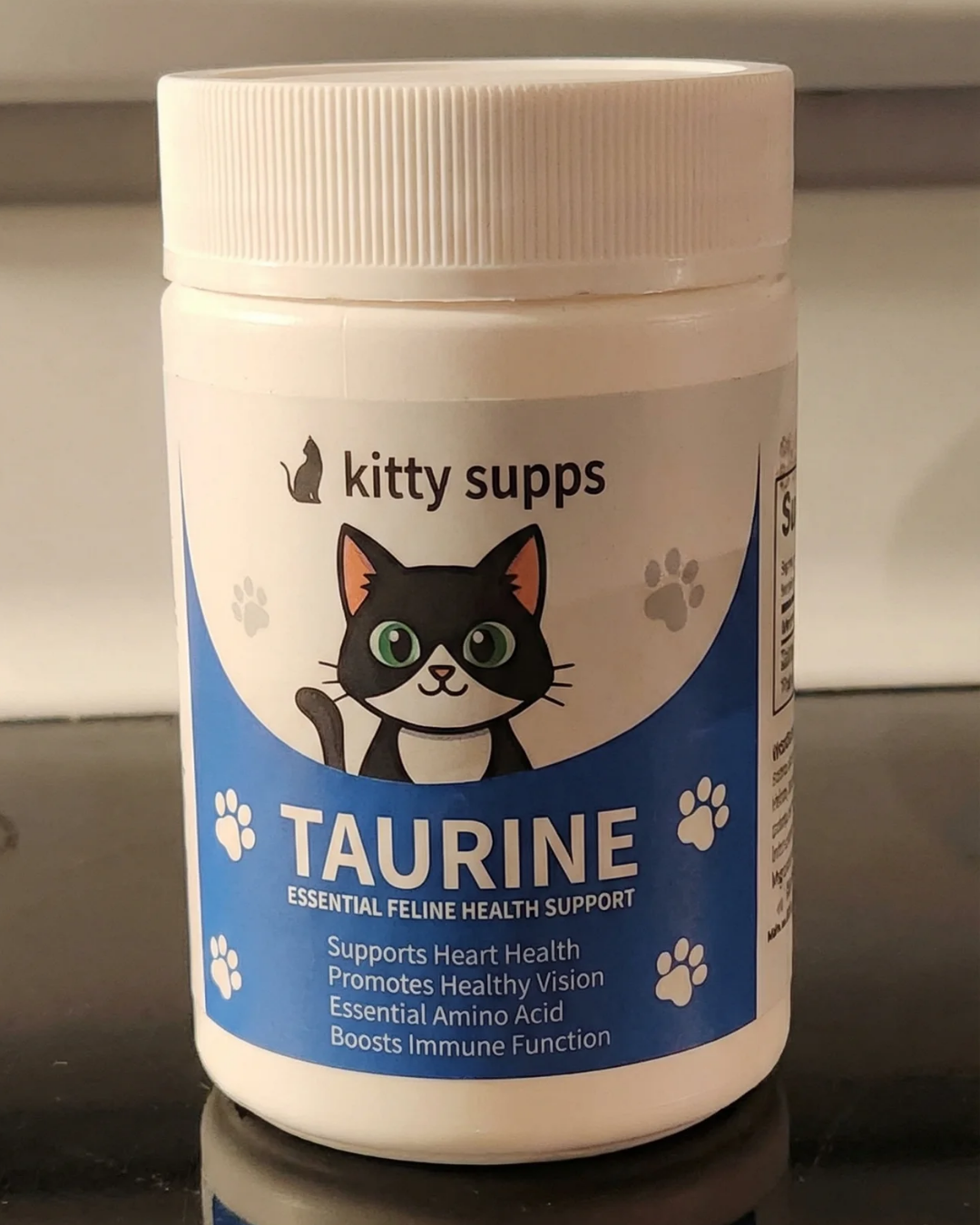
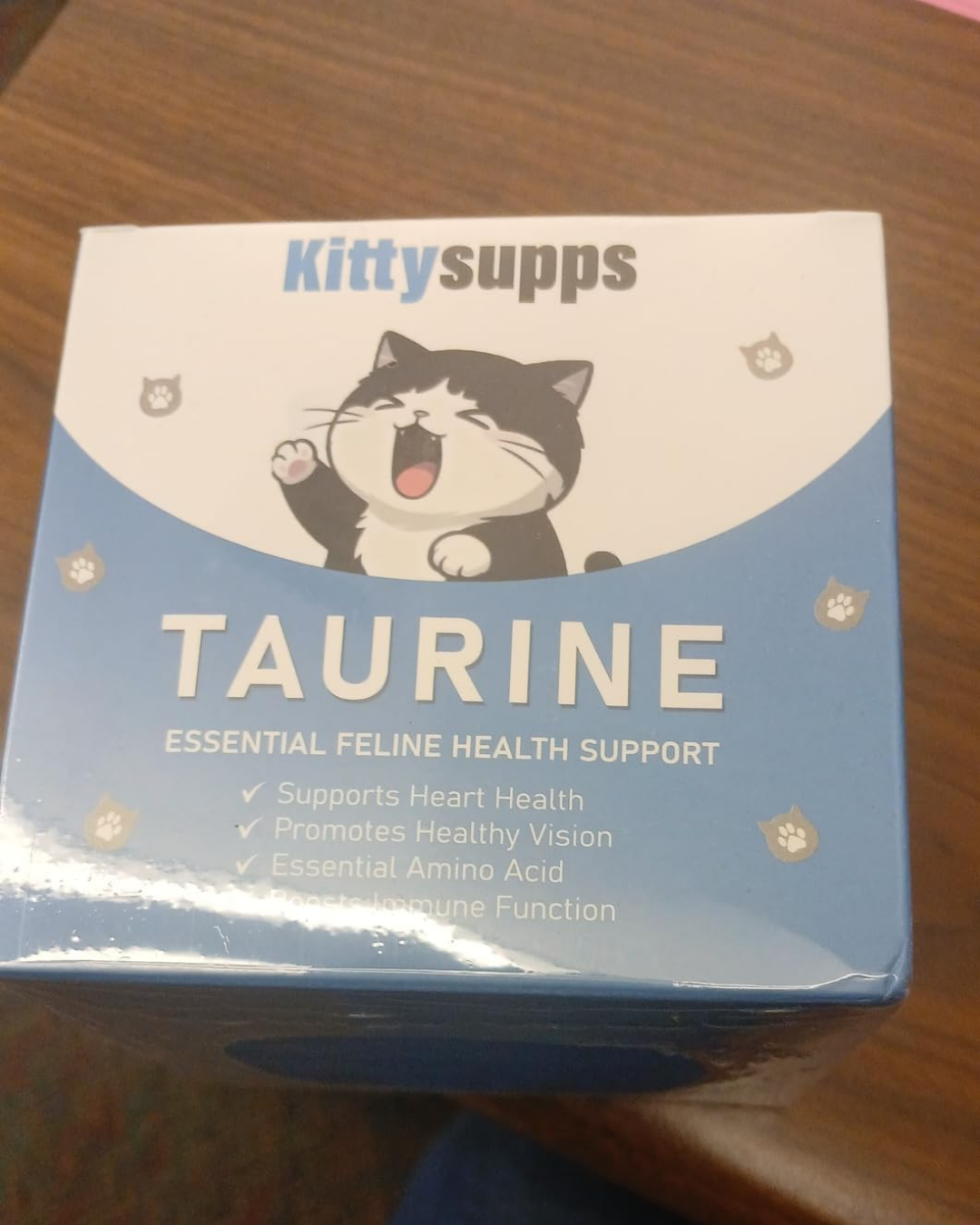
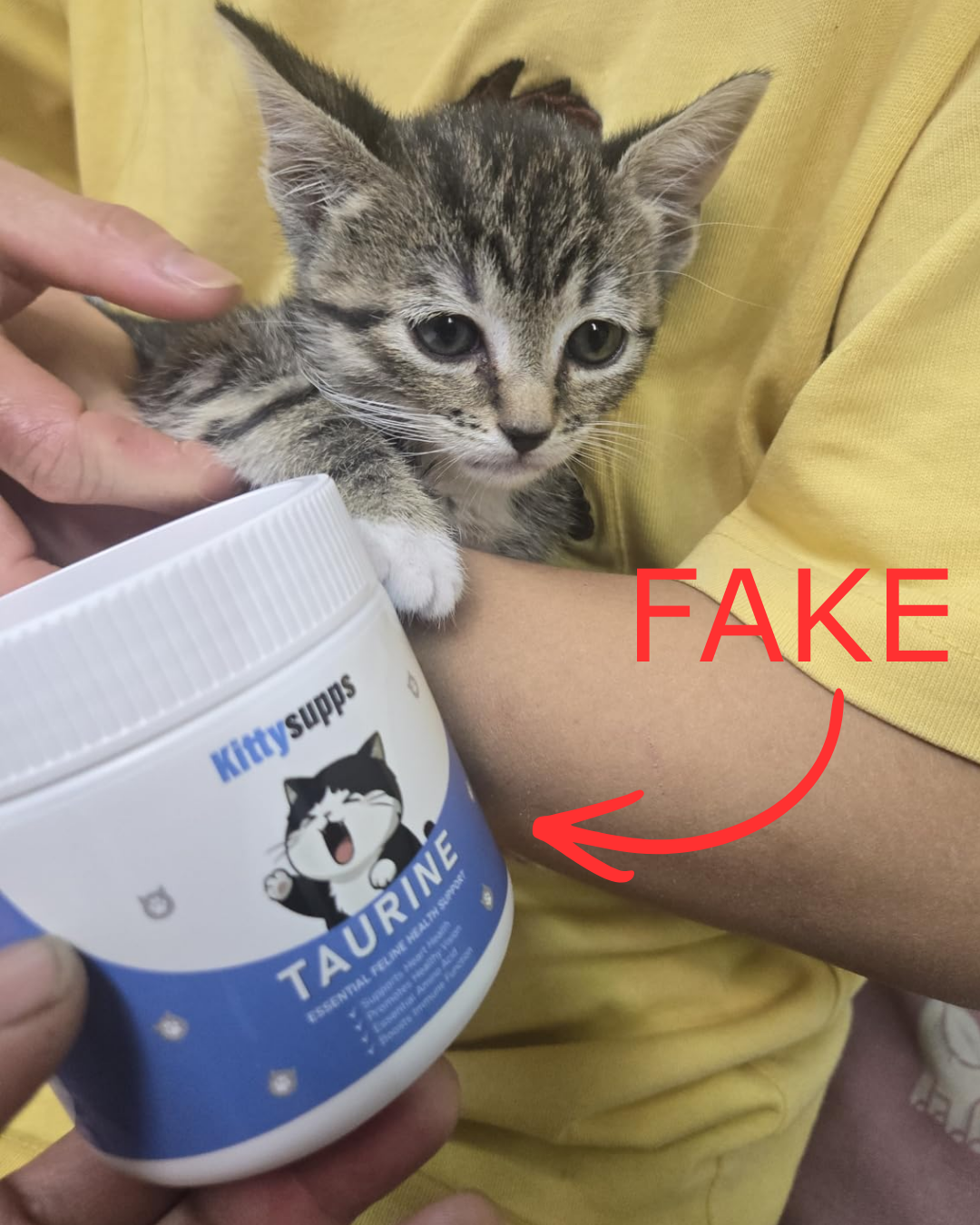
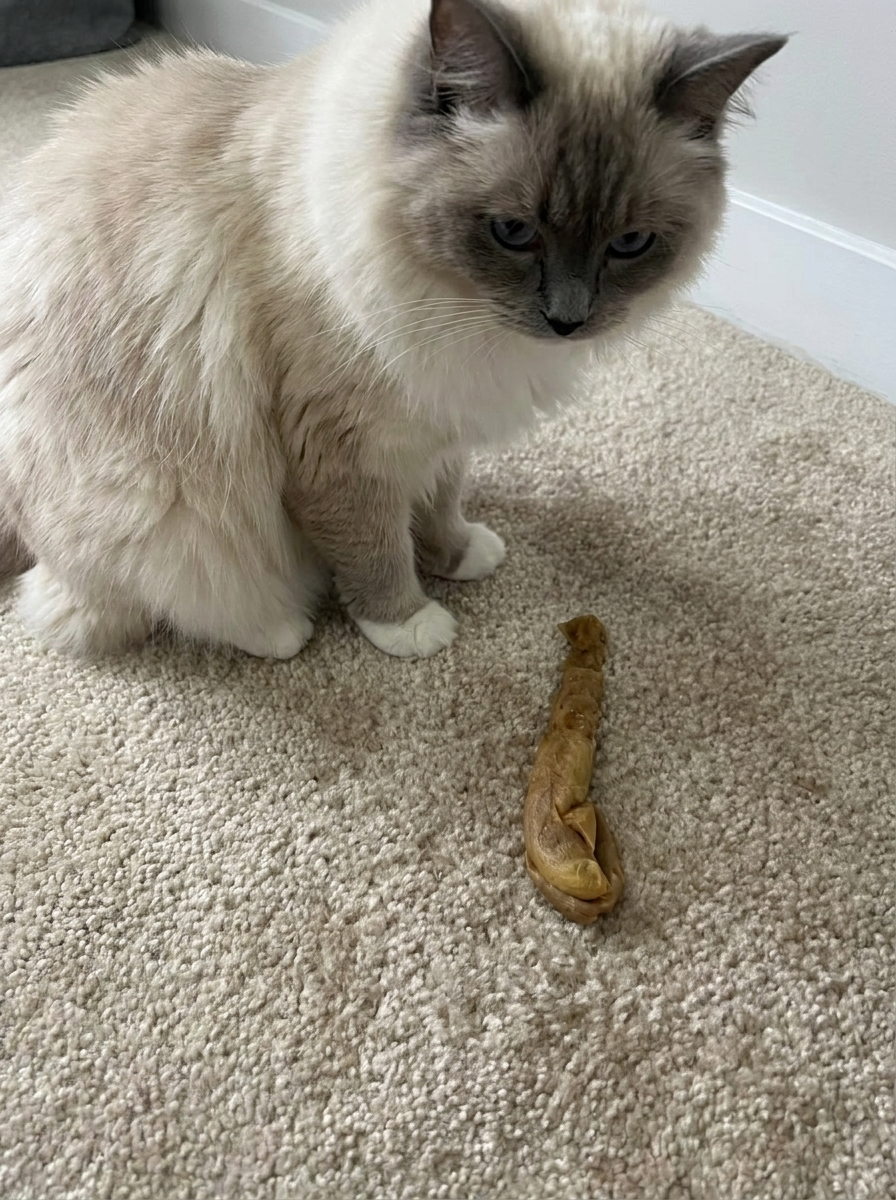
I am going to say something that nobody who owns a long-haired cat wants to hear and I don't give a f*k if it upsets you. That tube of Laxatone is not going to save your cat. Not the Greenies Hairball Treats. Not the $50 Furminator you brush him with three times a week. Not the bag of Hairball Control kibble your vet said was specifically designed for this. NONE OF IT IS TREATING THE ACTUAL PROBLEM. I know because I did ALL of it. Every remedy. Every brush session. Every treat. Every special food. For eighteen months. And then Tiger needed emergency surgery to remove a mass of hardened hair from his intestines. And he didn't come home. And then my other cat started making the exact same sound. That low, rhythmic, guttural hack... hack... hack... coming from the hallway at 2 AM. And I almost let it happen again because I was still using the same remedies that failed Tiger. I'm done being quiet about this. If your cat is hacking up hairballs and you're buying more gel and brushing more and switching to hairball control food, you are not treating the cause of what is happening. Read this entire post. Every word. Because what I'm going to tell you is the thing nobody told me until it was too late for one of my cats. And it might not be too late for yours. My name is Martha Bennett. I'm 57. I live in Raleigh with my husband Frank and our two cats. Well. We used to have two cats. Tiger was an 8-year-old Ragdoll. If you know Ragdolls, you already know what I'm going to say. He was enormous. Probably eighteen pounds of cat, half of which was fur. He shed constantly. Every surface in our house was covered in a fine layer of his white and grey coat. Frank used to joke that Tiger was slowly replacing the carpet one strand at a time. He was also the most dramatic cat I've ever owned. When he wanted food, he didn't just meow. He composed an entire opera about it. He'd follow me from room to room, narrating his suffering, until I gave in. Smokey is a 5-year-old Siamese. She is the opposite of Tiger in every way. Sleek and slim and almost completely silent. She communicates entirely through eye contact and the occasional slow blink. Where Tiger demanded everything, Smokey seemed content with very little. Two completely different cats. But they had the same problem. It started the way it always starts with a Ragdoll. Tiger had always shed. From the day we brought him home. It was just part of life with a long-haired cat. We vacuumed constantly. We used lint rollers on everything we owned. We accepted it. Then, about two years after we got him, the hacking started. The first time I heard it, I was in bed. Half asleep. And then: hack... hack... hack. I launched out of the sheets, grabbed Tiger off the rug, moved him onto the hardwood floor. Too late. I stood there at midnight, paper towels in hand, cleaning up a wet, matted cylinder of compressed hair and stomach acid off the carpet. I called my vet the next day. "Tiger's vomiting hairballs. Is that normal for a Ragdoll?" "Oh, completely normal. Long-haired cats are more prone to it. Just brush him more frequently and pick up a tube of Laxatone. Smear a little on his paw a few times a week so he licks it off. It lubricates the digestive tract and helps the hair pass through." I went to PetSmart that afternoon. Laxatone. Malt-flavored. $13.99. 4.3 stars. I opened the tube, scooped out a glob of thick brown gel, and smeared it on Tiger's front paw. What happened next was not what the instructions described. Tiger stared at his paw for about two seconds. Then he shook his leg so violently that the gel flew off his paw and landed on the wall. On the wall. I spent ten minutes wiping brown hairball gel off our kitchen wall. The next attempt, he dragged his paw across the carpet before I could stop him. There was a streak of brown gel on the floor for a week. The attempt after that, he sat perfectly still and watched me put the gel on his paw. Then he walked away without licking it, found the corner of the couch, and wiped his entire paw on the fabric. I started putting it on his food instead. He would eat around it. Eventually, through sheer persistence, I figured out how to get him to consume it. I mixed it into a small amount of wet food as a treat, heavily disguised. It took fifteen minutes every single time. And it sort of worked. For a day or two after each application, Tiger would seem a little better. Less hacking. Then it would come back. The vet shrugged when I mentioned this at Tiger's next checkup. "Some cats just have more hair. You could try a Hairball Control formula for his kibble. It has extra fiber to help move the hair through." I switched him to Royal Canin Hairball Care. $48 for a bag. Tiger still hacked. Sometimes less. Sometimes more. There was no pattern I could identify. I bought a Furminator deshedding brush. $52. The reviews said it removed 90 percent of loose undercoat. I brushed Tiger three times a week for fifteen minutes each session. Fur came off in impressive quantities. It looked like I was shaving a small sheep. Tiger still hacked. I spent a rough count of $340 over six months on Laxatone tubes, Greenies Hairball Treats, the Furminator, and two different Hairball Control food varieties. Tiger still hacked. But I kept buying more remedies because that was what everyone told me to do. The vet. The internet. The PetSmart employee. Every cat owner Facebook group I was in. "Long-haired cats just get hairballs. It's normal. Use the gel. Brush more. Get the hairball food." And then things changed. The hacking became daily. Not once a week. Not a few times a week. Every single day. And then dry heaving started. If you've never watched your cat dry heave, I hope you never have to. It's the hacking position—crouched low, neck extended, stomach heaving—but nothing comes up. The cat looks distressed. Eyes wide. Stomach contracting over and over. Tiger would do it for five minutes straight. Nothing. I Googled "cat dry heaving no hairball" at 11 PM one night and did not like what I found. "Dry heaving in cats can indicate a gastrointestinal blockage." "If your cat is dry heaving with no output, this may be a sign of an intestinal obstruction." "A cat that cannot pass a hairball and is repeatedly retching should be seen by a veterinarian immediately." I booked an appointment for the next morning. The vet pressed on Tiger's abdomen. She could feel something. "I want to take an X-ray." The X-ray showed a large mass in Tiger's intestinal tract. "This is a trichobezoar," the vet said. "A compacted hairball. It's too large to pass on its own and it's causing a partial blockage. He needs surgery." "Surgery?" "If we don't remove it, the blockage will become complete. That's fatal." $4,200 for the procedure. Frank and I didn't discuss it for more than thirty seconds. Tiger was our family. He went into surgery that afternoon. The surgeon called me at 8 PM. "Martha." A pause. "I'm so sorry. Tiger's heart gave out during recovery. We did everything we could." I don't remember the drive to the clinic. They handed me a cardboard box. I paid the bill. $4,200 for a surgery he didn't survive. We drove home and I sat in the kitchen for a long time without moving. I kept thinking about the Laxatone. The Furminator. The Hairball Control kibble. The eighteen months of remedies and brushing and special food. I had done everything right. I had done everything the vet told me to do. And Tiger died anyway. Three weeks after we lost Tiger, I was getting ready for work in the morning when I heard it. Hack... hack... hack. I stood still in the hallway. Smokey was crouched by the bedroom door. Head down. Stomach heaving. She brought up a small, wet cylinder of hair. I sat down on the floor right there. Smokey had barely had hairballs before. She had less hair than Tiger. She groomed herself, but she was a Siamese—short coat, minimal shedding. I had never worried about her. But here she was. And I recognized the sound. Over the next two weeks, it happened again. Then again. Three times in one week. I was not going to watch Smokey die the same way Tiger died. Not over something I was supposed to be able to prevent. I started researching obsessively. Not vet websites. Not pet food company blogs. Actual research. Reddit threads. Cat health forums. People who had been through this and figured out things that the standard recommendations never addressed. And I kept finding the same thing buried in the deeper threads. Hairballs are not a grooming issue. They are a gut motility issue. I found one comment at 1 AM that I read four times. "In a healthy cat, the hair they swallow passes straight through the digestive tract and into the litter box. You never even see it. A cat only vomits hairballs when their digestive system has slowed down so much that the hair can't move through. The gut stops contracting properly. The hair accumulates. Then either it gets vomited up or it hardens into a mass. The remedy isn't to lubricate the hair. The remedy is to get the gut moving again. And the gut moves because of bile. And bile requires taurine." I sat with that for a long time. I bought a taurine supplement on Amazon the next day. $22. Hundreds of reviews. "Supports digestive health in cats." I started giving it to Smokey that evening, mixed into her food. Week one: She hacked twice. One hairball. Week two: She hacked three times. Two hairballs. It wasn't getting better. It might have been getting slightly worse. Week three: She dry heaved once. I was in the kitchen when it happened. The same crouched position. The same stomach contractions. Nothing coming up. I grabbed my phone to call the emergency vet. Then I heard my neighbor at the back fence. Dorothy is 70 years old. She has a silver bob, always wears garden gloves, and has lived next door to us for eight years. She brought us a casserole the week Tiger died and sat with me for an hour without asking me to talk about it. What I didn't know—what she told me only after Tiger died, quietly, like she was ashamed she hadn't said it sooner—was that Dorothy had spent 25 years as a feline internist at a specialty animal hospital before she retired. She had seen hundreds of cats come through with exactly what Tiger had. Now she looked over the fence at me holding my phone, face white, watching Smokey through the glass door. "Is she doing the dry heave?" I nodded. Dorothy came through the gate. I showed her the Amazon bottle. She looked at it. Set it down on the patio table. "This isn't going to fix the motility problem. And it's underdosed anyway." She looked at me. "Can I explain what's actually happening? Because what your vet told you about hairballs—I don't think anyone explained the real cause." I sat down. "Please." She pulled her chair around to face me. "First, I want you to understand something. Tiger's death was not your fault. You did everything you were told to do. The problem is that what you were told was incomplete. The Laxatone, the brushing, the special food—those things address the symptom. None of them address the cause." "What is the cause?" "Taurine." She said it simply. "Cats cannot manufacture taurine in their bodies. They have to get it from food. And taurine is what the liver uses to produce bile. Bile isn't just for digesting fat. It also regulates gut motility—the rhythmic contractions that move everything through the digestive system. Food. Waste. Swallowed hair. Everything." I watched Smokey through the glass. She had stopped dry heaving and was sitting with her back to me, licking her paw slowly. "So without enough taurine..." "The liver can't produce adequate bile. The gut slows down. The contractions become weak and irregular. Everything moves through too slowly. And the hair your cat swallows every day—which should be passing straight into the litter box without you ever knowing it happened—starts to accumulate in the stomach instead. It clumps together. Compacts. Eventually it becomes large enough that the cat tries to vomit it up. Sometimes it does come up. And sometimes..." She didn't finish the sentence. She didn't have to. "The Laxatone," I said. "It was just..." "Greasing a broken conveyor belt. If the belt isn't moving, the oil doesn't help. The hair just sits in a pool of petroleum jelly in a stomach that isn't contracting properly. Maybe it gets vomited up eventually. Maybe it compacts further." I put my hand over my mouth. Eighteen months of applying that gel. The wall. The carpet. The couch cushion. The fifteen-minute production of hiding it in Tiger's food. Not one bit of it was treating why the hairballs formed. "But his food had taurine," I said. "It said so on the bag." Dorothy nodded, and her expression was the same one I imagine she'd used with clients for 25 years. Patient. A little tired. "They add taurine because the law requires it. The absolute minimum they can add and still put 'complete and balanced' on the label. And then the food is cooked at extremely high temperatures—180, sometimes 200 degrees Celsius—to make it shelf stable. That process destroys 60 to 80 percent of the taurine they added. What remains in the bag is a fraction of what a cat's body actually needs to maintain proper gut motility." "So every meal was making the deficiency worse." "Every meal was providing almost no bioavailable taurine. Yes. Slowly, over months and years, the gut slows down more. The hair that used to pass through starts collecting. First a hairball once a month. Then once a week. Then daily. Then the dry heaving starts because there's a mass too large to bring up. Then—" She paused. "Then what happened to Tiger happens." I had started crying at some point and hadn't noticed. "You couldn't have known," she said. "How could you? The vet told you to brush more and buy a gel. The pet food company told you the food was complete. Nobody in that chain has any incentive to tell you that the taurine in the bag is mostly destroyed before it reaches the bowl." She picked up the Amazon bottle again. "And this—I want to show you exactly why this didn't work." She turned it over, read the label. "I tested brands like this when I was still practicing. This one specifically, or one very similar. Sent it to an independent lab. The label says 500 milligrams of taurine per scoop. Actual content: 194 milligrams. It's 61 percent underdosed." "What?" "And the bioavailability—the amount the body can actually absorb and use—was 28 percent. So Smokey isn't getting 500 milligrams. She's getting roughly 54 milligrams per day. That is nowhere near the therapeutic dose needed to restore bile production and restart proper gut motility." "That's why she's still hacking." "That's why she's still hacking. And every day she's on this, her gut continues to slow down. The hair continues to accumulate." She looked at me directly. "You need to switch her today." "To what?" Dorothy stood up. "Come with me." We walked through the gate to her backyard. She went inside and came back a minute later carrying a white-labeled bottle. "This is what I used at the hospital for every cat that came in with chronic hairball issues or early-stage gut motility problems. KittySupps. I've had it independently tested. 503 milligrams of pharmaceutical-grade taurine per scoop—they actually over-deliver compared to their own label claim of 500. And 95 to 98 percent bioavailability. That means Smokey's body absorbs and uses what's on the label. Not a quarter of it. Almost all of it." She handed me the bottle. "One scoop per day in her food. Within four to six weeks, bile production should normalize. Gut motility should restore. The hair she swallows should start passing through naturally, the way it should have been all along." "What if the damage is already too far?" "The dry heaving was one episode. She hasn't stopped eating. She doesn't have a mass yet—if she did, we'd know. You have a window." She looked at me seriously. "Don't waste it." "Can I give her too much?" "No. Taurine is water-soluble. Any excess is filtered out and excreted. Zero toxicity risk. Zero overdose risk. There is no downside to giving pharmaceutical-grade taurine. The only downside is waiting." She squeezed my arm before she went back through the gate. "I'm sorry about Tiger. He should have had this from the beginning. They all should." I started Smokey on KittySupps that same evening. One scoop in her wet food. She ate without noticing anything different. The first week, she hacked twice. One hairball. I wrote it down in a notebook and tried not to panic. Week two: One episode of hacking. Small amount of hair. No dry heaving. Week three: I waited for the 2 AM sound all week. It didn't come. No hacking. No hairballs. No dry heaving. I checked her litter box every day. There were small amounts of hair in her stool—exactly where it was supposed to be. Passing through naturally. The way Dorothy said it should. Week four: Still nothing. I stood in the kitchen on a Thursday morning, watching Smokey eat her breakfast and walk away calmly, and I cried. Not because I was sad. Because that was what normal was supposed to look like. That was what Tiger had deserved for eight years. I took Smokey to the vet for a full checkup at six weeks. "She looks great," the vet said. "How have the hairballs been?" "Stopped completely at week three." She raised her eyebrows. "What changed?" "Pharmaceutical-grade taurine. KittySupps. It restored her gut motility." A pause. "That's... not something I would have recommended. But if it's working, keep going." That was five months ago. Smokey has not vomited a single hairball since week three. She plays. She eats. Her coat is softer than it's ever been. She is healthy. And I think about Tiger every single day. Because I understand it now in a way I didn't before. For eighteen months, his gut was slowing down. Every meal providing almost no usable taurine. Bile production dropping. The contractions that should have moved the hair through his system becoming weaker and less frequent. And every day, the hair he swallowed stayed in his stomach a little longer than it should have. Accumulating. Compacting. While I smeared petroleum jelly on his paw and bought the Furminator and switched his kibble and did everything the system told me to do. The Laxatone didn't fail because I applied it wrong. It failed because it was never designed to fix what was wrong with Tiger. It was designed to lubricate hair through a moving system. Tiger's system had stopped moving. You cannot lubricate your way out of a motility problem. Dorothy told me something on my back patio that I've thought about almost every day since. "The hairball remedy industry depends on cat owners not knowing that hairballs are a symptom, not a grooming issue. If every cat owner understood that chronic hairballs mean the digestive system has slowed down, and that the digestive system slows down because of taurine deficiency, and that taurine deficiency is caused by commercial food not providing enough bioavailable taurine—the entire hairball remedy market collapses. So the conversation never gets that far. You get handed a tube of petroleum jelly and told to brush more." Tiger was eight years old. Dorothy told me a cat with adequate taurine from kittenhood should live well into their teens or beyond. He deserved more years than he got. I'm writing this because I see posts every single week that I recognize. "My cat hacks up hairballs two or three times a week. Vet says it's normal for a long-haired cat." "Tried Laxatone and Greenies treats. Nothing is working. Any other remedies?" "My cat is doing the hacking thing but nothing is coming up. Should I be worried?" "Spent $200 on the Furminator and hairball food. Still happening every few days." "Cat had surgery for a blockage. $3,000. Vet says it might happen again." You are not brushing wrong. You are not using the wrong gel. The problem is not the length of your cat's coat. Your cat's digestive system has slowed down because their liver cannot produce enough bile. Their liver cannot produce enough bile because they are taurine deficient. They are taurine deficient because commercial cat food—even the premium, even the grain-free, even the Hairball Control formula—does not provide enough bioavailable taurine after the high-heat cooking process destroys most of what was added. The hair they swallow every day is not passing through. It is sitting in a slowing gut, accumulating. Maybe it gets vomited up. Maybe it doesn't. Maybe it hardens into something that can only be removed surgically. Dorothy told me 99 percent of indoor cats on commercial food are taurine deficient. That means the gut motility problem is already developing in most cats whose owners have no idea yet. Most cats don't show it as hairballs. Some do. And for those that do, the answer the system gives them is petroleum gel and a better brush. Not the actual cause. Not the actual fix. Taurine is water-soluble. There is no risk of giving too much. There is no toxicity. There are no side effects. The kidneys filter any excess and it's gone. The only risk is not starting. I wasted three weeks giving Smokey Amazon taurine that was delivering 54 milligrams per day instead of 500. Three weeks where her gut motility continued to decline. Three weeks where the dry heaving started. I'll never know if those three weeks mattered. I know that week three on KittySupps, the hacking stopped. I know that Tiger had eighteen months of remedies that never addressed the real problem. Start pharmaceutical-grade taurine today. Not the underdosed Amazon powder with 28 percent bioavailability. Not the petroleum gel that lubricates a system that has stopped moving. Not the hairball control kibble with cheap plant cellulose that bulks up stool but does nothing for gut motility. The supplement Dorothy used for 25 years at a specialty animal hospital. 503 milligrams of actual pharmaceutical-grade taurine per scoop. 95 to 98 percent bioavailability. One scoop per day in their food. Within four to six weeks, bile production restores. Gut motility normalizes. The hair passes through the way it always should have. Into the litter box. Out of sight. The way it works in a cat whose system is functioning properly. KittySupps. https://kittysupps.com/products/taurine Because I smeared petroleum jelly on Tiger's paw for eighteen months and called it treating the problem. And then I stood in a parking lot holding a cardboard box. Don't let that be your story. If your cat hacks up hairballs more than occasionally, this is the thing you do today. EDIT: Several people have messaged me saying they bought KittySupps and either didn't receive it or didn't see results like Smokey's. When I asked where they bought it, almost everyone said Amazon or Chewy. I only ever buy directly from kittysupps.com. They sell exclusively through their own website and have a specific warning about counterfeits on third-party platforms. I should have made this clearer. Real product only here: https://kittysupps.com/products/taurine P.S. The Amazon taurine I gave Smokey for three weeks contained 194mg of actual taurine versus the 500mg on the label—with only 28 percent bioavailability. She was getting roughly 54mg per day. The hacking continued and the dry heaving started during those three weeks. Four weeks on KittySupps and the hacking stopped completely. Don't waste time on supplements that deliver almost nothing. Your cat's gut cannot wait. P.P.S. Tiger hacked up hairballs for eighteen months before the mass formed. Eighteen months of buying every remedy on the market. None of it was treating the actual cause. By the time the blockage showed on the X-ray, surgery was the only option. And he didn't survive it. If your cat hacks up hairballs more than once or twice a month, please do not wait. Start pharmaceutical-grade taurine today: https://kittysupps.com/products/taurine
$4,200 Hairball Surgery. He Died During Recovery😢
Healthy cats swallow hair daily. It passes through into litter box—invisible. Your cat vomits hairballs because their gut stopped moving. Brushing more won't fix a paralyzed digestive system. Here's what actually restarts the belt.
SHOP NOWLike this ad? Make it yours.
Crush rebuilds this exact creative around your product — your brand, your colors, your offer — in about a minute.