
Still Running· since Aug 25, 2026
- 35
- days running
- 2
- relaunches
Ad copy
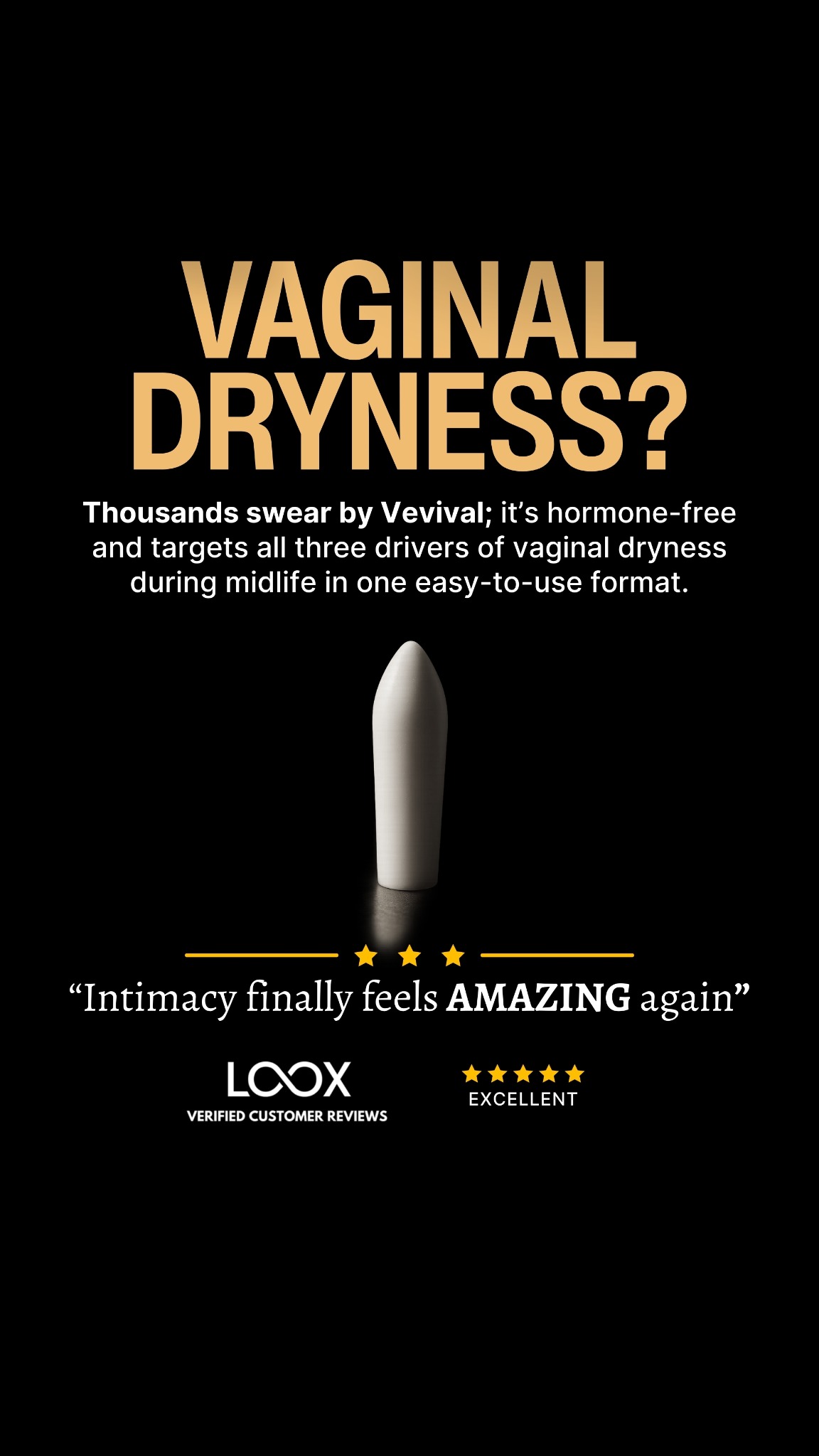
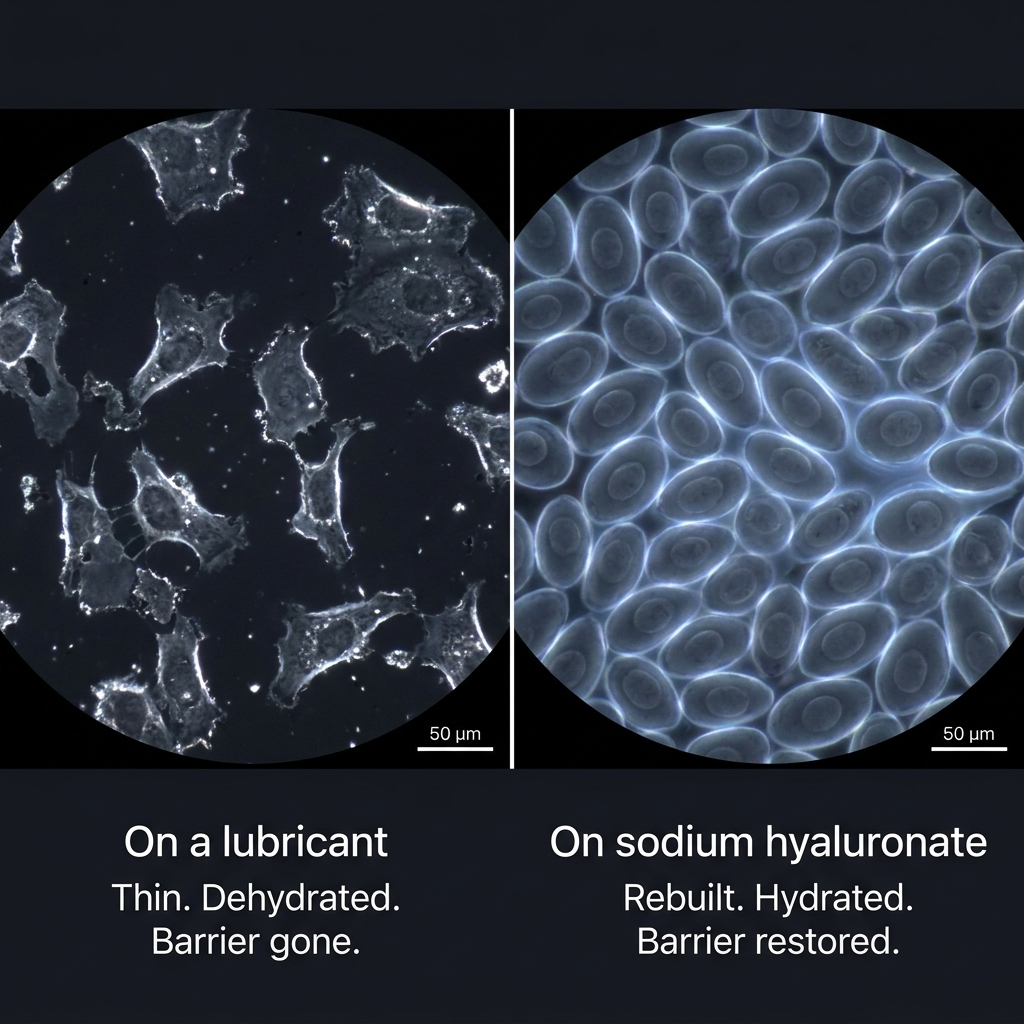
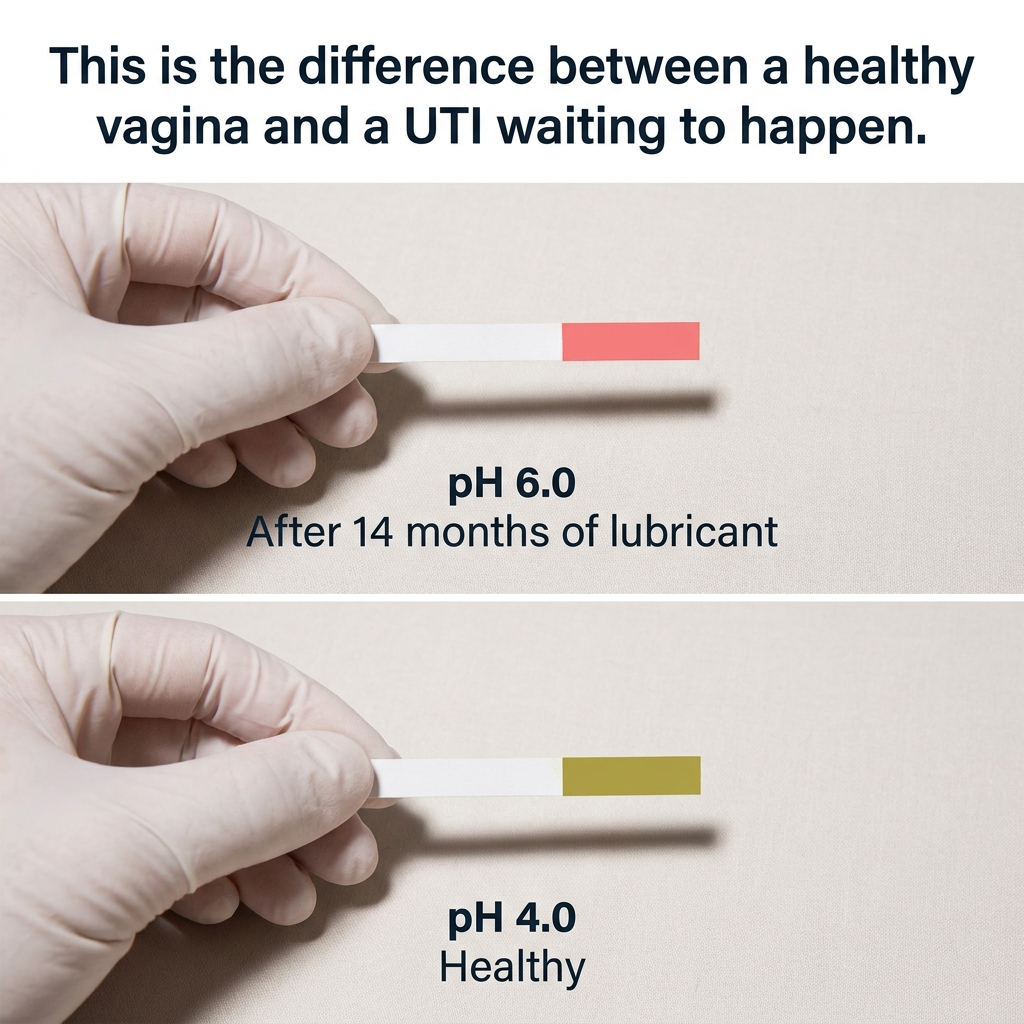
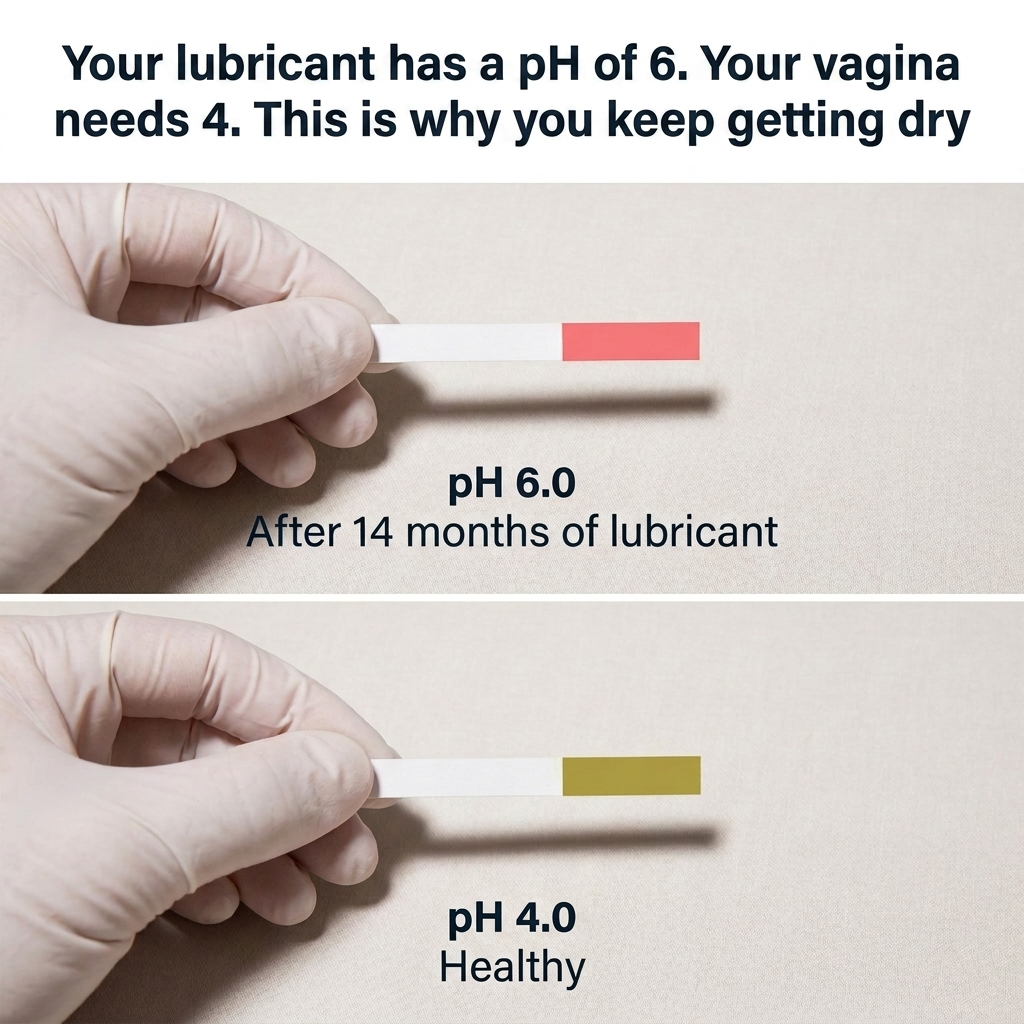
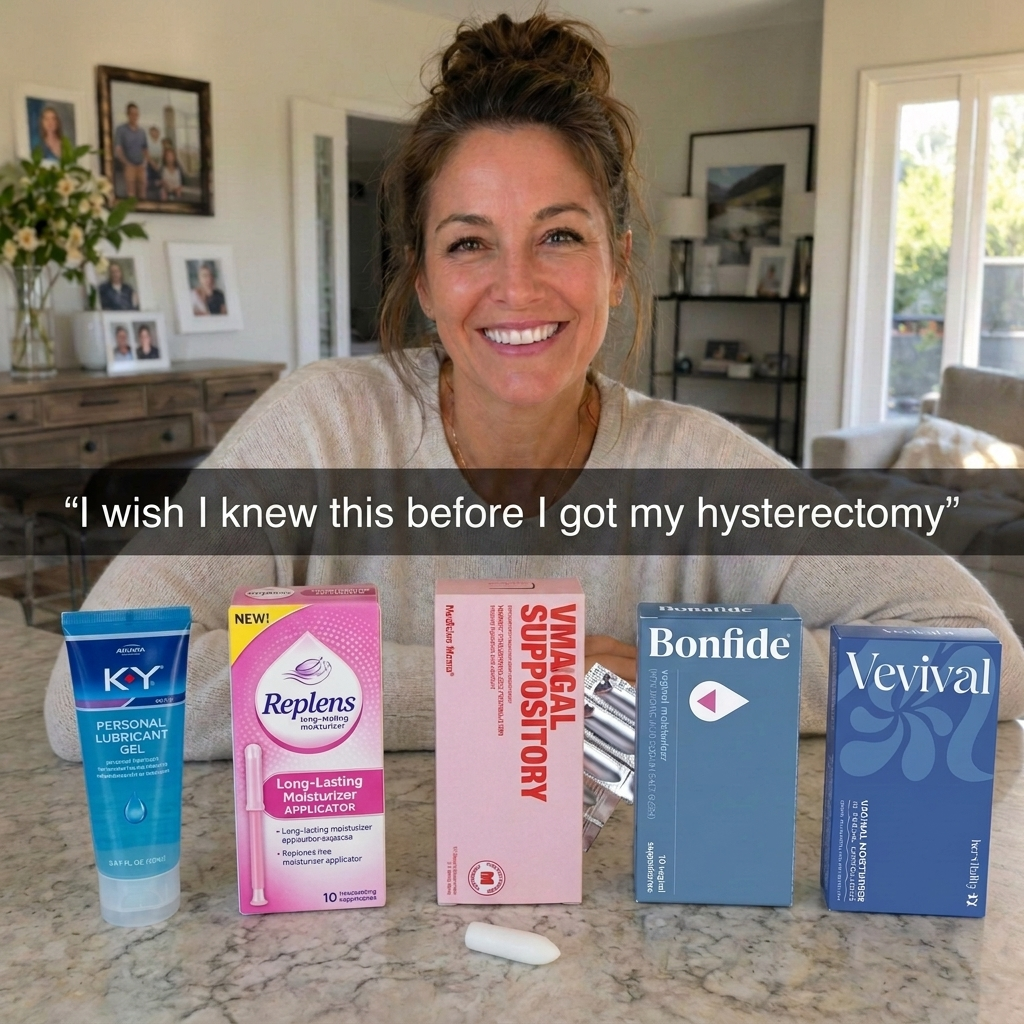
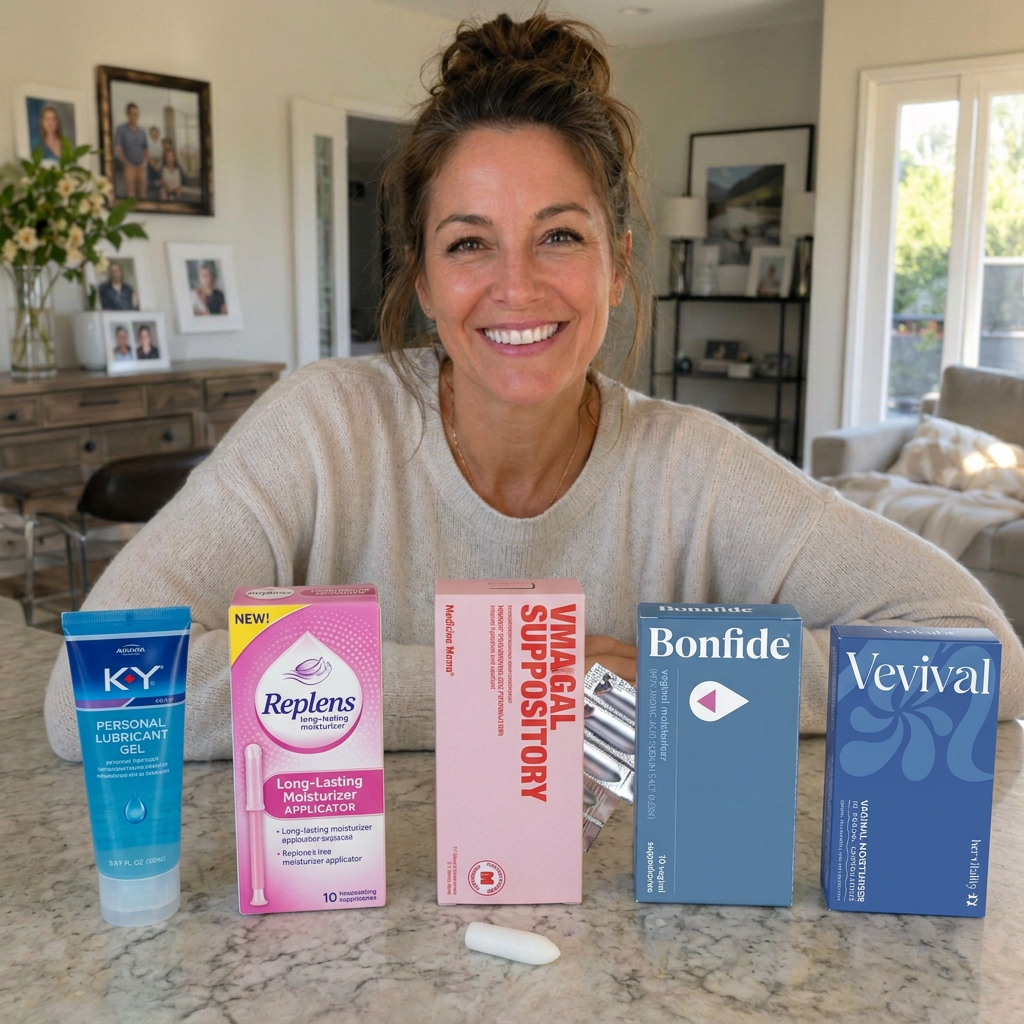
To every woman I've sent to that drugstore aisle after a hysterectomy — I owe you this. I finally bought the five best-sellers and read them. Two don't just fail you. The ingredients work against the tissue you're trying to protect. I'm an OB-GYN. I found out the hard way. Here are all five, ranked from worst to best. My name is Dr. Chantelle Anderson. Board-certified OB-GYN, 12 years in practice. I had my hysterectomy at 45, and within a year I was standing in the same drugstore aisle I'd been sending my own patients to since residency, buying the same products I'd been recommending, with the same result they'd been reporting back to me for over a decade. Nothing. So I did the thing I should have done years earlier. I bought the five best-sellers. I read every ingredient list. And I compared them against what the published literature actually says the problem is. Three things I want to give you today: Why almost everything in that aisle fails The three things nearly every product leaves out The five that came out on top, in order Now, here's why almost everything on that shelf fails. Women assume dryness is a moisture problem. Add moisture, done. But it isn't. When estrogen drops — gradually in menopause, or overnight if your ovaries came out with your uterus — four things go wrong at once: The tissue stops holding water. That's the dryness. The wall thins. No estrogen, which means no collagen. That's the tearing and the pain. It gets inflamed. That's the burning on a Tuesday afternoon when nothing's happening. Your pH climbs from about 4 towards 6. And the more it climbs, the easier it is for E. coli to take hold — which is where the recurrent UTIs come from. And nobody told me that. Four problems. All coming from one cause. Now here's what I found when I read those labels: almost every one treats the first problem only. Moisture. Which means the other three — the tissue, the inflammation, and the pH — go untreated. Every product, same three gaps. Which is why you can successfully treat your dryness and still be burning, still tearing, still on antibiotics twice a year — and conclude that your body is just failing. It isn't. You treated a quarter of the problem. Women tell me they're drier the day after than they were before. Every week. For twelve years I had no explanation for that. Then I read the labels. The ingredient that makes most of these slippery is a water magnet. Once it's inside you, it keeps pulling — from your own tissue. There's a measure for this. Osmolality. Your tissue sits around 370. The WHO says these products should be under 380. Testing found them at 2,000. 3,000. Some over 6,000. That advisory came out in 2012. Nothing on that shelf changed, because nothing had to. That's the lens I used. Now, here's the list, worst to best. #5 — K-Y, Astroglide, and every water-based lubricant I'm including these because they're what most women are handed first, including by physicians. Including by me. Water and glycerin, essentially. But glycerin's the water magnet. This is the drier-the-next-day problem, in its purest form. Yes, they do work — for about twenty minutes, at reducing friction during sex, which is the entire job they were designed to do. Read the front of the box. It says personal lubricant. That's not marketing. That's a category, and a lubricant isn't required to do anything but be slippery. Verdict: Fine for sex. It was never a treatment and it never said it was. #4 — Replens Better in one real way: three days per application instead of twenty minutes. But here's the manufacturer's own ingredient list. Water, glycerin, mineral oil, polycarbophil, carbomer, palm oil glyceride, methylparaben, sorbic acid, sodium hydroxide. Glycerin second. Mineral oil third — that's a petroleum derivative. A paraben in there too. No hyaluronic acid. Nothing for inflammation. Verdict: Longer-lasting surface moisture, built on the two ingredients I'd most want off that list. #3 — VMAGIC Vaginal Suppository Now we're in the right format. This is a suppository — it stays in contact with the tissue overnight instead of sitting on the surface for twenty minutes. That matters more than most women realize. It's also honest, which I appreciate. The full ingredient list is: Natural Glycerides of a Vegetable Origin, Sodium Hyaluronate. 5mg of hyaluronic acid per insert. Two ingredients, no hidden anything. Hyaluronic acid is the right molecule — it binds up to a thousand times its weight in water and draws moisture into the tissue rather than coating it. But that's the whole formula. Nothing for the inflammation. Nothing supporting the tissue structure. Nothing addressing pH. Verdict: Right delivery, right molecule, no glycerin. Still solving one problem out of four. #2 — Revaree This was the closest competitor to my top pick, and I want to be fair to it. Revaree has genuine clinical work behind it, including head-to-head data against vaginal estrogen for dryness. Correct format, correct molecule, and my patients who use it generally report their dryness improves. The formula is 5mg hyaluronic acid in semi-synthetic glycerides. The Plus version doubles the HA to 10mg and adds sweet almond oil. But more hyaluronic acid is still just hyaluronic acid. There’s nothing for inflammation, nothing for tissue repair. And it is FDA-cleared — what it's cleared to do is moisturize and lubricate. That's the claim. Verdict: A good product doing one thing well. No glycerin here either. Just nothing beyond the basic hydration. Nothing for inflammation or burning. #1 — Vevival This is the only product I reviewed that addressed all four problems. Sodium hyaluronate — hydration held in the tissue. Same molecule as #2 and #3, correct delivery. Vitamin E and centella asiatica — for the tissue structure itself. Centella is used clinically on scars and wounds; this is the leg nothing else on the list has. Chamomile — for the inflammation. The burning. Not one other product I reviewed contains a single anti-inflammatory ingredient. Formulated to match vaginal pH and osmolality. Which is the one that matters for the infections, and the only one on this list that does it. It's certified in the EU as a Class IIa medical device — a category that requires clinical evidence. Suppository, so overnight contact. Hormone-free, which matters if you've had breast ca*cer or can't take estrogen. No glycerin, no parabens. Nightly the first week, then every three days, then less. It goes down over time, not up — which after four years of buying a new tube every month, you'll notice. Verdict: The only complete formula I found. What I'd tell you if you were sitting across from me: If you've been using something from that aisle for months or years and you're still dry when nothing is happening, still burning on an ordinary afternoon, or on your third UTI this year — it isn't your body, and it isn't that you waited too long. You've been treating one quarter of the problem. And this doesn't hold still while you decide. The dryness is a symptom — the tissue underneath keeps thinning, which means the tissue you have today is the most you'll have to work with. Vevival comes with a 90-day money-back guarantee. Give it two weeks before you judge it; the first thing most women notice is what stops happening. 👉 https://hervitality.co/pages/vevival-fmd-lf P.S. — I ranked these against published literature and the manufacturers' own published ingredient lists — every fact above is on a label you can read yourself. If something better comes out tomorrow, I'll say so. I don't care about the brand. I care that women stop being sold just pretty marketing.
Like this ad? Make it yours.
Crush rebuilds this exact creative around your product — your brand, your colors, your offer — in about a minute.