
Inactive· since Jun 20, 2026
- 39
- days it ran
- 1
- relaunches
Ad copy
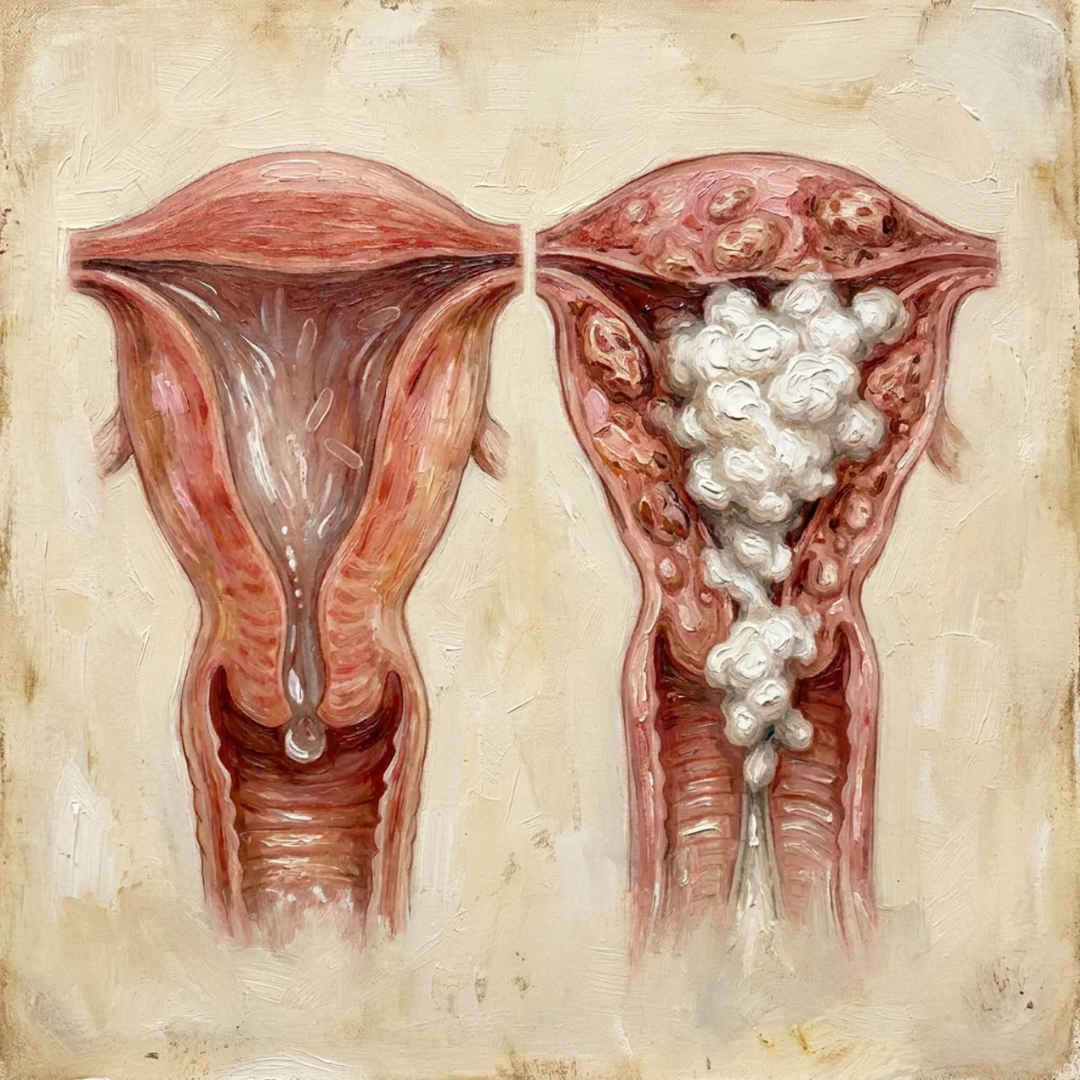
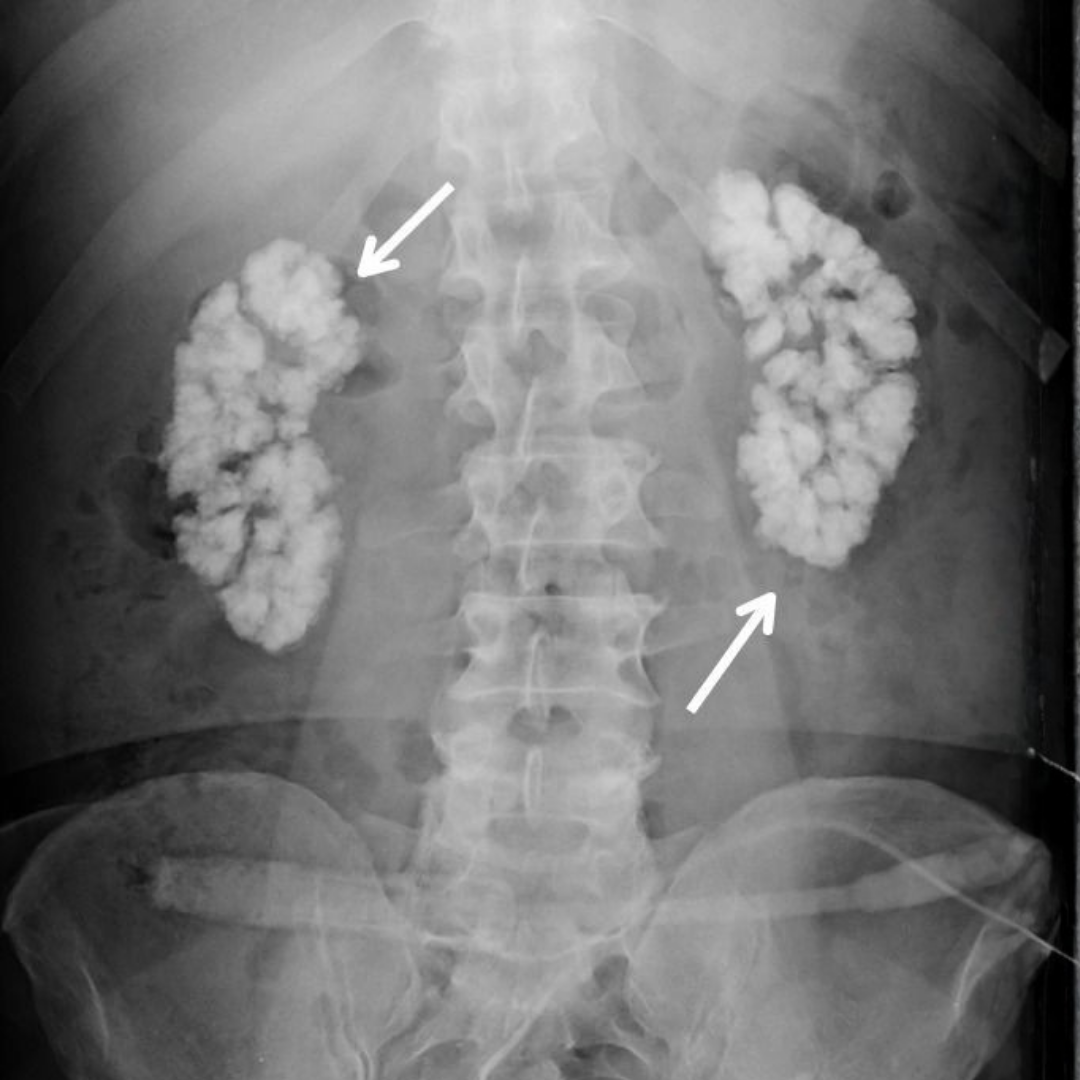
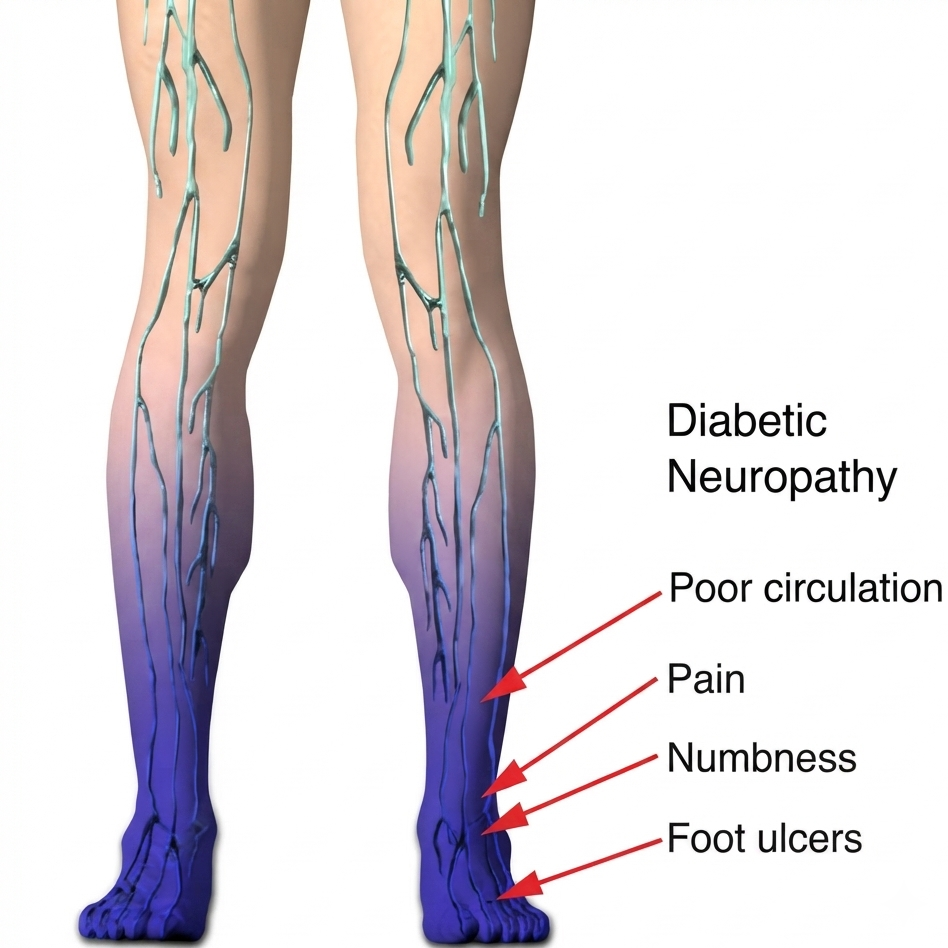
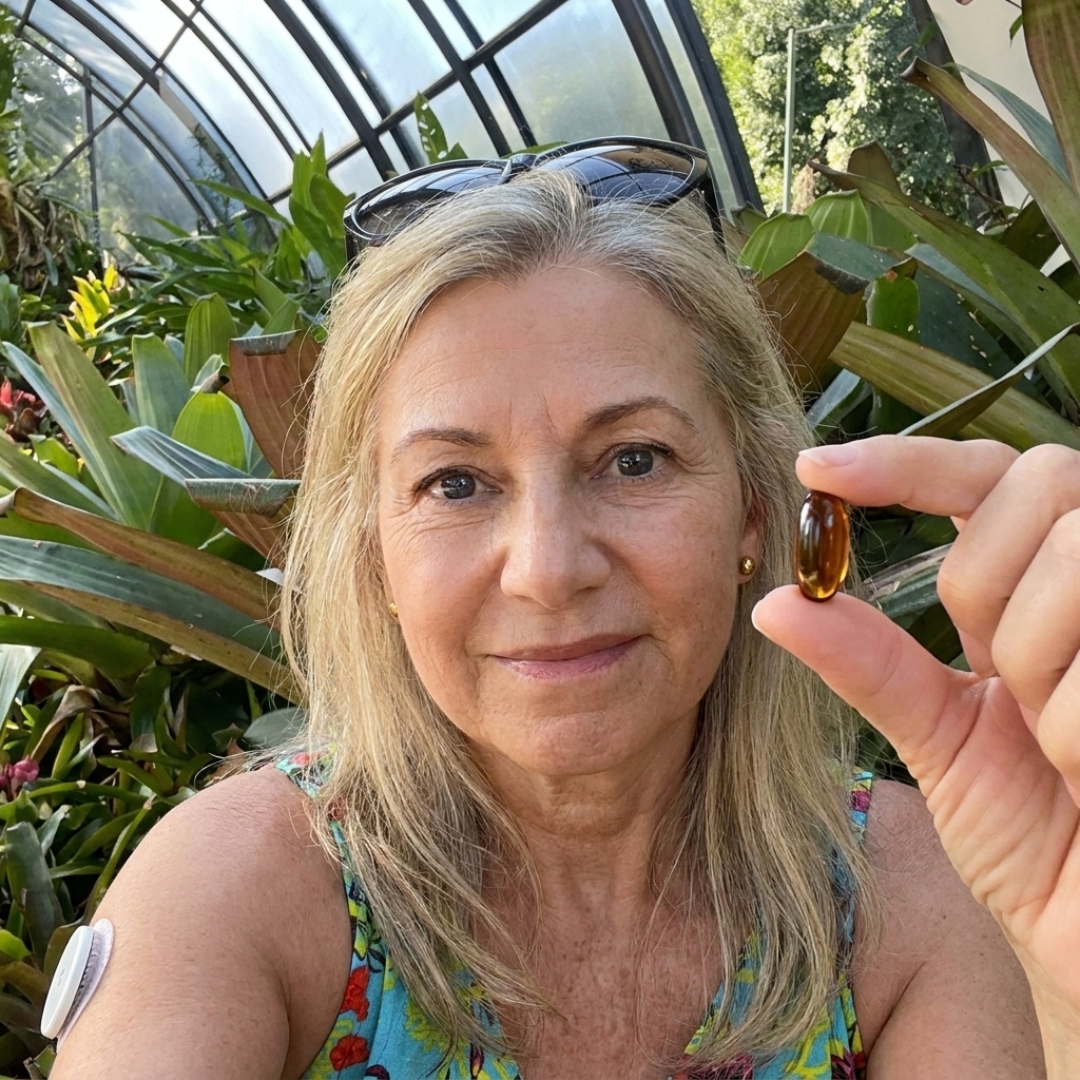
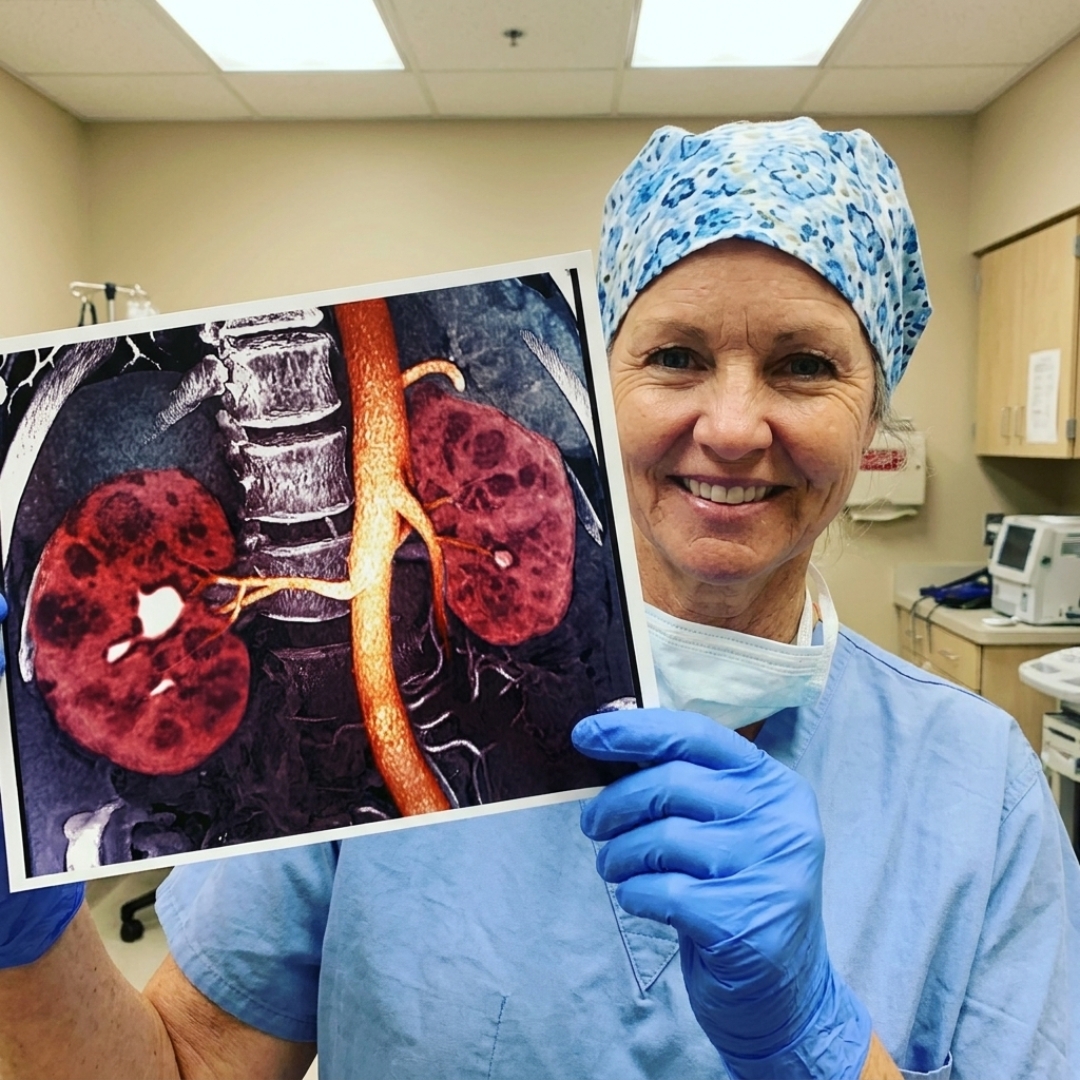
I'll show you how I raised my EGFR from 24 to 41 using a compound that most nephrologists have never even considered. But before I tell you what it is, I need to tell you something about what was happening to my kidneys while I was doing everything right. I'm Sandra Keller. I've been a nephrology nurse for 22 years. I've sat beside patients and explained what dialysis means. I've watched people lose toes. I've watched someone go blind from complications. I've held the hands of patients who arrived at my clinic thinking their blood sugar was under control and left realizing their kidneys had been quietly deteriorating the entire time. I never thought I would be one of them. My EGFR dropped from 38 to 31 to 24 over 14 months. My creatinine kept climbing. And I was doing everything I had ever told a patient to do. The renal diet. Low sodium. Low potassium. Low phosphorus. I added CoQ10 because the research looked promising. Alpha lipoic acid. High-dose fish oil. My numbers kept falling anyway. That is the part that broke something in me. Not the diagnosis. The doing everything right and watching it get worse anyway. I had explained kidney decline to hundreds of patients. I knew the trajectory. I had watched my mother sit in a dialysis chair three days a week for four hours a session. And I could not stop my own kidneys from following the same path. I felt like I was watching a slow disaster through a window I couldn't open. What I didn't understand yet—what 22 years of nephrology nursing had not prepared me to see when I was the one in the chair—was that the thing destroying my kidneys was not the thing I was treating. I was watching the numbers. The A1C. The creatinine. The GFR. I was managing the flood. Nobody was reading the pipe walls. Here is what I mean. And here is what I wish someone had explained to me before my own EGFR hit 24. Your A1C measures one thing: the percentage of your red blood cells coated in glucose. It's a rolling 90-day average of how much sugar is floating in your blood. That is all it measures. It does not see the tiny capillaries threading through your kidney tissue. It does not see what happens when glucose keeps passing through those capillaries hour after hour, year after year. It does not see what that sustained pressure does to the delicate filters responsible for your kidney function. It reads the level of the flood. Not where the flood is going. A managed A1C and quietly deteriorating kidneys can coexist. Both things can be true at the same time. The A1C tracks the water level. Your kidneys pay the price of the current underneath. This is what produces foam in your toilet. The tiny filters inside your kidneys—glomeruli—have been under sustained pressure from glucose circulating through their walls for years. They start to fail. Protein leaks out. It shows up in your urine as foam that sits there after you flush. That foam is not a warning sign that something might happen. It is evidence that something is already happening. And the fatigue that rolls in before noon. The lower back ache that never fully made sense. The tingling that starts in the feet and slowly climbs. The creatinine that creeps upward despite every dietary change. The GFR that drops another point every quarter no matter what you adjust. These are not separate problems. They are one problem, showing itself in different places. Glucose circulating through your kidney capillaries. Hour after hour. Year after year. Wearing the filters down from the inside out. Think of your kidneys like the finest mesh screen you have ever seen. Millions of tiny filters. When they work properly, protein stays in your blood where it belongs. Waste passes through. But high-circulating glucose acts like fine sand being forced through that mesh under pressure. It makes no sound. It cracks nothing in one event. It just grinds the interior walls thinner, grain by grain, until the mesh starts to tear. Protein leaks out. GFR drops. The foam appears. Your A1C is reading the water pressure. It is not reading the mesh walls. The foam in your toilet is made of mesh walls. Now here is the part that stopped me cold when I finally understood it. Your kidneys are not the primary problem. They are the casualty. The primary problem is why glucose keeps circulating through your kidney capillaries in the first place. Every cell in your body has GLUT4 transporters on its surface. Their job is to open, grab glucose from the blood, and pull it inside the cell where it becomes energy. In a healthy body, insulin gives the signal. The doors open. Glucose moves from blood into cell. Blood sugar comes down. In insulin resistance, those doors stop responding. They are still there. They just stopped coming to the surface. Insulin gives the signal. Nothing happens. Your pancreas sends more insulin. Still nothing. The glucose has nowhere to go, so it stays in your blood and keeps circulating. Keeps passing through your kidney capillaries. Keeps grinding the mesh. Your medications manage the flood. Metformin tells your liver to produce less glucose. That is real and useful and your doctor is not wrong to prescribe it. But it does not touch the doors. The GLUT4 transporters are still not responding. The glucose that remains in your blood—even at a managed level—keeps circulating. Keeps passing through your kidney capillaries. Keeps grinding the mesh walls. Because the drug that reduced the flood did not open the drain. And the supplements I was taking—the CoQ10, the fish oil, the alpha lipoic acid—they were not opening the drain either. They were adding metabolic burden to organs that were already failing. Every one of them had to be processed and filtered by the kidneys I was trying to protect. I was not helping my nephrons. I was burying them in cleanup work they no longer had the capacity to do. I was managing the flood. Burying the drain. And watching the mesh keep tearing. That is not your fault. It is not my fault. The system only gave us half the answer and never told us the other half existed. Then a patient came into my clinic. Type 2 diabetic, eleven years. A1C sitting at 6.8. On metformin and a blood pressure pill. Following every instruction to the letter. His protein spillage had climbed to 510 milligrams. His feet had started tingling. His GFR had been dropping a point or two every quarter for two years. Three months later he came back. His GFR was 51. Up from 46. His protein spillage had dropped to 280. His fasting glucose had gone from 138 to 104. The tingling in his feet was almost gone. I looked at his chart. Looked at him. "What did you change?" He reached into his jacket and set a bag on my desk. Ceylon cinnamon. Concentrated extract. 7,200mg equivalent in MCT oil. Called Metabolae. I picked it up the way I pick up anything a patient brings me. Skeptically. Read the label. Set it down. Told him I was glad his numbers had improved and that we would continue monitoring. That night I couldn't stop thinking about the GFR. GFR does not move like that. Not in three months. Not without a significant intervention. Not in a patient who had been declining for two years. At 11:30 PM I started reading. And here is what I found. Here is the thing I should have understood years earlier. Here is the thing that explained not just his labs but my own. There is a specific compound that triggers GLUT4 transporters directly. It bypasses the broken insulin signal entirely. It goes to the cell and wakes the doors back up. When the doors open, when glucose actually begins clearing from the blood into the cells, the pressure drops. The sand slows in the pipe. The kidney filters face less sustained assault. The protein spillage drops. The foam disappears. The drain opens. This compound is called cinnamaldehyde. The primary active compound in true Ceylon cinnamon. Cinnamomum verum. Grown in Sri Lanka. Not cassia. Not the spice in your cabinet. Not the generic capsules on Amazon. The real plant, appearing in peer-reviewed metabolic research. A study published in the Journal of the American College of Nutrition found that cinnamaldehyde triggers the same internal chemical cascade that insulin is supposed to trigger, and was 20 times more effective at activating this pathway than any other natural compound tested. Twenty times. A second study published in the Archives of Biochemistry and Biophysics confirmed that Ceylon extract physically increases the number of GLUT4 transporters at the cell surface. The doors do not just crack open. They multiply. And here is the part that stopped me cold as a nephrology nurse specifically. Unlike the supplements I had been taking—unlike CoQ10 and fish oil and alpha lipoic acid, all of which deposit metabolic waste for damaged kidneys to filter—the active compounds in true Ceylon cinnamon are fat-soluble. When delivered properly in MCT oil, they absorb directly through cell walls without requiring your kidneys to process and excrete metabolic byproducts. Your damaged kidneys are not doing cleanup. For the first time, something is working with them instead of adding to their burden. The medications manage the flood. This opens the drain. Both together is the full answer. Most patients have only ever had half of it. I sat with that for a long time. Now. You have probably tried cinnamon before. It did nothing. And you concluded the mechanism was wrong. The mechanism is not wrong. The product was wrong. Here is exactly why. First: You were almost certainly using the wrong plant. The cinnamon in most supplements is cassia. A completely different species with a completely different chemical makeup. At doses required to move blood sugar, cassia silently burdens your liver. The European Food Safety Authority documented that even small daily amounts push coumarin intake past safe limits. Coumarin damages liver tissue at therapeutic doses. You were not taking the wrong amount. You were taking the wrong plant. And with kidneys already under stress, adding liver burden on top is the last thing your body needs. True Ceylon contains 250 times less coumarin. It is the only species appearing in clinical research showing real metabolic and kidney-protective results. The only one safe for the daily, sustained use that actually produces change. Second: Even real Ceylon in a dry capsule will do nothing. The active compounds in Ceylon are fat-soluble. Your cell walls are a double layer of fat molecules. Fat-soluble compounds need fat to pass through them. A dry powder capsule has no fat. So the compounds reach your gut, find no fat carrier, and pass straight through without ever reaching the cells that need them. The cinnamon did not fail because the mechanism is wrong. It failed because it was never delivered. What that patient set on my desk was Metabolae. True Ceylon cinnamon. Cinnamomum verum, sourced from Sri Lanka. DNA-verified at the species level. Not a label claim. An actual Certificate of Analysis. Dosed at 7,200mg equivalent per softgel. A 12:1 concentrated extract. The dosing range that corresponds directly to the published clinical trials. Not the 500mg token amount in a generic capsule. Suspended in MCT oil from coconuts. Not as a filler. As the delivery system. The fat bridge that carries cinnamaldehyde through your cell wall and directly to the GLUT4 transporters that have been waiting years to be told to surface. Third-party tested. GMP-certified. Coumarin-free. I ordered a bag that night. Week one: The crushing fatigue I had carried for two years started lifting. What I noticed first was not my meter. It was that I had steady, clear energy from morning through evening for the first time in as long as I could remember. Week two: My fasting glucose dropped from 131 to 107. I tested three times. Week three: The 3 AM trips to the bathroom I had accepted as permanent. Gone. Sleeping through the night for the first time in over a year. Week eight: My labs came back. My creatinine had dropped from 2.4 to 1.8. My colleague ran them twice. "What did you change?" I handed her the same research I had been reading at midnight. She read for ten minutes. Closed the folder. "Your kidney function improved." I nodded. "Keep doing whatever you're doing." Twelve weeks after I started, my EGFR had climbed from 24 to 41. The swelling in my ankles was gone. The tingling that had started in my feet was gone. My protein spillage had dropped significantly. My nephrologist reordered my labs because she didn't believe the first result. The mesh was no longer tearing. The sand had slowed in the pipe. The drain had opened. I have recommended Metabolae to nine patients since then. Many have reported a similar pattern. One patient, a 61-year-old woman with protein spillage that had been climbing for three years, came back at her 90-day follow-up. Her spillage appeared to have decreased by 40 percent. She cried when she told me the foam in her toilet was gone. More than that, she cried because she was no longer living in fear of the dialysis chair. Another patient's GFR went from 51 to 57 in four months. His nephrologist, who had been preparing him for the conversation about dialysis timelines and kidney transplant waiting lists, told him the trajectory appeared to have changed and asked what he had added to his protocol. Here is what I need you to understand about why most people with CKD never hear about this. You cannot patent a bark compound. So no pharmaceutical company funds the trials that would land it on a sales representative's desk. The studies stay in journals. The patients keep coming in with GFRs dropping another point each quarter. With neuropathy spreading higher up their legs. With the fear of dialysis growing larger every year. That is not your fault. You took the pills. You followed the renal diet. You kept every appointment. You were not failing the system. The system was only giving you half the answer and never telling you the other half existed. The flood was being managed. The drain—the actual ability of your cells to clear glucose from your bloodstream, to relieve the sustained pressure on your kidney filters—that was never being opened. You know now that it can be. If you are dealing with: A GFR that keeps dropping no matter what you change. Foam in the toilet that will not go away. Tingling or burning in your feet your doctor calls neuropathy. Fasting glucose that will not come down. An A1C your doctor calls managed while your kidney markers quietly decline. The fear of dialysis growing bigger each time you visit the clinic. Try Metabolae risk-free. Ninety-day money-back guarantee. No questions asked. If your fasting glucose does not come down, if your kidney markers do not move, if your neuropathy does not improve, if you see no difference in 90 days, you pay nothing. Most patients who see movement in their kidney function are the ones who commit to at least three months. That is how long it takes to give your GFR a real chance to stabilize. That is how long it takes to begin moving A1C meaningfully. That is how long it takes to start reversing the nerve damage. The 90-day guarantee means those three months cost you nothing if the numbers do not move. One softgel daily with breakfast. That is the whole protocol. Do not wait until someone is scheduling your fistula surgery. I watched it happen in my own labs. I have watched it begin to happen in multiple patients. The mesh can stop tearing. The sand can slow in the pipe. The drain can be opened. You know now that it can happen for you. ~ Nurse Sandra Keller, RN, Nephrology, 22 years
Like this ad? Make it yours.
Crush rebuilds this exact creative around your product — your brand, your colors, your offer — in about a minute.