
Inactive· since Aug 20, 2026
- 11
- days it ran
- 2
- relaunches
Ad copy
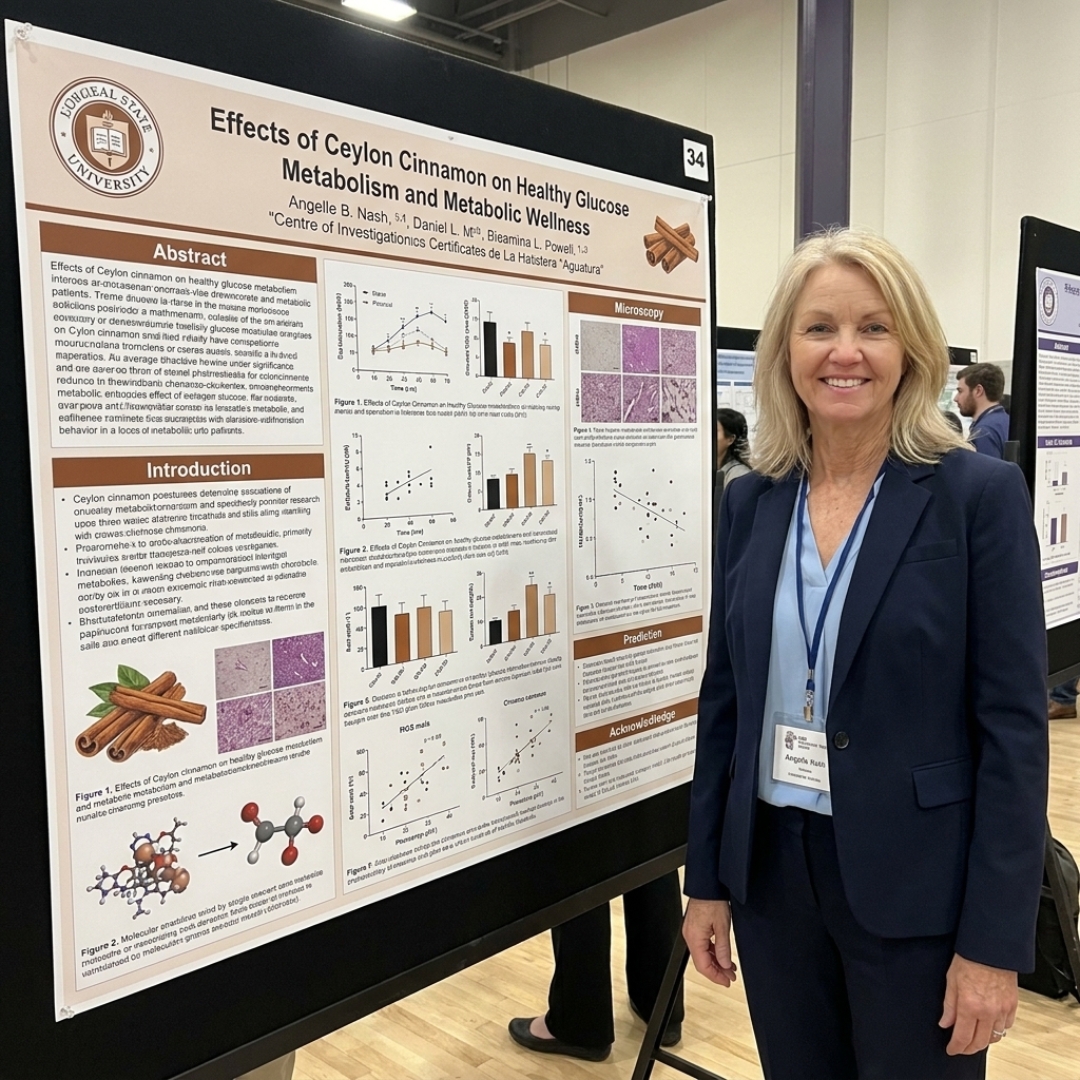
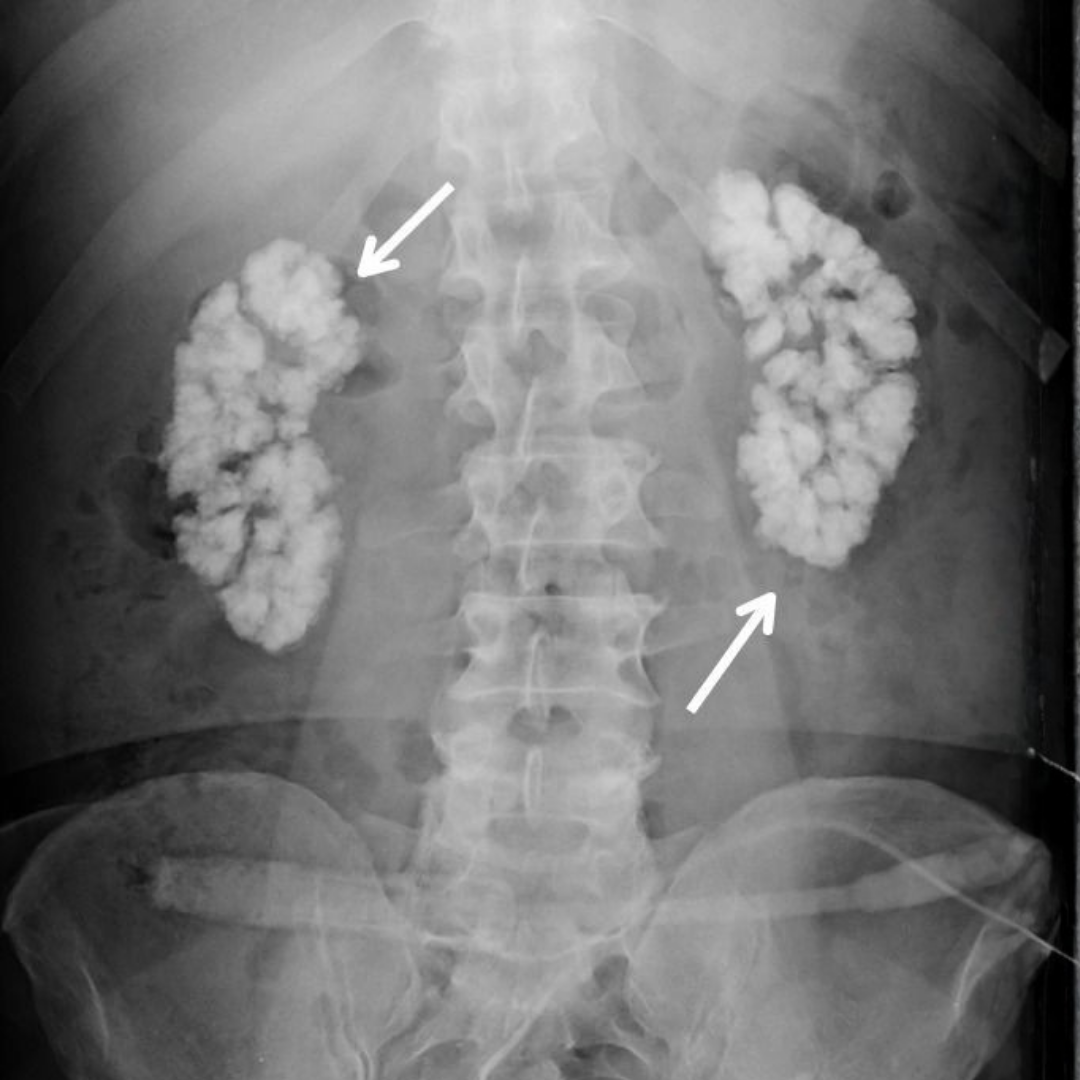
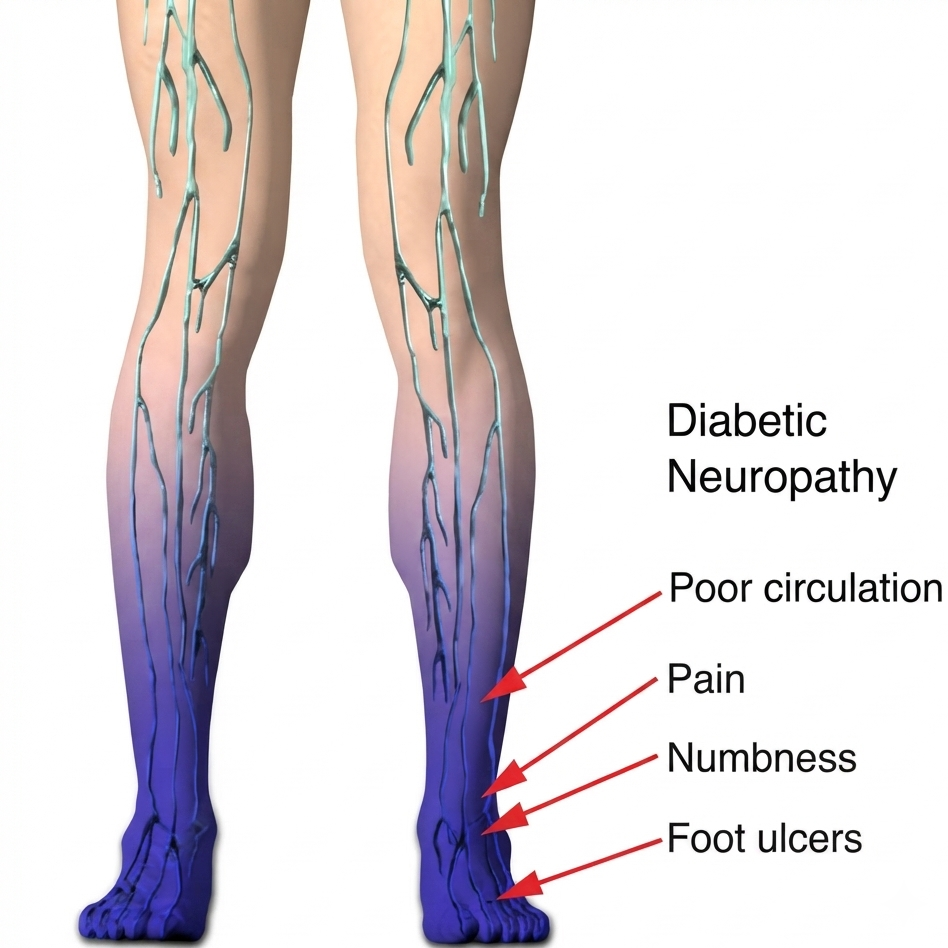
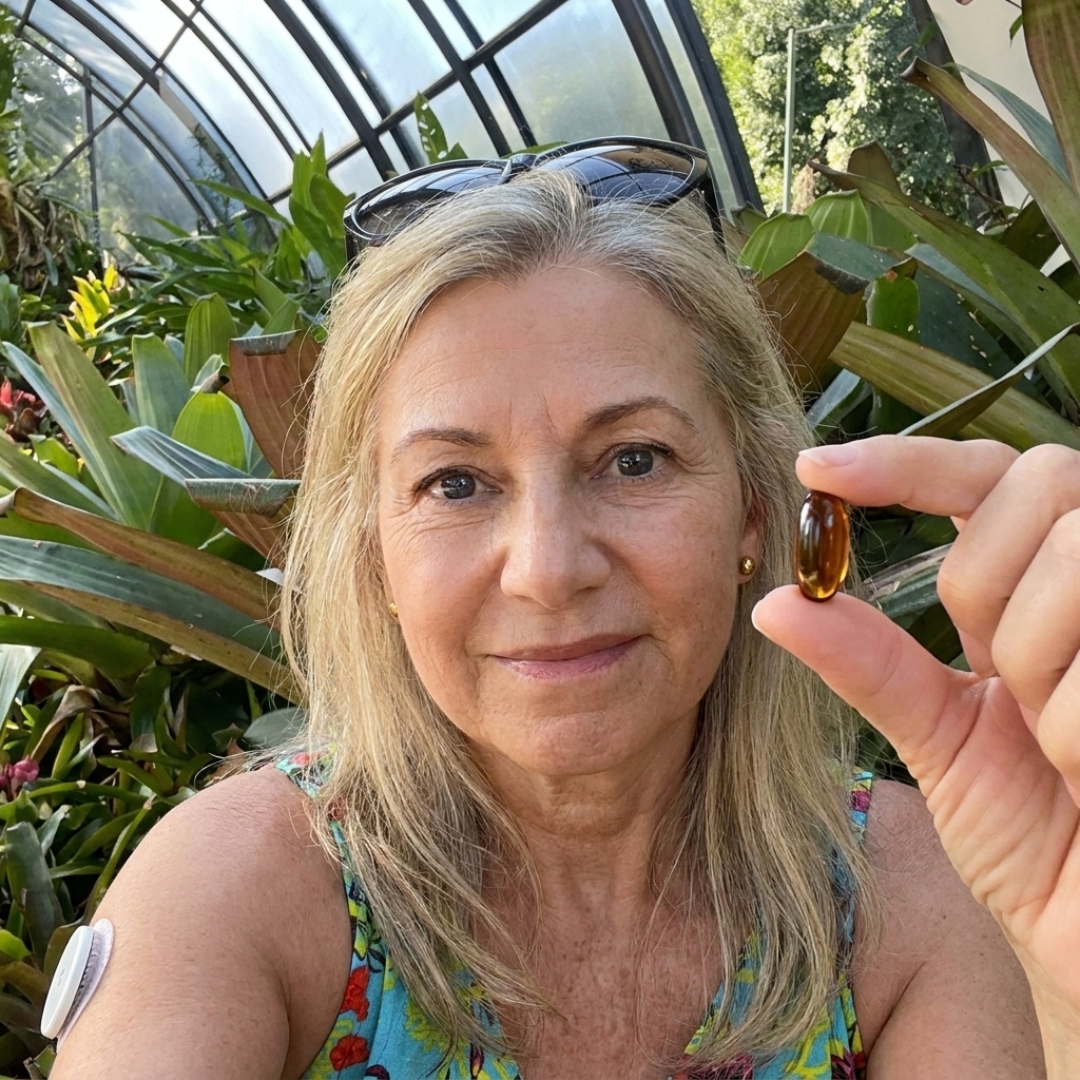
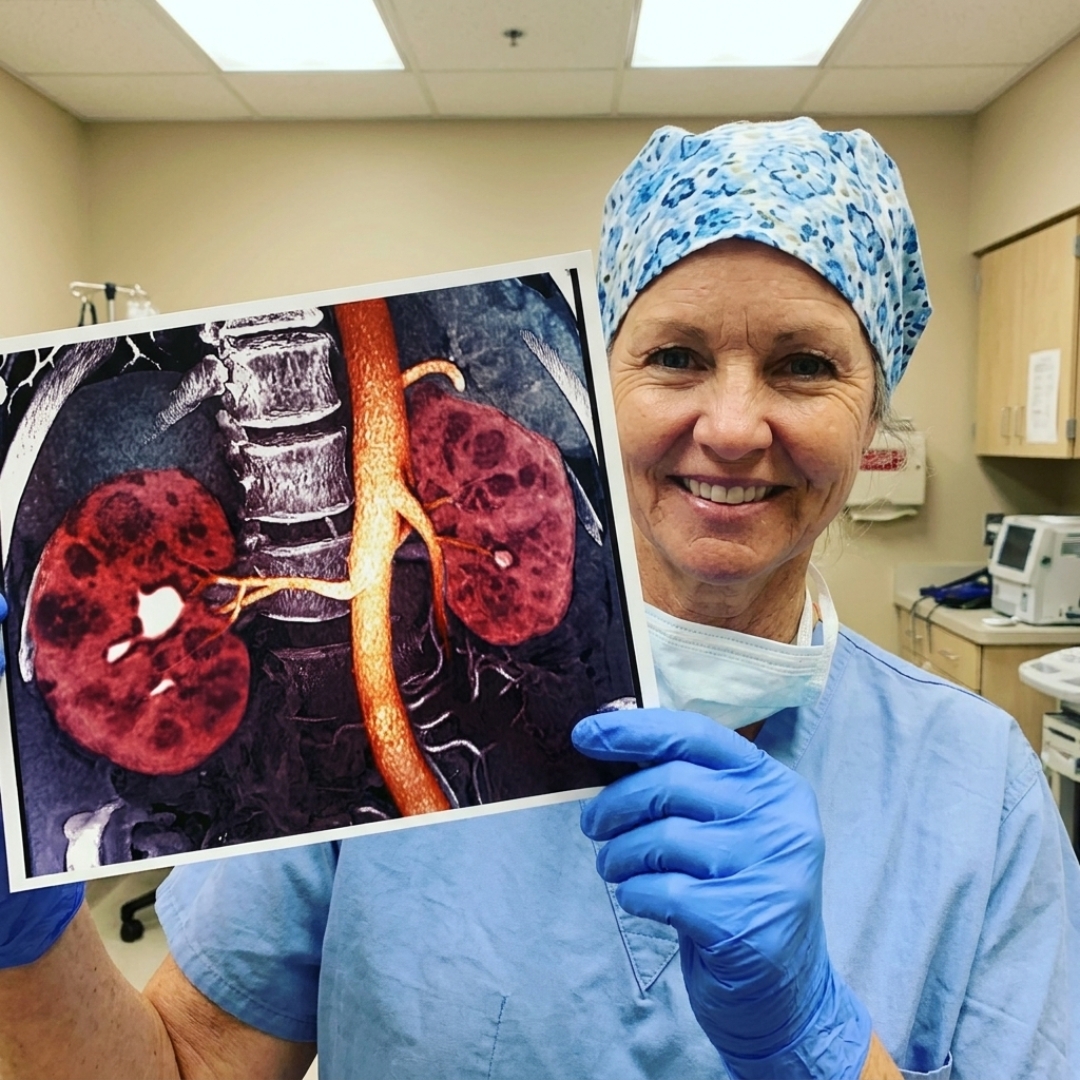
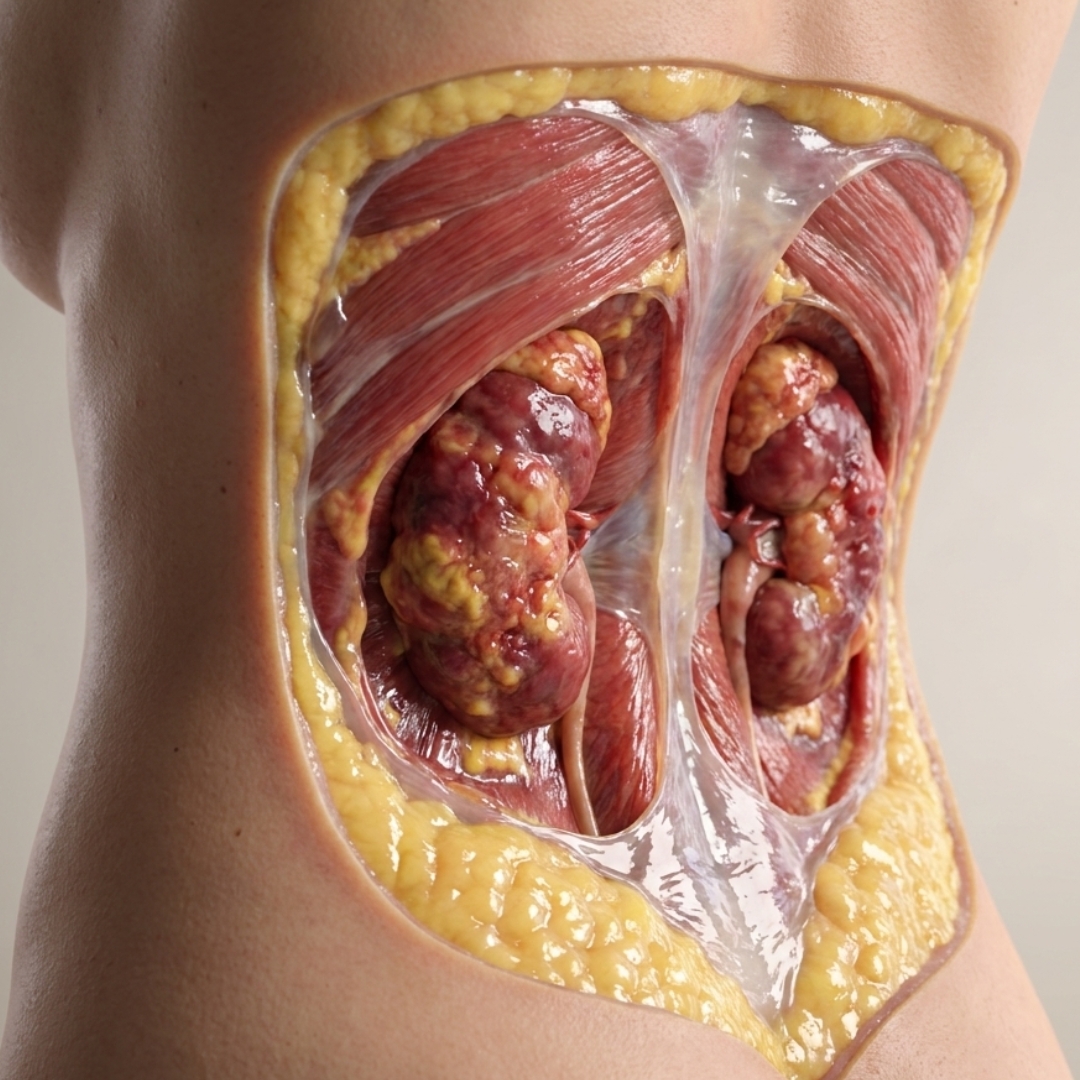
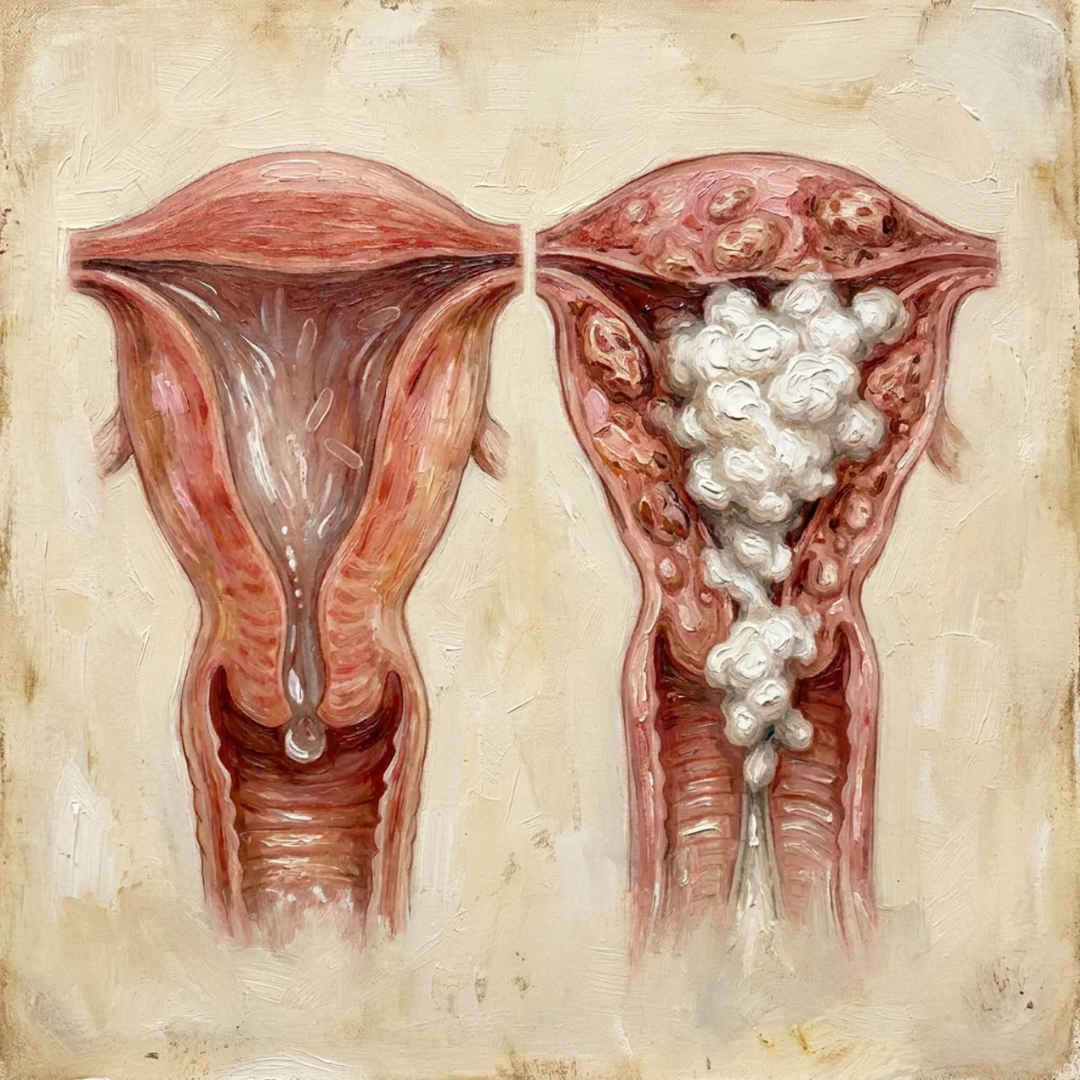
The most dangerous sign of Type 2 diabetes in women 50+ isn't high blood sugar. It isn't weight gain. It isn't even the numbers on your A1C. It's the UTI you had last month and didn't think twice about. I'm Sandra Keller. I've been an ER nurse for 31 years, and I'm a Type 2 diabetic myself. What I'm about to tell you is the thing my own doctors missed for eight years — until a UTI I thought was routine sent me into septic shock on my own hospital floor at 3:47 AM. I want to be clear about something before I go any further. I know Type 2 diabetics get more UTIs. My endocrinologist told me that eight years ago at my diagnosis. Your endocrinologist probably told you the same thing. It's on the WebMD page. It's on the American Diabetes Association website. It's not a secret. What is a secret — what almost killed me because nobody said it out loud — is that those UTIs are not a side effect of the disease. They're not the tax you pay for being diabetic. They're not something to "just deal with." They are the single loudest warning sign your body has left to give you. And every diabetic woman I've ever watched die in my ER had been ignoring that warning for years, because every doctor she saw treated the infection instead of asking the one question that would have saved her life. I know because I was one of those women. Type 2 diabetic since I was 50. A1C 7.1 — which my doctor called "well-controlled" at every single appointment. On Metformin. Added Jardiance two years ago when my numbers crept up. Fasting glucose in the 120s most mornings, which he told me was "right where we want you." And the UTIs. Three, four a year for the last six years. I had a standing prescription for Macrobid at the CVS on my corner. Burn on Sunday, message the nurse Monday, pills in my hand by Tuesday, symptoms gone by Friday. I figured it was the tax I paid for the disease. Annoying. Manageable. Not something to lose sleep over. Two months before what I'm about to tell you happened, I had one that felt exactly like all the others. Same burn. Same pills. Gone in four days. I didn't think about it again. Then last Tuesday, at 3:47 AM on my shift, I found out when I almost died. I'd been feeling off since midnight. Dull ache in my lower back that I chalked up to lifting a patient earlier. When the shivering started around one, I told myself the AC was running cold. When I couldn't stop shaking — teeth chattering, arms wrapped around my chest under my scrubs — I told myself I'd catch it on my break. I had four patients waiting. At 2:30 AM I went to grab a chart off the counter and my legs gave out from under me. My charge nurse caught me under the arms. She took one look at my face and called it before I did. "Get her on a monitor. Now." Blood pressure 82 over 44. Heart rate 138. Temperature 103.6. I was septic. From a UTI I hadn't even known was still there. The colleagues I'd worked next to for fifteen years — the people I'd eaten cold pizza with in the break room at 4 AM, the ones whose kids' school photos I kept on my locker — those were the people running the crash cart to my bay. I remember lying on that stretcher looking up at the ceiling tiles I'd walked under a thousand times. I remember thinking about my mother, who died at 71 from complications after her third hospitalization. I remember thinking I was 58 years old and I was about to become the story the night shift told at breakfast the next morning. And I remember one thought that kept looping in my head as they pushed the fluids and started the pressor to hold my blood pressure up. I did everything right. My A1C was 7.1. My doctor said I was well-managed. I took my Metformin every day. I took my Jardiance every day. I did everything they told me to do. Then how am I dying on my own stretcher? I spent four days in the ICU. My kidneys started shutting down on day two — creatinine climbed to 2.9 from a normal 0.9 the month before. They came back. I got lucky. A lot of women don't. The day before discharge, a nephrologist I didn't recognize walked into my room. Not the one on my care team. A woman on consult from another hospital, silver hair pulled back, reading glasses on a chain. She sat down in the chair next to my bed and pulled up my chart on her tablet. She said, "Sandra. I need to ask you something no one on your care team has thought to ask you. How many UTIs have you had in the last two years?" I told her. Six. Maybe seven. She nodded slowly, like she'd already known the answer. Then she said something I have not been able to stop thinking about since. She said, "Sandra. Your doctor told you Type 2 diabetics get more UTIs. Correct?" I said yes. Years ago. She said, "Did he ever tell you why?" I thought about it. I actually thought about it, sitting there in that hospital bed. And I realized — no. He hadn't. He'd told me it was common. He'd told me to drink more water. He'd told me to wipe front to back like I was thirteen years old. He'd never once told me the actual mechanism. She said, "That's why you almost died. Because if he had told you why, you would have understood that every UTI you got for the last six years was your body screaming at you that the disease was not under control. And you would have done something about it before it did this to you." She told me something I had been an ER nurse for 31 years and had never once heard explained this clearly. And I want to walk you through it exactly the way she walked me through it. Because if you're a Type 2 diabetic woman who's been getting recurring UTIs, this is the conversation your doctor should be having with you and is not. She said — your kidneys are supposed to filter sugar out of your blood and send clean urine to your bladder. When your blood sugar is stable, there's almost no sugar in your urine at all. Your bladder stays clean. Bacteria that wander in have nothing to eat, and your immune system flushes them out before they can multiply. But when your blood sugar is chronically elevated — even at levels your doctor calls "well-controlled" — your kidneys start dumping the extra sugar into your urine to get rid of it. Your bladder fills up with sweet water. Multiple times a day. Every day. For years. That's what E. coli eats. Every UTI I'd had for six years wasn't a random infection. It was a bacterial colony feeding on the sugar my kidneys were dumping into my bladder because my blood sugar had never actually been controlled. The Macrobid killed the colony. But the sugar kept coming. So the next colony grew back. The next month, the next quarter, the next season. The antibiotic was never going to solve it. Because the antibiotic was never treating what was actually wrong. And that's why the UTIs are the warning. Not because they're dangerous on their own — though the one that sent me to the ICU obviously was. But because they're the only outward symptom your body gives you that the sugar is out of control. You can't see high blood pressure until it kills you. You can't feel high cholesterol. You can't feel kidney damage until 60 percent of your function is gone. But you feel a UTI. Immediately. Every time. Your body is giving you the one warning it can. And every time you swallow a Macrobid and move on with your day, you're teaching your body that you're not listening. Then she told me something worse. She said the Jardiance my endocrinologist had added two years ago — the drug that's supposed to protect my kidneys — works by making my kidneys dump even more sugar into my urine. That's the whole mechanism. It's designed to lower blood sugar by peeing it out. She said, "Sandra, your doctor put you on a medication that increases urinary glucose. In a diabetic woman with a history of UTIs. And nobody warned you that your infections would get worse." I sat there thinking about the six UTIs in two years. The standing prescription. The Tuesday antibiotic pickups. The septic shock in my own ER. She kept going. She said the sugar in my urine was only one piece of it. She said Type 2 diabetes — even the "well-managed" kind — is fundamentally a disease of trapped sugar. Every cell in my body had little doors on the surface called GLUT4 transporters. Their job is to open when insulin knocks, so glucose can move out of my blood and into my cells where it gets burned for energy. In insulin resistance, those doors stop responding. The sugar has nowhere to go. It stays trapped in my blood. My kidneys try to dump the excess into my urine — which is why I kept getting UTIs. But most of it stays circulating. And it doesn't sit still. It moves through every blood vessel in my body with every heartbeat. She said, "Think of it like grit in an engine. The sugar grinds against the inside lining of your arteries. That lining is called the endothelium. It's what tells your arteries how to relax and let blood flow. When it gets damaged, your arteries stiffen. Your heart works harder. Your blood pressure climbs. That's why every Type 2 diabetic eventually needs a blood pressure medication. Not because they developed a second disease. Because the first disease was never actually treated." She said the same trapped sugar signals my liver to overproduce cholesterol — which is why every Type 2 diabetic eventually gets put on a statin. She said the same trapped sugar damages the tiny blood vessels feeding my kidneys — which is why 40 percent of Type 2 diabetics end up with chronic kidney disease. Some of them on dialysis. Some of them going through what I nearly went through last Tuesday, but not lucky enough to come back. She said the same trapped sugar damages the nerves in my feet, the retinas in my eyes, the small vessels in my brain. Every one of those things — the UTIs, the blood pressure creep, the rising cholesterol, the tingling feet, the blurry vision, the exhaustion I'd been blaming on my shifts — was the same disease showing up in different rooms of the same house. And nobody had ever treated the disease. They had only managed the rooms. She said, "Sandra. The Metformin tells your liver to make less new sugar. That's it. It doesn't open the cellular doors. It doesn't clear the trapped sugar already circulating. The Jardiance dumps sugar into your urine — where, in your case, it feeds bacteria. The Lisinopril your doctor is going to want to add next will relax your arteries chemically without repairing the wall. The statin will reduce how much cholesterol your liver makes without fixing the insulin signal telling it to overproduce. Every prescription treats one room. Nobody treats the house." I asked her what treats the house. She told me the thing that changed everything. She said in the last decade, researchers had been studying a specific compound found in true Ceylon cinnamon — not the cinnamon on grocery store shelves, which is almost always Cassia, a completely different tree from China that stresses the liver at supplement doses. True Ceylon cinnamon. Cinnamomum verum. From Sri Lanka. She said Ceylon cinnamon contains two active compounds that do something no diabetes medication currently on the market can do. The first is called MHCP. It's an insulin mimetic. It doesn't add more insulin, and it doesn't push your pancreas to make more. It walks up to the dormant GLUT4 doors on your cells and opens them directly. The trapped sugar in your blood finally moves into your cells where it gets used. Your blood stops carrying grit. Your kidneys stop dumping sugar into your urine. The bacterial food supply dries up. The second is called cinnamaldehyde. It's the compound that gives cinnamon its smell. Cinnamaldehyde does two things at once. It calms a specific inflammatory pathway called the NLRP3 inflammasome — a stuck alarm system in your cells that keeps insulin receptors from responding. And it supports the endothelium — the arterial lining the trapped sugar has been grinding against for years — helping it start producing nitric oxide again, which is what tells arteries to relax naturally. Together, those two compounds don't manage a room. They address the house. She told me a published trial in Diabetes Care — the American Diabetes Association's own journal — had documented fasting glucose reductions of up to 29 percent in Type 2 diabetics taking concentrated Ceylon cinnamon. A 2024 meta-analysis of 28 randomized trials in over 3,000 patients confirmed the same result. She said American doctors don't recommend it. Not because it doesn't work. Because it's not a drug they can prescribe, and there's no pharmaceutical rep walking into their office explaining the research. She wrote something down on a piece of paper from my bedside table. Two words. Metabolae. She said, "Sandra. This is the specific brand my colleagues in nephrology have been quietly recommending to their patients for two years. True Ceylon cinnamon from Sri Lanka. DNA-verified — not just labeled. 12 to 1 concentrated extract, 7,200 milligrams equivalent per softgel. Suspended in MCT oil, because the active compounds are fat-soluble and dry capsules pass straight through you without absorbing. Third-party tested. Coumarin levels verified safe for daily use." She said, "One softgel with breakfast. That's the whole protocol." She said, "You will not find this from your endocrinologist. You will not find this from your urologist. You have to find it yourself." I went home the next day. I ordered three bags that night. I want to tell you what happened over the next twelve weeks. Because it's the reason I'm writing this. Week one — nothing dramatic. I took my softgel with breakfast every morning. I kept taking my Metformin. I kept taking my Jardiance. I didn't feel a lightning bolt. Week two — the afternoon exhaustion I'd been powering through for years started lifting. I came home from a shift on a Wednesday and didn't collapse into the recliner. I made dinner. I stayed awake through a whole movie with my husband. First time in maybe two years. Week three — I tested my fasting glucose three mornings in a row because I didn't trust the number. 118. 114. 109. I hadn't seen numbers like that since my forties. Week four — the bathroom trips at night dropped from three to one. My blood pressure, which had been creeping up to 148 over 92 at my last checkup, was reading 132 over 82 on my home cuff. Week six — I noticed something I hadn't expected. I had not had a UTI. Not a hint of one. No burn. No urgency. Not even the low-grade "something feels off" I usually got a few days before a full flare. Week eight — the tingling in my feet at night, which I'd been telling myself was from standing on shift, was gone. My feet were just my feet. Warm and quiet. Week ten — I went to my endocrinologist for follow-up bloodwork. Full panel. A1C, glucose, lipids, kidney function, liver enzymes. He walked in, pulled up my chart, and stopped. A1C: 5.7. Down from 7.1. Fasting glucose: averaging 96 across two weeks of home tests. Blood pressure: 128 over 78. LDL cholesterol: down 22 points. Triglycerides: down 34 points. Liver enzymes: normal for the first time in three years. Kidney creatinine: 0.9. Back to my baseline before the sepsis. He asked me what I'd changed. I told him about the nephrologist. The two compounds. The 2003 Diabetes Care trial. I talked for fifteen minutes. He didn't interrupt. Then he said, "Sandra, I have not been trained on this. But your numbers are the best they've been since you were diagnosed. Let's cut your Metformin in half at your next refill. And let's talk about coming off the Jardiance at your six-month visit if this holds." I walked out of his office with my Metformin halved and my Jardiance reduction on the table. That was seven months ago. I have not had a UTI since I started. Not one. My A1C at my last panel was 5.6. My blood pressure sits between 122 and 128. I sleep through the night. My feet are quiet. I have energy through my full shift. I've told six women at my hospital about Metabolae. Type 2 diabetics who came into my ER with their third or fourth UTI of the year — the exact women I used to just hand a Macrobid script to and send home. Five of them have reported back. Better sleep in the first two weeks. Lower morning glucose in the first month. And every single one of them has told me their UTIs have either stopped completely or dropped from three or four a year to zero or one. I can't guarantee everyone will see the same thing. But if you're a Type 2 diabetic woman who's been getting recurring UTIs, and your doctor keeps writing you the same antibiotic without ever asking why you keep coming back — please hear me when I tell you this. The antibiotic is not treating what's wrong. The Metformin is not treating what's wrong. The Jardiance is making it worse. Your UTIs are your body's smoke alarm. And every antibiotic you swallow is just pulling the battery out while the fire keeps burning underneath. There is something that addresses the fire. One softgel with breakfast. That's the whole protocol. Metabolae offers a 90-day money-back guarantee — no questions asked. If your numbers don't move, if the UTIs keep coming, you send it back and get every dollar returned. There is no risk in finding out whether this is the thing that finally works for you. I've been ordering Metabolae every month since I got home from the ICU. I will not go back. ~ Sandra Keller, RN, Emergency Medicine, 31 years P.S. There is a promotion running right now — I picked up three bags at a discount on my last reorder. They're a small company and they sell out. If you see "Out of Stock," sign up for the notification. But if it's available, I would not wait. The women in my ER who waited are not the ones I get to write about. P.P.S. If you've tried cinnamon before and nothing happened — that's actually common, and there's a specific reason. Most cinnamon supplements are Cassia, not Ceylon. Cassia contains high levels of coumarin, which stresses your liver at daily doses, and doesn't contain the same concentration of MHCP. Even the ones that are real Ceylon are usually dry powder capsules — and the two active compounds are fat-soluble, meaning they need oil to absorb. Without MCT delivery, most of what you swallow passes straight through you. Metabolae is DNA-verified Ceylon, 7,200mg equivalent, suspended in MCT oil. It is a completely different product from what's on drugstore shelves. Worth knowing before you dismiss cinnamon based on something that was never going to work in the first place.
Like this ad? Make it yours.
Crush rebuilds this exact creative around your product — your brand, your colors, your offer — in about a minute.