
Inactive· since Jul 13, 2026
- 16
- days it ran
- 0
- relaunches
Ad copy
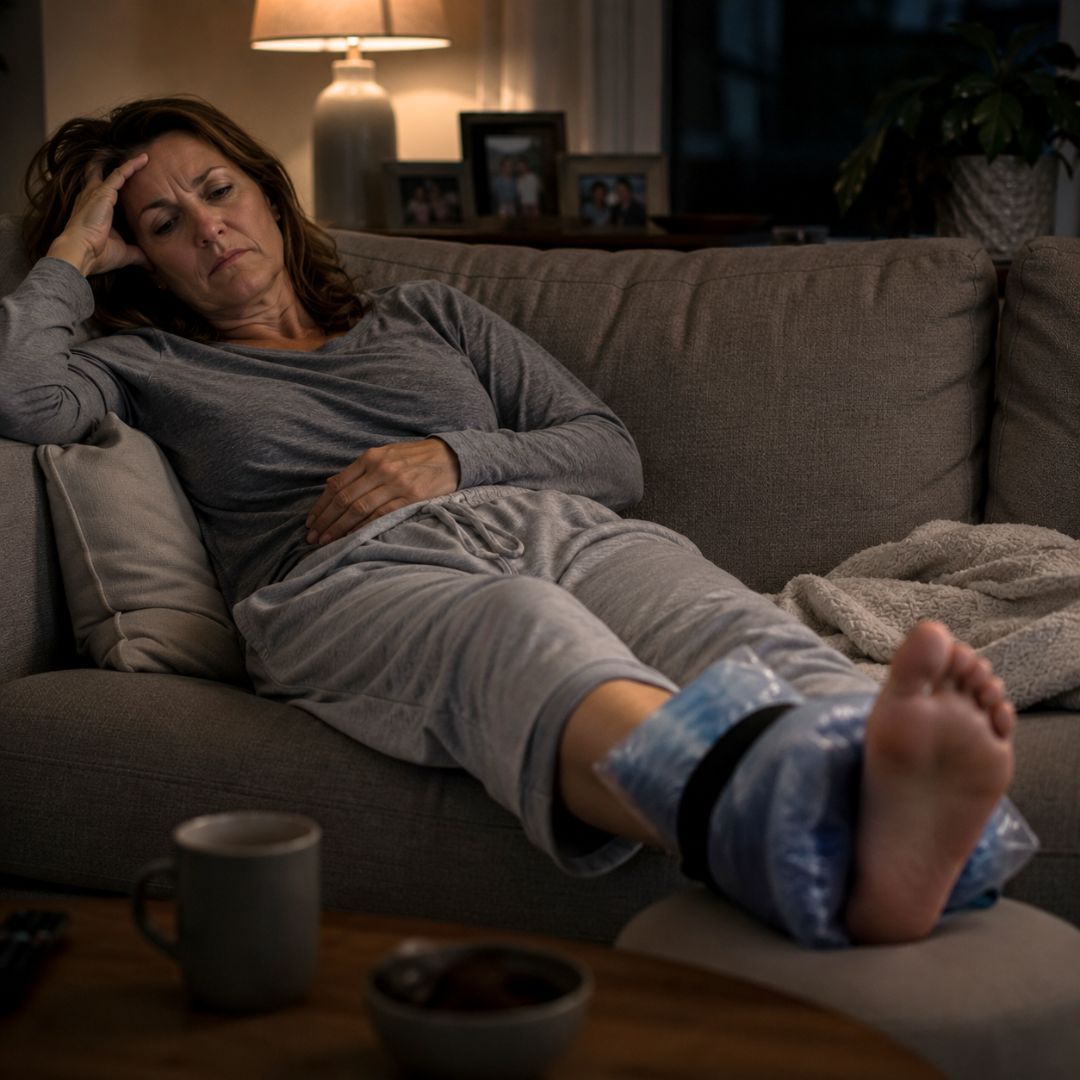
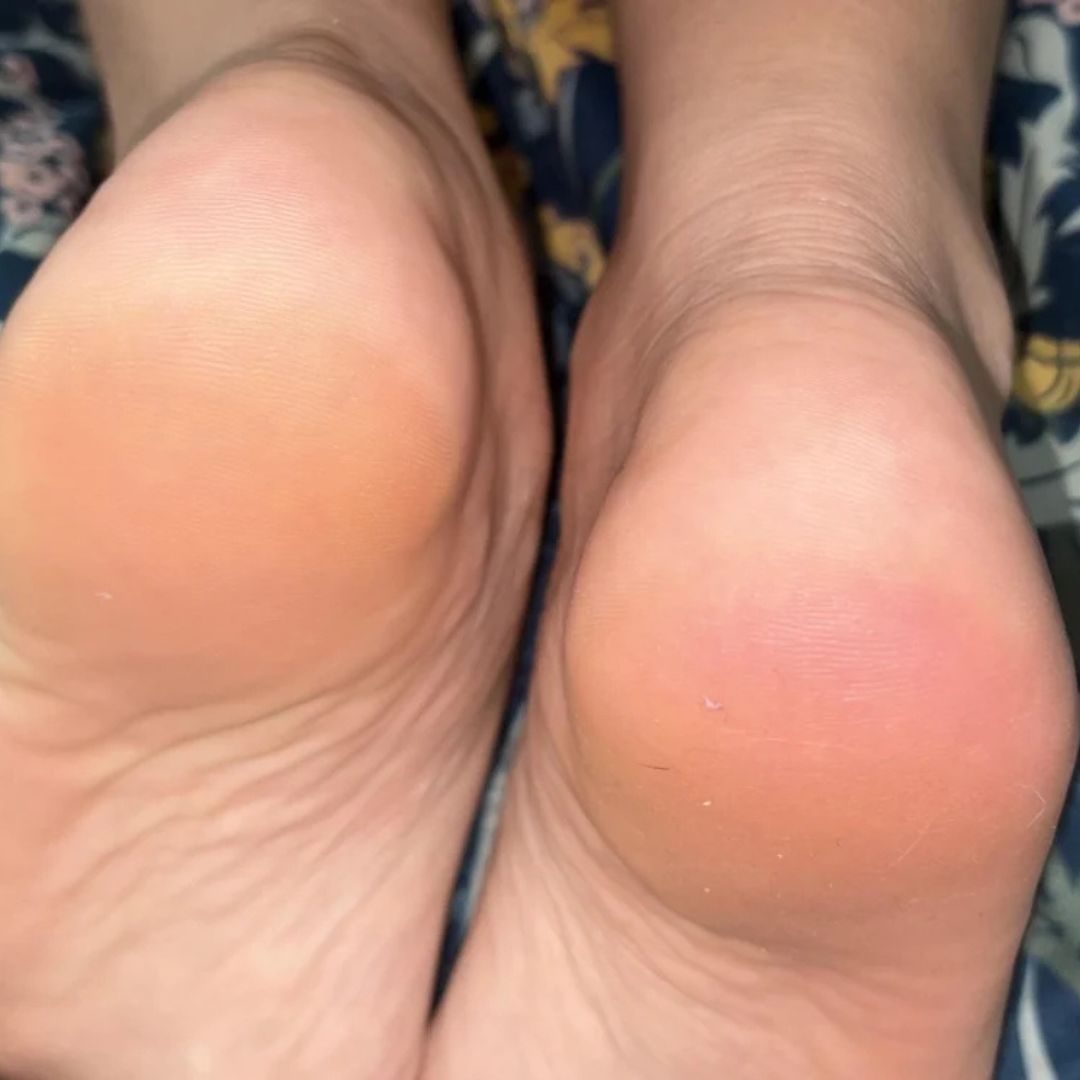
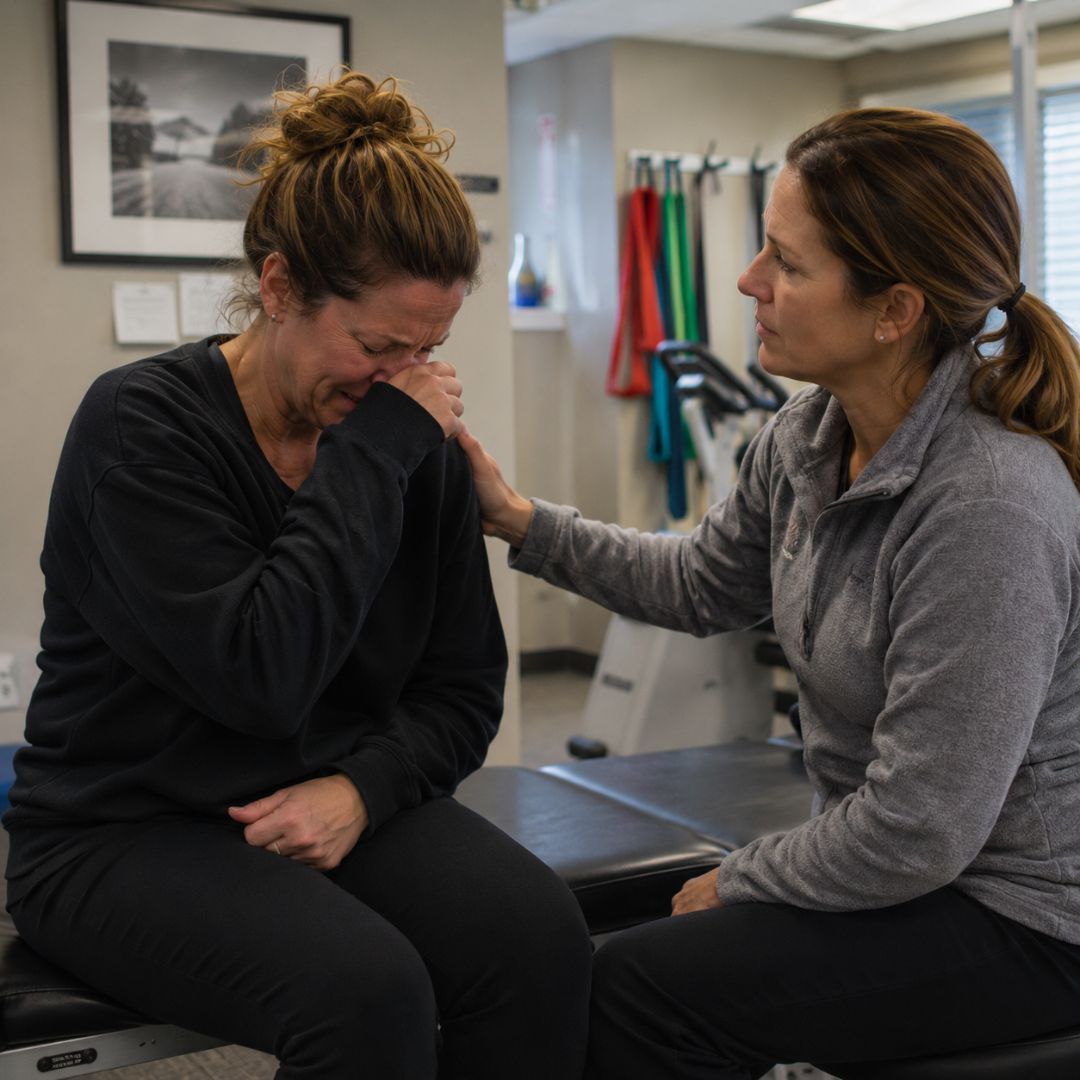
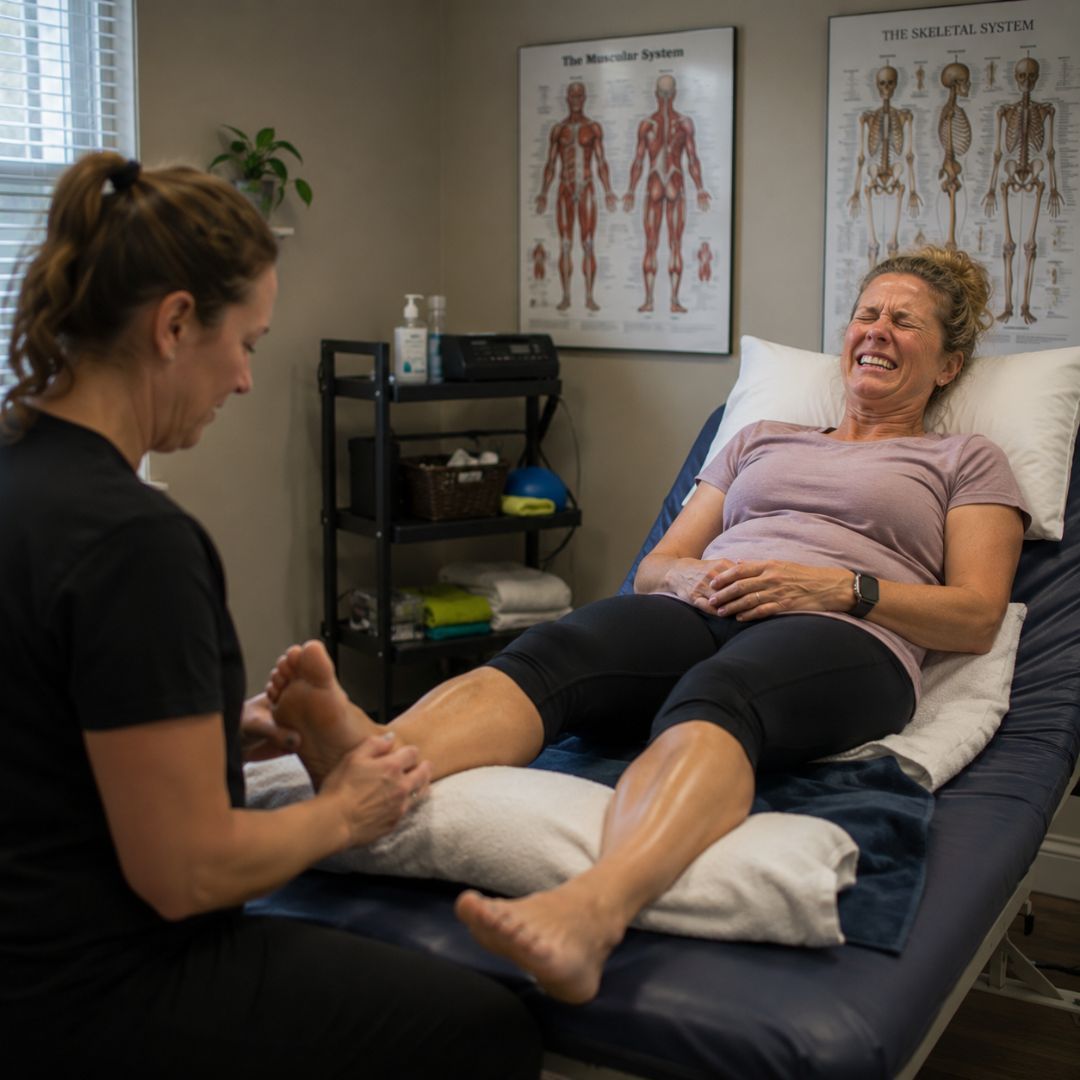
A patient cried in my office once. I never treated plantar fasciitis the same way again. Her name was Diane. Late fifties, recently retired, the kind of person who'd spent thirty years waiting for the version of life where she finally had time to use her knees. She'd planned that first year of retirement around walking two miles every morning with her neighbor, then coffee after. Her garden, which she'd let go to seed for a decade because work never left room for it. Chasing her grandkids around the backyard instead of watching them from a folding chair. Plantar fasciitis took all of it, one piece at a time. I'm a physical therapist. By the time Diane sat across from me, I'd treated hundreds of cases that sounded like hers — the stabbing first step out of bed, the slow retreat from anything that involved being upright for long. I had a playbook, the same one every PT gets handed in school. Ice it. Rest it. Anti-inflammatories. A night splint if things were bad. I ran her through all of it, the way I'd run through it with everyone else. None of it touched her pain. She'd iced every night for months, propped up in front of the TV like it was a job. Stacked ibuprofen on the bad days. Bought two different pairs of orthotics, the second pair after the first one "didn't fit right" — which is what orthotics companies say instead of admitting they don't work for everyone. Somewhere in there she stopped walking with her neighbor. Stopped kneeling in the garden. Started watching her grandkids from the folding chair after all, the exact thing she'd retired to stop doing. By the time she came back to see me, she wasn't just in pain. She'd disappeared somewhere underneath it. She sat down, and before I'd even asked how she was doing, she started crying. Not the polite kind. The kind where someone's been holding something together for months and it just goes. "I retired for this," she said. "And it took my life instead." I didn't have anything to say to that. I remember sitting there holding a folder with the same handout I'd given a hundred other people, and not being able to make myself hand it to her. I didn't sleep well that week. I kept thinking about that folder. About how confidently I'd been repeating the same four instructions for twenty years, to a condition that clearly wasn't behaving the way the textbooks said it should in cases like hers. So I started reading. Not the recycled advice that gets passed from one pamphlet to the next — actual research, the kind buried in journals nobody hands you in PT school. I told myself I'd give it a few weeks. It took five years. The first two of those years, I chased the wrong thing entirely. Stretching protocols. Shockwave therapy. Custom orthotic engineering, on the theory that Diane's pair had simply been built wrong. Some of it helped patients a little. None of it explained why people who'd done everything right still weren't healing. Then I found a paper that didn't look like it belonged in the plantar fasciitis literature at all. It was about tissue biopsies — researchers cutting into damaged fascia from patients who'd been hurting for a year or more, expecting to find inflammation. They found almost none of it. I read that paper standing in my kitchen and didn't move for a while. What they found instead was frayed collagen. Fibers pulled apart and disorganized, like a rubber band that's been stretched and used so many times the strands start splitting instead of snapping back. Not swollen. Not inflamed. Just quietly falling apart, with nothing stepping in to rebuild it. I tracked down one of the researchers whose name kept turning up in the citations and emailed him, half expecting nothing back. He called me a week later. "Inflammation is a short-term repair signal," he told me. "It shows up, does its job over a few weeks, and clears out. What you're describing in these long-term patients isn't that anymore. It's degeneration. Different problem. It doesn't get fixed by managing inflammation that's already gone." I asked him what would actually fix it. "Repairing frayed collagen takes blood flow," he said. "Fibroblasts have to move into the damaged tissue and lay down new fiber. That whole process runs on circulation. Cold does the opposite of what that job needs — it closes the vessels down." He put it more plainly than that, actually. He said icing a fascia that's already degenerated is like locking the loading dock every single night, right when the delivery trucks are supposed to be bringing in material to rebuild it. I thought about Diane immediately. Icing every night for months. Closing that loading dock on herself, night after night, because every single person treating her — myself included — had told her that's what you're supposed to do. You've felt a version of this yourself, probably, if you've ever held something cold against your skin too long. Your fingers go stiff and white. Blood pulling back from the surface, away from where it's needed. That's not unique to fingers. It's what cold does anywhere you apply it for long enough, including a heel that's supposed to be under construction. Ice a fresh injury and you're calming down a real fire. Ice a fascia that's been hurting for a year or more, and there's usually no fire left to calm. You're just restricting delivery of the one thing the rebuild depends on. Knowing that changed how I treated patients almost overnight. Building something around it took another three years. The idea was simple to say and miserable to actually engineer. Whatever I built had to do two things at once, not one. It had to take mechanical strain off the damaged fascia, the way taping a sprained ankle keeps it from bending the wrong way while it heals. And it had to drive blood into the area instead of away from it, which meant real, active compression, not just a snug sock. My first prototype was basically a stiff compression sleeve. It handled the offloading fine. It also squeezed evenly and constantly, which turned out to restrict circulation almost as badly as ice did — different mechanism, same mistake. My second attempt loosened the compression enough to help blood flow, and promptly stopped supporting anything. I went through more failed versions than I want to admit to. What finally worked was a set of support straps, angled around the heel and arch to redirect the force of every step away from the damaged tissue, combined with a compression pattern that isn't one flat squeeze — it tightens and eases slightly with movement, more like a gentle pump than a static wrap. Offload the damage with one part. Feed the rebuild with the other. Thin enough to wear inside a regular shoe, all day, without anyone noticing it's there. Diane was the first person I called. I told her honestly I didn't know if it would work. She'd been let down enough times by people more confident than I was being, and I wasn't going to be one more of those. She wore it anyway. The first week, she reported almost nothing. Which, knowing Diane, I took as a good sign — she wasn't going to pretend something had changed just to make me feel better about five years of research. By week two, she mentioned she'd walked to the mailbox and back without thinking about her foot until she was already home. Week three, she knelt in the garden for the first time in over a year. Ten minutes, she said, like she was almost embarrassed to be excited about ten minutes. By week five, she was back to walking with her neighbor. Not the full two miles yet. Most of it. Her husband told me, separately, that their grandkids had started asking to go to the park again — because Diane could keep up now, and one of them had apparently informed her, without any tact, "Grandma, you're not slow anymore." Diane hadn't said a word to me about that. Her husband brought it up on his own, almost like he needed someone else to know it had actually happened. I've since put dozens of my chronic plantar fasciitis patients through the same approach. Not everyone needs exactly what Diane needed. But I stopped assuming icing was harmless just because it's the thing every single one of us in this field was trained to recommend. If you've been icing a fascia that's been hurting for a while, it might be worth asking a different question than the one I used to ask. Not "how do I calm this down." "Am I actually letting it rebuild." I didn't build this to sell something. I built it because I couldn't hand Diane that folder again, and because I suspect there are a lot of people quietly living some version of what she went through — not able to name why nothing was working, assuming it was just how their body was going to be now. The sleeve I ended up building, and now recommend to most of my patients, comes with a 30-day money-back guarantee. If it doesn't help you, that's on the company, not you — you send it back, you get your money back. It's made by a small operation that runs it in limited batches rather than mass-producing it, which means certain sizes run low and stay low until the next batch. If you're going to look into it, I wouldn't wait too long on that part. If you've tried icing, orthotics, or anti-inflammatories without real relief. If plantar fasciitis has quietly taken things from your life the way it took them from Diane's. If you're tired of being told to just rest it more and wait it out — here's where to find the one I built: https://offers.koprez.com/deg P.S. Diane ended up buying a second pair for her sister, who'd been dealing with the same thing for years and had mostly stopped mentioning it, the way people do when they've given up expecting it to change. P.P.S. If you try it, give it the same few weeks Diane needed before deciding anything either way. It wasn't instant for her. It built, quietly, in the right direction, until one day a six-year-old said it out loud before she did.
Limited TIme Buy 1 Get 1 FREE + 30-Day Money-Back Guarantee
Relief in minutes, healing in weeks. Exclusive Deal.
SHOP NOWLike this ad? Make it yours.
Crush rebuilds this exact creative around your product — your brand, your colors, your offer — in about a minute.