
Inactive· since Aug 15, 2026
- 30
- days it ran
- 1
- relaunches
Ad copy
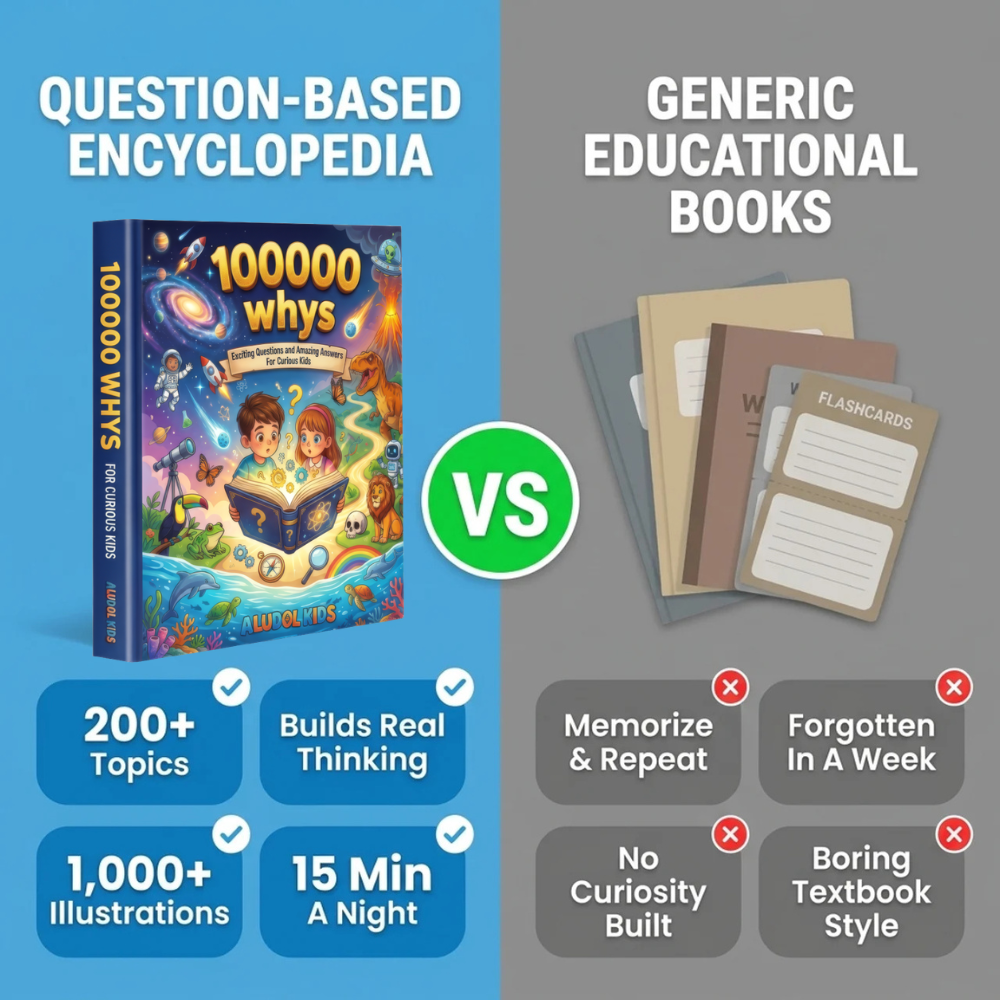
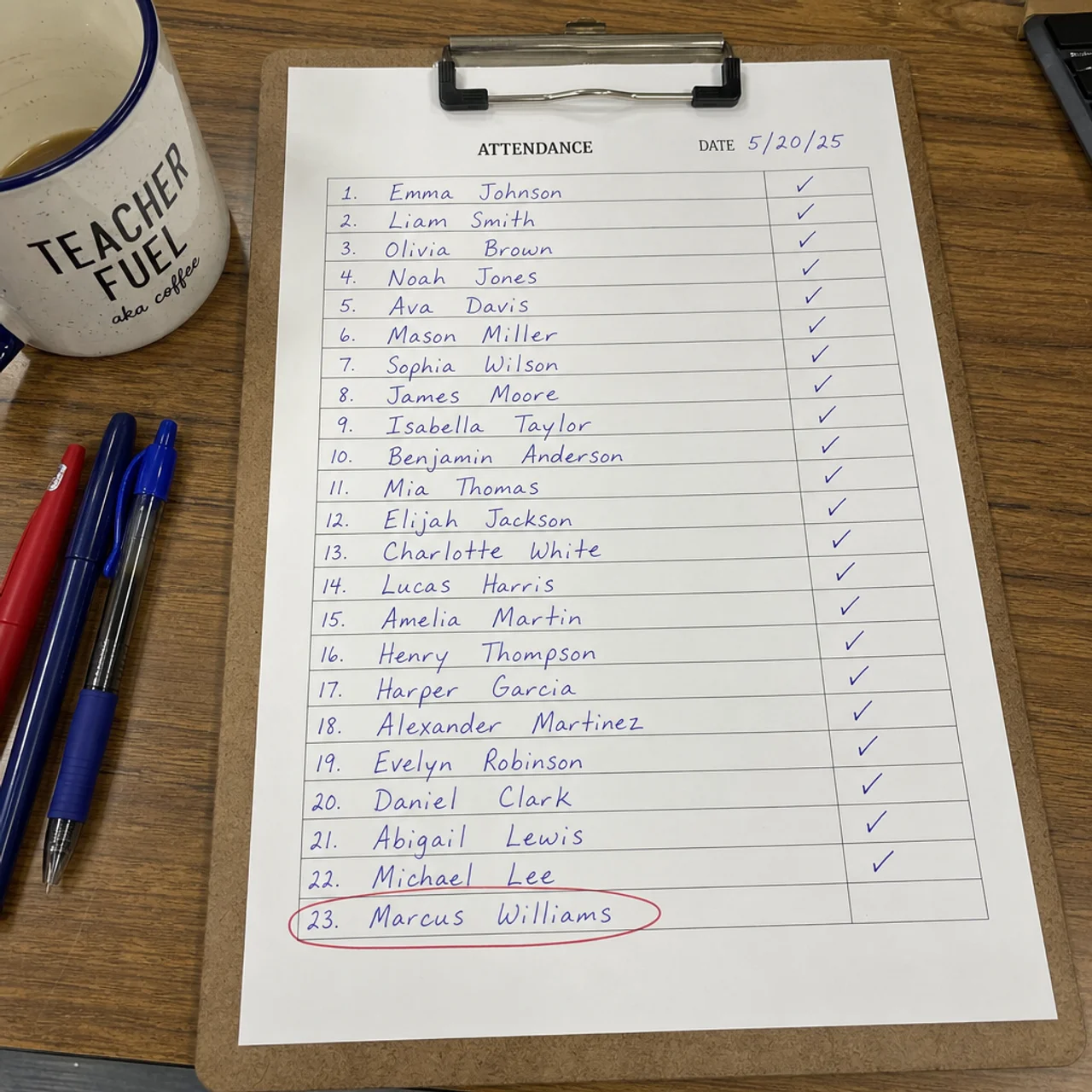
My student Marcus would be 13 years old next month. I'm writing this because he won't be. He'd be sitting in the third row right now. He'd be making some girl laugh in the hallway between classes. He'd be driving me crazy during direct instruction because sitting still was the one thing his brain couldn't do. He'd be here. Instead I stand in front of 22 desks every morning and the 23rd one is empty. I tried moving it once. I got about a foot before I put it back. It stays where it is. I am not writing this because I want sympathy. I am writing this because when I sat in my classroom alone the weekend after it happened, I looked at the 22 remaining desks and realized something about my teaching that I can never un-see. And the same thing is probably happening in your child's classroom right now. Marcus was not the child you picture when you picture a child who is struggling. He was funny. Genuinely funny. The kind of kid who made the whole room lighter just by being in it. He was curious about everything that wasn't on a worksheet. He once spent an entire lunch period asking me how microphones work. Not for a grade. Not for extra credit. Because he wanted to know. He was kind. When a new student joined our class mid-year and nobody talked to her for the first two days, Marcus sat next to her at lunch on day three. Unprompted. That's who he was. He was not a quiet child disappearing in the corner. He was loud and alive and present. And he was failing my class. Not because he wasn't smart. He was one of the sharpest kids I'd ever taught. But he couldn't sit through a worksheet. He couldn't memorize vocabulary lists. He couldn't perform on tests that asked him to repeat back things he'd been told. The system had a word for Marcus. "Disruptive." His file was full of it. Disruptive during direct instruction. Disruptive during independent work. Disruptive during assessments. That word followed him for 2 years. Every teacher who opened his file saw it before they saw him. And every intervention we gave him was designed to make the disruption stop. More structure. More redirection. More consequences. More of the same system that wasn't working, applied harder, louder, more. Not one of us asked why a child who could spend an entire lunch period asking about microphones couldn't spend 10 minutes on a worksheet. Not one of us asked what he was actually interested in. Not one of us asked what he THOUGHT about anything. We asked him to be quiet. To sit still. To memorize. To comply. For 2 years. And he tried. He really tried. That's the part that wrecks me. He wasn't refusing. He was trying to fit into a system that was never built for how his brain worked. I need you to understand what my classroom looked like before that desk went empty. Because I didn't see it until I was sitting there alone staring at 22 desks wondering what I'd missed. Every day, for 11 years, I stood at the front of a room and delivered information. I asked students to memorize it. I tested them on it. I graded the tests. I entered the grades. I moved on. That was the job. That was what I was trained to do. That was what every evaluation, every PD session, every curriculum guide told me was good teaching. Deliver. Drill. Test. Grade. Move on. For 11 years. And in 11 years, I never once stood in front of my class and asked: "What do you think? Before I tell you the answer, what do you think?" I never once made space for a child to wonder out loud without it being scored. I never once designed a lesson around what my students were curious about instead of what the test required. I never once asked Marcus what he thought about anything. I asked him to be quiet 467 times. I know because I started counting one semester. I never once asked him what he wondered about. Not once. The weekend after his desk went empty, I sat in my classroom from Saturday morning until Saturday night. I didn't eat. I just sat there. I wasn't looking for someone to blame. I was looking for something I could change. Something that would make the 22 desks that were still full mean something different than they had before. And I kept coming back to the same question. In 11 years of teaching, how many children sat in my classroom and never once felt like their wondering mattered? How many of them came in curious about the world and left compliant? How many of them had questions they never asked because nothing about my classroom told them questions were welcome? How many of them learned that the only thing that mattered was the answer on the test, not the wondering that should have come before it? How many Marcuses have I had and never noticed because they were quieter about it? That question is the one I can't put down. I started reading. Not curriculum guides. Not PD articles. Research on how children actually learn to think. What builds independent reasoning. What kills it. What I found made me angrier than I have ever been in my professional life. There are two ways a child's brain engages with information. The first is memorization. The child is given an answer, stores it, and repeats it back. This is what school is built on. This is what every worksheet, every test, every drill is designed to activate. The second is wondering. The child encounters a question they don't know the answer to, and their brain reaches for understanding on its own. It guesses. It reasons. It connects. It builds. These are not the same process. They do not build the same thing. Memorization builds the ability to repeat. Wondering builds the ability to think. And for 11 years, my classroom, like virtually every classroom in this country, was built entirely on the first one. Nobody told me that in my training. Nobody told me that the very method I was using, the method every teacher in America is trained to use, was systematically shutting down the part of my students' brains that actually learns to think. Not because the method is malicious. Because the method was never designed to build thinking. It was designed to produce test scores. And test scores and thinking are not the same thing. I cannot go back and undo 11 years of teaching the wrong way. I cannot go back and sit next to Marcus at lunch and ask him what he wonders about. I cannot go back and replace "be quiet" with "what do you think?" But I can change what happens in my classroom from now on. I found an encyclopedia built entirely around the questions children naturally ask. Why is the sky blue. How do planes stay up. Why do we dream. Not drills. Not tests. Not memorize and repeat. Just questions. 2 pages. You ask the child what they think before you read the answer. They guess. They reason. They reach. Then you read it together. That's it. That's the whole method. Wonder before answers. I started using it with my students the week I came back. The first morning, I put the textbook away. I opened the encyclopedia instead. "Before I teach you anything today, I want to ask you something. Why do you think the sky is blue?" 22 faces stared at me. They looked confused. They looked suspicious. Nobody had ever asked them what they thought in this room. This room was for answers, not questions. Silence for about 30 seconds. Then a girl in the third row, quiet all year, barely spoke above a whisper, said: "Is it because of water? Like, the sky is reflecting the ocean?" She was wrong. But she was REACHING. For the first time all year, a child in my classroom was reaching for understanding instead of waiting for it to be delivered. Within 2 weeks, the energy in my room was unrecognizable. They stopped saying "is this on the test?" They started saying "but wait, what about...?" Children who hadn't raised their hand all year were raising it. Children who'd been labeled "quiet" were talking. Children who'd been labeled "disruptive" were the most engaged, because their brains finally had something worth engaging with. The vice principal stopped me in the hallway. "I've had 4 parents call this week asking what's happening in your class. Their kids are coming home asking questions nobody can answer." I will not pretend that a book would have saved Marcus. I don't know that. And I refuse to make a promise I cannot prove because the system that made promises about Marcus for 2 years is the reason his desk is empty. But I know this. A child who feels like their wondering matters behaves differently than a child who's been told to be quiet for 2 years. A child who is asked what they think carries themselves differently than a child who is only asked to repeat. A child who has something worth being curious about engages differently than a child who has been given nothing but worksheets and consequences. Maybe if someone had asked Marcus what he thought instead of telling him to stop being disruptive, something would have been different. Maybe if one classroom in his life had been built around wondering instead of compliance, he would have felt like his brain belonged somewhere. Maybe. That maybe is the reason I can't stop teaching this way. I take the encyclopedia to school every morning now. I open it before I open the textbook. I ask my students what they think before I tell them what to know. Not for me. For Marcus. Because it should have been his classroom that changed first. If your child comes home from school every day a little quieter. A little more withdrawn. A little more invisible. If their teacher has described them as "disruptive" or "unfocused" or "not meeting expectations." If you know your child is smart but the system can't seem to reach them. If homework has become a battle and your child is starting to believe that something is wrong with them when nothing is wrong with them. Please hear me. Ask them what they think. About anything. Before you give them the answer. Before you drill them. Before you test them. Ask them what they think. You have no idea how much it matters to a child to be asked. 15 minutes a night. 2 pages. Wonder before answers. It won't fix everything. I know that now better than anyone. But a child who feels like their wondering matters is a child who feels like THEY matter. And that is worth more than any test score, any grade, any report card. Every classroom should be built this way. Mine wasn't for 11 years. It is now. For Marcus. I'm sorry I asked you to be quiet. I should have asked you what you wondered about. EDIT: I didn't expect this to reach so many people. To those sending angry messages, I understand. To those sharing your own stories, thank you. I read every one. EDIT 2: For everyone asking about the encyclopedia I mentioned, it's by Aludol Kids and it's NOT available at typical bookstores or libraries. I've linked it below this post.
Like this ad? Make it yours.
Crush rebuilds this exact creative around your product — your brand, your colors, your offer — in about a minute.