Dr. Sam Valentine
Dr. Sam Valentine Facebook ad: “The Shocking Truth About Vertigo”
Ran for 25 days, from August 14 to September 8, 2026, the last day Crush saw it.
Run by Dr. Sam Valentine on Facebook. Crush is not the advertiser and does not verify its claims. See this ad in Meta's Ad Library(opens in a new tab)
Want an ad like this for your product?
Crush makes new ad images for your product from this ad: your logo, your product photo, your offer.
Trials from $19.95 USD, then $79.95 USD a month. Cancel anytime.
About this ad
- Meta Ad Library ID
- 1028624056454948
- Platforms
- Facebook, Audience Network and Messenger
- Relaunches
- 1
Ad text
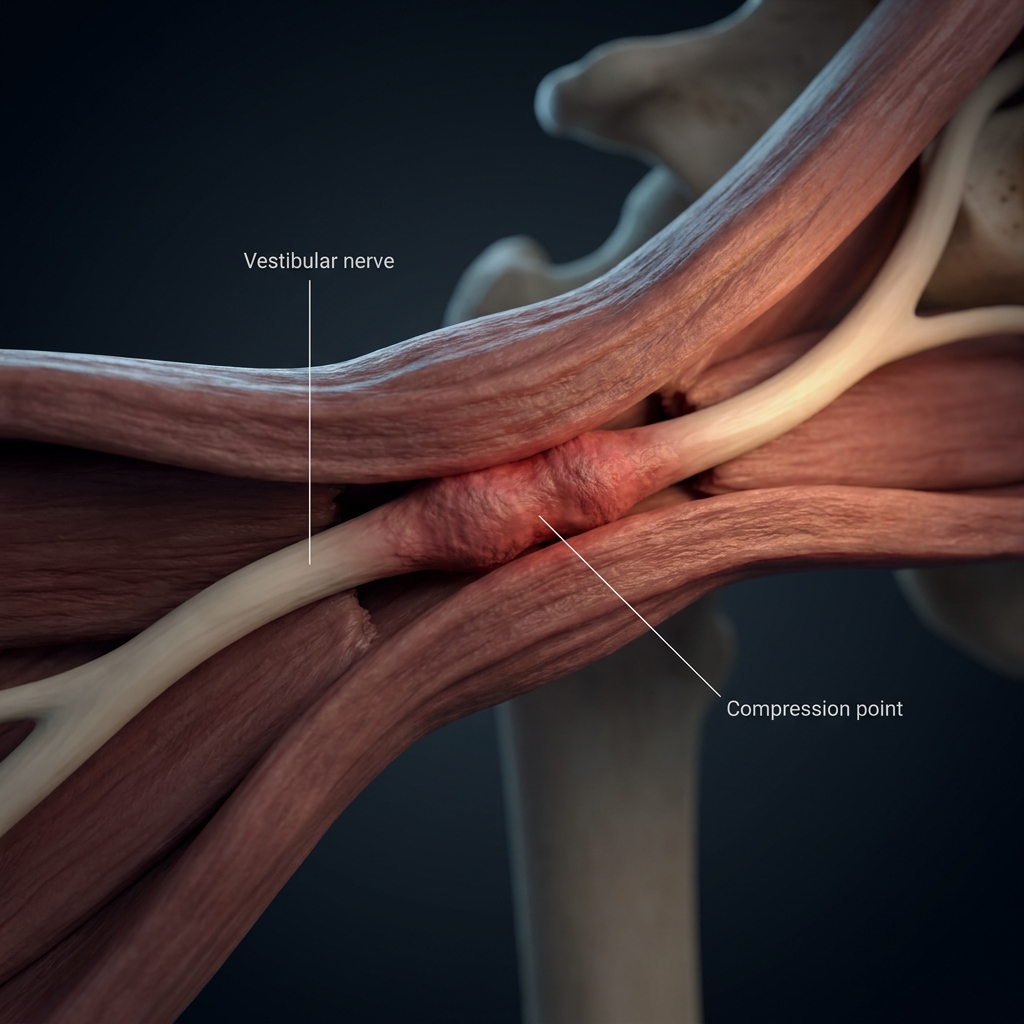
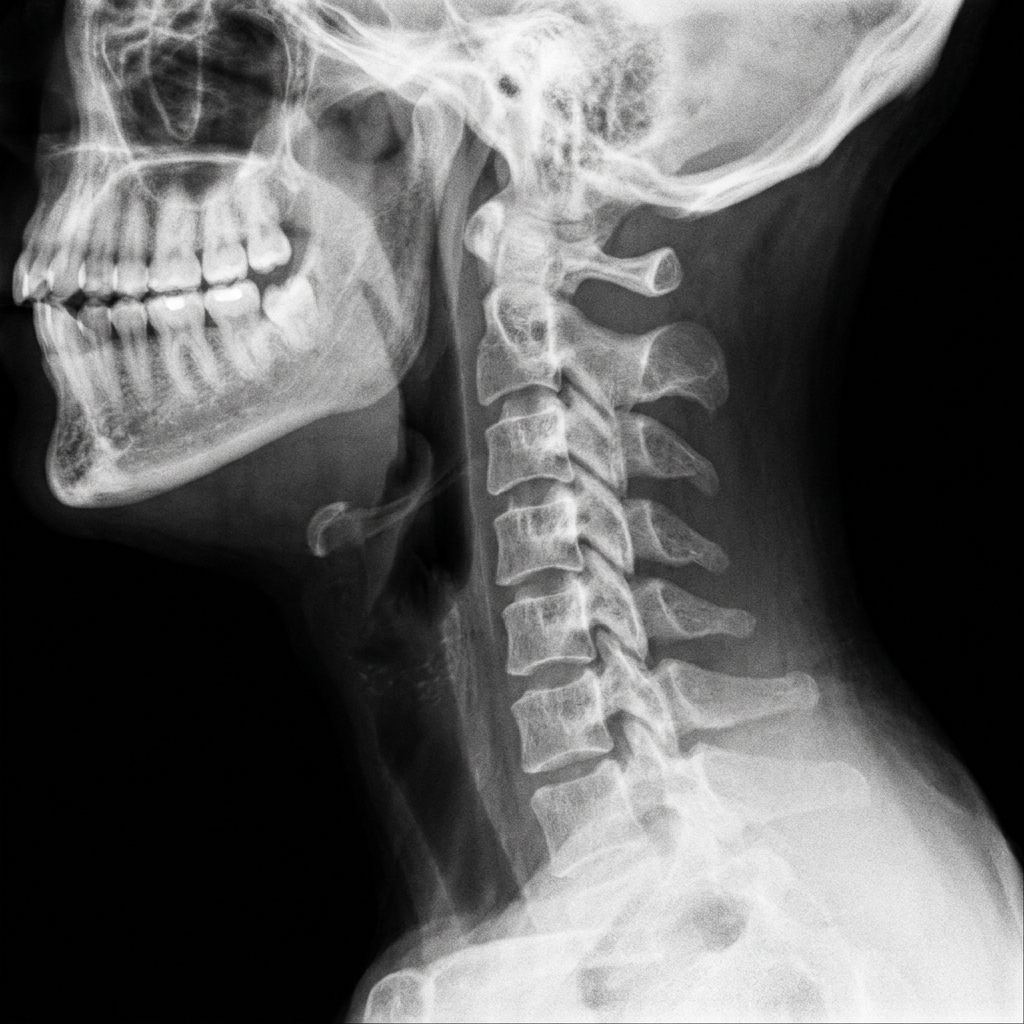
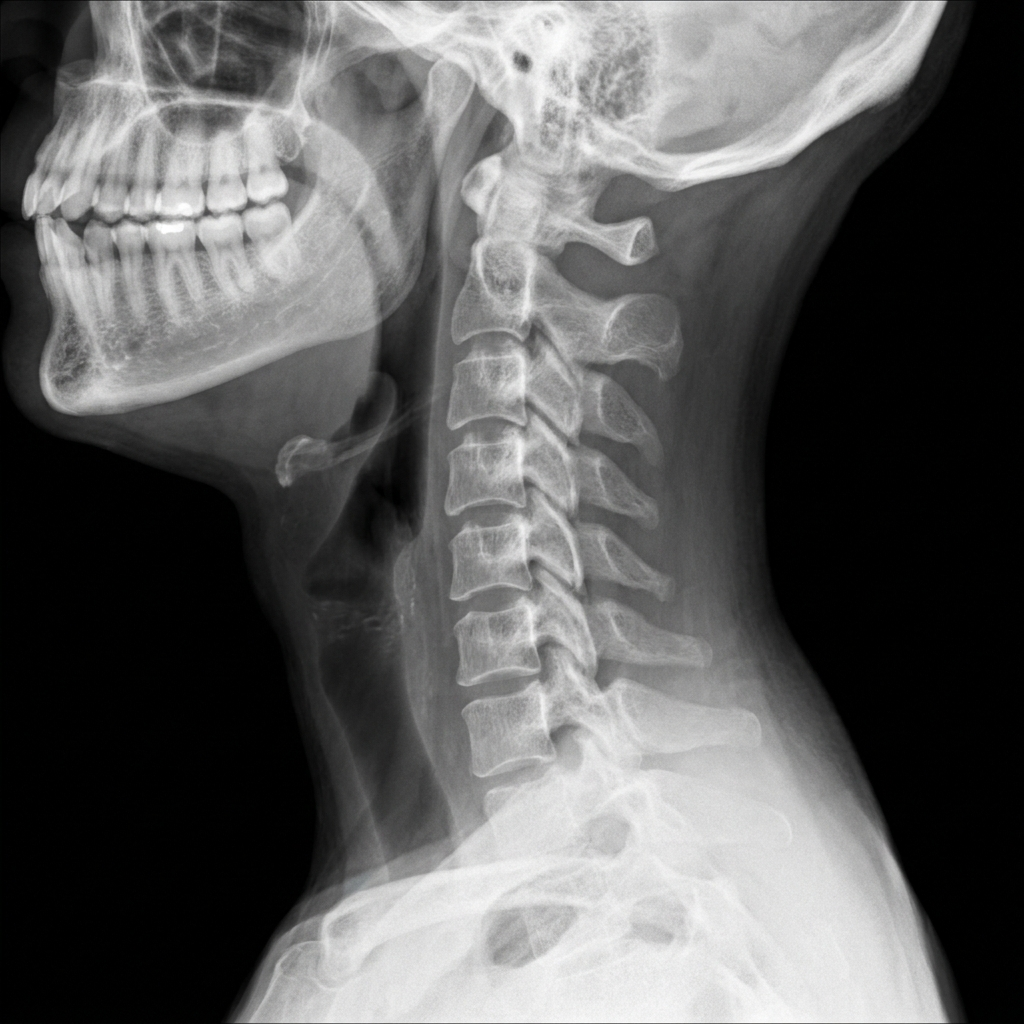
I want to tell you something about how seniors with chronic vertigo die, not because this is a conversation about death, but because it is a conversation about what vertigo actually is — what it is telling you about what is happening inside your body right now — and the only way to make that clear is to follow the story to where it ends when nothing is done about it. The death certificate framing is the only framing that accurately represents what is at stake when a man or woman in their late sixties notices the room starting to move and decides it is not serious enough to do anything about. I know that sounds heavy for a conversation about a wearable device. I am writing it that way on purpose. The conversations I have had with adult children and surviving spouses about the parents and partners who ignored this exact warning have made me unwilling to soften the framing any further than the clinical reality allows. I am Dr. Stephen Joseph. Neurologist. NeuroBalance Research. Two decades in clinical practice focused on the vestibular system. I have watched this trajectory play out more times than I want to count. And the only way I know how to deliver this to the people who need to hear it — the ones currently telling themselves that occasional dizziness is just one of those things that happens with age — is to follow the disease from the first spinning episode, where the warning begins, to the event on the death certificate, where the disease finally kills the person who never connected the two. It is serious. The dizziness is just where you notice it first. Here is the disease. Vestibular nerve sensitization is a progressive neurological condition. It does not develop, produce one episode, and leave the nervous system alone. It develops wherever the conditions exist for it: cervical degeneration, chronic muscle tension at the base of the skull, decades of postural strain and micro-injury accumulating around the point where the vestibular nerve exits the brainstem and passes through the upper cervical region. The same neuroplastic processes that let a person learn a new language build the alarm pathway in the vestibular circuit. Every episode of vertigo is a firing of that pathway. Every firing strengthens it. The circuit that produces the spinning sensation gets more efficient at producing it. The threshold for triggering it drops. It develops at different rates in different people. The rate is determined largely by the age of the nervous system it develops in. Older nervous systems sensitize faster, because an older brain with a ten-percent sensitization burden loses proportionally more of its functional balance margin than a younger brain with the same burden. Compensation drops sharply when the redundancy shrinks even slightly. The physics is unforgiving. The circuit does not have to fire constantly to fail you. It only has to fire once, at the wrong moment. The balance system in a senior is among the most fragile compensation systems in the body. Three inputs — vestibular, visual, proprioceptive — where a thirty-year-old has full redundancy and a seventy-year-old has almost none. They fail first. They become symptomatic first. The senior falls first. The cardiovascular system is more robust. It compensates more slowly. Its symptoms — chest pain, shortness of breath, the standard cardiac warnings — come later. Typically years after the balance symptoms in seniors with the same underlying decline. This is not a coincidence. This is anatomy. The same aging. Different timelines. The balance system gives the warning first because it has the smallest margin. When a senior ignores the first warning and the sensitization continues progressing, the balance system reaches its own catastrophic threshold in the months that follow. The first stumble in the kitchen. The grab at the wall coming out of the bathroom. The near-miss on the stairs. Eventually one of those episodes fails to end in a near-miss — a fall, a fracture, a head strike — and that becomes the event on the death certificate. The death certificate names the injury that finally killed her. It does not name the disease that spent three years destroying the balance system that failed her. It says complications from hip fracture. It says traumatic brain injury. It says pneumonia following prolonged immobilization. It says cardiac arrest secondary to surgical stress in an elderly patient. It says subdural hematoma. It names the final event. It does not name the vertigo warning that came years earlier and was ignored. The event on the death certificate was preceded by years of a warning she had in her balance. I have had this conversation with families. Not with the patient — the patient was gone. With the adult daughter, the surviving husband, sometimes with a son who lived out of state. With the people left trying to understand what happened to a parent who seemed reasonably healthy until she was not. "She had been dizzy for years," the daughter will say sometimes, carefully, the way adult children speak in those rooms. "She was embarrassed about it. She didn't want to bring it up at her physicals. She said it was just getting older." She did not want to bring it up because chronic vertigo is a source of shame for most seniors. It is tied to independence in ways that make it the last thing a senior wants to investigate seriously. She would rather get a full cardiac workup than have a real conversation about why the room moves when she rolls over in bed. She would rather talk about her cholesterol than acknowledge that her body has been telling her something for years that she has been refusing to hear — because hearing it means acknowledging that the independence she has built her entire adult life around is beginning to slip. And so the investigation did not happen. The mechanism was not addressed. The sensitization continued deepening. The balance margin continued eroding behind the vertigo episodes that had already become routine. And two years later, or three years later, or sometimes five, the event happened. The one that goes on the death certificate. The one her daughter describes to me at a kitchen table or in a hospital family room with the careful precision of someone who has been over the timeline a hundred times and is still trying to find the point where it could have gone differently. The point where it could have gone differently was years earlier. It was the morning she first noticed the room moving and decided not to look at it. I am not telling you this to frighten you into a purchase. I am telling you this because I have sat across from those families and I have known — not suspected, known — that the vertigo warning came first. Years first. And I want the seniors who currently have that warning, and the adult children reading this on behalf of a parent who has that warning, to understand what the warning is warning about. The warning is not about the dizziness. The warning is about the progressive balance failure that the dizziness is the first place to register. I want to be specific about the mechanism, because vague mechanism explanations are how seniors dismiss their own warnings. Balance requires three things. A vestibular nerve carrying accurate signals from the inner ear to the brainstem. A brain interpreting those signals correctly against inputs from the eyes and the joints. And a cervical region — the base of the skull and the upper neck — that does not compress or irritate the vestibular nerve as it passes through. All three have to work. When any one of them fails, balance fails. In seniors over sixty-five, the failing component is almost always the third one. The nerve. The cervical passage. The inner ear is still producing signals. The brain is still capable of interpreting them. But the cervical region has been damaged by decades of postural degradation, the suboccipital muscles have tightened into chronic contraction, and the nerve itself is being compressed and irritated at exactly the point where it is most vulnerable — where it exits the brainstem and passes through the upper cervical passage. Even worse, the sensitization circuit — the neural pathway that produces the vertigo sensation — runs more aggressively in nerves that are chronically irritated and inflamed. The compressed nerve does not just fire when it should. It fires constantly. The signal misfires. The brain interprets the misfire as motion. The room spins. The alarm never turns off. This is the mechanism. It is the same mechanism in the sciatic nerve, where it is called radiculopathy. It is the same mechanism in the median nerve, where it is called carpal tunnel. It is the same mechanism in the trigeminal nerve, where it is called facial neuralgia. Different nerves. Different names. Same disease. The vestibular nerve is just where the most disorienting version of it shows up in seniors first. Most seniors who finally come into my office for chronic vertigo have already tried the things their internet research told them to try. I want to walk through what those things actually do, because the reason most of them fail is that they do not address the mechanism that is actually failing. Meclizine. Sedates the vestibular system centrally. Real effect in real time. Does nothing about the compressed nerve. The signal still misfires. The senior on meclizine is drowsy, unsteady in a different way, and falls anyway — sometimes because of the drowsiness the medication caused. The Epley maneuver. Repositions dislodged crystals in the inner ear. Real effect in real time when the underlying problem is benign positional vertigo. Does nothing when the underlying problem is cervical nerve compression. Most seniors go through Epley two or three times, feel briefly better, and are back to spinning within weeks because the maneuver never touched the mechanism actually causing their vertigo. Vestibular rehabilitation therapy. Retrains the brain to accept and compensate for faulty vestibular signals. Real mechanism. Slow — requires months of consistent practice. Rarely addresses the ongoing nerve compression that is generating new faulty signals faster than the brain can be retrained to ignore them. The therapist is trying to teach the brain to ignore an alarm that is getting louder every week. Ginkgo, ginger, vitamin D, magnesium. Address peripheral circulation, general anti-inflammatory support, and nervous-system health at the systemic level. Real biological activity. Do not specifically target the mechanical compression at the cervical exit or the sensitized alarm circuit in real time. Each of these addresses one part of the cascade. None of them addresses the nerve completely. Which is why seniors who have tried all of them are still where they were when they started — grabbing the wall, holding the counter, not driving, waiting for the next episode. The mechanism is compression. The nerve is sensitized. The fix is neurological and mechanical — and it has to address both sides of the problem simultaneously. The nerve compression at the base of the skull that is generating the constant misfire. The sensitized alarm circuit that has learned to fire faster and harder with every episode. The chronic muscle tension and cervical degeneration driving the compression underneath all of it. VertiClear Pro is the only wearable device I have found that addresses all three. Its simultaneous application of EMS pulses, deep heat, and targeted massage works on the nerve at the biological level. The EMS pulses calm the sensitized alarm circuit at the site — not by force-blocking the vestibular signal the way meclizine does, but by quieting the misfiring nerve steadily, so the accurate signals your inner ear is still capable of producing finally get through without being drowned out. The deep heat increases local circulation and relaxes the suboccipital muscles that have been compressing the nerve for years. And the targeted massage restores mobility to the cervical tissue where the compression originates. Calm the alarm today. Release the compression that has been driving the misfire. Slow the sensitization accumulation over time. Three actions, one device, applied where the nerve actually lives. I had a patient last year — a 71-year-old retired postal carrier who came in primarily because his daughter had insisted, not because he thought there was anything serious to discuss. He had been "having some dizzy spells for a couple of years." His cardiac workup was clean. His inner-ear imaging was unremarkable. He was, in the language of routine medicine, fine. He was also, in the language of his own daily life, no longer driving. His daughter had started doing his grocery shopping fourteen months earlier. He had stopped going to his weekly poker game because the drive felt unsafe. He was three years younger than his own father had been when his father died from complications following a fall, and his balance system was already on the same trajectory. I told him what I am telling you. The nerve is the problem. The warning is real. The window is open right now. He started VertiClear Pro in April. By week three the morning episodes he had been having every day since 2022 had dropped to two or three a week. By week eight his daughter told him he seemed different — steadier, more present, more like the father she remembered. By month four he was driving again. By month six he was back at his poker game. He is still living independently. He is not on the trajectory that ended in the fall his father had at 74. His warning was caught in time. Most seniors' warnings are not. This is not another medication. This is not another maneuver. This is a wearable neuromodulation device that works on the mechanism the death certificate never names — the progressive nerve sensitization and cervical compression that the vertigo is warning you about right now. VertiClear Pro. Simultaneous EMS, deep heat, and targeted massage. The clinical combination. The device that addresses what the death certificate will not. The death certificate says what finally broke. It does not say how long the warning was running before it did. You have the warning now. Address the mechanism while the warning is still early enough to matter. P.S. — The statistic I find most clarifying: one in four Americans over sixty-five falls each year, and falls are the leading cause of injury death in that age group. Chronic vertigo is not a separate system. It is the early-warning output of a progressive balance failure that ends in a fall for a substantial portion of the people who ignore it. Address the mechanism. The vertigo improves. The fall trajectory improves. Both are the same disease. Both respond to the same intervention. VertiClear Pro. 90-day guarantee. The nerve responds before the guarantee expires. P.P.S. — The death certificate will not say vertigo. What goes on it is determined in the months and years between the first spinning episode and the fall downstream. That window is open right now. It closes. Address the mechanism while it is open. — Dr. Stephen Joseph, Neurologist NeuroBalance Research
Where the ad sends people
information.shopverticlear.com
The Shocking Truth About Vertigo
After seeing her describe sitting on the floor of a Costco... unable to stand because the room was spinning so violently she couldn't tell which way was up...
Learn more: information.shopverticlear.com(opens in a new tab)