Life With Diabetes
Life With Diabetes Facebook ad: “The Diabetic Repair Pathway Big Pharma Buried For 28 Years”
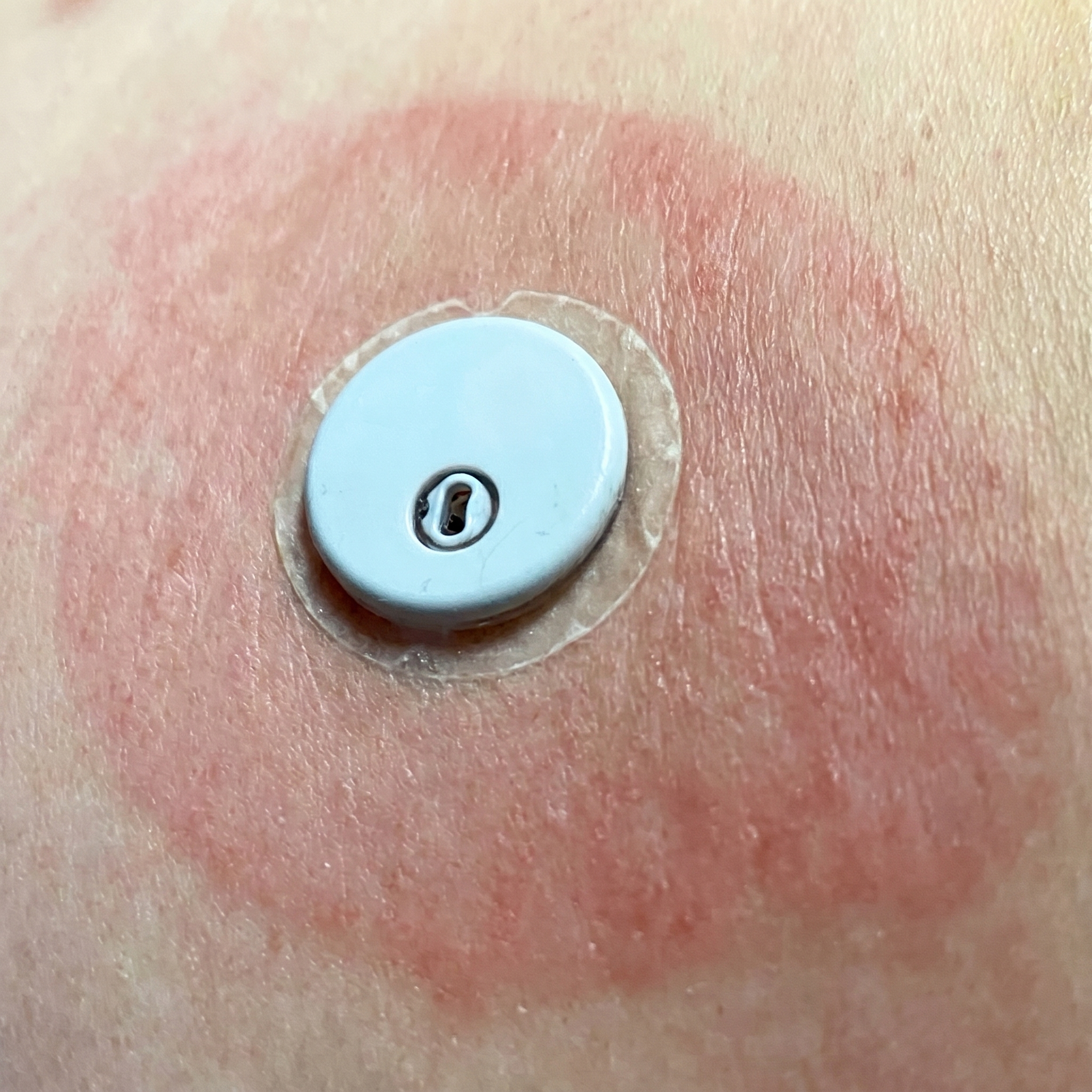
Ran for 18 days, from May 20 to June 7, 2026, the last day Crush saw it.
Run by Life With Diabetes on Facebook. Crush is not the advertiser and does not verify its claims. See this ad in Meta's Ad Library(opens in a new tab)
Want an ad like this for your product?
Crush makes new ad images for your product from this ad: your logo, your product photo, your offer.
Trials from $19.95 USD, then $79.95 USD a month. Cancel anytime.
About this ad
- Meta Ad Library ID
- 1029054456464698
- Platforms
- Facebook, Instagram, Audience Network, Messenger and Threads
- Relaunches
- 2
Ad text
In 1998 the global medical establishment made a decision about diabetes treatment. That decision made pharmaceutical companies hundreds of billions of dollars and cost my father his foot, his eyesight, and ultimately his life. What was buried in 1998 is the same thing keeping your A1C climbing, your feet burning at night, and your eyesight spotting in 2026. My name is not important. What matters is that I have spent the last five months and sixty hours of medical library research verifying a documented historical record. Everything I am about to tell you is public. All of it has been sitting in archives for almost three decades. Your endocrinologist has never been taught any of it, and the reason she has never been taught any of it is the reason my father is buried in Hartford, Connecticut. If your A1C has been climbing for years on metformin — if you have been told the complications are inevitable, if your doctor has begun saying the word "insulin" — I need you to read this to the end. Because you are not watching your body fail. You are watching a corporate decision made in conference rooms before your children were born. My father, Walter, was diagnosed with Type 2 diabetes in 1995. He was 52 years old. His doctor prescribed metformin and told him to walk thirty minutes a day and avoid dessert. He did all of that. For twenty-two years. In 2009 his A1C had climbed from 6.9 at diagnosis to 8.4. His endocrinologist added glipizide. In 2013 the doctor added a statin "for protection." In 2016 the doctor began talking about insulin. In 2011 my father started telling me about burning in his feet at night. He described it as walking on hot sand even when he was lying still. His doctor prescribed gabapentin. The burning got worse. In 2014 he lost vision in his left eye. Diabetic retinopathy. By 2016 he had lost most of it in the right eye too. In December 2016 he stepped on a piece of glass in his kitchen and did not feel it. The wound did not heal. By March 2017 the infection had reached the bone. They took his right foot at the ankle. He died in June 2017 of a heart attack in his living room while watching the evening news. He was 74. His last A1C, taken three weeks before his death, was 9.3. Twenty-two years of taking the medication exactly as prescribed. A1C climbed the entire time. He lost his sight. He lost his foot. He lost his life. He died believing the medication had been helping him. I started investigating what had actually happened to his body four months after his funeral. In November 2017 I was reading the 1998 Nobel Prize lecture transcripts in the archives of the Yale Medical Historical Library. I was looking for something else entirely — a reference unrelated to my father's diabetes. I came across the lecture given by Dr. Louis Ignarro at the Karolinska Institute on December 8, 1998. The lecture was titled "Nitric Oxide: A Unique Endogenous Signaling Molecule in Vascular Biology." I had never heard of Louis Ignarro. I had researched my father's disease for four months. I had read fourteen books on the history of diabetes treatment. Ignarro was not in any of them as anything more than a footnote. I spent the next forty-five hours in three different university medical libraries tracing what happened between 1998 and 2026 to the science that should have changed diabetic care forever. What I found is why I am writing this. Louis Ignarro shared the 1998 Nobel Prize in Medicine with Robert Furchgott and Ferid Murad. They had independently proved that the inside lining of every blood vessel in the human body — a single layer of cells called the endothelium — produces a molecule called nitric oxide. Nitric oxide is what keeps your arteries flexible, your blood flowing, and your circulation healthy. Here is the part that should have changed diabetic medicine. Every single diabetic complication you have ever been warned about is caused by the same thing. Neuropathy in your feet. Retinopathy in your eyes. Kidney failure. Erectile dysfunction. Heart attack. Stroke. Slow-healing wounds that turn into amputations. All of them. They are not separate diabetic problems. They are one disease — your blood vessels failing — showing up in different parts of your body. The burning in your feet at night is not nerve damage. It is the smallest arteries in your body — the ones that feed the nerves in your feet — failing first because they are the most fragile. The vision loss is not eye disease. It is the smallest arteries in your retina failing the same way. The slow-healing wound that became my father's amputation was not a foot problem. It was a vascular problem in the foot. What kills diabetics is not high blood sugar. What kills diabetics is the slow destruction of their blood vessels by years of high blood sugar, while their medications manage the sugar number without touching the vascular damage underneath. Ignarro's discovery in 1998 showed exactly how this destruction happens and exactly what reverses it. Restore nitric oxide production in the endothelium. Repair the vessel lining. Stop the slow vascular failure that is the actual cause of every complication. This was the obvious conclusion in 1998. It has never become the standard of care for diabetes. Here is what happened between 1998 and 2026. I need you to understand this is not speculation. Every name and date I am about to give you is publicly documented. December 1998: The Nobel Prize is awarded. The implications for diabetic vascular complications are discussed in The Lancet, the New England Journal of Medicine, and the JAMA editorial pages. 1999 to 2010: Global diabetes medication revenue grows from $11 billion to $44 billion annually. Metformin sales alone reach $5 billion. None of these medications address the endothelial damage that causes diabetic complications. They manage glucose. The vascular destruction continues. 2005 to 2015: Three separate pharmaceutical companies attempt to develop patentable nitric oxide donor compounds for diabetic vascular complications. All three programs fail or are quietly discontinued because the most effective natural activator of the endothelial repair pathway is a compound that cannot be patented. That compound is capsaicin. The active ingredient in cayenne pepper. 2017: Ozempic enters the diabetic market. The drug works on glucose control through a downstream hormonal pathway. By 2024 it generates over $14 billion in annual revenue. It does not address endothelial damage. 2021: Dr. David Julius at the University of California, San Francisco wins the Nobel Prize in Medicine for discovering the TRPV1 receptor — the cellular switch that capsaicin activates inside endothelial cells. The discovery confirms that there is a documented, biologically targeted pathway to restore the vessel lining destroyed by diabetes. Two Nobel Prizes, twenty-three years apart, mapping the entire mechanism for reversing diabetic vascular complications. By 2026, your endocrinologist has been trained to treat your A1C with patentable drugs that do not address the vascular damage that is going to take your feet, your sight, your kidneys, or your life. Global diabetes medication revenue since 1998: over $580 billion. Global revenue from Ozempic and similar drugs since 2017: over $90 billion. Global revenue from diabetic complication treatments — dialysis, amputation procedures, retinal surgery, cardiac interventions: over $1.2 trillion. Capsaicin from cayenne pepper: unpatentable. In 2022, a research team at the Frankfurt am Main Cardiovascular Institute replicated the endothelial repair pathway in diabetic patients using modern methodology. Published in the European Heart Journal. 196 patients with Type 2 diabetes and documented vascular complications. Double-blind, placebo-controlled. Bioavailable capsaicin at therapeutic dosage. 31 percent improvement in flow-mediated dilation — the gold-standard measurement of endothelial function. Significant reductions in neuropathic symptoms. Significant improvements in HDL-to-LDL cholesterol ratios. Reductions in fasting glucose averaging 18 percent. The paper has been cited 1,800 times. Your endocrinologist has access to it. She has not been trained to look for it. The Nobel Prize committee was not wrong. The mechanism was not too hard to translate into diabetic care. The discovery was profitable to bury. Here is what Louis Ignarro understood in 1998 and what your endocrinologist has not been trained to act on. Your A1C number is not the disease. The vascular damage is the disease. The A1C is a measurement of how fast the damage is occurring. Lowering the A1C slows the damage. It does not repair the damage that has already been done. This is why my father's complications kept progressing even when his A1C dropped temporarily on new medications. Each medication addressed glucose. None of them addressed the years of vascular destruction that had already occurred in his eyes, his feet, his coronary arteries, and the small vessels feeding his nerves. The damaged endothelium in a diabetic body silently progresses for 10 to 15 years before the first major complication. The first visible symptom in most diabetic men is failing erections, because the arteries that fill the penis are the smallest in the body and fail first. The second is burning or numbness in the feet. The third is vision changes. The fourth, often, is the cardiac event. Your metformin does not stop this progression. Your statin does not stop this progression. Insulin does not stop this progression. They manage the numbers while the disease moves toward the complications you have been warned about. The Ignarro pathway addresses the source. You will have tried cayenne capsules from Amazon. Berberine. Cinnamon. Chromium. Alpha-lipoic acid. None of it has made the difference you were hoping for. Capsule cayenne loses 85 percent of its therapeutic concentration during gastric transit. The capsaicin is destroyed by liver enzymes before it can reach the endothelial cells where the TRPV1 receptor lives. Berberine in standard oral capsules has the same problem — most of it is degraded before it reaches the liver tissue where it works. Cinnamon and chromium work on related but downstream pathways. Alpha-lipoic acid addresses oxidative stress but does not activate endothelial repair. Bioavailable capsaicin dissolved in oil bypasses gastric destruction, reaches the bloodstream intact, and binds to the TRPV1 receptor inside the endothelial cells. The cells restart their own internal nitric oxide production. The vessels begin to heal. The neuropathy begins to recede. The complications begin to slow. Same compound. Different delivery. One works. The others do not. Ignarro showed this was possible in 1998. One man I have been in correspondence with since January — he asked me to keep his name private but gave me permission to share his numbers — had been diabetic for eleven years. 64 years old. Three grandchildren. Watched his own father lose both legs to diabetic complications in 2009. His A1C in 2023 was 8.6 on metformin and glipizide. His fasting glucose was 178. He had been waking up six times a night from burning in his feet for the previous four years. He had stopped taking long walks because the pain in his feet became unbearable after twenty minutes. He began the bioavailable capsaicin formula on February 12th. At 30 days his A1C was 7.9. The burning at night had reduced enough that he was sleeping through five nights a week. At 60 days his A1C was 7.1. The burning was gone except after long days on his feet. At 90 days his A1C was 6.4. His fasting glucose was 118. The burning was gone entirely. He had walked three miles two days before his last update without foot pain. His endocrinologist reviewed the labs and wrote in his chart "patient reports improvement, continue current medications." She did not ask what he was doing differently. She did not ask about supplements. She did not ask about mechanism. He has not been back to that office in four months. He also still has both of his feet. He will not become his father. He will not become my father. The formula I have described is called Aurivita Capsaicin Power. It is the first widely available capsaicin formulation produced at therapeutic dosage with the oil-soluble delivery system the Ignarro mechanism requires. The capsaicin is dissolved in cold-pressed avocado oil to protect it through digestion. The formula also includes berberine in the same bioavailable carrier — addressing the liver-glucose pathway that drives A1C — along with cinnamon, beetroot, hawthorn, vitamin K2, BioPerine, turmeric, and Korean ginseng. It is available directly from the manufacturer through the link below. 120-day guarantee — if your A1C does not drop, every dollar refunded. aurivita.co/products/capsaicin-power-diabetes My father died believing the medications were protecting him. Twenty-two years of compliance. He lost his eyesight first. He lost his foot next. He lost his life last. Your father does not have to die that way. Your husband does not have to die that way. You do not have to die that way. What Louis Ignarro discovered in 1998 has been buried for 28 years by a pharmaceutical industry that has made over $1.8 trillion on the decision to bury it. It was yours before they took it. Take it back.
Where the ad sends people
aurivita.co
The Diabetic Repair Pathway Big Pharma Buried For 28 Years
Support strong circulation today with our powerful cayenne pepper formula. 180 softgels and 60 servings per bag.
Learn more: aurivita.co(opens in a new tab)