
Active· since Jul 6, 2026
- 71
- days running
- 0
- relaunches
Ad copy
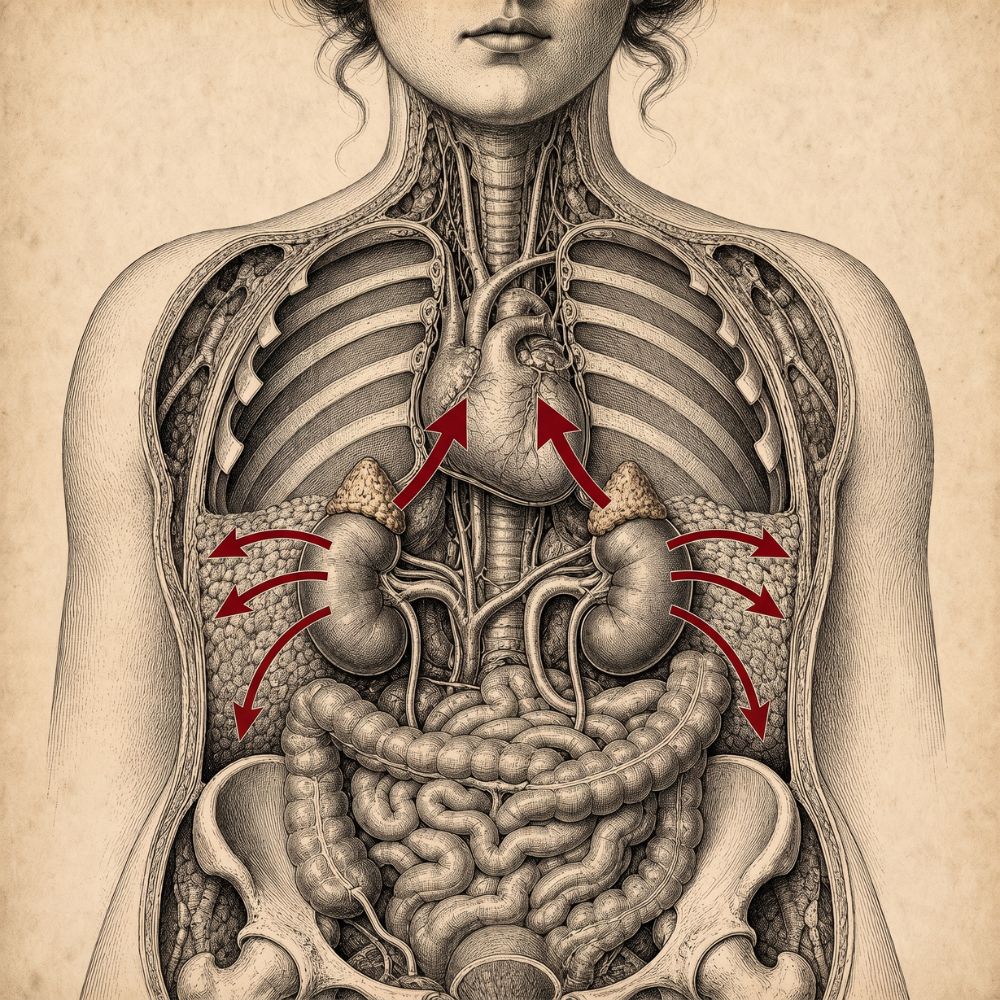
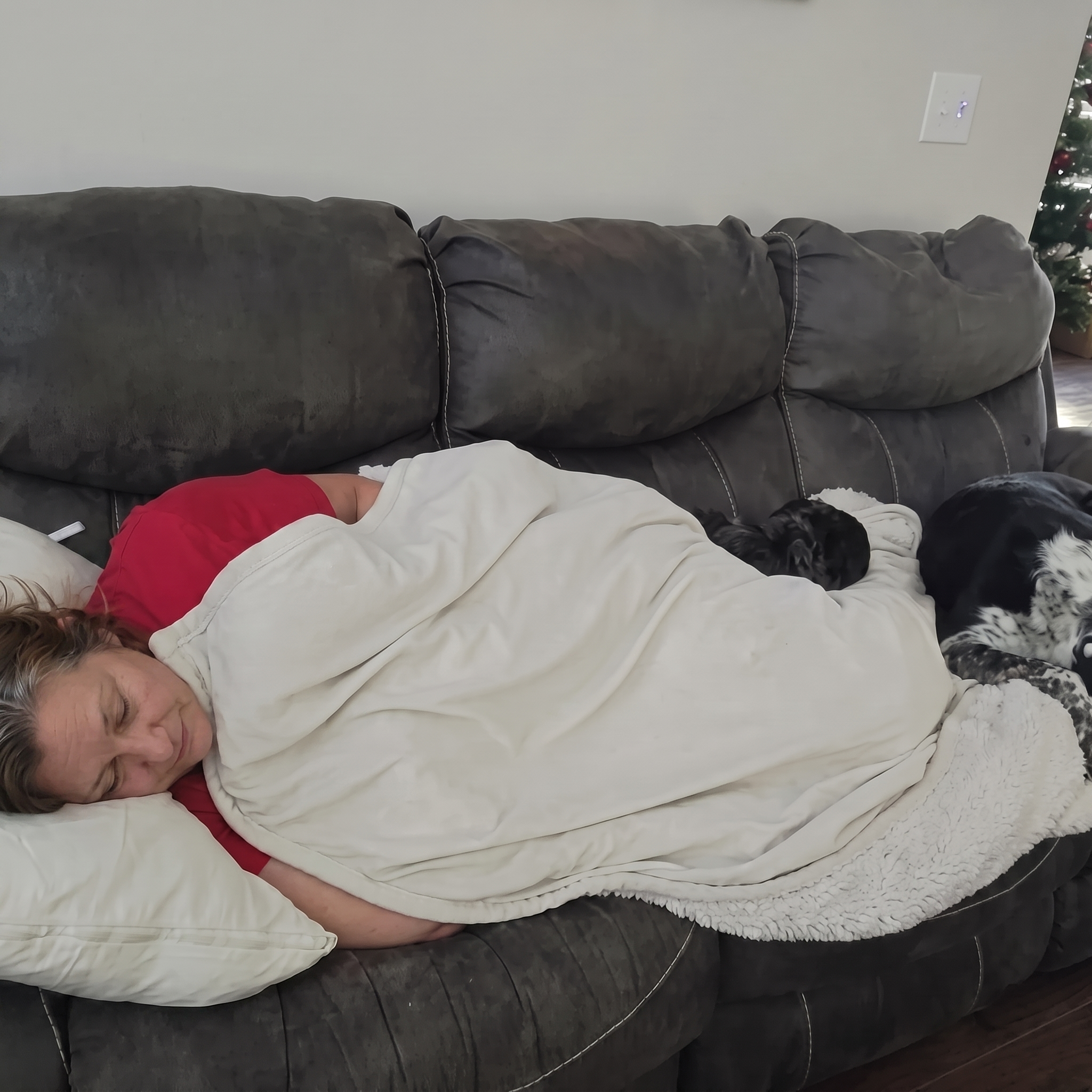
I was told I had chronic fatigue at 38. I'm 46 now. Turns out I never had chronic fatigue at all. For eight years, I "managed" something I didn't actually have. Eight years of B12 jabs that lifted me for an afternoon and dropped me right back down. Eight years of an antidepressant a GP started me on "for your energy," even after I'd told her that I wasn't sad. Eight years of being handed one more bottle and told to “give it a few weeks”. I gave it a few weeks. Every single time. I did everything they asked of me. I took up walking. Half an hour a day, most days. I joined a gym. Then the movement started turning on me. I’d manage twenty minutes and then spend the whole afternoon in bed. I went from four coffees a day down to none. I cut inflammation. Then gluten. Then a stretch of keto. I tried Iron. Then B12. Then Vitamin D. Then CoQ10. Then it all quietly stopped doing anything. Magnesium. Lion's mane. Melatonin. A B-complex that left me wired instead of settled. I signed up for a programme built for chronic fatigue. Cost me £250 a session, because I was told it was highly effective for many people. It helped a little. Then it didn't. When that ran out of road, the referrals started. Endocrinologist. Then rheumatologist. Then neurologist. Half a year of it. Tube after tube of blood. Thyroid. Normal. Autoimmune screen. Clear. Lyme. Negative. Epstein Barr. Old exposure, nothing active. Adrenal function. Normal. Full metabolic panel. Spotless. "It all looks fine," the rheumatologist said, and she wasn't unkind about it. "It's chronic fatigue. We've ruled everything else out." She gave me a leaflet on pacing my energy and asked me to book back in for the spring. I remember sitting in the car park afterwards. Not crying. Just still. Thinking, well. That's that, then. The results were clean and nobody was worried. But every single day, my body still would not quite work. By the time the alarm went every morning, I was already empty. Eight hours of sleep and I'd wake like I'd never been near a bed. People kept telling me to rest more. But rest is the thing tiredness is meant to answer to. This wasn't that. No amount of sleep ever reached it. By 10am I was already low. Second coffee in. Nothing. By 2pm the wall came down. I'd feel it drain out of me like water leaving a bath, and I'd read the same email four times over without a word of it staying. By 4pm I was just quietly counting down to when I could lie down again. And there was always the maths. Shower this morning, and there's nothing left for cooking tonight. Food shop today, and there goes Sunday. Down on the floor with the kids for half an hour, and I'll pay for it flat on my back for two. I stopped doing the sums out loud. I just did them, in my head, every morning, without noticing I was doing it anymore. My partner would come in from work and just get on with it. Out for a run. Made the dinner. Down on the carpet with the kids. And I was on the sofa. Same sofa. Same corner. Most nights. I resented him for it. Then I hated myself for resenting him. Then went back to staring at the ceiling. I started saying no to things. Birthday meals. Weekend plans. A walk round the block with a friend. I got good at the excuses. Eventually people stopped asking, which was easier for everyone, and lonelier than I let on. I nearly didn't get my daughter's party ready, because twenty minutes on my feet in that kitchen felt like I'd walked for miles. I'd be halfway through a sentence at work and the word would just go. Ordinary words. "Diary." "Thursday." I'd cover it with a laugh and hope nobody clocked it. And the worst part? On the outside, I looked completely fine. Nobody could see it. But on the inside, I was going under. And every doctor just nodded along. "That's chronic fatigue, I'm afraid. Stress makes it worse. Have you thought about a bit more exercise?" So I did more exercise. And paid for it with two days in bed. I tried yoga. Cold showers. An elimination diet. Mouth tape at night, a sunrise lamp, a standing desk, a vitamin drip in a clinic off the high street. None of it ever quite reached the thing that was actually wrong. So I made my peace with it. I stopped fighting. I decided this was simply who I was now. That I'd spend the rest of it watching everyone else live while I tried to get through the day. That was where I'd settled. That was the whole of it. And then a neighbour said something not one specialist had. She'd worked in nutrition for years. We were talking over the fence one afternoon, and I mentioned, half laughing at myself, that I couldn't do a food shop anymore without sitting in the car for twenty minutes after, just to recover. She didn't laugh. "Has anyone actually looked at what your cortisol does across a whole day?" "They tested my cortisol," I said. "It came back normal." She shook her head, gently. "One morning blood test tells you nothing about what your cortisol's doing at 2pm when you crash. Or at 2am, when your body's meant to be repairing." "You think my cortisol's behind all this?" "I think you might not have chronic fatigue at all." She leaned on the fence. "Your cortisol's meant to rise in the morning. That's what gets you going. Then it drops at night, so your body can repair while you sleep. But if something holds it out of rhythm, your body never quite gets the signal to make energy in the day. And it never properly recovers at night." "And what holds it out of rhythm?" "Years of stress," she said. "But not the way you'd think. Here's the part nobody mentions. Every time your body makes stress hormones, it burns through the very nutrients your nervous system needs to switch off again. Magnesium. B vitamins. Vitamin C. Run them low enough, and your cortisol can't drop back into rhythm. Won't rise properly in the morning. Won't fall properly at night. And nobody catches it, because one morning blood test looks completely normal." She looked at me. "That wrung out feeling when you wake after a full night's sleep? That isn't poor sleep. That's cortisol that never dropped low enough overnight for your body to recover." "And the 2pm crash?" I asked. "Your cortisol was meant to carry you through the afternoon. But it never rose properly in the morning, because your nervous system spent the whole night stuck in a stress state it couldn't come out of. You're starting every day already empty." "But I sleep eight hours," I said. "You're lying in bed for eight hours," she said. "Your body isn't recovering for eight of them. Cortisol is high when it should be low. Nervous system still running, nothing left to switch it off. And then it's supposed to get up and make energy all day. Off what?" I just looked at her. Eight years. Three specialists. Every result normal. And not one of them had ever properly looked at my cortisol rhythm. I went home and couldn't quite let it go. That night I searched "can long term stress affect cortisol and cause fatigue" and fell down a hole I wasn't ready for. It wasn't fringe. Study after study on how chronic stress quietly drains the body of the nutrients it needs to regulate itself, and how, once they're gone, the stress response stays stuck exactly as she'd described. People had been writing about it for years. It just hadn't made it into any of the rooms I'd sat in. Everything she'd said held up. I messaged her the next morning. "Alright. Say you're right. What do I actually do?" She rang me on her lunch break. "You get the cortisol back into rhythm," she said. "And the only way is a complete formula. Not one ingredient. A whole system." "It's a combination that works together. Ashwagandha to bring the cortisol down. There's a trial where a standardised extract lowered it by nearly 28 percent and cut perceived stress by 44 percent in two months. Reishi and L-theanine to settle an overactive nervous system. And the nutrients the stress has been burning through the most. Magnesium, B vitamins, vitamin C, zinc, and selenium, to put back what's been drained, so your body can hold the cortisol steady again. There's even research showing magnesium with B6 works about a quarter better than magnesium on its own. With a little black pepper extract, so you actually absorb it instead of passing it through. All of it, at once." "One ingredient on its own barely shifts anything. That's why you tried ashwagandha and magnesium separately and felt nothing. They have to work as a system." "I started pointing people towards this exact combination. What came back was unlike anything I'd seen. People who hadn't had real energy in years, finally waking up rested. Getting through a whole day without going under. Feeling like themselves again." Honestly, it sounded too good to be true. But I'd been hauling myself through every single day for eight years. So I asked. "Where do I even get it?" "You can't just grab any adaptogen off a shelf," she said. "Most are single ingredients, underdosed, never built to work together. Half of them aren't even properly tested. The one I mean has the right things in the right amounts, at the doses used in the actual studies, third party tested so you know exactly what's in it. It's the only thing I've seen actually built for this." I looked it up that minute. Made in the UK. Third party tested. And a 30-day money back guarantee. Take it every morning for a month, and if nothing shifts, they refund you. After eight years of supplements and specialists that got me nowhere, what was one more go, when the only thing I stood to lose was nothing? I started that week. First night, I didn't notice much. Second night, I woke and something was different. Not buzzing. Just a little less heavy. Like a thin layer of the weight had come off. That hadn't happened in eight years. By day four, something I wasn't expecting. I got past 2pm and the wall never came. I just kept going. Looked up from my desk and it was gone half four, and I'd forgotten my second coffee entirely. I sat there staring at the clock, not quite believing it. By the end of the second week, I opened my sleep tracker. Deep sleep, almost double the average for the past year. I sat on the edge of the bed and cried, a bit. Then the third week came. I woke before the alarm, lay in the quiet, and waited for it. The heaviness behind the eyes. The fog. That full body exhaustion that had met me every single morning for eight years. It wasn't there. It just wasn't there. For the first time in years, I felt rested. Not "managing." Not "I'll get through if I have enough coffee." Actually rested. For the first time in years, I got down on the floor with my daughter. Got up. Made the dinner. And didn't even notice I'd done it, until that evening, when it quietly hit me what I'd just done without paying for it. For the first time in years, I got through a whole day without watching the clock, waiting for the fall. For the first time in years, I felt like myself again. I've stopped believing I have chronic fatigue. I don't think I ever did. I think I had eight years of a cortisol rhythm that had quietly slipped, and a body that never got the chance to recover overnight. And not one person ever thought to look for it. I still take it every morning. My cortisol keeps the rhythm it's meant to now. My nervous system settles. My body actually recovers overnight. It takes thirty seconds. Honestly, it should be standard for anyone living the way most of us live now. If you've been told you have chronic fatigue… If you've been through the supplements and the specialists and the protocols, and nothing has worked… If your results keep coming back clean, but every single day your body just won't quite function… If you wake after a full night's sleep feeling like you never slept… If you've quietly stopped making plans, because you never know how wrung out you'll be… I'm not telling you what's wrong with you. I couldn't. Nobody could, from a fence over the garden. But I spent eight years making my peace with a label, while something far simpler sat underneath it the whole time. It's third party tested, made in the UK, and it comes with a 30-day money back guarantee. Give it a month to see how you feel. If nothing changes, you send it back. The whole risk sits with them, not you. But if something does shift? If, by the first week, that heavy, lead weighted feeling starts to lift, even a little? If, by the second week, you get past 2pm without hitting the wall? If, a month from now, you wake before the alarm and feel like yourself again? You'll only wish you'd started sooner. I know I do. Tap below to learn more. It explains everything, including the exact formula my neighbour pointed me to. You don't have to keep managing something you might not even have.
Feel Like Yourself Again
Reduce stress, improve sleep, and boost energy with Stress Reset - a natural adaptogen supplement for daily calm, balance, and resilience.
LEARN MORELike this ad? Make it yours.
Crush rebuilds this exact creative around your product — your brand, your colors, your offer — in about a minute.