
Active· since Jul 6, 2026
- 69
- days running
- 0
- relaunches
Ad copy
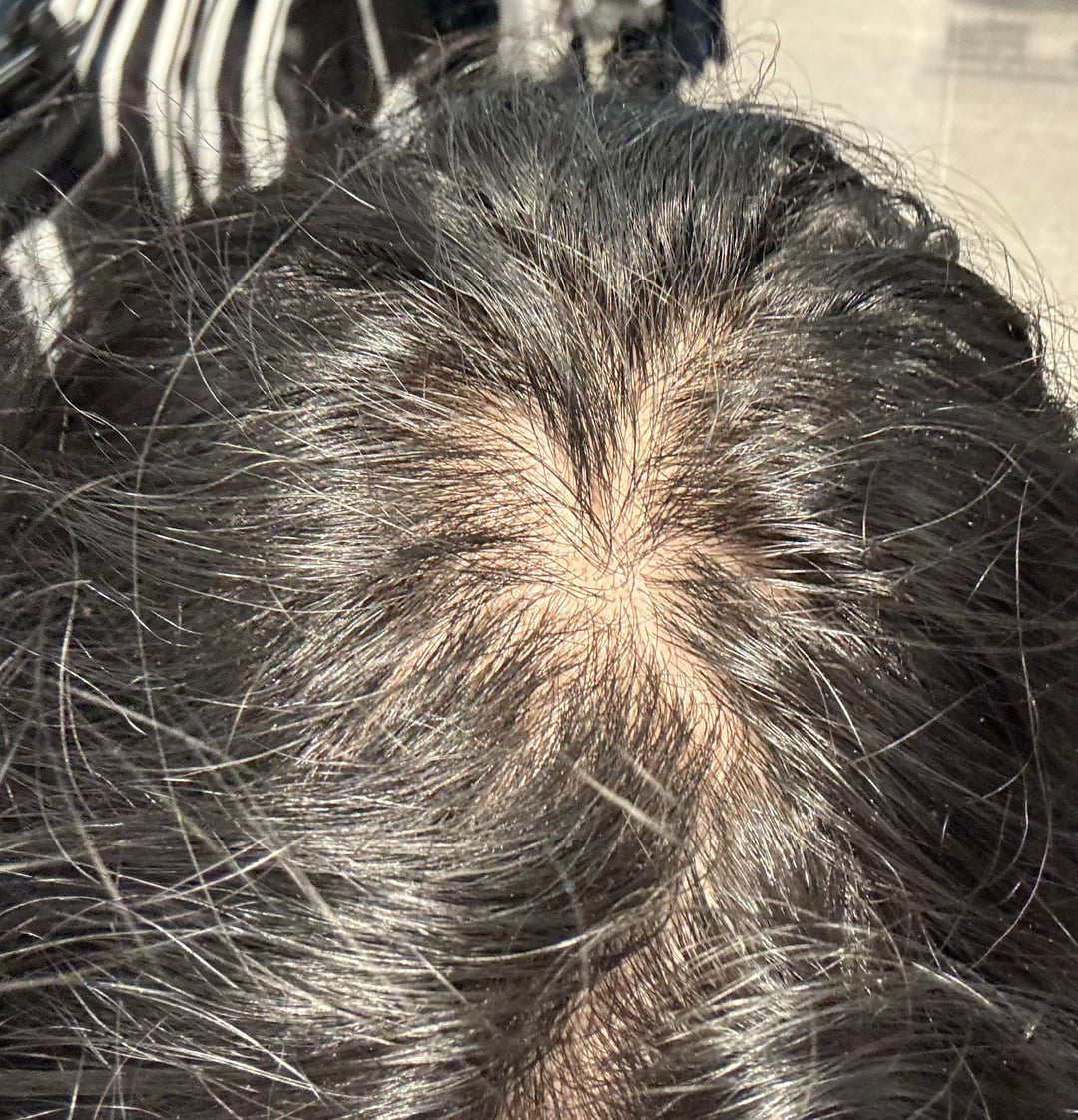
My husband pulled a young mother and her three-year-old out of a sinking car in a Missouri thunderstorm. He has no idea that woman saved his life right back. He knows about the rain, and the ditch, and the night he doesn't fully remember. What he still doesn't know is what I found out afterward — and what I did about it. Let me tell you what happened. Jerry had been on the road since dawn. He'd driven down to Springfield to fix a friend's transmission — Jerry's been a mechanic his whole life and even at sixty-three he still can't say no to a buddy with a dead truck. It was supposed to be a two-hour job. It turned into six. He didn't leave until almost seven at night. The storm came in fast. That kind of Missouri October storm where the sky just opens up and the wipers can't keep pace. My phone rang at 9:22 PM. I know the exact time because I stared at the screen for four rings before I picked up. Nobody calls at 9:22 PM in a thunderstorm with good news. It wasn't Jerry's voice. "Ma'am, this is Deputy Hollis with the Webster County Sheriff's Office. Your husband asked me to call. He's okay. He's in an ambulance heading to Cox South. He's conscious. But I need you to head that way." My hand was shaking so hard I set the phone down on the counter and put it on speaker. "What happened." "There was a rescue at a car accident. He went into the water. He's got hypothermia and a laceration on his arm. But ma'am — he saved two people tonight. I just need you to know that before you get there." I drove ninety-two miles in the rain. No radio. No music. Just my hands at ten and two, my heart in my throat, wondering what I was going to find when I walked into that room. When I saw him — sitting up in the bed, wrapped in three warming blankets, his forearm bandaged from wrist to elbow, his hair still wet against his forehead — the relief hit me so hard my knees gave out and I had to sit down in the plastic chair before I could kiss him. Then he told me what happened. He'd been coming north on Highway 65, about ten miles from home. Rain so heavy he had his hazards on. And in front of him — maybe two hundred yards ahead — he saw a red Honda Civic hydroplane. The car spun once. Then twice. Then went sideways off the shoulder and rolled down an embankment into a drainage ditch that had already flooded with three feet of runoff. Jerry told me this part staring at the ceiling. Not looking at me. Like if he looked at me he wouldn't be able to finish. He pulled over. Grabbed the tire iron from behind his seat. Ran down the embankment in the rain. The car was already half-submerged and tilting further every second. Through the driver's window he could see a young woman. Unconscious. Head against the airbag. Blood on her forehead. And in the backseat — buckled into a car seat, screaming — a little boy. Three, maybe four years old. Jerry said the water was already at the boy's waist inside the car. He swung the tire iron at the rear passenger window. It bounced off. Swung again. Bounced off. On the third swing the glass shattered and he reached through, cutting his forearm open on the frame, and unbuckled the car seat with the boy still strapped in it. He carried the car seat up the embankment and set it on the shoulder in the rain. The boy was screaming for his mama. Then he went back down. The water was up to the woman's chest by then. Jerry told me he can't remember how he got the driver's door open. He said he thinks the water pressure had gone down enough because it had leveled with the ditch outside. He unbuckled her, got his arm under her armpits, and dragged her up the embankment on her back. He laid her down next to her son. Started chest compressions. She coughed up water. Started breathing on her own. That's when Jerry sat down on the wet grass and realized his teeth were chattering so hard he couldn't talk. Another driver had pulled over by then and called 911. The trooper who arrived first told Jerry later that if he'd waited another ninety seconds, the car would have been fully submerged and the mother would have drowned strapped into her seat. Her name was Amanda. She was twenty-eight. The boy's name was Caleb. Her husband was overseas — Air Force, deployed to Germany. He got word two hours later and drove straight from the base to the airport. I sat in that hospital room holding my husband's hand, looking at the bandage on his arm, and I felt two things at once that I didn't know you could feel at the same time. I was so proud of him I could barely breathe. And I was so angry I wanted to hit him myself. He could have drowned. In a ditch off Highway 65. Over strangers. He could have left me a widow. Left our kids without a father. Left our grandbabies without a Papa. And he almost threw all of it away because a little boy was screaming through a broken window. But that's who he is. That's who I married thirty-two years ago. I kissed his forehead and told him he was the bravest fool I'd ever met. He laughed. Then coughed, because his lungs still had a little water in them. He closed his eyes after that. The warming blankets and the exhaustion pulled him under. I sat in that plastic chair next to his bed and watched him sleep under the fluorescent lights. I'd never watched Jerry sleep in a hospital gown before. At home he sleeps with the ceiling fan on and the window cracked, no matter the season. My mind fills in the version of him I carry around — the shoulders, the grease-stained hands, the man I married. But in that hospital bed, under those white overhead lights, in a thin gown that made his arms look thinner than I'd ever noticed, I saw something I'd never let myself see. He looked old. Not old like my father got. Not yet. But older than the man I picture when I think of him. Deep lines around his eyes. A softness in his jaw that sleep revealed and movement usually hides. Gray in his beard I don't notice when he's laughing. I sat there looking at him and I felt something shift in my chest before I could name it. Not fear exactly. Something quieter. The first flicker of a thought I didn't want to finish. I thought about the pontoon boat at the marina. The one he'd finally paid off last spring after twelve years of dreaming about it. We were supposed to take it down to Table Rock next summer with the grandkids. He'd been talking about it for a year — where he'd anchor, where Caleb (our grandson, coincidentally the same name as the boy he'd just saved) would learn to fish. Looking at him in that hospital bed, I thought: what if next summer doesn't look like what we planned? The doctor came in around 6 AM. Young guy. Maybe forty. He checked the sutures, listened to Jerry's lungs, said the CT was clean, no concussion, hypothermia had resolved. Then he paused. Pulled up something on his tablet. "Mr. Miller, when you came in we ran a full blood panel. Standard protocol for any adult male over sixty admitted with trauma. Your lungs are going to be fine. The stitches will come out in ten days. But there's something else I need to talk to you about." He turned the screen toward us. "Your PSA is 8.4. For a man your age we'd like to see it under 4. And the CT we ran to check for internal bleeding — your prostate is enlarged. Significantly. About three times what we'd consider normal." Jerry looked at me. I could see it in his face — he had no idea what any of that meant. But I did. "What are you recommending?" I asked. "I'd start with tamsulosin — you may know it as Flomax — to help with the urinary symptoms. And based on the prostate size, I'd add finasteride. That'll shrink the tissue over six to twelve months. Standard of care." Tamsulosin. Finasteride. I felt the floor shift under my chair. See, here's what that doctor didn't know. Here's what Jerry didn't even fully understand, because he wasn't the one who'd been watching it happen for years. My father, Bob, went on finasteride when he was sixty-two years old. Jerry had just turned sixty-three. My father's doctor told him the same thing. Enlarged prostate. PSA creeping up. Standard of care. Gold-standard drug. Millions of men take it. Safe and effective. My father was a farmer. Ran two hundred acres of soybeans and corn outside Emporia, Kansas, for forty-one years with hands that could rebuild a carburetor blindfolded. Took my boys fishing every summer at his pond. Taught my daughter to drive on the section road behind his back forty. He and my mother were supposed to take an Alaskan cruise the year he turned sixty-five. They'd talked about it since I was a girl. Had a brochure pinned to the fridge with a magnet from the John Deere dealership. Sharp. Strong. Present. That was the man who started taking finasteride. Let me tell you about the last Fourth of July at their house. It was seven years ago now. I drove three hours to my parents' farm with a strawberry pie in the passenger seat and a knot in my stomach I got every time I visited by then. My mother met me at the screen door. She looked tired. Not regular tired. The kind of tired that seeps into your bones when you've been carrying someone else's decline for years. "He's on the porch," she said. Like she always did by then. Because he was always on the porch. In the rocker. Because there was nowhere else he could comfortably be. I hadn't seen him since April. Three months. When I walked out to the porch, the first thing I noticed was how thin he'd gotten. Not just thin. Hollowed out. He was wearing a T-shirt that used to fit and now hung off his shoulders like it belonged to someone bigger. He looked up at me and smiled. Sort of. "Katie. When did you get here?" "Just now, Dad. How are you feeling?" "Oh, I'm alright. I'm alright. Is Jerry with you?" "He's coming next weekend. He had a job to finish." "Good. Good." He paused. Looked out at the field. "How's little Ryan doing in kindergarten?" Ryan was twelve. Starting seventh grade in six weeks. "He's doing great, Dad. He's really tall now." My mother caught my eye from the kitchen doorway. She shook her head slightly. Not now. We sat down for dinner. My mother had made pot roast, the way she always did. My father sat at the head of the table and stared at his plate. I watched him try to cut a piece of meat. His right hand — the hand that had rebuilt three tractor engines from parts, the hand that had signed my report cards, the hand that had walked me down the aisle — that hand couldn't get the knife through a piece of pot roast that fell apart at a look. He tried three times. The knife slid. His wrist trembled. He set the fork and knife down. Carefully. Like they were something fragile. "Ruth. You do it." My mother stood up. Walked over. Picked up the knife. Started cutting his pot roast like it was the most normal thing in the world. Nobody spoke for a full minute. The only sound was the knife against the china. I looked at my mother's face while she cut. I saw what it cost her to pretend that was normal. I saw fifteen years of pretending it was normal. And that Alaska brochure was still pinned to the refrigerator. Sun-faded now. She'd never taken it down. They never went. They'll never go. Later, while we were washing dishes, my father asked me the same question again. "Katie, how's little Ryan doing in kindergarten?" Same voice. Same smile. Like the first time never happened. My mother answered for me. "He's doing real well, Bob. Real well." She answered him every time like it was the first time he asked. Every time. He was on finasteride for fifteen years. Flomax for twelve. And every year there was a little less of him. First the bedroom stuff — that went early, and my mother told me about it exactly once, crying at her kitchen table, then never mentioned it again. Then his energy. Then his mood — he got dark, and he'd never been dark a day in his life. Then the fog. Then the shuffling walk. Then the memory. Like someone turning down a dimmer switch on the man he used to be until there was barely any light left. And here's the part I need you to understand. I saw it happening. I said it out loud. I asked his urologist about the tiredness, the shaking, the fog, the mood. He pulled up my father's chart and told me his PSA was excellent. The medication was doing exactly what it was supposed to do. Told me depression was common in men his age. Told me the cognitive stuff was probably just how getting older looks. My father patted my hand and said the doctor knows best, sweetheart. I was the daughter. It wasn't my call. He died two winters ago. Congestive heart failure. My mother was in the kitchen when he stopped breathing in his rocker on the porch. Three weeks earlier, his urologist had shaken his hand and told him his prostate numbers were the best they'd been in a decade. Fifteen years on the pill that was supposed to protect him. His numbers were perfect the entire time. And the man I called Daddy was gone a decade before his heart stopped. The Alaska brochure is still on my mother's refrigerator. She never took it down. And now this doctor was sitting across from me telling me my husband needed the same medication. Right around the age my father started it. No. I didn't say it out loud. Not yet. Jerry was still processing the words enlarged prostate. He's not the worrier in this marriage. I am. He hears "PSA is 8.4" and thinks well, alright, guess I'll take a pill. I hear finasteride and I see my father's hand trembling over a piece of pot roast. "Can we have some time?" I asked. "Before starting medication. Can we try to bring the numbers down on our own?" The doctor hesitated. "I'd really recommend—" "How much time can you give us." He looked at Jerry's chart again. At me. Back at the chart. "Ninety days. I want to see a repeat PSA at six weeks. If it hasn't come down significantly by then, we start treatment. That's not something we let sit." Ninety days. We walked out of that hospital into a wet Missouri morning — Jerry with stitches in his arm and a prescription we hadn't filled, me with a clock ticking in my chest. He'd saved that mother's life. Saved that little boy. Now I had ninety days to save his. I started the next morning. Overhauled everything. His diet. Our grocery list. Cut out red meat almost entirely. Salmon twice a week. Tomato juice every morning for lycopene — I'd read it was good for prostate health. Pumpkin seeds by the handful. Zinc supplements. Saw palmetto tea from the health food store in Blue Springs. He walked with me every evening after dinner. Two miles, rain or shine. He gave up beer, which nearly killed him more than the highway did. And every morning I stood at the counter and made him drink a green smoothie with spinach and kale and half a beet. He looked at it like I'd handed him a jar of pond water. "Katie. Is this what the rest of my life is going to taste like?" "Yes." Week two, he started making faces after every sip. Week three, he was pouring half of it down the sink when he thought I wasn't looking. I could tell because the drain got stained. Week four, I got up at midnight for water and found him standing at the fridge in his boxers eating cold fried chicken with his fingers. He looked at me the way a teenager looks when they get caught sneaking in through the window. Neither of us said anything. I went back to bed. Lay there staring at the ceiling doing the math. Four weeks. Miles of walking. Hundreds of dollars in supplements and organic tomato juice. And my husband was eating cold fried chicken over the sink at midnight because I'd turned his own kitchen into a prison. And none of it — I already knew, lying there in the dark — none of it was going to be enough. Six weeks. I drove him to get the bloodwork. PSA: 7.9. It had dropped half a point. Half a point in six weeks of doing almost everything right. Six weeks of watching every single thing he put in his body — or every thing I could catch him putting in his body. Half a point. The doctor called that afternoon. He wasn't gentle this time. "Mrs. Miller, half a point in six weeks is not the trajectory we need. I think it's time to fill that prescription." "No." Silence on his end. "Doctor. I am asking you for more time." "Mrs. Miller—" "Three more months. Ninety days. And if his numbers haven't moved by then, I will fill the prescription myself. You have my word." I could hear him weighing it. Liability against a patient's wife who was clearly not going to back down. "Ninety days. Final. If his PSA is still above 6 at that point, we are starting medication and this conversation is over." A second clock. Ninety more days. But this time I knew the diet alone wasn't going to do it. I needed something else. I just didn't know what yet. Everything I'd done — the smoothies, the walks, the saw palmetto tea, the pumpkin seeds by the handful — all of it barely made a dent. And now the clock was running again and the prescription was sitting in Jerry's nightstand drawer like a threat. Two nights later I couldn't sleep. I lay there next to Jerry — he was snoring, of course — and I stared at the ceiling and thought about my father in that rocker. The shuffling walk. The way he'd stopped touching my mother's hand at church. Around 2 AM I heard the covers move. Jerry got up. I heard him pad to the bathroom. Then a long silence. Then the toilet flushed, and he came back to bed. Fifteen minutes later, he got up again. I lay there and counted. Six times between midnight and six in the morning. Six. The next morning I stood at the kitchen sink pretending to rinse a mug and I watched him through the crack in the bathroom door. Not to spy. To see. He stood over the toilet for almost forty-five seconds before anything happened. And when it did, it stopped, and he stood there, and it started again. He rubbed his lower back with his free hand. Not the back where he'd hurt himself years ago in the shop. Lower. Right above his tailbone. He didn't say a word about it. He got in the shower. Went to work. I stood at that sink and I saw my father's shuffling walk in the way Jerry rubbed his back. I saw the whole road out ahead of us and I knew it. He needed those nights back. He needed to sleep through until sunrise. He needed to stand at a toilet and just go. I went to bed that night and I lay there in the dark and I made a decision. I was not going to watch another man I loved disappear. I did not care what it took. I didn't care how many hours of research or how many dead ends. I was going to find another way, or I was going to run out of time trying. And I decided that wasn't going to be us. Two weekends later we went to Sue and Dave's for a Labor Day cookout. The four of us have been friends since Jerry and Dave worked at the same shop back in the nineties. Sue and I have been through it together — kids' weddings, our fathers' funerals, empty nests, all of it. Sue and I were sitting at the patio table while Jerry and Dave were at the grill. It was the first cool evening of the fall. I had a glass of wine. Sue had a Coke. Sue asked me what was wrong. I don't know why I told her. I hadn't told our kids. Hadn't told my sister. But Sue asked and something broke open and I told her everything. The PSA. The 90 days. The diet that barely moved anything. The prescription in the nightstand. My father. I told her about the Fourth of July. About the pot roast. About his hand. Sue set her Coke down and looked at me in a way that made me stop talking. "Katie. That is exactly what happened to Dave." "What?" "Four years ago. PSA of 7.2. Prostate the size of a small orange, they said. His urologist put him on Flomax and finasteride together." I stared at her. Dave was over at the grill flipping burgers. Cracking a beer. Laughing at something Jerry said. He looked strong. Healthy. Like Dave. "Dave was on that?" "For a year and a half." She glanced over at the grill and lowered her voice. "And I watched that year and a half take him apart." "The bedroom stuff went first. Then his energy. He was asleep in the recliner by seven-thirty every night. Then the mood — he got quiet. Not himself. And the fog, Katie. He couldn't remember our anniversary. He couldn't remember our anniversary. Twenty-nine years." "And at every checkup, the urologist looked at the chart and said the numbers were great. The medication was working. I asked him about the mood. The tiredness. The rest of it. You know what he told me? He told me that's just how being sixty looks." "So what did you do?" She leaned forward. "Okay. I'm going to butcher some of this because I am not a doctor. But the way it was explained to me — and I've read enough since to know I'm getting the core of it right — the problem isn't that his prostate got bigger." I almost stopped listening right there. "Sue, come on. That's the whole problem. That's what all the doctors treat." She didn't flinch. Just looked at me. "Katie. In fifteen years of your father being on finasteride — did anyone ever explain to you why his prostate was enlarged in the first place? What was actually causing the tissue to grow?" I opened my mouth. Closed it. "Did anyone ever address the mechanism? Or did they just keep shrinking the symptom and calling it a solution?" I didn't answer. Because the answer was no. In fifteen years, nobody had ever explained the cause to my father, to my mother, or to me. Just the pill. Just the number. "That's what I thought," Sue said. Not smug. Sad. Like she'd already had this conversation with herself two years ago. "Your prostate isn't the enemy," she said. "Your body gave it to you on purpose. The problem is what happens inside it after a certain age. Two things start going wrong at the same time." She pulled out her phone. Showed me a diagram her naturopath had drawn for her. "First — your body starts converting more of your testosterone into something called DHT. Dihydrotestosterone. There's an enzyme, 5-alpha-reductase, that does the conversion. As you age, that enzyme gets busier. DHT starts building up. And prostate tissue is like a sponge for it — the more DHT in the bloodstream, the more the prostate cells multiply." "Second — the prostate tissue itself starts getting inflamed. Free radicals. Oxidation. Same process that rusts a fender or turns a cut apple brown. Rust in the tissue. Chronic low-grade inflammation nobody sees on a scan." "So the prostate swells for two reasons. DHT feeding it. Inflammation stretching it. And it presses on the urethra — that's the tube through the middle of the prostate that carries the pee from the bladder. Squeeze that tube and you can't empty out. Which is why Jerry gets up six times a night. He's not making more pee. He can't finish getting the old pee out." She paused to make sure I was following. "Now here's what finasteride does. It doesn't reduce the DHT. It doesn't reduce the inflammation. It just shuts down the enzyme entirely — turns the conversion off. Which yes, the DHT number drops. And the prostate shrinks. And the PSA looks great on paper." "But DHT isn't a poison, Katie. Your brain uses it. Your libido uses it. Your muscles use it. Your mood uses it. Shut it off completely and you lose all those other things too." "That's the bedroom stuff. That's the depression. That's the muscle weakness. That's the fog. It's not aging. It's not depression that just happened. It's the drug doing exactly what it's built to do. There's a name for it — post-finasteride syndrome. Google it sometime. It's real, and it's a nightmare, and half the men on that pill don't know it exists until they're already living in it." "And the Flomax? Doesn't fix anything. It just relaxes the muscle at the bladder neck so pee can dribble past the still-swollen prostate. It's a Band-Aid on a symptom. The prostate keeps growing. The inflammation keeps burning. The tissue keeps getting worse." I looked across the yard. Jerry was standing at the grill next to Dave. He was rubbing his lower back — the same spot I'd watched him rub in the bathroom — without realizing he was doing it. Dave was gesturing with a beer in one hand and a spatula in the other. Laughing at his own joke. Standing up straight. Three years ago, that man couldn't remember his anniversary. Same age. Same starting numbers. One of them had already been down that road and come back. The other one was rubbing his back without knowing he was doing it. And the difference was standing ten feet away from me. I turned back to Sue. "So what do you do that isn't the pill?" "You have to hit both mechanisms at the same time," she said. "Gently modulate the DHT — not shut it off, just turn the dial down a notch — and calm the inflammation in the prostate tissue." "What does that?" "That's what took me four months to figure out," she said. "I tried everything. Zinc. Selenium. Nettle root. Lycopene. Turmeric. Some of them help with general inflammation. None of them target both mechanisms." "Then I found the research on pumpkin seed oil." "Pumpkin seed oil? I've been giving Jerry pumpkin seeds by the handful for six weeks." She smiled. Sadly. "That's not the same thing at all. And I'll tell you why in a minute. But first — the science." She took a sip of her Coke. "Pumpkin seeds have something in them called beta-sitosterol. Along with delta-7-sterols and a whole family of phytosterols. Plant compounds. And what they do — real clinical studies, published in urology journals, not internet nonsense — is they gently inhibit 5-alpha-reductase. The same enzyme finasteride targets. But gently. They just slow it down. They don't shut it off. So your DHT comes back into a healthy range without vanishing." "Which means the prostate stops getting fed. But your brain, your libido, your energy — all the other things DHT does — those keep working." "And the second thing pumpkin seed oil does — the phytosterols are also anti-inflammatory. Directly in prostate tissue. They put the rust fire out. So the swelling from inflammation comes down too." "So you hit both mechanisms with the same thing. The DHT dial gets turned down. The inflammation gets snuffed out. The prostate stops growing. The urethra opens back up. And you sleep through the night like a normal person for the first time in five years." "Combine that with saw palmetto — real saw palmetto extract, not the tea — and it's a one-two punch. Saw palmetto works on the same enzyme from a slightly different angle. Together they do what the pill does, on the same mechanism, without amputating everything else DHT is doing in your body." "Why didn't Dave's doctor suggest this?" Sue gave me the look every wife in that situation has given at some point. "Because there's no drug company selling a pumpkin seed, Katie. Nobody's sending pharmaceutical reps to urologists' offices with samples of a squash. It's not on the standard-of-care flowchart. Which means nobody in that white coat is ever going to mention it to you." I drove home that night with my head spinning. Jerry was quiet in the passenger seat, watching the fields go by in the dark. I kept replaying what Sue told me. I spent the next morning reading. Sue wasn't making it up. Real journals. Real clinical trials. German and Austrian urology literature going back forty years. I'd never heard any of it. So I went to Amazon and ordered what looked like the best option. Pumpkin seed oil softgels. Best-seller badge. Four and a half stars. Two-day shipping. They arrived. Jerry swallowed two with a glass of water that first evening. "Tastes like nothing." "Good. Take them every morning." Three weeks went by. Then four. He felt... nothing he could point to. Maybe he was sleeping a little better? He couldn't say for sure. Nothing dramatic. He was still getting up four, five times a night. Still standing at the toilet and rubbing his back. I messaged Sue. "I've had Jerry on pumpkin seed oil for almost a month. He says he maybe feels a little different but honestly nothing. Am I expecting too much too fast?" Her reply came in three minutes. "What brand did you get?" I told her. "Oh honey. No. That's your problem." She called me. And that's when I learned something that probably saved us from wasting what little time we had left on something that was never going to work. "Go get the bottle," Sue said. "Open the softgel over a white saucer. Squeeze the oil out. I'll wait." I did. I pinched a capsule until it split and drained the oil onto the plate. "What color is it?" I looked at it. A pale, watery yellow. Like weak vegetable oil. "Yellow," I said. "Like canola oil." "There it is. That's not real pumpkin seed oil, Katie. That's what's left of it after they cook and refine everything out. Real pumpkin seed oil — the kind the research uses — is a dark green. So dark it looks almost black in the bottle. You pour it on white and it looks like forest floor. If it's yellow, the phytosterols are mostly gone. It was gutted before it ever reached you." "How do you know this?" "Because I made the exact same mistake. Bought the Amazon best-seller first. Six weeks of nothing. Then I did what I should have done at the beginning — actually looked at what was in the bottle." "There are two reasons almost none of the pumpkin seed oil you can buy will do a thing for you," she said. "The first is the seed itself. Regular pumpkin seeds — the kind sitting in a bag at the grocery store — have a hard white hull on them. Before they can press oil out of a regular seed, they have to hull it, which oxidizes it, and then most manufacturers roast the seeds first for flavor, which cooks the phytosterols to death before pressing." "But there's a different variety of pumpkin. They've grown it in one region of Austria — a place called Styria, in the mountains — for over two hundred years. Somewhere around 1870 a genetic mutation happened and produced a pumpkin whose seeds have no hull. Just a soft, dark-green seed inside, ready to press." "They call it the Styrian oil pumpkin. Kürbiskerne, in German. And because there's no hull to remove, the seed never oxidizes before pressing. And because you don't have to roast it for flavor, you don't cook the phytosterols out. Cold-pressed Styrian pumpkin seed oil carries something like four to five times the phytosterol concentration of anything you can extract from a regular hulled seed." "And the second is heat. Almost every 'pumpkin seed oil' capsule on the shelf is made by hexane extraction — soaking crushed seeds in a chemical solvent to pull the oil out fast, then boiling the solvent off with heat. What's left is pale yellow because the beta-sitosterols and antioxidants have been destroyed by the heat and the solvent. The label says pumpkin seed oil. What's inside is dead vegetable oil." "What does Dave take?" "It's called Everly. Made from cold-pressed virgin Styrian pumpkin seed oil. 3,000 milligrams per serving. And they combined it with saw palmetto in the same softgel — so you get both compounds at real clinical doses in one pill. Two of those a day, one in the morning, one at night, and it's dark green when you open one. Almost black." "That's not a small difference, Katie. That's the difference between yellow water and actually getting enough phytosterols into your bloodstream to interrupt the DHT conversion. Everyone who tries pumpkin seed oil and says 'it did nothing for me' bought the yellow stuff. They tried a version of it that was never going to work." I got off the phone and spent the next two hours going through every pumpkin seed oil supplement I could find online. Sue was right. Almost every one just said "pumpkin seed oil powder" or "pumpkin seed extract." No mention of Styrian. No mention of cold-pressing. Most listed "proprietary blend" doses so you couldn't tell how much was actually in there. Almost none of them included saw palmetto in the same softgel. And of the few that did, the dosage was so low it was decorative. Everly listed everything. Cold-pressed, virgin. Styrian hulless seed. 3,000 mg pumpkin seed oil per serving, with saw palmetto for the second mechanism. The research I'd read on prostate outcomes — the good studies, with real improvements in urinary flow and PSA — they all used doses in exactly that range. The cheap bottles didn't come anywhere near it. I ordered it that night. It arrived four days later. Simple box. Nothing flashy. Before I let Jerry take one, I did what Sue taught me. I pinched a capsule over the same white saucer. The oil that came out was so dark green it looked black in the well of the spoon. When I tilted the plate under the kitchen light, it caught the color of a wet pine needle. Deep. Rich. Almost the color of stained glass. I set it next to the yellow one on a second saucer. Even Jerry looked at the two plates side by side and said, "That's not the same thing at all." He took two with a tall glass of water. Every morning. Every night. The first week, I didn't ask him how he felt. I didn't want to plant a placebo expectation. I just watched. By day six, I noticed it myself. He slept through the night. Not perfectly — one bathroom trip around 4 AM. But one. Not five. Not six. One. I lay there in the dark listening to him breathe and I started to cry so quietly he didn't wake up. By week two, it was two nights in a row of sleeping straight through. Then three. By week three, he mentioned it himself. He was standing in the kitchen with his coffee and he said, "Katie, I don't know if this is the pills or what, but I feel like a person again." By week four, he stopped rubbing his lower back. He didn't announce it. He just stopped doing it. I noticed one morning that I hadn't seen him do it in days. But it was week five when he said the thing that stopped me at the sink. He came in from the garage where he'd been working on Ryan's dirt bike. Stood in the doorway of the kitchen with his hands still greasy. "Katie. This is gonna sound weird." "What." "I stood at the toilet before I came in. And I just went. Start to finish. No stopping. No starting again. Like when I was twenty-five." I was rinsing a bowl. I set it down in the sink very carefully so my hands wouldn't shake. "I hadn't even noticed I'd been doing it the other way for how many years. You just get used to it. And then it stops and you remember what it used to be." He was looking at his own hands like he'd just met them. I turned toward the window so he wouldn't see my face. Because what I felt in that moment was too big to let him see or I would have crumbled at the sink. But I wasn't counting sleep or nights or trips. I was counting days until the bloodwork. Day eighty-one. Nine days before the deadline. We went in. I sat in that waiting room like I was waiting for a verdict. Jerry was calm. Jerry is always calm. That's my job — the worrying. His job is being calm and occasionally dragging strangers out of drainage ditches at midnight. Three days later, the doctor called. I was in the kitchen. I put him on speaker. "Mr. and Mrs. Miller, I have Jerry's results. Are you both there?" "We're here." I gripped the edge of the counter. Silence. I heard him clicking through his tablet. "PSA is 4.1." I didn't move. "Still in the elevated range but within striking distance of normal. Down from 8.4 in three months. And we're going to want to do an ultrasound at some point to check prostate size, but based on his description of urinary symptoms — which he tells me have essentially resolved — I strongly suspect we're going to see a reduction in size as well." Jerry looked at me across the kitchen. Grinned. Gave me a thumbs up like he'd just won a game of horseshoes. I couldn't speak. My throat had closed. Because I knew what that number meant. Not just that we'd beaten the deadline. I knew why it had moved. The DHT dial had come down. The inflammation had gone out. The tissue had started letting go of what had been pressing on the urethra for years. Nobody had shrunk anything with a chemical amputation. Something underneath had finally been addressed. More clicking. A long pause. "Mrs. Miller, I do need to ask you something." "Yes?" "When did he start the tamsulosin?" Jerry and I looked at each other. "He didn't," I said. Silence. A long one. "He never filled the prescription?" "No." I could hear the doctor breathing on the other end. The clicking had stopped. "His PSA was 8.4 when I first saw him. It's 4.1 now. Without medication." He wasn't asking. He was saying it to himself. Processing. "I've been doing this for fourteen years. I don't see a drop of that magnitude, at his age, without pharmaceutical intervention. Not with a starting number that high." Another pause. "I'm not going to press you on what you did because frankly the number is the number and the number is good. No tamsulosin. No finasteride. I don't need to see him for six months. But when you come back — I'd like to know." He said it the way doctors say things when they've been proven wrong and they're trying to be professional about it. When I hung up, Jerry walked over and hugged me. "I told you we didn't need those pills," he said. I laughed into his shoulder. Then I cried. Then I laughed again. He didn't know. He didn't know what I'd been carrying those three months. The weight of watching the clock. The hours of research. The wrong bottle. The right bottle. The 2 AM terror of seeing my father's shuffling walk every time I looked at my husband. He didn't know because I never told him. I called Sue that evening. She picked up on the first ring. "4.1," I said. She screamed. Actually screamed. Dave yelled from the other room asking what was wrong and she yelled back, "Nothing's wrong, everything's right, hush!" We laughed until we cried. I think about that night on Highway 65 a lot. Jerry saw a car go into a ditch and his body moved. He didn't think. He didn't calculate. He didn't weigh the risk. He just acted, because something inside him wouldn't let him drive past. He saved that mother. He saved that little boy. But that highway — the tire iron, the water, the blood panel they ran while he was warming up under the blankets — that's what revealed what was already happening inside him. If he'd driven past that car, if he'd never gone into the ditch, we wouldn't have known about his prostate until Flomax was the only door left open. Until the damage was worse. Until my father's story was writing itself again with a new man in the recliner. He saved them. And because he saved them, I got the chance to save him. You're reading this for a reason. Maybe your husband's PSA came back high. Maybe your urologist is pushing finasteride and something in your gut is telling you to look for another way. Maybe you're the one who's been getting up four, five, six times a night — and your wife has stopped saying anything about it because she doesn't want to make you feel worse. Maybe you watched someone you love disappear on those pills the way I watched my father disappear, and you're terrified of it happening again. I'm not a doctor. I'm not a scientist. I'm a fifty-eight-year-old woman from Missouri who got lucky enough to have a friend who'd already walked this road. But here's what I know for certain. There are two paths in front of you right now. One path is the prescription. He fills it. He takes it. Six months from now his PSA is 3.2 and his urologist says the medication is working. A year from now he starts saying he's just tired. He stops reaching for you at night. You don't say anything but you notice. Two years from now the fog rolls in — he can't find the word he wants at dinner, he laughs it off, you laugh with him but your stomach drops. Three years from now his hands start to tremble a little. Four years from now you're cutting his food and pretending it's normal. And his prostate numbers will be perfect the entire time. I know where that road goes. I watched it for fifteen years. I know exactly how it ends. The other path is the one Sue showed me at a picnic table while our husbands stood over a grill. You order the softgels. You open one over a white saucer first — just once, so you see the deep green for yourself. Then he takes two with water tomorrow morning. You don't tell him what to expect. You just watch. And within a week or two, you notice something — one bathroom trip at night instead of five. Then none. He starts sleeping through. He starts standing straighter. He stops rubbing his back. He plans something. You track the days until the next PSA test. You sit in the waiting room like you're waiting for a verdict. And when the doctor calls, you hear the confusion in his voice when the numbers moved without medication. And you know. And next summer — or whenever your version of next summer is — you take the trip. Whatever the trip is. The pontoon boat. The Alaska cruise. The grandkids on the dock. The thing you've been putting off because you weren't sure what he'd be like when you got there. You take it. I chose the second path. Jerry's PSA went from 8.4 to 4.1 in three months. No finasteride. No Flomax. No bedroom side effects. No fog. No shuffling walk. The pontoon is at the marina. Caleb is learning to fish next June. The lake is on the calendar. 👉 https://shopeverly.shop/products/pumpkin-seed-oil-cold-pressed-softgels-3000mg-1-cc-select P.S. — The product Jerry takes is called Everly Pumpkin Seed Oil with Saw Palmetto. It's cold-pressed virgin Styrian pumpkin seed oil — the hulless heirloom variety they've been growing in the Austrian mountains for two hundred years, pressed cold so the phytosterols reach you alive. 3,000 mg per serving, combined with saw palmetto extract for the second mechanism. Two softgels a day, one morning and one night, with a glass of water. That's it. That's the whole routine. You'll know the difference the first time you pinch one open — it comes out the color of a wet pine needle, so dark green it looks almost black. Not the pale yellow of the cheap ones. Even Jerry looked at it and said "that's not the same thing at all." It wasn't. P.P.S. — Here's what I tell people: take two with a tall glass of water, morning and night, and watch what happens in the first two weeks. A lot of men feel a shift within the first few nights — one less trip to the bathroom, maybe two. That's not the prostate shrinking yet. That part takes weeks and it shows up on bloodwork, not in the dark at 3 AM. What you feel that fast is something simpler — the bladder muscle finally relaxing, the pressure easing, the tissue being calmed. And if he's tried pumpkin seed oil before and felt absolutely nothing — the drugstore capsules, the seed powder from the bulk bin — it's not that nothing works. It's that they were never carrying enough active phytosterols to reach the tissue. That first easier night isn't the cure. But it's the first sign the oil is alive and doing its job. P.P.P.S. — The question I get from women reading this is, "does it help me too, or just my husband?" Yes. Both. The DHT process is the same mechanism behind female pattern hair thinning — the same enzyme, the same conversion, just showing up differently in a woman's body. The phytosterols work the same way. And the bladder-tissue calming? That's why so many women in their fifties and sixties report their leaks stop, their urgency stops, and they stop mapping every bathroom on the highway before a road trip. I take it myself now. My mother started too — she's seventy-three, and after everything she watched with my father, she told me: not this time. Not after what I saw. If your hair has been thinning, if you've been leaking a little when you cough or laugh, if you've been waking up at night to pee just like your husband is — this is for you as much as for him. P.P.P.P.S. — They sell it at the link below. The best deal is Buy 2 Get 1 Free — three bottles works out to about a dollar a day, shipping's free, which is less than the coffee Jerry drinks. Not next week. Now. Every day without addressing the DHT and the inflammation is another day the tissue keeps growing. Jerry's doctor gave us two chances and we almost wasted both. You might not get a second extension. Don't wait for the version of the midnight fried chicken over the sink to realize the diet isn't going to be enough. P.P.P.P.P.S. — Everly's a small operation. It's one heirloom seed line, grown by a handful of family farms in Styria, cold-pressed the traditional way in small batches. You can't scale an heirloom crop the way you scale a commodity — when a season's press is gone, it's gone until the next harvest. If your husband has a PSA draw coming up in the next 30 to 60 days, check now. You need the weeks. P.P.P.P.P.P.S. — That mother from the ditch — Amanda — she sent Jerry a card a month after the accident, with a photo of Caleb in his little Halloween pumpkin costume. I won't share what she wrote because it's private and it's theirs. But I will tell you Jerry sat at the kitchen table and read that card and when he looked up his eyes were wet and he didn't say anything. He just squeezed my hand. He's a good man. Stubborn and brave and kind. If you're the one in your marriage who does the worrying and the researching and the figuring-it-out while he sleeps through the whole thing — you already know you're reading this for both of you. Don't forget about the 90-day money-back guarantee — take it for the full ninety days, and if he's no better, send the bottles back, even the empty ones, and every penny comes back. Every order ships free and you can cancel anytime. 👉 https://shopeverly.shop/products/pumpkin-seed-oil-cold-pressed-softgels-3000mg-1-cc-select
The "Triple Relief" Solution No One Talks About
Note: Only 9 units left in stock 💧 Supports Bladder Control Naturally 🌿 Promotes Thicker, Fuller Hair ❤️ Supports Kidney & Heart Health
LEARN MORELike this ad? Make it yours.
Crush rebuilds this exact creative around your product — your brand, your colors, your offer — in about a minute.