
Inactive· since Apr 5, 2026
- 9
- days it ran
- 1
- relaunches
Ad copy
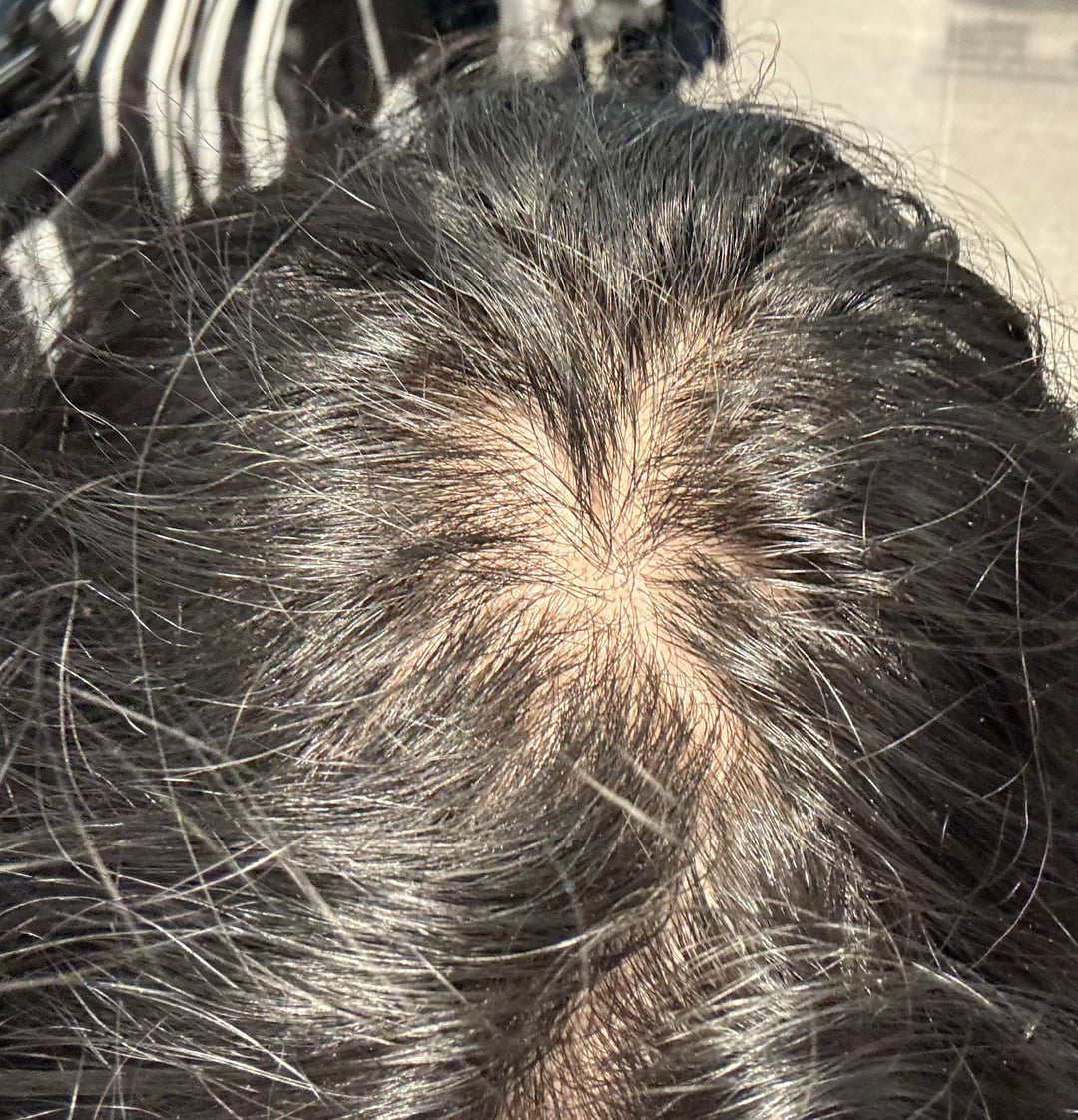
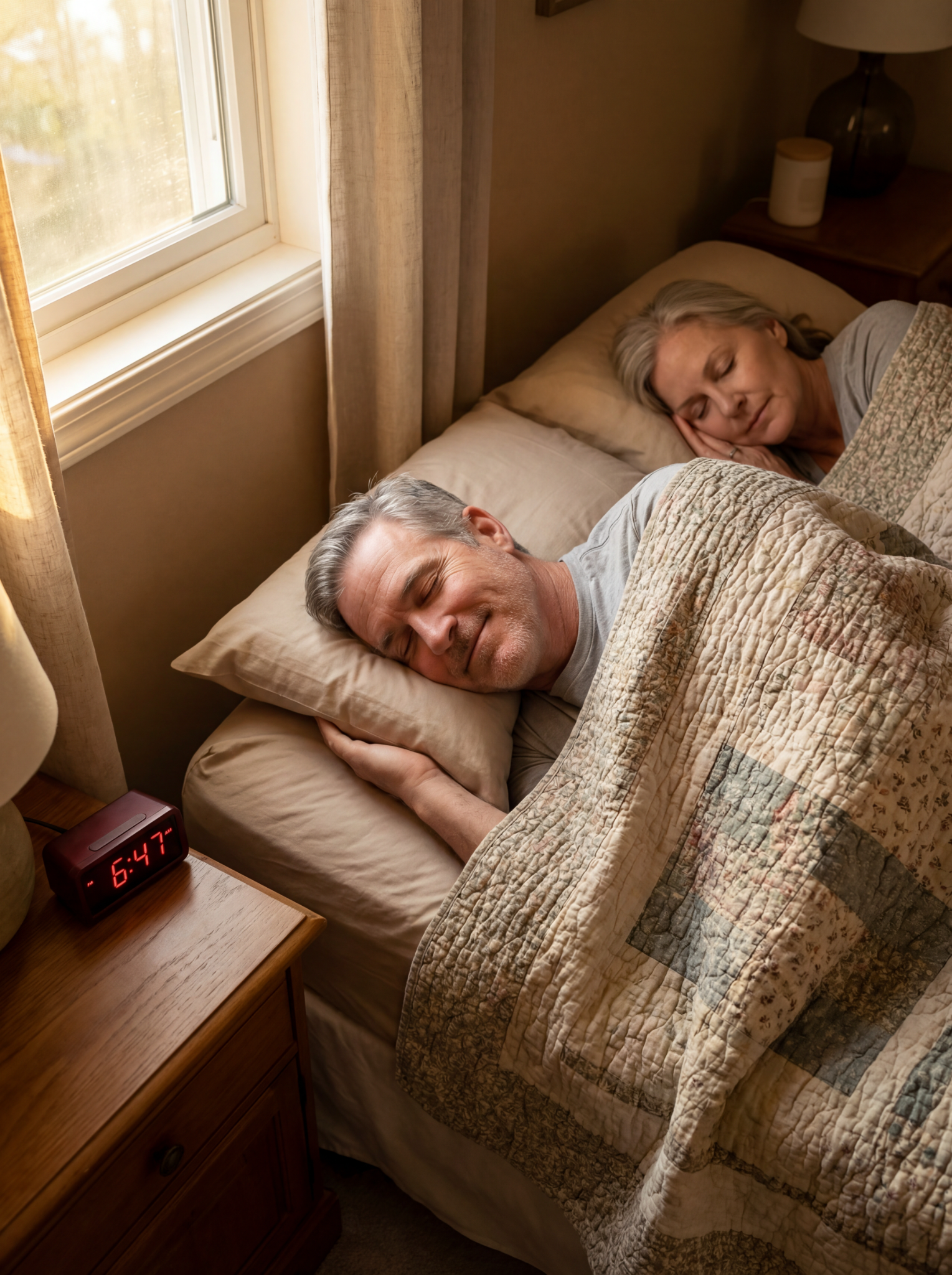
There's a question urologists don't love answering. It goes like this: "If prescription medications for frequent urination work... why am I still getting up three times a night after six months on them?" Not a hypothetical. Tamsulosin — the most commonly prescribed alpha-blocker for urinary symptoms — provides symptom relief in roughly 60% of men. But "relief" doesn't mean resolution. It means the urgency is slightly less urgent. The nighttime trips decrease from five to three. The stream is marginally stronger. That's the prescription. The gold standard. Taken daily, often for years. And for most men, it manages the symptoms without ever addressing why the symptoms exist in the first place. Here's a harder question: Why does a hormone called DHT — the same hormone responsible for male pattern baldness — also cause your prostate to swell and squeeze your urethra until you can't sleep through the night? Think about that for a moment. The same molecule that thins the hair on your head is enlarging the gland wrapped around your bladder outlet. That should tell you something fundamental about where the problem actually lives. Most people — and most treatments — approach frequent urination as a bladder problem. Or a prostate problem. The prostate is enlarged. The bladder is overactive. So the logic follows: relax the prostate muscles. Calm the bladder contractions. Reduce the urgency. Alpha-blockers like tamsulosin relax the smooth muscle tissue in the prostate and bladder neck. They make it easier to urinate by reducing the mechanical obstruction. But they do nothing — absolutely nothing — to address why the prostate enlarged in the first place. 5-alpha reductase inhibitors like finasteride actually do reduce prostate size by blocking DHT. But they come with a cost: sexual side effects in up to 8% of men, including erectile dysfunction, decreased libido, and ejaculatory disorders. Some of these side effects persist even after stopping the medication — a phenomenon now recognized as post-finasteride syndrome. So the medical system is left with a dilemma: medications that manage symptoms without addressing the cause, and medications that address the cause but carry meaningful sexual side effect risks. This is the gap. And it's been open for decades. The reason finasteride works on prostate size is not mysterious. It blocks 5-alpha reductase — the enzyme that converts testosterone into DHT. Less DHT means less hormonal stimulation of prostate tissue growth. The prostate shrinks. Urinary symptoms improve. The question is whether there's a way to inhibit 5-alpha reductase naturally — through supplementation — without the sexual dysfunction risk that makes many men and their doctors hesitant. This is where pumpkin seed oil becomes relevant. Pumpkin seed oil is one of the most studied natural 5-alpha reductase inhibitors in existence. The seeds of Cucurbita pepo contain a specific class of compounds called delta-7 sterols — including delta-7-stigmasterol and delta-7-avenasterol — that inhibit 5-alpha reductase activity through competitive binding. They occupy the enzyme's active site before testosterone can be converted to DHT. This is the same mechanism by which finasteride works — just a different compound targeting the same enzyme. In a randomized, double-blind, placebo-controlled clinical trial — the gold standard of medical research — men with benign prostatic hyperplasia who took pumpkin seed oil for 12 months experienced significant improvements in International Prostate Symptom Scores. Urinary frequency decreased. Nighttime urination decreased. Quality of life improved. The study was published in a peer-reviewed urology journal. The results were statistically significant. And critically: no sexual side effects were reported. Another clinical trial combining pumpkin seed oil with saw palmetto found that 73% of participants experienced improvement in BPH symptoms. Post-void residual volume — the amount of urine left in the bladder after urination, a key marker of incomplete emptying — decreased significantly. A third study found that men taking pumpkin seed oil reported improved urinary flow rates within 12 weeks of supplementation. The stream was stronger. The hesitancy was less. The sensation of incomplete emptying diminished. The research is consistent: pumpkin seed oil reduces urinary symptoms by addressing the hormonal mechanism that causes prostate enlargement in the first place. But pumpkin seed oil does something prescription 5-alpha reductase inhibitors don't: it also provides direct nutritional support to the prostate gland itself. Pumpkin seeds are one of the richest dietary sources of zinc — a mineral that concentrates in prostate tissue at levels 10 times higher than any other soft tissue in the body. The prostate requires zinc for normal function. Zinc deficiency is associated with increased prostate disease risk. They're also high in beta-sitosterol — a plant sterol that has been independently studied for BPH symptom relief. A meta-analysis of four clinical trials found that beta-sitosterol improved urinary symptom scores and flow rates compared to placebo. And they contain high concentrations of omega fatty acids — particularly omega-6 and omega-9 — that support healthy inflammatory response in prostate tissue. DHT doesn't just enlarge the prostate. It creates chronic low-grade inflammation in prostate tissue. This inflammation contributes to urinary symptoms and may play a role in long-term prostate health risks. The anti-inflammatory compounds in pumpkin seed oil help modulate this response. So the oil works on multiple pathways simultaneously: reducing DHT production, providing critical prostate nutrients, and supporting healthy inflammatory response. This is what most treatments miss entirely. You can relax the prostate muscles with an alpha-blocker. You can reduce nighttime urgency temporarily. You can make the stream marginally stronger. But if DHT is still flooding the prostate tissue, if the gland is still nutrient-depleted, if inflammation is still building — the underlying process continues. The symptoms are managed. The cause remains unaddressed. Pumpkin seed oil addresses the cause. Here's the thing about urinary symptoms that nobody talks about: They're not dangerous. They're not life-threatening. Your urologist will tell you that BPH is "benign" — it's right there in the name. And they're right. But you already know that. You're not worried about dying from frequent urination. You're exhausted. You haven't slept through the night in years. You wake up at 1 AM, 3 AM, 5 AM — every night, like clockwork, dragging yourself to the bathroom while your wife stays asleep. You're operating on fragmented sleep, running on fumes by 2 PM, your cognitive edge dulled by chronic sleep deprivation. You're planning your life around bathrooms. You know where every restroom is in the airport, the mall, the office. You take the aisle seat on flights. You skip the second cup of coffee because you know what's coming. You've left meetings early, missed parts of your kid's game, cut road trips short — all because of the urgent, unignorable signal from your bladder. You've noticed the stream isn't what it used to be. The hesitancy when you start. The dribbling when you think you're done. The sensation that you didn't fully empty. The return trip five minutes later to try again. And there's something else. Something you don't talk about. The worry. The quiet question in the back of your mind every time you have to go again: is this normal? Is this just aging? Or is this something worse? You've Googled your symptoms at 2 AM after the third trip to the bathroom. You've read things that scared you. You've wondered if this is the beginning of something you don't want to think about. It doesn't have to be this way. The frequent urination, the nighttime trips, the weak stream, the incomplete emptying — these are symptoms of a hormone imbalance that can be addressed. DHT is driving prostate enlargement. Prostate enlargement is compressing your urethra. The compression is creating every symptom you're experiencing. Address the DHT. The prostate tissue normalizes. The compression decreases. The symptoms resolve. My patient — I'll call him Robert — had been getting up 4-5 times a night for three years. He was 58. Still working. Still wanted to travel with his wife. Still wanted to feel like himself. But the sleep deprivation was destroying him. He'd fallen asleep at his desk. Nearly fallen asleep driving home. His wife said he'd become irritable, short-tempered — a different person than the man she'd married. He'd been on tamsulosin for 18 months. It helped initially — dropped the nighttime trips from 5 to 3-4. But that was it. He'd plateaued. Still waking up multiple times. Still exhausted every morning. Still planning his life around bathroom access. His urologist suggested adding finasteride. Robert had read about the sexual side effects. At 58, with 30 years of marriage, that wasn't a trade he was willing to make. He asked if there were alternatives. That's when I introduced him to pumpkin seed oil. Within the first two weeks, he noticed something subtle: he was making it to 2 AM before the first trip instead of midnight. A small change. But for someone who'd been waking at midnight for three years, it felt significant. By week four, the trips had dropped to 2-3 per night. Still not sleeping through — but for the first time in years, he was getting 3-4 hour stretches of uninterrupted sleep. His energy started returning. The afternoon crash wasn't as severe. By month two, something happened that made him call me: he slept until 5 AM without waking. Five continuous hours. He said he woke up disoriented because he couldn't remember the last time he'd slept that long. By month three, he was down to 1-2 nighttime trips. Sometimes just one. Occasionally — on good nights — zero. He slept through the night for the first time since 2021. But it wasn't just the nighttime trips. The daytime urgency had decreased. He wasn't mapping bathrooms anymore. He drove to visit his grandkids — three hours each way — without stopping. He took the window seat on a flight to see his sister and didn't think twice about it. His wife said she had her husband back. The irritability was gone. The short temper was gone. The exhaustion that had aged him ten years was lifting. That was eight months ago. He's still taking pumpkin seed oil daily. He's down to maybe one nighttime trip on most nights. Some nights, none. He says he doesn't think about his bladder anymore — and for someone who spent three years thinking about nothing else, that's everything. He asked me why his urologist never mentioned this. I didn't have a good answer. Everly Pumpkin Seed Oil Softgels is what I recommend. Each softgel delivers cold-pressed pumpkin seed oil with naturally occurring delta-7 sterols, beta-sitosterol, zinc, and omega fatty acids — the complete nutritional profile that clinical research has shown supports prostate health and urinary function. Two softgels daily with food. That's the protocol. The cold-pressed extraction is critical. Heat processing destroys the delicate fatty acids and oxidizes the active sterols. Most pumpkin seed supplements use heat-extracted oil — cheaper to produce, but therapeutically compromised. Cold-pressing preserves the compounds that make pumpkin seed oil effective. The softgel delivery ensures the oil reaches your system intact, without the oxidation that occurs when oil is exposed to air. And unlike capsules filled with ground seeds or powder, softgels deliver the concentrated oil — the form used in clinical trials. Alpha-blockers like tamsulosin relax prostate muscles but don't reduce prostate size or address DHT. They manage symptoms. They don't fix the cause. 5-alpha reductase inhibitors like finasteride do reduce DHT and prostate size. They carry sexual side effect risks that many men find unacceptable. Saw palmetto has weak 5-alpha reductase inhibiting activity — significantly weaker than pumpkin seed oil's delta-7 sterols. Clinical evidence is mixed at best. Pygeum has anti-inflammatory properties but doesn't significantly impact DHT or prostate size. Ground pumpkin seeds require consuming large quantities to match the concentrated sterol content of extracted oil. The fiber is beneficial, but the active compounds are diluted. Generic pumpkin seed oil supplements often use heat-extracted oil, are not standardized for sterol content, and may be oxidized before you even open the bottle. Prostate enlargement took years to develop. It won't resolve overnight. But the relief from symptoms often comes faster than the structural changes. Week 1-2: You may notice slight improvements in daytime urgency. The constant awareness of your bladder begins to quiet. This is the earliest sign that DHT-driven inflammation is beginning to decrease. Week 3-4: Nighttime trips often begin decreasing. Sleep stretches lengthen. You might make it to 2 AM, then 3 AM, then 4 AM before the first trip. Energy begins improving as sleep quality increases. Month 2-3: Many men report significant reduction in nighttime urination — sometimes from 4-5 trips to 1-2. Stream strength may improve. The sensation of incomplete emptying diminishes. You stop planning your life around bathrooms. Month 4-6+: Continued improvement as prostate tissue normalizes. Some men report sleeping through the night entirely for the first time in years. The worry — the quiet anxiety about what these symptoms might mean — begins to fade. Here's what I want you to understand: The symptoms you're experiencing are not inevitable. They're not "just part of getting older." They're not something you have to accept and manage for the rest of your life. They're the result of a hormonal process — DHT-driven prostate enlargement — that can be addressed naturally, without the side effects that make prescription options unacceptable to many men. The same enzyme that converts testosterone to DHT can be inhibited by compounds in pumpkin seed oil. The clinical research is clear. The mechanism is understood. The results are documented in peer-reviewed journals. You don't have to keep waking up 4 times a night. You don't have to keep mapping bathrooms. You don't have to keep taking the aisle seat, skipping the second coffee, cutting trips short. You can sleep again. You can travel again. You can feel like yourself again. Your urinary symptoms aren't a bladder problem. They're a hormone problem. Treat them like one. 90-day money-back guarantee. Two softgels daily. Cold-pressed pumpkin seed oil. Natural 5-alpha reductase inhibition. The DHT doesn't stop on its own. Neither should you. try.shopeverly.shop/esl
The "Triple Relief" Solution No One Talks About
"I've been feeling stronger and more balanced since taking Everly Pumpkin Seed Oil. My bladder feels so much calmer, I'm sleeping through the night again, and my hair feels thicker than it has in years. I love how natural it feels — just pure support for my body."
LEARN MORELike this ad? Make it yours.
Crush rebuilds this exact creative around your product — your brand, your colors, your offer — in about a minute.