Jenna O’Conner MD
Jenna O’Conner MD Facebook ad: “Six Men Work in Ticks Five Months a Year. This Summer, Not…”
Ran for 25 days, from July 19 to August 13, 2026, the last day Crush saw it.
Run by Jenna O’Conner MD on Facebook. Crush is not the advertiser and does not verify its claims. See this ad in Meta's Ad Library(opens in a new tab)
Want an ad like this for your product?
Crush makes new ad images for your product from this ad: your logo, your product photo, your offer.
Trials from $19.95 USD, then $79.95 USD a month. Cancel anytime.
About this ad
- Meta Ad Library ID
- 1033977192697531
- Platforms
- Facebook, Instagram, Messenger, WhatsApp and Threads
- Relaunches
- 0
- Niche
- Parenting & Kids
Ad text
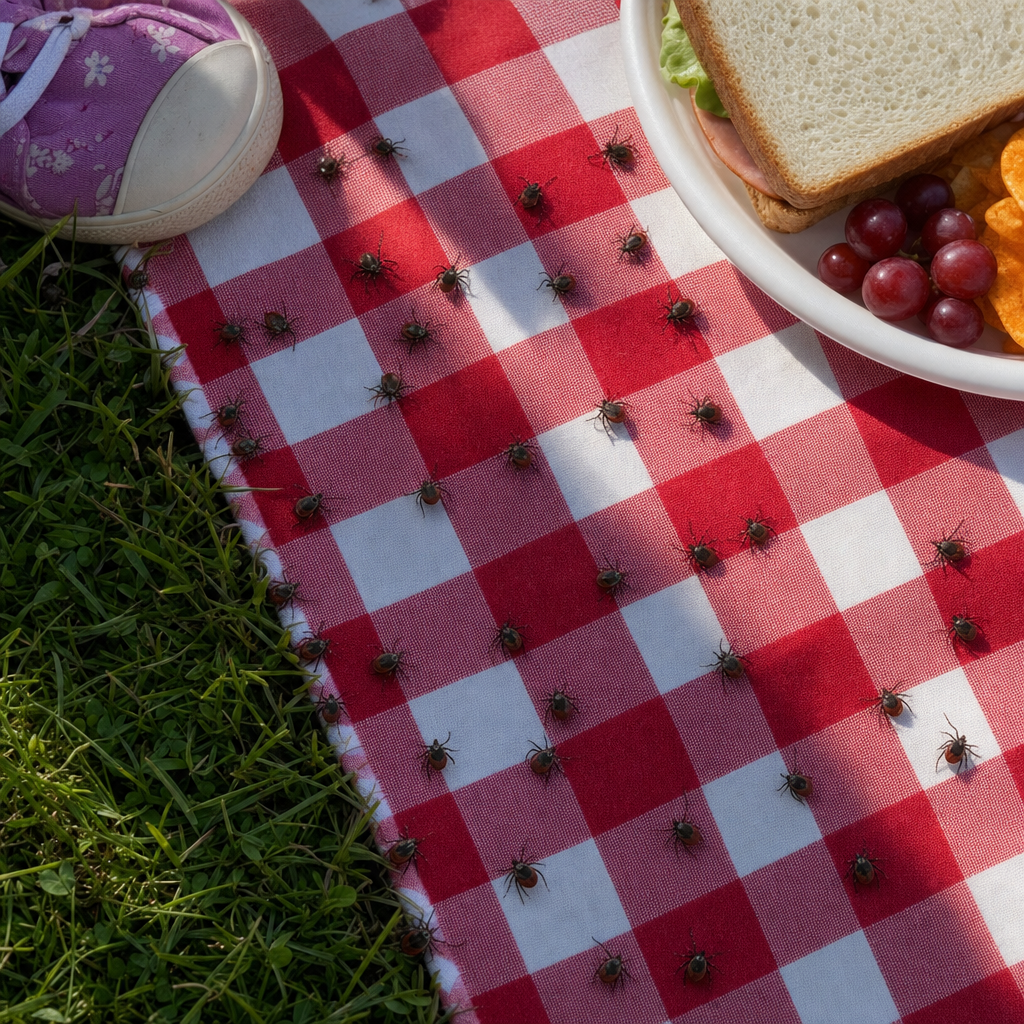
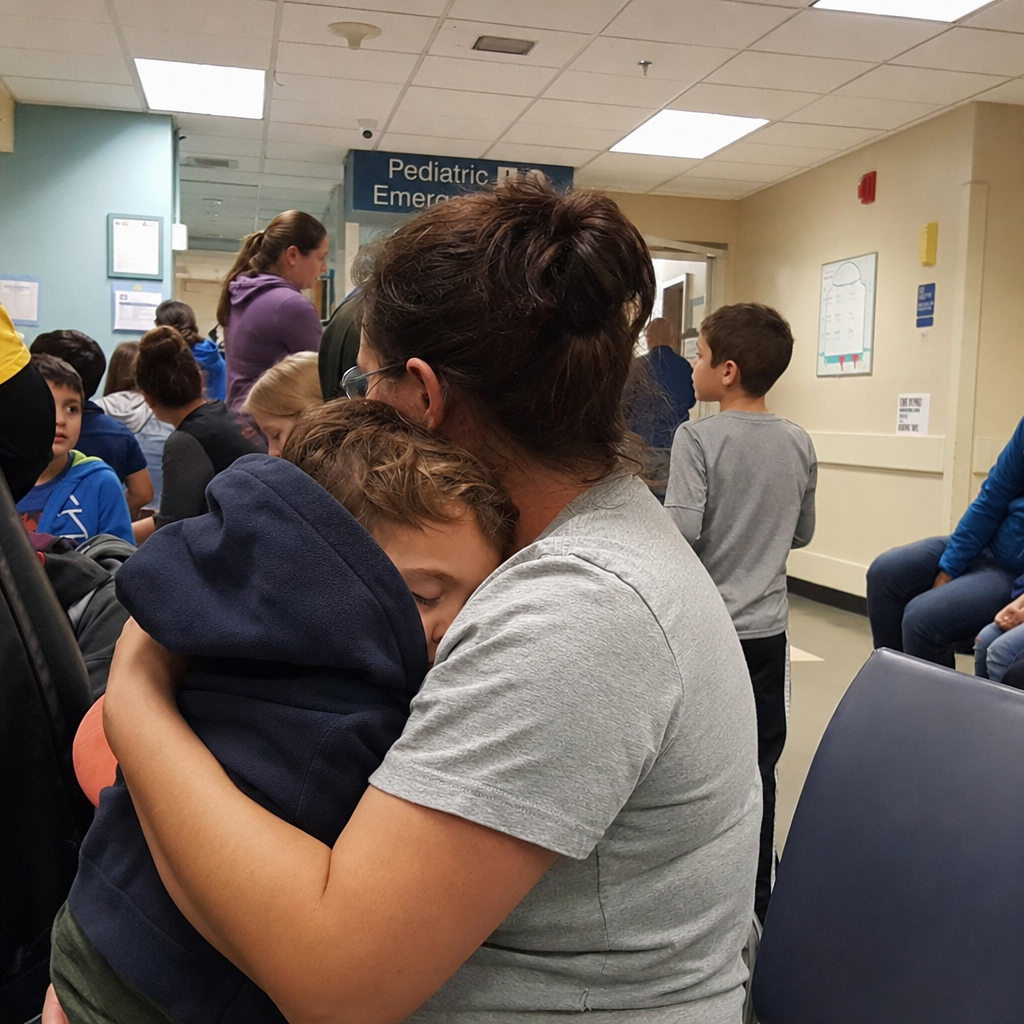
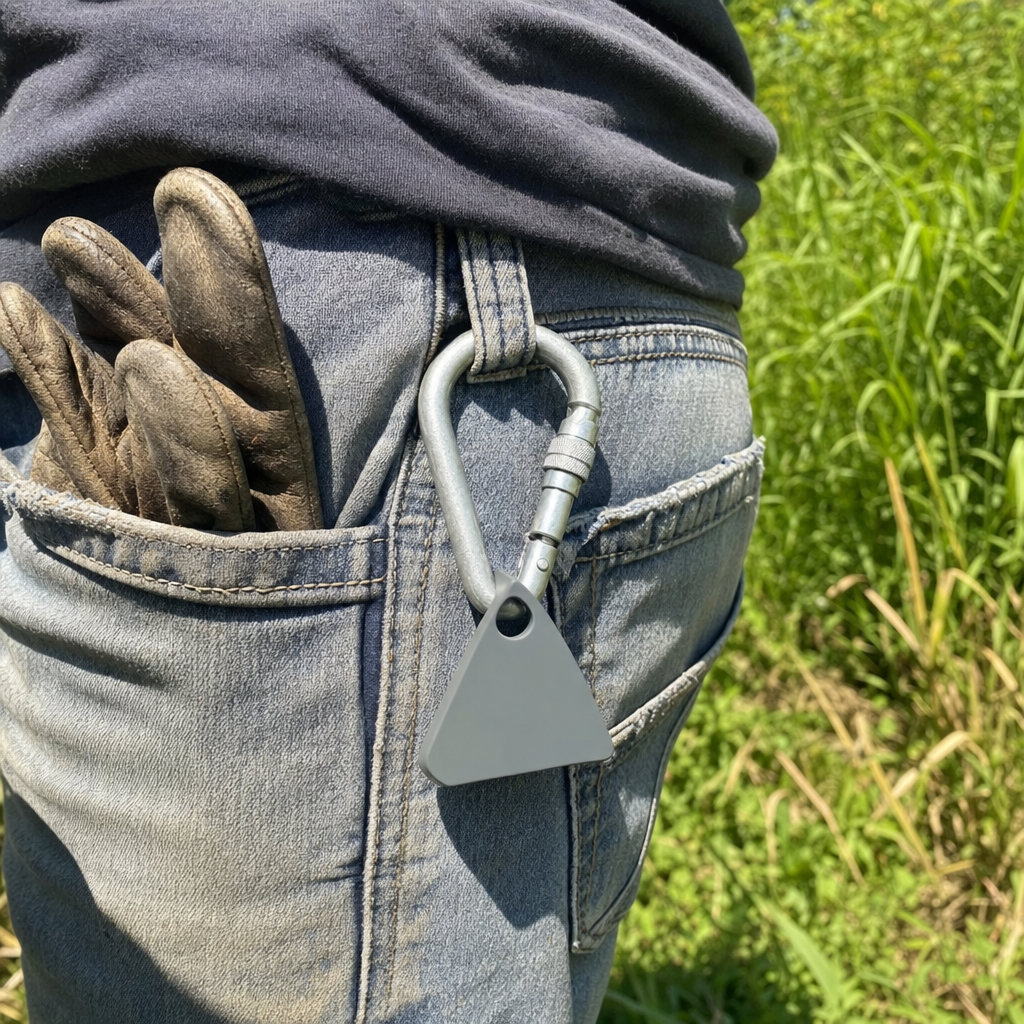
For nineteen summers I pulled ticks off the same six men. This year, not one of them came. There's a tree crew that has worked our county for as long as I've held this job. Six men who spend five months a year in brush and tall grass up to their belt loops. Poison ivy in May. Wasp stings in June. And ticks. Always ticks. I've pulled them off those men's necks, out of their forearms, off the backs of their knees, more times than I could count. If you want to know what a bad tick year really looks like, you don't read a chart. You look at the men who stand in it all day. And this year, the men who stand in it all day stopped bleeding into my exam room. I know that crew the way you only know people you've stitched. I know their tetanus dates by heart. I know which one is allergic to bees, which one faints for blood draws, and which one won't take a stitch unless you let him watch you do it. And I noticed their absence the way you notice a sound stopping: mid-June, flipping back through the schedule hunting for a different chart, I realized I hadn't seen one of them since April — and April was a sprained wrist. Not a single bite, in the June that filled my waiting room with rattled parents holding sandwich bags with ticks sealed inside. Looking back, they'd gone quiet last summer too. I just hadn't noticed, because last summer wasn't a siege. The foreman came in around the Fourth for a wasp sting, and while I was working on his hand I finally asked the thing that had been eating at me for a month. Where did your crew go? He knew exactly what I meant. He reached down to his belt loop, unclipped a little gray triangle on a carabiner, and set it on my counter the way you'd set down a bottle opener. "Company bought these for the whole crew a couple seasons back," he said. "Nobody's had one on them since." A couple seasons back. Let that land the way it landed on me. While the parents in my exam rooms were spraying at dawn, checking at bath time, tucking socks into pant legs and still ending up on my table with a kid in their lap, the men who work inside the worst of it had quietly solved this two years ago. On the company's dime, because a crew that can't work is a crew that doesn't get paid. They didn't wait for a study. They didn't wait for the news to tell them 2026 was the worst season anyone has measured. They armored up, and they simply stopped being my patients. And understand what those two years turned into. Two mild winters in a row — no deep, sustained freeze, the only thing that has ever truly culled ticks — and almost none of them died. The hatch that came up this spring is the biggest ever measured. The emergency data followed it straight up: ER visits for tick bites are running at their highest levels since 2017, and the seasonal peak isn't even here yet. It lands in August. The ticks didn't stay in the woods, either. They're in the mowed grass now — the ballfield edge, the medians the mower crews cut, the strip between the sidewalk and the curb. The crew knew that before any of us. That's where they work. Here's the part I can't make peace with. The company armored those men because a bitten crew costs the company money. A child's body isn't on anyone's payroll. So the crews got the fix, the camps got the fix, and the pamphlet a parent takes home from my front desk still says spray, check, tuck your socks — the exact routine I watch fail in this room every single day. Nobody handed the answer down to the families. They just never told you. And I want you to understand exactly how that routine fails, because I watch the film every day. The spray quits after about four hours, and a camp day runs nine — no counselor alive is re-spraying twenty squirming kids at noon. The bath-time check finds a tick that has already latched, because the bite is painless — the tick numbs the skin before it drills, that is the animal's whole design — so a parent's fingers arrive hours late by definition, sometimes days. The dog's monthly chew? A veterinarian colleague of mine says it plainly to anyone who asks: the chew only kills a tick after it has bitten your dog. Every product in the family aisle clocks in after contact. The crews walked right past that shelf, because a working crew cannot afford "after." After is where the stakes live. Every single bite is a roll of the dice. Lyme. The bullseye rash you catch late, or never. And the one that has changed how I practice: alpha-gal, the red-meat allergy a lone star tick can hand a child in one unfelt bite. When I trained there were a couple dozen cases in the literature — a curiosity, a test question. The count has passed 110,000 now, and this spring it claimed the first death on record. One painless bite and a seven-year-old spends the rest of his life watching the other kids eat the birthday hamburgers. I made the foreman spell the name, and I put four of them on my own kids' backpacks the same week. It's called TickBlock. The size of a guitar pick, eleven grams, on a silver carabiner. Here's the part that took me a second to accept, and I'm a person who reads for a living. A tick hunts blind. It can barely see. It climbs a blade of grass, holds its front legs out into the air, and waits — reading your body heat, your breath, the carbon dioxide coming off your skin — through a sensor in those front legs called the Haller's organ. That organ is the tick's radar. It is the entire hunt. TickBlock pulses an ultrasonic frequency that floods that radar with noise. Vanoir calls it Sensory Static. It's a moving sweep — 19.5 to 135 kilohertz, shifting too fast for anything out there to tune it out. The wearer stops painting on the tick's screen. It reaches its legs out into the grass where a warm child used to be, and there's nothing left it can read. So it never climbs on. Nothing goes on the skin, nothing to reapply at noon, and it's waterproof, which is not a small thing on a crew that sweats through a shirt by nine in the morning. One charge runs for days. You clip it and you forget it. Which is exactly what that crew did. And which is what my three have done since. The ballfield, a lake weekend, the tall grass behind the bleachers that I have personally watched produce patients — and every bath-night check has come up empty. But my few weeks aren't the real proof. The real proof is six men, two full seasons, standing in the worst of it forty hours a week, zero bites. My clinic ledger is the study. I lived the before. I'm watching the after. Once I saw it, I couldn't unsee it. The camp two towns over put removal kits on lanyards and started checking kids at pickup. My groomer mentioned a dog that used to come in loaded and now comes in clean. The surveyors, the utility guys, the landscapers cutting the medians in the July heat — the people who can't call the office and say the grass is too dangerous today — they were the early ones. Every category of person whose body keeps the real score had already made the same quiet decision. The amateurs are always the last to hear about it. None of them advertised it, either. That's the thing about work gear — it doesn't trend, it just gets issued. The knowledge moved through purchase orders and toolbox talks, crew to crew, and it never once crossed the counter into the family aisle. So here's what I can't stop turning over, and I'll say it plainly, because that's why I'm writing this down instead of handing out another pamphlet. Those men measure the season with their own skin. This is the season they decided to armor up. And there is a bare backpack sitting on a hook by your back door right now, going out into the same grass, carrying nothing. The foreman clipped his triangle back onto his belt loop, flexed his wrapped hand, and went back out into the grass that fills my waiting room. Two seasons, zero bites, and he'll never think about it again. The crew solved this two years ago. Catch up before August lands. The foreman clipped his triangle back onto his belt loop, flexed his wrapped hand, and went back out into the grass that fills my waiting room. Two seasons ahead of the town, like always. After his crew's zero, I ranked everything else the shelf sells against it: all seven defenses, worst to best, the way I give it across the desk. The crews solved this two years ago. See what they solved it WITH, and where everything else lands.
Where the ad sends people
insidewellnessdaily.com
Six Men Work in Ticks Five Months a Year. This Summer, Not One Came to Me for a Bite.
I get asked about all seven, weekly, in an exam room. Number six is the one that surprises people.
See details: insidewellnessdaily.com(opens in a new tab)