Jenna O’Conner MD
Jenna O’Conner MD Facebook ad: “I'm an ER Doctor. I Did 31 Tick Removals in June. My…”
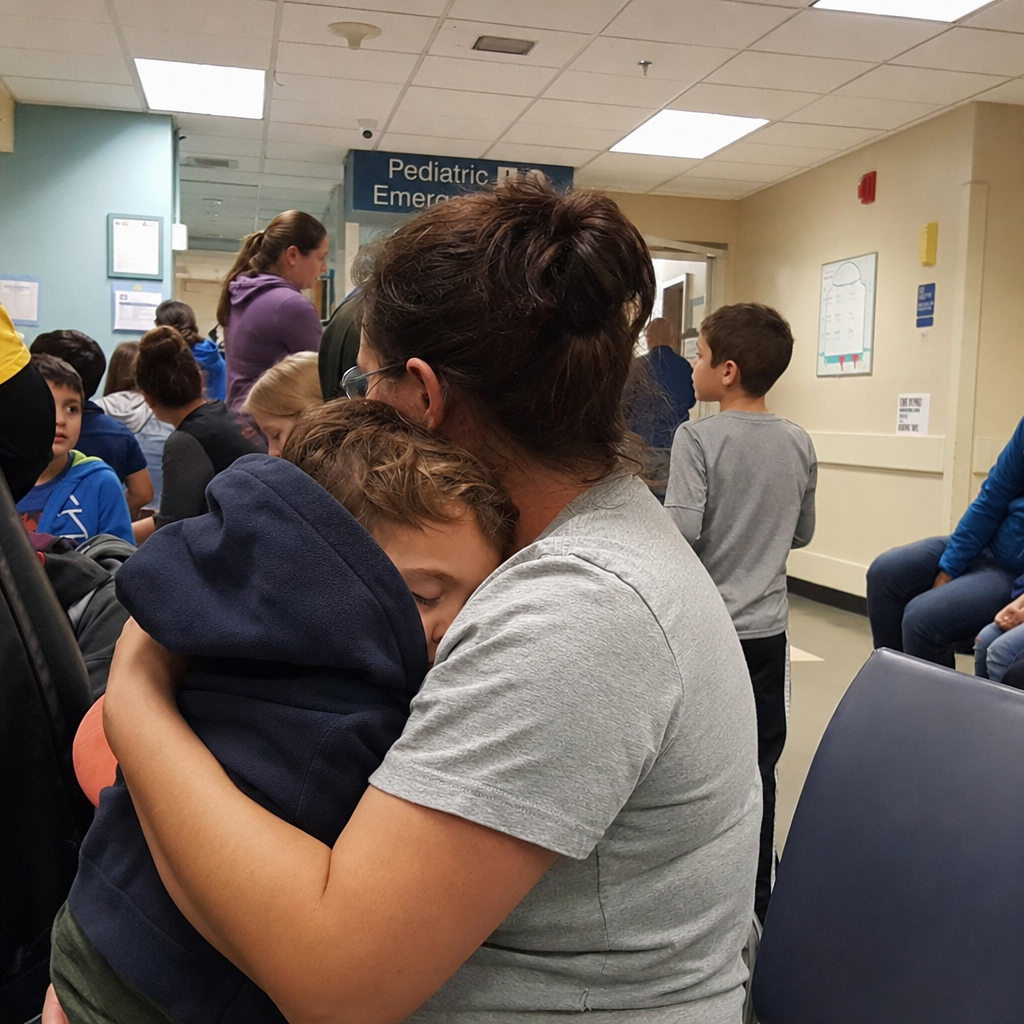
Ran for 2 days, from July 13 to July 14, 2026, the last day Crush saw it.
Run by Jenna O’Conner MD on Facebook. Crush is not the advertiser and does not verify its claims. See this ad in Meta's Ad Library(opens in a new tab)
Want an ad like this for your product?
Crush makes new ad images for your product from this ad: your logo, your product photo, your offer.
Trials from $19.95 USD, then $79.95 USD a month. Cancel anytime.
About this ad
- Meta Ad Library ID
- 1965157087502675
- Platforms
- Facebook, Instagram, Messenger and Threads
- Relaunches
- 2
- Niche
- Parenting & Kids
Ad text
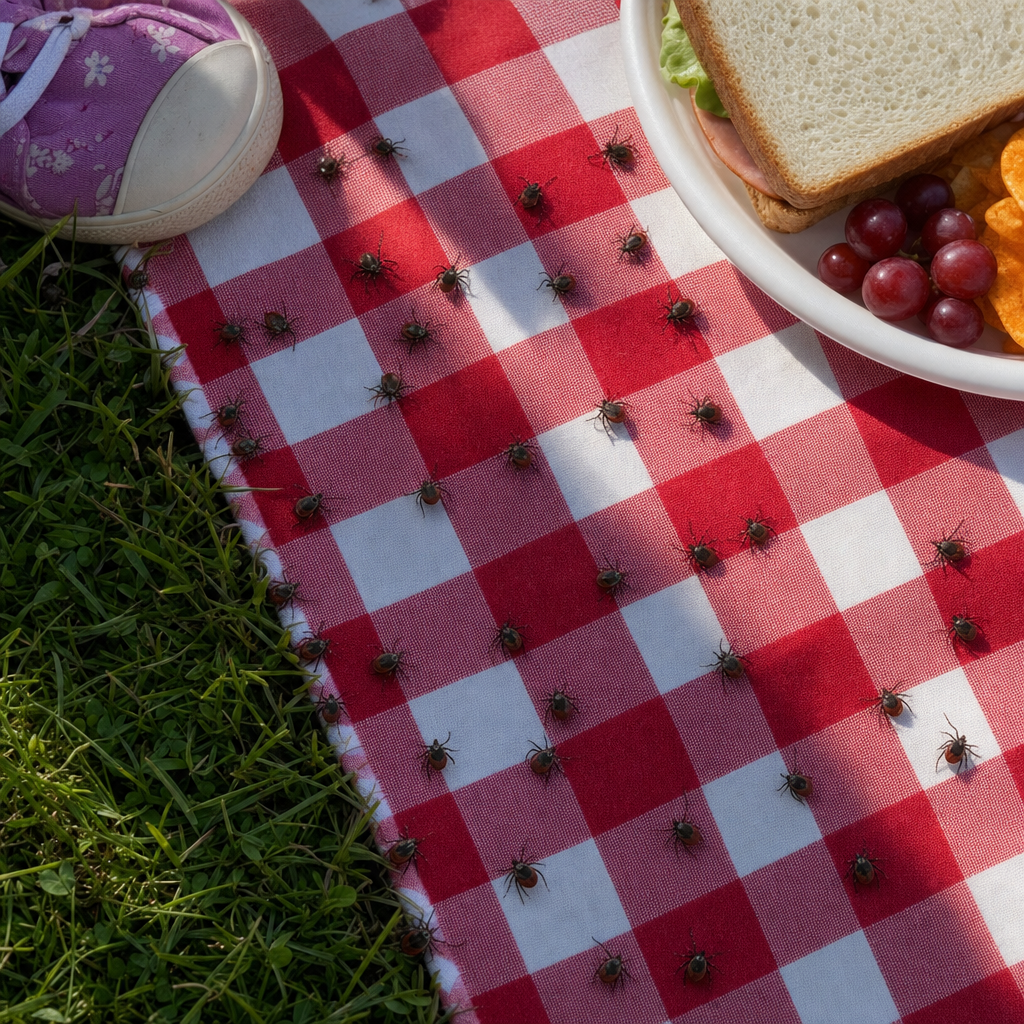
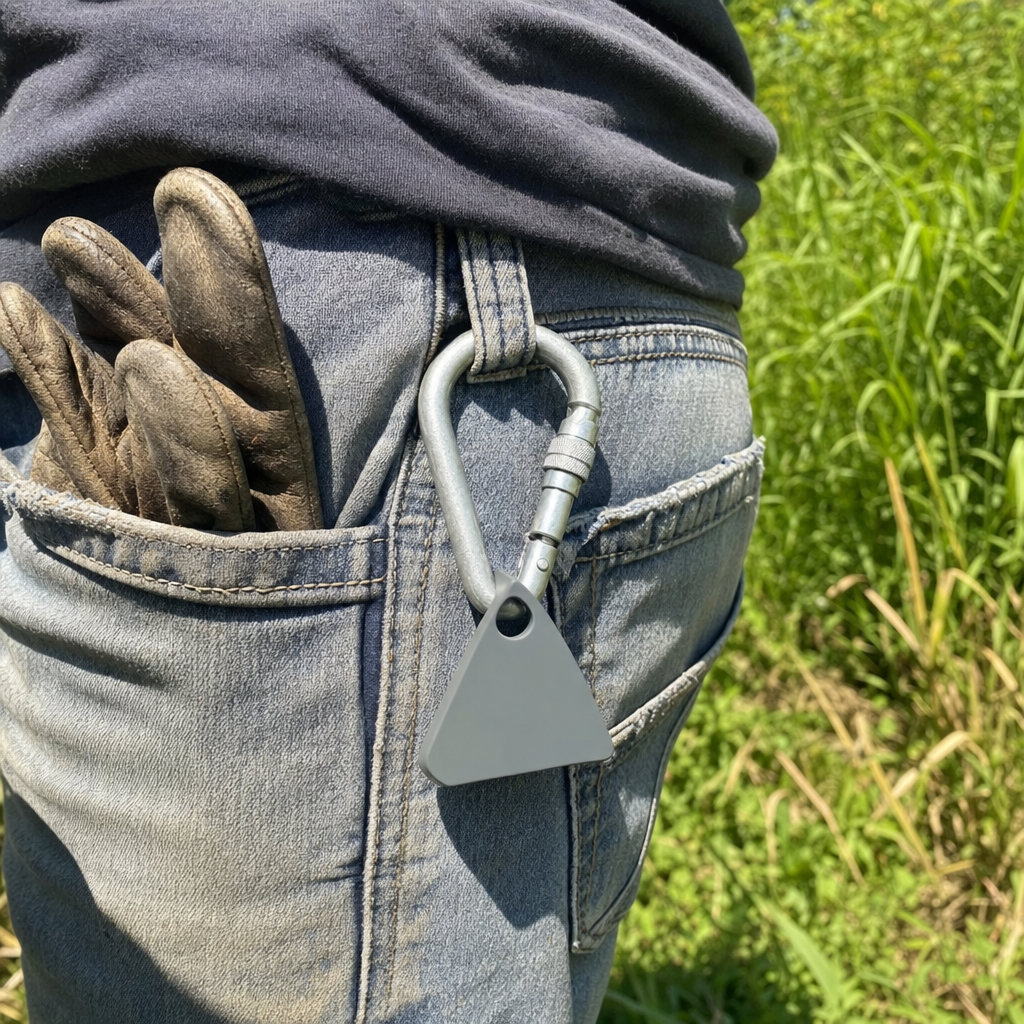
We ran out of tick vials on June 11th. The little plastic ones we send home with parents so the tick can be tested. Our emergency department stocks enough to last a whole season. They were gone before the middle of June. I'm Dr. Jenna O'Conner. I have worked 14 tick seasons as an emergency physician at the same hospital, and I have never seen a June like this one. It is not close. So I'm going to tell you what this season looks like from inside the department, because the version on the news is the polite version — and because I've decided to say out loud the things my colleagues will only say in the break room. I almost didn't write any of this down. Doctors are trained out of editorializing before we're trained in much else. We remove the tick, clean the site, hand you the pamphlet, document the encounter, and move to the next room. But I have three of my own at home, and every shift this summer has felt like watching the same preventable Tuesday over and over, so I'm breaking the habit — under my own name. Three things are true in my department right now that were not true two seasons ago. One. The volume. Emergency visits for tick bites hit a ten-year record this June — with the season's peak still weeks away. That's the national number, and our own intake board agrees with it. In a normal June I do five, maybe six removals. This June I did 31. I was tallying them on a sticky note at the workstation until one of our nurses asked me to put it in a drawer, because the sticky note was making everyone quiet. I want you to sit with 31 for a second. That is more removals in four weeks than I used to log in a summer and a half. And that is one physician, on one rotation, in one suburban hospital that is not near any woods worth naming. Two. The addresses. For thirteen seasons, when I asked parents "where was he playing?", the answers had trees in them. Cabins. Trail names I recognized. State forests. This June the answers had sprinklers in them. A swing set. The strip of grass between the driveway and the fence. A soccer sideline. A kiddie pool that sat out on the lawn overnight. Families whose most outdoorsy plan all month was a barbecue. The first week it happened I assumed the parents were leaving something out — a hike they forgot, a weekend at grandma's. By the third backyard-only case I stopped assuming. They weren't leaving anything out. The mowed backyard is the exposure now. Three. The ticks themselves. I'm removing species I had to look up. Lone star ticks, in a county that wasn't supposed to have them — the one behind alpha-gal, the red-meat allergy that can follow a child for the rest of his life. When I was in medical school, the literature held 24 known cases of alpha-gal. Today the estimate runs past 110,000, it is the fastest-growing food allergy in America, and this spring it claimed the first death on record. I'd seen a lone star twice in fourteen seasons. I've pulled two since Father's Day. Here's a confession, because I'm not going to pretend I was ahead of this. Back in May, when I first got nervous, I did exactly what the pamphlet says: I bought the good repellent, the high-percentage stuff, and I treated my own kids' clothes with permethrin spray in the garage like it was 2015. I felt responsible doing it. I felt like a doctor. And then my youngest came off the bus in June with a tick walking across the collar of a shirt I had personally treated, and I stood in my kitchen understanding, finally, that I had brought a squirt gun to the worst season on record. Now let me tell you about one family, because this year they are every family. Late June, a Tuesday, just past 8pm. A nine-year-old — I'll call him Theo — with a tick buried at his beltline, engorged; two or three days aboard, judging by the size. His mom pulled the bug spray out of her purse and held it up to me like evidence. Sprayed that morning, she said. Checks every bath night, she said, and she listed the spots — behind the knees, the hairline, the waistband — in the exact order the pamphlet lists them, because she had memorized the pamphlet. They had even skipped their usual state-park weekend because of the tick coverage on the news. "I did the checks," she kept saying. "I did them Sunday. I did them Monday." I believe you, I told her. I could see that she had. That was the terrible part. The tick had sat at the beltline through both of those checks because an unengorged tick at a waistband looks like a freckle, and by the time it doesn't, it's been feeding for days. The whole time I worked, her husband stood against the wall with his arms crossed, and he kept repeating one sentence, quietly, to nobody. "WE DIDN'T EVEN GO ANYWHERE." I know, I told him. Nobody's going anywhere. This year the ticks come to you. Here's the part that makes me angry, and I've been saying it out loud in the break room all summer. Every tool that family was handed was rated for a different season. Spray quits after about four hours — survivable odds back when a yard held two ticks a summer, a propped-open door in a year when the same yard holds forty. A bath-night check finds a tick after it has attached — the bite is painless, the saliva numbs the skin, which is exactly how one sat at a boy's beltline for parts of three days in a house full of people who loved him and were actively looking. Two mild winters killed almost nothing. This spring's hatch was the biggest ever measured. Nobody re-rated the family playbook. So families keep landing in my exam rooms having done everything the pamphlet told them, and I keep handing out the same pamphlet, and I have started to feel like a woman handing out umbrellas in a flood. That's the sentence I can't shake. They did everything right. The instructions were wrong. Which is why parents have started asking me the other question — the one I answer off the record, at the end of the visit, when the pamphlet is already in their hand: "Doctor, what do you use on yours?" There's a small gray triangle clipped to each of my kids' backpacks, right where the zippers meet. It's called TickBlock. The size of a guitar pick, on a silver carabiner. It pulses an ultrasonic frequency that jams the Haller's organ — the sensor in a tick's front legs that it hunts with, because ticks can barely see. Jam it and your child goes dark as a target. The tick turns around at the shoe. It never climbs to the beltline, so there's nothing feeding while everyone sleeps. Nothing gets sprayed on skin at 6am, nothing wears off at noon, one charge runs the whole season, and it's waterproof, which is not optional in a house with a slip-n-slide. I put the first three on my own kids the week after the permethrin failed. Week one, I still checked them every night out of habit and found nothing. Week three, my oldest spent an entire Saturday in the tall grass at a travel-ball tournament — the kind of day that used to guarantee a removal — and came home clean. By week five I caught myself not checking, which after fourteen seasons of this job is not a small thing to admit in writing. My June, in numbers: 31 removals at work. At home, three kids who live outside in the same town those intake forms keep naming: zero. All season. I tell parents to get the 4-pack — every kid, the dog's collar, the stroller, about twenty dollars a clip — and to order the same day they leave my department, because it keeps selling out and I have watched a mother sit on my gurney hitting refresh on her phone while I taped her son's gauze. There's a 365-day money-back guarantee behind it: if a tick ever latches on a kid wearing one, every dollar comes back. Nobody attaches a promise like that to the worst season on record unless the clip holds. I keep two spares in my locker now. I've handed both out. The charge nurse noticed and asked me to spell the name so she could get some for her grandkids, and I wrote it on the back of one of the pamphlets they still make me hand out. The peak is August. The vials are back-ordered. The sticky note is still in the drawer. Help me leave it there.
Where the ad sends people
try.getvanoir.com
I'm an ER Doctor. I Did 31 Tick Removals in June. My 14-Season Average: 6.
Drug-free relief designed to actually work — backed by a money-back guarantee and free US shipping.
See details: try.getvanoir.com(opens in a new tab)