
Inactive· since May 26, 2026
- 51
- days it ran
- 6
- relaunches
- 20,453
- EU reach
Ad copy
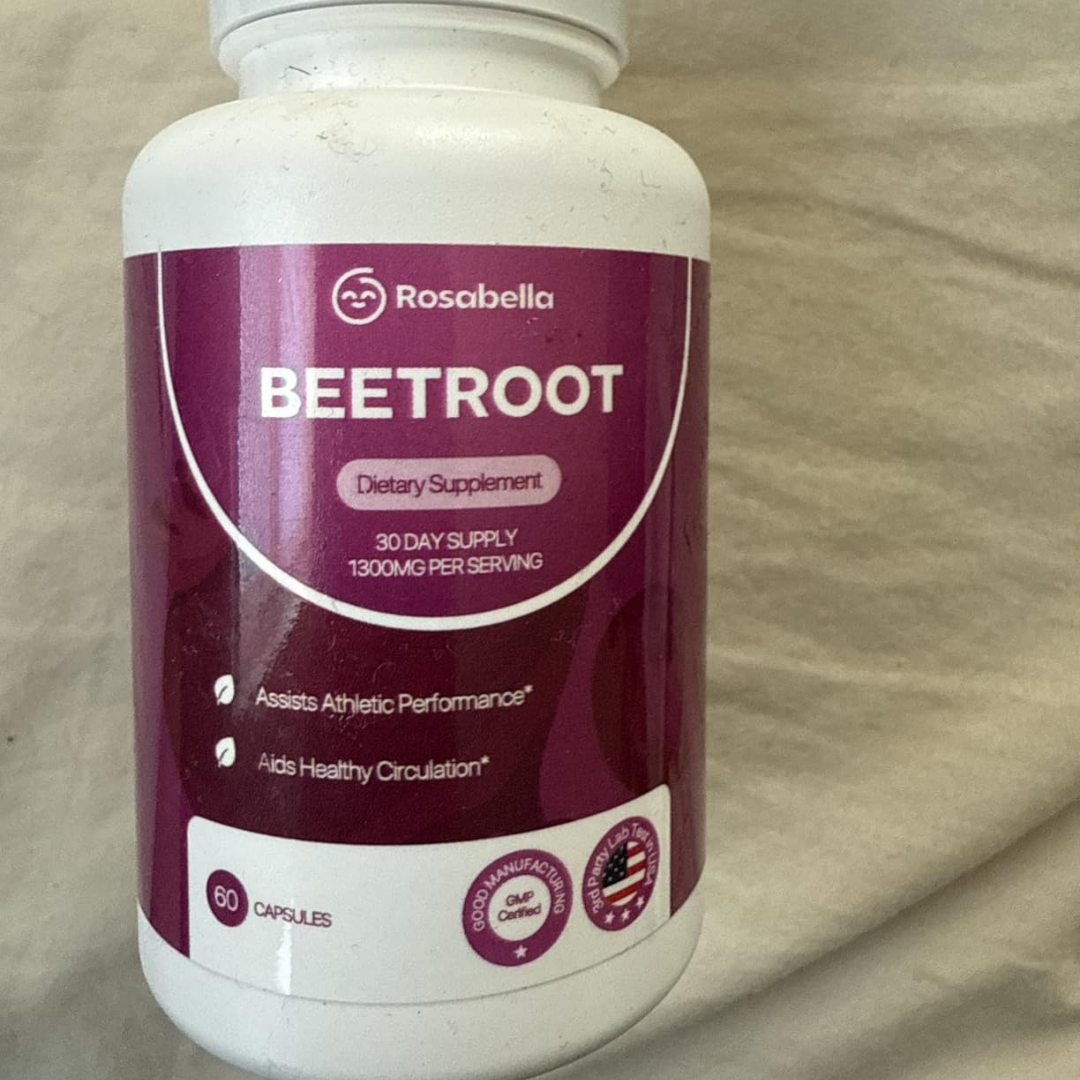
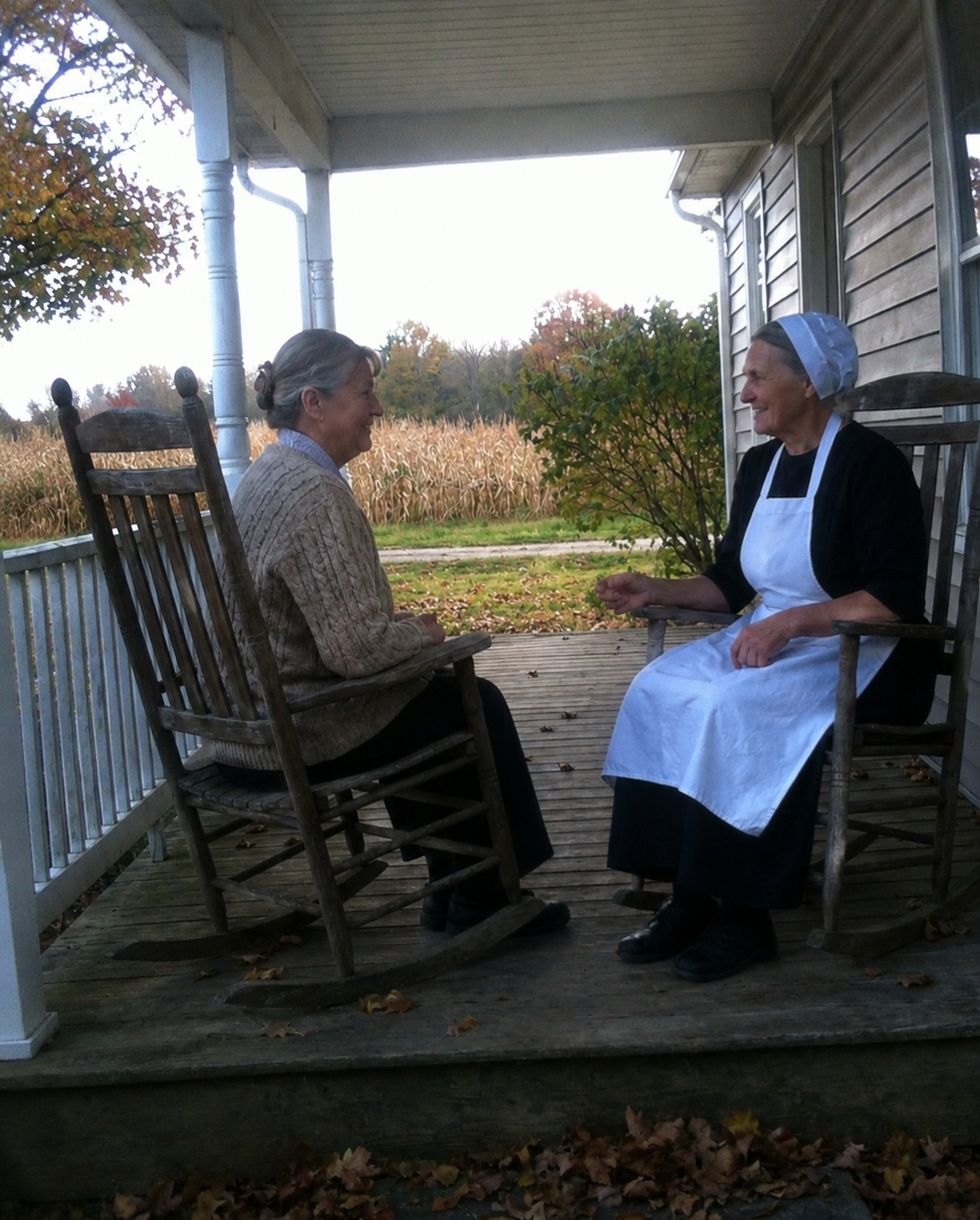
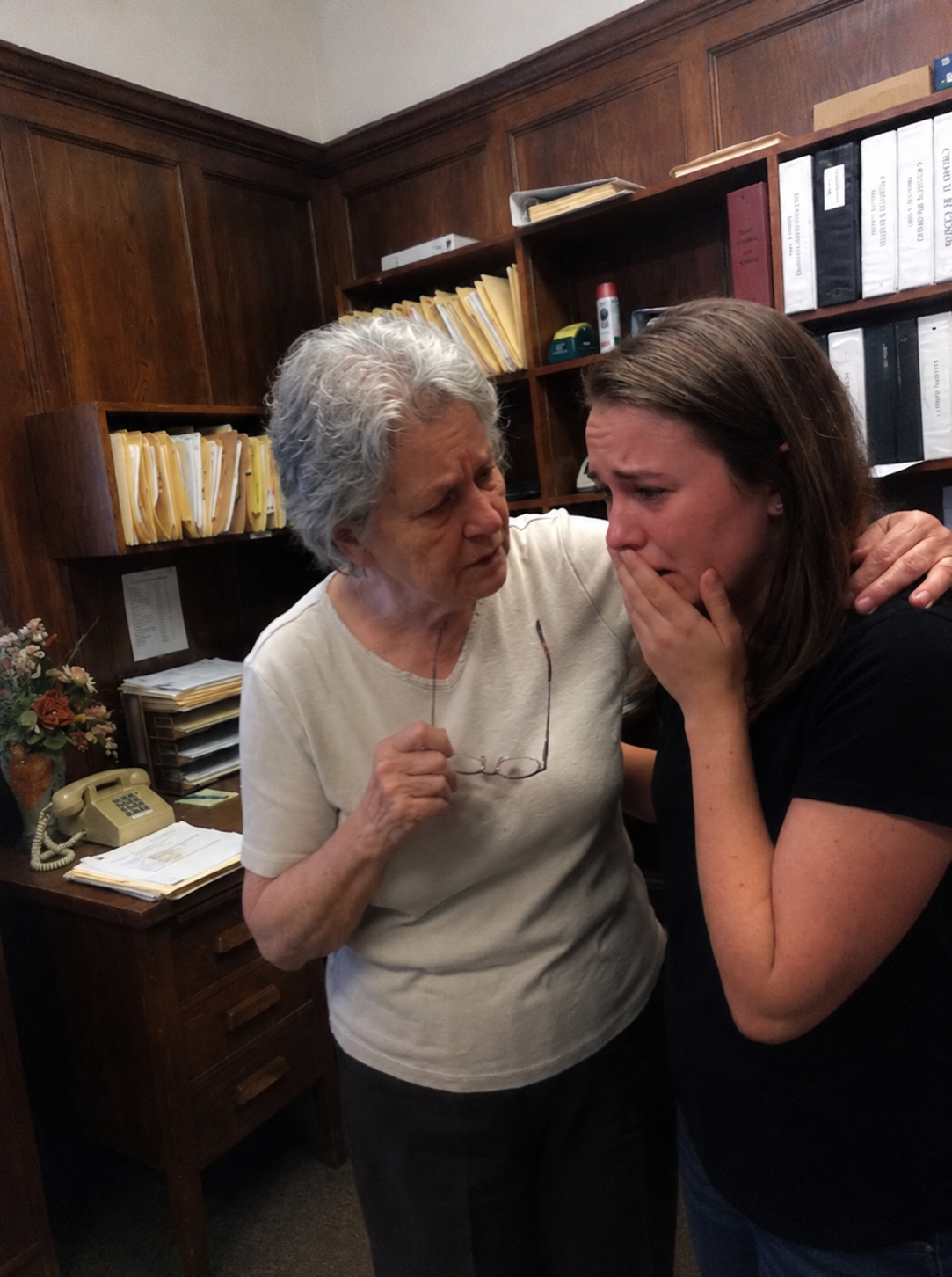
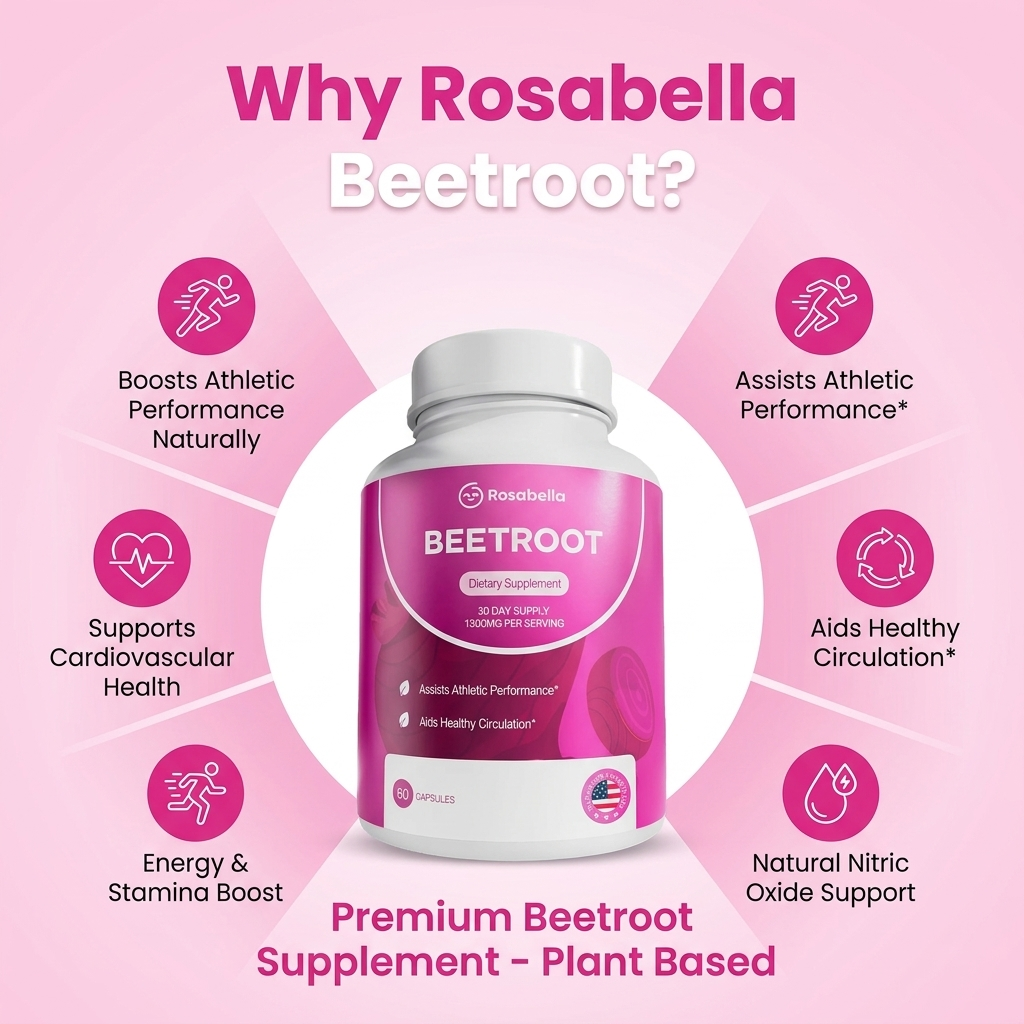
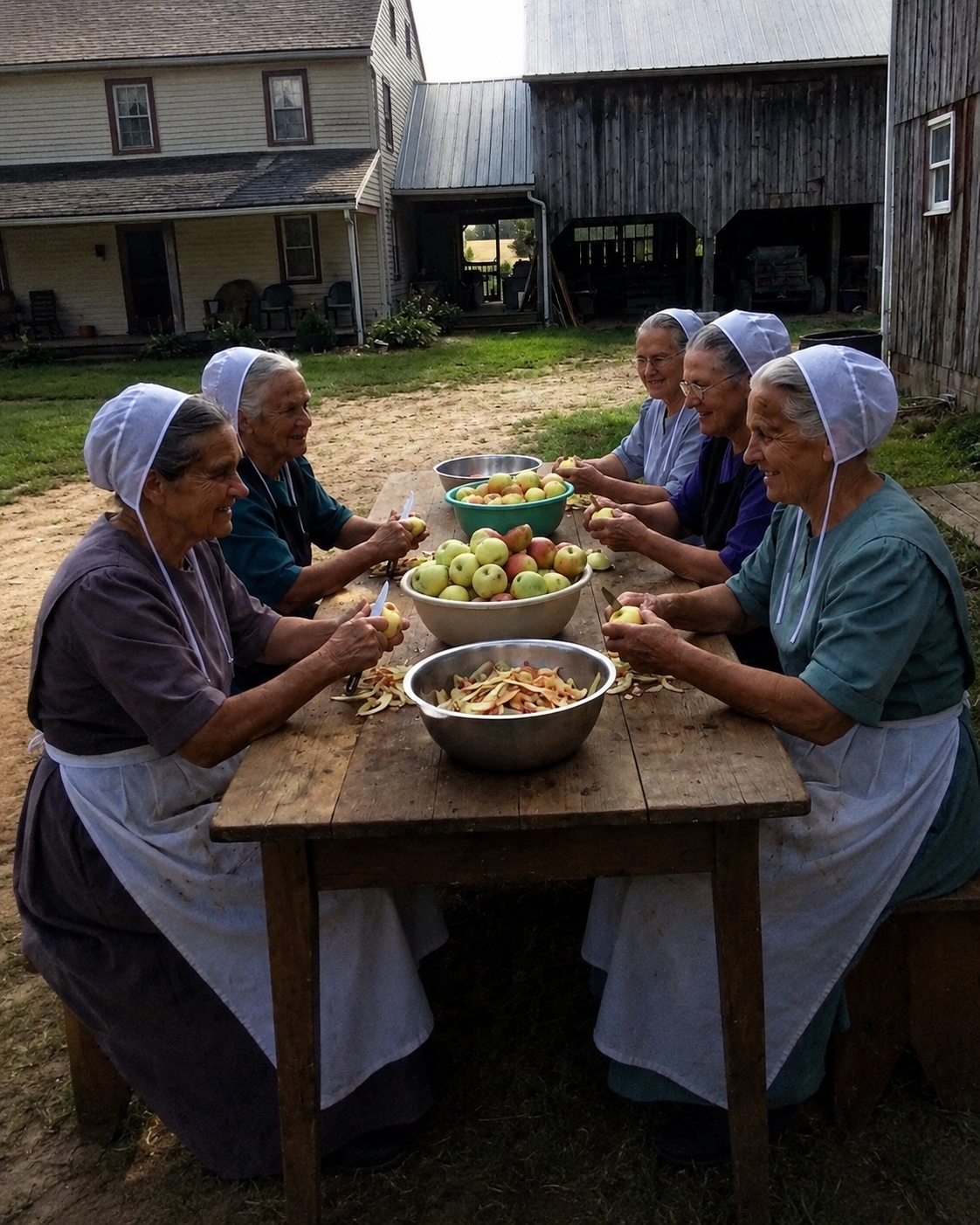
My Sister-in-Law Took Me to an Apple Butter Day in Lancaster County for My Sixtieth Birthday. I Thought We Were Going for the Afternoon. We Stayed for Three Days. I'm 63 now. My sixtieth birthday was three years ago. I want to tell you about what happened at the apple butter day, because what happened at the apple butter day changed how I think about being a woman in her sixties. And how I think about my own heart. I want to be careful with that last word. I do not mean my heart as a metaphor. I mean the muscle in my chest. I'll explain. I'm Ellen. I'm 63. I live in suburban Maryland with my husband Doug — we've been married thirty-six years. I'm a retired high school librarian. I retired in 2021, at fifty-eight, after thirty-three years of teaching teenagers to find books they didn't know they wanted. My sister-in-law Marlene — Doug's older sister — is sixty-eight. She lives in a small town in eastern Pennsylvania about forty miles from Lancaster County. Marlene is a woman whose company I have enjoyed for thirty-six years. She's the older sister I never had — I had two younger brothers — and she's been generous with me since the day Doug brought me home in 1988 and Marlene handed me a glass of wine and said: "He'll be fine. He's an easier man than he looks." Marlene got into Pennsylvania Dutch cooking and food preservation in her fifties, after her own kids were grown. It started as a hobby. By the time she was sixty it was — I don't know how to describe it without sounding dramatic — it was the thing she did. She put up tomatoes every August. She made her own sauerkraut every November. She'd been learning from an Amish community outside Bird-in-Hand for years. She'd made friends through the work. Not the friends you'd expect a retired bookkeeper from a Lutheran town in Pennsylvania to have. Marlene had made friends with a community of Amish women who held an apple butter day every late October on a farm outside Bird-in-Hand. She'd been going for years. For my sixtieth birthday, she called me in September — my birthday is October 26th — and she said: "Ellen. I want to take you to apple butter day with my friends. As your present. I want you to meet them." I said yes. I didn't know what I was saying yes to. I knew Marlene. I trusted her. I figured we'd go for the afternoon, I'd sit through a few hours of work, I'd meet some Amish women, we'd drive home. That was not what happened. We drove up on a Friday afternoon — October 25th, the day before my birthday. Marlene had arranged for us to stay at a farmhouse bed-and-breakfast run by a woman named Donna, a non-Amish widow who'd bought the farm from an Amish family in 1998 when their last child got married and moved away. Donna's farmhouse had three guest rooms. It was October-clean and October-cold. There were quilts on every bed. We had dinner at a small restaurant in Bird-in-Hand — the kind of place where the menu hasn't changed since 1974 and that's how the regulars like it. I had chicken pot pie and a glass of red wine. Marlene had the same. She raised her glass to me. She said: "To sixty, Ellen. May the next ten years be the best ones." I said: "Why ten?" She said: "Because the next ten are the ones nobody talks about. Sixty to seventy is the decade you have to do the most thinking about — and the one most women I know spend the least time thinking about. I want you to think about it." I said: "Marlene. You're not usually this serious." She said: "I'm sixty-eight. I've been doing the thinking. I want you to do it earlier than I did." She didn't elaborate. She paid the bill. We went back to Donna's farmhouse. I slept under a quilt that Marlene later told me had been made by a woman named Ruth, who was 71 and would be at the apple butter day the next morning. I slept hard. Better than I'd slept in months, honestly. We drove out to the farm at 7:45 the next morning. The farm sits at the end of a gravel road about three miles outside Bird-in-Hand. White house. Red barn. A long covered porch. A buggy parked under the eave. There were four other buggies parked in the yard when we pulled up. Marlene hadn't told me how many women would be there. Nine, it turned out. Plus us. She brought me around to the side yard at the back of the property. I want to describe what I saw, because the scene is part of the story. There was a large copper kettle suspended over a wood fire in the middle of the side yard. The kettle was forty gallons, easy. It was already coming up to temperature. There was a woman tending the fire — feeding it small split logs — and the smoke was coming up through the cold morning air in a clean column. There was a long wooden table set up near the porch, covered in baskets of apples — yellow ones, red ones, green ones, all of them firm-looking. There were five chairs around the table, each with a paring knife and a smaller bowl waiting. There were nine women working. They were Amish. Most of them were in their fifties, sixties, seventies. The youngest, I learned later, was forty-two. The oldest was eighty-one. They looked up when we walked over. They smiled. Marlene introduced me one by one. I am not going to give you all nine names because I am not sure I have the right to. I will give you four — the four I spent the most time with. Ruth was seventy-one. Rebecca was sixty-six. Lydia was fifty-eight. Mary was eighty-one. Mary was the matriarch of the group. She had hands like maps. I sat at the long peeling table next to Lydia for the first three hours. Lydia, at fifty-eight, was the closest in age to me. She was post-menopausal, she told me — without making it a thing — when I asked her about a small pin she was wearing on her apron. The pin was made by her granddaughter, age six. Lydia had three grown children and eleven grandchildren. The youngest was six months old. She was on her feet for most of the day. She walked seven or eight miles a day, she said, just doing what she did. Tending the kitchen garden. Carrying laundry up and down stairs. Walking out to the chicken coop. Walking out to the milking parlor. She did not own a car. She did not own a treadmill. She walked because the day required walking. She told me, quietly, while we were peeling apples, that she'd had her last period at fifty-three. She told me she had not really noticed when her periods stopped. She said: "I was working. I had grandchildren. I had a house. The change happened around me. I didn't have time to host it." I laughed at that. She didn't laugh. She'd said it as a fact. I said: "Lydia. You're the first woman I've ever talked to who had her menopause and didn't make it a chapter in her life." She said: "Ellen. I am sure the body changes. I am sure I changed. But I think a body changes more easily when it's busy. The body needs to know it is needed. When the body knows it is needed, it does the changing without making us listen to it." I want you to sit with that sentence for a minute. I have sat with it for three years. I am going to fast-forward through some of the day because if I tell you everything we talked about while peeling apples and taking turns at the kettle we'll be here a long time. What I'll tell you is the part that came at lunch. We ate at the long kitchen table in the farmhouse. There were ten of us — the nine women and me. Marlene had stepped out to take a phone call. Mary, the matriarch, was at the head of the table. I want to describe Mary because Mary is the figure I most need you to see. Mary was eighty-one. She was small. She had a face like a walnut. Her hands were dark from sun and stained from years of beet juice and tomato canning. She had clear blue eyes that did not look like eighty-one-year-old eyes. They looked like the eyes of a woman who had figured out something the rest of us hadn't. She'd been widowed in 2009. She'd been hosting apple butter day at this farm since 1968. She had thirty-two grandchildren and — I am not making this up — fourteen great-grandchildren, with three more expected by spring. I sat down across from her. She passed me a bowl of egg noodles. She said: "You are Marlene's sister." I said: "Sister-in-law. Her brother's wife." She nodded. She said: "Marlene has told us about you. The librarian." I said: "Retired now." She said: "Hmm." She said it the way a person says it when they're deciding whether to say something else. She said it. She said: "Ellen. Marlene told us you turn sixty tomorrow." I said: "Tomorrow." She said: "How do you feel." I said: "Fine. Good. Glad to be here." She looked at me. She said: "Forgive me. That is the answer the English give. I am asking the other question." I looked at her. She said: "How do you feel." I want to tell you exactly what happened in my chest in that moment. I want to tell you because it is the part of the story I want you to remember. I felt — for the first time in I don't know how long — that somebody had asked me a real question. Not a polite question. Not a small-talk question. Not a question I could deflect. A real question. And the real question made me realize, in the half-second before I tried to answer it, that I had not been feeling fine. I had been feeling, for a while, that something underneath my well-managed life was not quite right. I had not had a name for it. I sat across from an eighty-one-year-old Amish woman at a long kitchen table in Bird-in-Hand, Pennsylvania, and I burst into tears. Mary did not look surprised. She did not reach for me. She did not pat my hand. She let me cry. After a minute she said: "Eat your noodles. We will talk after." I ate my noodles. I cried while I ate them. The other women didn't make a thing of it. Lydia put her hand on my back for a second. Rebecca passed me a napkin. Ruth poured me a glass of water from the pitcher. That was it. I want to tell you that the moment was the single most cared-for I have been in my adult life. Nine Amish women who barely knew me, watching me cry into a bowl of egg noodles at a Saturday apple butter day, and treating it like the most normal thing in the world. Mary and I talked after lunch. We sat on the porch in two rocking chairs. The other women went back to the kettle. Marlene came out to check on me. She looked at Mary. Mary nodded at her. Marlene went back inside. This was, I learned later, a thing Mary did. She didn't do it often, but when she did, the other women cleared a space. Mary said: "Tell me about your heart, Ellen." I said: "My heart." She said: "Yes. Tell me about it." I thought she was asking about feelings. So I started to tell her about feelings. About missing my work. About the way I'd been a little adrift since I retired. About how Doug was still working and how I'd had a hard time figuring out what to do with my afternoons. She listened. When I was done, she said: "That is one heart. I am asking about the other one." I looked at her. She said: "The one in your chest, Ellen. The muscle. Tell me about that one." I sat there for a second. I said: "It's fine. I had my physical six months ago. My bloodwork was fine. My blood pressure was fine. My doctor said everything was in range." She said: "Yes. And how does it feel." I said: "How does what feel?" She said: "Your chest. Your breath. The way you climb stairs. The way your body wakes up in the morning. The way it carries itself through a day. How does that feel." I sat with the question for a longer time than I wanted to. I said: "Honestly. It feels — softer than it used to. I don't know how else to say it. I'm not in any pain. I'm not having any symptoms. But things that were easy a few years ago feel a little harder. I'm a little out of breath when I shouldn't be. I'm a little tired in the afternoons. I get up from chairs differently than I used to." She nodded. She said: "Yes. That is the part nobody tells you about." She said: "Ellen. The change does not happen all at once. The change is small. The change is many small things. The body of a woman in her sixties is not the body of the same woman at fifty. The heart works a little differently. The blood does. The energy does. The recovery does." She said: "I am not a doctor. I am eighty-one years old, and I have watched my own body across these decades, and I have watched the bodies of many women across these decades. I will tell you what I have seen." She said: "The woman who pays attention to her heart in her sixties — the muscle one — has a different seventies than the woman who does not." She said: "Not because the muscle one is the only thing. But because the muscle one is the one we forget about. We think about it when something hurts. We do not think about it when nothing hurts. We think nothing-hurts is the same as fine." She said: "Ellen. Nothing-hurts is not the same as fine." I sat on that porch with Mary for almost an hour. What she told me, in summary, was this. (I am not going to pretend I remember it word for word. I am going to tell you what I took home.) She told me that the women in her community paid attention to their bodies in a different way than English women did. She told me they walked. They walked every day. Not for exercise. Because the day required it. She told me they ate from the land. Not because of any health movement. Because that's how the community ate. She told me they slept on schedules tied to the sun. Not because they'd read about sleep hygiene. Because that's how the community lived. She told me that on top of those things, the older women in the community had over the years started paying attention to some additional supports. She told me about one specifically. She said: "There is a man on a farm not far from here. His name is Samuel. He is seventy-nine. He has been farming in this area for many years." She said: "Some years ago, Samuel started cold-pressing beets and making a supplement from them. The reason — and I am going to tell you the reason because it is the reason I trust him — is that he watched men he loved get smaller in their later years. The men were people who had worked the land hard. Samuel wanted to do something that supported the older people in his community." She said: "The supplement is a small thing. Two capsules with water in the morning. It is made from beets that are cold-pressed at low temperatures, because the compound in the beet that does the work is sensitive to heat. The slow way preserves it. The fast way does not." She said: "I have been taking it for four years." She said: "I am not telling you the supplement is medicine. I am telling you that the supplement is one of the small things I add to the larger things I do. The walking. The eating. The sleeping. The being needed by my grandchildren. The supplement supports the cellular work my body does on its own to keep my heart steady." She said: "It is one part. It is not the only part. It is not the most important part. But it is a part." She said: "If you want to try it, I will tell Samuel's wife you are interested. She handles his arrangements with people outside the community." She said: "But first — Ellen — talk to your doctor." I said: "About the supplement?" She said: "About your heart. The muscle one. Tell her what you told me. Tell her things are softer than they used to be. Tell her you are paying attention. Then ask her about the supplement, if you want to ask. The doctor will know about it or not. Either way, she will know your heart." She said: "Be in your own care first. Then add the small supports." She said: "That is the order." I drove home on Monday with Marlene. Marlene had arranged the three-day stay on purpose. The peeling was Saturday. The cooking — the long stirring of the apple butter in the kettle — was all day Sunday. The jarring was Monday morning. By the time we left at noon, the kitchen at the farmhouse had eighty-some quart jars of apple butter cooling on every flat surface. I left with one jar Mary had pressed into my hands. She'd written on the side, in pencil: "Ellen. October 26." In the car driving back to Maryland, Marlene said: "I knew Mary would talk to you." I said: "How did you know." She said: "Because Mary talked to me when I turned sixty-two. I was where you are. I'd been telling myself I was fine. Mary asked me how I was, and I sat down on her porch, and I cried into a bowl of egg noodles too, and she told me what she just told you." She said: "That's the gift I wanted to give you for your sixtieth." She said: "The gift was the question." I said: "Marlene. That's the best gift anyone has ever given me." She didn't say anything. We drove the rest of the way in the kind of silence two women drive in when they've spent three days doing something that mattered. I called my doctor's office on the Tuesday after we got back. Dr. Shah has been my doctor for eleven years. She's about my age. She's smart and busy and doesn't usually give me a lot of time at appointments, but she does listen when I push. I made an appointment for the following week. I asked Renee, the nurse, if I could have a thirty-minute slot instead of fifteen. I told her I wanted to have a longer conversation. Renee — who I think understood something from the way I asked — said: "Of course." I went in the following Wednesday. I sat down across from Dr. Shah. I said: "I want to tell you something that's not on my chart. I want to tell you that I've been noticing things I haven't been mentioning at my physicals." I told her about the breath. About getting up from chairs. About the afternoon softness. About the way my body felt different than it had at fifty-five. I told her about Mary, briefly. About the porch. About the question. Dr. Shah listened the whole way through. When I was done, she said: "Ellen. I want to do a more thorough panel than we usually do. I want to look at some things specifically related to cardiovascular wellness in women your age. I want to do an EKG. I want to schedule a follow-up in three weeks where we sit down and talk about what we find." She said: "What you're describing isn't on the standard panel. But what you're describing is real, and it deserves a real look." She said: "I'm glad you came in." I had the bloodwork that afternoon. I had the EKG. Three weeks later I went back. Dr. Shah pulled up my chart. She said: "Ellen. Here's what we found. Your standard panel is in range — the things we measure for most women your age. But on the more thorough look — and on the EKG — you have some markers that suggest your heart is doing a little extra work to do its job. Nothing alarming. Nothing requiring medication right now. But it's a sign that we should be paying more attention than we have been." She said: "I want to recommend three things." She said: "First, I want you to walk every day. Not for exercise. As a daily practice. Forty minutes. Outside if possible." She said: "Second, I want you to eat in a way that supports cardiovascular wellness. The basics. Less processed food. More fish. More leafy greens. Less salt. Less sugar. You know the drill. I want you to actually do it." She said: "Third, I want you to come back every six months for the next two years, so we can watch this together." I said: "Dr. Shah. Can I ask you about one more thing?" She said: "Of course." I told her about Mary's supplement. The cold-pressed beetroot. The small operation in Lancaster County. The two capsules with water in the morning. I told her I knew it was the kind of thing a doctor might dismiss, and I wanted to ask her about it honestly. She thought for a minute. She said: "Ellen. I'm not going to dismiss it. Beetroot has been studied for a long time for cardiovascular wellness — particularly for supporting the body's natural antioxidant balance, which matters more in post-menopausal women than people realize. The compounds in beetroot are food-based and well-documented." She said: "The cold-pressing matters because the active compounds are heat-sensitive, and a lot of beetroot products on the market are processed in ways that degrade them. If this small operation does it the slow way, that's a real distinction." She said: "I'd be comfortable with you adding it, as one supportive thing alongside the walking and the diet. It is not a replacement for the walking and the diet. It is not a replacement for the follow-ups. It is a third thing." She said: "Try it for ninety days. Tell me how you feel. Bring the bottle to your next appointment. I'll look at the label." I left her office with three pages of instructions and a calendar invite for my next appointment. I ordered the supplement that night. The brand was Rosabella — the name Samuel's wife had given me through Marlene. She'd written it on a piece of paper at the farmhouse before we left. She'd also given me a phone number to call, which I didn't end up using because Rosabella sells directly online and the website was easy enough to find. When the bottle arrived I read the label. I'm going to tell you what I noticed because I'm the kind of woman who reads labels. The label was honest. The dosage was clear. The ingredient list was short. There was a batch number and a "best by" date. The cold-pressing detail was on the bottle itself, not just on the website. I started the next morning. I also started the walks the next morning. I also started eating the way Dr. Shah had told me to. I did all three things together. I am going to be honest about that, because I think honesty is the most useful thing a person can be about something like this. I did not do one thing. I did three. For the first three weeks, I felt nothing. I want to underline that. Three weeks, nothing different. I walked. I ate. I took the supplement. I felt the same. I almost stopped at week three. Marlene called me on a Sunday and asked how it was going, and I told her I felt the same as I did when I'd started. Marlene said: "Ellen. Keep going. Mary said six weeks. The body is slow." I kept going. Around week five, I started noticing things. The first thing was sleep. I had been a person who woke up at 3:30 in the morning for the last three years. Not every night. Often enough to call it a pattern. Around week five, I noticed I had slept through the previous five nights. I didn't realize I'd noticed until I was making breakfast on a Saturday and I thought: I haven't been awake at 3:30 this week. It was a strange thing to notice retroactively. But once I noticed I started watching for it. The 3:30 wakings did not come back regularly. They still happened occasionally. But they stopped being the pattern. The second thing was the afternoon. I had been having a long, low afternoon for about two years. Not a slump. A flatness. Three to five p.m. would just — go. I'd be in the house. I'd be reading a book. I'd be cooking dinner. I'd be on the couch. But I wouldn't really be there. Around week six I noticed I was present in my afternoons. I noticed because I started gardening again. I had not gardened in two years. I had been a person who gardened for thirty years and then I'd just stopped, and I hadn't been able to explain to myself why. One Wednesday afternoon in early December — too late in the season for real gardening, but I'd gone out to clean up the beds for winter — I pulled spent perennials for an hour and a half. When I came in Doug was sitting at the kitchen table. He said: "You were out there a long time." I said: "I was cleaning the beds." He said: "I haven't seen you do that in a while." I said: "I haven't done that in a while." He looked at me. He said: "You okay, hon?" I said: "I think I might be more okay than I've been in a while." He didn't say anything else. He went back to his crossword. I made dinner. The third thing was something I want to describe carefully because I want to be honest about what I'm claiming and what I'm not. My chest felt different. I want to underline that I am not making a claim about my numbers. My next bloodwork wasn't for three more months. My EKG was scheduled for the six-month follow-up. What I'm telling you is what I felt. I felt that the breath that had been a little harder to draw for a couple of years was — not easier, exactly — more reliable. The stairs in our house, which had started to feel like work, felt like stairs again. The walks, which had started at forty minutes a day on Dr. Shah's instructions, drifted up to fifty minutes without my making them. I want to be careful. I did not measure this. I have no chart. I have no data. What I have is the felt sense of a woman in her sixties who paid attention to her body and noticed, after a few months of three combined practices, that the body was carrying her a little differently than it had been. I am telling you that. I am not telling you what it means medically. The medical version came at the six-month appointment. I went back to Dr. Shah six months after we'd started. She did the bloodwork. She did the EKG. She came into the room with the results. She said: "Ellen. The markers we were watching have come down. Not all the way. But meaningfully. The EKG is in a better place than it was six months ago. Whatever you're doing — the walks, the diet, the supplement — keep doing it." I asked her what she made of it. She said: "Honestly? It's a combination. The walking matters. The eating matters. The supplement is harder to assess on its own. But the combination has done something real that we can see on the panel and on the EKG." She said: "I'm not going to attribute it to any one thing. I'm going to tell you to keep doing all three." She said: "Come back in six months. We'll watch." I have been back twice since. The markers have continued to settle. I am sixty-three now. My next appointment is in November. I will be there. I want to talk about what changed besides the bloodwork. Because the bloodwork is one part of it. The other part is this. The afternoon softness I'd been living with for years is mostly gone. I am present in my afternoons. I have my garden back. I have my evenings back — I no longer fall asleep on the couch at 8:15 the way I had been. I have my Tuesday mornings back. Doug started waking up earlier in the year I started waking up earlier, and we have breakfast together now at 6:45 the way we did when we were younger. We hadn't been doing that for years. He'd been getting up at 6, I'd been getting up at 7:30, and we'd been having half a meal apart from each other for I don't know how long. I have my body back. Not the body of 50. But a body I recognize as belonging to me. I want to tell you about that recognition. Because the recognition is the part I want you to take from this. Most women in their sixties, in my limited experience, are walking around in bodies they have a strange relationship to. The body is doing something it did not do at fifty. The mind is interpreting the body's something as a single thing called "getting older" and filing it away. The filing is the problem. The filing keeps us from paying attention. Mary's question — how do you feel — was a question about un-filing. She made me un-file. And once I'd un-filed, I could see what was actually there. What was actually there, in my case, was a body that was carrying itself a little harder than it needed to be, in ways my standard bloodwork wasn't catching, in ways my doctor was glad to look at when I asked. I asked because Mary made me ask. If I had not gone to that apple butter day, I would still be a woman who tells her doctor she's fine. I am very, very grateful I went. I want to tell you about Mary one more time. We've gone back three times since my sixtieth. Mary turned eighty-four last spring. She is still at the head of the table. She still passes the egg noodles. The last time I sat across from her — this past September — she asked me again how I felt. I told her. I told her I was paying attention. I told her about the bloodwork. I told her about the walks. I told her about the supplement. She listened. She nodded. She said: "Ellen. You are doing the work." That's all she said. I almost cried again. I didn't. But I sat with what she'd said for a long time. She told me one more thing as I was leaving. She said: "Ellen. The reason I asked you the question on your sixtieth is that the question is not answered once. It is answered every six months. Every year. Every time the body does a new small thing." She said: "Keep asking it of yourself. Every time you wake up. Every time you climb the stairs. Every time you walk away from a chair." She said: "How do you feel." She said: "Ask it like a real question." She said: "Then answer." I've been answering for three years. I'm going to keep answering. If you are a woman in her late fifties, sixties, or seventies, and you have been telling your doctor you're fine because the bloodwork comes back fine — please consider asking yourself the question Mary asked me. Not how are you. How do you feel. About your heart. The muscle one. If the answer is "things are a little softer than they used to be" — that's information. Take that information to your doctor. Tell her you want a longer appointment. Tell her you want to look more carefully than the standard panel looks. Ask for the time. If your doctor pushes back, find one who doesn't. Most won't. When you're in your own care first — when your doctor knows your heart — ask her about the small supports. The walking. The eating. The supplement, if you want to ask. Ask her about beetroot. Ask her about cold-pressed beetroot. Ask her about the small operation in Lancaster County that does it the slow way. If she says yes, you have a third thing to add to your walking and your eating. If she says no, you have information. Either way, you've asked. The asking is what made the difference for me. It will make the difference for you too. Maybe in a different shape. But it will. I'm not a doctor. I'm not in healthcare. I'm a 63-year-old retired librarian from suburban Maryland who got the best birthday present of her life from her sister-in-law: a question, asked at a kitchen table in a farmhouse in Lancaster County, by an eighty-one-year-old woman who had figured something out that I hadn't. The question is the gift. I'm passing it to you. How do you feel. Ask it like a real question. Then answer. ~ Ellen S. P.S. — Rosabella has a 90-day money-back guarantee. If you're not satisfied for any reason, every penny back, no questions asked. That's a sensible policy. Give it at least six weeks before you decide anything. I gave it five weeks before I noticed anything. The body is slow. The kind of cellular work we're talking about does not happen in a weekend. P.P.S. — Marlene turned seventy this past spring. We threw her a small birthday party. I made the cake. When I gave her my card, she opened it and read it twice. The card said: "Marlene. The gift you gave me at sixty was the gift of asking the right question. I want you to know I'm still answering it. Every day. The next ten years are going to be the best ones because you made me think about them. Love, Ellen." She didn't say anything for a minute. Then she said: "Ellen. I want you to do something for me." I said: "What." She said: "I want you to give somebody else the question. I want you to take a sixty-year-old somewhere on her sixtieth birthday and let her cry into a bowl of noodles." I said: "Marlene. I will." She said: "I know you will. You're a librarian. You know how to give people what they need before they know they need it." I'm taking my best friend Joyce to apple butter day next October. She'll be sixty-one. She's a little late on this, but Joyce is who she is, and we're going. I'll let you know how it goes. P.P.P.S. — Rosabella is a small operation. The farms they work with harvest on their own schedule. I waited fourteen days for my second bottle because they were between bottlings. I keep an extra in the cupboard now. If you decide to try it, that's worth knowing. The slowness is part of the value. They make what they make. When it's gone they make more. They don't rush. I think there's a lesson in that for women like us in our sixties, but I'm not going to belabor it. You'll figure it out. P.P.P.P.S. — One last thing. The afternoon I sat with Mary on her porch — October 26th of three years ago — she said something to me at the very end that I haven't told anyone except Marlene. She said: "Ellen. The body is a place we live. It is not a machine we keep new. The work is to keep the place livable. The longer we keep it livable, the longer we can do what we are here to do." She said: "What are you here to do." I said: "I don't know." She said: "You have time to find out. But you can only find out if you keep the place livable." She said: "Keep the place livable. That is the whole assignment." I have thought about that sentence almost every day for three years. I am still figuring out what I am here to do. I am keeping the place livable while I figure it out. I want to leave you with the same assignment. Keep the place livable. That's it. That's the whole thing. https://track.tryrosabella.com/81f3db28-381a-4946-88ac-8b56b69962d2 Individual experiences vary. These statements have not been evaluated by the FDA. This product is not intended to diagnose, treat, cure, or prevent any disease.
Support stamina and heart health every day
LEARN MORELike this ad? Make it yours.
Crush rebuilds this exact creative around your product — your brand, your colors, your offer — in about a minute.