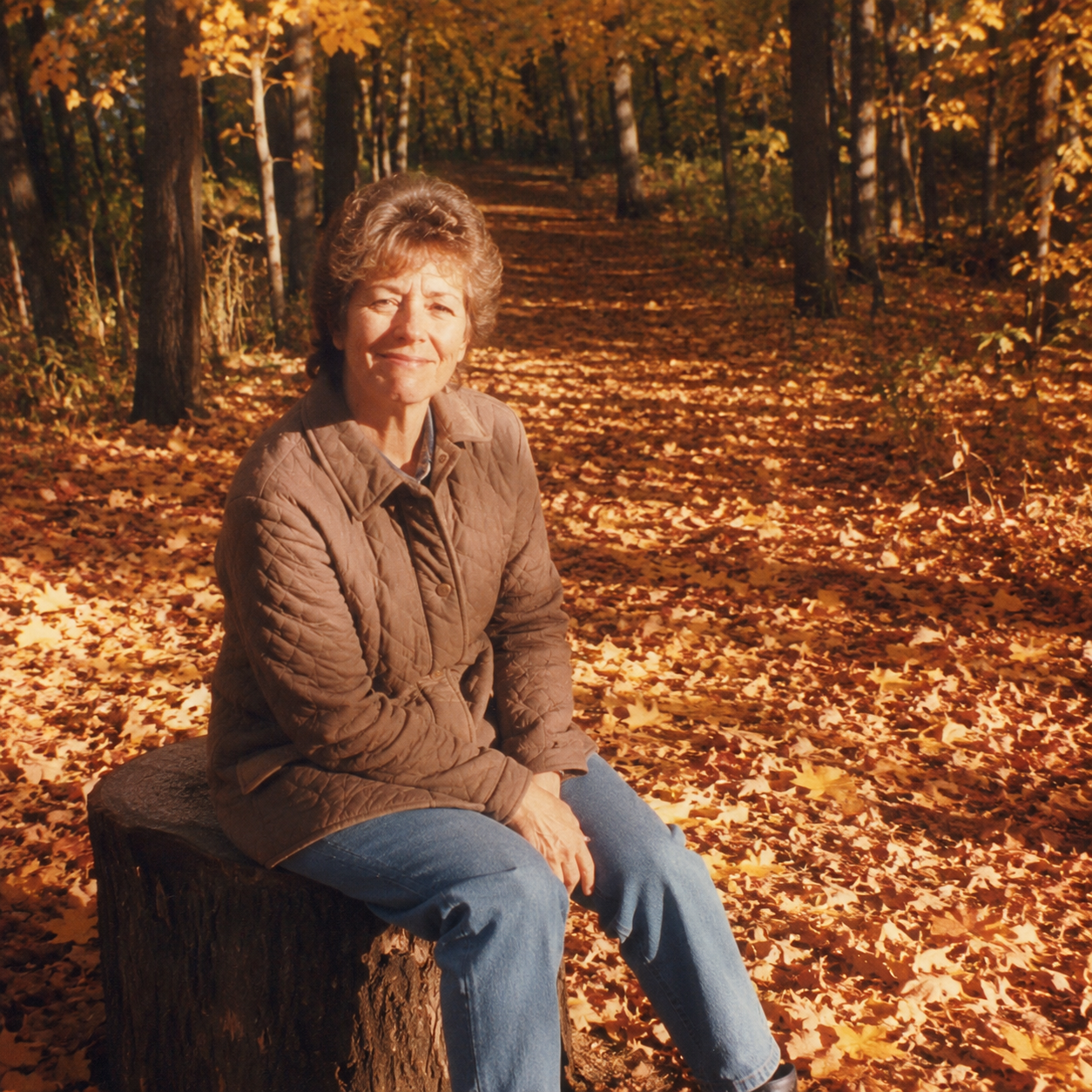
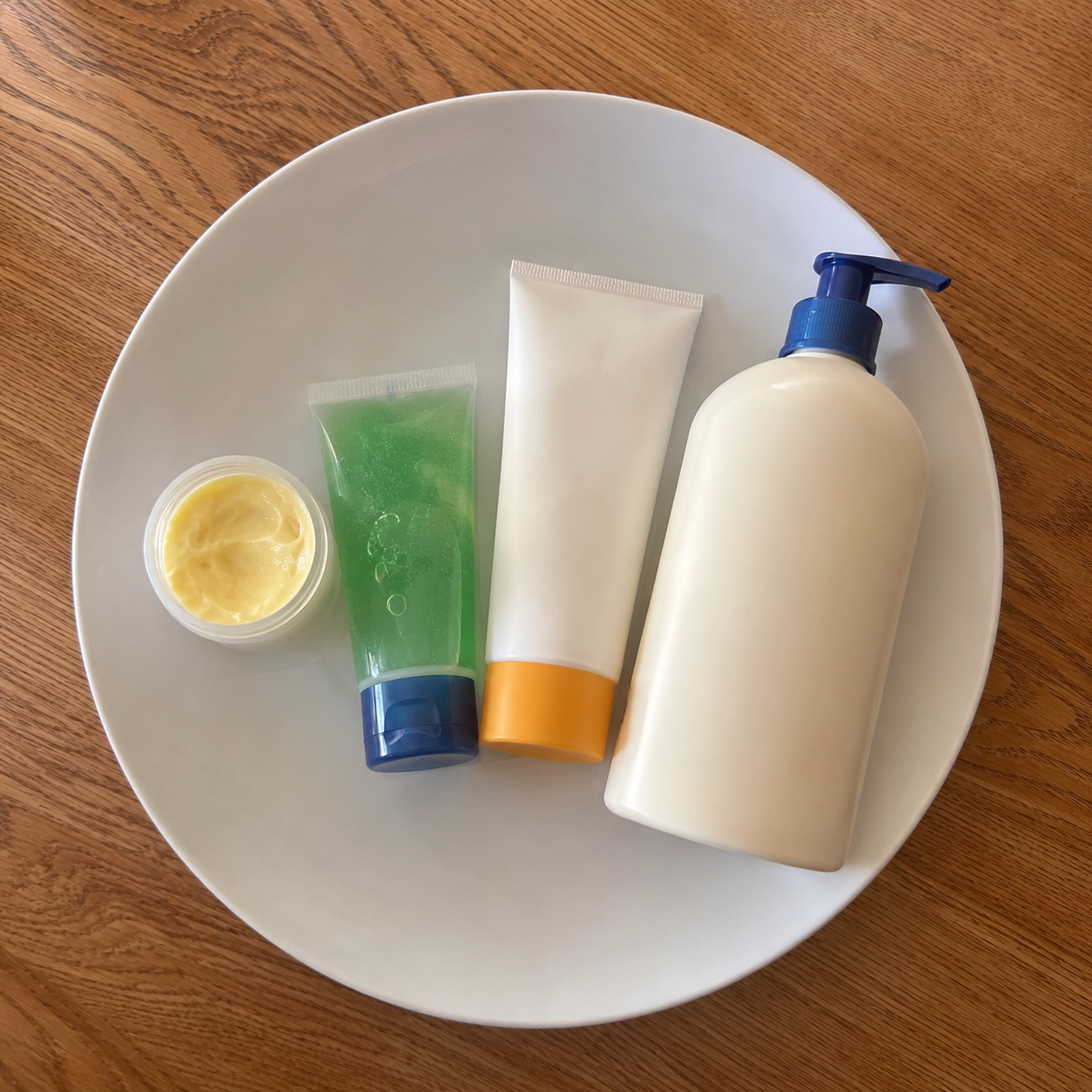
Jessica Palmer
Jessica Palmer Facebook ad: “I've Treated Unexplained Bruising in Women Over 60 for 19…”
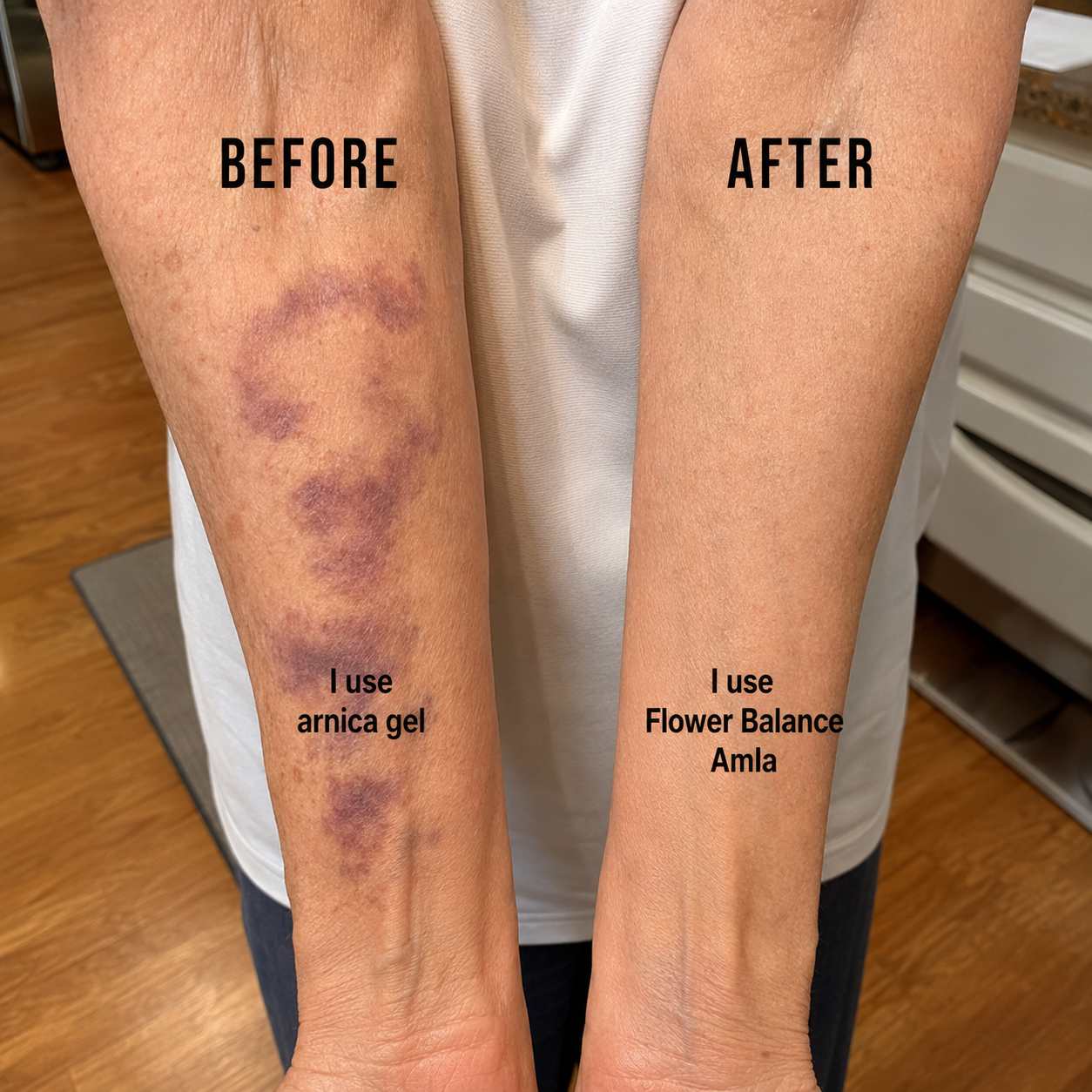
Ran for 25 days, from July 3 to July 28, 2026, the last day Crush saw it.
Run by Jessica Palmer on Facebook. Crush is not the advertiser and does not verify its claims. See this ad in Meta's Ad Library(opens in a new tab)
Want an ad like this for your product?
Crush makes new ad images for your product from this ad: your logo, your product photo, your offer.
Trials from $19.95 USD, then $79.95 USD a month. Cancel anytime.
About this ad
- Meta Ad Library ID
- 1035347365845401
- Platforms
- Facebook, Instagram, Audience Network, Messenger and Threads
- Relaunches
- 0
Ad text
I've treated unexplained bruising in women over 60 for 19 years without expensive creams or laser sessions. When I see what most American dermatologists tell their patients, I still can't believe it. I've been a functional medicine physician for 19 years. I spent the first decade practicing integrative medicine in Boston, studying what actually drives skin and capillary breakdown in post-menopausal women. I joined a functional medicine practice in Chicago three years ago. Good practice. Good doctors. And in my first few months here, I kept seeing the same thing. Women in their 60s and 70s coming in with purple marks covering their forearms. Skin paper-thin. New bruises appearing from nothing — a light brush against a cabinet, a gentle squeeze from a grandchild. Every one of them said the same thing. "My dermatologist has been monitoring it for years." Monitoring it. In functional medicine, we don't monitor the symptom. We treat the cause. Because by the time the bruising is appearing from contact that should do nothing at all, something has already been breaking down — structurally, at the level of collagen and capillary walls — and a tube of retinol cream won't fix that. It only covers what's already failing. --- Here's what your dermatologist probably hasn't told you about what's actually happening. Your arms aren't bruising because you're clumsy or because you bump into things you don't remember. The reason capillaries rupture under your skin from almost no contact is structural — and specifically, it's a collagen failure. Your capillaries — the tiny blood vessels just under your skin — are surrounded by a mesh of collagen fibers. That mesh is what cushions them. What holds them in place. What keeps a light bump from rupturing a vessel and leaving a dark purple mark the size of a silver dollar. When that mesh is dense and constantly renewed, a light bump does nothing. When that mesh starts thinning faster than your body can rebuild it, a light brush against a doorframe ruptures a vessel. That purple blotch you see the next morning is blood pooling under skin that no longer has the collagen support to protect it. After age 60, two forces drive this breakdown simultaneously. Oxidative stress accelerates — the same cellular wear-and-tear that ages every other tissue in your body — and the forearm skin is particularly vulnerable to it. At the same time, collagen production slows, and it depends on one specific raw material to happen at all. Vitamin C. Not a trace amount. A constant, abundant supply. Without it, your body cannot complete the chemical reaction that forms new collagen fibers. The mesh weakens. The capillaries lose their cushioning. And everyday contact starts leaving marks that didn't used to appear. Your clumsiness isn't the problem. The protocol treating your clumsiness as the problem is. --- I want to be honest about retinol cream and laser sessions. Because most of the women I see have been on both for years. A retinol cream works on the surface. It stimulates cell turnover in the outer skin layer. The moment you consider what it cannot reach — the capillary wall several layers beneath — you understand why the bruising keeps coming back. A laser session fades the mark that already exists. It does nothing to change what happens to the next light bump. What neither of them does is address why the bruising is happening. The collagen mesh is still thinning. The capillaries are still unprotected. In the surrounding tissue, in the vessel walls themselves — the same breakdown continues underneath, untouched. Retinol is like painting over a crack in a wall. The surface looks better. For a while. I've seen it in patients who came to me after 5, 8, 10 years of perfect compliance with their dermatologist's protocol. Retinol every night. SPF 50 every morning. And every year, new marks appearing from lighter and lighter contact. Because nothing had changed at the level where the damage was actually happening. --- This is what nobody tells you about where this leads if the underlying cause goes unaddressed. It doesn't stay the same. The collagen mesh continues to thin. The capillaries become more fragile. The marks appear more frequently and from less contact. Skin becomes permanently paper-thin — shiny, translucent, tearing easily. At the next stage, the skin itself begins to break down from contact that would once have left nothing at all. Small tears. Slow healing. In women on blood thinners, the bruising becomes extensive and recovery takes weeks. I've had this conversation more times than I should have. With women who did everything their dermatologist told them. Who applied retinol every single night for years. Who never missed their SPF. Who spent hundreds of dollars on specialty lotions marketed specifically for fragile aging skin. Who still, over time, watched the bruising get worse. The cream addressed the surface. The cause kept advancing. Silently, structurally — until the marks were appearing from contact so light they couldn't identify what caused them. --- When I looked at what was actually working for capillary fragility, I wasn't surprised by what I found. The research on vitamin C and bioflavonoids in capillary support has existed for decades. It emerged from studies on senile purpura in the 1990s — researchers studying why some patients responded to topical treatments and others didn't, despite identical products and identical compliance. What they found was that non-responders had measurably lower systemic vitamin C and bioflavonoid levels. The creams were being applied to capillaries that were structurally deficient from the inside. It wasn't a product problem. It was a supply problem. That research pointed toward whether restoring vitamin C and bioflavonoid levels systemically could stabilize — and in many cases reverse — capillary fragility without lifelong dependence on topical treatments. In a clinical study on patients with senile purpura, a citrus bioflavonoid combination produced a 50 percent reduction in purpura lesions after just six weeks. Fifty percent. Not from a cream applied to the surface. From compounds that reached the capillary wall from the inside. Your compliance with topical products doesn't determine this outcome. Your capillary structure does. --- I want to tell you about one patient. She was 67. Had been seeing her dermatologist about bruising since she was 61. Bilateral forearm bruising. Marks appearing from almost nothing. Her dermatologist had recommended continued retinol use and quarterly monitoring. She came to me after six years of watching it get worse. Her bloodwork was normal. Her cardiovascular health was fine. The bruising was real. In functional medicine, before we ever accept "monitor and manage" as the answer, we ask one question: have we addressed the root cause? Retinol manages the surface. It doesn't fix why the surface keeps failing. I recommended 12 weeks of daily systemic support — vitamin C and bioflavonoids at levels the research supported — before making any other decisions. She was skeptical. Six years of perfect retinol compliance hadn't stopped anything. She didn't believe a capsule once a day could change what six years hadn't. I explained it simply. Retinol works on the outer skin layer. That's what it's designed to do. It does not reach the collagen mesh surrounding your capillaries. Your arms aren't bruising because your skin surface is insufficiently treated. They're bruising because the structural support around your blood vessels has been thinning for years and your body hasn't had the raw material to rebuild it. You can paint a wall that has no foundation. It will keep cracking. She agreed to try. Week 2: Less of the instinctive flinching when her arm brushed something. Still cautious, but the hypervigilance was easing. Week 4: A light bump against the car door that would have left a mark for two weeks left nothing. She checked twice. Week 8: No new marks in eleven days. She said she couldn't remember the last time that had been true. Week 12: She looked at her forearms in the mirror for the first time in years without immediately looking away. The bruising that had been progressing for six years had stabilized. She didn't need another laser session. This is where the answer was the whole time. Not in what you apply to the surface. In what your capillaries have been missing from the inside. --- I share this because I spent years quietly frustrated by what I see. Women who came to me after years of being told to keep up the good work with their retinol — while their arms quietly became something they covered and hid and explained to strangers. Women who felt like they were failing. Like their bodies were betraying them despite everything they did right. They weren't failing. The protocol was failing them. Standard dermatology training focuses on topical management and surface treatments. Systemic capillary support — addressing the collagen structure from the inside — isn't part of standard training. Most American dermatologists graduated before this research was consolidated. They practice what they were taught. That's not a criticism. It's just where the knowledge gap sits. But the research exists. And you don't have to wait for your dermatologist to find it. If you've been monitoring bruising for years with nothing to show for it but continued progression — if you've used retinol every night and watched new marks appear anyway — if you've been told your skincare routine is exactly right but your forearms keep telling a different story — The answer isn't to apply more cream. It's to give your capillaries what they've been missing — the raw material to rebuild the structure that was protecting them. I'll leave a link below to what the research supports and what I've seen work in my own patients. I have no financial relationship with this company. I share it because the mechanism is sound, the evidence supports it, and I've watched it change what years of topical treatment couldn't. You've spent years doing what you were told. It's time to address what you were never told. 👉 https://tryflowerbalance.com/pages/purpura
Where the ad sends people
tryflowerbalance.com
I've Treated Unexplained Bruising in Women Over 60 for 19 Years. Here's What Most Dermatologists Never Tell You.
It's not your clumsiness. A functional medicine physician explains the collagen failure your dermatologist never mentioned.
Learn more: tryflowerbalance.com(opens in a new tab)