
Active· since Jul 8, 2026
- 71
- days running
- 0
- relaunches
Ad copy
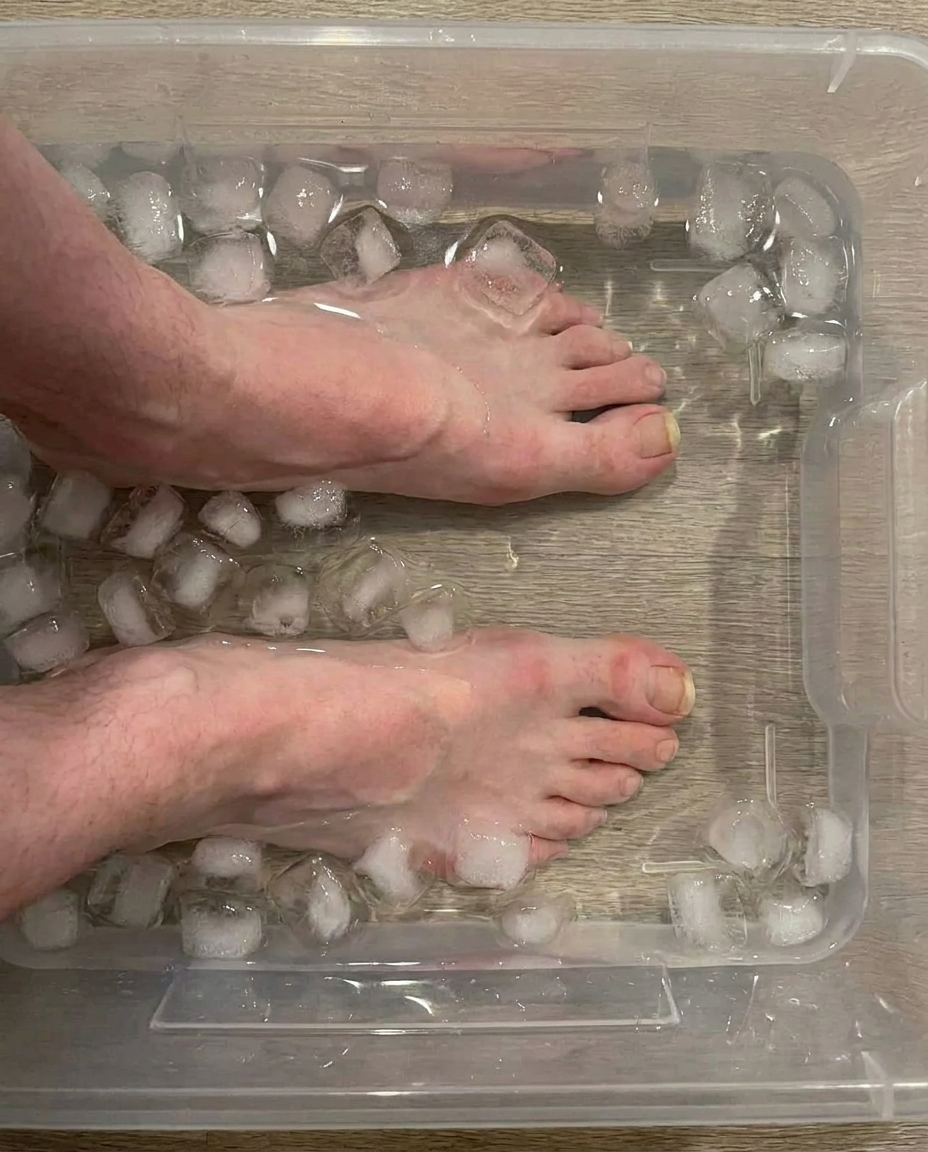
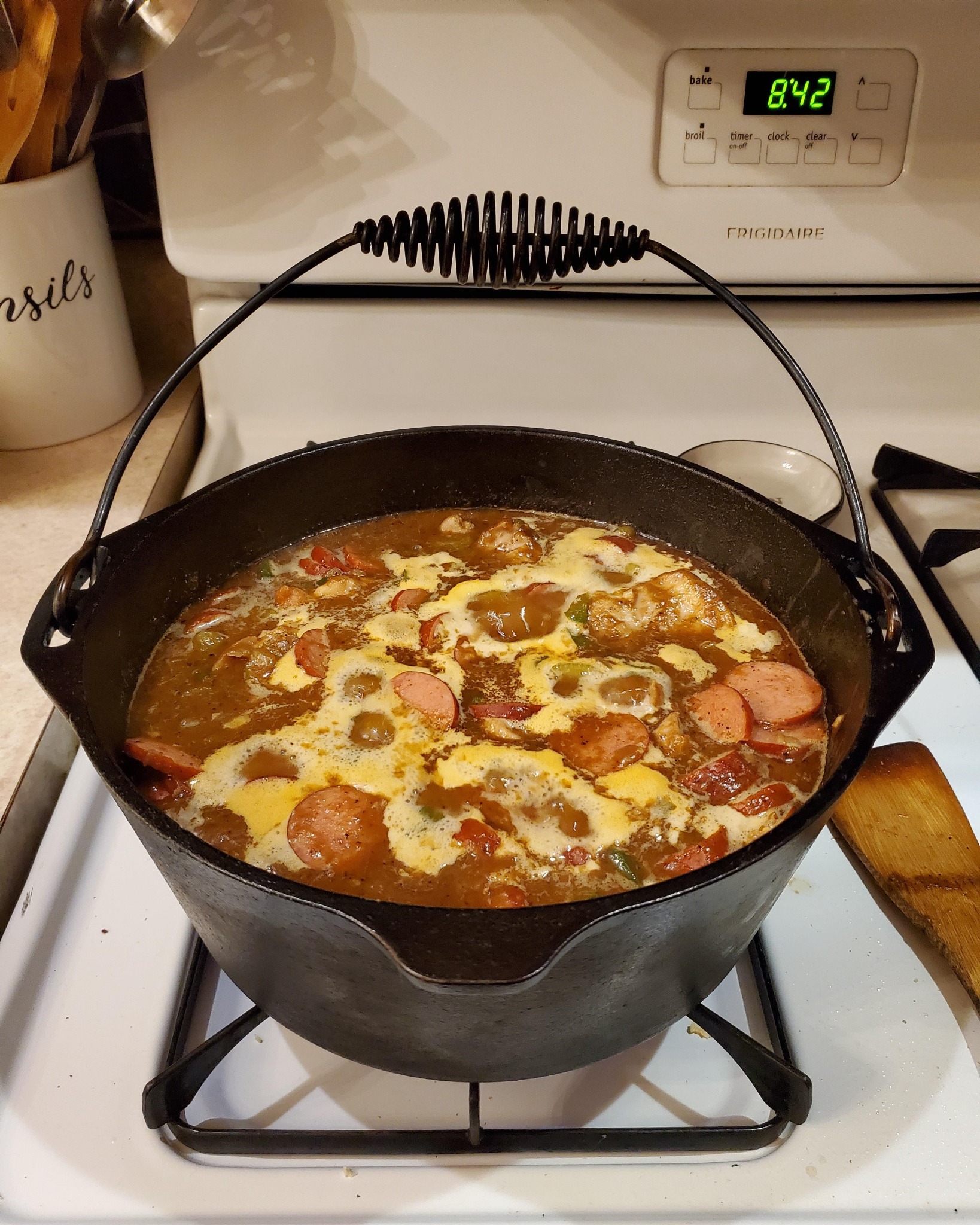
A woman dropped a bottle of dish soap at the Dollar General on Plank Road last Thursday afternoon and couldn't pick it back up, and I haven't been able to stop thinking about her since. It wasn't dramatic. She didn't fall. She didn't make a scene. She was just standing there in the checkout line in front of me, holding a small basket with the dish soap and a 4-pack of toilet paper and a can of cat food, and as she was setting the basket up on the counter the dish soap slipped out and hit the floor. It didn't break. It just rolled a few inches and stopped. She bent down to get it. And her fingers wouldn't close. I watched her try 3 times. Her hand went to the bottle. Her fingers tried to grip. They didn't. She tried again and they sort of brushed past the side of it. Then she just stayed bent over with her hand on the floor next to the soap, and I could see her cheeks going red, and the cashier said "ma'am do you need some help" in that voice cashiers use when they're trying to be kind but it makes everything worse. I picked it up for her. Set it on the counter. Smiled at her. Said, "These bottles are slippery." She didn't say anything for a second. Then she said, "Thank you, baby." Quiet. Like she was hoping nobody else had heard the whole thing. I paid for my own things. A package of dryer sheets and a Coke. And when I walked out into the parking lot, she was standing next to a beige Buick LeSabre with her bags at her feet, just looking at the keys in her hand like she was trying to figure out how to use them. I almost walked past her. I want to be honest with you. I almost did. Because I am 58 years old and I work 50 hours a week as a home health aide and the last thing I wanted on a Thursday at 4:30 in the afternoon was somebody else's problem. I'd been on my feet since 6 in the morning. I had to go home and put dinner on for my husband. I had a 5:15 client to call back. But something stopped me. I think it was the way she was looking at the keys. I walked over and I said, "Honey, can I help you with anything else?" And she looked up at me, this tiny white-haired woman in a cardigan that was 2 sizes too big for her, and her eyes filled up with tears so fast I wasn't even ready for it. She said, "I don't know what's wrong with me." We ended up sitting on a bench by the Coinstar machine for 45 minutes. Her name was Maureen. She was 64 years old. She lived alone in a little house off Florida Boulevard. Her husband had passed in 2019. She had a daughter in Texas she saw twice a year and a son in Atlanta she saw maybe once. She had a tabby cat named Beau. And for the last 3 years, something had been happening to her hands and her feet that nobody had been able to explain. It started in her toes. A tingling, she said. Like they were waking up after sitting wrong. Except they weren't waking up. They were just tingling. All the time. At first she thought it was her shoes. She bought new shoes. It didn't go away. Then it became a burning. Especially at night. Especially after she got in bed. She'd lie there and her feet would burn and she'd kick the covers off and then she'd be cold and put them back on and then they'd burn again. She'd been doing that for about 2 years. Then it moved to her hands. Not all at once. Just slowly. A weird numbness in her fingertips at first. Then the same tingling. Then the same burning. Then a kind of clumsy feeling that she hadn't really registered as a problem until she started noticing little things, like dropping silverware, like missing the button on her cardigan, like grabbing the dish soap and watching her fingers refuse to close around it. She'd been to her doctor 4 times in 2 years. He'd checked her thyroid. He'd checked her B12. He'd checked her diabetes numbers, which were fine. He'd checked her circulation. He'd sent her to a specialist in Metairie who ran more tests and told her it was "idiopathic peripheral neuropathy." That's a medical term that means: your nerves are doing something, and we don't know why. The specialist gave her gabapentin. It made her dizzy and didn't help the burning. She tried a topical cream. It didn't do anything. She tried compression socks. She tried magnesium. She tried walking more. She tried walking less. She tried a vitamin B complex from CVS that she took every morning for 6 months. Nothing. "I've made peace with most of it," she told me on that bench. "The feet I can live with. The burning at night, you get used to it. But the hands, baby. The hands." She held them up. They didn't look like anything. They looked like the hands of a 64-year-old woman. "I can't button my own buttons some mornings. I can't open my pill bottle without using my teeth. I dropped a coffee cup last week and it shattered all over the kitchen floor and I sat down on a chair and just cried because I didn't know how I was going to pick the pieces up. My daughter doesn't know. I haven't told her how bad it's gotten because I don't want her to think I can't live alone anymore. I am not ready to not live alone." I sat there with her on that bench by the Coinstar machine and I watched her not be ready, and I thought about Mr. Boudreaux. You should know who I am before I tell you about him. My name is Vernita. I've lived in Baton Rouge my whole life. I'm 58 years old. I've been a home health aide for 22 years, mostly working the north side and out toward Zachary. I take care of people in their houses. I help them get dressed in the morning. I cook their meals. I check their medication. I take them to appointments. Some of them I see for a few weeks. Some of them I see for years. Mr. Boudreaux I had for 4 years. Tall man. 76 when I started with him, 80 when I finished. Lived out in Central in a little brick ranch house with a screened-in porch and a backyard that ran down to a stand of pines. Used to be a millwright at the ExxonMobil refinery for 38 years. Quiet man. Cajun on his daddy's side. Made the best gumbo I have ever put in my mouth in my entire life and that includes my own grandmother's, which I will deny saying if anybody asks. Mr. Boudreaux had diabetic neuropathy. Bad. He'd had it for about 7 years when I started with him. It started in his feet, the same way Maureen's did, but it had gotten so bad over the years that by the time I came on, he couldn't really feel the bottoms of his feet at all. He had to look down to know where they were. He'd lost his balance 3 times in the year before they hired me, and the last fall had cracked his wrist. The neuropathy had moved up by then. His calves felt like they were on fire most nights. His hands tingled. He couldn't fasten his own buttons. He couldn't grip a kitchen knife well enough to chop the trinity for his own gumbo anymore, which was the thing that bothered him more than any of the rest of it. He used to make that gumbo from scratch every Sunday. He'd stopped because he couldn't hold the knife. His doctors did what doctors do. They adjusted his medications. They told him this was a complication of his diabetes. They told him to control his blood sugar more tightly and to keep his feet protected and to come back if it got worse. It kept getting worse. They kept telling him the same things. Then his daughter Renee showed up. Renee lived in Houston and came home about once every couple of months. She was a nurse at one of the big hospitals out there. She was 42 when I met her, maybe 43. Smart woman. Sharp. The kind of person who couldn't watch her father decline without doing something about it. She'd been doing her own research. The kind nurses do when they're not satisfied with the answers their parents are getting. She'd been reading, talking to colleagues, looking at things her father's doctors hadn't brought up because they weren't the kinds of things that were going to come up in a 15-minute appointment. I'd been working with Mr. Boudreaux for about 3 years by the time Renee came home for what I now know was the visit that changed everything. She brought a small bottle with her. She set it on his kitchen counter on a Saturday afternoon. I was there because I was always there on Saturdays. She'd told him about it on the phone the week before but he hadn't paid much attention. He didn't pay attention to most things Renee tried to get him to do. I remember she sat him down at the kitchen table and she said, "Daddy, I want you to take this for 90 days. Just 90. If you don't feel any different I'll stop bothering you about it." He looked at the bottle. He looked at her. He said, "What is it?" She said, "Amla." I had never heard of it. She explained it to him the way you explain something to a stubborn father. Slow. Direct. No room for him to wave her off. She told him that what was happening to his nerves wasn't really about the diabetes by itself. It was about something deeper that the diabetes had accelerated. She told him that the nerve cells in your feet and hands are some of the most energy-hungry cells in your entire body. They have to maintain a protective coating around themselves and they have to transmit signals constantly and that work takes a tremendous amount of cellular energy. That energy, she said, comes from something inside every cell called mitochondria. The mitochondria are the little power plants inside the cell. They take what you eat and what you breathe and they convert it into the actual usable energy the cell needs to function. She told him that mitochondria wear down over time. From stress. From inflammation. From medication side effects. From elevated blood sugar. From the ordinary accumulated toll of decades of modern life. They become less efficient. They produce less cellular energy. And the cells that depend on them, especially the nerve cells, because they need so much energy to do their job, are often the first to feel the deficit. When your nerve cells don't have the cellular energy they need, they can't maintain that protective coating properly. The signals they're supposed to transmit get scrambled. The nerve fibers themselves start to deteriorate. And what you feel is the tingling. The burning. The numbness. The clumsiness. The grip that won't close around a bottle of dish soap. Mr. Boudreaux had been hearing about his nerves for 7 years and nobody had ever talked to him about his mitochondria. Renee told him about a pathway in the body called AMPK. AMPK is a kind of signal your body uses to tell your mitochondria to become more efficient. When AMPK is active, your mitochondria respond. They produce cellular energy more effectively. The cells downstream, including your nerve cells, get more of what they need to do their job. And the natural substance that had been studied for activating AMPK in a meaningful way, she told him, was amla. Indian gooseberry. A small green fruit that had been used in Ayurvedic medicine for thousands of years and called "the nurse" because of the way it tends to and supports the body's own systems. Amla, she said, supports AMPK activation. When AMPK is supported, your mitochondria can start producing cellular energy the way they did when you were younger. The cellular energy can flow back to the nerve cells that have been running on too little for too long. Because the nerve cells are the most energy-hungry, they can be among the first to respond. When they're better supported, they can start working on maintaining that protective coating and supporting healthy signal transmission, and the burning sensations that come from struggling, depleted nerve cells can start to calm. She said one more thing. She said amla also carries one of the highest antioxidant profiles ever measured in any food on the planet. Which mattered because the same oxidative stress that wore down the mitochondria in the first place is still there, wearing them down further every day, and you have to address both sides at once. You can't just turn the lights back on if the wiring is still smoking. The antioxidant load in amla helps protect what you're trying to support. Mr. Boudreaux listened to all of this with the same look he gave everything he was about to dismiss. But he took the bottle. He said, "90 days. Then you stop bothering me." She said, "Deal." I was there for it. All of it. I saw him take the first dose. I checked it every morning when I came to make his breakfast for the next 90 days. The first 2 weeks I didn't see anything. He grumbled about it being one more thing in the morning. Week 3 he told me his feet felt different in bed. Not better, he said. Just different. Less like coals. More like a low hum. Week 5 he was walking around the kitchen barefoot. I hadn't seen him barefoot in 3 years. He'd been wearing thick socks even in August because the burning was worse on bare skin. He stood there at the stove that morning with no socks and a coffee cup in his hand and said, "Vernita, look at this," and lifted one foot off the floor like he was showing off a new car. Week 8 he picked up a paring knife and chopped 2 stalks of celery for me. He looked down at the cutting board when he was done and he didn't say anything for a minute. Then he said, "Renee needs to know about this." She did know. She'd been calling him every week. She'd been waiting for him to say something exactly like that. By the end of the 90 days he was making his own gumbo on Sundays again. Not every Sunday. But more Sundays than not. He'd lost the deepest part of the burning. The tingling in his hands had eased. His grip was still not what it had been in his 40s, but his grip was usable. He could button his own shirt. He could open his own pill bottle. He could chop his own trinity. I'm not telling you he was cured. He wasn't. He still had neuropathy. He still had diabetes. He still had to look down sometimes to know exactly where his feet were on the floor. But the difference between where he had been at the start of those 90 days and where he was at the end was the difference between a man who was disappearing and a man who was still here. He kept taking it. I worked with him for another year after that. He was the one who told me what the product was called. Alevia Amla. Standardized amla extract in capsule form. Made and shipped in the USA. He kept a bottle on his kitchen counter next to the salt shaker because he said it had earned a permanent spot. I sat on that bench at the Dollar General with Maureen, and I told her this whole story. She listened to all of it. She didn't interrupt me once. When I was done, she said, "Why didn't my doctor tell me about this?" I told her I didn't have a good answer for that. I told her I think doctors are trained to look at certain things and prescribe certain things and that nobody has trained them to think about the cellular energy supply that the nerves depend on. The damage they're treating is downstream. They're looking at the leak. Nobody's looking at the pipe. I told her about the 90-day money-back guarantee. That if she tried it and nothing changed she could send it back and get every penny. That the risk was about as small as it gets. I told her I had no skin in the game. I wasn't selling anything. I was just a woman in a Dollar General parking lot who'd watched a man at her kitchen table do something nobody else had been able to help him do, and that man was a man I loved like family, and if it could be that for him maybe it could be that for somebody else. She wrote the name down on the back of her grocery receipt. Alevia Amla. With my pen, because her fingers couldn't grip her own pen. That was 3 weeks ago. She called me on Tuesday. I had given her my number before I let her drive home that day, because she'd asked for it and I wasn't going to say no to a 64-year-old woman who'd just told me about lying awake at night with her feet on fire. She said her hands felt different. Not fixed. Not dramatically different. But different. The tingling in her fingertips had eased. She'd buttoned her cardigan that morning without using her teeth. She said her feet were still the harder ones, the longer road, but the burning at night had quieted. She'd slept 7 hours straight on Sunday night for the first time she could remember. She said, "Vernita, I almost didn't pick up the phone to thank you because I didn't want to jinx it." I told her she wasn't going to jinx it. I told her to keep going. I told her I was glad she called. I'm telling you this because I think you might be somebody who knows what Maureen knew on that bench. The tingling. The burning. The grip that won't close around what it's supposed to close around. The doctor visits that don't lead anywhere. The compression socks and the gabapentin and the topical creams and the vitamin B complex and the long, quiet list of things that didn't work. If that's you, or if it's somebody you love, I want you to know that there is something out there that nobody mentioned to Maureen and nobody mentioned to Mr. Boudreaux until his daughter put a bottle on his kitchen counter and refused to let him wave her off. Alevia Amla. 90 days. Money back if it doesn't do anything for you. That's the offer. That's the whole offer. I'm not promising you what happened for Mr. Boudreaux or what's starting to happen for Maureen. I'm telling you it exists. I'm telling you the mechanism makes sense in a way the things they sell you at CVS for $14 a bottle don't make sense. I'm telling you to look it up before you spend another year doing what you've been doing. That's all. 👉 https://alevia.com/amla/33 P.S. Maureen called me again last night. She told me she went to bed with no socks on for the first time in almost 2 years. She said her feet didn't burn. She said she just lay there for a minute realizing she wasn't doing the thing she'd been doing every night for so long that she didn't even register it as a thing anymore, which is bracing herself against the burning before it started. She said she didn't have to brace. I'm putting that in here because I want you to understand what we're really talking about when we talk about felt experience. We're talking about a woman taking her socks off at night. We're talking about a man chopping his own celery on a Saturday morning. The big things are made of small things. P.P.S. I want to say something about the 90-day guarantee. I keep coming back to it because it's the part that should make this an easy decision and I think people sometimes still hesitate. 90 days is enough time to know. If you take it for 90 days and your hands and your feet are exactly the same as they are right now, you send it back and you get your money back. You haven't lost anything except the time it took to find out. Compare that to another year of doing what hasn't been working. The cost of not trying is bigger than the cost of trying. That's the honest math of it. P.P.P.S. I don't know if you've been embarrassed in a checkout line lately. I don't know if you've stopped doing things you used to do because your fingers don't work the way they used to or your feet feel like they're walking on hot pavement. I don't know what your specific version of this is. What I know is that what's happening inside the cells of your nerves is happening to a lot of people and nobody is talking about it the way they should. Mr. Boudreaux died last year, peacefully, at 81. Renee called me to let me know. She also told me he made gumbo the Sunday before he passed. She wanted me to have that. I want you to have it too. 👉 https://alevia.com/amla/33
Like this ad? Make it yours.
Crush rebuilds this exact creative around your product — your brand, your colors, your offer — in about a minute.