
Inactive· since Jun 23, 2026
- 62
- days it ran
- 0
- relaunches
Ad copy
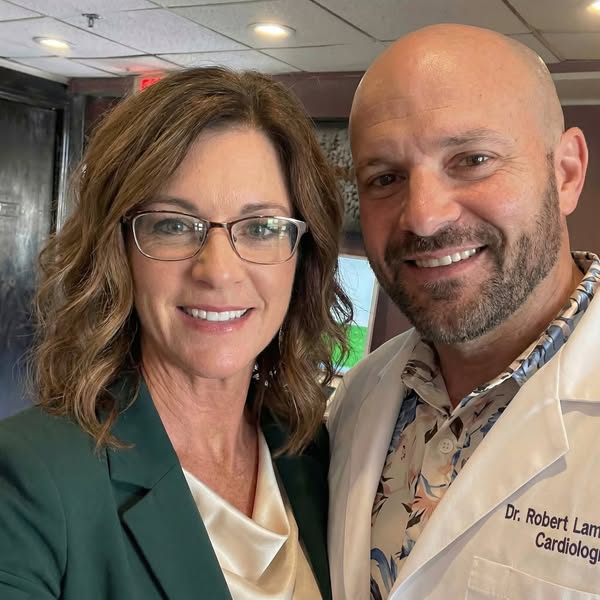
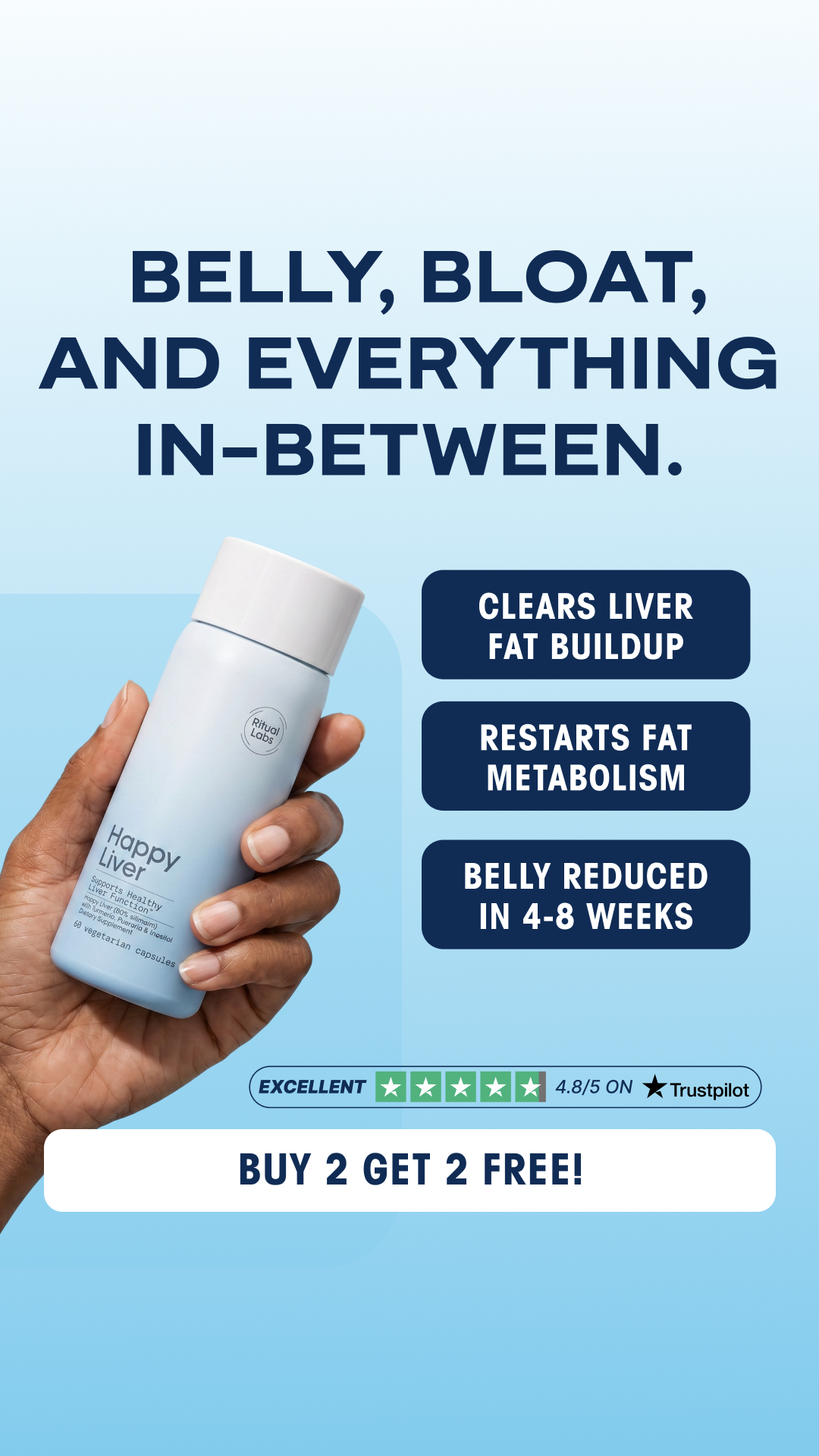
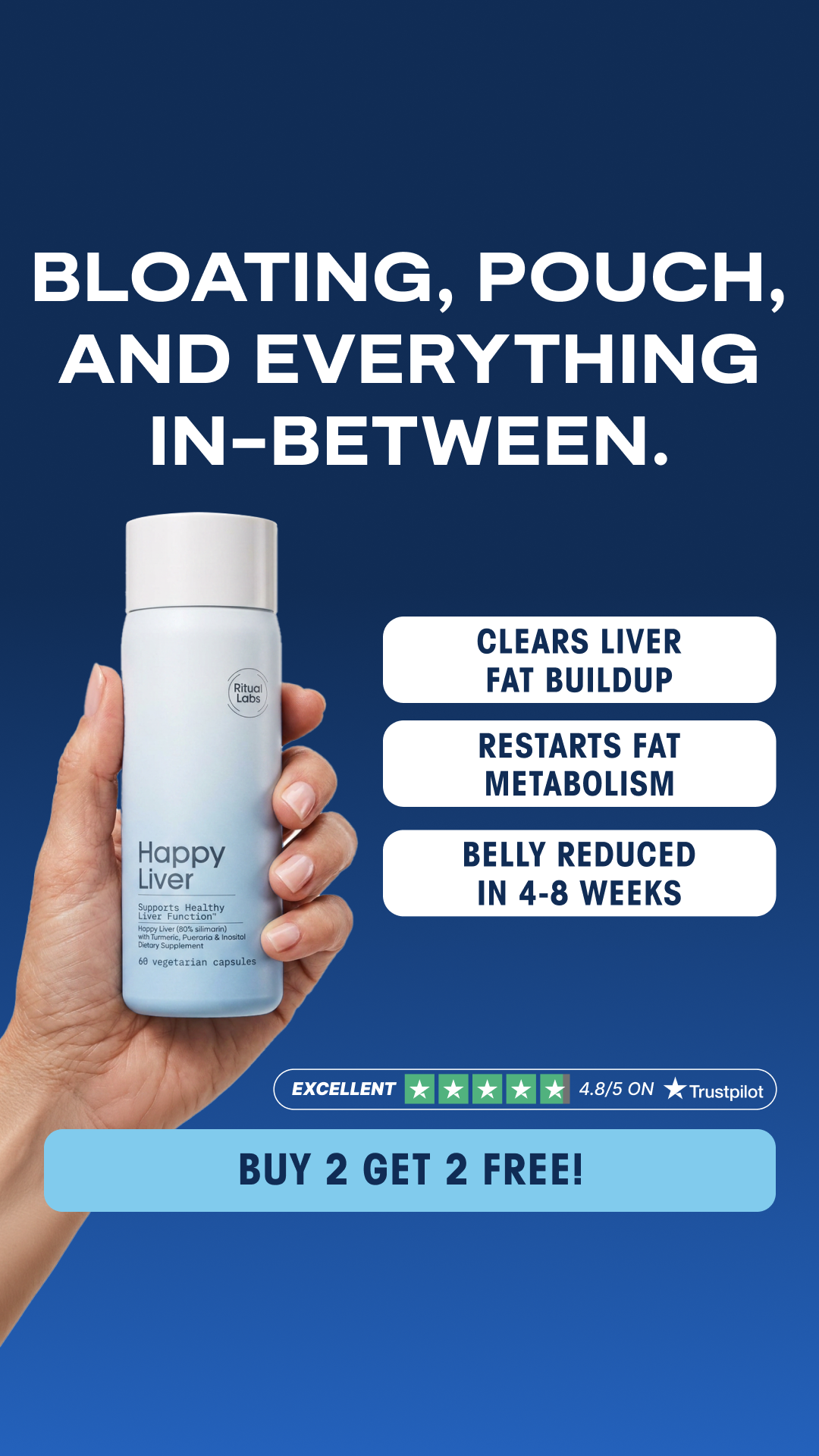
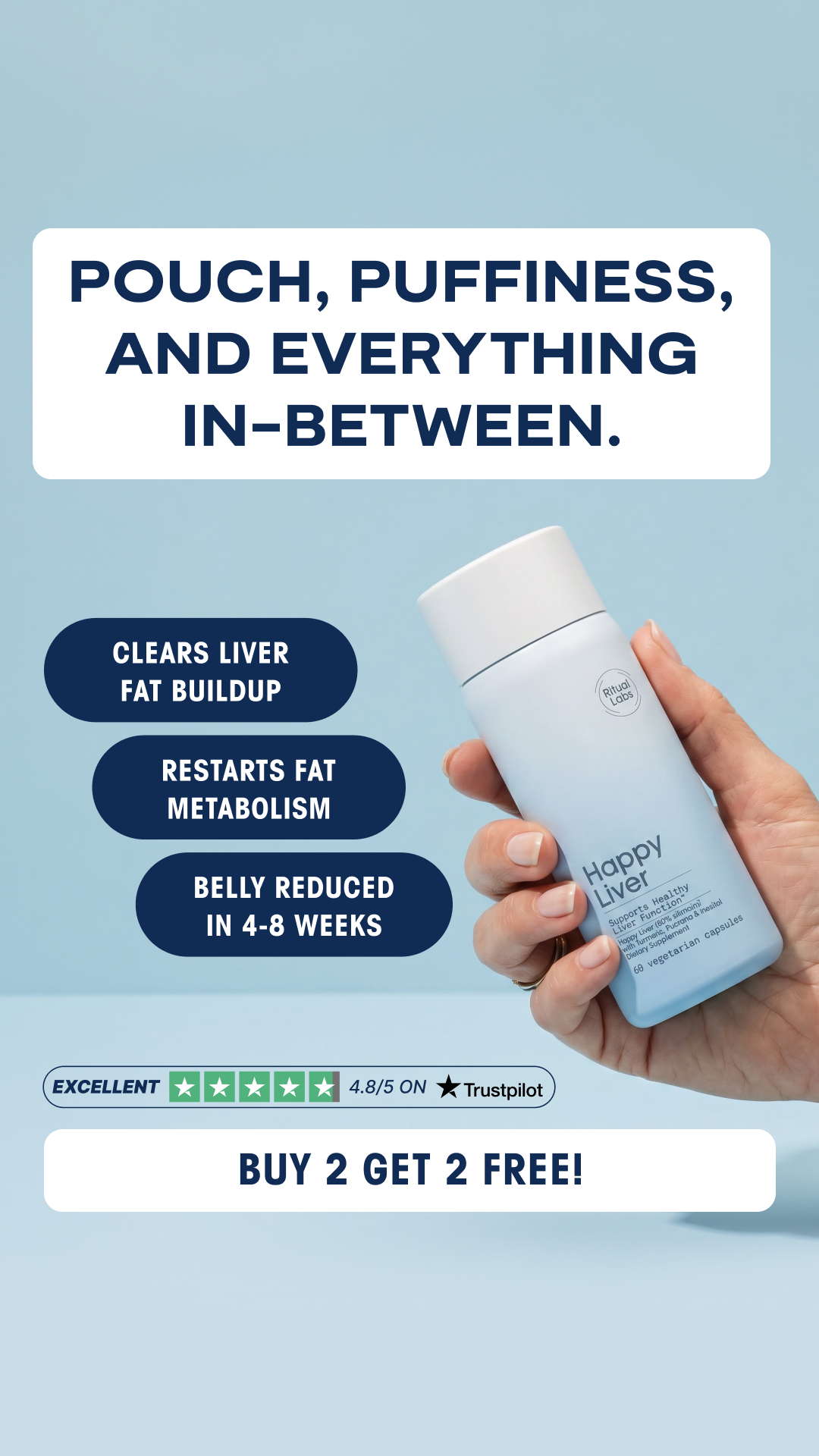
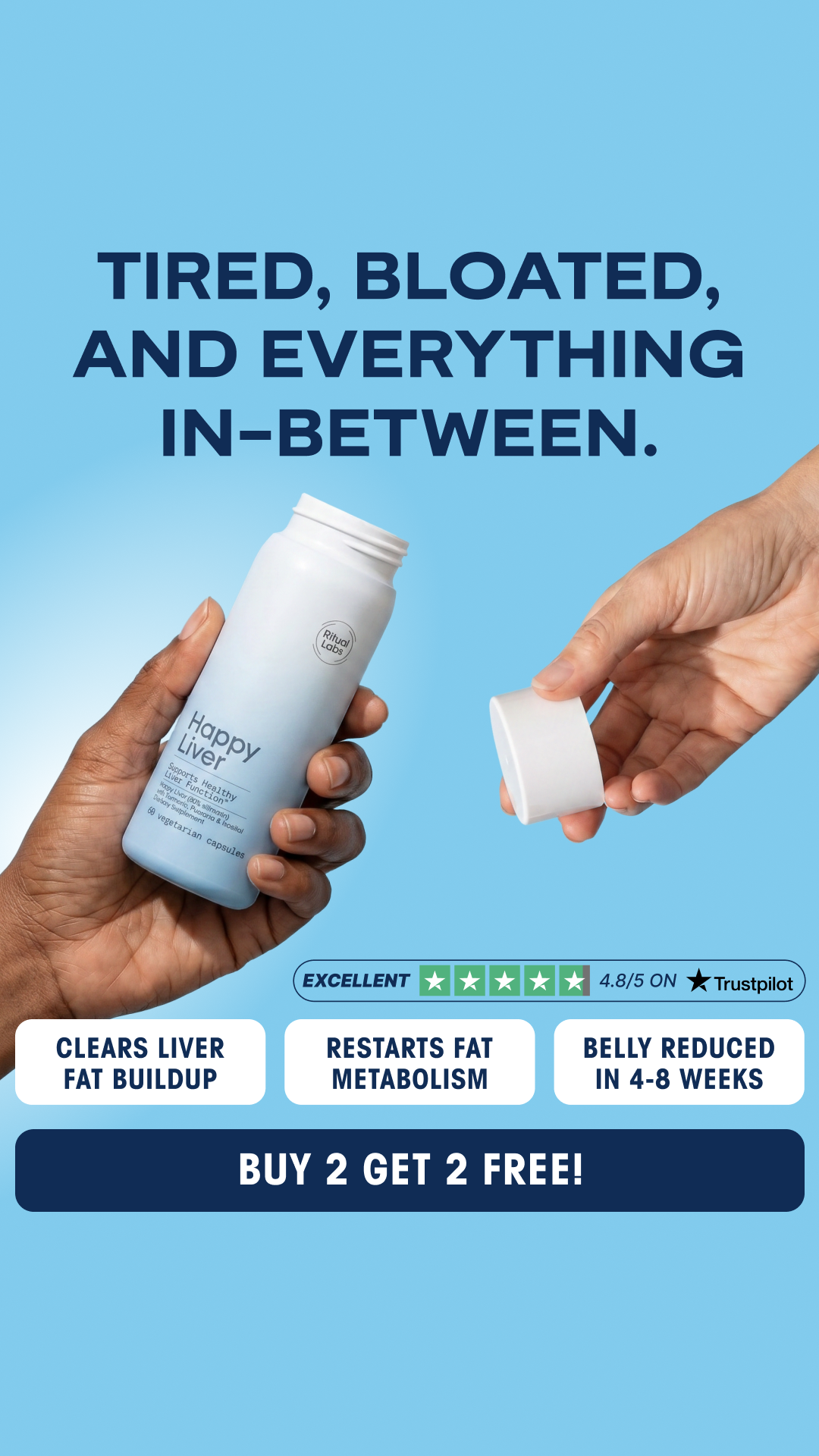
In 2007, a senior Pfizer researcher named Dr. Howard Reyes walked away from a $420,000 salary and 22 years with the company. In his exit interview, he said something that should stop every adult on metformin in their tracks: "We know what actually fixes blood sugar. We're just not allowed to sell it because you can't patent an organ." Today, Howard is 68 years old. He has never taken metformin, and he was prediabetic at 53. He eats rice. Bread. Fruit. Potatoes. The kind of food his doctor used to tell him to cut for 20 years straight. And according to his last bloodwork, which his doctor asked to keep on file as a teaching case, his A1C is 5.3. Lower than most people in their 30s. "My doctor told me he has patients half my age with worse numbers than mine," Howard said. "He keeps trying to figure out what I'm doing. He won't accept the answer because it makes the last 30 years of his prescribing look pointless." Howard didn't always know what he knows now. For most of his career he was the one writing the studies that became the playbook for every doctor in the country. He sat in the meetings where they decided which findings to publish and which to file away. And for 19 of his 22 years at Pfizer, he believed the company's official line. Metformin lowers the number. Lower number, less risk. End of story. Then something started bothering him. Around 2002, Howard's team was running a long-term follow-up on patients who had been on metformin for ten years or more. The numbers on the charts looked exactly the way the marketing slides said they should. A1C controlled across the board. The drug was working. But the patients weren't actually getting better. People with "perfect" numbers were still ending up with neuropathy, kidney trouble, eyes going bad, hearts giving out. Some at rates not much different from patients who'd never been treated at all. Howard kept asking his team why. He'd pull up an individual file, an A1C of 6.4 from three weeks before a cardiac event, and he'd want to know how that was possible. His supervisor told him to stop pulling those files. What Howard discovered over the next five years, working on his own time, changed everything he thought he knew about high blood sugar. And it had nothing to do with what Pfizer was selling. During Howard's tenure in Pfizer's metabolic research division, the team was tasked with understanding why metformin worked for some patients but failed to ever truly fix others. Metformin works by forcing the liver to release less sugar into the blood. In the trials, the pattern was always the same. The number came down on paper. But the moment patients stopped the drug, it climbed right back up within weeks. Nobody was actually getting better. They were just being managed. The drug pushed the number down. But the underlying problem never went away. Howard's team discovered why. Almost every one of these patients had the same thing happening inside their bodies. Fat trapped inside the liver cells themselves. Here's what most people don't understand about blood sugar. And this was the thing Howard couldn't stop thinking about once he saw it. Everyone blames blood sugar on the pancreas and the food on your plate. But the organ that actually pulls sugar out of your blood and stores it is your liver. Think of it like a pantry. After every meal, your liver grabs the extra sugar, packs it away on the shelves, and then hands it back out slowly through the day so your levels stay steady. Automatically. The way your body has done it your entire life. The pancreas just rings the doorbell, it makes the insulin that knocks and says put this sugar away. But the liver is the one that actually stores it. That's the system. That's how it worked in your body for decades. But after 30, 40, 50 years of filtering processed meals, alcohol, medications, and every other chemical your body has had to handle, fat slowly builds up inside the liver cells themselves. And once those cells are packed with fat, there's no room left to store your sugar. The shelves are full. So the sugar your liver is supposed to pack away has nowhere to go. It just stays out in your blood. Layer on layer, year after year, the more the storage fills with fat, the higher your number climbs. That buildup is what your blood test is measuring. That is the number on your meter every morning. It's not the rice you had last night. It's a liver that's been too full to do its job for years. And here's what Howard kept coming back to. The metformin doesn't dig out the fat that filled up the liver. It just forces the liver to dump out less sugar to keep the number down. The number on the chart comes down. Your doctor says great. Insurance is happy. The chart looks beautiful. But the fat that filled up the liver is still there. The drug just forces the liver to release less every single day, while the underlying problem keeps progressing in the background. The moment a patient stops the metformin, the blood sugar shoots right back up within weeks. Because nothing structural changed. The fat is still there. The storage is still buried under it. The damage is still running. Lowering the number doesn't fix the cycle. It just hides it. That's why Howard's patients kept showing up with perfect numbers and failing bodies. The metformin did exactly what it was advertised to do. It forced the number down. The number was never the problem. The damage was the problem. And no metformin had ever addressed it. So Howard proposed a study. What if Pfizer helped patients clear the fat from the liver first, before putting them on metformin for life? The proposal was rejected within a week. "They told me there was no business model in solving the problem," Howard said in a 2021 interview. "The diabetes drug pipeline generates tens of billions in annual revenue. If patients fix the underlying liver problem and don't need the drugs anymore, that revenue disappears overnight." Howard kept digging on his own time. He'd come home at 7 PM, put a frozen dinner in the microwave, and spend until 1 AM reading hepatology journals in his home office with the door closed so his wife wouldn't worry about how late he was up. He found research from the Mayo Clinic. Clinical trials from Germany. Studies published in the Journal of Hepatology. A 2018 German clinical trial that tested standardized silymarin paired with NAC in people with blood sugar problems and fatty liver, for 12 weeks. Fasting glucose came down. A1C came down. And the participants didn't see the gastrointestinal misery the metformin patients were reporting. That was the night Howard closed his laptop and just sat there for ten minutes staring at the wall in his office. All of it was pointing to the same conclusion. Your liver can clear the fat that's taking up the storage space on its own, if you give it the three specific things it actually needs. The three things the research kept landing on. Silymarin from milk thistle. NAC. And choline. Silymarin shields the liver cells and protects them from the years of toxic damage that built the fat layer in the first place. The German trial used pharmaceutical-grade silymarin standardized to 80%. The active compound. The only one that matters. NAC is what the liver actually uses to break down the fat that's filling up the cells. It's the same compound hospitals already use as the gold-standard treatment for acute liver failure. Howard had been administering NAC in clinical settings his entire career. He just had never connected the dots to chronic blood sugar. The German research is clear that silymarin alone is not enough. You need NAC paired with it for the silymarin to actually work. And choline. The one almost nobody talks about. Over 80% of adults are deficient in it. It's the nutrient your liver physically uses to package the broken-down fat and ship it out of your body. Without it, even broken-down fat has nowhere to go. It just stays in the cells, taking up the space your sugar is supposed to fill. When the liver has all three at the doses the research uses, the storage comes back online. The blood sugar regulates itself. Naturally. Not forced. Not chemical. Just the body doing what it was designed to do before any of this damage started. Howard never started metformin. At 53, when his numbers crossed into the prediabetic range and his doctor wanted to begin the prescription, he asked for 90 days first. He started taking the three compounds at the doses the German trial used, ran new bloodwork, and brought the numbers back in. Within two weeks, the afternoon crashes that had been flattening him for years started easing. He took a flight of stairs without pausing for the first time in he didn't remember when. His wife noticed it at the airport on a trip to see their daughter. Within six weeks, his fasting glucose had dropped from 124 into the low 100s. The constant thirst was gone. He'd stopped getting up at night. Within three months, his A1C came back at 5.4. Out of the prediabetic range entirely. He never filled the prescription. "It felt like my body finally got out of its own way," Howard said. "Not because a pill was forcing my numbers down. But because my liver could finally do what it was designed to do." Now at 68, Howard's bloodwork looks like a 35-year-old's. His blood pressure normalized without medication. The brain fog he'd battled for years disappeared. The 3 PM energy crashes and the constant thirst he'd assumed were just aging? Gone. All because he restored the one organ his medication would have been working around. Here's what most people don't realize. High blood sugar isn't just a number on a blood test. It's a sign your liver is failing to store and regulate sugar the way it should. And if your liver is too overloaded to handle your blood sugar, it isn't handling anything else properly either. Your blood vessels stay inflamed. Your blood pressure rises. Your nerves start to suffer. Your kidneys work harder, year after year, while your bloodwork says "controlled." Your brain needs steady blood sugar to think clearly. When the liver is overloaded and your sugar is swinging, you get brain fog, memory issues, and fatigue. Your nerves and your feet pay the price of years of high sugar. That's the tingling, the numbness, the cuts that take too long to heal that every diabetic dreads. High blood sugar is the early warning system. It's your liver telling you the storage system is overwhelmed. The number on your meter just happens to be the most obvious place you notice it. Ignore it, and the problem spreads. After Howard left Pfizer, he tried recommending liver supplements to patients. Most came back saying they didn't work. He tested 17 different brands. Only one had the formulation the research actually called for. Here's why most brands fail. Unstandardized milk thistle. Clinical research uses milk thistle standardized to 80% silymarin. That's the only active compound that matters. Most supplements use raw milk thistle powder. The label might say 1,000mg, but the actual silymarin content can be anywhere from zero to a tiny fraction of what the studies actually used. No NAC. Almost no liver supplement on the market includes it at clinical dose. And without it, silymarin alone can't break down the trapped fat that's filling up the cells. The German research is unambiguous about this. Silymarin alone isn't enough. Missing choline. Even if a formula has silymarin and NAC, most leave choline out entirely. Or they include it at one-tenth of what the liver actually needs. Without choline, the broken-down fat has nowhere to go. It just stays in the liver cells, taking up the room your sugar is supposed to fill. Proprietary blends. They hide the doses behind "proprietary formulas" so you have no way of knowing if you're getting clinical amounts or label decoration. People try these products, see no change in their numbers, and assume liver support doesn't work. But it's not the approach that failed. It's the cheap formulation designed to maximize profit, not results. Howard now recommends one brand. Happy Liver by Ritual Labs. Not because he's affiliated with them. He's not. But because it's the only product formulated the way the research says it should be. They source the milk thistle seed from Amish farming families in Lancaster County who've been growing it for over 150 years. Hand-harvested every fall. No commercial pesticides. Then they have it processed under European pharmaceutical regulations, stricter than what we have in America. The silymarin is standardized to 80%. The same concentration the German clinical trials used. Clinical-dose NAC at the dose used in the research. Choline at the dose the liver actually needs. All three in one capsule. No proprietary blends. Every milligram is on the label. Third-party tested. Every batch verified. Howard takes three a day himself. Has for years. It's expensive to manufacture this way. Most brands won't do it because margins are lower. But Howard spent 22 years in pharmaceutical research. He knows the difference between a product designed to work and a product designed to sell. People who restore liver function properly report: Within 1-2 weeks, the afternoon energy crash starts easing. The constant thirst settles down. Morning energy improves noticeably. The brain fog starts to lift. Within 3-4 weeks, energy holds steady through the whole day. Sleep deepens. The general run-down feeling lifts. Within 2-3 months, the bloodwork finally moves. A1C coming down from up around 7 into the high 5s and low 6s in most cases. Fasting numbers settling into a range they haven't seen in years. Energy and mental clarity back to where they were 20 years ago. And for patients already on the drug, this is when the doctor starts talking about lowering the dose for the first time. This isn't forcing your liver to do anything. It's giving it the raw materials to do what it's supposed to do. The storage comes back online. The blood sugar regulates itself. Your liver works again. Howard wants to be clear about something he tells every patient who reaches out to him. He's not telling anyone to stop their metformin on their own. That's not the play. The play is to give the liver back what it's missing, watch the numbers move, and then sit down with your doctor and let them be the one to taper the dose based on what the bloodwork is actually showing. Some people come off the drug entirely after six to nine months. Others stay on a low maintenance dose. Either way, the doctor drives it, based on real numbers. Right now, Happy Liver is offering buy 2 get 1 free, which brings the cost to about $19.99 per bottle. They also offer a 60-day money-back guarantee. No questions asked. If your numbers don't move, if your energy doesn't return, if you don't feel a real difference, send it back for a full refund. Happy Liver is a small operation. They refuse to cut corners on sourcing or manufacturing. Every batch is limited because the Amish farms in Lancaster County have one milk thistle harvest a year, in the fall. They can't scale that the way commercial sources scale. When a season's harvest is gone, it's gone until next fall. Their last restock sold out in 71 hours. If you click and they're out of stock, that's why. If you see they're available, don't wait. Howard is 68 and never had to start metformin. He walked away from a $420,000 salary because he couldn't keep selling people a band-aid when he knew there was a genuine fix for the underlying problem. Now he's living proof that high blood sugar isn't inevitable. It doesn't have to be a life sentence on a medication you'll never come off of. It's reversible. Not by forcing your liver with a pill you take forever. But by restoring the organ your metformin would be working around. The same approach Pfizer found in their research but refused to pursue because you can't patent it. Every day you stay on metformin without addressing the underlying liver is another day you're managing the symptom while the fat in your liver keeps building. Every day that storage stays buried is another day the underlying problem gets worse. Not just your blood sugar. Everywhere. Your heart. Your brain. Your nerves. Your kidneys. The cascade doesn't stop. It accelerates. P.S. A note before you go. Howard tells every patient who reaches out to him the same thing, and I want to pass it on. He's not telling anyone to stop their metformin on their own. That's not the play. The play is to give the liver back what it's missing, watch the numbers move, and then sit down with your doctor and let them be the one to taper the dose based on what the bloodwork is actually showing. Some people come off the drug entirely after six to nine months. Others stay on a low maintenance dose. Either way, the doctor drives it, based on real numbers. 👉 https://rituallabs.shop/products/happy-liver
Like this ad? Make it yours.
Crush rebuilds this exact creative around your product — your brand, your colors, your offer — in about a minute.