Sandra Keller
Sandra Keller Facebook ad: “The Reason Your DEXA Numbers Won't Move”
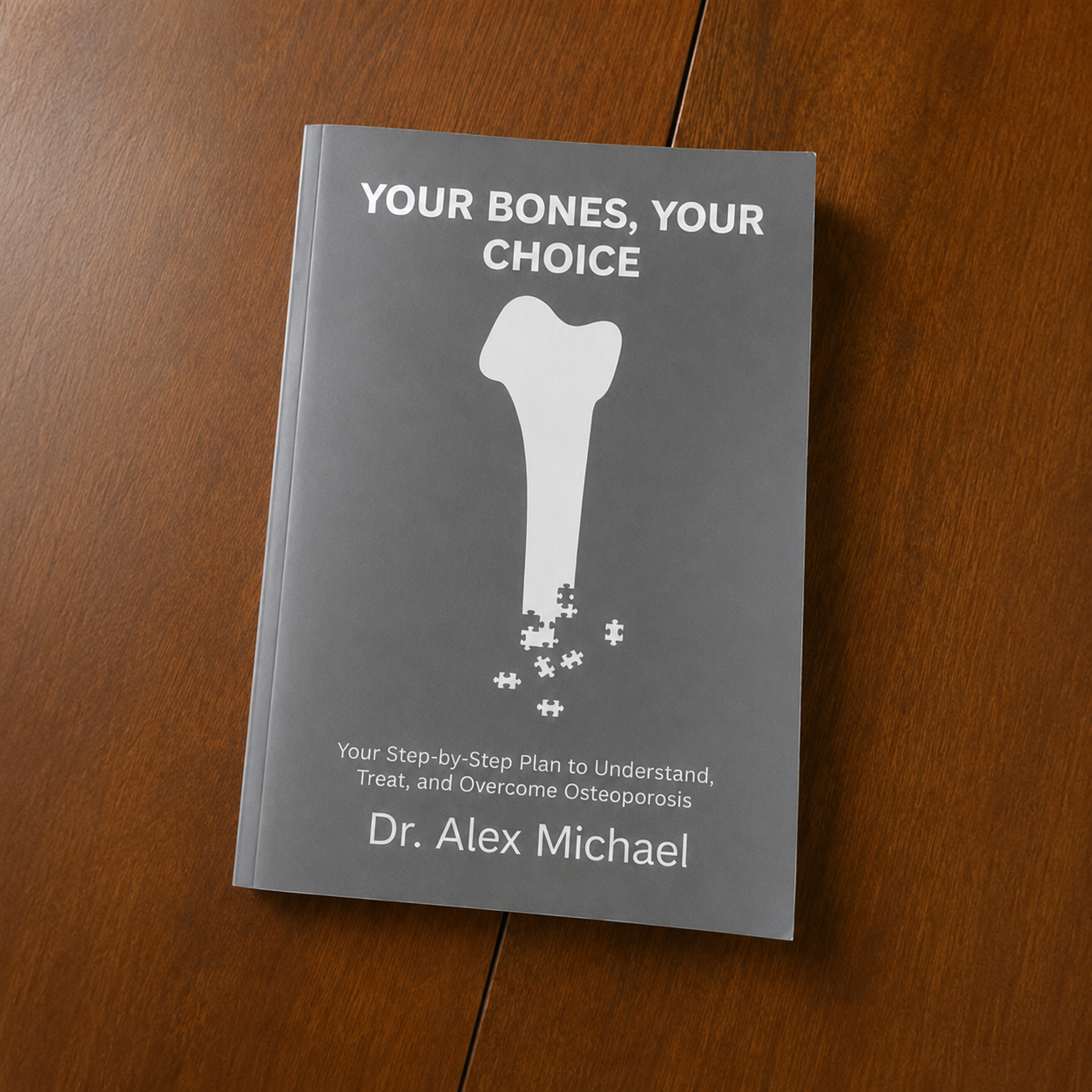
Ran for 23 days, from July 13 to August 5, 2026, the last day Crush saw it.
Run by Sandra Keller on Facebook. Crush is not the advertiser and does not verify its claims. See this ad in Meta's Ad Library(opens in a new tab)
Want an ad like this for your product?
Crush makes new ad images for your product from this ad: your logo, your product photo, your offer.
Trials from $19.95 USD, then $79.95 USD a month. Cancel anytime.
About this ad
- Meta Ad Library ID
- 1039086885145473
- Platforms
- Facebook, Instagram, Audience Network, Messenger and Threads
- Relaunches
- 0
Ad text
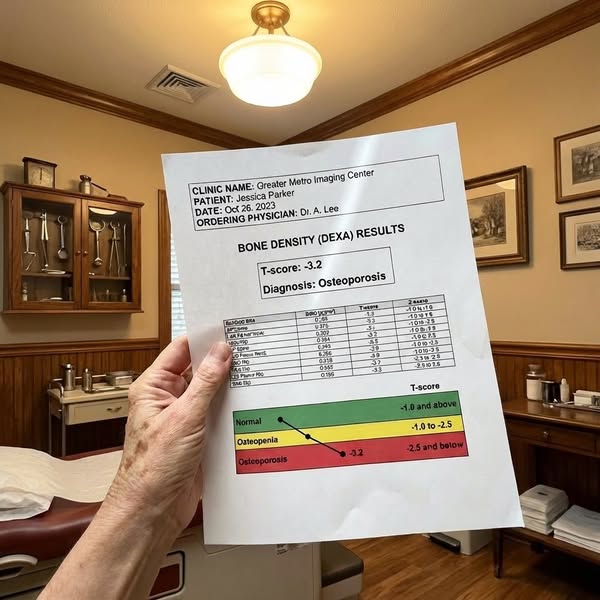
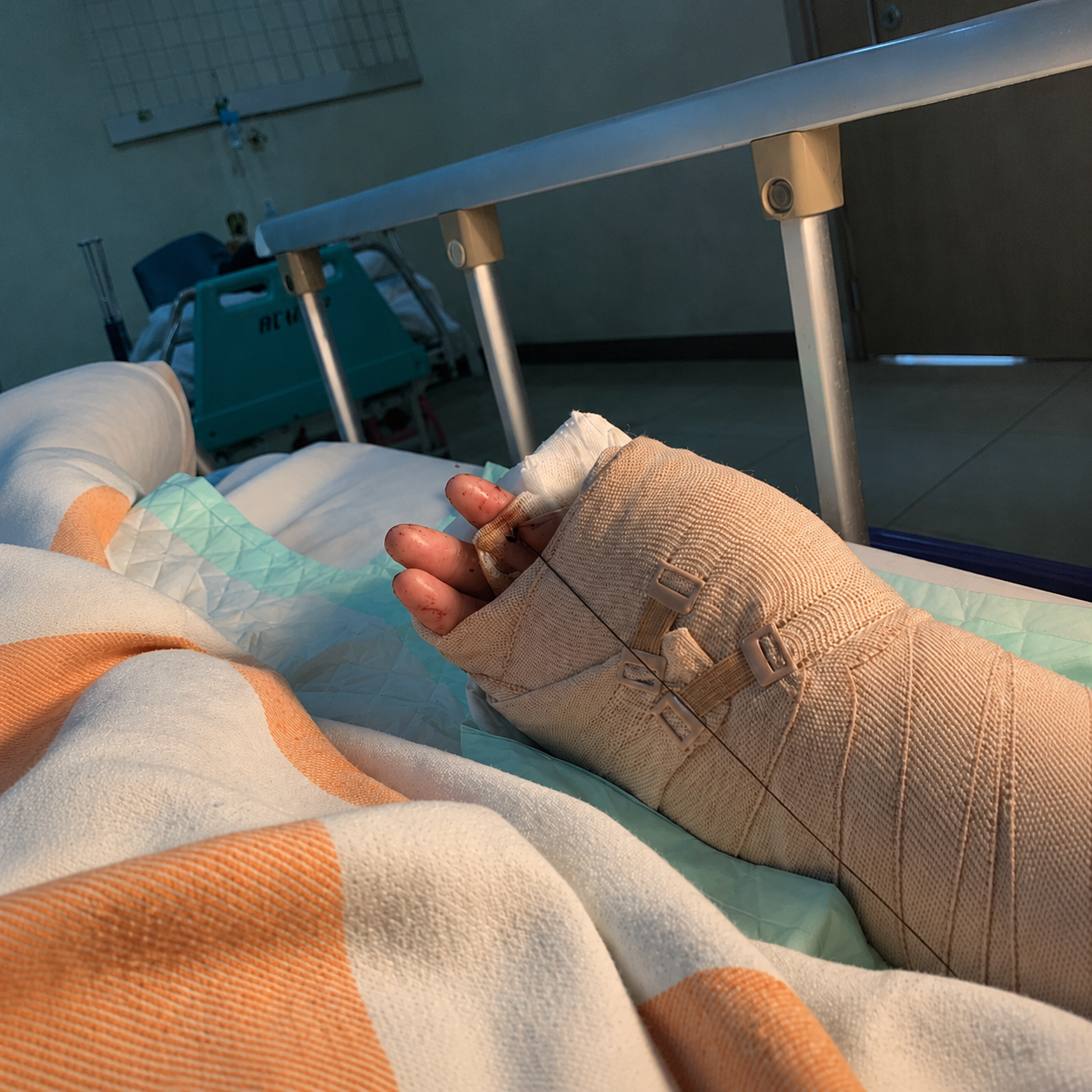
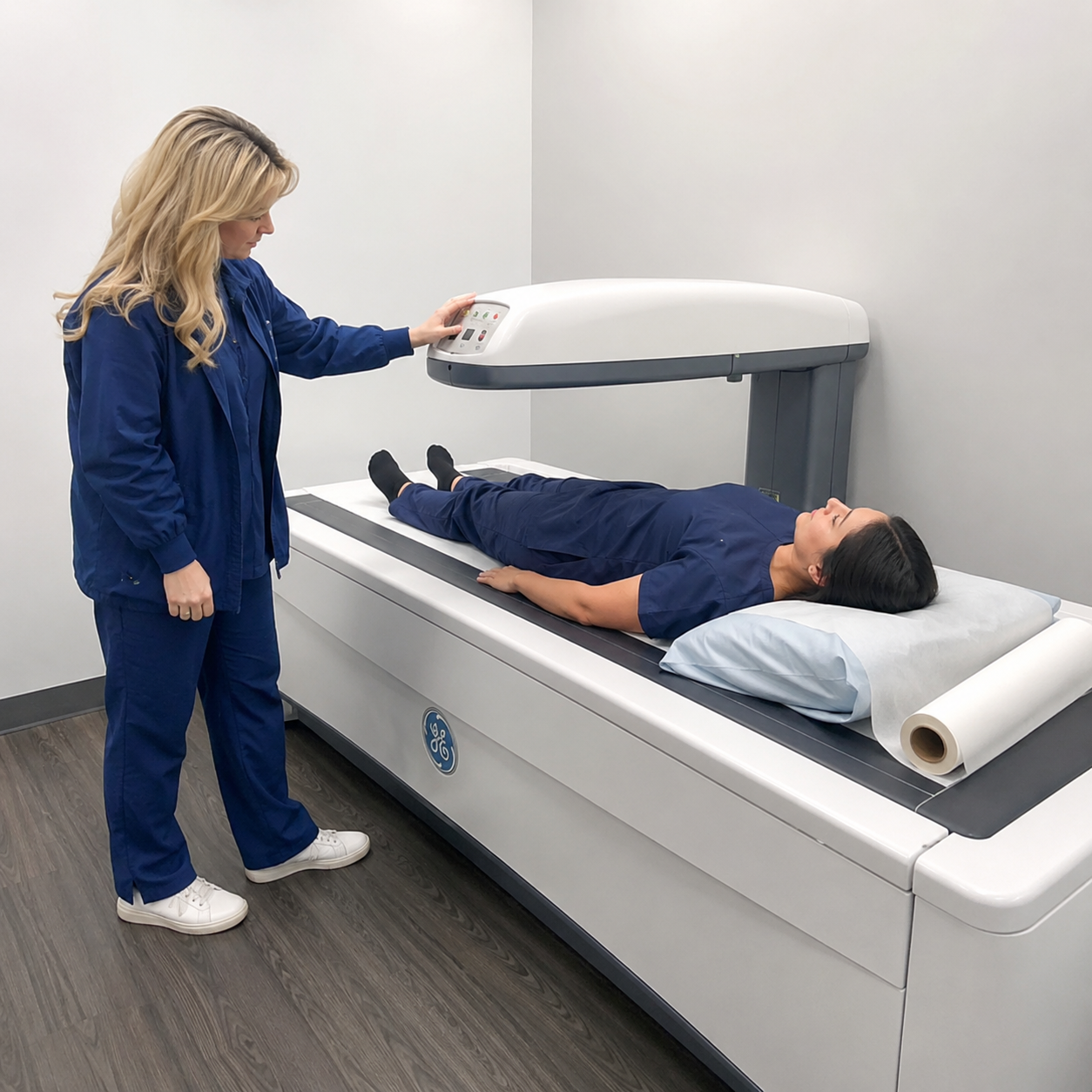
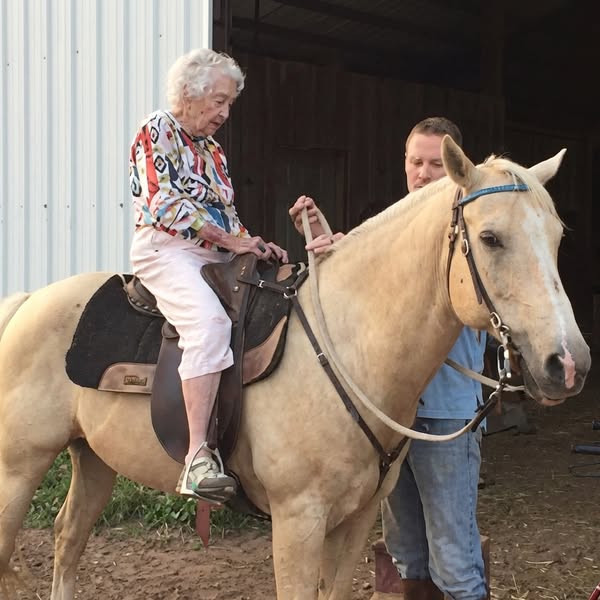
I was told my osteoporosis was irreversible at 57. I'm 69 now. Turns out my bone-building cells were never actually slowing down. They were starving. For twelve years, I "managed" a condition nobody ever actually explained to me. Twelve years of D3 every morning, the bioavailable form the bone forums said to take, swallowed faithfully with breakfast and never missed a day. Twelve years of K2 MK-7 with lunch, the form that's supposed to direct calcium to bone instead of arteries, never skipped. Twelve years of magnesium glycinate at night, then magnesium threonate when the glycinate didn't move my numbers, then the expensive German one a woman on Reddit recommended, three brands tried and three brands failed. Twelve years of premium grass-fed collagen with Fortibone in my morning coffee, the one with the published clinical data on bone density. Twelve years of AlgaeCal Plus, the forum favorite, the one with the clinical trial, on autoship the entire time. Twelve years of three-mile walks every single day, with a weighted vest by year three, on icy days, on rainy days, on the days my lower back ached so badly I could barely tie my own shoes. Twelve years of doctors who looked at my DEXA reports, nodded slowly, and told me "we'll just keep monitoring it" like that was a plan. I did everything they asked. I cut alcohol. I cut sugar. I added prunes, sardines, kale. I added Boron. I added Selenium. I added hydroxyapatite. I went on HRT when my endocrinologist recommended it as the gold-standard answer for postmenopausal bone protection. Two years on it. My T-score still moved the wrong way. I spent well over two hundred dollars a month on supplements. AlgaeCal. Strontium boost. Boron. Hydroxyapatite collagen. Online programs from the bone-loss doctors on YouTube. Vibration plates I used ten minutes a day. The math came out to more than thirty thousand dollars across twelve years. When that didn't stop the progression, my GP sent me to an endocrinologist. She ran a full bone panel, ordered a follow-up DEXA, sat down with me afterward, and said the loss was real, it was progressing, and it was consistent with everything I'd been describing for years. More scans after that. Your bones are thinning faster than the protocol can slow them, they told me. Which sounded serious but explained nothing about what to actually do about it. Blood work ruled out the obvious causes. "We don't always find a clear reason," my endocrinologist said. "Sometimes the body just does this after menopause. Very common in your age range." She mentioned Fosamax. Said it was the standard of care. That it would slow the loss and reduce my fracture risk. I told her I'd think about it. I'd done my research. I knew what these drugs did to women over time. The osteonecrosis of the jaw, the way the bone in the lower jaw can die in pieces. The atypical femur fracture, where the thighbone snaps spontaneously after years on the drug. The esophagus damage. The hypocalcemia. But more than the research, I knew what these drugs did to my mother. She was on Prolia for five years. One night she was eating pancakes at her kitchen table and her jaw gave out on a single bite. She was rushed to the hospital. Surgery. Rehab. She never came home. She died in the rehab center three months later. And then my neighbor Diane. She'd been on Fosamax for three years. Last spring she tripped on the curb carrying her recycling bin out — half-inch chip in the edge that had been there for years. Broke her hip on the way down. Three years into a drug that was supposed to be protecting her. Her doctor said she wouldn't last past a year. He was right. Four months later my husband Frank and I were at her funeral. And before either of them — before I was even diagnosed — there was my grandmother. I watched her crack her way to death through spinal fractures the doctors told her she "couldn't help." That was the original promise I made to myself at 28: I would not become her. I wasn't ready for Fosamax. Not yet. Not if there was anything else. So I kept trying. I bought a vibration plate. Used it ten minutes a day for months. Sold it. I tried Brick House Bones — the online program with the bone-loading sequences. Did it religiously. The protocol was real. My T-score didn't budge. I added strontium citrate. Months on it. No change. Took it off the stack. I bought a rebounder, the mini-trampoline the forums kept recommending for axial loading. Bounced ten minutes a day until my next DEXA came back worse anyway. Nothing stopped the progression. That's the part that broke me, more than the disease itself. Osteoporosis is mostly silent. That's the part nobody tells you about. Your bones thin year after year and you barely feel it. There's no real warning. Just a number on a sheet of paper, dropping a notch every two years. My first scan at 57 was -2.5 in the hip. Every two years another scan. Every two years a slightly worse number. The most recent one came back at -3.2. Severe range. The level women like my grandmother used to be at when the cascade caught up to them. The only thing I could feel was a dull ache in my lower back that I told myself was muscular. From the lifting. From the walking. From the mattress. I'd dismissed it for years. Now I know it was probably a small compression in my spine — the kind that doesn't show up as a clean fracture but isn't normal either. And I'd lost an inch and a half in height since 50. I didn't even register it until my doctor measured me and read it back to me from my chart. An inch and a half. Vertebrae compressing one millimeter at a time, silently. The Dowager's Hump my grandmother had — I was starting to see the beginning of it in my own reflection. I stopped hiking real trails. I'd loved hiking — uneven ground, rocks, roots. That was over. The risk of one bad step on a loose rock was too high. I stopped lifting the heavier laundry baskets. Frank started carrying them up from the basement without being asked. I stopped reaching for the top shelf. Frank started doing that too. I stopped getting on a step stool. I stopped walking on icy days. I stopped carrying my own suitcase through airports — Frank standing next to me at the carousel with his hand out before I could even reach. I stopped hugging my grandkids the way I used to. They'd squeeze me back and I'd flinch, thinking about a cracked rib. They were six and four. They didn't understand why grandma had gotten less hug. Stairs had become something I thought about before I took them. I held railings everywhere. I scanned every floor I walked on, every curb, every uneven sidewalk. Frank watched all of this and didn't say much, because what was there to say. He just quietly started doing things I used to do. Taking out the trash on icy mornings. Carrying things from the car. Standing close enough on stairs that he could catch me if something went wrong. I hated that. I hated needing that. I hated becoming someone who needed to be caught. And my next endocrinologist appointment was in six months. And I knew what was going to happen. The numbers would be worse. The prescription pad would come out and this time I wasn't going to have a good argument against it. I had stopped believing anything would help. I had started doing the math on Fosamax, on what "managed but not reversed" looked like for the next twenty years. On whether becoming my mother was just the price of trying to avoid becoming my grandmother. Then I ran into Susan from my old hiking group. We'd drifted apart over the years. She'd been diagnosed with osteoporosis around the same time as me, which was how we'd originally bonded. We ran into each other at the farmers market on a Saturday morning, and she was moving differently than I remembered. Light. Easy. No hesitation on the cobblestones in front of the cheese vendor. I asked her how she was doing. She looked at me for a second and said, "Honestly? Better than I've been in twelve years. I was going to reach out to you." We sat down at one of the outdoor tables. She got straight to it. "I know you've been struggling," she said. "I know because I was exactly where you are. Watching my T-score keep dropping. Running out of things to try. Looking at the Fosamax prescription and wondering if I was out of options." "What happened?" I asked. "I found out what was actually causing the loss. The reason the osteoporosis kept getting worse even when I was doing everything right." She paused. "Has anyone ever explained to you what your bone-building cells actually need to function?" I looked at her blankly. "Your bones aren't stone, Patricia. They're living tissue. Every day of your life, old bone is being torn down and new bone is being laid back in its place. Constantly. It never stops. The torn-down work is done by one team of cells. The building back is done by another. When the two are matched, your bones stay strong." I was listening. "What nobody told you is that those two teams don't need the same amount of energy to do their jobs. The construction team needs five times more energy than the demolition team. Construction is harder than demolition. And both teams run on the same fuel — a molecule called NAD+. When you were thirty, your tank was full. By forty, half. By fifty, a quarter. After sixty, less than that. The fuel just drops, year after year." "Okay," I said. "But why does that hit my bones so hard?" "Because your demolition team can do its job on fumes. They can keep tearing bone down for decades on almost nothing. But your construction team can't. They need real fuel. And when the fuel runs out, they slow down first. They stop being able to lay back what the demolition team is taking out. The demolition keeps going. The building stops keeping up. That gap is bone loss. And it's silent until it isn't. You feel nothing while it's happening. The first thing you notice is a number on a DEXA. Or worse — a fracture you didn't see coming." I stared at her. "You're telling me the energy was the main problem for bone loss?" "Yes. The osteoporosis is just the name they give it when your bones are breaking down faster than your body can put them back. But the reason they're breaking down faster is that your construction team has been starving for fuel since you were 50. Maybe earlier." "But I've been taking supplements for years," I said. "D3. K2. Magnesium. Calcium. Collagen. AlgaeCal. All of it." She nodded like she'd been waiting for me to say that. "I know. I did the same thing. And here's what took me forever to understand. When you take D3, your body does deliver it. D3 helps your gut absorb calcium. That's real. K2 directs calcium to bone instead of arteries. That's real. Magnesium is a cofactor for hundreds of reactions. Also real. Calcium and collagen are raw material. The bricks. Also real." She paused. "But if your construction team doesn't have the energy to pick up a brick, none of it matters. The cell doesn't have the power to do anything with what you're sending. It's like delivering a fleet of trucks full of lumber to a construction site where the workers haven't been paid in twelve years. The supplies are arriving. There's nobody there to use them." That hit me harder than anything anyone had ever said about my condition. "That's why the supplements didn't work. It was never a raw-material problem. It was a fuel problem. And your bones were the first thing to feel it because your construction team needs five times more energy than your demolition team." "So all those years," I said. "All those bottles. All that money. The HRT. The lifting." "You weren't failing the treatment. The treatment was failing you. It never once touched the actual reason your bone-building cells stopped working. Not a single bone supplement you took ever asked whether your cells had the fuel to use what you were giving them. They all just said 'bone support' on the label while your construction team was starving." I sat there for a long time. "So what actually fixes it?" I asked. "What gets the fuel back in?" "There's a molecule your body uses to make its own NAD+. It's called NMN. Researchers in Japan have been studying it for over thirty years. Japan's hip fracture rate in women our age is roughly half of America's. Not because Japanese women take more calcium — they take less. It's because their NAD+ levels stay higher longer. NMN supplementation has become standard in their integrative medicine clinics." "What is it?" "Nicotinamide mononucleotide. The precursor your body uses to build NAD+. The thing about NAD+ itself is that you can't just swallow it. The molecule is too big. It breaks down in your gut before it ever reaches your cells. So you can't deliver NAD+ directly. But NMN is small enough to get into your cells. Once it's inside, your body converts it back into NAD+. That's the fuel your construction team runs on." "And it actually rebuilds?" "That's the part nobody told us. NMN doesn't just slow the demolition the way Fosamax does. It puts the construction team back to work. Real building. The studies on postmenopausal women on the right cofactor stack aren't showing slowdowns. They're showing T-scores going up." She paused. "Up. After twelve years of mine going one direction, I read 'up' and I didn't believe it either." "But what about all those years of damage?" I said. "Twelve years of demolition crew outpacing construction. Doesn't that just keep happening?" "That's the other half. NMN by itself isn't enough. The stack has to include three cofactors. TMG to make sure the NMN actually converts to NAD+ inside the cell — without TMG the conversion stalls and the whole thing fails. Quercetin to clear out the senescent cells in your bone matrix that have been blocking new bone growth. And trans-resveratrol — the one ingredient in this category with a published human bone density trial showing actual gain. Together those three slow the demolition naturally, gently, while the NMN refuels the construction. Both sides come back into balance." She pulled out her phone. "When the studies were done on the right cofactor stack — stabilized NMN, clinical-dose TMG, quercetin, trans-resveratrol at the dose used in the RESHAW human trial — the women in those studies didn't just stop losing. They gained back. Postmenopausal women. Same age as us. Same disease." I looked at the screen. Then I looked at her. "So this isn't just another supplement that claims to help bones." "No. This is the thing that gives your bone-building cells the capacity to actually use every supplement you've ever taken. It doesn't replace the calcium or the K2 or the collagen. It powers the workers who use them. That's why everything else failed you. And that's why this works when nothing else did." I left that conversation and couldn't think about anything else. That night I went looking for everything I could find on the subject. Why osteoporosis keeps progressing even when you're doing all the right things. Why the standard supplements so often fall short. What I found kept pointing back to the same thing. When your bone-building cells don't have the fuel to function, it doesn't matter what raw material you give them. They can't use any of it. I found women on Reddit posting their DEXA scores year over year. Same story I'd lived for twelve years — climbing T-scores, every supplement on the shelf, nothing moving the needle. Then they found something that addressed the root. And the trajectory reversed. I texted Susan that night: "Okay. I believe you. What brand do I actually buy?" She called me the next morning. "Most NMN on the market is dead before you open the bottle. NMN is fragile. It degrades sitting in a warehouse. Most companies don't bother stabilizing it. You're paying for dead powder. And most stacks miss the cofactors entirely, or include them at trace doses — 25 milligrams of trans-resveratrol when the RESHAW trial used 75. You have to find the one that matches what the studies actually used." One brand kept coming up in everything I looked at. Rynse. Pharmaceutical-grade stabilized NMN at 500 milligrams per serving. All three cofactors at clinical-strength doses. TMG, quercetin, trans-resveratrol at the RESHAW dose. Third-party tested for potency, not just label accuracy. Made in the USA. Small batches because NMN goes weak sitting in a warehouse. No fillers. No heat processing. 180-day money-back guarantee. After twelve years of things that didn't work, six months of one more try wasn't going to break me. I ordered the six-bottle that night. The package arrived eight days later. Two capsules with water every morning. That was the whole protocol. I started the morning after the bottle arrived. I expected nothing. I had trained myself to expect nothing. By the end of the second week, I noticed the dull ache going into sleep was slightly different. Not gone. Just quieter. Less aggressive than usual. I'd fooled myself before. I didn't let myself think about it. I kept taking it. **Week three:** I slept through the night. The ache that had been waking me at 4 AM — it didn't wake me. I woke up at 6:30 naturally, in the same position I'd fallen asleep in. I was laying there for a moment before I moved, just taking that in. I hadn't slept through the night in years. **Week four:** Frank said something over breakfast. "You're standing up differently." He wasn't trying to be kind. He looked almost confused. "Your shoulders. Your neck. You're up straighter." **Month two:** I picked up the heavy laundry basket from the basement and carried it up without thinking about it. I was standing in the kitchen folding sheets before I realized what I'd just done. I sat down on the floor and cried for a minute. Such an ordinary thing. Such a small thing. **Month three:** The dull ache in my lower back I'd been carrying for years — gone. Not "quieter." Gone. **Month four:** I went hiking with Susan for the first time in seven years. We took a real trail — not the paved loop at the park. Rocks. Roots. Uneven ground. The whole time, I wasn't bracing for the one wrong step that was supposed to snap a hip. I just felt strong. **Month five:** I caught my reflection in a store window and didn't recognize the woman walking toward me. Shoulders back. Standing tall. The early curve I'd been watching in the mirror for two years had visibly straightened. I stood there for a full minute looking. I looked younger than I'd looked in five years. **Month six:** I went back to my endocrinologist for the follow-up DEXA. Two weeks before the appointment, I went in for the scan. The day of the appointment, I sat across from her in her office. She had the report up on her screen. She looked at the screen, then looked again, then looked at me. My hip had been -3.2. The new number was -2.7. My spine had been -2.9. The new number was -2.4. Both had moved. In the direction every doctor I'd seen in twelve years had told me they couldn't. The hip had moved out of the severe range. She asked me — and I could tell she was choosing her words with care — if I had been doing something I hadn't told her about. I told her the truth. That I had said no to the prescription. That I had spent months reading. That I had learned my bone-building cells run on a fuel that drains away with age, and that I had been taking NMN with the three cofactors that go with it, to put that fuel back. That I had found the research through other women, not in her office. She typed Rynse into her notes. Read for a long time. Looked through the documentation I emailed her that afternoon. Then she said, "Mrs. Reeve — continue what you're doing. Back in six months. If your numbers hold or keep moving, we'll continue quarterly monitoring. No drug." She didn't write the prescription. That was six months ago. Last week I went in and paid for another DEXA myself. Hip -2.4. Spine -2.0. Still moving. For six months, the trajectory that had been climbing for twelve years has simply reversed. Two scans in a row showing the same thing. I've been back on trails. Real trails. Not the difficult ones yet. But real terrain, real elevation, with Frank walking next to me instead of behind me with his hands ready. I walk without scanning the ground. Without counting my steps. I hug my grandkids the way I used to. They squeeze back and I squeeze harder. Last month I lifted my own suitcase off the carousel. Here's what I need you to understand. If you've tried bone supplements and they didn't work, it wasn't a failure of natural solutions. It wasn't that your body is different, or that you're unlucky, or that you just have to accept the progression. It was that you were taking supplements while your bone-building cells didn't have the fuel to use them. Your NAD+ tank had been draining since your thirties. Full at thirty. Half at forty. A quarter by fifty. Less than that after sixty. And because your construction team needs five times more energy than your demolition team, your bones were the first thing to feel it — no matter how many bricks you delivered. You weren't failing the treatment. The treatment was failing you. It never once touched the actual reason your bone-building cells stopped working in the first place. NMN fixes that. Not by masking anything. By giving your construction team the fuel it's been starving for. By powering the workers who use every other supplement you've been taking. And when that system starts working again, your bones — which were the first to fail — are the first to respond. But only if the NMN is stabilized. Only if the dose hits 500 milligrams per serving. Only if the stack includes TMG, quercetin, and trans-resveratrol at the doses the studies actually used. If a brand fails any one of those, you'll think NMN doesn't work and you'll be right back where you started. Rynse is the only brand I've found that hits every one. Stabilized pharmaceutical-grade NMN. 500 milligrams per serving — exactly what the research uses. TMG at clinical dose. Quercetin at clinical dose. Trans-resveratrol at the RESHAW human-trial dose. Third-party tested for potency, not just label accuracy. Made in the USA. Small batches because NMN goes weak in a warehouse. No fillers. No heat processing. Right now if you buy three bottles, they're sending three more for free. But Rynse is a small operation. They make everything in small batches to preserve the active compound. When they sell out, it's usually three to four weeks before the next batch is ready. 180 days to try it. If your numbers haven't moved at your next DEXA, full refund. No questions asked. But if it works? If by week two the ache going into sleep is a little quieter? If by week three you're sleeping through the night again? If by month two you're carrying your own laundry basket up from the basement? If by month three the ache in your lower back is gone? If by month four you're hiking real trails again, walking without scanning the ground? If by month five you catch your reflection in a window and the curve in your shoulders is straightening? If by month six your DEXA has moved in a direction it hasn't moved in twelve years? You'll wish you started twelve years ago. I know I do. 👉 https://tryrynse.com/pages/bone-complex-adv You don't have to keep watching your bone-building cells starve while the prescription pad waits.
Where the ad sends people
tryrynse.com
The Reason Your DEXA Numbers Won't Move
Rynse
Learn more: tryrynse.com(opens in a new tab)