Sandra Keller
Sandra Keller Facebook ad: “Why Your Calcium Isn't Helping Your Bones”
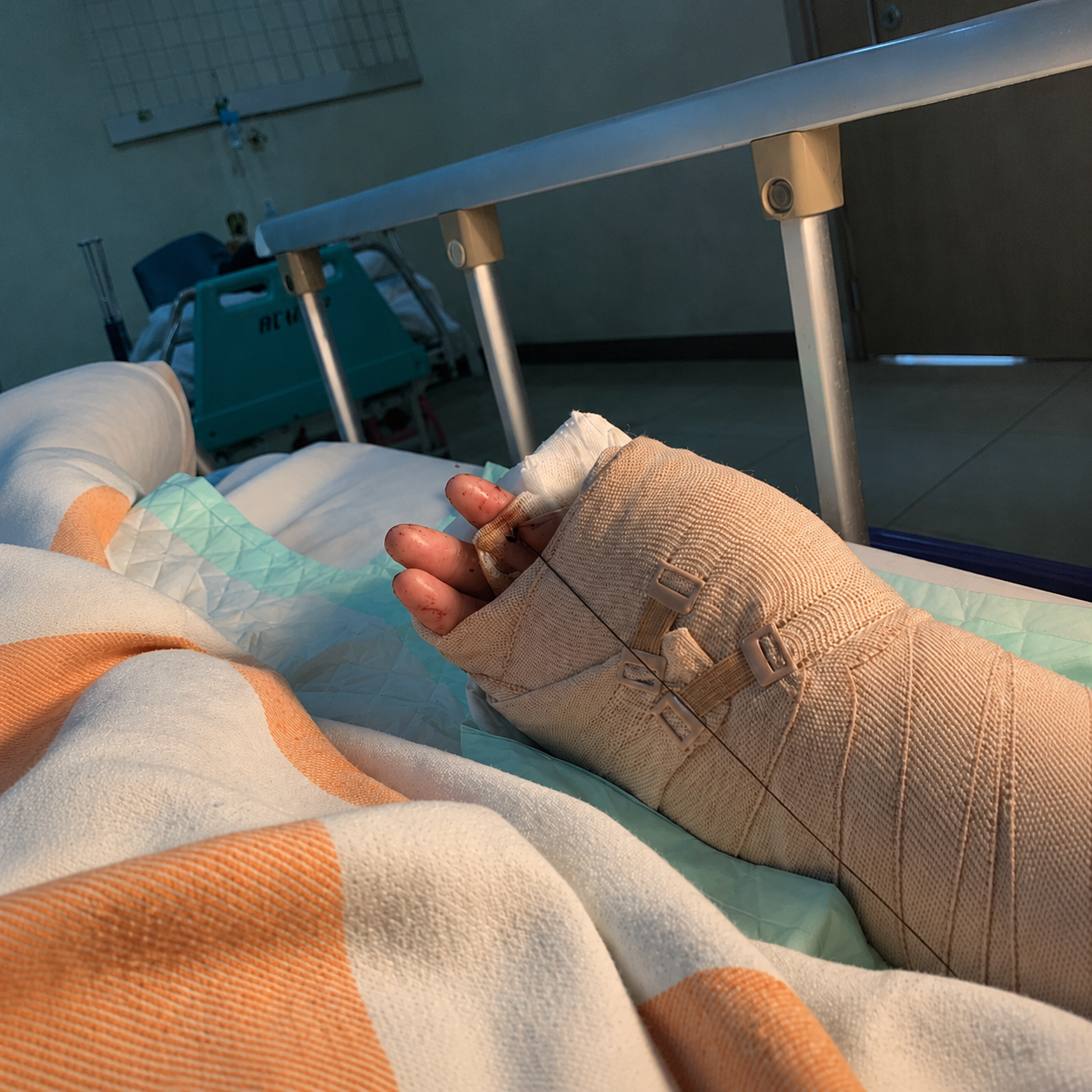
Ran for 31 days, from July 15 to August 15, 2026, the last day Crush saw it.
Run by Sandra Keller on Facebook. Crush is not the advertiser and does not verify its claims. See this ad in Meta's Ad Library(opens in a new tab)
Want an ad like this for your product?
Crush makes new ad images for your product from this ad: your logo, your product photo, your offer.
Trials from $19.95 USD, then $79.95 USD a month. Cancel anytime.
About this ad
- Meta Ad Library ID
- 871503855643846
- Platforms
- Facebook, Instagram, Messenger and Threads
- Relaunches
- 0
Ad text
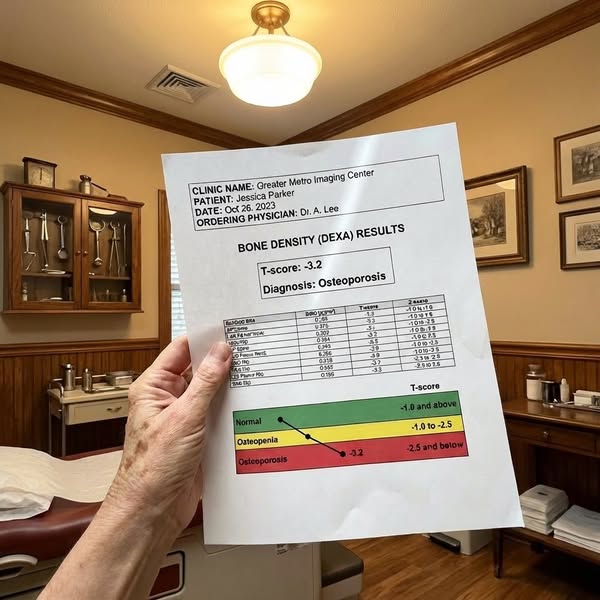
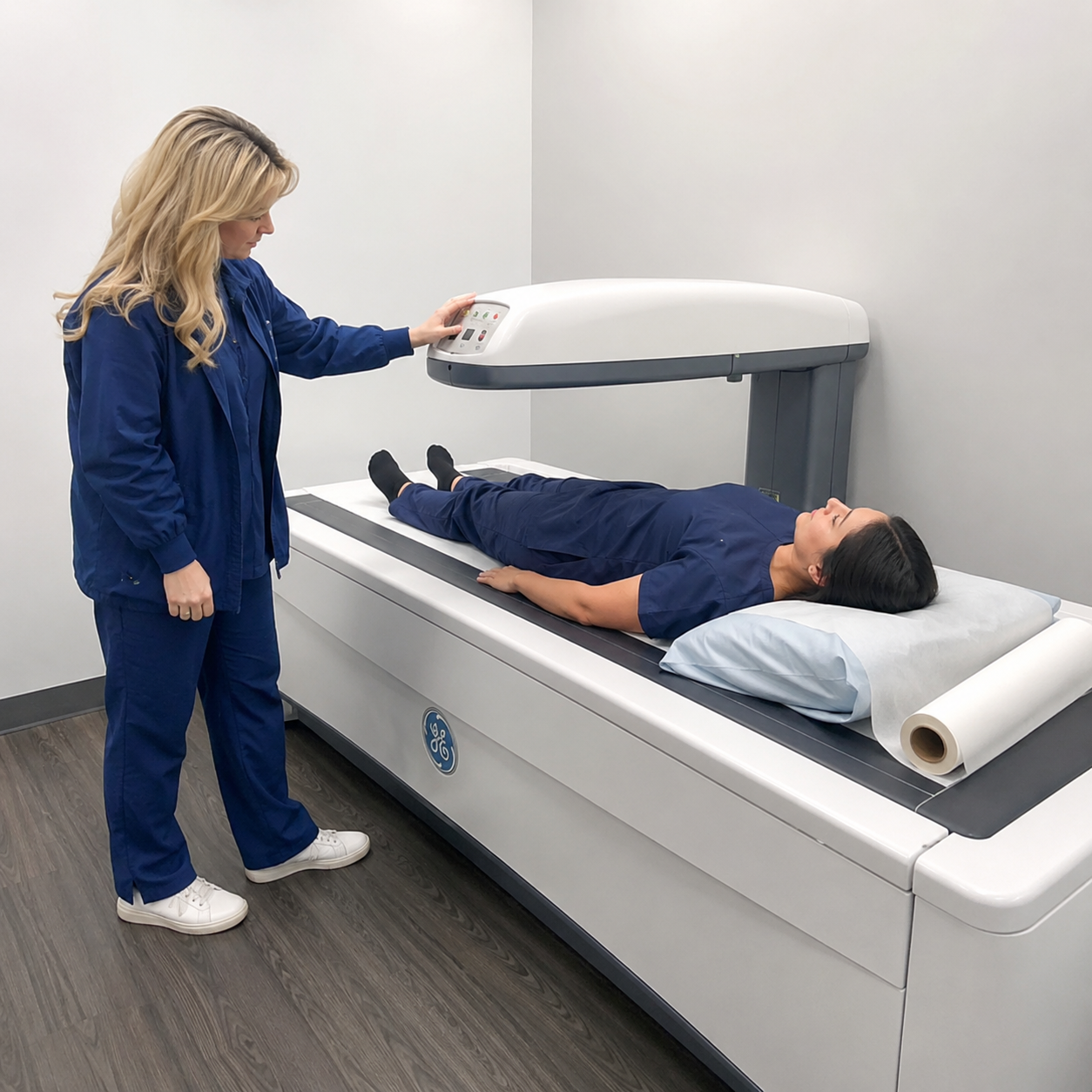
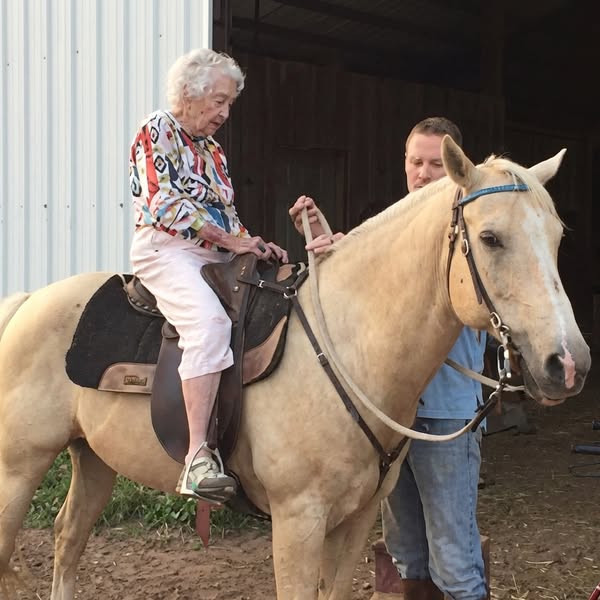
My mother had osteoporosis. She took her calcium every day and her bisphosphonate medication every week for seven years. She fractured her hip anyway. And I nearly walked into the same trap. By the time you finish reading this you are going to be furious. Because right now three things are happening. One — you are a postmenopausal woman watching your bone density decline on every scan while doing everything you were told to do. The clock is ticking toward a bisphosphonate prescription you are dreading and a conversation you do not know how to refuse. Two — the healthcare system is steering you toward drugs that slow the damage but never fix what is actually broken underneath. Drugs that keep your numbers stable while the underlying delivery failure continues uncorrected. Three — there is a supplement industry making billions selling calcium and minerals to women with osteoporosis and osteopenia that forty years of research have never shown to reliably prevent a single fracture. And they are selling it to you right now. Probably in a bottle on your counter. Let me tell you my mother's story. Because what happened to her is going to show you exactly how broken this really is. My mother was 64 when she got her first DEXA scan. She felt completely fine. Active. Sharp. Still in her garden every single morning before the rest of the house was awake. She only went because her doctor suggested it at a routine check-up. A precaution. Nothing urgent. The result: osteopenia. T-score minus 1.7. Her doctor handed her a calcium leaflet and said come back in two years. Two years later her scan showed osteoporosis. T-score minus 2.6. Her doctor prescribed Fosamax. A bisphosphonate medication. She took it every single week for seven years without missing a single dose. Every Wednesday morning. Same time. Same ritual. Full glass of water. Thirty minutes sitting upright afterward. She moved a wooden chair to the kitchen window for those thirty minutes. I used to call it her Fosamax chair. She thought that was funny. The acid reflux came within the first year. So severe she could not lie flat without burning. She slept propped up with four pillows for three years and never once complained about it to her doctor because her T-score was holding. The nausea settled in by year two. Wednesday afternoons cleared of all plans. She learned not to schedule anything until after 3 PM. She said she had gotten used to it. Year three. The jaw pain. A dull persistent ache that came and went. Her dentist could not find the source. Her GP said probably unrelated. Her specialist said monitor it. She stayed on the medication anyway. Because her T-score was stable. Not improving. Not rebuilding. Stable. Seven years of stable. Then one ordinary Tuesday morning she reached for a tin of soup on the second shelf of the kitchen cupboard. A reach she had made ten thousand times. Nothing on the floor. No slip. No stumble. Her hip fractured before she hit the floor. Surgery the next morning. Six weeks in a rehabilitation center. The woman who had been in her garden every single morning of her adult life — who had built that garden over thirty years — staring at a ceiling learning to use a walker. She never went home again. Gone sixteen months after that fracture. And her T-score had been stable for seven years. I was 54 when I went through menopause. Not the slow fade some women describe. The tide going out completely. Hot. Sudden. Unmistakable. And I knew from everything I had watched with my mother that this was the moment when something began happening to my bones that I could not see or feel. I booked my first DEXA before my doctor suggested it. I sat in the waiting room thinking about the Fosamax chair by the kitchen window. About the garden she did not get back to. The result: T-score minus 1.9. My doctor handed me a calcium leaflet. The same leaflet my mother had been handed fifteen years earlier. Same recommendations. Same supplements. Same advice. As if nothing had been learned in fifteen years. As if that leaflet had not been the beginning of a path I had just watched reach its end. I sat in my car in the hospital car park and could not move for a long time. Because I knew exactly where minus 1.9 goes if nothing changes. I had watched it go there. Slowly. Across seven years of calcium and Fosamax Wednesdays and DEXA scans that said stable right up until that Tuesday morning in the kitchen. I was not going to follow that path. So I did everything they tell you to do. Everything. Every recommendation. I researched until I understood the difference between calcium carbonate and calcium citrate. I chose citrate. Better absorption in lower-acid environments — I had read the studies. Not a token dose. 1200mg split across two doses daily, timed away from my thyroid medication. I researched K2 forms. MK-7 not MK-4. The MK-7 form has an active half-life of 72 hours. MK-4 clears the body within hours. I took 180mcg. The clinical dose. Vitamin D3 at 5000 IU. Not a token dose. Real absorption support. Magnesium glycinate at night. Better absorption, minimal gastric side effects compared to oxide or carbonate. 400mg. Collagen peptides every single morning in my coffee. 10 grams. Type I and III specifically. Resistance training four days a week. I hired a trainer for three months to make sure I was loading the right areas. I bought a weighted vest for my morning walks. Four miles every morning with that vest on. I was religious about it. My husband joked that I had more of a morning routine than a morning. $160 a month on supplements and training. Thirteen months of perfect compliance. Follow-up scan: T-score minus 2.2. Declining. Thirteen months of doing everything right. Still declining. I sat in my car after that third appointment and I thought: I am becoming her anyway. My doctor — who I liked, who genuinely tried — pulled up the scan and reached for her prescription pad. I looked at her. "I watched my mother take Fosamax for seven years," I said. "I watched what happened." She was quiet. "I know," she said. "The risks are real and the side effects are significant. But so is the trajectory you are on. Your fracture risk is rising every month you wait." "Does alendronate rebuild bone," I asked. "Or does it slow the loss." Silence. "It prevents further deterioration," she said. "It reduces the rate of decline." "So it would do what my mother's Fosamax did," I said. "Keep the numbers stable." She did not have an answer to that. I took the information sheet. I folded it. I put it in my bag. "Give me three months," I said. "I need three more months." She was not pleased. She went through the fracture risk statistics again. She said we needed to be aggressive. I held firm. Three more months. I walked out of that office furious. Not at my doctor. She was doing what the system had trained her to do. What the infrastructure supported. What the liability required. I was furious at forty years of the same recommendations producing the same outcomes. At a calcium leaflet that had not changed in fifteen years. At the fact that I had spent thirteen months doing everything right and my bones were still declining. At the fact that the only answer anyone had was the exact drug that had kept my mother's numbers stable for seven years while her bones quietly failed underneath. I started asking questions nobody seemed to want me to ask. Why has calcium supplementation been recommended for bone health for forty years when the clinical evidence for fracture prevention is, at best, weak? Why does every meta-analysis reviewing tens of thousands of women show calcium supplements produce only marginal and non-sustained improvements in bone density? Why do bisphosphonates prevent some fractures in the short term but leave the underlying biology of bone construction completely unaddressed? And the question that kept me awake. Why did my mother's T-score stay stable on Fosamax for seven years and her hip still fracture on a reach for a tin of soup? I went to the research the way I approached every problem I had given my students over twenty-two years of teaching science. From first principles. Not wellness blogs. Not supplement websites. Not the kind of content that is paid to recommend products and dressed up as education. PubMed. Published clinical research. Peer-reviewed journals. The actual primary literature. And I started with a question nobody had pointed me toward before. Not how to improve bone density. I had exhausted that direction. I asked: why does calcium supplementation consistently fail to prevent fractures in women who take it faithfully for years? That question took me somewhere the calcium leaflet had never pointed me. The study I found was from the University of Auckland. The title stopped me: Skeletal Calcium Retention from Dairy Matrix versus Isolated Calcium Supplementation — a comparative bioavailability analysis. I read it completely. Then I read it again. Here is what it showed, in language that does not require a medical degree. When you swallow isolated calcium — calcium with nothing around it — it reaches your small intestine as a free mineral. In the alkaline environment there, it immediately encounters phosphates and reacts with them. It precipitates. It becomes insoluble. Your gut wall cannot absorb what it cannot dissolve. Most of it is eliminated before it ever reaches your bloodstream. What small fraction does absorb enters your blood without instructions. No signal. No direction. No escort to the skeleton. It circulates. It deposits wherever circulation takes it — in soft tissue, in arterial walls. Not bone. The Auckland researchers compared this against calcium delivered inside a whole-food dairy matrix. Same mineral. Same dose. The only variable was the delivery system. The dairy matrix group showed 2.5 times greater skeletal retention. I read that number three times. Two and a half times. I thought about thirteen months of calcium citrate. Correct form. Split doses. With food. Carefully timed away from my thyroid medication because I had read that timing matters. Two thirds of it, by the Auckland data, likely never reached my skeleton. I was not taking bone nutrition. I was flooding my gut with mineral that did not have what it needed to get through. And I sat back and thought about my mother. Seven years of Fosamax. Seven years of that Wednesday morning ritual, the chair by the window, the acid reflux and the nausea and the jaw pain she tolerated because stable was the goal. And before the Fosamax — years of calcium supplements that probably delivered the same result mine had been delivering. The mineral arriving at the gut, precipitating, being eliminated, what little reached the blood depositing wherever circulation took it. The problem was never her compliance. The problem was never mine. The problem was category. We had been putting the right mineral in the wrong vehicle for forty years and telling women it was enough. I kept reading. I could not stop. The Auckland paper referenced a study from the Jagiellonian University in Kraków. Polish researchers who had spent years studying elderly women in the Tatra Mountain villages of southern Poland. The Górale. The highland people who had farmed those mountains for centuries. What they found did not fit any model I had been working from. Women in their seventies and eighties with bone density measurements the researchers described as inconsistent with expected age-related decline. Dense bones. Structurally intact. Fracture rates far below the surrounding urban populations — populations that were taking calcium supplements, following clinical guidelines, doing what the leaflet said. The Górale women were not. No supplements. No medication. No DEXA monitoring protocol. No calcium leaflet. Dense bones. Intact structure. Low fracture rates. The researchers spent years eliminating explanations. It was not genetics — they controlled for that rigorously. It was not altitude or activity level alone — other mountain populations at similar altitude with similar physical demands did not show the same pattern. It was something these women consumed every single day. Something so woven into the daily rhythm of highland life that it barely registered as a choice. Something their mothers had consumed and their grandmothers before them, back further than anyone could trace. Goat milk. Fresh. From traditional herds. Every morning. For their entire lives. I almost moved on. I had read about dairy and bone health before. Calcium content. I knew that story and the Auckland data had already shown me the flaw in it. Calcium content was not the variable. But I kept reading because it was 2:30 in the morning and I was still furious and I had nowhere else to go. This was not about calcium content. During the digestion of goat milk proteins, specific peptide fragments are released. The researchers identified them as Casein Phosphopeptides — CPPs. These proteins have one biological function: they bind to calcium ions in the gut and hold them in solution. They physically prevent the precipitation that makes isolated calcium unabsorbable. They escort calcium in a dissolved, bioavailable state all the way through the intestinal wall and into the bloodstream. That is why the absorption numbers in the Auckland study were different. Supplement calcium arrives alone. No escort. Precipitates. Gets eliminated. Dairy matrix calcium arrives with CPPs already bound. It gets through. But that was not the piece that made me sit with my hands flat on the table. This was. During digestion, a second class of peptides is also released from goat milk proteins. These peptides do not stay in the gut. They travel to bone cells directly. They bind to osteoclasts — the cells whose only function is to break bone down — and they suppress them. At the same time they activate osteoblasts — the cells whose only function is to build bone back up. The food does not just deliver calcium to the bone. It tells the bone what to do with it. Your calcium supplement delivers mineral to a system that has no instruction for what to do with it. The signal is missing. The construction crew never gets a call. The demolition crew runs without restraint. I thought about my mother's Fosamax. Bisphosphonates suppress osteoclasts through a pharmaceutical mechanism. That is all they do. That is the entirety of their action on bone. They slow the demolition. They do not activate the construction crew. They do not restore the signal. They do not deliver calcium with an escort that allows it to reach the skeleton. They produce stable numbers while the underlying delivery failure continues month after month, year after year. Stable does not mean rebuilding. Stable means the demolition is slightly slower while the construction crew stands idle. Seven years of stable. A hip fractured on a Tuesday morning reaching for a tin of soup. The Górale women had been doing something simultaneously that the entire supplement industry and the entire pharmaceutical model had never replicated. They were eating a food that addressed both sides of bone biology at once — delivery and signal — in the way the body evolved to receive it. Because the food had never been broken into components, isolated, and sold in capsules. It arrived intact, with every mechanism the body needed to use it. We replaced that food with isolated minerals. Then spent forty years wondering why the isolated minerals did not perform the same way. I need to tell you about the processing problem. Because this is the point where most people who understand the mechanism still fail to benefit from it. When I spent the morning after this research looking for goat milk powder products, I found something that nearly stopped everything. Most commercial goat milk powder is manufactured using high-heat spray drying. The process is fast and cheap. It also destroys casein phosphopeptides. The heat denatures the proteins. The CPPs are gone. The signaling peptides that suppress osteoclasts and activate osteoblasts are gone. The exact biological machinery that makes goat milk function differently in the body than isolated calcium — the machinery the Górale women were benefiting from every morning — does not survive standard commercial processing. You end up with a bag that says goat milk on the label. The calcium content is the same. The protein profile looks comparable on a nutrition label. But the biology is dead. You are buying the same isolated calcium delivery problem in a different package. Different label. Same failure. I needed something specific. Low-temperature processing designed to preserve the protein structure intact from the point the milk leaves the animal to the point it reaches your gut. Single ingredient — no gums, no maltodextrin, no emulsifiers, no fillers that could interfere with CPP function or binding capacity. Grass-fed traditional herds, because the bioactive peptide profile in the milk depends on the diet and rearing conditions of the animals — not the industrial high-volume operations that maximise yield at the expense of composition. Sealed half-pound bags, because oxygen degrades bioactive proteins and a large container opened and closed every day is exposing the powder to oxidative damage with each use. I went through every brand I could find with those four criteria. Most failed the first criterion. High-heat spray dried was on the label or confirmed by the company when I contacted them directly. Several passed the processing question but added maltodextrin. Several had no grass-fed sourcing information available at all. Then I found a thread in an osteoporosis forum I had been reading for weeks. Someone had posted that her DEXA showed improvement for the first time in four years. Not stabilised. Improved. She described what she had changed. No other variables. One product. Rynse Goat Milk Powder. I looked it up with the full scepticism of someone who has spent months being disappointed. I checked every aspect against the criteria I had spent weeks building. Low-temperature dried — specifically to preserve the CPP profile and signaling peptide structure. Confirmed. Not the standard spray-drying process. The temperature-controlled process used at a meaningful added cost precisely because the bioactive proteins require it. Single ingredient. Pure goat milk powder. Nothing added. No gums to improve solubility. No maltodextrin to reduce cost. No emulsifiers for texture. The milk. Nothing else. Nothing that could bind with CPPs or interfere with their function in the gut. Grass-fed sourcing. Traditional herds. Not industrial dairy operations optimised for volume. The animals raised in the conditions that produce the bioactive peptide profile the research was built on. Third-party tested. Certificate of Analysis published. Not a company claim — an independent verification of what is actually in the product. Heavy metals screened. Protein content confirmed. The transparency that a product built around a mechanism rather than a marketing claim should have. Half-pound sealed bags. Not the large containers that convenience requires you to open every day and expose to air. Sealed portions because the proteins inside are bioactive and oxygen degrades them. Before you buy anything for bone health I want you to ask four questions. Do not spend money until you can answer yes to all of them. Is it low-temperature processed — specifically to preserve the CPP profile? Not generic spray-dried goat milk powder with goat milk on the label. Is it single ingredient with nothing added — no gums, no maltodextrin, no fillers that could interfere with CPP binding function? Is it sourced from grass-fed traditional herds — not industrial high-volume dairy operations where yield has been optimised at the cost of composition? Is it third-party tested with a published Certificate of Analysis you can actually read before you order? Most products on the market fail at least two of these questions. Many fail all four. Rynse passes every one. I ordered it that night. Two bags. I want to be honest about where I was. I was not hopeful. I had been disappointed too many times by products that claimed mechanisms they could not deliver. I had spent thirteen months doing everything right and produced a declining scan anyway. I had earned my scepticism. What I had that I had never had before was a baseline measurement I could track before I needed to wait six months for a DEXA. I requested a CTx-1 blood panel from my GP. A bone resorption marker. It measures how actively your osteoclasts are breaking bone down in real time. It gives you data in weeks, not months. It shows you what is happening at the cellular level before a DEXA can show you the result. My baseline CTx-1: 0.54 ng/mL. Upper end of the expected range for my age. My osteoclasts were running hard. I started mixing two tablespoons of Rynse into my morning coffee on a Monday. I did not stop my other supplements. I just added it. I gave myself twelve weeks. Week one through three — nothing I could measure. I did not expect to feel anything. I tracked my sleep and my morning stiffness as proxy signals for systemic inflammation, because gut inflammation responds before bone density does. Both were slightly improved by week three but I did not trust the signal. Too easy to imagine. Week six I retested my CTx-1. 0.31 ng/mL. Down from 0.54. I stared at that number for a long time. I had never seen that number move. Not in two years of supplements. Not in thirteen months of the full stack. Not once. My osteoclast activity had dropped by more than 40% in six weeks. I called my GP. She ran it again to confirm. 0.29 ng/mL at retest. "That is a significant shift," she said. "What have you changed?" I told her what I had added. She was quiet while I explained the CPP mechanism, the signaling peptides, the Jagiellonian University research on the Górale, the processing problem with standard goat milk powder. She typed while I talked. "The dairy matrix research is real," she said when I finished. "I am familiar with some of it. We do not go there in clinical practice because there is no dosing protocol. There is no prescription I can write for a food. There is no infrastructure for food as a clinical bone intervention. So we default to what fits the system. I am not defending that. I am just telling you why." She looked at my CTx-1 results. "Whatever you are doing — keep doing it." At week twelve my CTx-1 was 0.26. The shift had held and deepened. At six months I went for my DEXA. I almost did not want to look. T-score minus 1.8 at the lumbar spine. Up from minus 2.2. The first improvement I had ever seen. My GP looked at the result. Looked at me. Looked back at the screen. "That kind of movement does not happen without medication," she said. "Not in that timeframe." She ran the comparison three times to make sure she was looking at matched equipment and calibration. She was. "Whatever you are doing," she said. "Keep doing it." No prescription pad. No bisphosphonate conversation. I broke the pattern. Before I go further I need to be direct with you about something. This is not a replacement for medication in severe cases. If your T-score is below minus 3.0, if you have had a fragility fracture, or if your clinician has assessed your immediate fracture risk as high — speak to your doctor before changing anything. Do not stop Prolia without medical supervision. The rebound effect is real and it is dangerous. Goat milk powder works through biological mechanisms that operate over weeks and months. Severe and immediate fracture risk requires medical partnership. What Rynse addresses is the upstream delivery problem that medication cannot reach — the reason calcium was never arriving at your skeleton, the reason the construction signal went missing when your estrogen dropped. For women in the early and middle stages of declining density, that upstream intervention is where the trajectory changes. Now I need to say something about timing. Bone loss is not like a pain you can feel getting worse. There is no signal. No symptom. No indication that the delivery problem is compounding month after month. Just a number on a scan once or twice a year that shows you the aftermath of a problem that has typically been running for five to ten years before the DEXA shows it. Every month the CPPs are missing from your diet is another month of calcium precipitating in your gut before it reaches your blood. Another month of osteoclasts running without the signaling peptides that tell them to slow down. Another month of osteoblasts waiting for the activation signal that isolated supplements have never carried. The Górale women had been providing that signal every morning since childhood. They never let the gap open. For most of us the gap has been open since our estrogen dropped. The earlier you address it the more you have to work with. The deeper the resorption has progressed the longer the correction takes. Do not wait until you are sitting with a prescription in your hand and nothing left to try. Before you buy anything for bone health — before you spend another dollar on a supplement that cannot deliver on its mechanism — ask these four questions. They take two minutes. They will save you months of the wrong product and hundreds of dollars. Is it low-temperature processed specifically to preserve the casein phosphopeptide profile — not standard high-heat spray-dried goat milk powder where the bioactive proteins are destroyed before the bag reaches you? Is it single ingredient with no additives — no gums, no maltodextrin, no emulsifiers that interfere with CPP binding function in the gut? Is it sourced from grass-fed traditional herds — not industrial dairy operations where the bioactive peptide composition of the milk has been compromised by the conditions the animals are raised in? Is it third-party tested with the Certificate of Analysis published and accessible before you order — not a company claim, an independent verification? Most products on the market fail at least two of these. Many fail all four and charge premium prices for the privilege. Rynse passes every one. Low-temperature dried. Single ingredient. Grass-fed traditional herds. Third-party tested with published Certificate of Analysis. Half-pound sealed bags to protect the protein structure from oxidative degradation. Two tablespoons every morning. In coffee, in oatmeal, in a smoothie. That is the protocol. Not fourteen supplements timed across the day. Not a Wednesday morning ritual with thirty minutes sitting upright waiting for the acid reflux to arrive. The food. Two tablespoons. Every morning. Get a baseline CTx-1 blood panel before you start. Ask your GP — it is a standard bone resorption marker and the request is straightforward to justify. Retest at six to eight weeks. That is your early signal. DEXA at six months is your confirmation. Let the numbers tell you. Not a feeling. Numbers. The risk on your end is zero. Full refund if nothing changes. No questions asked. My mother was in her garden every single morning of her adult life. She built that garden over thirty years. Every plant, every border, every morning of deadheading and pruning and kneeling in the dirt was hers. It was the first thing she did when she woke and on the days she could not get out there it was the thing she talked about not being able to do. She did everything she was told. Calcium. Seven years of Fosamax, every Wednesday morning without missing a single dose. T-score stable the entire time. Nobody told her the calcium had nothing to help it reach her bones. Nobody told her the signal that should have been activating her bone-building cells had gone missing when her estrogen dropped. Nobody asked why her numbers were stable while the structure underneath kept failing. The Górale women of the Polish highlands were eating a food every morning that carried both the delivery system and the signal. They were not following a protocol. They were not reading PubMed at 2 in the morning. They were eating breakfast. Their bones told a completely different story. My mother deserved to know that. You deserve to know it now. → [Learn more about Rynse Goat Milk Powder and how it supports bone health] https://tryrynse.com/products/goat-milk-powder P.S. The most common reason bone supplements fail is not the ingredients. It is that the delivery mechanism was never there. Calcium cannot reach the skeleton without the escort proteins that whole-food dairy provides. K2 cannot direct what never arrived. Collagen from a sachet does not rebuild the bone matrix — it goes to skin and joints. These are not bad ingredients. They are aimed at the wrong problem. The delivery was failing the entire time. That is not your failure. That is a forty-year category failure. It ends with the food. P.P.S. My mother's T-score was stable on bisphosphonate medication for seven years. Her hip fractured anyway. Stable does not mean restored. Stable means the demolition crew slowed down while the construction crew stood idle. The question your DEXA scan does not answer is whether the structure underneath those numbers is being rebuilt — whether the calcium is actually arriving, whether the osteoblasts are actually being activated. Until the CPP escort and the signaling peptides are present, the answer is no. It has been no the entire time. Now you know how to change that.
Where the ad sends people
tryrynse.com
Why Your Calcium Isn't Helping Your Bones ☝️
Low bone density isn't inevitable. It's the result of years of missing minerals — and a single daily habit can start changing that.
Learn more: tryrynse.com(opens in a new tab)