Kate Bennett
Kate Bennett Facebook ad: “No Hearing Loss. Just Ringing Nobody Can Explain. Until Now.”
Ran for 14 days, from August 24 to September 7, 2026, the last day Crush saw it.
Run by Kate Bennett on Facebook. Crush is not the advertiser and does not verify its claims. See this ad in Meta's Ad Library(opens in a new tab)
Want an ad like this for your product?
Crush makes new ad images for your product from this ad: your logo, your product photo, your offer.
Trials from $19.95 USD, then $79.95 USD a month. Cancel anytime.
About this ad
- Meta Ad Library ID
- 1044149471566082
- Platforms
- Facebook, Instagram, Audience Network, Messenger, WhatsApp and Threads
- Relaunches
- 1
Ad text
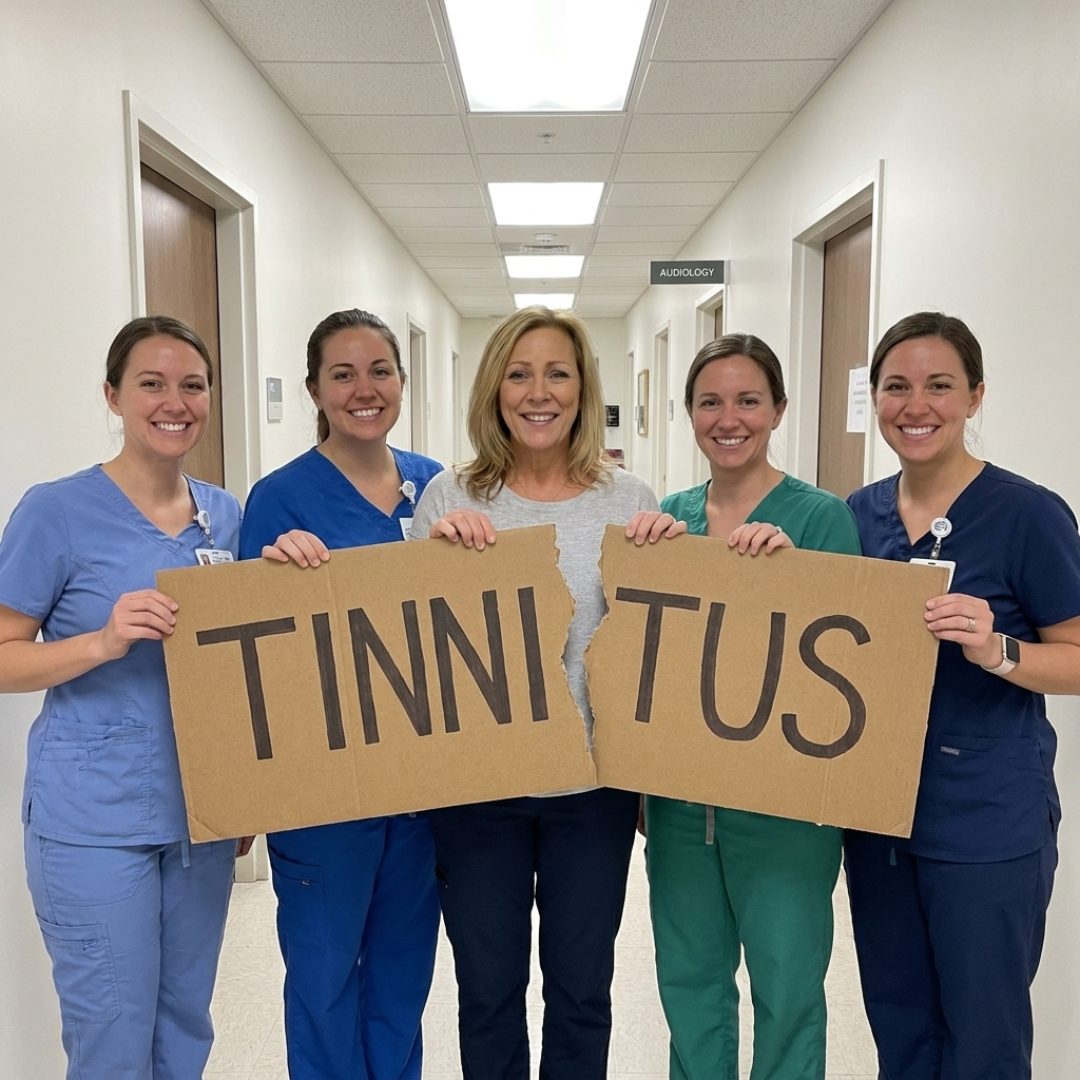
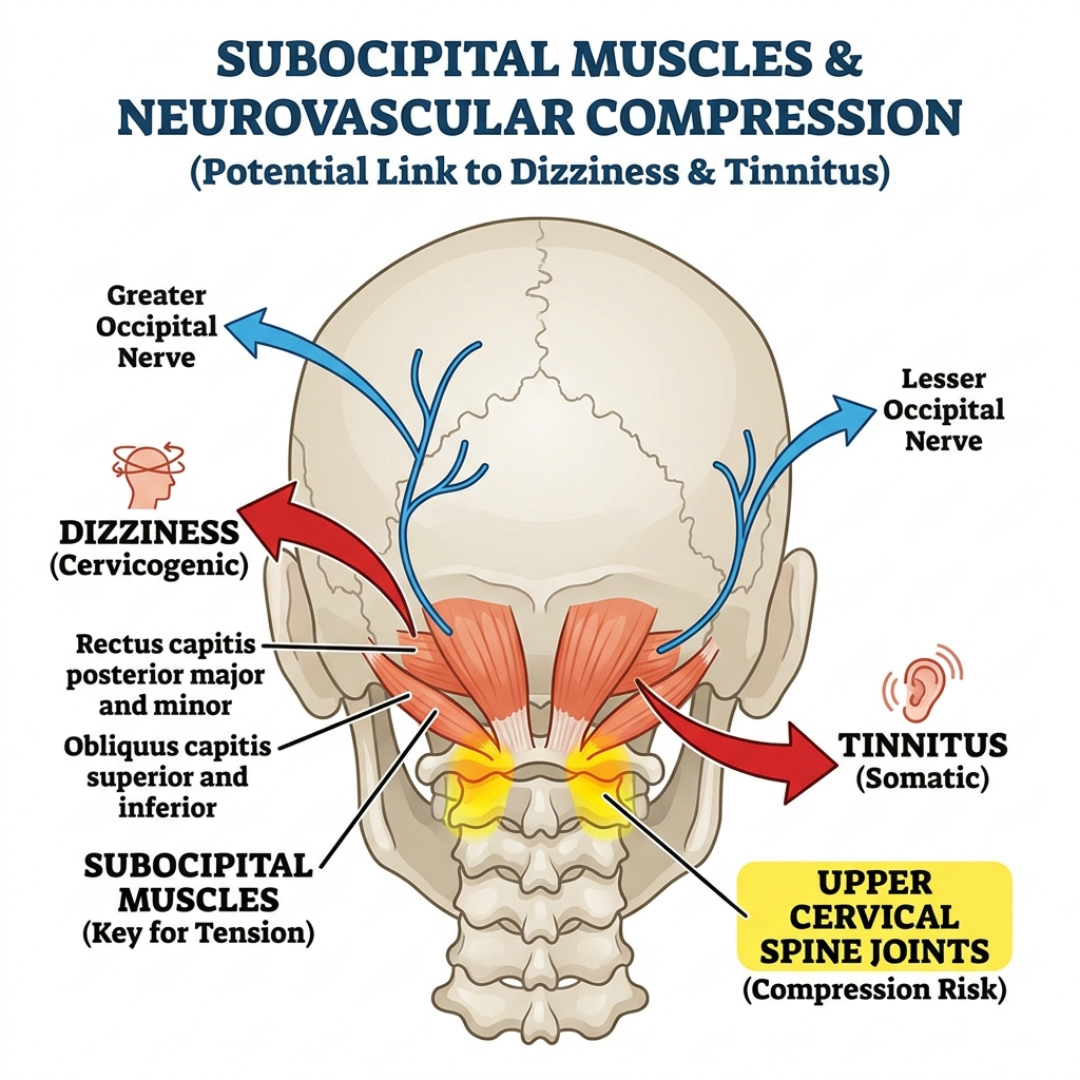
I've had ringing in my ears for seven years. Not the kind that fades after a concert. Not a blocked ear that clears in a week. A constant, electrical, high-pitched hiss that starts the moment my brain switches on in the morning, climbs through the afternoon as noise and stress pile up, and by 10 PM feels like someone is pressing a live wire directly against the inside of my skull. I'm 51 years old. I am not losing my hearing. My audiograms have come back normal at every appointment I've attended for seven years. And my ears ring like someone who's worked a demolition site for three decades. ======== Let me tell you about the specialists. Specialist #1: My GP. She looked in both ears. Clear. No infection, no blockage, good colour. "Probably stress-related." Told me to cut back on caffeine and walked me out in eight minutes. Six weeks later: still ringing. Louder, actually. Especially at night. Specialist #2: An audiologist. Hearing test, the full battery. Results: mild loss in the high frequencies, nothing significant. "Tinnitus often accompanies this level of loss. We could fit hearing aids." I wore those hearing aids every day for five months. My clarity in conversation improved. The ringing did not move a millimetre. Specialist #3: An ENT consultant, because that's the referral everyone gets. He looked inside my ears with a scope. Clean. He ordered an MRI of the auditory pathway. "Nothing structural." Then he shrugged and said, "In many cases, tinnitus is idiopathic." Idiopathic. I sat in the car park and typed it into my phone. It means we don't know. He referred me for tinnitus retraining therapy anyway. Eighteen-week waiting list. Specialist #4: A neurologist. Nerve conduction tests. She looked at the results and said the auditory processing showed no significant anomaly. "Consistent with idiopathic tinnitus." I said, "But what is actually causing it?" She said, "In many cases we simply never establish a cause. The approach is management and habituation." Seven years. Four specialists. Stress, mild hearing loss, an MRI that showed nothing, and a nerve test that confirmed what I already knew and explained nothing about why. Not one of them looked below my ears. She put me on the programme. Tinnitus retraining therapy, eighteen months of it. Sound therapy through the hearing aids, white noise at night, the Calm app, a sound machine on the bedside table. I gave it fourteen months. The ringing got maybe 15% easier to ignore on a good day. The 3 AM wake-ups went from every single night to most nights. 15% after over a year of doing everything correctly. So my audiologist added masking programmes. Then CBT on top, for the "psychological component." Told me to cut screen time, protect my hearing in loud places, cut the alcohol, cut the stress. I did everything. Everything. I followed it to the letter, because I had to. I'm a secondary school teacher. I stand in front of thirty teenagers for six hours straight. And I was doing it while so mentally worn down from managing the noise that I started leaving myself notes to remember things I'd known for twenty years. Fourteen months of maximum recommended therapy and I was still ringing. Still waking. Still sleeping with two fans and crickets looping on YouTube just to make it to midnight. I was the reason the whole house had learned to whisper. Specialist #5: A second ENT, for a fresh opinion. He reviewed everything. Same conclusions. He said, "Idiopathic tinnitus is genuinely difficult. Some people find real relief with sound therapy. Some people adapt over time. Some people need to find a way to make peace with it." Make peace with it. Make peace with a sound that fills every quiet meeting, every car journey, every moment my husband tries to speak to me without background noise. Make peace with taking my hearing aids out at 10 PM and knowing the worst part of my day is about to start. Make peace with lying in the dark listening to something only I can hear. I sat in the driveway when I got home and didn't go inside for twenty minutes. ======== Here's what nobody explained until I spent three years researching it myself: There is more than one kind of tinnitus, and they are not the same problem at all. In damage-based tinnitus, the tiny hair cells inside your cochlea are genuinely broken, injured by years of noise exposure. That is structural damage. It is often permanent. In compression tinnitus, the hair cells in your inner ear are perfectly intact. The problem is somewhere else. Because the nerves that carry sound signals to your brain do not begin in your ear. They pass through a narrow gateway at the base of your skull — right through a set of small, deep muscles called the suboccipitals, at the C1–C2 junction — running alongside the blood vessels that feed your inner ear and your brain. Clamp that gateway and two things break at once. The blood vessels compress, starving the auditory system of oxygen, and the brain begins generating noise that isn't there — like a radio losing its signal. The nerves compress, sending distorted signals upward. And that distortion is what you hear. The hiss. The whistle. The ringing. Identical symptoms. Completely different cause. And an audiogram will show the same pattern either way, which is exactly why mine came back "consistent with tinnitus" and nobody went looking three centimetres lower. And here's the part that explained my entire seven years: Sound therapy, hearing aids, and CBT all work on your perception. They turn down how loudly you register the signal. They do not touch the compression. Not by a millimetre. So the clamp stays closed, the nerve keeps misfiring underneath, and you keep adding layers of management to hold the same ground. That's why it only got me 15%. They were treating the noise. Nobody was treating the source. And you cannot unclamp a muscle with a sound machine. ======== For the next two years I tried everything the tinnitus forums recommended. Magnesium glycinate — 400mg every night for five months. The one with the most community support behind it. Nothing. B12 injections — my levels were already normal. No change. Ginkgo biloba — three months, no effect I could measure. A TENS unit on my neck, because someone in the group swore by it — it scrambled something for the length of the session, then it came back. Physio for my neck and jaw, because I'd found the cervical connection in my own research — I got real relief, two or three quieter days after each appointment, then it came straight back. A chiropractic course, eight sessions, same result. Real relief, then gone. An app that generates individualised frequency tones to cancel my exact pitch. I used it every night for a year. Every session felt like something. Every morning it was at full volume again. That last one — the physio — is the one that haunts me. Because the physio was the only thing in that entire list that was aimed at the right place. And it still failed. Every one of them had the right idea. Every one of them failed on delivery. The supplements reached my bloodstream when the problem was mechanical. The sound therapy reached my perception when the problem was three centimetres away. And the one thing that actually touched the right structure gave me two days of relief, then let the muscles snap straight back the moment the appointment ended. Nothing held. That was the whole problem. Nothing held that gateway open long enough to matter. ======== Then a man in my tinnitus support group posted something that stopped my scrolling. "I found something that actually holds it. You wear it lying down for 15 minutes. It works the deep muscle, heats the area, and calms the nerve at the same time. It's the first thing that held." I'd read hundreds of recommendations in that group. I'd ignored nearly all of them. But "held" — that word stopped me. Because nothing had ever held. He explained what it does, and I recognised every single piece from my own graveyard: Electrical muscle stimulation, to reach the suboccipital muscles that no fingers or surface massage can access — making them contract and release from the inside until the chronic grip lets go. Therapeutic heat at 42 degrees, because once the grip loosens, the compressed vessels need warmth to open and restore circulation to the inner ear. And targeted nerve stimulation, to calm the over-firing auditory nerve and switch off the alarm the clamp had left running. All three. At the same time. In one device. Not a physio you book for a Tuesday. Not a supplement that reaches the bloodstream when the problem is mechanical. Not a sound machine that fights noise with more noise. Something that works the clamp directly while the heat does the work. Obviously I was sceptical. I'd spent well over £3,000 on things that had failed. But the 90-day money-back guarantee meant the worst case was another £79 gone, and I had spent more than that on a supplement stack I finished out of pure stubbornness. I ordered it at 11 PM on a Wednesday. Because that evening my husband had tried to call out to me from the kitchen and I hadn't heard him. Not because of hearing loss. Because the ringing was so loud in both ears that his voice didn't make it through. A voice I didn't hear. That's how far it had gone. In seven years of four specialists treating the wrong three centimetres of my body. ======== First session: I lay back with it on my neck on the bed. The heat is immediate. You feel it settle into the base of your skull the way a warm hand does — except it doesn't lift away after two seconds. It holds. And underneath, the muscle stimulation begins: a deep pulse right where the tension lives. That was the difference. It held. I lay there afterwards and waited for the ringing that had arrived every evening for seven years. It came. But it came quieter. Night 3: I turned one of the fans off. First time in over a year. Day 8: I got through an entire afternoon of marking without turning the white noise on. I noticed at 6 PM that I hadn't noticed my ears. Week 2: The evening spike stopped arriving on schedule. Some nights there was nothing until well past ten. Some nights almost nothing at all. Week 5: My husband called from the kitchen while I was reading. I heard him clearly. Nothing underneath it. I sat with that for a moment. Week 8: I stopped the sound therapy at night, gradually. Nothing came back. Because it was never a perception problem. It was a compression problem. And the compression was releasing. Week 11: My audiologist repeated the full hearing assessment. The auditory processing results had shifted. Measurably. She looked at the screen for a moment and asked what I had changed. I told her. She said, "That would be consistent with a cervicogenic component, if one was present." And then, more quietly, "We should probably be asking about the neck before we call these idiopathic." Seven years. That's the sentence I needed in year one. ======== My husband says the evenings are different now. Not different in a way he can fully explain. Different because the fans aren't running at midnight and I'm not lying rigid in the dark at 3 AM, timing whether it's louder than Tuesday. My daughter rang last weekend and we spoke for nearly an hour and she never once asked how my ears were. Because there was nothing to ask about. Last month I went to a family dinner — a proper loud one, with children and scraping chairs and three conversations at once. I have not done that since 2022. ======== Sorry this is so long. But I spent seven years being told it was stress. Then mild hearing loss. Then an MRI that showed nothing. Then "idiopathic." Four specialists. Two years of sound therapy. A drawer full of supplements. Over £3,000. And not one person looked at the base of my skull. If your ears ring and your scans keep coming back normal. If it's worse at night, worse in the quiet, worse when your neck is stiff. If one side is louder than the other. If you've noticed it shift when you turn your head or clench your jaw. Please read the explanation before you accept another year of management or another supplement that reaches the wrong place. Because "idiopathic" doesn't mean there's no cause. It means nobody found it yet. Mine was three centimetres from where anyone looked. - Kate B. 👉 Read the full explanation here: https://try.helloreliva.com/uk-tinnitus/adv1
Where the ad sends people
try.helloreliva.com
No Hearing Loss. Just Ringing Nobody Can Explain. Until Now.
If you struggle with tinnitus and nothing you try is helping, there's a hidden reason why. Read this short article right now before you do anything else.
Learn more: try.helloreliva.com(opens in a new tab)