Kate Bennett
Kate Bennett Facebook ad: “How I discovered the cause of my dizziness…”
Ran for 21 days, from August 21 to September 11, 2026, the last day Crush saw it.
Run by Kate Bennett on Facebook. Crush is not the advertiser and does not verify its claims. See this ad in Meta's Ad Library(opens in a new tab)
Want an ad like this for your product?
Crush makes new ad images for your product from this ad: your logo, your product photo, your offer.
Trials from $19.95 USD, then $79.95 USD a month. Cancel anytime.
About this ad
- Meta Ad Library ID
- 27896909146586173
- Platforms
- Facebook, Instagram, Audience Network, Messenger, WhatsApp and Threads
- Relaunches
- 0
Ad text
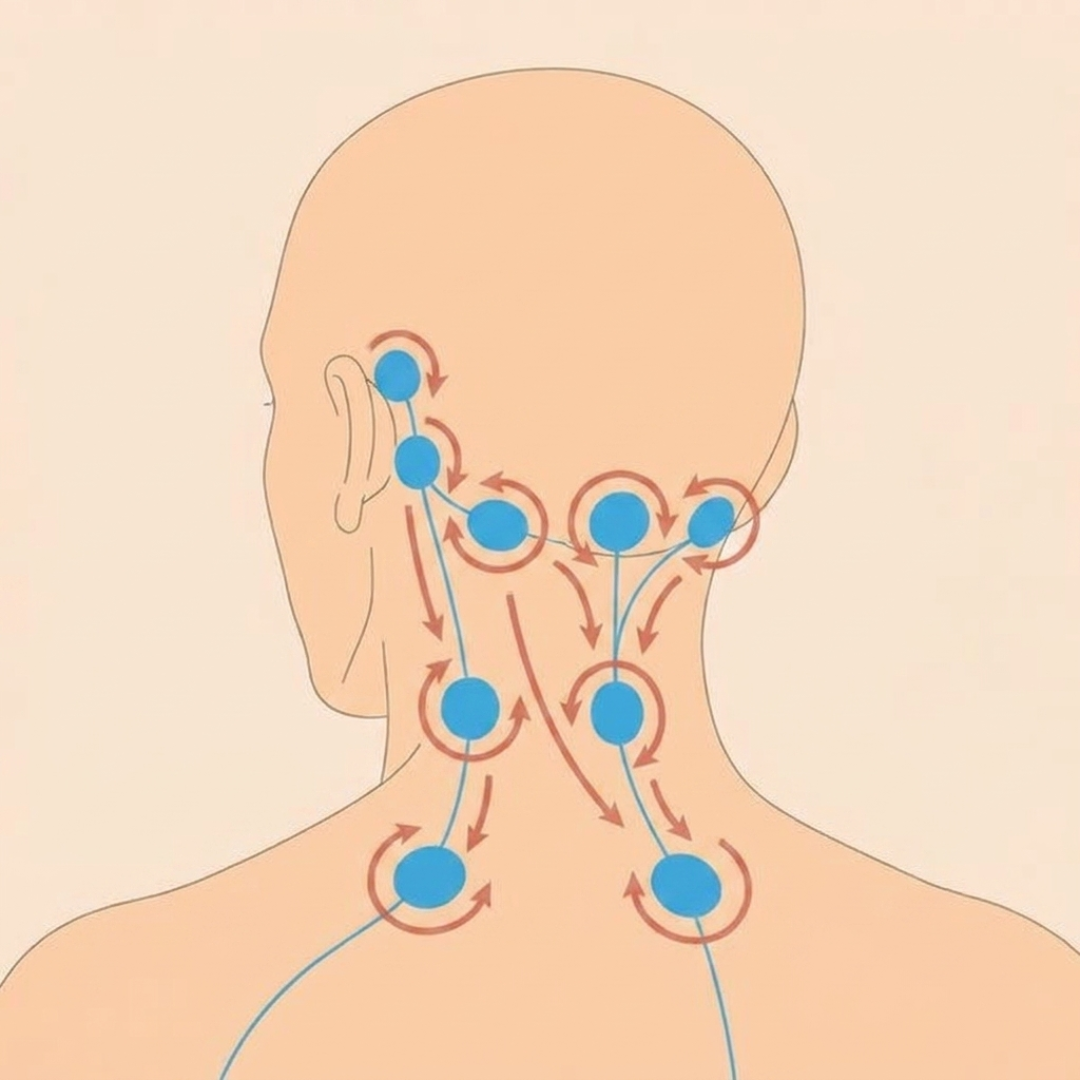
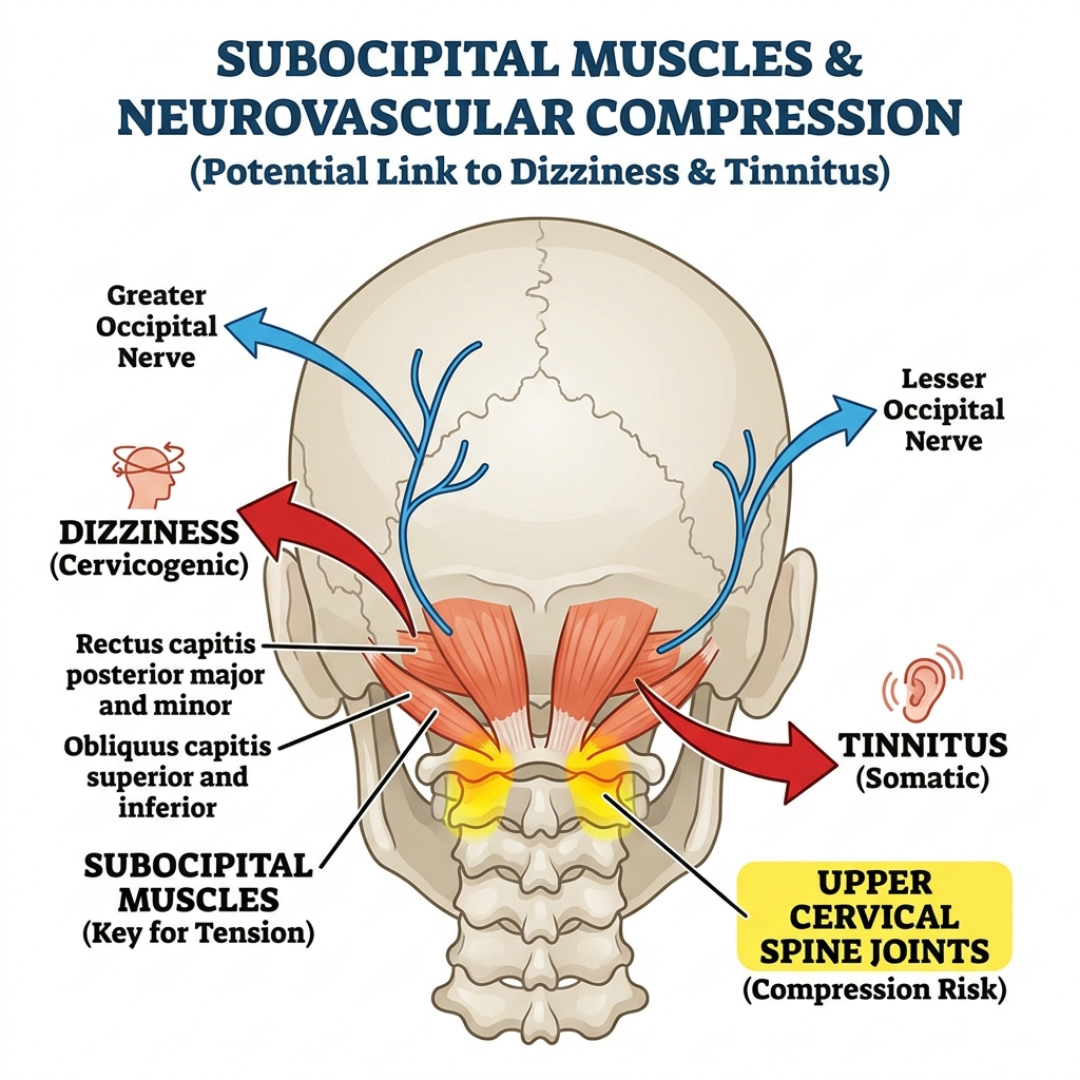
If you feel unsteady all day long, but every doctor keeps telling you "it's just anxiety" - I need you to read this. Because I spent two years learning what not one of them ever thought to check. I was halfway up the escalator when it happened again. The floor seemed to tilt. The strip lights felt too bright. People moving past me made the whole shopping centre swim. I gripped the handrail with both hands. Kept my eyes on my shoes. Waited for the top. I'm 49. I'd had that "drunk without drinking" feeling for two years. Where a trip into town has to be planned like an expedition. Where you hold onto something the entire time just to stay upright. Five doctors. Three specialists. Two MRIs. MRI scan — "Nothing abnormal." 24-hour heart monitor — "Within normal limits." Bloods — "All normal." Hearing test — "Perfect." "Everything's come back clear, Kate. I think what we're dealing with here is anxiety." But it wasn't anxiety. The first specialist decided it was ear crystals. BPPV. He did the Epley manoeuvre in the chair and sent me home. Three good days. Then it came back exactly as it was. We did it again. And again. Four times over five months. Three good days, every time. My husband found me on the kitchen floor one morning. I'd reached up to put the mugs away in the top cupboard. The moment my head went back, the room went with it. I sat on the lino for twenty minutes waiting for the floor to stop moving. "Love, maybe you should talk to someone. Properly. About the stress." But I wasn't stressed. I was dizzy. My ears felt full and blocked. The base of my skull ached constantly, like someone had their thumbs pressed into it. And turning my head made everything worse. Doctor number three put me on an anti-vertigo medication. Took it for four months. It dulled the edges for an hour or so after each dose. Then it wore off and I was exactly where I started. Doctor number four sent me to vestibular rehabilitation. Twelve weeks of exercises designed to help my brain "get used to" the signals it was getting. I got very good at doing the exercises. I did not get less dizzy. Doctor number five prescribed an antidepressant. For the anxiety I supposedly had. It flattened me. I felt like I was watching my own life through a window. I was still dizzy. Then someone suggested a chiropractor. He worked on my neck with a quick thrust and I felt worse for a fortnight — properly frightened, hanging onto the bannister to get up the stairs. The breaking point was my granddaughter's christening. I'd waited so long for that day. I spent the whole of it in a chair at the back of the church hall, then in the car park with the door open, breathing. My daughter came out to find me. "Mum, do you want to hold her?" "In a minute, love. Just a bit tired." I wasn't tired. I was frightened I'd drop her. That night, 3:12am, I was searching again. "dizzy all day every day tests normal" "told it's anxiety but I know it isn't" That's when I found it. A forum. Hundreds of people describing exactly what I felt, in words I'd never managed to find myself. Like being on a boat. Like the room tilts when you stand. Like your head is full of cotton wool. And a lot of them were talking about the same thing. Not anxiety. Cervicogenic dizziness. Dizziness that comes from the neck. Specifically from a small group of deep muscles at the base of the skull — the suboccipitals — right where the head sits on the top of the spine. C1–C2. Here's what I finally understood. Those muscles are tiny. But the arteries carrying blood up to your brain run straight through them. Years at a desk. Years looking down at a phone. Stress keeping everything clenched. Getting older. They tighten into a knot that stops letting go on its own. Think of standing on a garden hose. The water doesn't stop — it gets squeezed, and what comes out the other end is a mess. That's what a tight neck does to the flow heading up to your brain. And the result is that empty-headed, floating, unsteady feeling that never quite leaves. The same knot presses on the nerves running through it. So your balance system starts sending your brain bad information — like a sat nav insisting you're moving while you're parked on the drive. That's when it clicked for me. Because it explained the other thing nobody could account for either. The heart racing for no reason. Feeling on edge when nothing was happening. Not anxiety causing my dizziness. The same irritated nerves causing both. And here's the part that broke my heart a bit. None of it shows up on a scan. An MRI photographs structures. You're lying down, perfectly still, in the one position where the problem isn't happening. There's no disease to photograph. There's a knot nobody thought to look for — because everyone was looking a few centimetres too high, at my ears. Every clear result I'd had wasn't proof I was fine. It was proof they were looking in the wrong place. Someone in the thread mentioned a device. Something you wear round your neck that combines heat and electrical stimulation to reach those deep muscles at the base of the skull. Several people said it did what nothing else had. One comment stopped me dead: "Two years of being told it was anxiety. Three weeks of this and I've got my head back." 3:40am. Ordered it. I'll be honest — I expected nothing. I'd bought a heated massage cushion the year before that did precisely nothing. My reasoning was that it came with a money-back guarantee, so the worst case was a fortnight of disappointment I was already well used to. Started that evening. Fifteen minutes, sat on the sofa, plates resting on the back of my neck. Day three: the ache at the base of my skull was noticeably lighter. Day six: got through a food shop without both hands on the trolley. Day nine: a bad day. Properly bad. I nearly gave up on it. Day ten was better than day eight. Day fourteen: put the mugs away. Reached up into the top cupboard. Nothing happened. I cried in my own kitchen over a cupboard. Week three: the blocked feeling in my ears eased off. I could turn my head to reverse the car without bracing for it. Week five: I wasn't cured. I want to be straight with you about that. I still get days. But they're fewer, they're milder, and they end. I went back to the GP who'd told me it was anxiety. "I've been treating my neck," I said. "The thing nobody ever examined." She looked at me for a moment. "But your scans were clear." "They were. It was never in the scans. It was in my neck the whole time." My friend Bev has had the same thing for three years. Same merry-go-round. Same "have you considered that it might be stress." "It isn't anxiety," I told her. "Ask them to look at your neck." She messaged me three weeks later: "The swaying. It's quieter." That's what we are. Not anxious women imagining things. People with a knot at the base of the skull that nobody checked. Last month was my granddaughter's first birthday. I held her for most of the afternoon. "Mum, you seem more like yourself," my daughter said. Because I wasn't broken. I didn't have an anxiety disorder dressed up as vertigo. I had deep muscle tension at C1–C2 squeezing the blood flow to my brain and scrambling the signals coming out of my neck. While five doctors kept telling me my tests were clear and wondering why I wasn't satisfied. The device is called RelivaNeck. It's a soft, open-collar thing you wear round your neck, with two metal plates that sit exactly over the suboccipital area at the base of the skull. Hands-free, so you can wear it while you're watching telly. It runs three things at once — they call it TriSense. Therapeutic heat at 42°C opens the blood vessels and softens the tissue, so the flow heading up to your brain stops being squeezed. EMS makes the deep muscles contract and release — the ones your hands, a foam roller and every stretch on YouTube can't physically reach. TENS calms the irritated nerves, so your brain stops getting bad data and your nervous system comes down off high alert. Heat reopens the flow. EMS releases the knot. TENS cleans the signal. Not one of the three is enough on its own. That's the whole point. It's why a stretch doesn't hold, why a tablet wears off, why a massage feels lovely for an evening and changes nothing. Fifteen minutes. Once or twice a day. At home, in front of the telly, with no appointments and nothing to book. If you're reading this at 3am, wondering why you're being told you're fine when you know that you aren't — you're not imagining it, and you're not making a fuss. Your dizziness is real. Your suffering is real. And there is one place nobody has checked yet. Keep seeing your doctor. Please do. But ask them about your neck. I lost two years to the wrong answer. It was at the base of my skull the entire time. Just me. Steadier. Believed. Back. Try RelivaNeck for 60 days with a full money-back guarantee. 👇 See how it works: https://try.helloreliva.com/uk-dizziness/adv1
Where the ad sends people
try.helloreliva.com
How I discovered the cause of my dizziness…
If you struggle with dizziness and nothing you try is helping, there's a hidden reason why. Read this short article right now before you do anything else.
Learn more: try.helloreliva.com(opens in a new tab)