Carol Jones
 Facebook ad: “Clinically Formulated Magnesium”
Running for 12 days since November 12, 2026. Crush last saw it on November 24, 2026.
Run by Carol Jones on Facebook. Crush is not the advertiser and does not verify its claims. See this ad in Meta's Ad Library(opens in a new tab)
Make your own version of this ad
Crush makes it, launches it in your own Meta ad account, scales the winners and pauses the losers.
About this ad
- Meta Ad Library ID
- 1045386765241860
- Platforms
- Facebook, Instagram, Audience Network and Threads
- Relaunches
- 0
- Niche
- AI & Software
Ad text
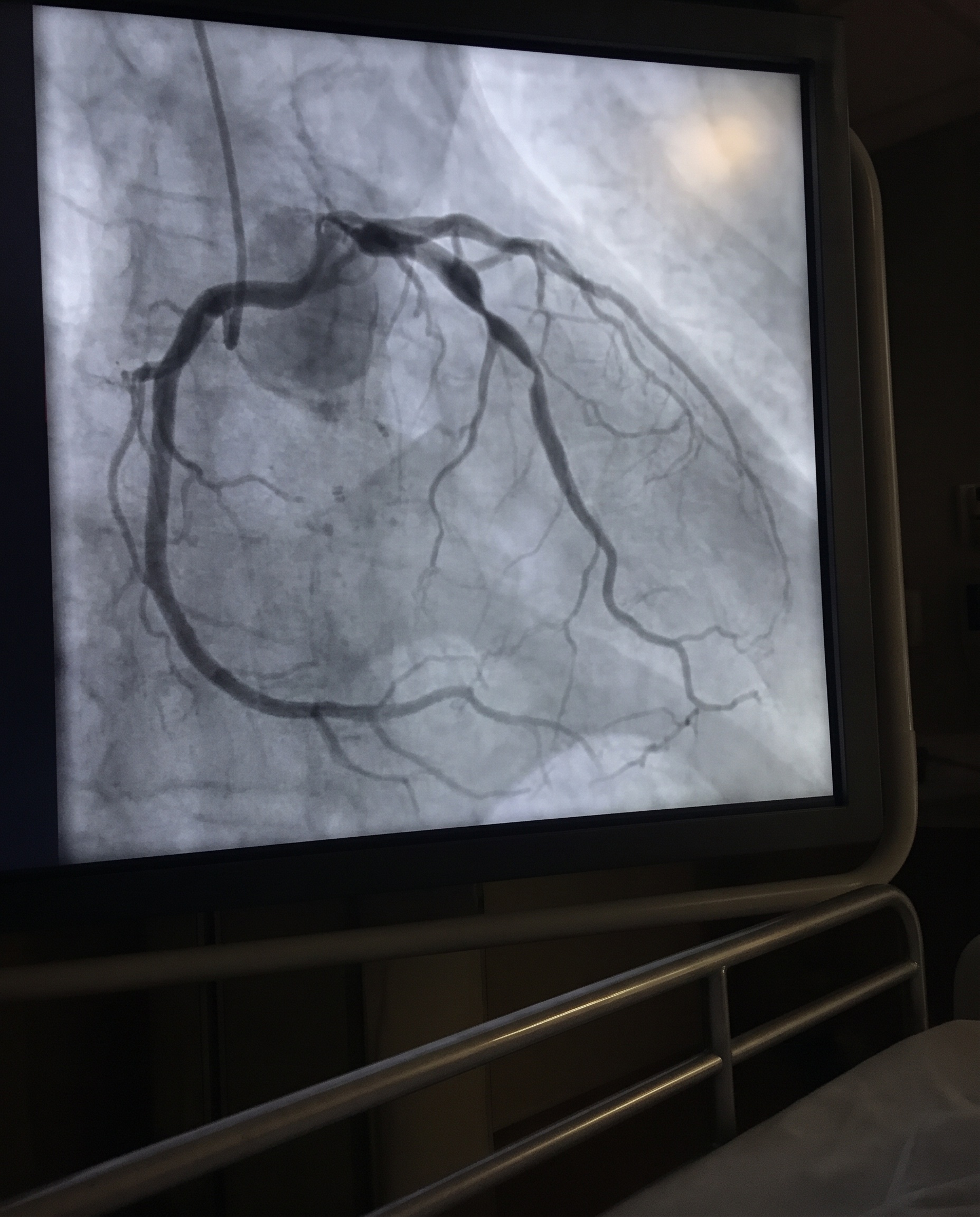
My sister started taking Ozempic in June 2025. Took her shot every Sunday morning at 7 AM without fail, standing at her kitchen counter, in her thigh, with her eyes shut. Took the protein shakes and the electrolyte packets she ordered off Amazon. Threw out the cookie jar that had been on her counter for 34 years. Quit bread. Quit sugar. Went on the 1,200-calorie sheet the doctor's office printed for her. Walked three miles a day. Ate plain grilled chicken and steamed green beans every night, of all things. She did everything the doctor told her. She died of a massive heart attack on October 25th at 5:23 AM. She was 59 years old. Started her Ozempic on June 15th. Had already cut out bread the week before. Ate nothing that wasn't on the approved sheet. Lost 15 pounds. Walked three miles a day, rain or shine. The hospital bill was $81,000. The funeral was $11,900. Her walking shoes are still by her back door. I can't move them. Her husband Duane can't either. If we move them, she's really gone. Her Ozempic pen is still in the door of her refrigerator, next to the milk. I can't take it out. There are four doses left in the box. She died on a Saturday morning, before the Sunday shot that was supposed to save her. Four Sundays, still sitting in that box, and Darlene isn't going to need any of them. If I take it out, she's really gone. I need to tell you what happened to Darlene. Because I'm seeing the same posts on Facebook that she was making just months before she died. "My doctor put me on Ozempic, any tips for the nausea?" "Anyone know how to keep the weight off naturally?" And it makes me physically ill. If you're over 50 and you're carrying weight you can't lose, or someone you love is, please read this entire thing. I know it's long. I know you're scrolling. I know you have things to do. Eleven months ago I would have given anything, everything, for someone to tell me what I'm about to tell you. Darlene went in for a routine physical on June 8th, 2025. She felt fine. Better than fine. She was 58. She still walked her dog every morning. She still ran the bake sale at St. Bernard's every fall. She thought she was built like our mother and that was that, and so did I. The nurse had her step on the scale in the hallway. Slid the weight over. Read it out loud. 224 pounds. She frowned. Then she wrapped a tape around Darlene's waist. 44 inches. Her doctor came in ten minutes later. "Darlene, at your weight, we're not going to wait around anymore. I'm putting you on semaglutide today. Ozempic. One shot a week. This is what works now." I was in the waiting room pretending to read a magazine, because I'd driven her, but she told me everything on the ride home. "What are you eating in a normal day?" "I don't know. Regular food. Pasta on Sundays. Toast in the morning. A cookie with my coffee at three." "That's got to stop. Twelve hundred calories a day. Protein first. No bread. No sugar. No restaurant meals. I'm starting you at 0.25 milligrams, one shot every week. We'll recheck in three months." Darlene came home and sat at her kitchen table for forty minutes without saying anything. Then she stood up, walked over to the counter, picked up the cookie jar, the ceramic one shaped like an apple that our mother gave her the year she got married, and dropped it in the trash. The whole thing. Jar and all. Then she opened the pantry. Bread. Crackers. Pasta. The cereal Duane liked. Ice cream from the freezer. Everything with sugar on the label went into a garbage bag. The whole pantry, gutted in under an hour. "That's it," she said. "I'm done." And she was. She picked up the Ozempic from the Walgreens on Oneida Street that week. Took the first shot at 7 AM that Sunday standing at the kitchen counter, in her thigh, with her eyes shut. Put the box in the door of the fridge where she'd see it every time she opened it. I bought her a red sharps container and she kept it on the windowsill above the sink. Two weeks in, her neighbor Lorraine told her over the fence that her own doctor had her on protein shakes and electrolyte packets for the nausea. Darlene ordered both off Amazon that night. They took up the whole second shelf of her pantry, where the bread used to be. For 137 days, she didn't touch a slice of bread. She didn't miss a single shot. No pasta. No toast. No cookie at three. Not at her nephew's wedding in August where the cake was four tiers. Not at the Packers game in September where everyone had a brat. Not at her own 59th birthday dinner in October where Duane ordered a slice of cheesecake for the table and Darlene ate the plain grilled salmon with steamed broccoli. I threw out our mother's recipe box. I learned to cook things I'd never made in my life. Baked cod with lemon, riced cauliflower, chicken breast with nothing on it. Darlene and I had eaten Sunday dinner together at her table for thirty years, and I'd stand at her stove at 6 PM watching her push the food around her plate and pretend it was fine. I ate the same dinners she did. If she had to give up everything she loved, I wasn't going to sit across from her eating the food she was mourning. She stopped going to Wednesday cards at Lorraine's because she couldn't sit there with a glass of water while everyone else had pie. I stopped going too. I lost my Thursday nights with the girls at the church hall because I couldn't stand the look on Darlene's face when I came home full and she'd been eating steamed vegetables. She lost her friend Bev, who told her "you're no fun anymore" and stopped calling. She skipped our lake week in Door County for the first time in 30 years, because she couldn't sit on a porch with a cooler of things she wasn't allowed to eat. She lost a piece of herself she'd been carrying since we were girls. And she did it anyway. Because the doctor said to. Three weeks into the Ozempic, the nausea started. Not a normal nausea. A sick, heavy, sour feeling that woke her up at 2 AM. Food sitting in her stomach like a stone six hours after she'd eaten it. Burps that tasted like sulfur. She carried saltines in her purse everywhere she went like they were part of her uniform. Her energy? Gone. The woman who used to walk her dog at dawn and run a bake sale on four hours of sleep couldn't stay awake past 8 PM. Duane would find her asleep in her recliner before the news was over. Every single night. The dizziness started around week six. She'd stand up from her chair and grab the armrest, waiting for the room to stop spinning. Twice she nearly went down. Once at the top of the stairs. I grabbed her arm and felt her weight shift into me and my stomach dropped. Her face had started to look different too. It had gone in. Not thin. In. Like somebody had let the air out from behind her cheeks, and the skin under her chin hung in a way it never had when she was heavier. Her rings spun on her fingers. Her arms went soft. Her hair was in the shower drain every morning. And her belly? Her belly was the same belly. Hard and round and 44 inches, sitting right where it had always sat. The doctor said it was all common. Said her body would adjust. Said the benefits outweigh the risks. The follow-up appointment was October 9th. The nurse had her step on the scale. Slid the weight over. Read it out loud. 209 pounds. Down 15 pounds. All of it in the first six weeks. And then nothing. For eleven weeks, the scale had sat at 209 like it was nailed there. Then the tape. 43 inches. One inch, in four months. I was the one who looked at the paperwork in the car. I read the numbers three times because I thought I was misreading them. She'd been on Ozempic AND on 1,200 calories a day for four months, and the belly hadn't moved. Her face had. Her hands had. Her arms had. The only thing on her that hadn't changed was the thing she'd been fighting for thirty years. The doctor said "Fifteen pounds is a good start. Some patients plateau at this dose. I'm moving you up to 1 milligram. If we don't see movement by spring, we'll look at tirzepatide. Keep doing what you're doing." Darlene came home that night and sat at her kitchen table again. The same table she'd sat at after the first appointment. She didn't say anything for a long time. Then she said: "I gave up the food. I take the shot. I walk every day. My belly is the same belly." I told her to give it time. I told her the doctor said spring. I told her to trust the process. She nodded. She kept walking. She kept eating the plain vegetables. She took the higher dose that Sunday. Five days after that appointment, five days, she woke up at 2 AM with chest pain that dropped her to the kitchen floor. Duane called me from the ambulance. I drove to the hospital doing 80 in a 35 and beat them there. By the time they admitted her at 3:47 AM, her lips were gray. Not "a little pale." Gray. Like wet cement. Like the blood had stopped reaching them. I sat in the waiting room for an hour and forty minutes. I called her daughter in Milwaukee at 4:12 AM and couldn't get the words out. I just kept saying "something's wrong, something's wrong." The vinyl chair stuck to the back of my legs. The ER cardiologist, a young woman, couldn't have been 35, looked at Darlene's scans and her face did this thing. "Your sister has suffered a massive heart attack. The main artery down the front of her heart is completely blocked. Her heart has been under a load for a very long time. Years. This didn't start in June." "But she's been doing everything," I said. She looked at me. "I know. I'm sorry." They moved her to the cardiac ICU that night. She stayed there for 11 days. Duane didn't leave the building once. He slept in the chair on the left side of her bed and I slept in the chair on the right, and for eleven days we passed each other in the hallway like shift workers, one of us going for coffee while the other one held her hand. I learned things about the heart I never wanted to know. I learned that when an artery closes like Darlene's did, the heart muscle behind it starts dying within minutes. They call it infarction. It means your sister stops being your sister. She looked at me like she was trying to remember who I was. She said things that didn't connect. On day 6, Darlene asked me three times in twenty minutes if Mom was coming to pick us up from school. Mom died in 2011. By day 4, they had to put soft mitts on her hands. She kept reaching for the lines, pulling at them, confused but determined to get free. The nurses tied the mitts to the bed rails with cloth straps. I sat next to her for hours watching her fingers work inside them, trying to grip something that wasn't there. Those hands had frosted four hundred cupcakes every October for St. Bernard's. Now they were tied to a hospital bed. I learned that they were pumping her full of blood thinners and drugs to keep her pressure up, through the IV, around the clock. The attending cardiologist told me Darlene's heart had been pushing against something for years. He said by the time a heart gives out like this, it's been carrying a load nobody was measuring for a very long time. It bought her 11 days. Day 8, her heart couldn't hold her pressure on its own anymore. The doctors talked about a bypass. Then they talked about her not being a candidate because of how much muscle had already died. Then they stopped talking about surgery altogether. Day 10, her kidneys started shutting down. She couldn't swallow anymore. They put a feeding tube through her nose. I watched them thread it while she gagged with what little reflex she had left. The nurse called it multi-organ failure. I called her daughter. By day 10 I hadn't slept in my own bed in eight nights. I was eating crackers from the vending machine and drinking coffee from the family room urn that tasted like it had been sitting since the day before. I stopped looking at myself in the bathroom mirror. Duane's brother flew in from Tampa and tried to make us go home for an hour. Neither of us would go. If I left and something happened, I'd never forgive myself. Day 11, October 25th, I was in the family room down the hall. They'd asked us both to step out while they repositioned her. Duane went down to the parking garage to sit in his truck for a minute. The chair I'd been sleeping in was still warm. There was a cardigan I'd left over the arm of it. I remember thinking I should fold it. At 5:14 AM I heard the long beep. I didn't move. I sat there listening to it not stop. Nine minutes. I counted them on the wall clock. I knew before anyone came. I knew the second the beep didn't end. At 5:23 AM, a doctor I'd never seen walked into the family room. "I'm so sorry. We did everything we could." Duane came up from the garage four minutes later. I watched him read it off my face before anybody said a word. I drove to her house at 7 AM, because somebody had to feed the dog, and because Duane needed a room with nobody else in it. A moment alone with his wife. My sister. The protein shakes were still on the second shelf. Her walking shoes were by the back door. The saltines were in her purse on the counter. The red sharps container was on the windowsill above the sink. Her pen was in the door of the fridge. Four doses left in the box. Where it sits today. I sat in her recliner. I didn't move for six hours. The house was so quiet I could hear the refrigerator hum. 59 years. My whole life, I had a sister. And now the only sound in her house was the refrigerator with her Ozempic in the door. The funeral was November 1st. Her daughter Kristen drove up from Milwaukee. Her son flew in from Denver. The grandkids wore dresses that were too long for them. Her 5-year-old granddaughter asked me: "Aunt Janet, when is Grandma coming home?" I told her Grandma was in heaven now. She said: "Can we call her there?" I had to walk out of the room. After the funeral, I tried to go back to normal. I couldn't. Because every time I opened my phone I saw women my age, women Darlene's age, posting things like "doctor put me on Ozempic, anybody have tips for the nausea?" or "started the shot, down 6 pounds, so excited!" And I knew. I KNEW some of them were doing exactly what Darlene did. Taking the shot. Cutting the bread. Walking. Eating plain vegetables. Drinking the protein shakes. And dying anyway. I couldn't just sit there and watch it happen. So I started researching. Not because I wanted to. Because I had to. Because if Darlene gave up everything for nothing, if I can't save even one woman from what happened to her, then I can't live with that. I read for weeks. Medical papers I barely understood. Forums for women on Ozempic. Studies out of Italy and Japan. And one thing kept coming up, over and over, that no doctor ever told us. Everybody watches one number. The scale. The doctor watches it, you watch it, the whole protocol is built around forcing it down. Drive it down far enough and they tell you you're safe. But that number was never the thing that kills you. The weight isn't the disease. It's the symptom. It's your body telling you something underneath has stopped working. And what's stopped working isn't your willpower. Your body runs on 2 fuels. Sugar and fat. It burns the sugar first, every time. And as long as there's sugar in line, the fat stays locked. I'm not diabetic, and neither was Darlene, so I almost closed the page right there. But this isn't about how much sugar is in your blood. It's about how long it stays there. Sugar doesn't burn in your blood. It burns in your muscle. To get there it has to get through the door of the muscle cell, and that door has to open to let it through. Insulin knocks, but the thing that turns the handle is a mineral called magnesium. Your body can't make it. Most adults run low on it, and after 40 you absorb less of it and lose more of it every year. So the door's half shut. The sugar still gets through. It just takes 4 hours instead of 1. By the time breakfast is finally through, you've eaten lunch, and lunch is still clearing when you sit down to supper. Your body never gets to the end of the sugar. So it never gets its turn at the fat. Not because it can't. Because the sugar never finishes. Same food. Same you. Slower door. Emptier tank. That's why Darlene was asleep in that recliner before the news was over. Her blood was full of fuel and her muscle couldn't get at it. She wasn't tired because she was heavy. She was tired for the same reason she was heavy. How much sugar goes in is the faucet. How fast it clears is the door. Every diet Darlene ever went on worked the faucet. I read it three times. I sat at Darlene's kitchen table with the laptop open at 2 AM and read it three times. And here's the part that made me sit up straight. The Ozempic Darlene took every Sunday for the last four months of her life turned the faucet down. It did exactly what it was built to do. Less food went in. What it did NOT do, what nothing the doctor gave her could do, was open that door. For six weeks she ate so little that some days the sugar actually ran out. That was her 15 pounds. But a starved body takes what it can reach, and what it can reach is muscle. Muscle is where the sugar burns. So with less muscle and the same half-shut door, the sugar stopped finishing all over again. That was 209, sitting there like it was nailed to the scale. And magnesium doesn't only open the door for sugar. It's what lets the walls of your blood vessels relax, period, and what keeps your heart on a steady rhythm. Run low on it and the vessels stiffen all over your body, and a heart shoving blood through them, every beat, for years. That was the load the cardiologist was talking about. Nobody measured it, because it isn't on a scale. Darlene's heart didn't fail because of the number on the scale. She'd lost 15 pounds. Her doctor called it "a good start." The number wasn't the threat. The door was. And Ozempic never went anywhere near it. Read that again. And then I read the part that broke me. The way Ozempic forces that number down is it slows your stomach to a crawl, so food sits there for hours, and it turns down the hunger signal in your brain. Brute force on the faucet. It never touches the door. The nausea Darlene had, the food sitting like a stone at 2 AM, that's her stomach being slowed, exactly as designed. The face that went in, the rings spinning, the arms going soft, that's her body taking its muscle because it couldn't get to the fat. They call these side effects. They're not side effects. They're Ozempic doing exactly what it's built to do. And here's why none of it saved her. It turned the faucet down. That's all it did. It never opened the door. Meanwhile the side effects gutted her quality of life while her heart kept shoving blood through those stiff vessels. She gave up everything she loved to lower a number that was never the threat. And the thing that was supposed to protect her was starving the muscle off a body whose door was still half shut. I sat with that for three days. I didn't know what to do with what I'd just read. So I did the only thing I could think of. I bought a bottle of berberine off a Facebook ad, the one calling it "nature's Ozempic." Because I'm 57. Because the last time I stepped on a scale, I weighed 226 pounds. Heavier than Darlene. Because I was scared. I took it for three weeks. My friend Phyllis, a hospital dietitian I'd known from church for twenty years, who'd quit two years ago and never told anybody why, laughed when I showed her the bottle and told her what I'd been reading about the door. "Janet, that's the same faucet with a nicer label. It doesn't open anything. I handed out that 1,200-calorie sheet for 22 years. The same sheet your sister had. I watched every one of those women lose 15 pounds and come back the next year with 20. When I quit I had a whole drawer of those sheets left, and I put them in the shredder myself." Then she said something I'll never forget. "If there had been something that opened the door instead of just shutting off her appetite, Darlene might still be here." I stopped breathing for a second. "Why didn't her doctor give her that?" She was quiet for a long time. "Because a doctor gets 15 minutes and a scale. Push the number down, check the box, see her in three months. The thing that actually works isn't a drug. And nobody with a prescription pad is going to be the one to tell you." "So what opens it?" "Insulin can't open that door without magnesium," she said. "And most women over 50 are running low on it and have no idea, because the blood test reads normal while the tank underneath is empty. Less than 1% of your magnesium is in your blood. Your body strips it out of your muscles and bones to keep that one number looking fine." I went to Walgreens the next day. I stood in that aisle for forty minutes. Apple cider vinegar gummies. Green tea extract. Bottles that said "GLP-1 support." Water pills. Fiber powder. And on the bottom shelf, a white bottle of magnesium, the cheapest one, with "glycinate" in big letters on the front. I bought the bottle. Took it for two weeks. No change on the scale. No change to anything. I started Googling, and that night I read a paper on how much of the magnesium in a bottle like that your body actually absorbs. Then a second study on what's actually in the bottles on the shelf. Most of the magnesium on the shelf is oxide. It's cheap, it puts a big number on the front of the label, and your body absorbs about 4% of it. The rest goes straight through you. And you can't fix that at the grocery store. The soil's been farmed thin for decades. The spinach and the almonds carry less magnesium than they did when our mother was buying them. And the coffee, the sugar, the stress and half the pills in a woman's medicine cabinet pull out what little gets in. "Glycinate" on the front means nothing until you turn the bottle around. The second study said to read the back, not the front. So I turned mine around and put my reading glasses on. Magnesium oxide. First on the list. Glycinate on the front, oxide on the back. Chalk, like something swept up off a floor. I threw the bottle in the trash. I had been doing the right thing in the wrong form. Worse than the wrong form. The wrong everything. I was furious. I'm still furious. About a week later I was scrolling a Facebook group for women on Ozempic, or whose doctors want them on it. Full of women like Darlene was. "Just got told my BMI" women. "Doctor wants me on Ozempic" women. "Anyone tried keeping it off naturally" women. A woman posted something that stopped me cold. She said her doctor had put her on Ozempic at 56. She took it for two years. She lost 48 pounds on the scale, but the belly never changed, the nausea got so bad she couldn't eat at her own daughter's baby shower, her hair was coming out in the drain, and her doctor still wanted to switch her to Mounjaro. Sound familiar? And then she found a magnesium. Not the drugstore kind. Not oxide. Four forms, the ones the body actually absorbs, each one doing a different job, with every amount printed on the bottle. She added it to her routine. She bought a $20 meter at the drugstore and checked her sugar 2 hours after supper, because that's how you see how long it stays. It went from 171 to 109 in two weeks. Her belly came down 4 inches in ten weeks. After 12 weeks, her doctor looked at her numbers and walked her off the Ozempic himself. Her next weigh-in, Ozempic-free: down another 9 pounds. Without going back on it. Without doing anything else different. I read that post 6 times. I started looking into the magnesium she mentioned. And what I learned is that there are five things a real answer to this has to do at the same time, or it's a waste of your money. It has to open the door. That means magnesium your body can actually absorb, so insulin can open the door it stopped opening. The sugar gets through the way it did when you were 30. Breakfast is gone before lunch. Lunch is gone before supper. The sugar runs out, the lock comes off, and your body burns the fat. It has to be four forms, not one. Magnesium Taurate 100mg, for the heart and the walls of the blood vessels. Magnesium Bisglycinate 550mg, for the muscles, where the sugar burns. Magnesium Malate 300mg, for energy, the ATP every cell runs on. Magnesium L-Threonate 2,000mg, the form that reaches the brain and calms the cortisol that pushes sugar up at night. It has to do it without touching your appetite or your stomach. No nausea. No food sitting like a stone. No hair in the drain. No face going in. No muscle coming off your arms. Ozempic can't do this. It can't move the scale without brute-forcing your stomach. Magnesium leaves your stomach alone and works on the door. It has to be enough, with every amount printed plainly, because a "blend" with no amounts on it is a company hoping you don't do the math. And it has to be no oxide. Not on the front, not on the back. You can check it yourself. Turn the bottle around. Four forms named means somebody did it right. Oxide means somebody cut a corner. Five things. All five. At the same time. From one bottle. I went through every magnesium I could find, on the shelf and online. Not one of them did all five. Most did one. The expensive ones did two. Not one of those companies could tell me why the oxide was there. Every bottle I turned around had oxide somewhere on the back. So I went back to the Facebook post and messaged the woman. She sent me the name. That's when I found Gold Seal. It was the only one I could find that hit all five. Magnesium Taurate 100mg. Magnesium Malate 300mg. Magnesium Bisglycinate 550mg. Magnesium L-Threonate 2,000mg. Four forms, every amount printed on the label. No oxide, front or back. 30-day money-back guarantee. If the scale doesn't move, you send the bottle back within 30 days, even if it's empty, and you get every penny back. I almost didn't order it. After the Walgreens aisle. After the berberine. After Darlene. After everything. But here's the part of this I haven't told you yet. I have the same body as my sister. Our mother had it too. The knees, the belly that shows up first and leaves last, the chair she fell asleep in every night after supper. Darlene was 224. I was 226 the morning of her funeral, in a black dress I'd bought two sizes up so I could sit down in it. I'd been over 200 since I was 45. I'd lost the same 12 pounds five times. Darlene and I talked about it the way you talk about weather. That's just us. That's the family. It's genetic. Every doctor either of us ever saw nodded when we said it. Then I read what I read. And the next night I woke up in my own chair with the news long over, and I went and stood at my counter at 9 o'clock eating whatever was left, the way I had every night for years, and never once told my sister. I thought about her recliner. I thought about our mother's chair. And I understood that it was never the family. It was the door. Not our mother's genes, not her casseroles. The same door, going half shut in all three of us. Darlene and I were on the same road. She was just two years ahead of me. I had a niece in Milwaukee who'd just been told the exact thing her mother had been told. I had myself. I ordered it. It came on a Saturday. I did the label test before I did anything else. Turned the bottle around at my kitchen table. Four forms. Every one named. Every amount printed. I read the back twice looking for the word oxide, and it wasn't there. The cheap bottle had been oxide. I'd been swallowing chalk for two weeks. I started on a Monday, the ninth of February. Gold Seal, one glass of water, standing at my sink. And I did what the woman in the group said to do. I bought the $20 meter, and for fourteen days I checked my sugar 2 hours after supper and wrote it down next to my morning weight. The first thing happened in the first week, on my basement stairs. I got to the top and realized I hadn't stopped to rest. My legs were warm. Not tired. Warm, like the blood had come back into them. Day one. Morning 226. After supper, 168. 168, two hours after I'd finished eating, in a woman who had never once been told she had a sugar problem. Day five. Morning 220. After supper, 143. Day ten. I watched the news all the way through, and at 9 o'clock I was in bed with a book instead of standing at the counter. I didn't notice until I turned the page. Day fourteen. Morning 213. After supper, 104. My sugar had cleared. And I was down 13 pounds in two weeks, with the same appetite I'd had my whole life, eating the same dinners. That was the receipt. The woman in the group said it would be, and it was. I won't pretend I never changed a thing. I stopped standing at the counter at 9. But I didn't stop because I made myself. I stopped because I wasn't starving anymore. Week four. 207. Week eight. 199. Under 200 for the first time since my forties. I stood on the scale three times. Week twelve. 193. I got the tape out of the sewing drawer. 37 inches. I'd started at 45, one more than the number my sister's doctor had read into a hallway. Thirty-three pounds. Eight inches. The belly. The belly that shows up first and leaves last, the one Darlene carried to her grave at 43 inches, was coming down on me for the first time in my life, and nothing about my appetite had changed. I went to my own doctor in May because I hadn't been in four years. She weighed me twice. She looked at the laptop for a long time. "Whatever you're doing," she said, "keep doing it." She didn't ask what. My niece Kristen came back from a physical in January with a BMI on a printout and a doctor who wanted to start her on Ozempic. She's 36. Two kids. She refused. Said she'd watched her mother take that shot for four months and end up in a casket, and she wasn't going down that road. Didn't know what else to do. I sent her a bottle. I didn't ask. I just sent it. Wrote a note that said "If you don't start this, I will never speak to you again, Kristen, I mean it. And buy the $20 meter." She took it. She kept eating normally. Didn't go on some 1,200-calorie sheet. She's stubborn the way her mother was stubborn. But she took it. She went back to her doctor eight weeks later for a follow-up. 198 to 179. 19 pounds. In eight weeks. Her after-supper number went from 161 to 102 in the first two. She hadn't cut anything. She hadn't started a shot. She hadn't changed her diet. She hadn't started some exercise program. The only thing she changed was the Gold Seal. She called me crying. My niece. 36 years old. Crying on the phone like a kid. She said: "Aunt Janet, I think Mom died because nobody told her about this." I had to hang up. Then there's my neighbor Opal. She's 62. Her husband Lyle died of a heart attack four months before Darlene. Two women on the same street, both of us waiting for a phone call. She started it two days after I told her. She was staying up past the news by week three. She's down 14 pounds at week six. She says it's the first time since Lyle died that she doesn't feel like she's waiting for a phone call about her own heart. I told the girls at the church hall. I told Lorraine over Darlene's fence. I told my hairdresser. I told the women in that Facebook group, every one of them who posted about starting Ozempic. I'm not a doctor. I'm not a scientist. I'm not selling anything and I don't get a penny from any of this. I'm a 57-year-old woman sitting in my dead sister's kitchen at 2 in the morning because I can't sleep and I can't stop thinking about her daughter, 36 years old, in Milwaukee, who was about to be put on the same shot that gutted her mother's last four months and didn't save her, and whether she'd have ended up where Darlene ended up. Here's what I know because I lived it. Ozempic forced the scale down by shutting off her appetite. It didn't open the door. And the side effects, the nausea, the dizziness, the face, the hair, the muscle, stripped away her quality of life while the load on her heart kept building. Cutting the bread turned the faucet down. It didn't do a thing about a door that had been half shut for twenty years. The berberine and the "support" bottles are the same faucet with a nicer label. They don't open anything. Most magnesium on the shelf is oxide, chalk your body barely absorbs, with glycinate on the front and oxide on the back. Darlene gave up everything she loved for 137 days and it didn't save her because nobody told her what was actually broken. I wish someone had told us before June 8th, 2025. Before the routine physical. Before the cookie jar in the trash. Before the 137 days of plain steamed vegetables. Before October 25th at 5:23 AM. I can't go back. Darlene can't come back. Her pen is still in the door of her refrigerator and it's going to stay there. But you can still go forward. Your sister can. Your daughter can. You can. Not the scale. The door. That's the line that finally made it click for me. I want you to go order a bottle. Not for me. For whoever you'd leave behind. Here's where I got it. https://goldsealsupplements.com/pages/mag-v1 Darlene used to say: I can't do anything about the last thirty years. I can do something about tomorrow. She never got tomorrow. You still can. — Janet Kowalski, age 57, Green Bay, WI P.S. The pen is still in the door of her refrigerator. Four doses in the box. Every time I open it for the milk, for one second I forget. For one second I think she's about to come in the back door with the dog. She's not. $81,000 in hospital bills. $11,900 for the funeral. 137 days of her giving up everything she loved for nothing. And a bottle, the kind of thing a woman who handed out that sheet for 22 years told me could have changed everything if we'd known. Please. Don't end up here. Don't let someone you love end up here. https://goldsealsupplements.com/pages/mag-v1 P.P.S. I don't work for Gold Seal. I don't get a penny from this. I'm writing this at 2:14 AM because I can't sleep and Darlene's chair at the Sunday table is empty and her daughter is 36 and stubborn and was about to start the same shot, and I'm scared every time the phone rings. Share this with anyone you love who's carrying weight she can't lose. Even a little. Even if her doctor says "borderline." Even if she's already on Ozempic. Please. P.P.P.S. If you're already on Ozempic and the scale looks fine on paper, please don't close this page. Darlene was down 15 pounds at her last check. Her doctor called it "a good start." The scale was never the threat. The door was. Magnesium works on the door. It works alongside Ozempic. It works after Ozempic. The woman in the Facebook group didn't come off hers on her own. Her doctor walked her off with the numbers in front of him, and that's the only way to do it. Stay on it until you and your doctor are looking at new numbers together. You haven't missed the window. The window opens the day you start. And know this going in: nothing happens to your appetite. You'll be as hungry as you always were. The first receipt is your legs on the stairs, in the first week. Then your sugar 2 hours after supper. Mine went from 168 to 104 in fourteen days. The belly comes last, because your body has to get to the end of the sugar before it can start on the fat. Give it the full twelve weeks. P.P.P.P.S. If you're reading this and thinking "she'd never go for it," I want you to hear me. I didn't argue with Kristen. I sent her a bottle with a note that said if she didn't take it I'd never speak to her again, and she took it because she loved me. She didn't believe a word of it on day one. She believed it eight weeks later when the scale said 179. You don't have to win the argument before you ask her to start. You just have to get the bottle in the house. P.P.P.P.P.S. One last thing, because I know what it is to be afraid to hope again. Nobody refunded Darlene a dime when the belly didn't move. Nobody refunded me for berberine that did nothing. There's a 30-day money-back guarantee on this. If your weight hasn't moved, you send the bottle back within 30 days, even if it's empty, and they send every penny back. Thirty days is two weeks on the meter and two more on the scale. You can know in one month whether this is real for you the way it was real for Kristen. That's all I'm asking. One round. Don't let another month go by without it being in the house. https://goldsealsupplements.com/pages/mag-v1 P.P.P.P.P.P.S. One more thing. There are bottles out there with glycinate on the front and oxide on the back, the same chalk with a nicer label. When your bottle comes, turn it around. If it says oxide anywhere, it isn't the one. Order it from the link above or you're back in the cheap-bottle aisle. https://goldsealsupplements.com/pages/mag-v1
Where the ad sends people
goldsealsupplements.com
Clinically Formulated Magnesium
200,000 Happy Customers
Shop now: goldsealsupplements.com(opens in a new tab)