
Active· since May 26, 2026
- 63
- days running
- 1
- relaunches
Ad copy
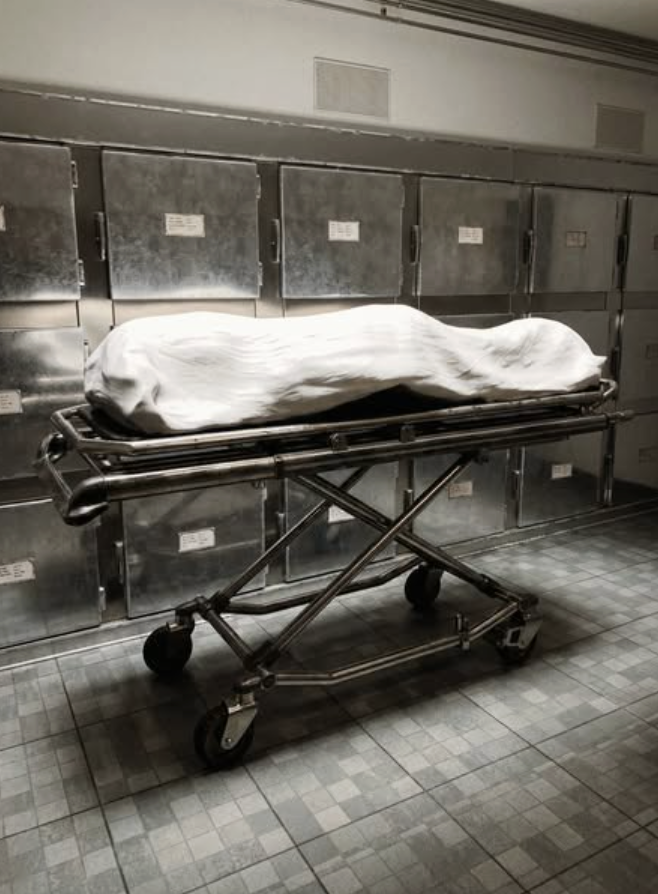
I retired as a county coroner six weeks ago. 31 years. Over 7,000 bodies. And I'm about to say something publicly that would have gotten me fired any time in the last three decades. I almost didn't say it. My wife told me to leave it alone. My former colleagues would call me a disgrace. The county medical examiner's office could still pull my pension review. But I'm 62 years old. I've been carrying this for 31 years. And I watched too many people die while I kept my mouth shut. So here it is. Almost every body I opened in 31 years had the same thing inside it. And I was never allowed to put it on a single death certificate. Worms. Colonies of them. Burrowed into the intestinal walls like roots in concrete. Surrounded by this thick, gray coating over the organs — biofilm, it's called — like someone had poured mucus over everything. Enlarged livers. Swollen intestines. Tissue damage that had been building for years. Sometimes decades. And every certificate I signed said the same thing. Organ failure. Natural causes. Complications. Never what I actually found. Never the truth. I want to tell you about the one time I tried to tell the truth. And what happened when I did. It was 2011. Fourteen years into the job. I was experienced enough to know what I was looking at and still naive enough to think honesty mattered. His name was Richard. Richard was 49. High school basketball coach. Married 23 years. Three kids — two in college, one still at home. Big guy. The kind of man who made a room feel safe just by being in it. His wife told the ER he'd been complaining about stomach problems for years. Bloating after every meal. Exhaustion that didn't make sense for someone his size and age. Brain fog that was getting worse. Waking up in the middle of the night drenched in sweat. His doctor said stress. Then IBS. Then "you're pushing 50, your body changes." Richard died on a Sunday morning. Collapsed in his kitchen making breakfast for his youngest daughter. She was 16. She watched it happen. Cause of death on the ER report: multi-organ failure of undetermined origin. He came to my table on Tuesday. I made the incision. Opened him up. His intestines were swollen to nearly twice their normal size. His liver was enlarged and discolored — damaged so extensively it barely resembled healthy tissue. And everything was coated in that gray film. Thick. Dense. In some areas you couldn't see the organ underneath. I lifted a section of the small intestine. Colonies. Massive. Worms burrowed so deep into the wall they'd broken through in multiple places. Spread into the abdominal cavity. Tunneled into his liver so thoroughly it looked like something had been mining through it for years. Something had. Richard didn't die of "organ failure of undetermined origin." He died because parasites had been eating him alive from the inside for probably 15 or 20 years while his doctor told him to manage his stress. I stood there looking at him. A 49-year-old basketball coach. Three kids. A daughter who watched her father collapse making her pancakes. And I decided — for the first and only time in my career — to write the truth. I documented everything. The parasites. The biofilm. The extent of the colonization. The intestinal wall penetration. The liver damage. I wrote it all into the official autopsy report. Cause of death: multi-organ failure secondary to chronic parasitic infection with extensive biofilm colonization. I filed it on a Wednesday. By Friday, I was in the chief medical examiner's office. He didn't yell. That would have been easier. He was calm. Professional. Almost gentle about it. "This report is going to create problems." "It's what I found." "I don't doubt what you found. I doubt the wisdom of documenting it this way." He laid it out for me. Richard had been a patient in the county hospital system for eleven years. He'd seen four different doctors. Complained about symptoms dozens of times. Not one of them ever ordered parasite testing. If my report stood, Richard's wife would sue. The hospital would face an investigation. Medical licenses would be reviewed. Malpractice insurance premiums for the entire system would increase. "You're telling me to change it." "I'm telling you to reconsider your language. Multi-organ failure is accurate. The parasitic findings are... contributing context. Not all contributing context needs to appear in the final determination." "His wife deserves to know what killed her husband." He looked at me for a long time. "His wife will be told that his organs failed. Which they did. We don't speculate about contributing factors that were never diagnosed during the patient's lifetime. That's not our role. Our role is to document the proximate cause of death. Not to perform retroactive diagnoses that create liability for the living." I sat there. "And if this happens again?" "You document the proximate cause of death. Like everyone else in this office. Like everyone in every coroner's office in this country." He stood up. Meeting over. "You're a good coroner. Don't make this a pattern." That was the sentence. The one I heard under the professional language. Do this again and you're done. I went back to my office. Amended Richard's report. Changed the cause of death to multi-organ failure. Removed every mention of parasites. Every reference to biofilm. Every photo of the colonization. Richard's wife got the same answer every family gets. Organ failure. We don't know why. We're sorry. I saw her once after that. In the grocery store. She was buying frozen dinners for one. Her eyes were red. She didn't see me. I went home and sat in my car in the driveway for 20 minutes. And then I kept signing death certificates for 17 more years. That's the thing people don't understand about a system like this. They imagine some dramatic cover-up. Men in suits. Shredded documents. Secret meetings. It's not like that. It's one conversation in an office. One sentence. "Don't make this a pattern." And you understand. You adjust. You write organ failure. You go home. Nobody orders you to lie. They just make it clear what happens if you tell the truth. And so you stop telling it. After Richard, I never documented parasitic findings again. Not once in 17 years. But I never stopped finding them. Every week. Body after body. The same swollen intestines. The same coated organs. The same colonies burrowed into tissue that should have had decades of function left. Men. Women. 30s. 40s. 50s. 60s. Some younger. Every one of them with years of dismissed symptoms in their charts. Every one of them tested normal. Every one of them told nothing was wrong. Every one of them full of parasites that nobody found until they were on my table. When it was too late. I'd open them up, see the colonies, take my notes, photograph everything — for my own records, not the official file — and write organ failure. Natural causes. Complications. Then I'd go home. I kept a private log. Off the record. Just dates, ages, and what I actually found. By the time I retired six weeks ago, that log had over 2,700 entries. 2,700 people whose families were told "we don't know" when I did know. That's what I carried for 31 years. Here's the part where it stopped being something I carried and became something I couldn't ignore. My wife, Diane. We've been married 34 years. She's 60. Retired teacher. Walks three miles every morning. Healthiest person in any room she walks into. About two years ago, she started with the bloating. Not bad at first. Just enough that she'd unbutton her pants after dinner. She joked about it. "Getting old." I didn't joke back. Then the fatigue. Diane has never been a nap person. Suddenly she was falling asleep at 4pm in her reading chair. Every day. Couldn't stay awake. Then the 3am wake-ups. Like clockwork. She'd lie there in the dark. I'd feel her turn over. Turn back. Stare at the ceiling. This went on for months. Then the brain fog. She's the sharpest person I know. She started losing words. Forgetting appointments. She called our daughter by our granddaughter's name three times in one week and laughed it off. I wasn't laughing. I'd read these symptoms in charts. Hundreds of charts. Thousands. They were the same every time. Bloating. Fatigue. Sleep disruption. Cognitive decline. Sugar cravings. And they all ended the same way. On my table. Diane went to her doctor. Blood work. Stool sample. The standard panel. Everything came back normal. Of course it did. I've opened over 2,700 people who tested normal their entire lives. Standard tests only detect parasites floating loose in stool at that exact moment. The ones burrowed into the intestinal walls — inches deep, protected behind biofilm — don't shed. Don't show up. Don't exist as far as the lab is concerned. The tests are designed to miss this. I sat in our living room that night watching Diane struggle to remember the name of a movie we'd watched the week before. And I felt the full weight of 31 years of silence. I knew what was inside her. I'd been looking at it in bodies my entire career. I'd documented it 2,700 times in a private log that nobody would ever read. And I'd never said a word. To anyone. Because one conversation in 2011 taught me what happens when you do. But this was Diane. I wasn't going to write organ failure on my wife's death certificate. I tried the probiotics first. Three different brands. Culturelle. Garden of Life — the expensive refrigerated kind from Whole Foods. Even a medical-grade formula her naturopath recommended. Three months. Nothing meaningful. Some days slightly better. Then back to baseline. Probiotics weren't addressing what was actually wrong in there. I tried a prescription dewormer next. A physician friend helped me get it. Same story as everyone reports. Better by week two. Energy came back. Bloating went down. I thought it was working. Ten days after finishing: everything back. The bloating. The fatigue. The 3am wake-ups. All of it. Worse than before. Because the dewormer killed the adult parasites. The ones floating loose. But the eggs embedded in the intestinal walls survived. Protected behind biofilm. And when those eggs hatched, a new generation took over. Stronger. More established. Already building their own fortresses. That's the cycle. Two weeks of hope. Then a crash. Every single-step treatment. Every time. I was out of ideas. That's when I called Rachel. Rachel Henderson. She'd been a coroner in the next county over for 38 years before she retired. Old school. The kind of woman who said exactly what she thought regardless of consequence. Rachel was the only coroner I'd ever known who talked openly about what we find in bodies. Not publicly — but between us, privately. She'd bring it up over coffee. "Another one today. 41 years old. Intestines looked like a sewer pipe. Wrote cardiac event." She'd shake her head. Take a sip. Move on. I called her and told her about Diane. Told her what I'd tried. Told her none of it worked. She was quiet. Then: "You've been looking at this wrong for 31 years." "What do you mean?" "You keep trying to kill them. One pill. One herb. One bottle. And you think that's enough. It's not. You know it's not. You've seen what happens when parasites die inside the body. The toxins they release. The inflammation they leave behind. Killing them is only half the problem." "So what's the other half?" "Flushing the aftermath. When a parasite dies, it doesn't just disappear. It releases everything it was holding — toxins, waste, cellular debris — directly into the intestinal tract. If that aftermath isn't actively bound and flushed from the body, it recirculates. The person feels worse. They think the treatment failed. They stop. And the eggs that survived hatch a new generation." I waited. "That's why the dewormer failed. That's why every single-step cleanse fails. They kill some parasites and leave all the toxic debris sitting in the gut. No binding. No flushing. No repair. Just a massacre with no cleanup crew." "Then what actually works?" "Two steps. Kill first. Flush second. And you cycle it — because parasites reproduce on a timeline. The first round catches the adults. Then you rest. Let the remaining eggs hatch. Then you come back and catch the new generation before they can establish." She paused. "Wormwood and clove for the kill phase. Two of the oldest documented anti-parasitic compounds in human medicine. Wormwood targets adult parasites directly. Clove prevents eggs from hatching. Together they break the reproductive cycle from both ends. And then fulvic acid for the flush — a naturally occurring compound that binds intestinal toxins, carries them out of the body, repairs gut lining damage, and replenishes the trace minerals parasites stole over the years." "Rachel. How long have you been doing this?" "Twelve years. My husband does it too. He's 74 and hasn't been to a doctor for anything other than a checkup in over a decade." "And you never told me." "You never asked. And honestly? I figured you'd think I was crazy. A retired coroner telling people to take wormwood drops every morning. Nobody wants to hear that from the woman who cuts open dead people for a living." She was right. If she'd told me five years ago, I would have laughed. But I wasn't laughing now. My wife was awake at 3am every night with the same symptoms I'd read in 2,700 charts. And every medical approach I'd tried had failed. I went to the store that night. Bought wormwood capsules. Bought clove oil. Found some bulk fulvic acid powder online. Mixed everything together the best I could. It was a disaster. The dosing was wrong. The wormwood capsules were too harsh — Diane had cramping within an hour that doubled her over. The fulvic acid powder tasted like dirt mixed with metal. She couldn't keep it down. There was no system to it. No calibration. Just random herbs at random strengths thrown together by someone who cuts open bodies, not someone who formulates supplements. She tried again the next morning. Same result. Cramping. Nausea. Couldn't leave the bathroom for two hours. Third morning, Diane said, "I know you're trying to help. But I am not taking those capsules again." I called Rachel the next morning. She laughed before I finished the sentence. "Yeah. Everyone tries the DIY version first. I went through four different bulk herb suppliers before I figured it out." "So what do you use?" "There's a company that makes the full two-step protocol specifically for this. Proper formulation. Calibrated doses. Liquid drops — gentle enough to take every morning without the cramping. My husband's been using theirs for years." She gave me the name. Wild Harvest. I ordered it that day. When it arrived, I understood immediately why the random capsules and bulk powder didn't work. This was built for what Rachel described. Two bottles. Step 1 — a wormwood and clove blend with neem extract, in a liquid drop format calibrated for daily use without harsh reactions. Step 2 — fulvic acid with trace minerals designed to bind and flush the toxic aftermath while replenishing what parasites had stolen. No capsules. No cramping. No guesswork. Diane took it that first morning. Mixed the drops in water. Drank it. "That's it?" she said. She sounded surprised. By that evening, something was different. The gurgling after dinner — the noise she'd grown so used to she'd stopped hearing it — was quiet. First time in months. Week one: More bathroom activity than usual. Diane noticed. Didn't say much. But something was moving. Something was being eliminated that had been hiding in there for years. Week two: The bloating started going down. Not suddenly. Steadily. By the end of the week, Diane stood in front of the mirror and said, "My stomach is flat. When's the last time my stomach was flat?" I couldn't remember either. Week three: The 3am wake-ups stopped. She slept through the night. Every night. I'd wake up at 3 out of habit and look over at her. Sound asleep. Breathing steady. Still. I can't describe what that felt like. After months of lying there feeling her toss and turn. Knowing what those wake-ups meant. Knowing what I'd seen in 2,700 bodies that started with the same symptom. Silence at 3am. It was the most beautiful sound I'd ever heard. Week four: Diane's sister came for dinner. Halfway through the meal she stopped and stared at Diane. "What's different about you? You look ten years younger. Are you sleeping better?" Diane smiled and looked at me. I couldn't say anything. I was thinking about every family I'd lied to across my desk. Every husband. Every wife. Every child. All the ones whose person had the same symptoms Diane had. The same dismissals. The same negative tests. The same progression. The only difference was I knew what to look for. And I found it in time. Week six: Brain fog gone. Energy back. Diane walked four miles that morning and came home and reorganized the garage. The woman who was falling asleep in her chair at 4pm six months ago was reorganizing the garage at noon and asking me if I wanted to go for a bike ride after lunch. The sugar cravings disappeared. The joint pain she'd developed faded. She said she felt like herself for the first time in two years. Because she was herself. She'd just been carrying something inside her that was stealing everything — her energy, her sleep, her clarity, her health — one night at a time. And now it was being eliminated. The parasites were dying. The toxins were being flushed. What had been hiding inside her for years had nowhere left to hide. I started taking the drops myself the following week. Same results. The low-grade fatigue I'd chalked up to 31 years of autopsies — gone. The brain fog I blamed on retirement adjustment — gone. I sleep through the night. I have energy I haven't felt since my 40s. I'm 62 years old and I feel better than I did at 45. We both do our Wild Harvest cycles every few months now. Maintenance. Making sure nothing rebuilds. I've been retired for six weeks. I don't open bodies anymore. I don't sign certificates. I don't sit across from husbands and wives and tell them I don't know when I do know. But I think about it every day. I think about Richard. His daughter watching him collapse in the kitchen. His wife buying frozen dinners for one. The report I wrote and then erased because one conversation in an office taught me to keep my mouth shut. I think about the 2,700 entries in my private log. The families who never got the truth. The husbands and wives who sat across from my desk and heard "organ failure" when the answer was right there in my autopsy notes. I think about Diane. How close she came. How her symptoms were identical to the people in my log. How her tests came back normal just like theirs did. How her doctor said the same things their doctors said. The only difference is I knew what to look for. Most people don't. That's why I'm saying this now. Because I can. Because there's no chief medical examiner to call me into his office. No pension to threaten. No career to end. I'm retired. And I'm done being quiet. The bloating. The fatigue. The 3am wake-ups. The sugar cravings you can't control. The brain fog that makes you feel like you're losing your mind. Those aren't separate problems. Those are warnings. Something is living inside you. Building walls. Stealing your nutrients. Releasing toxins into your bloodstream 24 hours a day. And the longer you wait, the deeper it digs. Your tests will come back normal. Your doctor will say stress. Or hormones. Or aging. Or IBS. I've read those exact words in the charts of people I've opened up on my table. Hundreds of them. People whose organs were destroyed by parasites that nobody found because nobody looked. The tests are designed to miss this. Parasites burrow inches deep into the intestinal walls. They hide behind biofilm — thick, protective shields that block your immune system, block lab detection, and block every single-step treatment you throw at them. And even when you do manage to kill some — with a dewormer, with a random herbal cleanse, with whatever you found on Amazon — the die-off toxins flood your system. You feel worse. You think it failed. You stop. The eggs hatch. New generation. Back to square one. That's why every cleanse you've tried only worked for two weeks. You killed the exposed ones. But you never flushed the toxic aftermath. You never broke the reproductive cycle. You gave your body a broom and no dustpan. The only protocol that works is two steps. Kill first — with wormwood and clove, two of the oldest documented anti-parasitic compounds in medicine. Then flush — with fulvic acid, which binds die-off toxins, carries them out, repairs gut lining damage, and replenishes the minerals parasites stole. Cycled over multiple rounds to catch each generation as it hatches. That's what Wild Harvest makes. A two-step parasite cleanse protocol in liquid drop form. Wormwood, clove, and neem in Step 1. Fulvic acid with trace minerals in Step 2. Take them daily. No harsh reactions. No cramping. No running to the bathroom. Gentle enough to take every morning and go about your day. One kit. Two bottles. Two steps. The complete protocol — built the way your gut's actual biology demands, not the way a single-bottle cleanse was convenient to manufacture. 90-day money-back guarantee. If nothing changes, every penny back. But they're a small company and they sell out constantly. If they're out of stock when you click, sign up for the restock. It's worth the wait. Every day you wait is another day they feed. Another day they reproduce. Another day they dig deeper. Another day their biofilm fortresses get thicker. I spent 31 years watching what happens when people wait. I documented it 2,700 times in a log nobody was ever supposed to see. I'm not carrying that anymore. I'm 62. I'm retired. And for the first time in 31 years, I'm telling the truth. The bloating won't go away on its own. The fatigue won't lift. The 3am wake-ups won't stop. Not until you kill what's causing them and flush the aftermath out of your body. Stop feeding what's feeding on you. Almost forgot the link. Here it is: https://trywildharvest.com/products/avaro%C2%AE-gutcleanse-2-step-parasite-cleanse-kit-natural-herbal-detox-for-a-cleaner-healthier-gut
Like this ad? Make it yours.
Crush rebuilds this exact creative around your product — your brand, your colors, your offer — in about a minute.