The National Home Laundry Association
The National Home Laundry Association Facebook ad: “The Repair Tech Looked At My Washer And Said, Get The Pet…”
Ran for 3 days, from August 6 to August 9, 2026, the last day Crush saw it.
Run by The National Home Laundry Association on Facebook. Crush is not the advertiser and does not verify its claims. See this ad in Meta's Ad Library(opens in a new tab)
Want an ad like this for your product?
Crush makes new ad images for your product from this ad: your logo, your product photo, your offer.
Trials from $19.95 USD, then $79.95 USD a month. Cancel anytime.
About this ad
- Meta Ad Library ID
- 1050365301050701
- Platforms
- Facebook, Instagram and Messenger
- Relaunches
- 7
- Niche
- Pets
Ad text
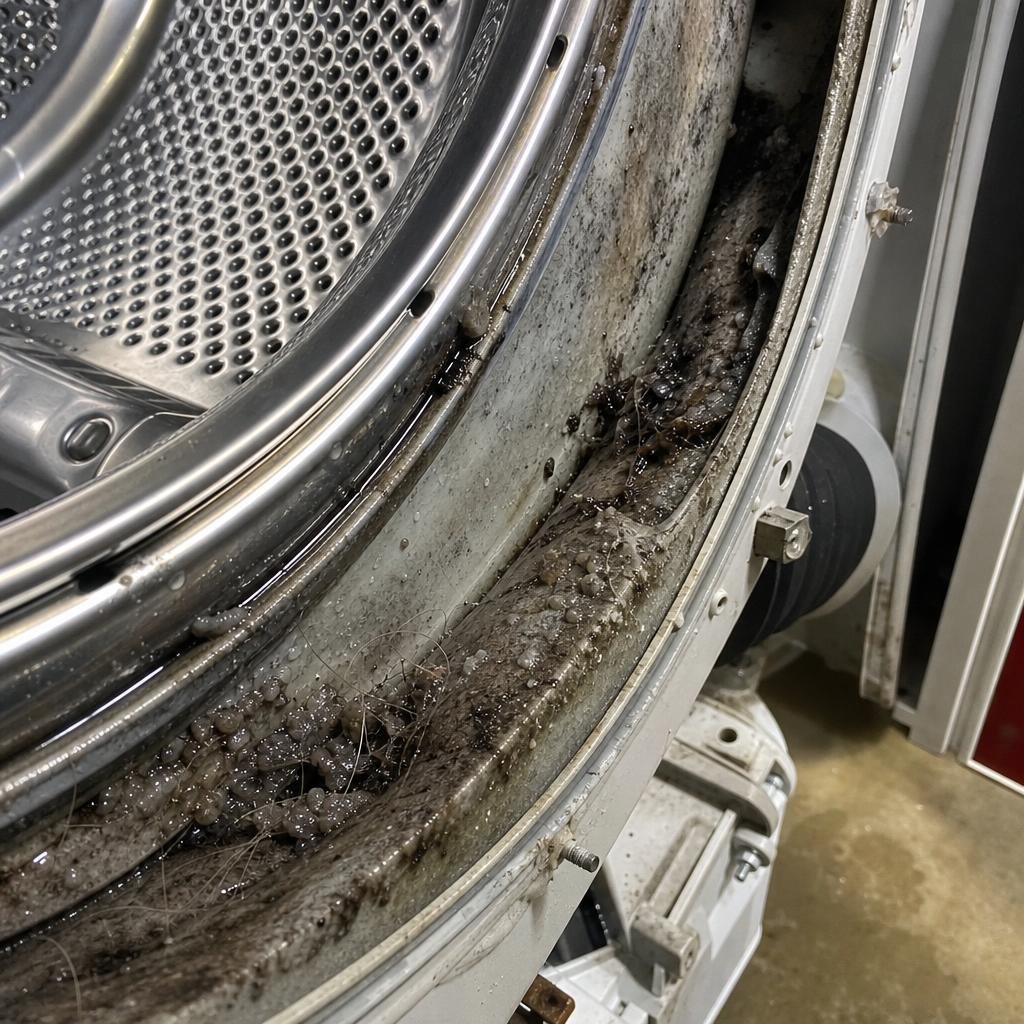
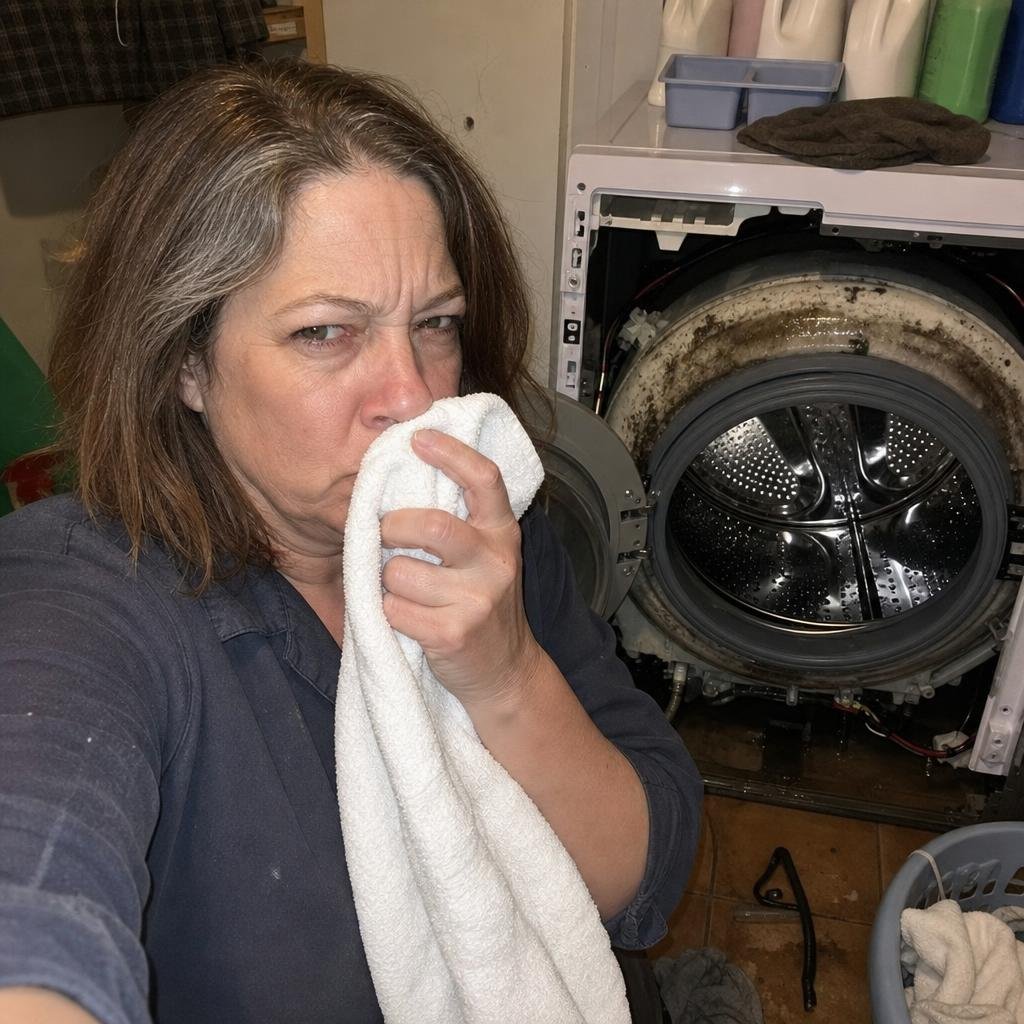
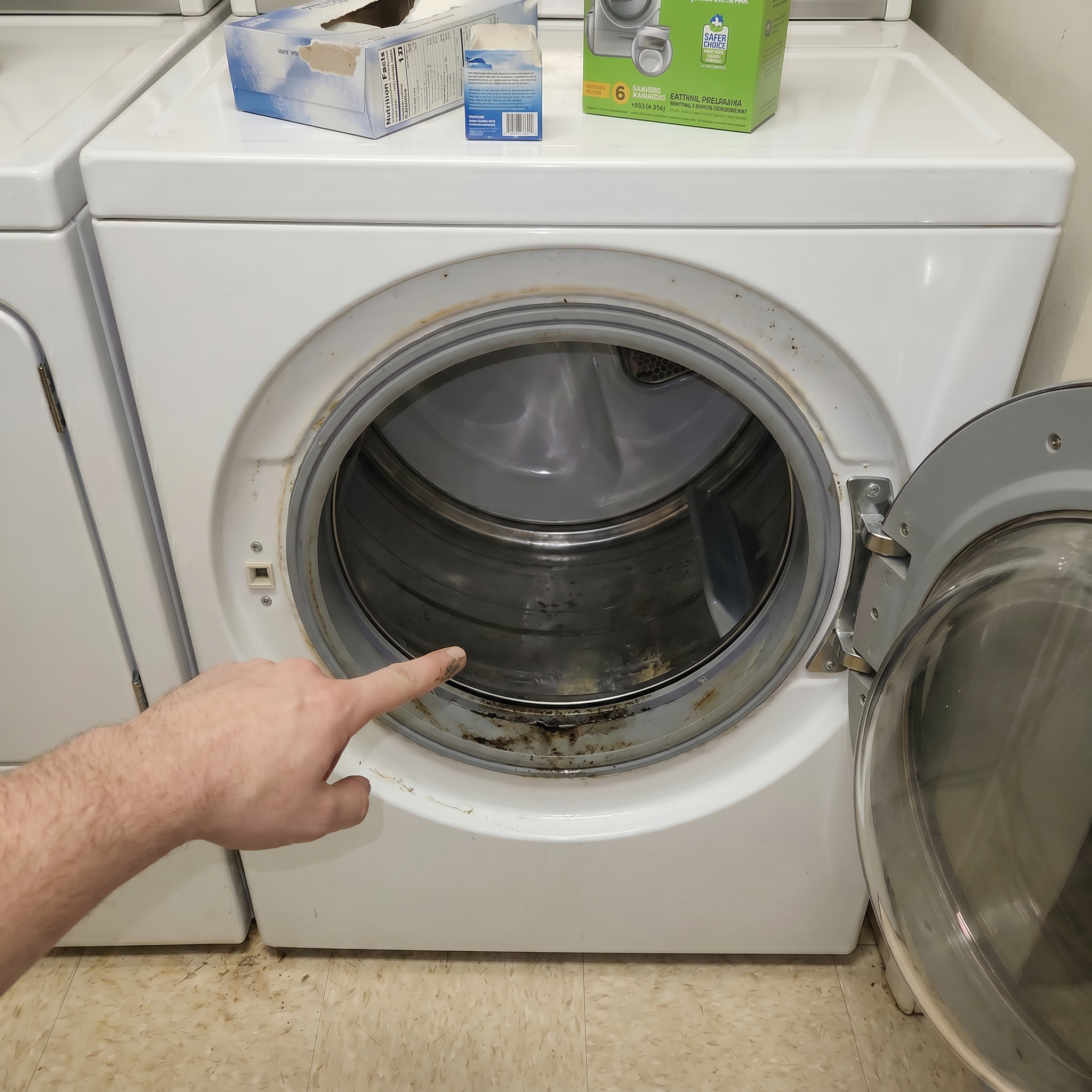
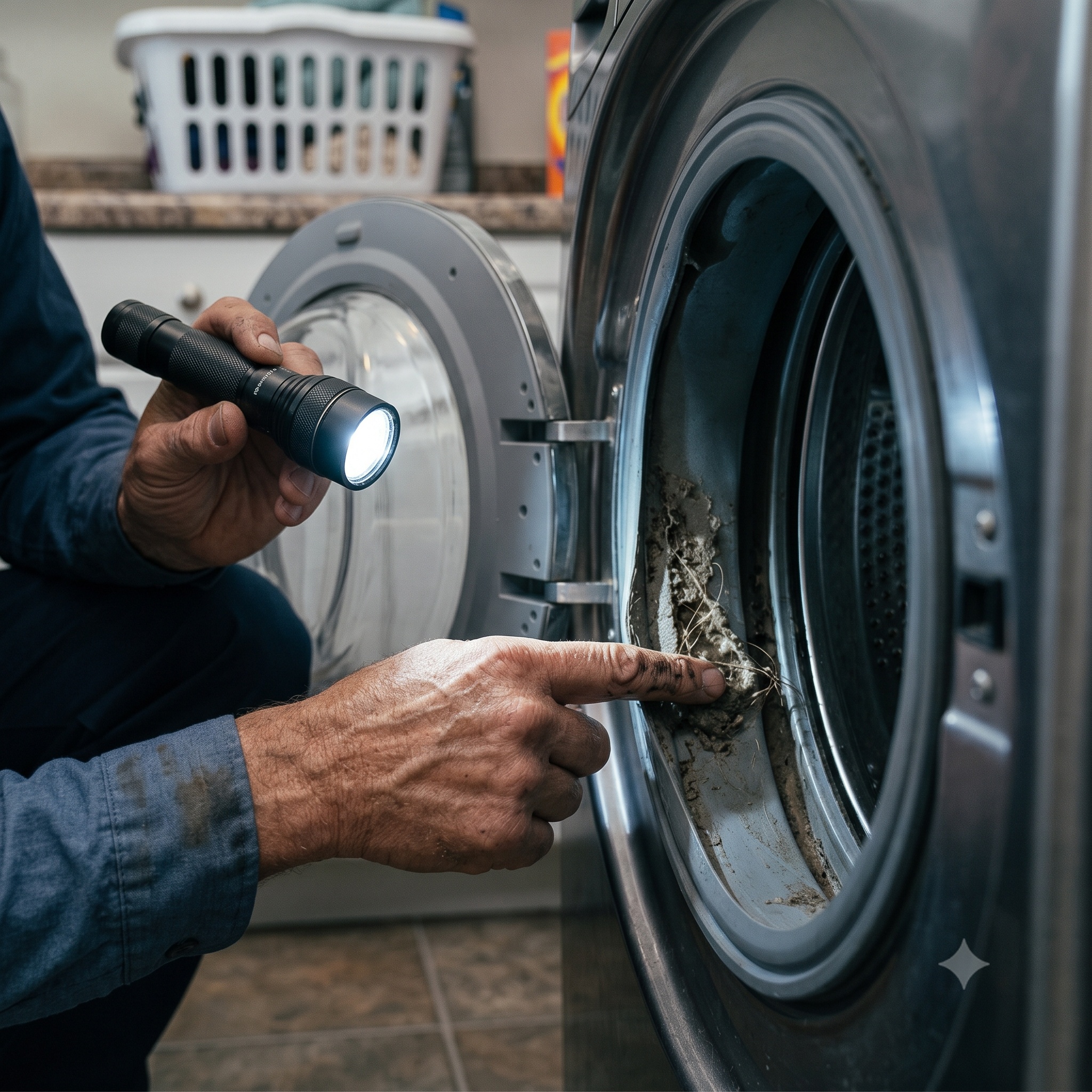
"But I don't even own a dog," I told the washing machine repair guy. "So?" he said. "You can still use the pet cleaner. It’s the only stuff strong enough for what you’ve got inside your machine." I'd been fighting the same musty smell for almost a year before I finally gave up and called an appliance repair technician. I'd already tried everything people recommend. Affresh. Bleach. Vinegar. Baking soda. The self-clean cycle. Leaving the door open. Cleaning the gasket. Even a couple of other washer tablets I'd found online that promised to work better than Affresh. They all followed the exact same pattern. The smell disappeared. Then a week or two later...it came back. By the time the technician arrived, I had pretty much convinced myself the washer itself was wearing out. Don’t get me wrong, it still filled normally. Still drained. Still spun. But I couldn't think of another reason supposedly clean towels kept smelling like they'd been forgotten in the washer overnight. He checked the obvious mechanical stuff first. Drain hose, pump, filter, all that. Everything looked fine. Then he pulled back the rubber gasket. He didn't say anything for a few seconds. He just aimed his flashlight into the fold. Finally he looked back at me. "How long has it been smelling like this?" "Probably close to a year," I told him. "You been using anything for it?" I pointed to the box of Affresh sitting on the shelf above the washer. He looked at the box like a cop eyeing a familiar crook. "I figured," he said. "You're using the wrong cleaner." I picked up the box and stared at it like it held the answers I was looking for. "This is literally washer cleaner," I protested weakly. “Yeah,” he said. "It's regular washer cleaner." He looked at me like the answer should have been obvious. Finally he said, "You need washer cleaner for pets." I cocked my head at him like a confused puppy. "But I don’t have pets." “I know,” he said. “What you have is a big problem. And the pet cleaner is made for big problems.” I must have looked completely confused because he motioned me over with the flashlight. "Look here." I leaned closer. Packed into the gasket was a gray-brown film I'd somehow never noticed. There were strands of hair running through it. Dark spots. Slimy patches. It looked nothing like ordinary dirt. "See that?" he said. "That's not just grime. That's detergent film, skin oils, hair...all stuck together." He scraped a little onto a paper towel. "If I had to guess, this has been building up for months." I stared at it. "I clean the gasket, though," I told him. "Yeah — you clean the part you can see," he said as he folded the gasket back into place. "The rest of this stuff is hiding behind the drum." Then he said something I hadn't expected. "What you need isn't another regular washer tablet. Affresh isn’t built for what you've got. You need to get the pet cleaner." I must have still looked skeptical because he continued. "Think about what goes through a pet owner's washing machine…Muddy towels. Dog beds. Blankets covered in fur. Dander. Sometimes worse. Manufacturers know that. So they build those products for the hardest organic contamination a washing machine is ever likely to see." He pointed back at my washer. "You don’t have pets, but your washing machine thinks you do." Then he gave me the simplest explanation imaginable. "Dog hair is protein. Your hair is protein. Dog skin leaves oils. So does yours. This stuff doesn't care where any of it came from." Then he said something I kept replaying in my head long after he left. "Protein is protein. Oil is oil." He recommended I look for a pet-specific washer cleaner built around enzymes instead of another oxygen-bleach tablet. He cleaned what he could reach. Charged me for the visit. Told me to leave the washer door cracked between loads. Then he left. I appreciated the advice. I also thought he had to be oversimplifying things. A pet cleaner sounded like something made for muddy golden retrievers, dog blankets, and houses with fur on every surface. I lived alone. No dog. No cat. No pet beds. No muddy paws. Why would I buy a product built for someone else's problem? That question bothered me enough that I sat down at my computer that night determined to prove him wrong. Instead...I slowly realized I'd been thinking about the entire category backwards. I expected to spend maybe twenty minutes proving he was full of it. Instead, I lost most of the evening learning that he wasn’t. The first thing I wanted to know was whether "pet cleaner" actually meant anything, or whether it was just another marketing label. So I started searching: “why are pet laundry detergents different” “pet washing machine cleaner” “pet hair washing machine” The more I read, the more I realized manufacturers weren't building pet products because pet owners enjoy buying specialty cleaners. They were building them because pet laundry creates the toughest organic contamination most washing machines will ever see. Think about what regularly goes through a pet owner's washer. Dog beds. Blankets covered in fur. Towels used after muddy walks. That's a completely different challenge than washing a week's worth of T-shirts. If you're designing a cleaner expected to handle that...you have to build it strong enough to handle the worst-case scenario. That was the first time the technician's recommendation started making sense. Then I started reading about what actually causes that musty smell. I had assumed it was mold. And it is. Sort of. That wasn't completely wrong. But it also wasn't the whole story. What I kept learning about was something called biofilm. Detergent and fabric softener don't rinse completely out of a front-loading washer. Tiny amounts stay behind. Hair stays behind. Skin cells. Body oils. If you have pets...pet hair and dander too. Those materials collect on damp internal surfaces where you can't see them — behind the drum, inside hoses, around seams, deep inside the gasket folds. Then bacteria move in. But they don't simply grow on top of the residue. They build something around themselves. That’s the biofilm. That's the part I'd never understood. Biofilm isn't just bacteria. It's a protective structure. Almost like a force field. Detergent, proteins, moisture, hair…they all get trapped inside. And the basic cleaners just bounce off. Suddenly the technician's diagnosis sounded a lot less simplistic than it had an hour earlier. Then I found the piece that explained why I'd spent almost a year running in circles. Most regular washer cleaners rely primarily on oxygen bleach. Oxygen bleach is very good at oxidizing exposed residue. It's very good at removing odors. It's very good at making a washer LOOK cleaner. That's why I'd kept buying another box. And the smell got a little better because the surface had been cleaned. But the biofilm underneath hadn't been touched. It was still hiding under its little force field…eating…and growing. That explained everything. Why the smell always came back. Why it came back faster each time. And why switching brands never changed anything. I'd spent months trying different packaging without ever trying different chemistry. That naturally led to the next question. If regular washer cleaners weren't built for this...what was? I went back to what the technician had said. "Get the pet cleaner." The more I looked into it, the less strange that recommendation seemed. Now I understood why he'd said my washer didn't know whether I owned a dog. Biofilm certainly didn't. And it didn’t care. Protein is protein. Oil is oil. It doesn't care whether either one came from a Labrador...or from me. Once I accepted that, I stopped comparing marketing claims and started comparing how the products were actually built. One thing kept standing out. The cleaners designed for heavier organic contamination relied on enzyme systems instead of depending almost entirely on oxygen bleach. That made intuitive sense. Biofilm isn't made from one material. It's made from several. Different enzymes target different parts of that buildup until the structure holding everything together starts to break apart. I wasn't looking for a prettier box anymore. Or a stronger fragrance. I was looking for a cleaner that matched the problem I'd finally understood. That's how I found Uproot. I'd never heard of the company before. They're a small business in Florida, and I later learned they'd built their formula around enzyme technology originally developed by NASA to manage biofilm in closed water systems. Their cleaners use enzymes to attack biofilm from several angles simultaneously. I was intrigued enough to buy a box. They had a 60-day money-back guarantee, so why not. A few days later, it showed up. I ran a cleaning cycle, closed the washer, and went about the rest of my day. Because I already knew what usually happened. The smell would disappear. I'd feel relieved. Then, somewhere around the second week...it would quietly come back. This time it never did. Weeks passed. Then months. The musty smell simply stopped being part of my routine. Looking back, the thing that sticks with me isn't that I finally found the right cleaner. It's how many times I walked past it because of one word on the label. I thought "pet" described the customer. It doesn't. It describes the kind of contamination the cleaner was engineered to handle. I still don't own a dog. But if my washer ever develops that same musty smell again, I'm not buying the cleaner built for the average job. I'm buying the one designed for the hardest one. If your washer keeps following the same frustrating pattern mine did — fresh for a week or two, then quietly musty all over again — you may not need another washer. You may not even need another brand. You may simply need a cleaner built for a completely different level of contamination. I ordered mine directly from Uproot's website because I couldn't find it in stores. Last time I checked it was around $20 a box, and they were still offering bundle discounts. If you'd like to take a look, here's the same page I ended up ordering from. 👉 https://uprootclean.com/products/uproot-washing-machine-cleaner-pro
Where the ad sends people
uprootclean.com
The Repair Tech Looked At My Washer And Said, "Get The Pet Cleaner."
Uproot Washing Machine Cleaner Pro
Shop now: uprootclean.com(opens in a new tab)