The National Home Laundry Association
The National Home Laundry Association Facebook ad: “Your Washer Has A Hidden Side”
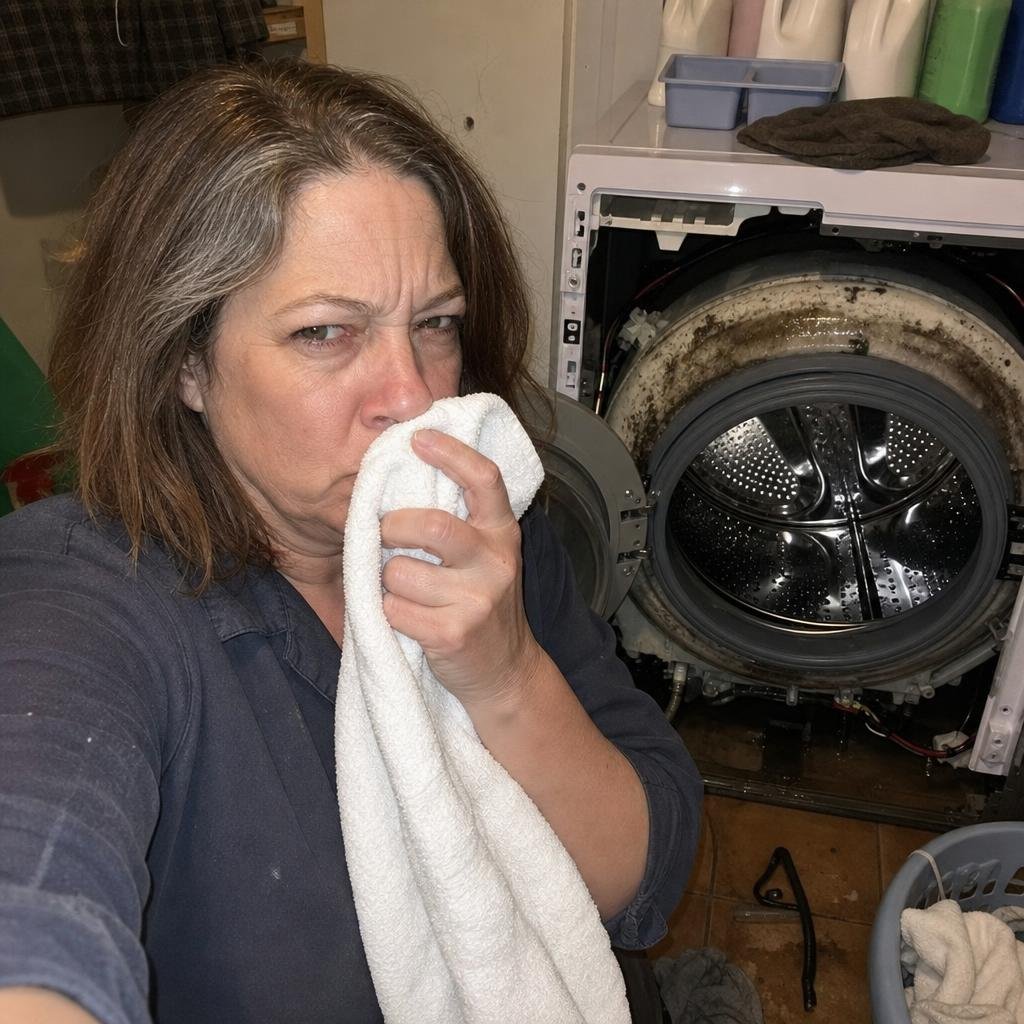
Ran for 3 days, from August 21 to August 24, 2026, the last day Crush saw it.
Run by The National Home Laundry Association on Facebook. Crush is not the advertiser and does not verify its claims. See this ad in Meta's Ad Library(opens in a new tab)
Want an ad like this for your product?
Crush makes new ad images for your product from this ad: your logo, your product photo, your offer.
Trials from $19.95 USD, then $79.95 USD a month. Cancel anytime.
About this ad
- Meta Ad Library ID
- 4700093346982329
- Platforms
- Facebook, Instagram, Messenger and Threads
- Relaunches
- 3
- Niche
- Pets
Ad text
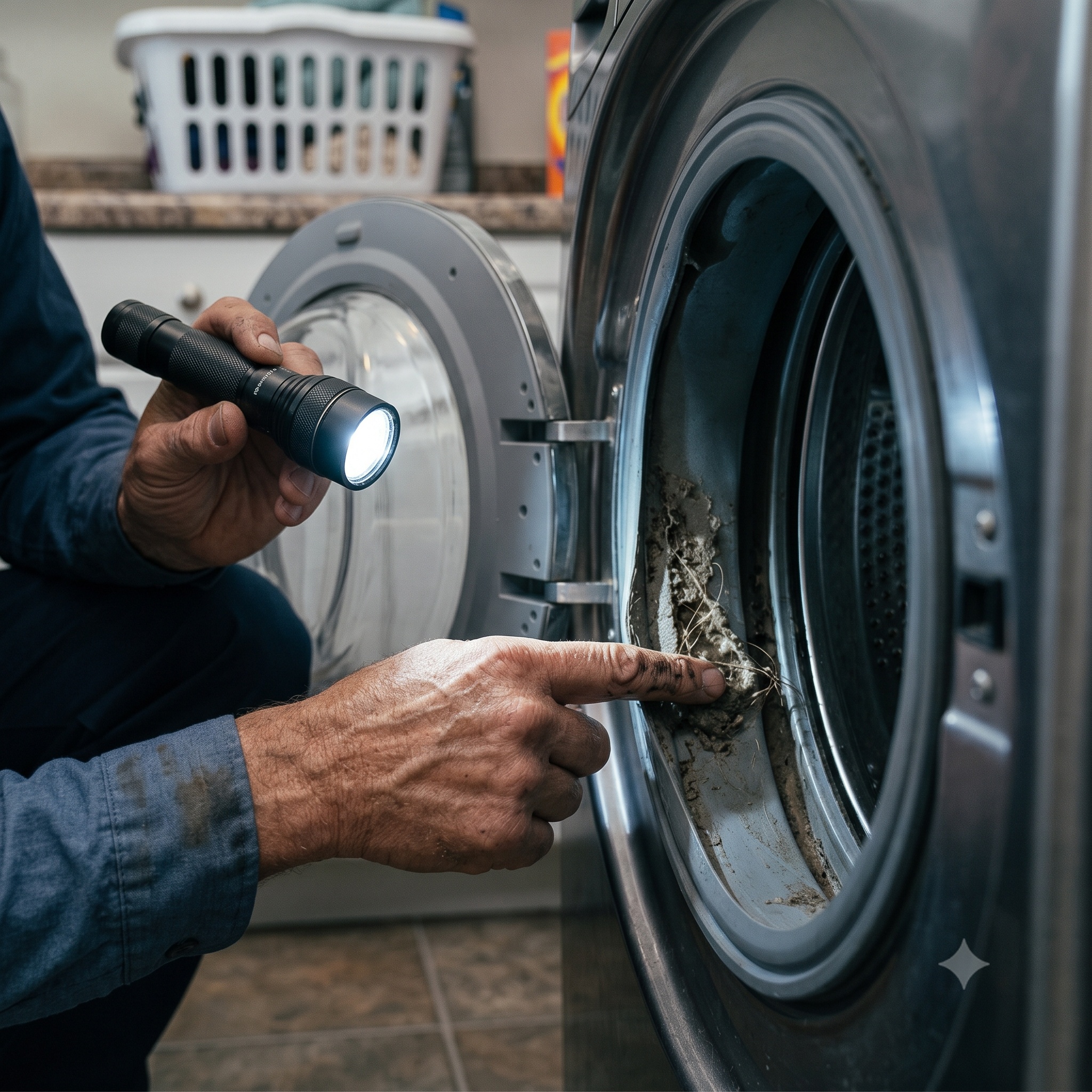
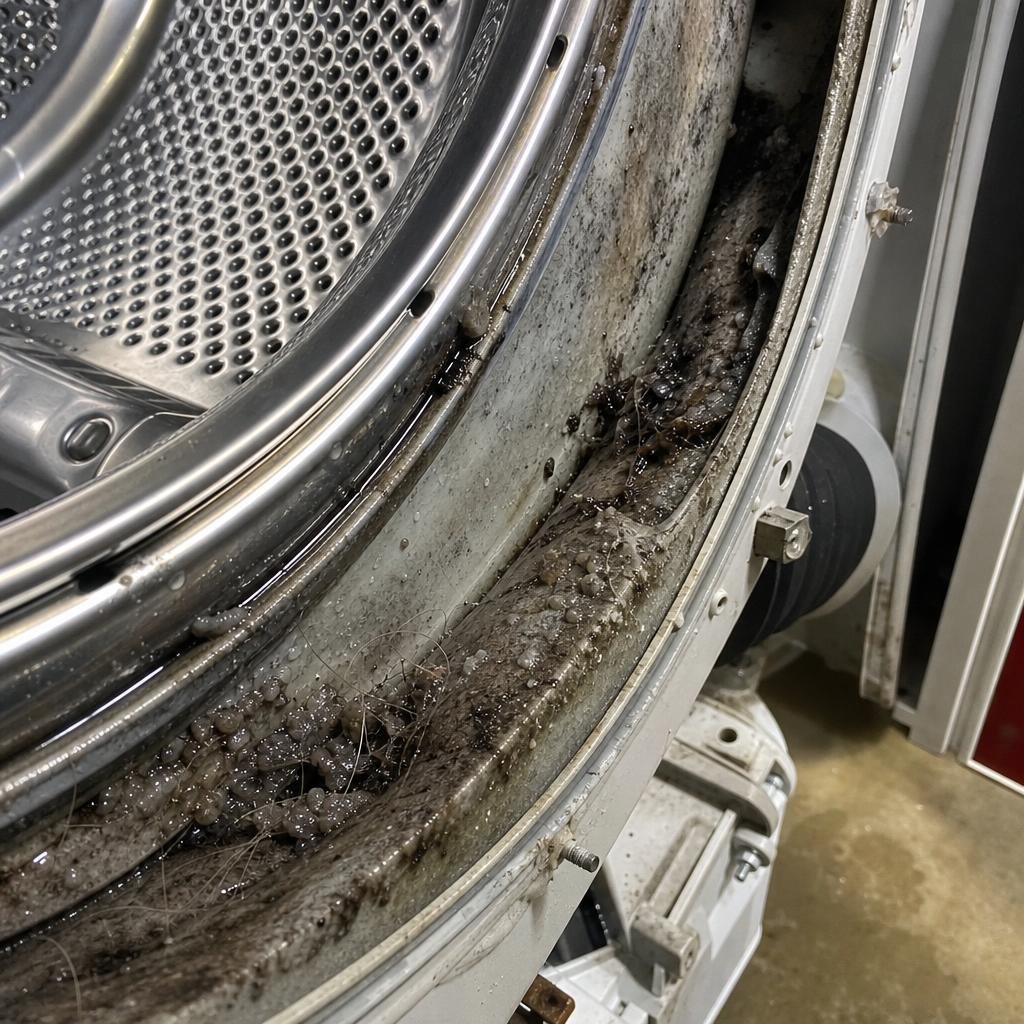
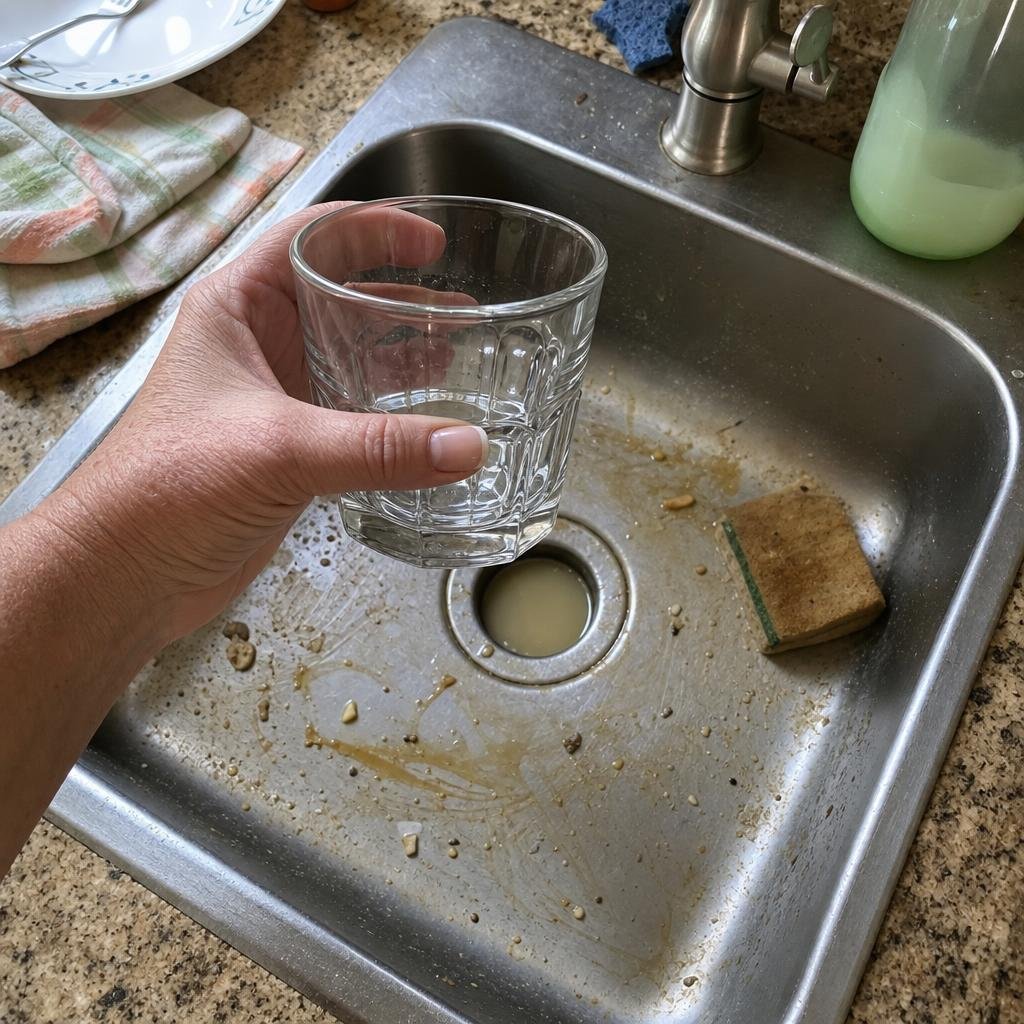
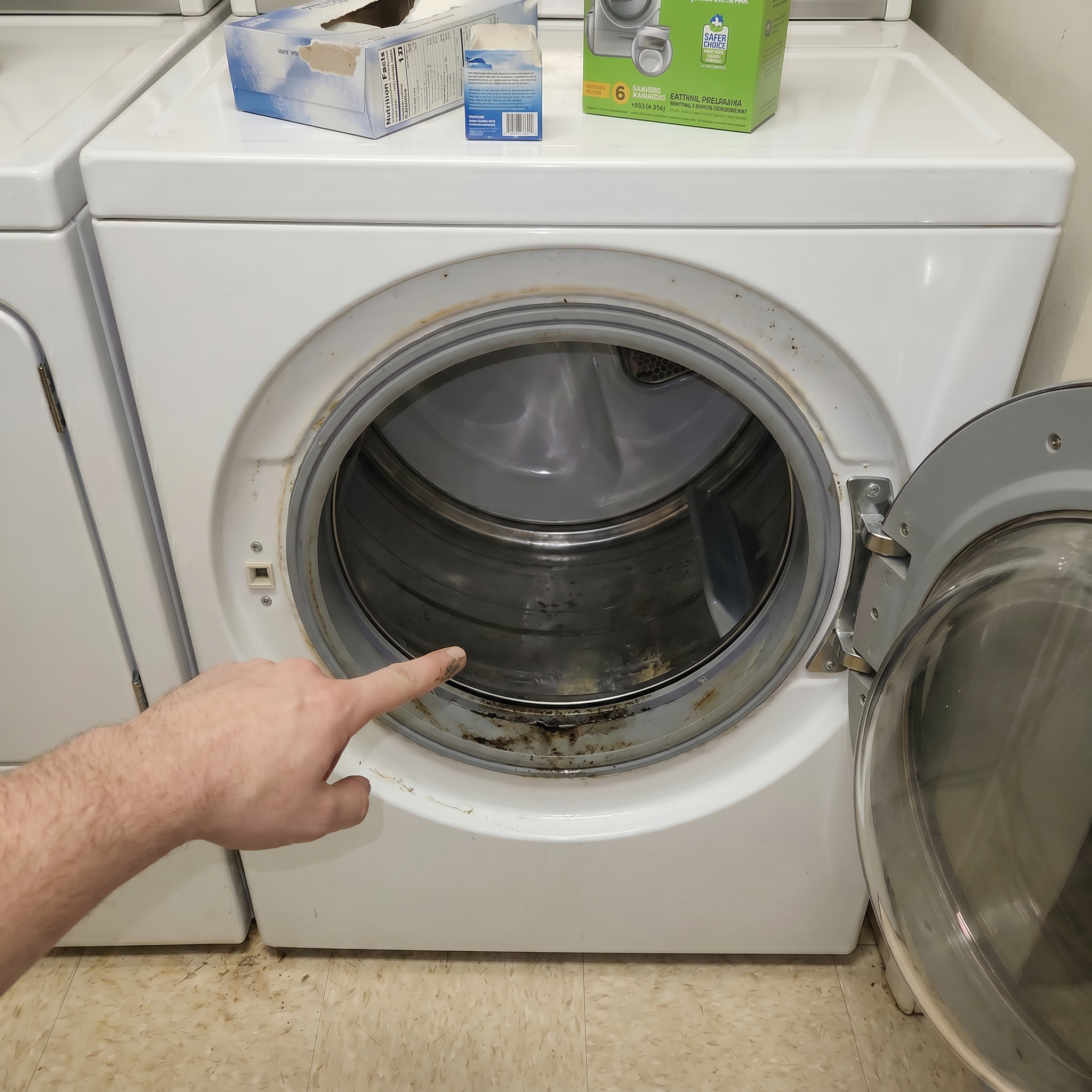
My washing machine looked clean. The drum was shiny. The door glass was clear. There was no dramatic black sludge waiting for me around the opening. But clean laundry still came out smelling like wet fur and warm pennies. That was when I realized the part I could see was the least important part of the machine. I learned that rule during the closing shift at a small restaurant where I worked for six years. At the end of the night, after the last table left and somebody had mopped around the soda machine for the third time (it was always the third time), we cleaned the sink. Not a quick rinse. The whole thing. We scrubbed the basin. We checked around the drain. We replaced the damp sponge before it started smelling like a wet sock with a criminal record. And if a glass had been sitting near the dirty dish pile, we rinsed it again before it went back into service. There was a reason for all that fuss. You do not clean a glass in a dirty sink and then call the glass clean because water touched it. The sink is part of the cleaning process. If the sink is coated in grease, old food, and dirty water, it becomes part of the problem. That rule lived in my head for years. Then, somehow, I forgot it the moment I walked into my laundry room. We had the normal household laundry situation. Towels. Sheets. Hoodies. The occasional blanket that had spent too much time on the floor. A dog who contributed more hair to the house than seemed mathematically possible. Every few weeks, one of the loads came out smelling wrong. Not always terrible. That would have been easier. It was more like the fabric smelled clean for about five seconds, then the old odor rose back up when the towel warmed against your skin. Wet fur. Warm pennies. A damp basement that had been sprayed with perfume. You know the smell. You pull the laundry from the washer and lean in for a little quality-control sniff, because apparently this is who we are now. Then you pause. The detergent smells fine. The clothes look clean. But something underneath is still there. So I did what most people do. I blamed the detergent first. I bought a different brand. Then another one, because the second brand had better reviews and a label promising to defeat a small oil spill. I added vinegar. I tried baking soda. I ran extra rinses. I used hotter water. I wiped the rubber seal around the door and found the usual collection of lint, hair, and things I chose not to identify before breakfast (a boundary is a boundary). For a while, I even added scent beads. That made the laundry room smell better. It did not make the machine cleaner. This is where I had been making the wrong call. Every product I was adding was aimed at the clothes. Detergent was meant to clean the load. Vinegar was added to the load. Baking soda went into the load. Scent products covered the load. Nobody had made me think about the tool the load was passing through. And the washing machine gets a very generous free pass because of its job description. It cleans things, so we assume it must be clean. That would be like assuming a restaurant sink stays clean because dishes are washed in it. It would be like rinsing a glass in a greasy basin, holding it up to the light, seeing no obvious stain, and deciding the glass had somehow escaped the sink. The machine looks perfectly respectable from the door while the important surfaces sit somewhere you cannot reach with a cloth. Behind the visible, perforated drum is the outer tub and the enclosed space around it. Water and suds move through that space during the wash cycle. So do the leftovers from the load. Detergent film and starch residue. Pet hair and dander. Skin-cell protein. Oils. Sebum. Softener residue. Moisture that never gets a chance to dry properly. Over time, that material sticks to the wet surfaces and forms a biofilm. The important part is where it sits. This is not just a dirty spot around the opening that you can wipe away while waiting for the next cycle. It is a hidden section of the machine that receives water again and again. So when the next load starts, fresh water moves across the old buildup, picks up loose material, and carries some of it back through the wash water. The washer is supposed to clean the clothes. But if the hidden path is holding old residue, the machine also puts some of that residue back into the load. That was the part that made me put down the scent beads. I had been treating the laundry as if it were the only thing getting dirty. The dog was not the whole problem. The detergent was not the whole problem. And the shiny drum was not proof that the machine was clean inside. I had been cleaning the wrong end of the process. Once I understood that, all the previous attempts made more sense. Changing detergent changed what happened to the clothes during one cycle. It did not remove the organic buildup already sitting inside the machine. Vinegar gave me a temporary change in smell. It did not turn the hidden outer-tub space into a clean surface. Wiping the gasket was still worth doing. But the gasket was only the part giving me a visible clue. It was not the full source of the problem. I needed something that treated the washing machine as the object being cleaned. That is what led me to Uproot Washing Machine Cleaner. It is a tablet you place directly into an empty washer, then run on the Normal, Hot Water, or Clean Washer cycle. After the cycle, you wipe away any residue left behind. The difference was in what the formula was designed to work on. Uproot uses oxygen bleach along with a blend of enzymes that target the organic layers hiding inside the machine. Alpha-amylase breaks down starch and detergent-residue film. Protease breaks down protein from pet hair, dander, and skin-cell residue. Lipase breaks down oils and sebum. Picture the buildup as a thin, sticky mess holding onto the inside of the machine. One part of the formula attacks the film. Another works on the protein material. Another goes after the greasy layer that keeps feeding the mess. Then the water carries the dissolved cleaner through the same paths the wash water uses. That includes the outer tub, the hidden space behind the drum, and the drain path. So the tablet is not trying to make a dirty load smell like a different smell. It is cleaning the machine that touches every load. I was skeptical at first. I had already bought enough laundry products to start a small, badly organized store. But this was the first time the solution matched the problem I had finally identified. I ran the washer empty, placed the tablet in the drum, and started the cycle. The first thing I noticed was residue after the cycle. Not a horror-movie river pouring out of the machine. Just enough material left behind that I understood why wiping the inside afterward mattered. That little wipe felt different from wiping the gasket. The gasket had been me cleaning what I could see. This was me cleaning the machine’s hidden working surfaces through the water path. The next load was a towel and a set of sheets. When they came out, I did the usual sniff test. I expected the old smell to rise up after the detergent smell faded. It did not. The fabric smelled like clean fabric. No perfume cloud trying to distract me. No wet-fur note hiding underneath. Just clean. That is the kind of result that makes you stand in front of the open washer for a second longer than necessary (do not ask me why). Not because the machine suddenly became exciting. Because you realize how long you have been working around the wrong problem. And I was not the only person with this issue. Uproot has a 4.9-star rating from over 610+ reviews. If the machine is holding pet hair protein, oils, detergent film, and other residue, you need something that reaches the machine and breaks down those layers. Not another scent product aimed at the clothes. Uproot works with top loaders, front loaders, HE washers, and compact machines. It is septic safe, has no fragrance in the Pro version, and the recommended use is every two weeks or whenever musty odors show up. Their 24-pack is $19.99, and it comes with a 60-day money-back guarantee. So you can clean the washer, run your next load, and judge the laundry for yourself. If the smell has been following you from the washer to the dryer to the closet, stop adding more fragrance to the clothes for a minute. Look at the tool. The same way you would never rinse a clean glass in a sink coated with old food, you do not have to keep sending clean laundry through a machine that has never been cleaned where the water actually goes. Place one Uproot tablet in the empty drum. Run the cycle. Wipe away the residue afterward. Then wash the load that has been making you suspicious of your detergent, your dog, your towels, and your own housekeeping. The problem was not that you failed to buy the right scent. You were trying to clean the output while the tool itself was holding the source. Tap below to try Uproot Washing Machine Cleaner for $19.99, backed by the 60-day money-back guarantee. https://uprootclean.com/products/uproot-washing-machine-cleaner-pro Your washer cleans everything that passes through it. It deserves to be cleaned, too. P.S. You do not have to wait for a bad smell to make the decision. Use Uproot Washing Machine Cleaner every two weeks, or run it when the musty odor shows up. Clean the machine first. Then judge the laundry.
Where the ad sends people
uprootclean.com
Your Washer Has A Hidden Side
Uproot Washing Machine Cleaner Pro
Shop now: uprootclean.com(opens in a new tab)