Dr. James Keller
Dr. James Keller Facebook ad: “Read this if your oxygen keeps crashing”
Ran for 48 days, from June 22 to August 9, 2026, the last day Crush saw it.
Run by Dr. James Keller on Facebook. Crush is not the advertiser and does not verify its claims. See this ad in Meta's Ad Library(opens in a new tab)
Want an ad like this for your product?
Crush makes new ad images for your product from this ad: your logo, your product photo, your offer.
Trials from $19.95 USD, then $79.95 USD a month. Cancel anytime.
About this ad
- Meta Ad Library ID
- 1056104903672545
- Platforms
- Facebook, Instagram, Audience Network, Messenger and Threads
- Relaunches
- 0
Ad text
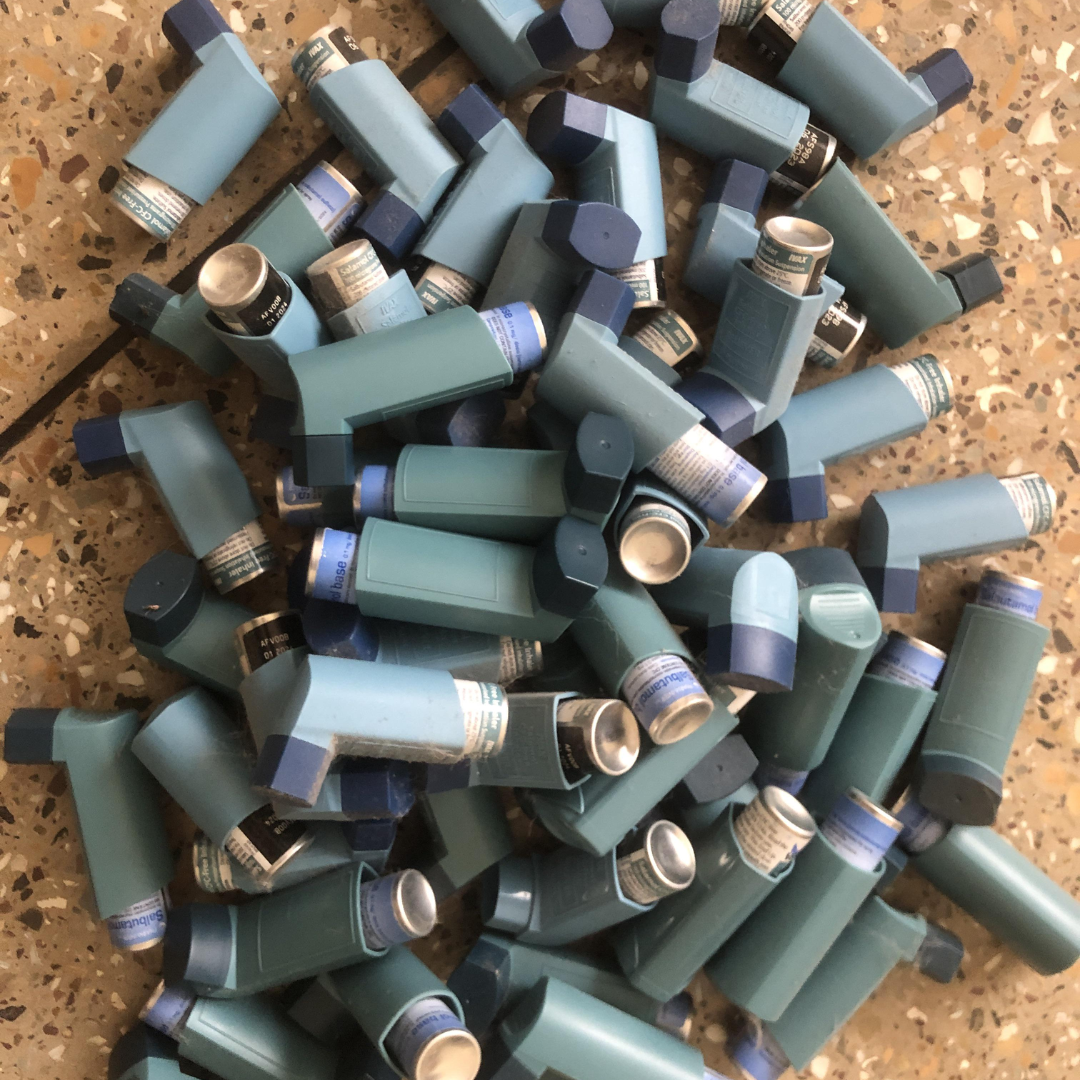
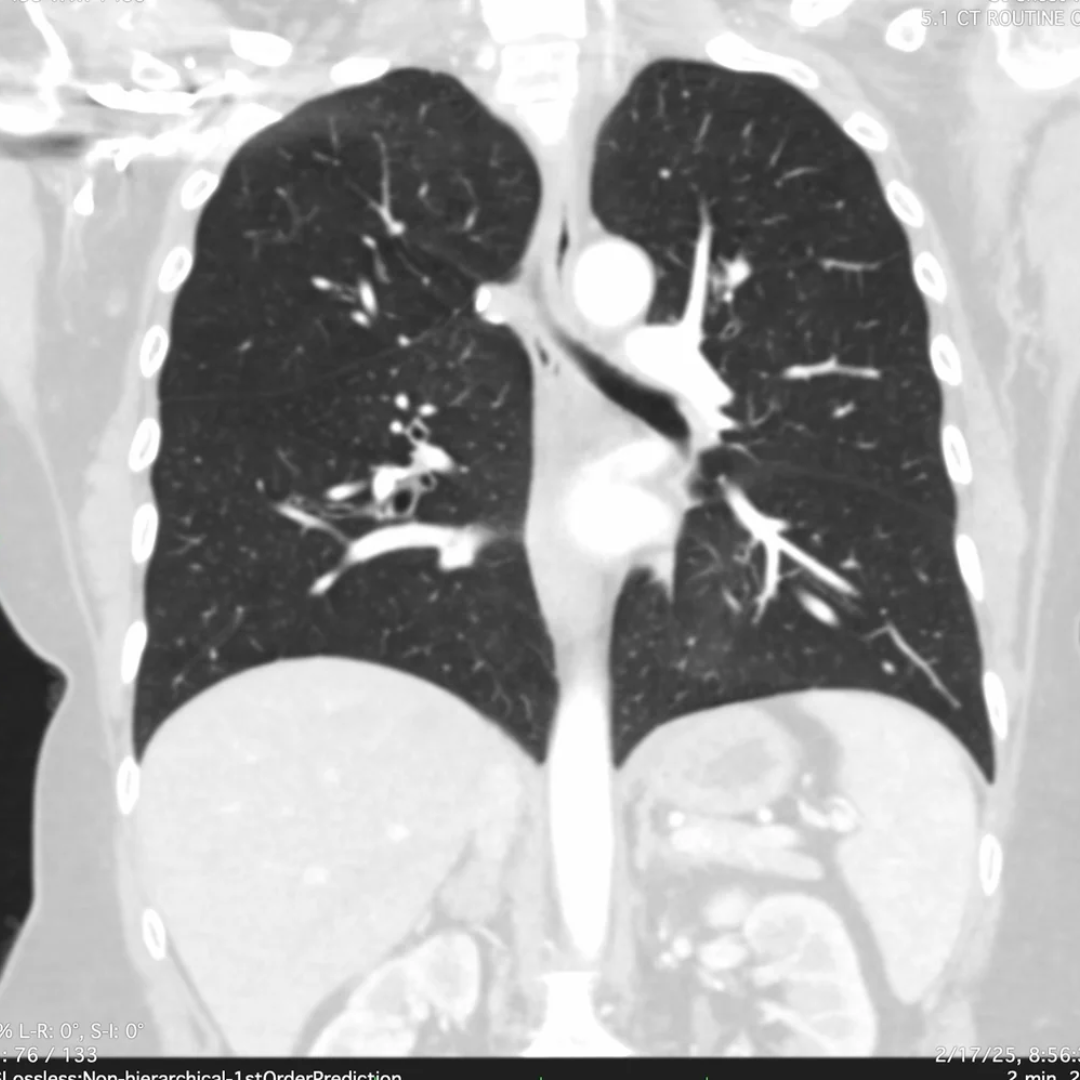
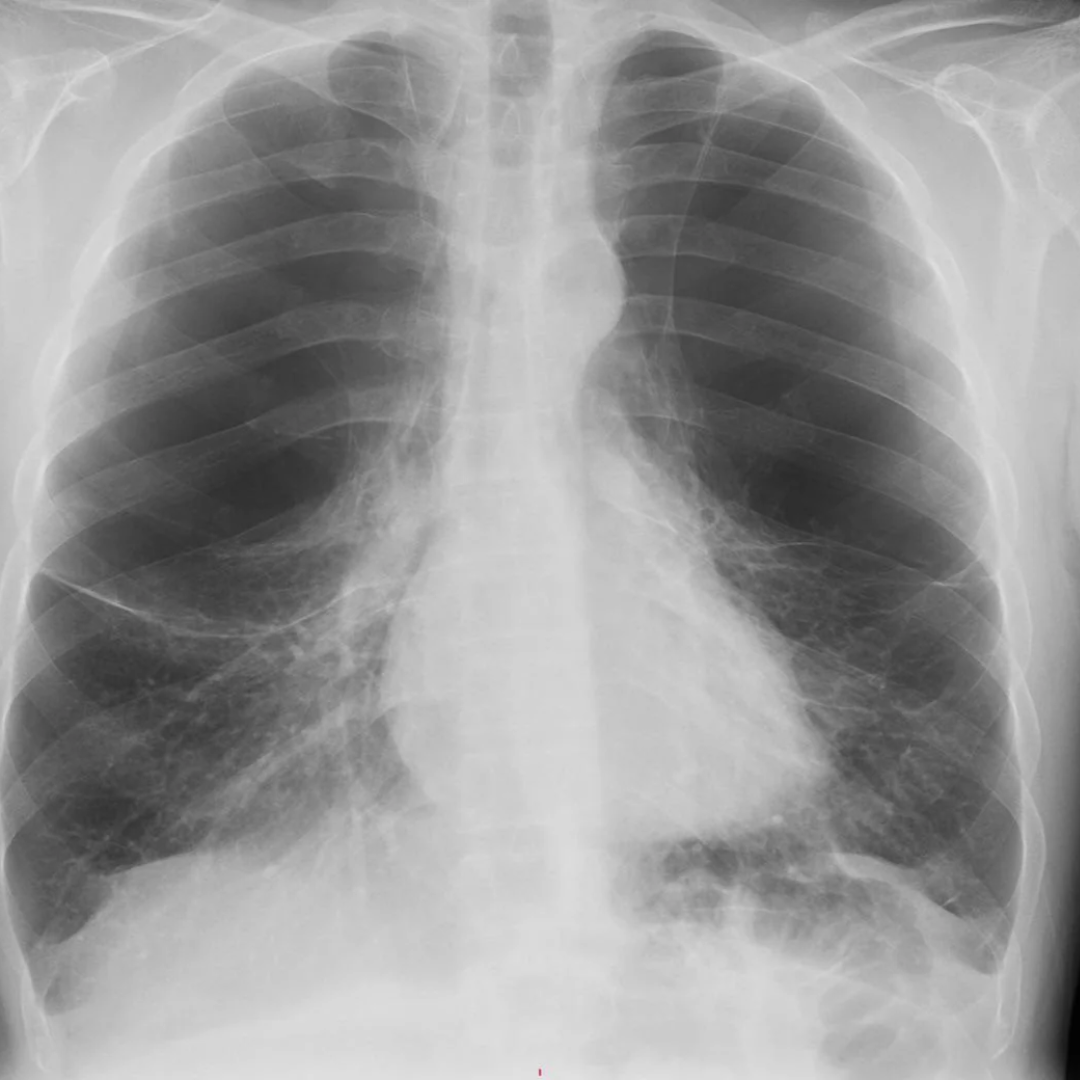
If your oxygen reads in the mid-90s sitting in your chair but crashes into the 80s every time you stand up, walk to the kitchen, or bend down to pick something off the floor, and you don't want to end up tethered to an oxygen tank, here's what I would do as a pulmonologist. A lung specialist. I would stop pretending that calling your spirometry "stable" is a plan. That is not a plan. That is a countdown. I'm Dr. James Keller. I've been a pulmonologist for 22 years. I've watched COPD shrink lives down to the length of a hallway. I've sat across from patients and explained what continuous oxygen means. A cannula in your nose 24 hours a day. A concentrator running through every night. Hooked to a hose just to walk to your own kitchen. I've watched it shrink bodies. Shrink homes. Shrink entire futures. And I've watched patients come into my clinic who followed every instruction. Used every inhaler. Kept every appointment. Never missed a dose. And still ended up with their exertional oxygen falling another 2 or 3 points every 6 months. So when I tell you that monitoring a resting number is not the same as stopping what's narrowing your airways underneath it, I need you to understand exactly what I mean. Here is what your spirometry is not showing you. Your airways are under sustained attack from a layer of mucus nobody has ever bothered to point out to you on a scan. Years of inflammation have built a hardened, cemented layer inside your airways. Not the loose stuff on top that comes up when you cough. The layer underneath. Pressed against the airway wall. Compacted over years like scale inside an old pipe. This layer narrows your airways from the inside. It does not show up on a standard chest X-ray because its density is too close to the surrounding airway tissue. It does not show up on your resting pulse oximeter reading because at rest, your body compensates. Your diaphragm works 5 or 6 times harder than normal to push enough air through the narrowed passage. The number holds. You sit in your doctor's chair and the reading is 96. We smile. But the second you stand up, walk, climb stairs, bend down, your body needs more air. The narrowed passage cannot deliver it. Your diaphragm is already maxed out. Your oxygen crashes. Think of it like scale building up inside an old pipe. It makes no sound. It leaves no warning. It just grows a fraction of a millimeter thicker every year until one day you cannot walk from your couch to your kitchen without stopping at the doorframe. Until you are sleeping in a recliner because lying flat feels like drowning. Until your world has shrunk to the length of your hallway. Your inhalers manage the muscle around the passage. They do not touch the layer coating the inside. Spiriva, Symbicort, Trelegy. They all relax the smooth muscle in the airway wall. They open the passage from the outside. Whatever they widen gets widened with the cemented layer still coating the inside. That is why your resting numbers can look fine while your exertional numbers keep falling further every year. And here is what stopped me cold, reading at midnight with 22 years of pulmonology behind me. The research on how to reach that cemented layer directly exists. It has been published. Peer reviewed. Sitting in databases that a 15-minute appointment leaves no time to read. There are four specific botanical compounds that address the cemented layer at the airway level. Not relax the muscle outside. Not thin the surface mucus. Actually dissolve the bonds holding the cement to your airway walls. Compounds that have been used in respiratory therapy for decades but never combined into a single direct delivery system most patients can access. And for years I was not mentioning it. Not because I was hiding it. Because the gap between published research and clinical practice is not malice. It is time. It is a system that funds what it can patent and leaves everything else sitting in journals. You cannot patent a botanical compound. So no pharmaceutical company funds the trials that would land it on a sales representative's desk. The studies stay in databases. Patients keep coming in with declining lung function and exertional crashes that won't stabilize. That is not your fault. You used the inhalers. You tracked the resting number. You kept every appointment. The system was only giving you half the answer. Let me tell you about the other half. Six months ago a patient came into my clinic. COPD for 11 years. Resting sats at 95. On Spiriva and Symbicort. Following every instruction. And his exertional oxygen had been crashing to 81 walking from the waiting room to my office. His resting number was managed. His airways were not. Three months later he came back. His resting sats were still 95. But his exertional oxygen was holding at 92 on the same walk. His lung function had climbed 6 points. He told me he had stopped sleeping in his recliner and was back in his own bed. I looked at his chart. Looked at him. "What did you change?" He reached into his jacket and set a small amber bottle on my desk. A spray. Four botanical compounds. A delivery format I had never written a prescription for in 22 years. Called VelvaFlow. I picked it up the way I pick up anything a patient brings me. Skeptically. Read the label. Set it down. Told him I was glad his numbers had improved and that we would continue monitoring. That night I could not stop thinking about the exertional reading. Exertional sats do not stabilize like that. Not in 3 months. Not without a significant intervention. Not in a patient who had been declining for 2 years. At 11:30 PM I started reading. Here is what I found. In COPD airways, there are two layers of mucus. A loose top layer that moves on its own. And a second, deeper layer. Pressed against the airway wall. Hardened. Compacted over years of inflammation into a coating that physically narrows the passage air flows through. Pathology literature calls this bronchial mucoid impaction. I have started calling it the cemented layer because under a bronchoscope that is what it functionally looks like. The only way to reach this layer is direct airway delivery. Not through the stomach. The active compounds have to be sprayed directly into the airways the same way hospitals deliver respiratory medication. The same way every nebulizer in every ER works. When your lungs are in crisis the hospital does not hand you a pill. They go direct. Because direct is the only thing that reaches lung tissue at therapeutic concentration. The four compounds documented in respiratory pharmacology journals for effect on hardened mucus matrices are eucalyptus, licorice root, peppermint, and calendula. Eucalyptus dissolves the hardened bonds holding the cemented layer together. Licorice root calms the inflammation that keeps the layer swollen and thickening every year. Peppermint opens the airways deep enough for the eucalyptus to penetrate past the surface mucus and reach the cement underneath. Calendula revives the cilia buried under the cemented layer so the lungs can start clearing themselves again. When all four are delivered together, directly to the airways, the cemented layer starts breaking apart. This is not fringe research. This is peer-reviewed science sitting in plain sight. Now. You have probably tried Mucinex. Mullein. Maybe NAC. None of it moved your numbers. I need you to understand exactly why. First: you were taking compounds that target the wrong layer. Mucinex thins the surface mucus. The watery stuff that already moves. The cemented layer underneath is oily, chemically bonded to the airway wall. Water-based mucolytics slide right off it. You were thinning what was already loose while the actual obstruction sat untouched. You were not taking the wrong dose. You were targeting the wrong layer. Second: even if you had the right compounds, the delivery format guaranteed they would never reach your lungs. Mullein. NAC. Every lung supplement on the shelf at your pharmacy. All swallowed. The moment you swallow something for a lung problem, stomach acid destroys most of it before it ever reaches your airways. Less than 1% of what is in a Mucinex capsule reaches the lungs. Less than 1% of mullein. Less than 1% of NAC. The compounds reach your gut, find no path to the lungs, and pass straight through. Your supplements did not fail because the compounds were useless. They failed because they were never delivered. That patient who set the bottle on my desk was using VelvaFlow. Four botanical compounds. Eucalyptus, licorice root, peppermint, calendula. Sprayed directly into the back of the throat so the compounds travel the same path as the air you breathe. They land directly on the cemented layer the way no pill or capsule ever can. The dosing range corresponds to the published clinical work. Third-party tested. GMP-certified. Every batch verified for purity and potency. I ordered a bottle that night. Week 1, the morning tightness was lighter. I'm an ex-smoker, 22 years smoke-free, and I'd been carrying that tightness for a decade. Mucus most mornings. A little breathlessness on the stairs at the hospital I told myself was age. Not alarming, but not moving. What I noticed first was reaching for my coffee cup and realizing I had not cleared my throat once since getting out of bed. Week 2, I coughed up something I had not seen in two decades. Dark brown. Dense. Almost black. It sank in the water. I have looked at bronchial mucus under a microscope for 22 years. I knew exactly what I was looking at. The layer pathology literature describes. Mine. I had been carrying it for 22 years and had not known. Week 3, I took the stairs at the hospital between floors without thinking about it. No pause at the landing. No hand on the railing for a second longer than necessary. Week 8, I had my own lung function tested. The number was 4% higher than my last reading 18 months earlier. 22 years of pulmonology behind me told me this disease only moves in one direction. It does not. That patient. The one with the bottle on my desk. Came back for his follow-up. His exertional sats were holding at 93 walking from the parking lot. His resting number had climbed a point to 96. I sat across from him and told him the truth again. This time it was different news. "Your numbers are improving." He nodded. "The layer is coming out." I have recommended VelvaFlow to 9 patients now. Every single one has reported the same pattern. Dark mucus coming up in the first 2 weeks. Better sleep within the first week. Exertional oxygen stabilizing within the first month. One patient. A 64-year-old woman who had not slept flat in 2 years because lying down made her feel like she was drowning. Came back at her 90-day follow-up sleeping in her bed every night. Her morning cough was gone. She cried when she told me her granddaughter no longer asks if grandma is going to be okay. Another patient's exertional sats went from 84 to 93 in 4 months. His pulmonologist who had been preparing him for a portable oxygen conversation told him the trajectory had changed. But here is what I need you to understand about why most lung supplements fail. It is not because the mechanism is wrong. The mechanism is published, replicated, and real. Most products use the wrong compounds. Mucinex thins what is already loose. Nothing touches the cement underneath. Most products use the wrong delivery format. Swallowed compounds for a lung problem are destroyed before they ever reach the lungs. Most products contain trace doses of real ingredients in a delivery system that cannot work, then call themselves a lung cleanse. The difference between a generic lung capsule I would have dismissed six months ago and VelvaFlow is the difference between none of this working and a patient's exertional oxygen climbing 9 points in 90 days. Same general direction. Completely different execution. If you are sitting with a "stable" spirometry while your exertional numbers keep falling, while you sleep in a recliner because lying flat feels like drowning, while your inhaler list keeps growing and your world keeps shrinking, try VelvaFlow risk-free. 60-day money-back guarantee. No questions asked. If your exertional oxygen does not stabilize, if you do not bring up the dark mucus that proves the cemented layer is finally moving, if you see no difference in 60 days, you pay nothing. Most patients who see real movement in their exertional oxygen are the ones who commit to at least 60 days. That is how long it takes for the cemented layer to fully break apart. That is how long it takes for the cilia underneath to come back online and start clearing your lungs on their own again. The 60-day guarantee means those 2 months cost you nothing if the numbers do not move. Here is what happens if they do. You will cough up something dark in the first 2 weeks. Dense enough to sink in water. Almost black if the layer has been there a long time. That is the cemented layer finally breaking apart. The darker it is, the longer it was stuck. Your sleep will improve within the first week. The chest tightness that wakes you at 2 AM will lighten. Some patients are back in their own beds within 10 days of using the spray. Your exertional oxygen will start stabilizing between weeks 2 and 4. You will clip the oximeter on, walk to your mailbox, and watch the number hold for the first time in years. And at your next pulmonology appointment. The one where your doctor has been saying "stable" for 2 years. He will pause. Look at the numbers. Look at you. Ask what you changed. You will tell him. He will be quiet for a moment. Then he will use a word you have not heard in years of appointments. "Improving." Not stable. Improving. Two sprays daily. Morning and evening. That is the whole protocol. They sell out. It is a small company sourcing verified botanicals and doing it properly. If you see out of stock, sign up for the notification. If it is available, order now. There is a promotion running currently. Three bottles at a significant discount, which is the commitment window where the cemented layer actually comes out and the cilia underneath come back online. If you are dealing with: Oxygen that crashes every time you stand up while your resting number looks fine. A morning ritual at the kitchen sink that takes 15, 20 minutes to clear what your lungs have been holding overnight. A recliner you have been sleeping in for months because lying flat makes you feel like you are drowning. A pulmonologist who keeps calling your spirometry stable while you watch yourself disappear one number at a time. A world that has shrunk from a life to a hallway. Give it 60 days. Track your exertional oxygen. Note your sleep, your morning ritual, your stairs. If the numbers do not move, you get your money back. But if they do. If your exertional sats start holding. If the dark mucus comes up. If your doctor pauses over your numbers and says the word you have been waiting to hear for years. You will understand why I now have a standing conversation with every COPD patient who walks into my office. https://velvaflow.com/products/lung-cleansing-spray Our fathers didn't have this option. We do. The muscle is being relaxed. The layer was never reached. You know now that it can be. ~ Dr. James Keller, MD, Pulmonology, 22 years
Where the ad sends people
velvaflow.com
Read this if your oxygen keeps crashing ☝️
VelvaFlow
Learn more: velvaflow.com(opens in a new tab)