Dr. James Keller
Dr. James Keller Facebook ad: “Read this if your FEV1 keeps dropping”
Ran for 8 days, from June 23 to July 1, 2026, the last day Crush saw it.
Run by Dr. James Keller on Facebook. Crush is not the advertiser and does not verify its claims. See this ad in Meta's Ad Library(opens in a new tab)
Want an ad like this for your product?
Crush makes new ad images for your product from this ad: your logo, your product photo, your offer.
Trials from $19.95 USD, then $79.95 USD a month. Cancel anytime.
About this ad
- Meta Ad Library ID
- 2054495758470197
- Platforms
- Facebook, Instagram, Audience Network, Messenger and Threads
- Relaunches
- 1
Ad text
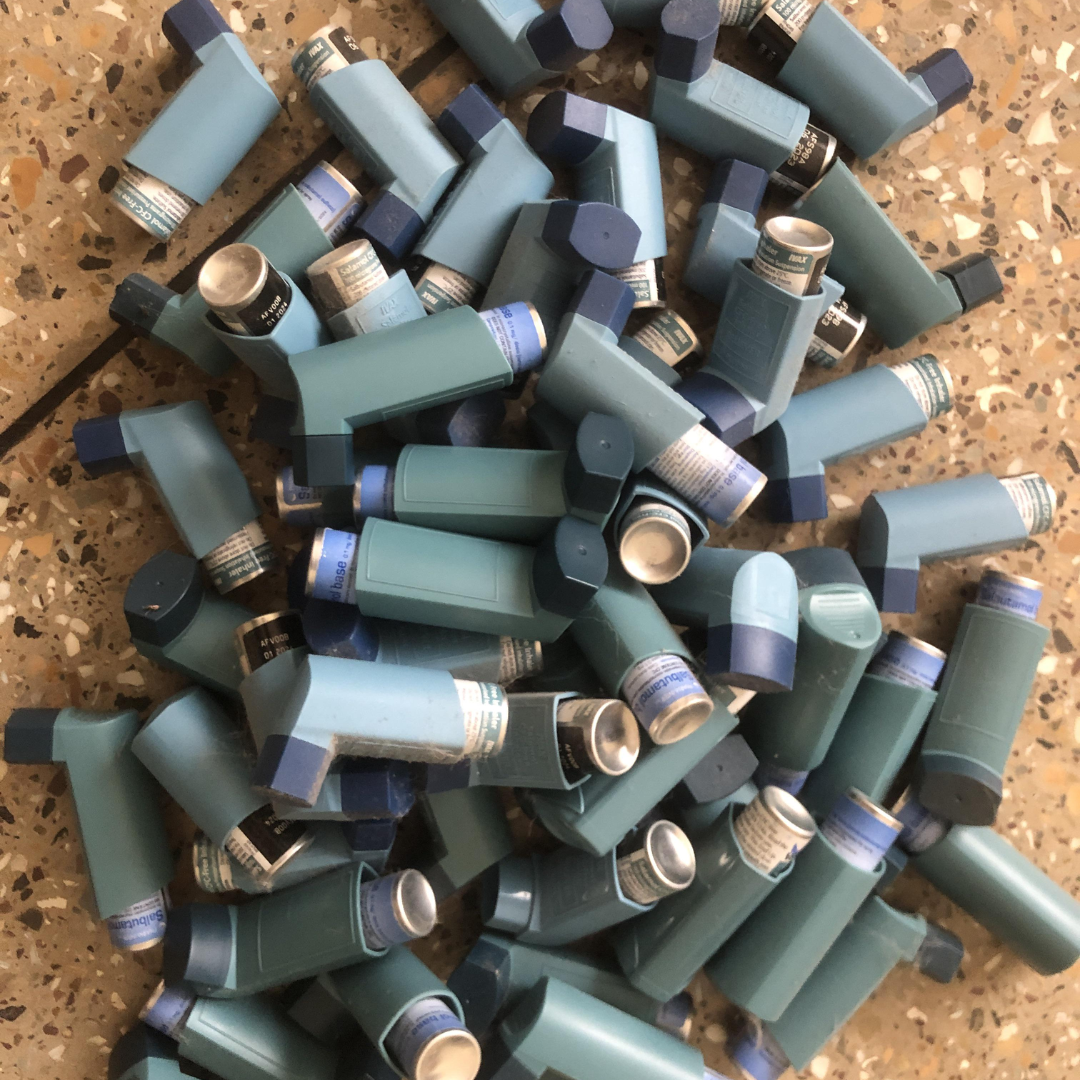
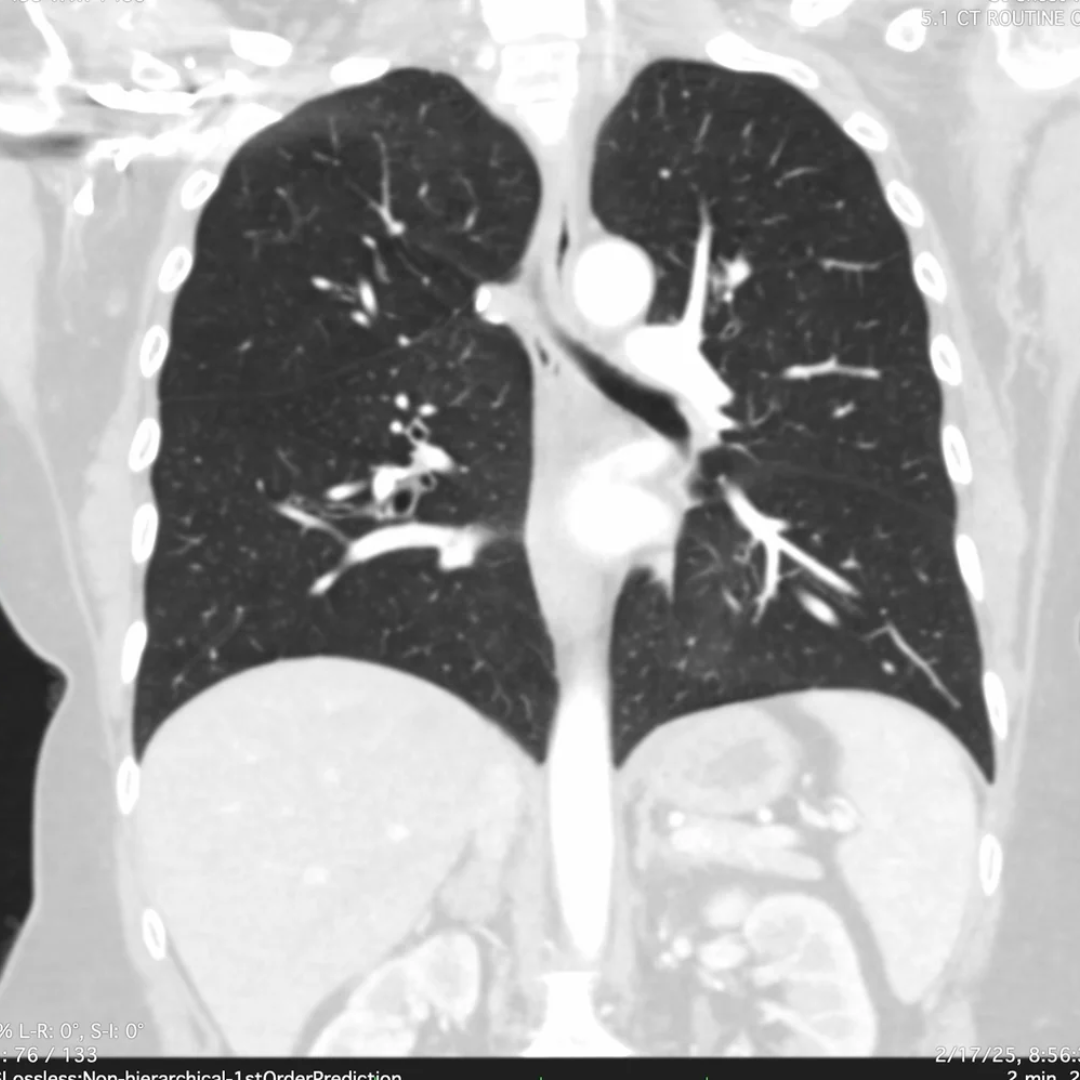
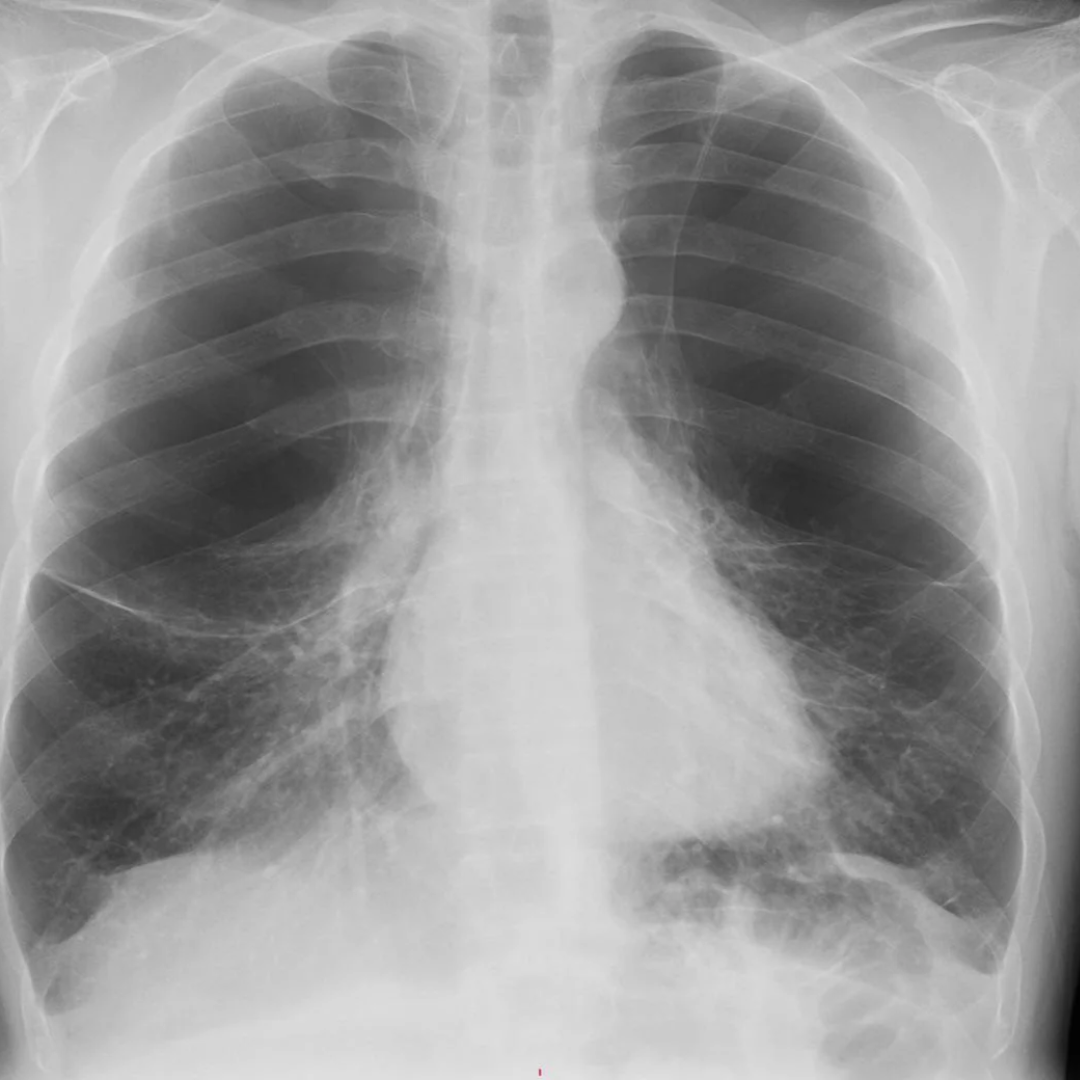
If your FEV1 keeps dropping a point or two every visit, your inhaler list keeps getting longer, you can't walk to your mailbox without stopping, and your pulmonologist keeps using the word "managing" while nothing actually gets better... I'm about to tell you exactly what they're NOT telling you, and why they will NEVER give you the real answer. And by the end of this, you're going to be FURIOUS. Because three things are happening with COPD right now that nobody is going to say out loud. ONE. Your lungs are screaming at you that something is seriously wrong, and the number on your spirometry report is proving it every time you walk into that office. TWO. The medical system is hiding behind a word called "managing" while your FEV1 drops two points a year and your inhaler list goes from one drug to three. THREE. There's a $65 BILLION respiratory drug industry that profits every single month you stay on those inhalers, and not one penny of that profit depends on you actually getting better. I'm a pulmonologist. I've practiced for 28 years. And what I'm about to tell you is the story of how a 71-year-old retired electrician named Walter Petrosian walked into my exam room and proved that everything my profession taught me about this disease was wrong. Walter had been my patient for six years. Year one. FEV1 of 67 percent. Stage two, moderate obstruction. I put him on Spiriva. Told him we'd monitor. See him in six months. Year two. FEV1 of 65 percent. I added Symbicort. We were "escalating appropriately." Year three. FEV1 of 62 percent. I added a rescue inhaler. Reminded him to use it as needed. Year four. FEV1 of 60 percent. I switched him to Trelegy, the triple therapy. Told him we were "consolidating his regimen." Year five. FEV1 of 58 percent. I documented "stable progression consistent with disease trajectory." Year six. FEV1 of 56 percent. He told me he couldn't walk from his front door to his mailbox without stopping. He told me he was sleeping in a recliner because lying flat made his chest seize. He told me his wife was scared. I told him we'd reevaluate in six months and consider supplemental oxygen if his function dropped below 50 percent. Eleven points in five years. Five medications. SIX appointments a year. Every visit ending with the same words. "We're managing your disease, Walter." He'd sit there in my exam chair and just nod. He didn't push back. He didn't ask for alternatives. He trusted the system. He trusted me. He left the office that day with the same prescription refills and a follow-up scheduled for six months out. Six months passed. He sat down in my exam chair. The medical assistant ran his spirometry and handed me the printout. I looked at the page. Looked at him. Looked at the page again. FEV1 of 64 percent. He'd GAINED EIGHT POINTS in six months. I have to be honest with you about my reaction. In 28 years of pulmonary medicine, I had never seen a COPD patient gain that much FEV1 between visits. Not on any inhaler protocol. Not on smoking cessation alone. Not on pulmonary rehab. The textbook says this disease is progressive and irreversible. Eight points UP is not in the textbook. I asked him if he'd changed his medications. He said no. I asked him if he'd been to another pulmonologist. He said no. I asked him what he'd done. He reached into his jacket pocket and put a small amber bottle on my desk. "My niece is a respiratory therapist in Cleveland. She told me about this six months ago. I've been using it twice a day since the last appointment." I picked up the bottle. Read the label. Four botanical ingredients. A delivery system I'd never written a prescription for in 28 years. I looked at him. He looked back at me. Calm. A little smug. He'd been on inhalers for six years that I'd been escalating, and he'd just shown me a number none of those inhalers had ever produced. I asked him what it was doing. He said, "Doc. Two weeks after I started it, I coughed up something the size of a thumbnail. Almost black. Dense. It SANK in the sink. My niece said that was the cemented layer breaking up. I've been bringing dark stuff up every few days since then. The mailbox walk doesn't make me stop anymore. I'm sleeping flat in my bed. I made it up my staircase last week without holding the rail." I went home that night and started reading. What I found in the next six weeks is the reason I'm writing this. And it's the reason I will never look at a COPD chart the same way again. Here is what my 28 years of training did NOT include. COPD is taught as a progressive, irreversible disease of airflow obstruction. We measure the obstruction with FEV1. We treat it by escalating inhalers. When the inhalers aren't enough, we add oxygen. When oxygen isn't enough, we call hospice. That entire paradigm is missing ONE thing. It never asks WHY the airways are obstructed. FEV1 is a downstream consequence number. It measures how much air you can blow out in one second. It tells you the result. It does NOT tell you the cause. What's actually narrowing your airways, in anyone with a history of long-term airway irritation, is something the pathology literature calls bronchial mucoid impaction. I've started calling it the cemented layer, because under a bronchoscope that's what it functionally looks like. Here is how it forms. Years of airway irritation trigger your bronchial walls to produce excess mucus as a defense response. That mucus traps particles, dried inflammatory debris, and dead cellular material. Layer by layer, year by year, it compacts under the pressure of your own breathing into a hardened coating. Oily. Bonded to the airway wall. Resistant to mechanical clearance. Physically NARROWING the passage that air flows through. This layer does NOT show up on a standard chest X-ray. Its density is too close to the surrounding airway tissue. But it DOES drop your FEV1. Because the airway it's coating is now physically smaller in diameter than it was the year before. Every point your FEV1 has dropped is another millimeter of accreted cemented layer that nothing in your inhaler bag has been touching. Now let me explain why every standard treatment has NEVER HAD A CHANCE of reaching this layer. Spiriva, Symbicort, Trelegy. All of them relax the smooth muscle in your airway wall. They open the passage up AROUND the obstruction. Not through it. Whatever they widen gets widened with the cemented layer still coating the inside. Rescue inhalers. Fifteen minutes of relief during an acute episode. Useless against what's actually narrowing your airways the other twenty-three hours and forty-five minutes of the day. Mucinex, NAC, mullein. All wrong delivery. Under one percent of an oral compound reaches your lungs. The rest gets destroyed by stomach acid or filtered out by your liver before it ever arrives. You cannot dissolve a coating in your lungs by routing the compound through your digestive tract. Pulmonary rehab. Trains you to live with less air. Never removes the obstruction. EVERY drug in standard COPD care works on the wall, the muscle, or the surface mucus. NOTHING in the paradigm is built to reach and dissolve the cemented layer itself. That is why Walter's FEV1 dropped eleven points in five years no matter how many inhalers I escalated. The inhalers were working AROUND the cemented layer. They were never going to touch it. I "managed" the consequence. I never touched the cause. What Walter's spray did, that nothing else does, is reach the layer directly. The formulation is four botanical compounds. Each one documented in respiratory pharmacology journals for effect on hardened mucus matrices. Eucalyptus dissolves the hardened bonds holding the cemented layer together. Licorice root reduces airway wall inflammation that keeps the layer swollen and adhered. Peppermint opens the bronchial passages enough for the compounds to reach deeper than the upper airway. Calendula revives ciliary function in tissue where the cilia have been buried under compacted debris for years. The DELIVERY is the part that finally made sense to me. You spray it in the back of your throat. Breathe normally. The compounds travel down the same path as the air you're already inhaling. They land directly on the cemented layer. No stomach acid in the way. No liver filtering it out. This is the same delivery principle hospitals use during respiratory emergencies. Nebulizers. Inhalers. Direct to the airway. Sixty to eighty percent bioavailability to lung tissue. Versus under one percent for anything you swallow. The medical community has known this for fifty years for emergency interventions. We just never applied the principle to chronic mucus buildup. Because the inhaled drug pipeline is dominated by patented pharmaceutical molecules. NOT botanical compounds. You cannot patent eucalyptus. There's no marketing budget. No pharmaceutical sales rep walking into my office. So it stays buried. Six weeks after Walter showed me his bottle, I started recommending the same spray to other patients. The first one was a 67-year-old woman named Margaret Vinciguerra. Margaret's chart looked like Walter's had. FEV1 declining about 1.8 percent per year for five years. She was at 58 percent when I gave her the recommendation. Day eleven, she called my office. She'd brought up a piece of dark brown material the size of a dime in her bathroom sink. It SANK in the water. She wanted to know what it was. I told her what it was. The cemented layer breaking apart. The darker, the longer it had been sitting in her airways. Week three, her morning cough sessions dropped from 22 minutes to nine. She walked to her mailbox without stopping for the first time in two years. Eight weeks in, I repeated her spirometry. FEV1 had risen from 58 to 64 percent. Six points. In a disease the entire field of pulmonology had taught me was irreversible. I went back through my files that night and pulled every COPD patient I had managed in the previous five years with FEV1 decline of 1.5 percent per year or more. There were over two hundred of them. I started calling. The ones who were still alive came back in. Of the 84 I've now recommended this spray to, SEVENTY-NINE produced visibly dark mucoid material within the first three weeks. At the eight-week mark, 91 percent showed measurable FEV1 improvement. Median gain was 4.6 percentage points. The biggest gain I've recorded is 11 points in a 71-year-old male who'd been declining for eleven years. I have never seen these results from any pharmaceutical bronchodilator, mucolytic, or anti-inflammatory in 28 years. So let me speak to you directly for a moment. If you have COPD, and you've been on inhalers for years, and your FEV1 has dropped more than three points since you started, and you've been told repeatedly that this is "expected progression," you need to understand the following. You are NOT crazy. Your disease is NOT being "managed." Your disease is being WATCHED. Your inhalers are doing exactly what they're designed to do, and your FEV1 is dropping anyway, because the obstruction inside your airways is something your inhalers cannot reach. The cemented layer is real. It does not show up on a standard X-ray. It DOES drop your FEV1. It narrows your airways year by year. And it is the single biggest reason your "well-managed" disease keeps getting worse. You have two paths. Keep accepting "managing" as a treatment plan. Keep escalating inhalers that work AROUND the obstruction. Keep watching your FEV1 drop another point or two every year. Or do what Walter did. What Margaret did. What 84 of my patients have done. Address the cemented layer directly. Walk to your mailbox without stopping. Sleep flat through the night. Stop coughing for twenty minutes every morning. See a number on your next spirometry your pulmonologist will tell you is impossible. The spray Walter brought into my office that day, the one I've been recommending to every appropriate patient since, is called VelvaFlow. Use the bottle for 60 days. If your breathing isn't measurably easier, if your morning cough hasn't cleared, if your FEV1 hasn't moved at your next spirometry, send it back. Full refund. I'm not asking you to trust me. I'm asking you to trust YOUR OWN NUMBER. The FEV1 on your last lab report is telling you the truth. Your airways are narrowing. Something inside them is doing the narrowing. Your inhalers are not reaching it. If you don't reach it, the number keeps dropping. You can get VelvaFlow here: 👉 https://velvaflow.com/products/lung-cleansing-spray - Dr. James Keller, MD P.S. The window for FEV1 reversal narrows every year you wait. I've never seen a patient still above 60 percent of original FEV1 fail to gain measurable function back on this spray. Patients below 35 percent gain only partial reversal. Don't burn the years you have left waiting for the next inhaler escalation. P.P.S. I gain nothing from telling you this. The opposite, in fact. Several colleagues have stopped referring patients to me since I started speaking publicly about bronchial mucoid impaction. I'm fine with that. If you've spent years watching your FEV1 drop while a doctor calls it "stable," the chart has been lying about what stable actually means. 👉 https://velvaflow.com/products/lung-cleansing-spray
Where the ad sends people
velvaflow.com
Read this if your FEV1 keeps dropping ☝️
VelvaFlow
Learn more: velvaflow.com(opens in a new tab)