
Inactive· since Aug 12, 2026
- 5
- days it ran
- 0
- relaunches
Ad copy
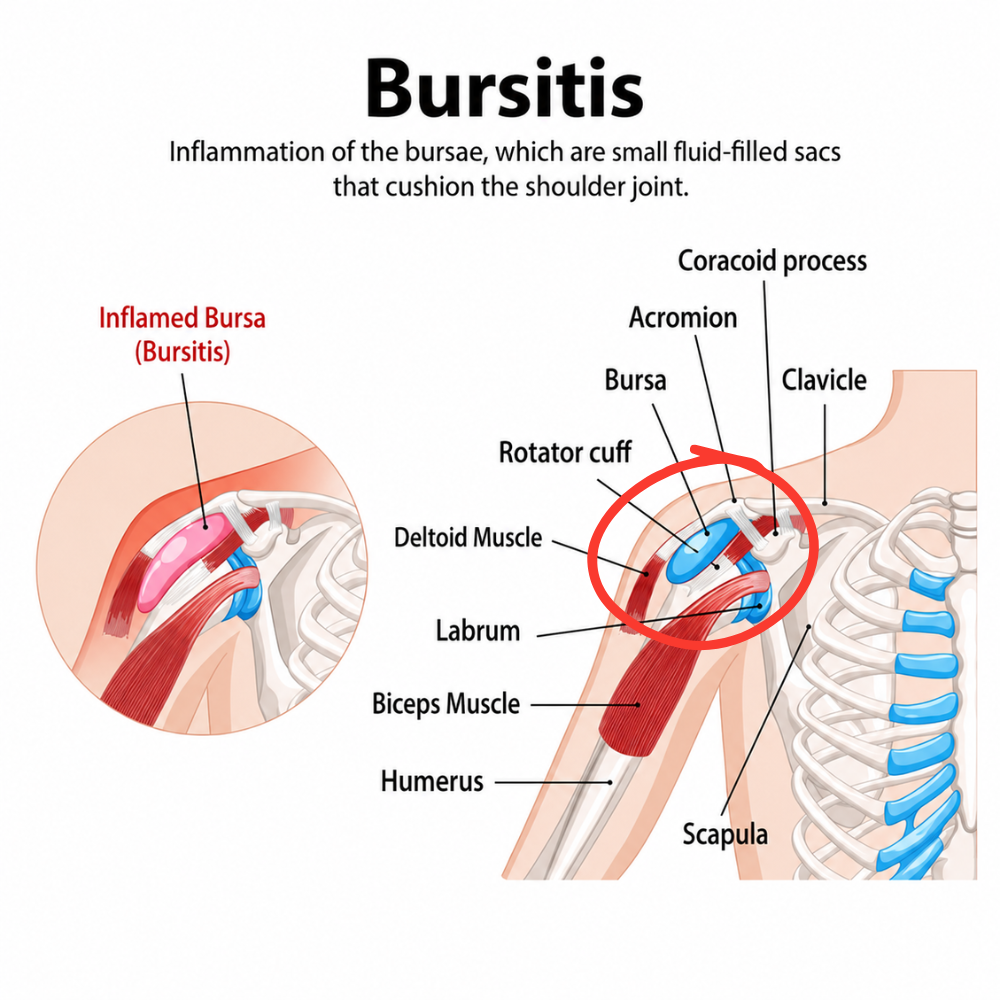
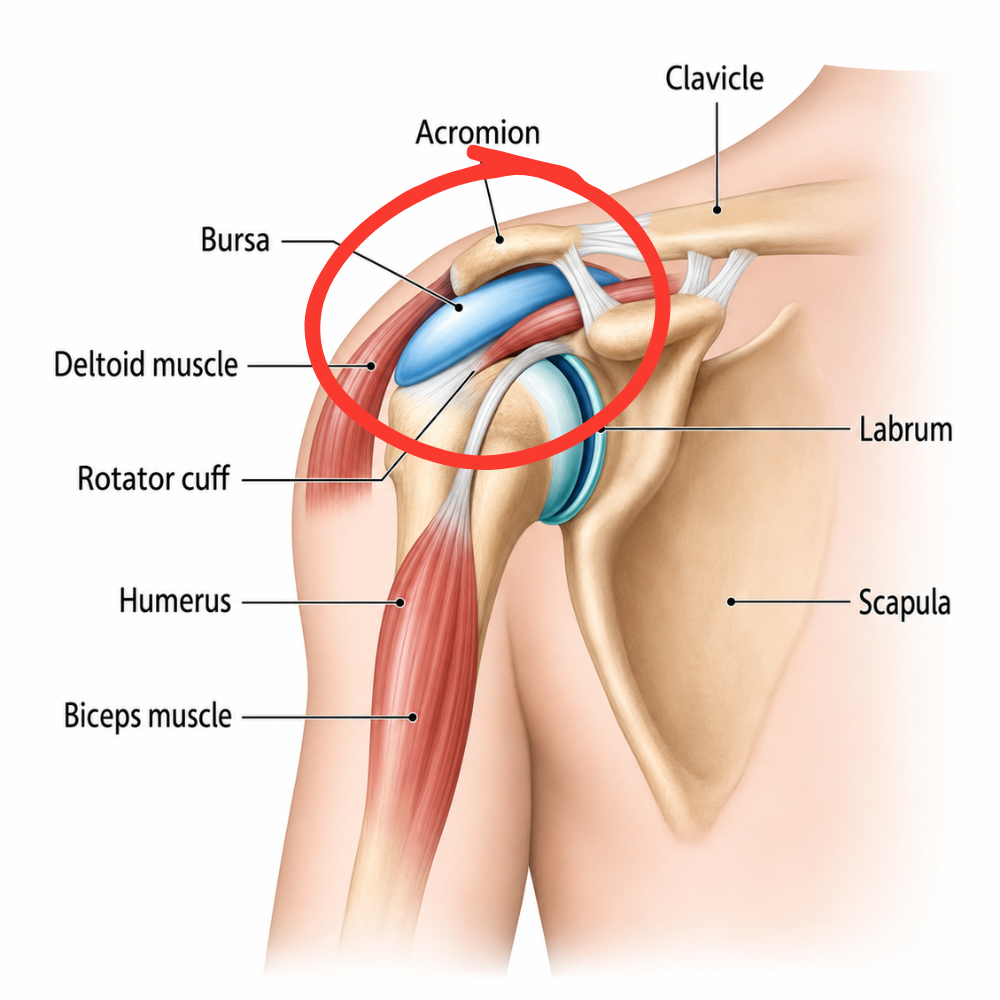
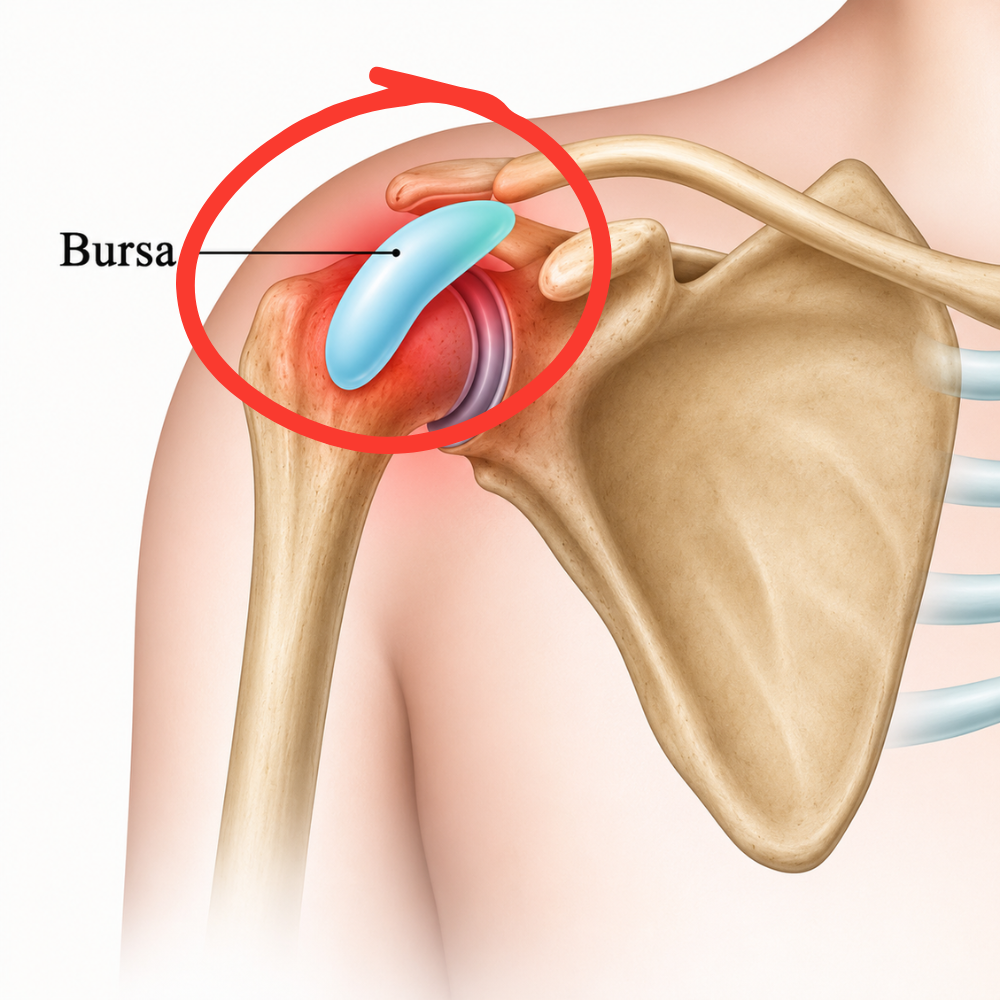
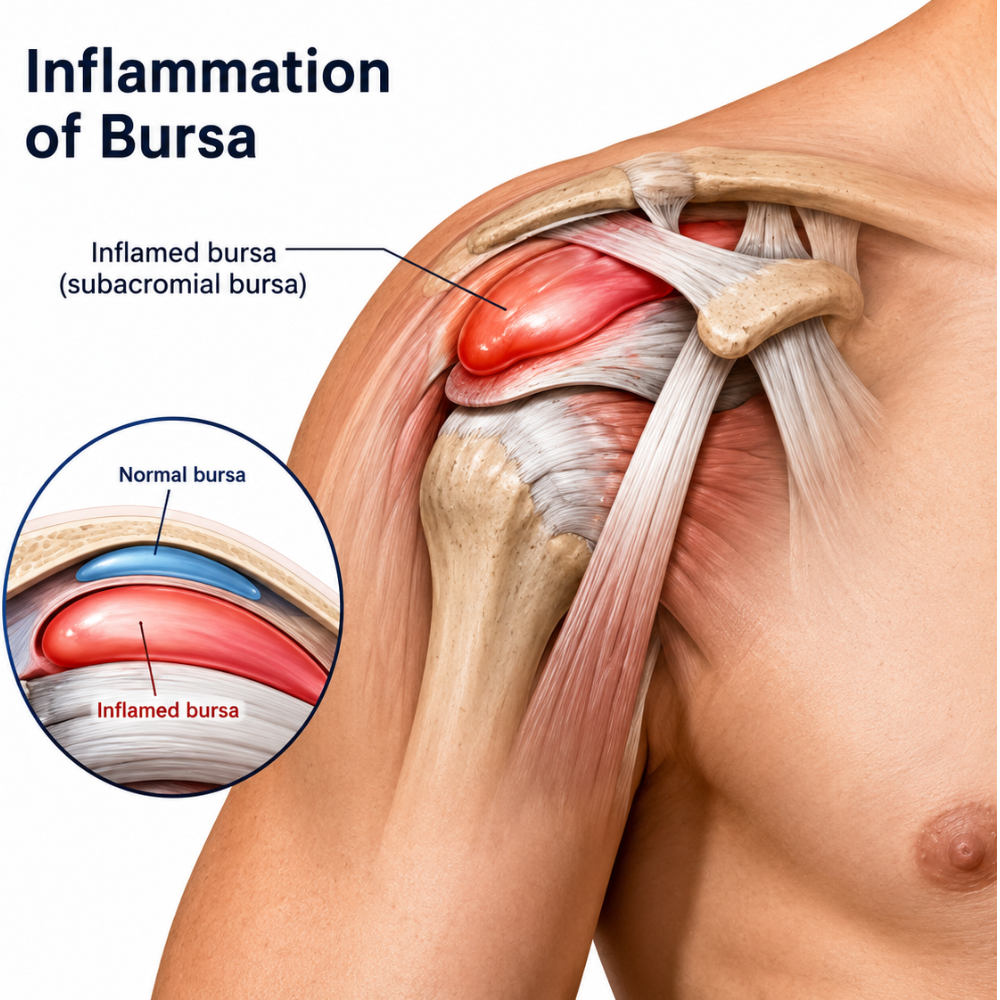
I drafted a complaint about the orthopaedic specialist who dismissed me. Then I realised he probably hadn't broken any rules, and that was the actual problem. I had my laptop open on the kitchen bench. I had a glass of red wine. I had eight months of anger built up. And I had already drafted the first paragraph in my head about a hundred times on the drive home from his rooms in Chatswood. Dear Sir or Madam. I would like to lodge a formal complaint regarding the standard of care I received from Dr X on the 14th of October. He spent seven minutes with me. He did not ask a single question about my hormones, my medical history, my sleep, or the fact that I am 53 years old and clearly in the middle of a well-documented biological transition. He offered me a cortisone injection and told me my shoulder would "probably thaw on its own in 18 to 36 months." He then closed my file and stood up. I typed all of that. Then I stopped. Because as I was reading it back, I realised something that took the wind out of me. He probably hadn't done anything wrong. Not technically. He had seen a patient. He had performed a physical assessment. He had arrived at a diagnosis. He had offered a treatment option. He had given a prognosis. He had documented it. He had charged the standard specialist consultation fee. By the standards of his profession, in the way orthopaedic care is currently practiced in this country, he had probably done his job. The problem was not that he had broken a rule. The problem was that the rules themselves were built for a completely different kind of patient. I sat there at the kitchen bench with the wine going warm and I realised I was going to have to fix this myself. Because the system was not broken in a way that a complaint letter was going to solve. Let me walk you through how I got here. The shoulder pain started in February. Just a niggle when I reached for the seatbelt. I gave it a fortnight. By March it was a deep ache that woke me up at 3am. By April I couldn't sleep on my right side. By May I had stopped being able to hook my own bra behind my back and was quietly buying front-clasp ones from Kmart. By June I couldn't lift my arm above shoulder height. By July I couldn't pull a jumper off over my head without help from my husband. By August I stood in the shower crying because I couldn't lift my right arm high enough to shampoo the back of my head. I went to my GP. She gave me Voltaren. I went back three weeks later. She gave me a physio referral. I went to a physio in Willoughby twice a week for almost three months at $105 a session. She was thorough. She gave me wall crawls, theraband exercises, cross-body stretches. Every session ended with my arm throbbing for two days. The shoulder got worse, not better. I went back to the GP. She gave me a referral to an orthopaedic specialist and stronger anti-inflammatories. Seven-week wait for the specialist. $310 in gap fees. Seven-minute appointment. Cortisone injection offered. 18 to 36 months prognosis. File closed. Door. I sat in the carpark for about twelve minutes. I did not cry. I was too angry to cry. That is the state of mind I was in on Sunday night when I opened my laptop to draft the complaint letter. And the reason I stopped drafting it was because as I was writing it, I realised something bigger was going on. He had followed the pathway. The pathway itself was the problem. Because the pathway for a midlife woman presenting with sudden shoulder pain in this country goes something like this. GP visit. Anti-inflammatory. Physio referral. Physio for six to twelve weeks. If no improvement, specialist referral. Specialist offers cortisone injection. If cortisone fails, discussion of surgery or "wait it out." Nowhere in that pathway is the word menopause mentioned. Nowhere in that pathway is the hormonal driver of adhesive capsulitis discussed. Nowhere in that pathway is a woman told that the condition she has is documented in the medical literature as affecting women in her age group at rates up to four times higher than men, and that it is directly linked to the drop in oestrogen that her own GP has been quietly managing for years. That is a systemic gap. Not one specialist's fault. Not something a complaint letter can fix. Which meant if I wanted my shoulder to actually get better, I was going to have to leave the pathway. I closed the complaint draft. I opened Google. I started researching properly for the first time in eight months. By 1am on Sunday night I had read more clinical literature on adhesive capsulitis than any practitioner had ever shared with me in person. Here is what I learned. The problem with a frozen shoulder is not in the muscle around the joint. It is not in the tendons. It is not in the surface tissue that heat packs and Voltaren gel can reach. The problem is deep inside the joint capsule itself. That thin lining of tissue wrapping around the shoulder joint, roughly four to five centimetres beneath the skin. The cells lining that capsule become inflamed. They get starved of energy. They cannot repair themselves properly. The capsule stays inflamed, stays thickened, and slowly contracts around the joint like shrink wrap over months. And that depth is why every single treatment I had been given had failed. The Voltaren gel penetrates about a centimetre. The heat pack warms the skin. The physio stretches move the muscles around the joint but never reach the tissue inside the capsule. The cortisone injection the specialist offered would have only muted the inflammation for a few weeks without addressing what was actually happening in there. Every single one of those treatments was aimed at a target it could not reach. That is when I finally understood why the pathway had failed me. It wasn't that any individual practitioner had been careless. It was that the entire standard pathway is aimed at the wrong depth of tissue. Nobody in that pathway is treating the layer where the actual problem lives. That is when I started reading about photobiomodulation. I had never heard the word before. It is just a technical term for using specific wavelengths of light at specific intensities to support cellular function. There is a wavelength called 850nm. It sits in the near-infrared range, which you cannot see with your eye, but it penetrates roughly five centimetres into human tissue. Almost exactly the depth of the joint capsule. The research on 850nm light and inflamed connective tissue looks at what that wavelength does to the mitochondria inside the cells lining the capsule. The mitochondria are the tiny energy producers inside every cell. When those cells have their energy production supported, the body can start doing what it is meant to do. A second wavelength, 660nm, works closer to the surface to help calm inflammation in the softer tissue around the joint. Combine both wavelengths with gentle heat to bring blood flow into the area. Add low-frequency vibration to release the muscles around the shoulder that have been protectively guarding for months. That is a fundamentally different approach. It is not "give it time." It is not "let's try a cortisone injection." It is not "come back in six months." It is a category of TGA-registered at-home device, designed to support the body at the cellular depth where this problem actually lives. Quietly available across Australia in the last few years. Not something your GP is likely to bring up. Not something your specialist is likely to bring up. Not because they are bad people. Because they are trained to follow the pathway, and the pathway does not include it yet. I closed the complaint letter that Sunday night. I never sent it. I bought myself something else instead. I am sleeping on my right side again. Hooking my own bra. Reaching the top shelf. Washing my own hair in the shower without crying. I picked my two-year-old grandson up at Sunday lunch last week and swung him around the kitchen. He giggled. My daughter cried. I did not tell her I nearly wrote a complaint letter to a specialist who had followed the correct pathway to the wrong outcome. I am telling you instead. If you are sitting there tonight, six months in, angry at a specific doctor or a specific physio or a specific specialist. Please understand something. The person who dismissed you probably followed the rules. The rules are the problem. The pathway was built for a mechanical injury model that doesn't fit what is actually happening in your joint capsule. The treatments in that pathway cannot reach the depth of tissue where the inflammation actually lives. That is not your fault. It is not in your head. There is a real, documented, hormonally driven mechanism behind what is happening to your shoulder. There is something you can actually do about it, at home, on your own timeline, at the depth where the problem actually lives. Without another referral. Without another gap fee. Without another appointment where a good person follows a bad pathway to the wrong result. I wish someone had told me at month two instead of month eight. So I'm telling you. Try It Yourself https://hearthealthco.com.au/pages/sb1
Shoulder Pain? Read This
LEARN MORELike this ad? Make it yours.
Crush rebuilds this exact creative around your product — your brand, your colors, your offer — in about a minute.