
Inactive· since Jul 22, 2026
- 36
- days it ran
- 0
- relaunches
Ad copy
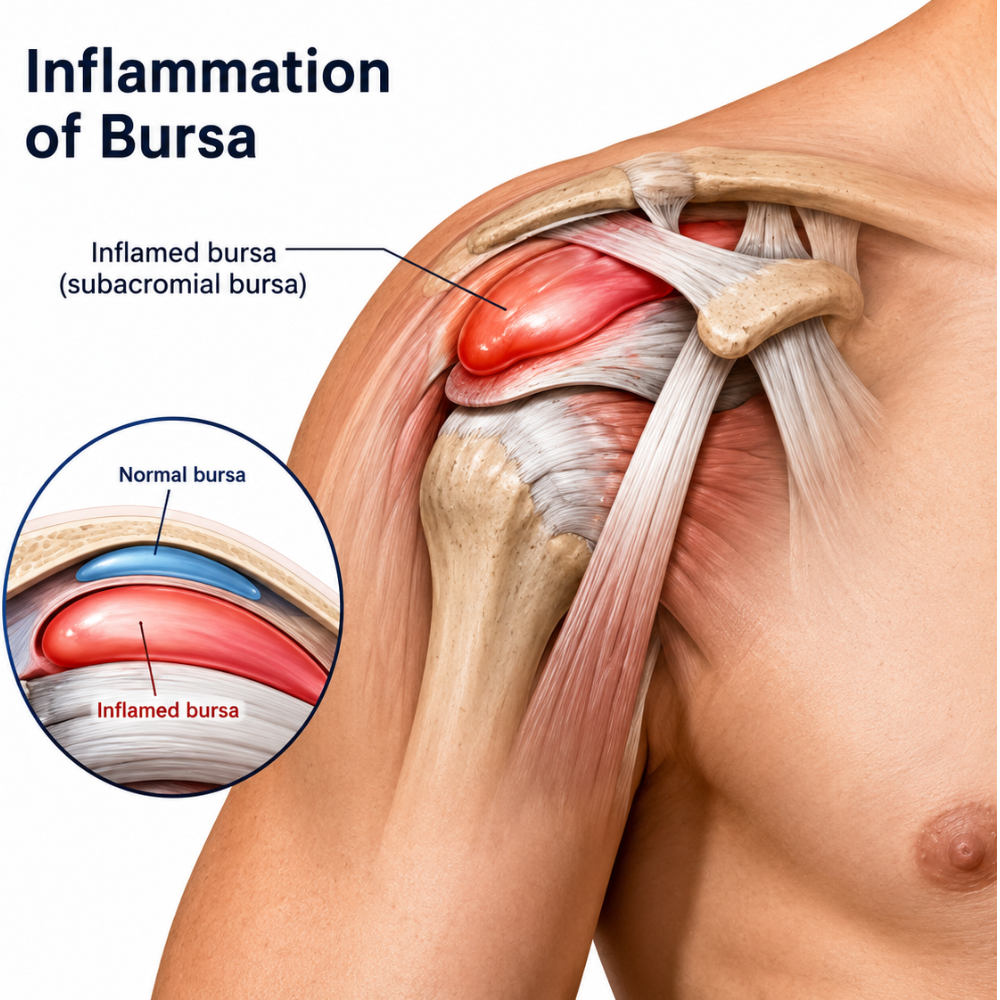
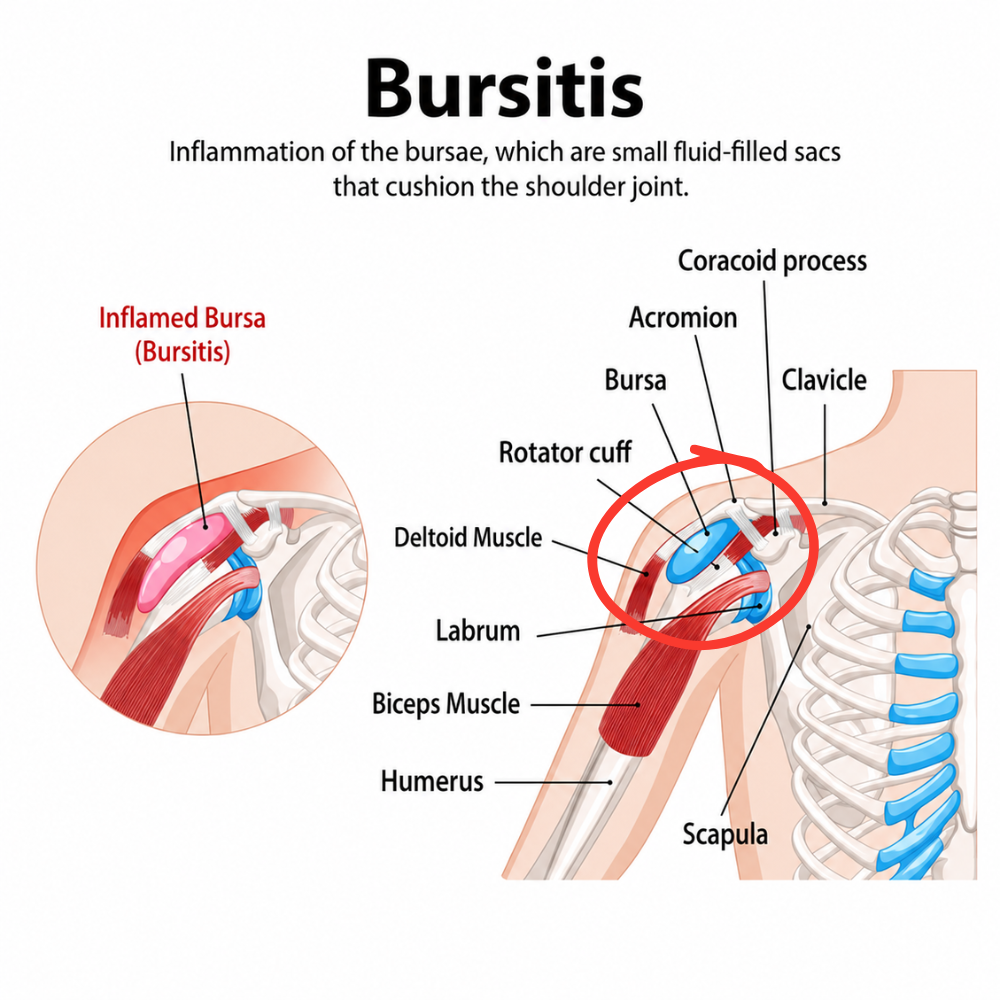
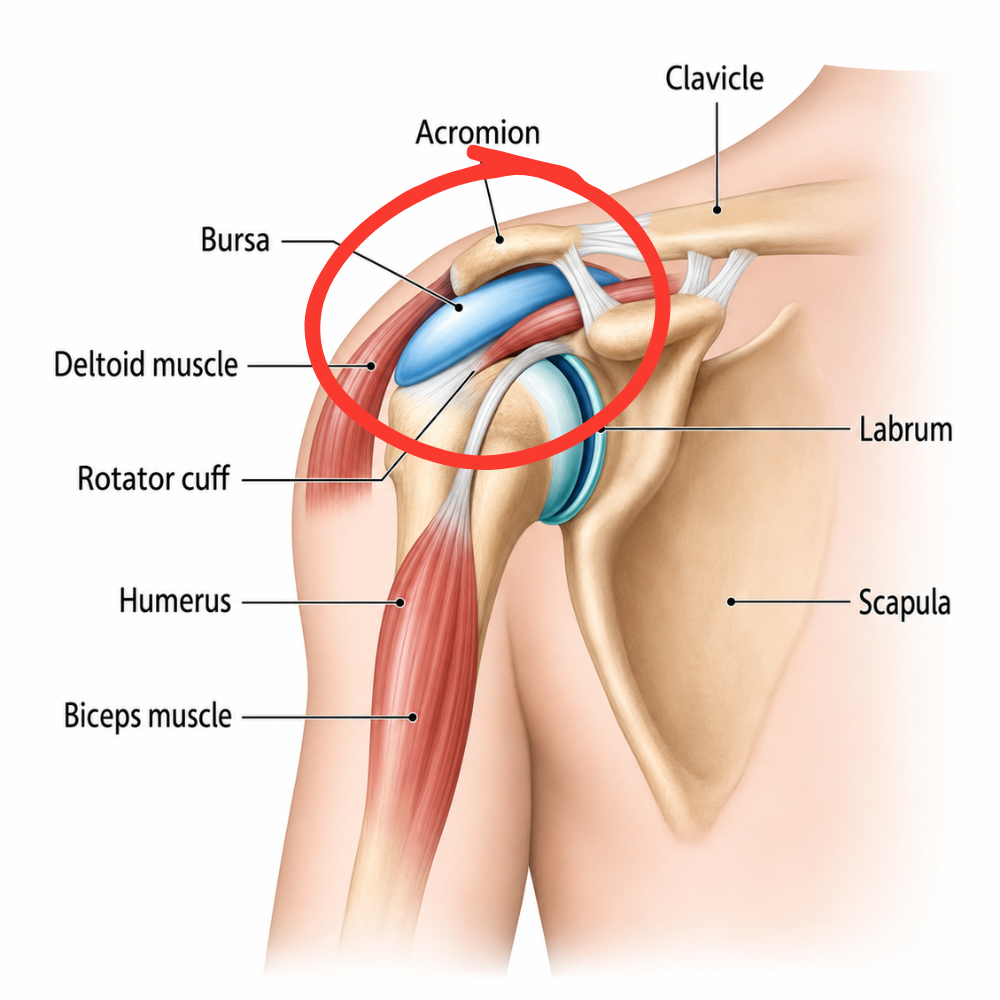
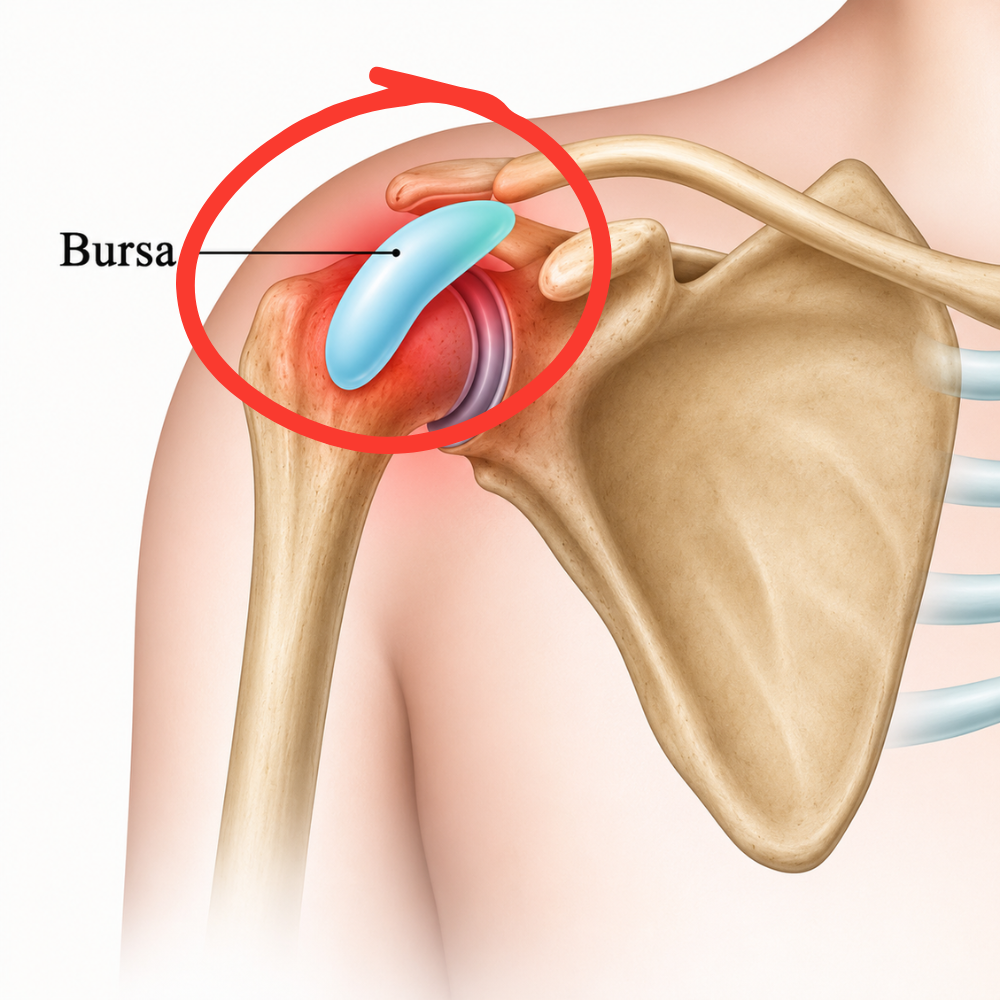
Every male specialist has told me the same thing. The one female specialist I saw told me the exact opposite. I want to talk about why. Because I don't think it's a coincidence. And I don't think I'm the only woman it's happened to. I'm 52. I have been trying to get someone to take my shoulder pain seriously since March. That is eight months of my life spent in waiting rooms. Eight months of gap fees on top of Medicare rebates. Eight months of nodding politely while men in white coats told me to give it time. Let me walk you through them. Doctor number one was my regular GP. Male, mid-fifties, been my GP for about seven years. He felt my shoulder for maybe three minutes, told me it was probably a rotator cuff strain, gave me a prescription for anti-inflammatories, and sent me on my way. I took the anti-inflammatories for three weeks. They did nothing. I went back. He gave me a referral to a physio and told me to come back if things hadn't improved in six weeks. Doctor number two, technically, was my physio. Male, early forties, sports physio in a smart clinic in North Sydney. He was confident. He was quick. He put me through a series of assessments, told me I had impingement syndrome, and gave me a routine of theraband exercises and stretches. I did every single one of them. Twice a week for nearly three months. $110 a session. The shoulder got worse, not better. Every single session ended with my arm throbbing for two days. He kept telling me to push through. That the discomfort was part of the process. That I needed to trust the plan. I trusted the plan. Doctor number three was an orthopaedic surgeon in Chatswood. Male, sixties, waiting list of seven weeks. $310 in gap fees. He looked at my shoulder for about six minutes. He didn't ask me a single question about my hormones, my periods, my sleep, or my age. He told me it was "probably frozen shoulder," offered me a cortisone injection, and said if that didn't work I could come back to discuss surgery in six months. When I asked him why this had happened to me, he shrugged and said something about how it was "quite common in women your age." Quite common in women my age. He said it with the tone of a man delivering the weather forecast. I sat in the car in the carpark for about ten minutes after that appointment. I did not cry. I called my sister. I told her the whole story from the beginning. At the end of it she said, "You need to see a woman." I didn't understand why she said it. I do now. It took me four weeks to get in to see a female rheumatologist in Newtown. I paid $280 in gap fees. She spent forty-five minutes with me. Forty-five minutes. She took a full history. She asked about my mother's health, my periods, when they had started becoming irregular, my sleep, my hot flushes, my last hormone panel. Then she looked at my shoulder. And in her fifteenth minute with me, she told me something that made my previous eight months of medical appointments feel like a completely different universe. She said, "This is almost certainly adhesive capsulitis, and in a woman your age, it is very likely being driven by the hormonal changes of perimenopause. Nobody has explained that to you?" I said no. She sighed. She said it was a well-documented pattern. That the drop in oestrogen affects connective tissue elasticity, inflammatory regulation, and joint capsule health. That women in perimenopause are up to four times more likely to develop frozen shoulder than men. That the standard treatments I had been offered were designed around a mechanical injury model that did not fit what was actually happening in my joint. That the aggressive physio my sports physio had put me through had probably made the inflammation in the joint capsule worse, not better. Then she said something I will never forget. She said, "The problem with the standard pathway for frozen shoulder is that it treats a hormonally driven inflammatory condition as if it were a muscle injury. It never was." I want you to sit with that for a moment. Because I did. Eight months. Three male practitioners. Roughly $2,400 out of pocket, once you add up the appointments and the physio sessions and the medications. And not one of them had joined a single dot. Not one had asked about my hormones. Not one had considered that a 52-year-old woman walking in with sudden shoulder inflammation might be dealing with something linked to the biological transition her body was in the middle of. They had all treated my shoulder like an isolated joint that had been mechanically injured. When what was actually happening was something completely different, at a completely different depth in the tissue. The female rheumatologist explained to me that the problem with adhesive capsulitis lives in the joint capsule. Not in the muscle around the joint. Not in the tendons. Not on the surface. Inside the capsule itself, four to five centimetres beneath the skin. The lining of the capsule becomes inflamed. The cells that line it are starved of energy and cannot repair themselves properly. The capsule slowly thickens and contracts over months, like shrink wrap tightening around the joint. And she said the reason my treatments had failed was because they had all been aimed at the wrong depth. The Voltaren gel penetrates about a centimetre. The heat pack warms the skin. The physio stretches move the muscles around the joint but never reach the tissue inside the capsule. The treatments were aimed at a target they could not reach. That was the moment it all clicked for me. Not the "just menopause" shrug from the orthopaedic surgeon. Not the confident push-through-the-pain routine from the sports physio. But a woman, taking forty-five minutes to actually explain what was happening in my body and why the treatments I had been given had never had a chance of working. I went home that night and I started reading. I read for weeks. I read about photobiomodulation, which is just a technical term for using specific wavelengths of light to support cellular function. I read about a wavelength called 850nm, which sits in the near-infrared range and penetrates roughly five centimetres into human tissue. Which is almost exactly the depth of the joint capsule. I read about the mitochondria inside the cells lining the capsule, and how 850nm light is designed to support their ability to produce energy so the cells can repair themselves. I read about a second wavelength, 660nm, that works closer to the surface to help calm the more superficial inflammation. I read about pairing both wavelengths with gentle heat to bring blood flow into the area. I read about adding low-frequency vibration to release the muscles around the shoulder that have been protectively guarding for months. That is a completely different approach. It is not "give it time." It is not "push through the pain." It is not "just menopause." It is not a cortisone injection that masks the problem for six weeks. It is a category of TGA-registered at-home device, designed to support the body at the cellular depth where this problem actually lives, that has quietly become available across Australia in the last few years. I am sleeping on my right side again. Hooking my own bra. Reaching the top shelf. Not because the standard pathway finally worked. Because I stopped trusting the standard pathway. Because a female rheumatologist gave me forty-five minutes and the truth. And because I finally understood that the problem was never in the layer they had been treating. I am not writing this to tell you to stop seeing your doctor. I am writing this because I want you to know that if you have been fobbed off with "just menopause" or "just give it time" or "just push through the pain," you are not being difficult. You are not being oversensitive. You are not imagining it. You are being handed a treatment plan built for the wrong condition, at the wrong depth, by practitioners who often haven't been trained to see what is actually happening in a midlife woman's body. There is a real mechanism behind what is happening to your shoulder. There is something you can actually do about it, at home, on your own timeline, without another referral or another gap fee. I wish someone had told me at month two instead of month eight. So I'm telling you. Try It Yourself ⬇️ https://hearthealthco.com.au/pages/sb1
Shoulder Pain? Read This
LEARN MORELike this ad? Make it yours.
Crush rebuilds this exact creative around your product — your brand, your colors, your offer — in about a minute.