
Inactive· since Jun 28, 2026
- 32
- days it ran
- 0
- relaunches
Ad copy
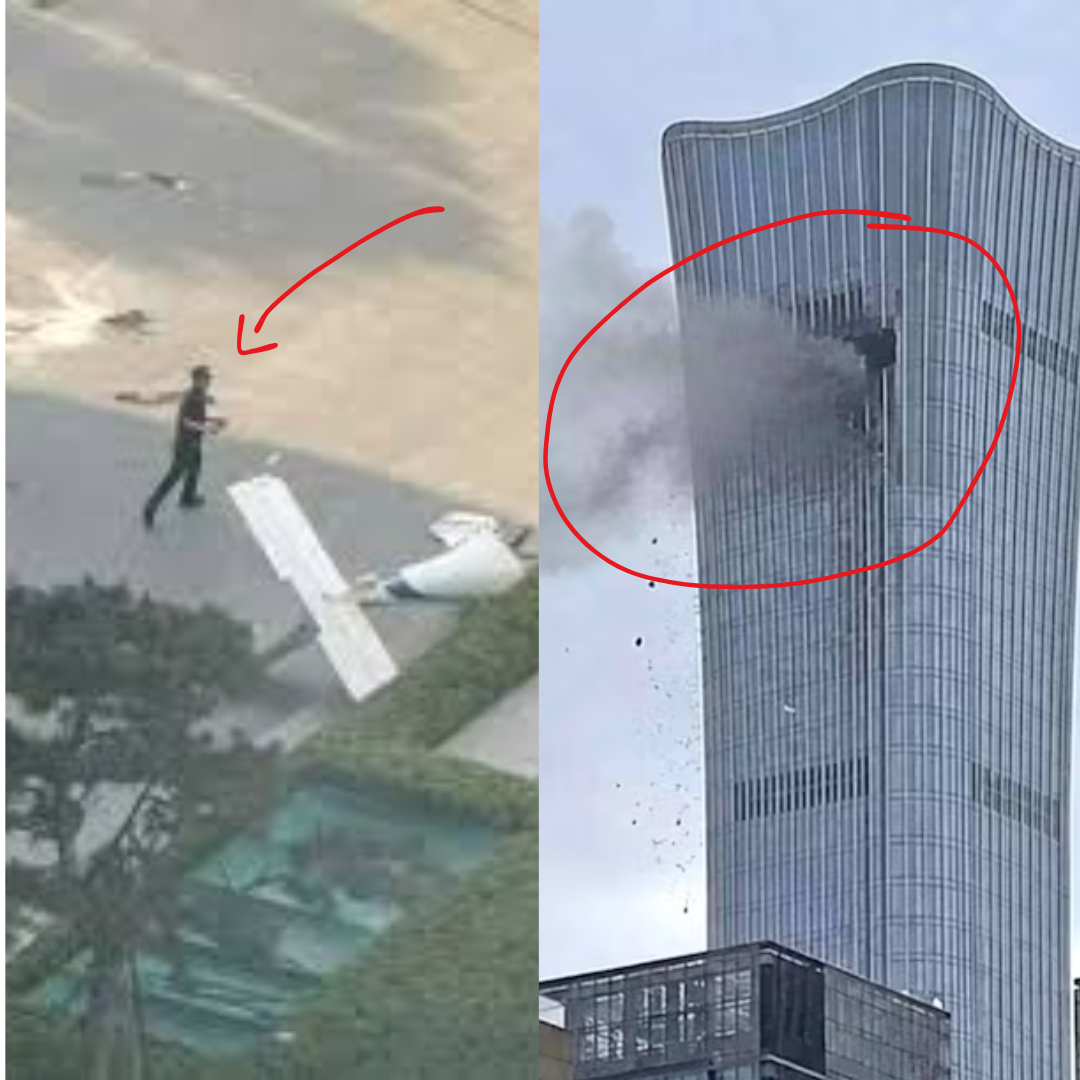
I almost called 911 when I found out the guy across from me was supposed to die in Beijing. He didn't know I was watching him. For eleven minutes he held a glass of Macallan without taking a sip. His hands were shaking. Not from nerves. Something worse. It was 2 AM. Emirates first class. Somewhere over the Arabian Sea. The bar was supposed to be empty at that hour. He was the only one there when I walked in. No bags. No carry-on. Nothing in the overhead. Just a leather case, a phone he kept refreshing every few seconds, and a second phone in his jacket pocket that he never answered. Every seat in his row was empty. All of them. Purchased. I asked the attendant if the flight was half-booked. She shook her head. "He bought them." A man who buys out first class doesn't fly commercial. He flies private. Unless private is how they track you. Unless your name on a manifest is the thing that gets you killed. Unless someone already tried — on a flight to Beijing that a small plane flew into twelve hours after he got off the booking. Something is happening right now that the people at the top already know about. He was one of them. And he said the rest of us have no idea what's coming. Let me back up. I was standing outside the bathroom at the front of the plane. The one in the back had a line four deep and my daughter Lily — she's four — was doing the little dance where you know you've got about ninety seconds before a disaster. So I picked her up and walked to the front. First class. I had no business being up there. My company booked us business class for a work trip in London because the only economy seats left had a 19-hour layover in Istanbul. First time in my life I've sat above row 34. But the front bathroom was closer and Lily wasn't going to make it. The wifi kept cutting in and out. That junk signal you get over the ocean where a page loads half way and freezes. I was standing there on my phone, waiting for Lily, when a headline loaded about two-thirds of the way. BEIJING — Small aircraft crashes into CITIC Tower. I tapped it. Nothing else loaded. Just the image — a hole in the side of a 109-story building and people running below. Then the wifi dropped. "Jesus," I said. Out loud. To nobody. "A plane just hit a building in Beijing." That's when I heard him. "That wasn't for CITIC." Four words. From the bar area, maybe ten feet away. I hadn't even seen him sitting there. Thobe under a navy sport coat. Shoes that were made by hand. A watch I couldn't name but knew cost more than my car. Sitting alone at the counter with a glass of whisky he hadn't touched and both phones in front of him — one face-up, one face-down. I looked at him. He wasn't looking at me. He was staring at his own phone. Refreshing the same page over and over. Like he was waiting for the same story from a different source. Or a different version of it. Before I could say anything, a flight attendant showed up. Polite but firm. The kind of voice where you know she's been trained to handle it without making a scene. "Sir, this section has been privately reserved. I'm going to have to ask you to —" He raised one hand. Didn't look up. Just a slow wave. Like brushing something away. Then Lily came out of the bathroom. Hair messed up. Pajama pants with little strawberries on them. She grabbed my leg and looked around at the bar like she'd walked into a spaceship. He looked at her. Then at me. "She's yours?" "Yeah." Something in his face changed. Not a smile. Something behind it. Like a lock turning open. He looked at the attendant. "It's fine. Get him a drink." She brought me a gin and tonic. I sat down three seats from him. Lily climbed into my lap and fell asleep in two minutes. Just folded into my chest the way she does. We didn't talk right away. I held my daughter and he held his glass and the plane hummed under us. The cabin was blue and dark. Felt like we were the only two people awake in the world. I kept trying to reload the Beijing story. The wifi was dead. Just that one frozen image — the hole in the glass, the dust, people running. "It won't load out here," he said. Still not looking at me. "They'll have it scrubbed by the time we land anyway." "Scrubbed?" "The footage. The video. China will take it all down. They've already started. Police on the ground are telling people to delete what they filmed." He said it the way you'd talk about the weather. Like it was just how things work. "How do you know that?" A few seconds of nothing. He took his first sip. Then: "I was booked on a flight to Beijing this morning. I changed it twelve hours ago." I felt my chest drop. "Why?" "Because somebody I trust told me not to get on." I should've picked up my daughter and gone back to my seat. But I didn't. Because you don't sit three feet from a man who dodged a plane crash by half a day — because someone whispered in his ear — and just walk away. Not when your four-year-old is asleep on your chest and you can feel the floor shifting under you. He was running. And he'd made up his mind to tell me why. He never gave me his name. Not that night. Not ever. But things came out in pieces over the next two hours. Between long pauses. Between drinks he'd order and not finish. Between looks at his phone that told me he was tracking something I couldn't see. He was from the Emirates. His family was tied to the oil and gas world at a level where you don't have a job title — you have a seat. Over twenty years in and around the systems that keep the Gulf running. Aramco. ADNOC. The rooms where they decide how much oil the rest of the world gets. He said it the way someone tells you they used to work at the post office. His wife and three kids had been in Zurich for three weeks. He used the word "sent." Not visiting. Not on a trip. Sent. I asked him what was going on. No games. My daughter was asleep in my arms and a man who dodged a plane crash was sitting three seats away at 2 AM over the ocean. I didn't want riddles. He looked at Lily. Then at me. "Your president said it on camera nine days ago. At the G7. Word for word. 'We run out of reserves at about four weeks.' He said it would be 'bedlam.' Those are his words. Not mine." I stared at him. "Did you hear him say that? Did anyone you know? Or did it get buried under the next headline before anyone could think about what it meant?" I hadn't heard it. I'll say that right now. The president said the word "bedlam" about the oil supply on live TV and I had no idea. "Four weeks," he said again. "That was nine days ago." He told me the news has been showing us the safe version of the story. The tanker stuff. The prices. The deal. All real — but it's just the top layer. The part they're allowed to show. "My country left OPEC on May 1st," he said. "After fifty-nine years. You know what that means?" I didn't. "It means we looked at what's coming and decided we're keeping ours. We have the oil. We have the capacity. And we pulled out so we could save our own supply instead of feeding it into a system that's about to fall apart." He let that hang. "When the country with the fourth-largest oil reserves on earth looks at the road ahead and says 'we're not sharing anymore' — that's the signal. That's the only one you need." He told me the people at his level aren't worried about gas prices. They figured that part out months ago. What they're doing right now — quietly, with no cameras, no press — is buying water. "Not overseas," he said. "In your country. Right now. Bill Gates is the largest private farmland owner in the United States. Two hundred and seventy-five thousand acres in nineteen states. When you buy land at that scale you're not buying dirt. You're buying the water under it. Every well. Every drop." He tapped the counter. "Jeff Bezos. Over a hundred and fifty thousand acres in Texas. Michael Burry — the man who called the 2008 crash before anyone — said publicly that his biggest bet after the housing market was farmland with water on it. BlackRock listed water as a top priority. They started trading water on the stock exchange in 2020. Like oil. Like gold." He opened his leather case. Just enough for me to see the top page. Stamps. Seals. Legal text I couldn't read. He closed it. "The richest people in your country are not buying stocks right now. They're buying access to the one thing you can't live three days without. And not one of them is talking about it." I asked him why water. We have water. I pay sixty bucks a month for it. It comes out of the tap. He almost smiled. "Where do you think it comes from?" "The city. Pipes. The plant." "And what runs the plant?" I didn't answer. "Power," he said. "Gas makes the power. Power runs the pumps. Pumps push the water. You turn on your kitchen sink and you think you're turning on water. You're not. You're turning on gas. It goes through six steps before it hits your glass. You just can't see any of them." He told me where he's from, they don't get to pretend. The Gulf — Saudi, Emirates, Kuwait, Bahrain — has no freshwater. None. No rivers. No lakes. Nothing. A hundred million people in that part of the world drink water that comes from machines. Big plants on the coast that suck in ocean water, strip the salt out, and push out something you can drink. Every one of those machines runs on power. "We have forty-five days of water saved up," he said. "That's it. The whole country. Kuwait is worse. Bahrain is worse. A drone hit a water plant in Bahrain in March — one drone, one plant — and a whole region lost clean water for twelve hours. Not low flow. Not a warning. Nothing came out of the tap." He said the richest families in the Gulf — the ones who sit at tables the news doesn't know about — started moving within the first week after the Strait got shut down. Not their money. Themselves. "We learned this in February," he said. "Oil you can find more of. You can drill. You can ship it the long way around. But water — when the machines stop — there is no backup in the desert." He looked at me. "Your country is the same. You just have a longer pipe." I told him we're nothing alike. We have the Great Lakes. Rivers everywhere. Rain every week. "You have more freshwater than almost anyone," he said. "But you can't get to it. Not without power. Your water runs through the same setup ours does. Electric pumps. Treatment plants. Pressure systems. Take the power out and the pressure drops within hours. Within a day the taps go dry. You could live right next to Lake Michigan and die of thirst looking at it." I felt sick. "How long do we have?" "Your president told you. Four weeks. Nine days ago. And the hub in Oklahoma where your country prices all its oil — Cushing — has dropped to twenty million barrels. That's less than two days' worth. They call it 'tank bottoms.' Below that, there's not enough crude in the tanks to push it through the pipes." He leaned back. "But here's the part they'll never say out loud. It won't get to zero. They won't let it. Because zero means they lose too. What happens before zero — and this is what your news won't show you — is controls." "You lived through 2020," he said. I nodded. "Then you already know what controls look like. They told you two weeks. It turned into two years. They shut your job. Shut your school. Told you where to stand and how far apart. Picked which places got to stay open and which ones didn't. You did what they said. Everyone did." He stared at the counter. "That was a test run. And it worked. They proved people would listen. They proved the whole system could lock down and the people at the top could keep running while everyone else sat at home." He looked at me. "Energy lockdowns will be the same thing. Same playbook. But worse. Because in 2020 you still had power. You still had water. Your kids still took baths. The lights stayed on. The thing under all of it — the gas, the pumps — it kept going. You never thought about it." He told me what it's going to look like. "First they'll call it saving energy. Use less power. Turn off your AC. Cut your driving. They'll make it sound like everyone's doing their part." He paused. "Then it stops being a choice. Rolling blackouts. Your power goes out for four hours. Then eight. Then twelve. Not because there's not enough — because they're saving what's left for the things that matter to them. The military. The government buildings. The data centers. The systems that keep the people at the top running." He said it like he was reading from a list. No anger. Just facts. "Your street goes dark so a server farm stays on. Your family boils water on a camp stove so a building in DC keeps the lights on. That's how it works. That's how it works in every country I've seen go through this." He looked at Lily. Still asleep on my chest. "Then the taps slow down. Not because the water ran out. Because the pumps that push the water need power. And your power just got cut. Your city puts out a notice. 'Use less water.' Then another one. 'Boil all tap water.' Then one morning you turn the handle and nothing comes out." Nothing for ten seconds. "And at that point you do whatever they tell you. That's not a guess. That's not my take. That is what happens when someone else decides if your kids get to drink. You don't hold a sign. You don't make a call. You show up where they say. You take what they give you. And you say thank you. Because the only other choice is watching your son ask why his mouth is dry and knowing you had three weeks to fix it and you didn't." Lily shifted in my arms. Her hair was stuck to my shirt. She smelled like the lavender shampoo Jess uses on her. "How far is the nearest creek from your house?" he asked. I'd never once thought about that. "There's a pond behind my son's school. And a creek through the park about ten minutes away. I've driven past it every Saturday for six years." "If the power went out Tuesday — no warning, just dark — how long does the water in your house last?" Case of Dasani in the garage. Brita in the fridge. A day. Maybe less with two kids. "The creek," he said. "Brown water. Algae on top. Bugs. You'd walk right past it. You'd never let your daughter near it. But everything your family needs to live is right there. Thirty feet from your son's baseball field. It's been there his whole life." He said the gap between the families at the top and a family like mine isn't money. Isn't who you know. "It's access. Being able to turn dirty water into clean water. Without power. Without a pump. Without asking anyone." He told me there's something else the news won't touch. Something they're working hard to keep quiet. "There's a tool," he said. "Military. Built decades ago for soldiers overseas. Hollow-fiber filtration. You can scoop water out of a ditch, a creek, a puddle — run it through this thing — and drink it clean on the other side. Bacteria gone. Parasites gone. No power. No batteries. Nothing. Just the filter and gravity." He said every family at his level has them. Every one. Two per person. Home and car. "The people at the top don't want the public to know this exists. Because this is the one thing that makes a normal family free. Free from the grid. Free from the system. If every family in your country had one of these, the lockdowns don't work. You can't control people through water if every household can walk to the nearest creek and drink clean." He said some countries have already started blocking access to military-grade filters. That the specs have been pulled from public records in certain places. That the window to get them won't stay open much longer. "It's the same reason they don't want you growing your own food. Collecting your own rain. Going off the grid. When a family can take care of itself — the system has nothing to hold over them. And this filter — this one piece of gear — gives every family in America the most important kind of freedom there is. Clean water without asking anyone." I told him it sounds like a bunker. A shipping container buried in the yard. He stopped me. "The people I come from don't build bunkers. That's TV. The families who've lived through a real collapse — who come from places that fell apart — they do one thing first. Before the gold. Before the cash. Before anything." "What?" "They lock down water. A hollow-fiber unit that doesn't need power or pipes or a plug. Four hundred gallons per filter. No batteries. Works on gravity alone. Small enough for your coat pocket. Your daughter could hold it in one hand." I asked how much. I was thinking thousands. He told me. I looked at Lily. Looked back at him. "That's less than what I spent on groceries last Tuesday." "I know," he said. He reached into his jacket. Pulled out the second phone. The burner. Typed something with his thumb. My phone buzzed on the counter. A link. No message. "Same one my clients use. Point-one micron hollow fiber. Gets rid of 99.999999% of bacteria and 99.999% of parasites from any freshwater source. No power. Lifetime warranty." I looked at it. Looked at him. He looked down at Lily. Asleep. Strawberry pajamas. Hair stuck to my shirt. "You're standing in the front of a plane you don't belong in, holding your daughter, and you have no idea what's coming. In three weeks — when the blackouts start and the taps slow down — you'll have either done something or you won't." He picked up his case. Both phones. "Two per person. Don't forget the car." He walked back to his row — all the empty seats — and didn't look at me again. We landed in Dallas at 6:14 AM. Lily woke up when the wheels hit and asked for pancakes. I carried her through the airport and didn't open the link. I thought it was crazy. Rich man on a plane telling scary stories about oil and water. I told myself money makes people like that. Told myself I was dumb for sitting there. Drove home. Made pancakes. Cody came down in his baseball jersey. Jess poured coffee. Normal Saturday. Then I turned on the TV. Beijing crash. CITIC Tower. 109 stories. Footage gone from the internet. Police making people delete photos. China saying nothing. Word for word what he told me. I opened my laptop. Trump's G7 quote — real. Found the video. "We run out of reserves at about four weeks. It would be bedlam." He said it on camera. I watched it three times. I never heard about it until a stranger told me at 2 AM on a plane. The SPR — real. On the government's own website. 331 million barrels. Lowest since 1983. Nine million drained in a single week. Cushing — real. Twenty million barrels. Tank bottoms. Less than two days of what we use. Three articles calling it a crisis. Not one on the front page. The UAE leaving OPEC — real. May 1st. After fifty-nine years. Keeping their supply. Found it on Reuters, Al Jazeera, BBC. Nobody in my life had said a word about it. Bill Gates — real. 275,000 acres in 19 states. Biggest private farmland owner in the country. The water rights go with the land. Michael Burry — real. Said on the record that his biggest move after calling the housing crash was buying farmland with water on it. Water on the stock exchange — real. Started trading like oil and gold in 2020. The Gulf — real. A hundred million people drinking from machines. Iran hit a water plant in Bahrain. Forty-five days of reserves for an entire country. Every single thing he said was sitting right there on my screen. All public. All real. Not one word on my nightly news. Not once. I closed the laptop and sat there staring at the wall. 1 AM. House dark. Cody asleep. Lily in bed with her star nightlight. Jess breathing slow next to me. I went to the kitchen table. Phone in hand. Link still sitting in my texts. I thought about the creek behind the park. Brown. Slow. Smells like wet dirt in the summer. I've driven past it every Saturday for six years and never looked at it once. I thought about the Dasani in the garage. Eighteen bottles. Less than a day for four people. I thought about what he said about the pumps. About how everything between that creek and my kitchen sink is just power. And nobody thinks about power until it's gone. I thought about the blackouts. How they don't turn it off everywhere. Just your street. Just the places that don't matter to the people making calls. I ordered four at 1:47 AM. Two for me. Two for Jess. Went back and got two more for the kids' bags. The whole thing cost less than dinner at Applebee's. https://primitivelabsresearch.com/products/hydra-x1-portable-filtration-unit Saturday morning I drove to the creek. Brought one unit. Parked in the same lot we park in for Cody's games. Walked thirty feet to the water. Scooped from the shallows — brown, gritty, something green floating on top. Water you'd yell at your kid for going near. Put the filter in. Drew it through. Clear. Clean. No taste. No smell. I stood in that parking lot and thought about every parent who pulls in here on Saturdays. Every dad with a bat bag. Every mom with a cooler. Not one of them knows they're standing next to a year of clean water for their whole family. They drive past it every week. They'll never think about it until the tap stops. And by then they'll all be in the same line — waiting for someone to hand them a bottle and tell them what to do next. I wasn't going to post this. He didn't tell me what he told me so I could put it online. He said it because I was there. Because my daughter was asleep in my arms. Because I looked like the kind of person who wouldn't do a thing about it — and I think he wanted to be wrong. But I have two kids. And my neighbor has three. And my sister in Ohio has twins. And not one of them knows what I heard at 35,000 feet. So I'm posting the link. I don't make money from this. I don't sell these. I sell strip malls in Texas. I got lucky enough to be standing in the wrong bathroom line on the right plane. If you have a family — get the filter. Two per person. One where you sleep. One where you drive. It costs less than a tank of gas. No power. No batteries. No one's permission. The one thing they can't shut off. 400 gallons per filter. 0.1 micron hollow fiber. Gets rid of 99.999999% of bacteria, 99.999% of parasites from any freshwater source. Lifetime warranty. 60-day money-back guarantee. Free shipping. https://primitivelabsresearch.com/products/hydra-x1-portable-filtration-unit EDIT — June 26th: He told me to watch the Strait. Said the deal from Versailles wouldn't hold. On June 21st — four days after they signed it — Iran shut it down again. Ships dropped from 21 to 12 in a day. Flows are still at a third of what they were before all this started. He called it to the day. https://primitivelabsresearch.com/products/hydra-x1-portable-filtration-unit EDIT 2 — June 27th: Gas up again this morning. SPR still draining. Cushing still dropping toward tank bottoms. The president said "bedlam" on live TV ten days ago and nobody blinked. The man on the plane said the quiet is the worst part. That people start to feel like it's getting better right before the door locks. Don't sit on this. https://primitivelabsresearch.com/products/hydra-x1-portable-filtration-unit EDIT 3 — June 28th: This post is getting shared faster than anything I've ever put online. Hundreds of messages. I don't know how many are left in the current batch. These are military-spec hollow fiber filters — they don't come off a line overnight. If you've been sitting on the link, stop. Send it to every family you know. I'd rather be wrong and safe than right and dry. https://primitivelabsresearch.com/products/hydra-x1-portable-filtration-unit P.S. — The HYDRA-X1 portable filtration unit. 0.1-micron hollow-fiber filter. 400 gallons per unit. Gets rid of 99.999999% of bacteria and 99.999% of parasites from any freshwater source. No batteries. No power. No pumping. Works on gravity. Under a pound. Fits in your pocket. Lifetime warranty. 60-day money-back guarantee. Free shipping. 72 hours with no water and no plan is not where any parent should be. https://primitivelabsresearch.com/products/hydra-x1-portable-filtration-unit P.P.S. — One filter takes the place of about 130 cases of bottled water. One. In your pocket. A case weighs 30 pounds and lasts a family of four about half a day. One HYDRA-X1 lasts a year. No garage full of plastic. P.P.P.S. — I also grabbed the emergency bivvy (THERMA-X1 — holds your body heat in, fits in your hand, keeps you warm when the power's out), the solar power bank (SOLAR-X1 — charges your phone from the sun when the grid drops), and the emergency radio (COMMS-X1 — runs on solar and hand-crank, picks up weather alerts with no power). But if you get one thing — get the filter. Water first. Everything else second. P.P.P.P.S. — My mom ordered six. My father-in-law drove to our house to see mine before he'd buy his own. Jess's book club all ordered after I showed them the creek test on my phone. This post will probably come down. I don't know how long something like this stays up when the info came from who it came from. If you're reading this, it's still here. Share it with every American you know. Order before the batch runs out — military-spec hollow fiber takes months to make. https://primitivelabsresearch.com/products/hydra-x1-portable-filtration-unit
If you're a parent or grandparent, please read this👆
Lightweight portable emergency water filter removes 99.99% of contaminants. Perfect for evacuations, disasters, and family emergency preparedness. Free shipping.
SHOP NOWLike this ad? Make it yours.
Crush rebuilds this exact creative around your product — your brand, your colors, your offer — in about a minute.