The Health Community
 Facebook ad: “Women Over 60 With High BP? Read This”
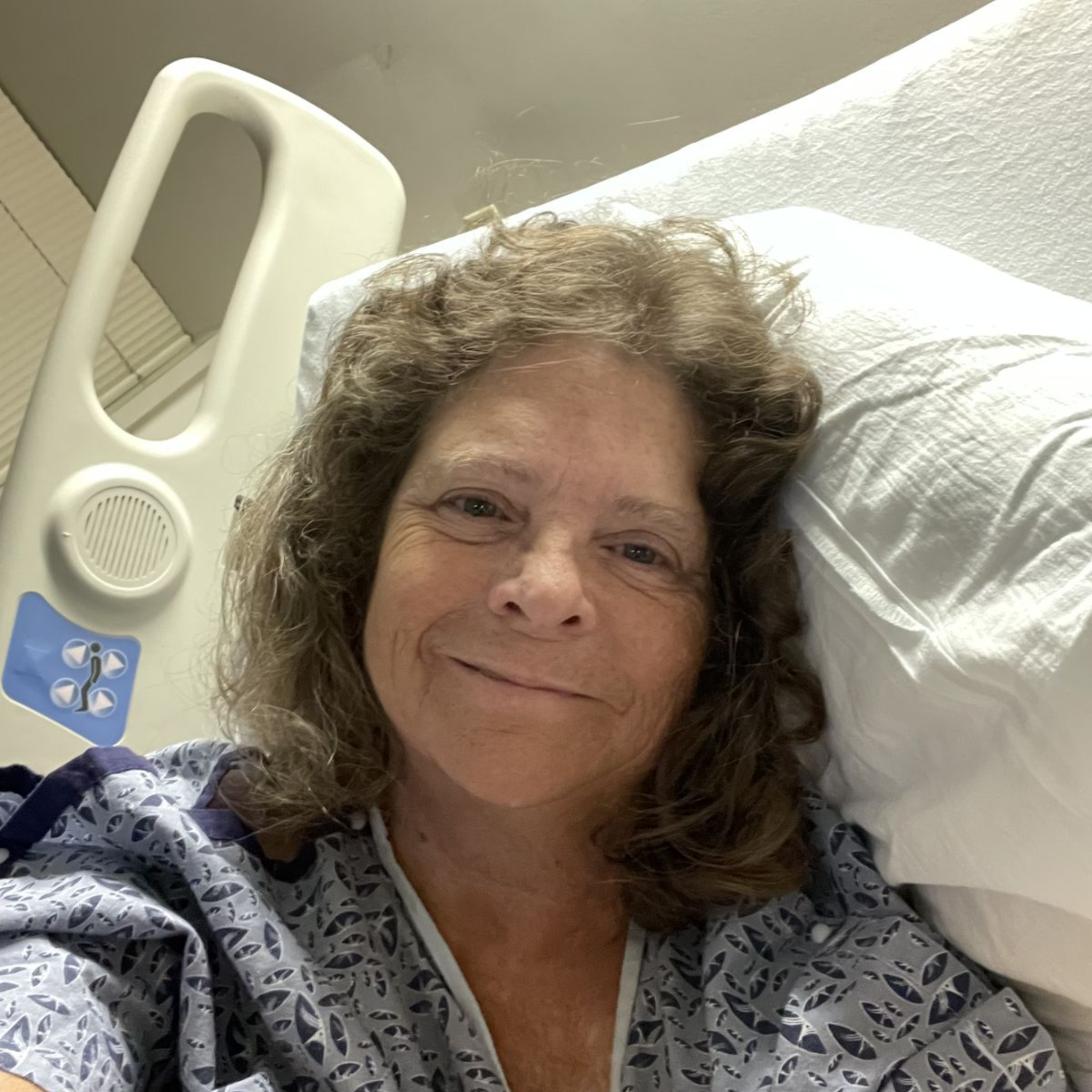
Ran for 2 days, from October 13 to October 15, 2026, the last day Crush saw it.
Run by The Health Community on Facebook. Crush is not the advertiser and does not verify its claims. See this ad in Meta's Ad Library(opens in a new tab)
Make your own version of this ad
Crush makes it, launches it in your own Meta ad account, scales the winners and pauses the losers.
About this ad
- Meta Ad Library ID
- 1075555358810461
- Platforms
- Facebook, Instagram, Audience Network and Threads
- Relaunches
- 0
- EU reach
- 6,325
Ad text
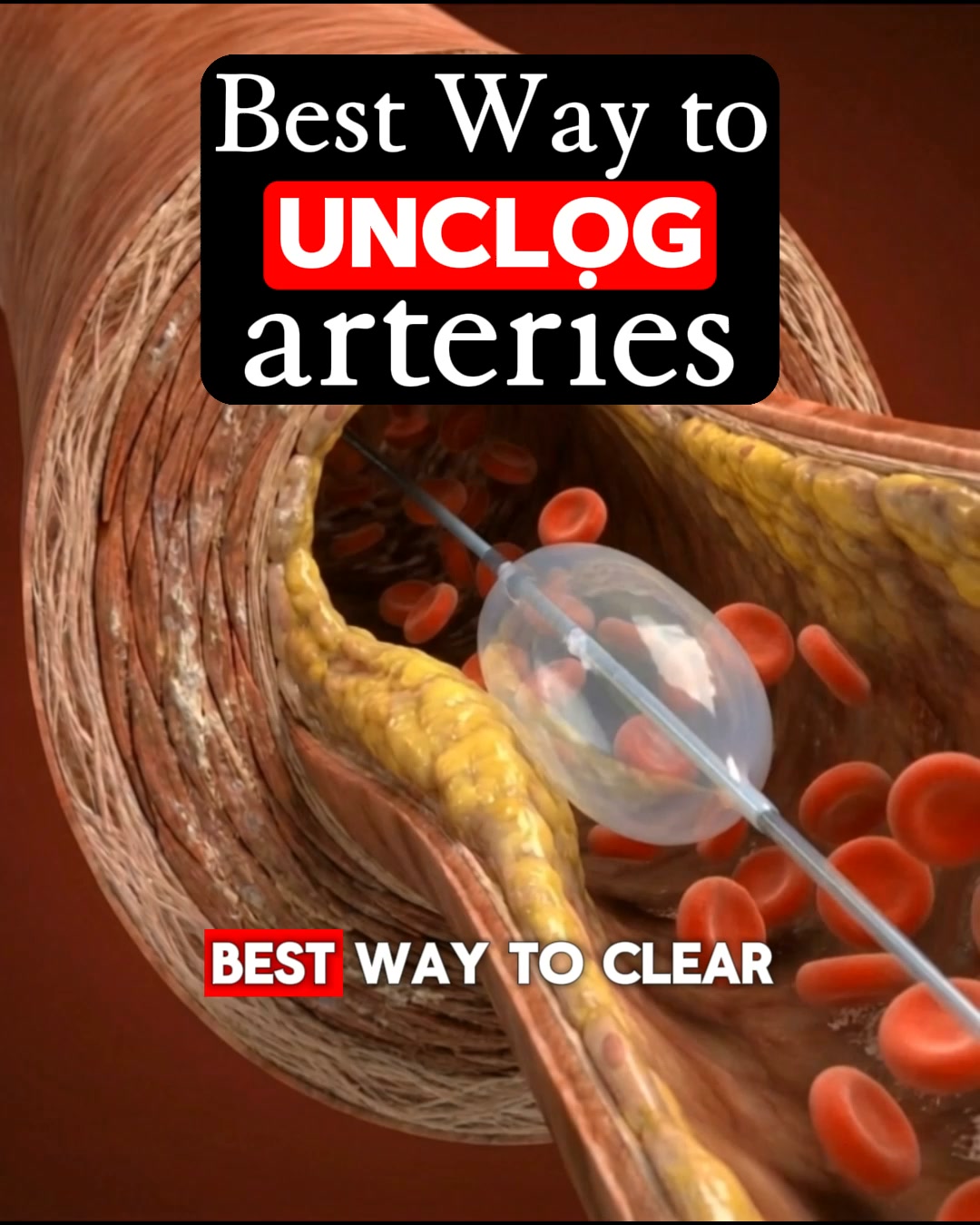
I am going to say something that no woman over 60 with high blood pressure wants to hear and I don't give a f*ck if it upsets you. My sister Jessica cut out salt and processed food on July 8th, 2024. Threw out every bag of chips, every frozen dinner, every salty snack in her house. Went on a strict heart-healthy diet. Walked three miles a day. Started juicing kale, of all things. She did everything the doctor told her. She had a massive heart attack on October 19th at 2 AM. She was 62 years old. The paramedics got her back. The cardiologist put in two stents. But we almost lost her. Three minutes later to the hospital and she was gone. Her heart stopped on the table for thirty seconds before they brought her back. Thank God she survived. The hospital bill was $63,000. The cardiac rehab was another $8,400. Her favorite coffee mug is on the counter this morning. Her hand is around it right now. Fifteen months ago I thought I was going to lose that too. I need to tell you what happened to Jessica. Because I have been a cardiovascular nurse for 22 years, and I am seeing the same posts on Facebook that my own sister was making just months before her heart attack — my blood pressure is a little high, any tips — and it makes me physically ill. If you are a woman over 60 and you have high blood pressure, or someone you love does, please read this entire thing. I know it is long. I know you are scrolling. I know you have things to do. Fifteen months ago I would have given anything, everything, for someone to tell me what I am about to tell you. And I am telling you this as a cardiovascular nurse with over two decades in the field. I thought I knew everything about high blood pressure and heart disease. I taught it. I lectured on it. I sat across from thousands of patients and told them what to eat and when to check their blood pressure and how to take their medication. And I still could not save my own sister from what was about to happen. Jessica went in for a routine physical on June 28th, 2024. She felt fine. Better than fine. She had just turned 62. She still tended her own garden — the roses she and our mother had planted 40 years ago. She still went antiquing every Saturday with her friend Judy. She thought she was indestructible and honestly so did I. Two days later her doctor called. Blood pressure: 168/102. “Your blood pressure is very elevated, Jessica. We need to talk about your diet and your cardiovascular risk.” Jessica was quiet on the call. I was in her kitchen pretending not to listen. I had been staying with her most nights since her husband Frank died three years earlier from lung cancer. She had that big house all to herself and I had a small apartment I barely used. “What does breakfast usually look like for you?” “Toast with butter. Bacon and eggs if I have time. Pancakes with the grandkids on Saturdays.” “And dinner?” “Meat and potatoes most nights. Sometimes frozen dinners if I'm tired. Pasta on Sundays. On the weekends I go out with the ladies.” “And in between?” “Sandwich for lunch. Sometimes chips or crackers in the afternoon with my coffee. I like salty snacks.” “We need to make some serious changes. Cut back on sodium. The processed foods. The frozen dinners. The salty snacks. Start walking every day. And I'm prescribing blood-pressure medication today. We'll monitor your readings and reassess.” Jessica hung up the phone and sat at her kitchen table for forty minutes without saying anything. Then she stood up, walked to the pantry, and took everything out. I watched her throw out three bags of potato chips. Two boxes of frozen dinners. The canned soups she'd kept in the pantry for years. The salted crackers. The processed meats in the refrigerator. The bacon she'd bought for Sunday breakfast. The frozen pizzas. The pretzels she always kept beside her favorite chair. All of it went in the trash. The whole pantry, gone in under an hour. I asked her what she was doing. “That is it. I am done.” And she was. For 103 days, she barely touched anything with added salt or processed ingredients. No chips. No bacon. No canned soups. No frozen dinners. No salty snacks. Not at her granddaughter's engagement dinner in August where the food was covered in sauces and seasonings and Jessica asked the waiter for a plain grilled chicken breast with no added salt. Not at the Cubs game in September where our brother ordered a hot dog and Jessica ate a plain salad she'd brought from home. Not at her own 62nd birthday luncheon in October where her daughter had prepared her favorite homemade meal, the one Jessica had made for every family celebration for 35 years, and Jessica ate plain grilled fish and steamed vegetables while everyone else ate. She stopped going to her Tuesday afternoon bridge club because she could not sit there while the other ladies ate salted crackers and the cheese board Marcia brought every week. She lost her best friend Judy, who told her — you are no fun anymore — and stopped inviting her antiquing. She lost the Friday night dinner club at the country club, where her standing order was the salmon with rice pilaf and a basket of biscuits. She lost a piece of herself she had been carrying for 35 years. And she did it anyway. Because the doctor said to. She was miserable the whole time. I want to be honest about that. The cravings never went away. She would stand in the kitchen at 9 PM looking at the empty snack drawer like it had personally wronged her. She opened the pantry 3–4 times a day to see if something had magically spawned. She was agitated in the afternoons when she had a craving, so she would snap at me. I don't blame her and honestly, who wouldn't. I could not have done what she was doing. I could not picture myself eating everything plain, checking sodium labels, refusing restaurant meals and giving up the foods I loved for that long. Not for one week. Let alone 103 days. But she kept going. She lost 22 pounds in those three months. She bought a juicer. Jessica, with the juicer, I still cannot picture it. She started walking three miles every morning before the sun came up. She took the blood-pressure medication the doctor prescribed. She took a heart-health supplement she found on Amazon. She ate a salad every day, the woman who used to say salads were what her food ate. She learned to season her food with herbs instead of salt. She learned to cook fresh meals instead of reaching for frozen dinners. She learned to say no to the salty foods she'd enjoyed her entire life. She did everything right. The follow-up appointment was on October 7th. Blood pressure: 154/96. She had cut out salt and processed foods, lost 22 pounds, walked three miles every morning, and taken her medication for three months. Her blood pressure was still high. The doctor said give it more time. Blood pressure management takes time. We'll keep monitoring your readings. Keep doing what you're doing. If nothing changes, we'll need to discuss adjusting your medication at the next visit. Jessica came home that night and sat at the kitchen table again. The same table she had sat at after the first call. She did not say anything for a long time. Then she said — Caroline. I gave up everything. Everything. And it didn't work. I told her to give it time. I told her the doctor said to keep monitoring. I told her to trust the process. Because that is what a cardiovascular nurse says. Trust the process. Give the medication time. Stay consistent. Every word out of my mouth was the same script I had recited to a thousand patients across two decades. She nodded. She kept walking. She kept juicing. She kept taking her blood-pressure medication. Five days later, five days, I woke up at 2 AM to a sound I had never heard come out of her in the 58 years we had been sisters. She was in the hallway outside the guest room where I was sleeping. Clutching her chest. Both hands. Her face was white. I did not ask questions. I grabbed my keys and drove her to the ER. By the time they admitted Jessica at 2:47 AM, she was gray. Not a little pale. Gray. Like the color had drained out of her face. Like the light behind her eyes had gone dim. The ER doctor, a young woman, could not have been 35, looked at Jessica's EKG and her face did this thing. “Ms. Baker, you are having a massive heart attack. Your left anterior descending artery is 95 percent blocked. We are taking you to the cath lab. Now.” The doctor just looked at me. “I know, Ms. Moore. I am sorry.” They rolled Jessica down the hallway. I ran alongside the gurney holding her hand until the doors of the cath lab closed and a nurse gently pulled me back into the waiting room. I sat in that plastic chair for three hours and forty minutes. I called Jessica's daughter. I called our brother in Arizona. I called our other sister. I could not stop shaking. At 6:42 AM the cardiologist walked into the waiting room. I stood up so fast I nearly fell over. “She is stable. We placed two stents in the LAD. She coded once on the table but we got her back within thirty seconds. She is in the ICU now. You can see her in about an hour.” Thirty seconds. Thirty seconds is what stood between me and losing my sister. The person who had known me longer than anyone else on this earth. Jessica spent four days in the ICU. Another five days on the cardiac step-down floor. She came home on October 28th with two stents, a walker, and a shopping bag full of prescriptions. That was the day the second nightmare started. Because the cardiologist did not just want to see Jessica back in her office for cardiac follow-up. She wanted a more complete cardiovascular risk assessment and a closer look at her kidney function, because in her words — “When someone has a cardiac event this severe, we need to understand the other risk factors and whether there are signs of damage elsewhere.” Over the next three weeks, Jessica had: A kidney panel with a nephrologist. A dilated eye exam with an ophthalmologist. An echocardiogram to assess her heart. And a review of her coronary angiography findings with her cardiologist. And more than one of them came back with a problem. The nephrologist showed us Jessica's creatinine had been climbing quietly on her last three panels. Her kidney function was already declining. The doctor said longstanding hypertension could be contributing, although further evaluation was needed. Nobody had explained that trend to us. And I am a cardiovascular nurse. The ophthalmologist noted changes to the small blood vessels in Jessica's retinas consistent with hypertensive retinopathy. Jessica had been complaining about blurry vision that came and went. I had told her it was her reading glasses. The echocardiogram showed thickening of Jessica's left ventricular wall. The cardiologist explained that years of high blood pressure can make the heart work harder and contribute to this kind of change. Then the cardiologist reviewed Jessica's coronary angiography findings. The artery that had caused her heart attack wasn't the only one with atherosclerotic plaque. There was disease elsewhere in her coronary circulation that would need ongoing treatment and monitoring. High blood pressure. Coronary artery disease. Changes in her kidneys. Changes in her eyes. Changes in her heart muscle. Different findings, connected by years of cardiovascular risk. The cardiologist called it a massive heart attack in a woman with longstanding hypertension and coronary artery disease. Treated blood pressure. That phrase again. Jessica sat on the edge of her bed that night, thirty-nine days after her heart attack, holding the folders of specialists' reports in her lap, and she looked up at me and said the words I will never forget. “Caroline. There were things happening inside my body for years that I didn't even know about. I thought we were taking care of my blood pressure.” That is when I stopped thinking like a cardiovascular nurse who had seen thousands of patients and started thinking like a scared sister who was not going to sit and wait for the next one. I started researching. Not because I wanted to. Because I had to. Because Jessica had survived by thirty seconds. And because I realized that in 22 years of educating patients, I had been teaching them exactly what my sister's doctors had taught her. Watch your salt. Take your blood pressure medication. Keep your readings down. But I had never fully explained to my own sister that lowering blood pressure was only one part of understanding her cardiovascular risk. I started reading everything I could find on cardiovascular disease at 2 AM when I could not sleep. Medical journals I understood too well, if I am being honest. Cardiology forums. Studies on coronary plaque, endothelial function and arterial health. And one thing kept coming up, over and over, that I had never explained to my sister in all those years. The reason Jessica could do everything right and still have a heart attack was that blood pressure was only one part of her cardiovascular risk. Losing weight, reducing sodium and taking medication can reduce that risk. But none of those things guarantees that coronary plaque isn't already present. I understood the individual pieces. But I could not fully understand how all of it connected from the papers alone. It was too clinical. Too abstract. Then I found a thread on a heart-health forum with over 4,000 comments. The title. Why does my Japanese grandmother still eat everything she loves at 84 while my mother gave up salt, lost 30 pounds, and still has high blood pressure? I almost scrolled past. Something made me click. The post was from a woman whose grandmother had immigrated from Japan in the 60s. She was 84, still cooked her own meals, tended her garden and walked every morning. She had never been hospitalized for a heart attack. She had never needed a stent. And according to her granddaughter, her blood pressure readings had remained healthy well into her eighties. The post asked why her grandmother seemed to be doing so well while her own mother had given up nearly everything she enjoyed trying to get her blood pressure under control. Comment after comment. Stories. Families. Women in their seventies and eighties who still cooked their own meals, walked every morning and seemed to have more energy than people twenty years younger. And one thing kept appearing in the discussion. A traditional practice that had been passed down through generations. Someone posted a name. Keiko. A Japanese grandmother who lived in a small community in central New Jersey. People in the thread said she had spent years sharing what she'd learned from her mother and grandmother with anyone who asked. I looked at the clock. 2:39 AM. By 5:30 AM I was in my car. By noon I was in New Jersey. I did not have an address. Just a town name and a description of the street. I drove until I saw a small house with a carefully maintained garden. Rows of herbs. Small flowering plants. A wooden bench beside the front door. There was an older woman on the porch. Had to be pushing 80. Small. Thin. Dark hair pulled back with gray streaks running through it. She was sorting through dried herbs in a large wooden bowl on her lap, her fingers moving so fast they blurred. No swollen knuckles. No brace. Just easy, steady work. I parked and walked up to the porch. “Excuse me. I do not want to bother you. But how old are you?” “Seventy-nine.” I stood there staring at her. Seventy-nine. My sister was 62 and had just come home from a nine-day hospital stay with two stents in her heart. “My name is Caroline. My sister is Jessica. She had a massive heart attack six weeks ago. She almost died.” “She has high blood pressure. She cut out salt. Lost 22 pounds. Walked three miles every morning. Took her medication. And she still ended up with two stents in her heart.” “I read a thread online. Your name was in it. I am a cardiovascular nurse with 22 years in this field and I could not save my own sister. I drove eight hours to find you.” She set down the bowl. Looked at me for a long moment. “You came here for a reason. Come inside.” Her kitchen smelled like ginger, green tea and something simmering on the stove. She poured me a cup of tea without asking. Pulled out a chair. “Tell me about your sister.” I told her everything. The heart attack. The stents. The 103 days of cutting salt that did not prevent what happened. The blood pressure that was still high at her follow-up. The specialists we'd seen since she came home from the hospital. The kidneys. The eyes. The heart muscle. The coronary arteries. She listened through every complication without interrupting. When I finished, she was quiet for a moment. Then she said — “Your sister was fighting more than one battle.” I blinked. Not what I expected her to say. “Her blood pressure was one part of the picture. The plaque in her coronary arteries was another. Lowering blood pressure helps protect the heart, but it doesn't mean every other cardiovascular risk has disappeared.” “I know it is cardiovascular disease. She cut the salt. She lost the weight. She took her medication. That is not new to us. I am a cardiovascular nurse, Keiko. I have been teaching people this for 22 years.” She smiled. “Then you know how important those changes are. But you came all this way because you're still trying to understand what happened inside your sister's arteries.” She folded her hands on the table. “There are two things you keep talking about. The pressure inside Jessica's arteries. And the condition of the arteries themselves. They are NOT the same measurement.” She held up two fingers, separated. “Jessica spent 103 days fighting a number. And the whole time, there was something inside her arteries that number couldn't show her.” “The plaque. The narrowing. The disease that had been developing for years.” “None of it was printed on that little screen.” I stared at her. “She couldn't feel the plaque building. Couldn't see it. Couldn't measure it with the cuff she wrapped around her arm every morning.” “She cut the salt. Lost the weight. Walked three miles every morning. Took the pills. Checked the cuff.” “And she thought she was winning.” Keiko leaned forward. “Until she woke up at 2 AM clutching her chest.” “That's the part you need to understand, Caroline. The cuff tells you the pressure. It doesn't tell you what's already inside the artery.” “Jessica was watching one number while another danger was growing where she couldn't see it.” She picked up five small stones from a bowl beside her. “This one is her kidneys. This one is her eyes. This one is her brain. This one is her heart muscle. And this one is her coronary arteries.” “Five places where cardiovascular damage can show up. Five places she never thought about while she was staring at that cuff.” My chest tightened. “That's why Jessica could lose 22 pounds, cut the salt, walk every morning, and still have coronary artery disease.” “Those changes mattered. Her medication mattered. But they couldn't tell her whether plaque had already been building inside her coronary arteries for years.” “She was doing everything she could see. And the thing that nearly killed her was something she couldn't see at all.” She looked me straight in the eye. “Her blood pressure cuff couldn't show her the plaque. Couldn't show her how narrowed her arteries had become. Couldn't tell her what was happening inside the vessels feeding her heart.” “Those were different measurements. Different parts of her cardiovascular health.” “And Jessica didn't discover how serious the problem was until she was lying on a hospital table with two stents being placed in her heart.” She reached across the table. “Now here is what you need to understand about Jessica's heart disease. It was never just a blood pressure number.” “There was plaque inside her coronary arteries. A disease that could develop silently for years.” “Like a fire spreading behind the walls of a house while everyone kept checking the thermostat.” “Every year. Every day. Her blood pressure was being treated. But that little cuff couldn't show what was happening inside her coronary arteries.” She tapped the table once. “And here is the piece that should make you angry.” “Jessica was doing everything she could to protect her heart. But the disease that nearly killed her wasn't something she could see in her daily readings.” “It was inside the arteries feeding her heart muscle.” “Year after year, plaque had been developing. Until one night, a coronary artery became blocked and her heart muscle was starved of blood.” My eyes started to water. “That is what almost killed your sister.” “Not the number printed on her blood pressure cuff. The coronary artery disease that had been developing long before anyone knew how serious it was.” “She spent 103 days changing her life. And she had no idea how much plaque was already there.” I could not speak. I sat there and thought about the thousands of patients I had sent home with the same instructions Jessica's doctor had given her. “Now hear me clearly. I am not telling Jessica to throw her blood pressure medication in the trash.” “Lowering high blood pressure protects the heart.” “But understand what that reading tells you. It tells you the pressure. It does not tell you whether plaque is present, how extensive it is, or whether other cardiovascular risk factors need attention.” “Jessica needed treatment for her blood pressure. She also needed someone looking at her overall cardiovascular risk.” I asked her what could help support the health of the arteries themselves. She smiled. A small smile. “There's something researchers have been studying that you haven't considered yet.” “For generations, families in Japan have passed down traditional ways of preparing certain foods. My grandmother taught me. Her grandmother taught her.” “I grew up watching women in my family tending their gardens, cooking their own meals and staying active well into their eighties.” “And one particular ingredient kept appearing in those traditions.” She stood. Walked to a shelf along the wall. Pulled down a dark glass jar. Inside was a small handwritten label, yellowed with age. She set it on the table between us. “Garlic.” I stared at her. “Garlic? Keiko, my sister almost died. She has two stents in her heart. She's already tried garlic capsules from Amazon. They didn't do anything.” She must have read my face. “That is not what you think it is.” “There's a difference between ordinary garlic powder and garlic that's been put through a controlled aging and extraction process.” “Fresh garlic contains compounds that change as it ages. Some break down. Others become more stable and easier for researchers to measure.” She tapped the jar. “It's called Aged Garlic Extract.” “And unlike an ordinary garlic capsule, certain preparations of this extract have actually been studied in human cardiovascular trials.” “Not just for blood pressure.” “For how blood vessels function. And for changes in specific types of plaque inside the coronary arteries themselves.” I looked at the jar again. For the first time, I wasn't thinking about garlic as something you put in dinner. I was thinking about the arteries that had nearly taken my sister's life. “Real Aged Garlic Extract is completely different from the garlic capsules Jessica bought at the drugstore. The aging process changes what's inside it.” “It works on two things that matter to your sister.” “The first is blood pressure.” “Aged Garlic Extract lowers blood pressure. It helps the blood vessels relax. The pressure against the artery walls comes down. The heart doesn't have to work as hard against that pressure.” “And the second is plaque.” “The buildup inside the coronary arteries. The disease that can grow silently for years. The narrowing Jessica never knew was there.” “Aged Garlic Extract has reduced coronary plaque in human clinical research.” “The arteries feeding the heart muscle. The arteries where that buildup can become dangerous. The same coronary system Jessica's doctors were looking at when they rushed her into surgery.” “Two effects. From one extract.” “One helps lower the pressure. The other addresses plaque inside the arteries.” “That's why I wanted you to understand the difference between an ordinary garlic capsule and the extract researchers actually studied.” I asked her if it had to be a special form. She nodded. “It has to be properly Aged Garlic Extract. Aged long enough. And with the active compound measured so you know what you're getting.” “The garlic capsules Jessica bought at the drugstore were ordinary garlic powder. And even a bottle that says Aged Garlic Extract doesn't always tell you how much of the compound used to characterize the research extract is inside.” “The compound is called S-allylcysteine. SAC. It forms during the aging process.” “And if the label doesn't tell you how much SAC you're getting, you cannot compare that dose to the research.” “That's why I kept telling you the preparation matters. It's not about putting more garlic into a capsule. It's about how the garlic is aged and what is actually measured in the finished extract.” “My grandmother didn't know what SAC was. She didn't have a laboratory or a scientific paper. She only knew the way her family prepared certain foods was different from swallowing ordinary garlic powder.” “But when scientists started studying Aged Garlic Extract, they could measure what the aging process had produced. And they could test those preparations in people with cardiovascular risk factors.” She paused. “There is a company my niece in Boston told me about.” “They source garlic from Japan and American farmers. They age it for 24 months. And they standardize the extract to 0.28% SAC.” “Each softgel contains 500mg of actual Aged Garlic Extract, delivering 1.4mg of verified SAC. The research you've been reading used approximately 1.2mg per day.” “Third-party tested. Odorless. Small-batch production. Made in the USA.” She wrote the name on a piece of paper and handed it to me. Primus. I ordered three pouches from her kitchen table before I left New Jersey. I drove eight hours home. Got in at midnight. Jessica was asleep in her recliner. I sat on the couch across from her and watched her breathe for two hours before I went to bed. The pouches arrived seven days later. Jessica took the first softgel with her breakfast the next morning. Sat at our kitchen table with the coffee I made her. Looked at the softgel in her palm. “You believe her, don't you.” “I do.” She looked up at me. “Because I am your sister.” Then she swallowed it. Week one. Jessica's afternoon energy started coming back. She had been napping every afternoon since the heart attack, exhausted after lunch. One afternoon she sat at the kitchen table at 3 PM and read the paper cover to cover without falling asleep. She looked up at me and said — Caroline. I haven't felt this much like myself in months. Week two. Jessica started walking through her garden again. She hadn't been able to tend the roses since coming home from the hospital. That morning she went outside with her gardening gloves and spent twenty minutes working beside the flowerbeds. When she came inside, she was smiling. Caroline. I thought I'd never be able to do that again. Week three. Jessica's color was coming back. Her face looked like herself again. Her daughter came for dinner and I saw her face when she walked in. She had been watching her mother look sick for months. That night she pulled me aside and said — Aunt Caroline. Mom looks like Mom again. Week four. Jessica came back from her supervised cardiac rehabilitation session and walked into the kitchen without immediately sitting down. A month earlier she'd needed to rest after almost every activity. Now she could finish her prescribed exercise session and still have enough energy to make herself lunch. She looked at me and said — Caroline. I can finally feel myself getting stronger. Week six. Jessica had been tracking her blood pressure every morning. The readings had been moving down as her doctor adjusted her treatment and she continued her recovery. The numbers were no longer consistently in the 150s. More mornings were appearing in the 130s. She brought the notebook to her follow-up and showed me every page. For the first time since the heart attack, she smiled when she looked at it. Week twelve. Full cardiovascular follow-up. Blood pressure: 128/80. Down from 154/96 at her previous appointment. Her home readings had been moving in the same direction. She was walking regularly again. Getting stronger through cardiac rehabilitation. Doing things she hadn't been able to do when she first came home from the hospital. Her cardiologist called us in for a follow-up appointment to review her progress. She looked at Jessica. Looked at me. Looked at the chart. Looked at Jessica again. “Jessica. You've made real progress. How have you been feeling?” She told her. The Japanese woman. The kitchen table. The Aged Garlic Extract. The blood-pressure notebook. The walking. The cardiac rehabilitation. All of it. She listened without interrupting. When Jessica finished, the cardiologist reviewed the medications and supplements she was taking. “Your blood pressure is improving. You're getting stronger. That's encouraging.” “Keep following your treatment plan, and let's continue monitoring your recovery.” Jessica looked at me. For the first time in months, she wasn't asking whether she was going to make it through another night. She was asking when she could get back to the things she loved. She still has two stents. Still takes her prescribed medication. Still attends her cardiac follow-up appointments. But she's walking again. Gardening again. Having dinner with her family again. Last Saturday, she sat at the table with her grandchildren and laughed so hard she had tears running down her cheeks. I stood in the kitchen doorway watching her. Three months earlier, I had been sitting outside a cath lab wondering whether I'd ever hear that laugh again. At her most recent follow-up, her blood-pressure readings remained improved. And for the first time since the heart attack, Jessica was beginning to feel like Jessica again. We came within thirty seconds of me writing you a very different letter. I am writing this because I still have my sister. And I have watched her fight her way back from a heart attack that nearly killed her. I have watched her walk through her garden again. Sit at the table with her grandchildren again. Laugh again. And I have watched her cardiologist look at her blood-pressure readings and acknowledge how much progress she has made. Improving. Not just a number on a cuff. Improving. If you, your mother, your sister, your best friend, or any other woman you love has high blood pressure and has been told her numbers are being treated while she still worries about her heart, please listen to what I am telling you. And I am telling you this not just as Jessica's sister. As a cardiovascular nurse with 22 years in this field who thought she understood everything about protecting the heart until her own sister nearly died in front of her. The blood-pressure number matters. But it cannot tell you everything happening inside your coronary arteries. Your blood-pressure medication can lower the pressure. It can reduce your risk. But the cuff cannot show you coronary plaque. It cannot tell you whether an artery is narrowing. It cannot show you what Jessica's cardiologist eventually found inside the arteries feeding her heart. Cutting the salt was not a guarantee. Jessica did that for 103 days. Lost 22 pounds. Walked every morning. And she still suffered a heart attack. Neither losing weight nor taking medication makes cardiovascular risk disappear completely. They matter. But there can still be disease developing where a home blood-pressure monitor cannot see it. And there is something else I want you to know about. Aged Garlic Extract. Human researchers have studied it for blood pressure and coronary plaque. The same two things I couldn't stop thinking about after Jessica's heart attack. Primus. Garlic sourced from Japan and American farmers. Aged for 24 months. 500mg of actual Aged Garlic Extract per softgel. Standardized to 0.28% SAC. 1.4mg verified SAC per serving. Third-party tested. Odorless. Small-batch production. Made in the USA. One softgel every morning with breakfast. That's how Jessica incorporated it into her routine. 90-day money-back guarantee, subject to Primus's published guarantee terms. Jessica almost died on October 19th, 2024, at 2 AM. Our father died at 71. Our mother died at 68. Jessica is 62 today. Her grandkids call her almost every day. I still have her. And I'll never forget the Japanese woman I found through a heart-health forum who sat me down at her kitchen table for two hours and explained something I had never fully understood in 22 years of cardiovascular nursing. The blood-pressure reading and the condition of the coronary arteries are not the same thing. I want that for you. I want your sister, your mother, your best friend, or any other woman you love to still be here five years from now. Please do not wait for the ambulance ride to start asking questions about your heart. ~ Caroline Moore, age 58, cardiovascular nurse, Springfield, IL P.S. Jessica's cardiologist told us that the blockage in her coronary artery was critical. She needed emergency treatment. And we were fortunate she received it in time. I still think about how close we came to losing her. Please don't ignore chest pain or other warning signs while waiting for your next routine appointment. P.P.S. I am writing this at 2:14 AM because I woke up in a panic and had to check that Jessica was still breathing in the next room. That fear doesn't just disappear after someone survives a heart attack. Fifteen months later and I still check. Share this with any woman you love who has high blood pressure. Even if she feels fine. Even if she's losing weight. Even if she's taking her medication every day. Please.
Where the ad sends people
primus-health.com
🚨 Women Over 60 With High BP? Read This
22-year cardiovascular nurse reveals what BP readings can't show.
Learn more: primus-health.com(opens in a new tab)