Margaret Hooper
Margaret Hooper Facebook ad: “Your feet may not be where the burning starts. Almost…”
Ran for 5 days, from September 1 to September 6, 2026, the last day Crush saw it.
Run by Margaret Hooper on Facebook. Crush is not the advertiser and does not verify its claims. See this ad in Meta's Ad Library(opens in a new tab)
Want an ad like this for your product?
Crush makes new ad images for your product from this ad: your logo, your product photo, your offer.
Trials from $19.95 USD, then $79.95 USD a month. Cancel anytime.
About this ad
- Meta Ad Library ID
- 1078934194573485
- Platforms
- Facebook, Instagram and Threads
- Relaunches
- 0
Ad text
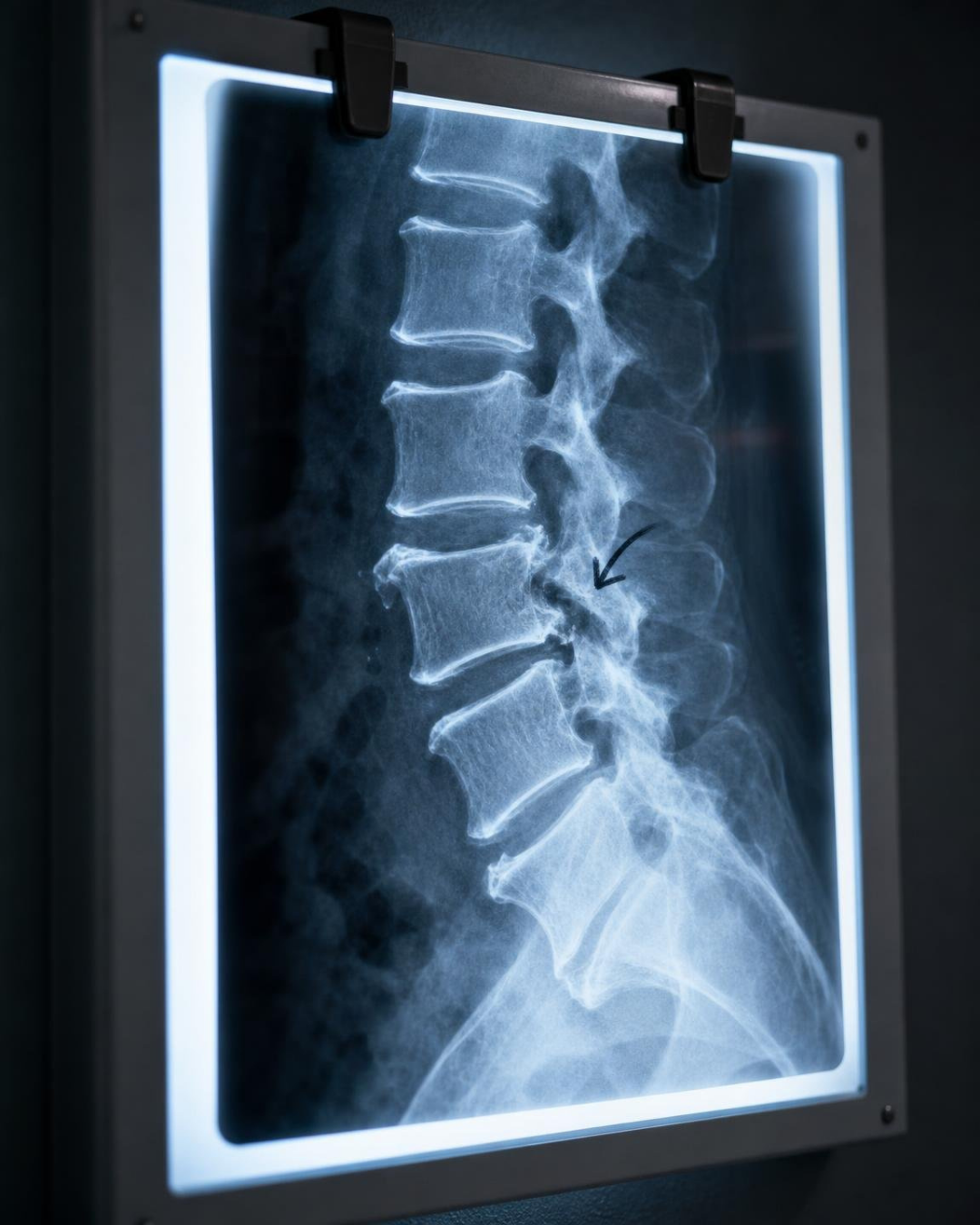
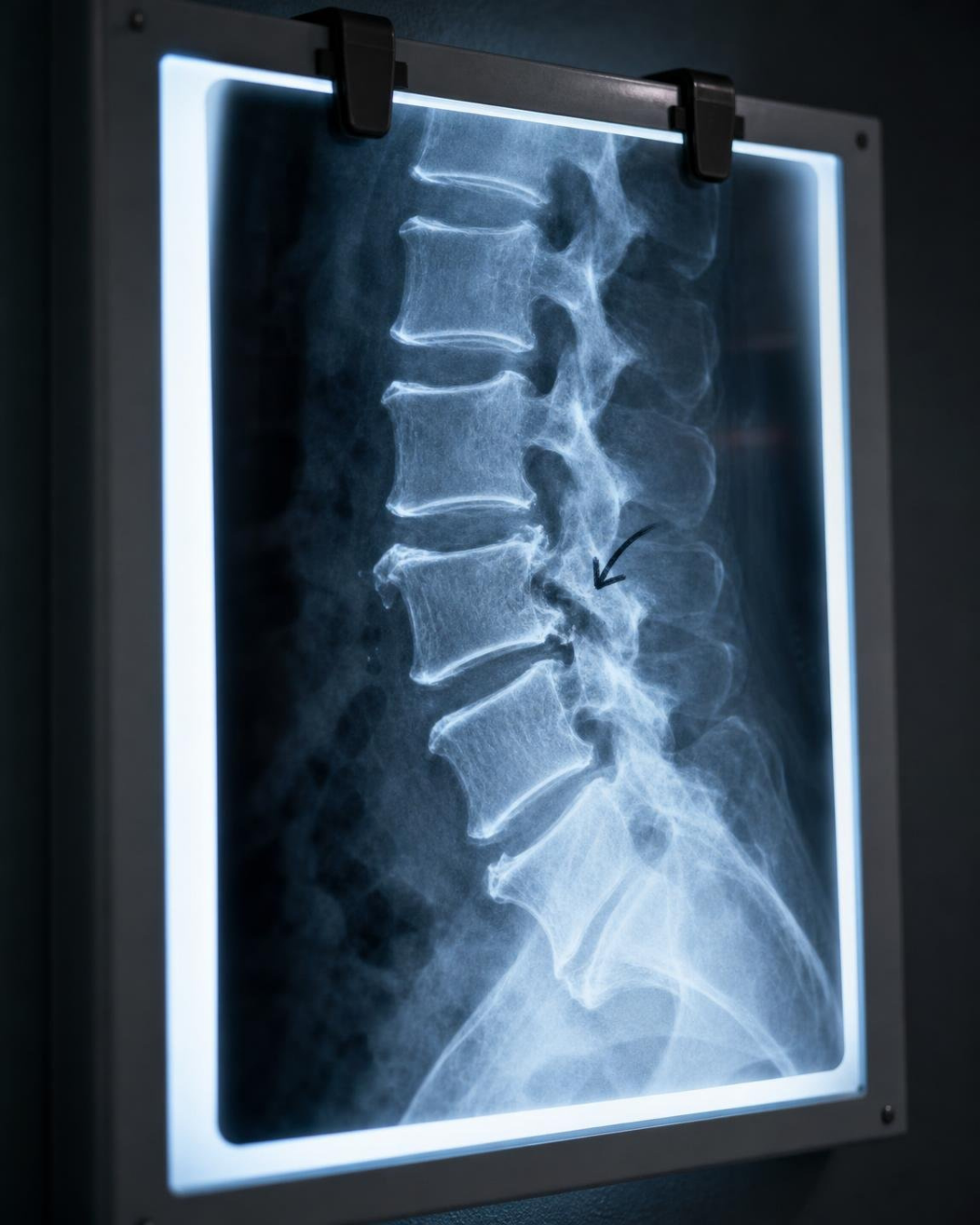
I'm a nurse in a neurology clinic. The neurologist I've worked beside for eighteen years won't take the pill he prescribes a hundred times a month for numb feet. Every morning before clinic he closes his office door for fifteen minutes and does something else instead — and he has never once written it on a chart. I noticed for eighteen years. I never asked. Last month I finally did. I'm going to tell you what he told me. Because in all that time I said nothing — and I sat in the room while hundreds of people were told their nerve damage was permanent, that they'd learn to live with it, when it wasn't and they didn't have to. I'm not saying nothing anymore. My name is Margaret. Everyone at the clinic calls me Maggie. I've been a nurse for twenty-two years — the last eighteen in a busy neurology and nerve-pain practice. I'm the one who preps you, who tapes the little electrodes to your feet and runs the nerve test with the small shocks, who sits in the room while the doctor reads the result off the screen. I've assisted on more of those tests than I can count. I've watched more people than I can count hear the word they were afraid of. Damage. Permanent. Nothing much we can do. Here's a pill for it. The doctor I've stood beside for most of those years is a man named Dr. Halloran. I'm not going to use his real name. You'll understand why before this is over. He is, and I don't say this loosely, one of the best neurologists in this state. People drive three hours to see him. He's steady and quiet and kind, and he doesn't perform — he just reads the nerve, tells you the truth as the system lets him tell it, and moves on. That's the man whose office door I'd been watching close for eighteen years. I want you to understand something most people never see, because I think you need it to understand the rest. I know what these nerves do from the inside. Not from a pamphlet in a waiting room. I've put the electrodes on a thousand feet and watched the signal come back weak. I've stood at the screen while the MRI loaded and seen the cushion between two bones in a person's lower back flattened down onto the nerve root like a boot on a garden hose. I've watched the same people come back year after year — first with a limp, then a cane, then a walker — and every year the test said the same thing and the doctor wrote the same higher dose, and the feeling never came back. And here is the part I did not understand for most of my career. Some of the worst feet I ever saw belonged to people whose problem was barely at the foot at all. I'd see the nerve test — weak signal, "peripheral neuropathy," the patient told for years there was nothing to do — and then I'd see the MRI, and there it would be. The disc pressed down onto the root. The foot was where they felt it. The lower back was where it was happening. I filed it under things I wasn't meant to understand. The doctors had the test. I just had the foot in my hands. It took me twenty-two years and a scan of my own to understand that the test was answering one question and my life depended on a different one. There was something else. Every morning, before clinic, Dr. Halloran closes his office door for fifteen minutes. I'd catch a glimpse sometimes when I brought his schedule in — him lying back on a cushioned thing on the floor behind his desk, eyes closed, one button lit. Then the timer would go, he'd get up, and he'd see patients all day and tell a dozen of them their nerve damage was permanent. I noticed it my second or third year with him. It's the kind of thing you file away without thinking — the doctor stretches his back before clinic, fine, he ruptured a disc years ago, everybody knows that. You don't interrogate a man about the thing behind his desk. You assume it's nothing, because everything about it looks like nothing. For eighteen years, it was nothing to me. It turned out to be the most important thing in the building. I just didn't know to ask. Then, last spring, it started happening to me too. A tingling in my feet at night. The kind of thing you explain away. I'm fifty-one. I'm on my feet a full shift. I told myself it was my shoes, even though I'd watched a thousand people tell themselves the exact same thing on their way to a diagnosis. What finally bothered me wasn't the tingling. It was that I'd started doing the thing I'd watched patients do for twenty-two years. Pausing on the landing. Blaming the stairs. Explaining. So I did what I had access to that most people don't. I had one of our doctors run me the full nerve study, and I had them pull an MRI of my lower back. The nerve test came back the way I'd seen a thousand of them come back. "Mild early neuropathy. Nothing anyone would chase. Here's a low dose of gabapentin if it bothers you at night." The kind of result that gets you a shrug and a "see you next year." If I'd only had that, I'd have walked out relieved. But I'd seen my MRI. There it was. My L5 disc, thinned and flattened, settled down onto the nerve root. The same picture I'd stood next to on the screen a hundred times for other people. One test had looked at my foot and shrugged. The other had looked at my spine and told the truth. I sat there and understood, completely, the thing that had confused me for twenty-two years. I was the patient whose test said fine and whose spine said otherwise. I drove home with a prescription for the part of me that wasn't the problem. It was still in my bag, unfilled, when I went into work the next morning — and that day we saw a man I'll call Ed. Sixty-six. Retired electrician. The kind of man who shakes your hand with both of his, except now he couldn't quite feel yours back. I read his chart while I set up his test. Ed had been on gabapentin for thirteen years. Compliant — never missed a dose. Thirteen years of "managed neuropathy." His dose had been raised four times. And he could no longer feel his own feet at all. He'd stopped driving because he couldn't feel the pedals. He'd come in that day with a walker. His wife told me, quietly, that they were looking at wheelchairs. Thirteen years of doing exactly what they asked, and the feeling was gone and the pressure on that nerve had never once been touched, because nobody had ever looked past the foot. And I had his exact prescription sitting in my bag. I finished my shift and I went down to the parking garage and I got in my car and I did not drive home. For the better part of an hour I sat there and could not make myself turn the key. Because I had just watched the end of the road I'd been put on that morning. Same drug. Same "managed." Same reassurance. Ed had done everything they asked for thirteen years, and his reward was a walker and a conversation about a chair. I wasn't scared of the diagnosis anymore. I was scared of the treatment. Because I'd just watched exactly how well it worked, for thirteen years. The next morning I came in early. My feet took me toward his office before my head could argue. His door was open. He'd just finished his fifteen minutes. Eighteen years I'd let that door stay closed. I walked in and asked him, straight out, what he did in here every morning. He stopped. He looked at me a second longer than he needed to. He wasn't deciding what it was — he knew that. He was deciding about me. Whether I was someone he could say this to. Then he said: "Maggie. There's a conversation we need to have. Not here. After clinic. Buy me a coffee." We met at the diner across the street, both of us still in our clinic clothes, somewhere nobody from the floor would be at the next table. He had two coffees on the table before I sat down. He'd seen my face the day before, and he'd been doing this long enough to know what a person looks like the week their own scan comes back wrong. He didn't ask me what my MRI showed. He just looked at me and said, "It caught up with you, didn't it." Not a question. And then — because underneath the best clinical mind I've ever worked beside he is, at the bottom of everything, a kind man — he told me what he'd been carrying for eighteen years. I'm going to tell it to you the way he told it to me. Slowly. In order. The way no one had ever once explained it to a single patient I'd helped diagnose. The first thing he did was take the whole thing I'd believed for twenty-two years and turn it around. "Maggie," he said, "you've spent your career thinking the nerve in the foot is the problem. It isn't. It never was." The nerves that run all the way down to your feet, he said, don't start in your feet. They start in your lower back. And when the cushion between two bones down there dries out and flattens with age, the bone settles closer and presses on that nerve root right where it leaves the spine. "And a pressed nerve," he said, "burns and tingles and goes numb exactly like a damaged one. Same fire. Same pins and needles. Same dead patch on the sole of your foot. But it is not the same thing. A damaged nerve may never come back. A pressed nerve is just a nerve with weight on it. Take the weight off, and it can wake back up." "But the test said damage," I said. "The test measured the nerve out at your foot — the messenger. It never looked at the one spot in your spine where the messenger is being crushed. It saw the effect. It never saw the cause. The test isn't lying, Maggie. It's answering a smaller question than the one your life depends on. And almost everyone in medicine reads it out loud like it's the answer to the big one." That landed somewhere I felt it. Because I'd taped those electrodes on a thousand feet and never once asked what the foot couldn't tell me. Then he laid out the rest, and for the first time in twenty-two years it made sense from beginning to end. The disc thins. The bone settles. The nerve gets pinned. And the body, feeling a nerve under pressure, tightens every muscle around that part of the spine to protect it — which pulls the bones tighter still, which presses the nerve harder. The numbness spreads. Then one day the person can't feel the stair under their foot, and they fall, or they stop walking, and everything downstream of that begins. "That," he said, "is the thing everyone's terrified of. It isn't a bolt from the sky. It's the last step of a process that's been running quietly for years. By the time someone comes in with a walker, that disc has been pressing on that root for a decade. We only ever meet them at the end." He waited until I'd had a sip of coffee. Then he said, "This next part is the one I need you to hear slowly. Because it's the part sitting in your bag right now." Your gabapentin does not touch the pressure. "That's not an opinion. It's how the drug works. Gabapentin turns down the volume on the nerve signal — it numbs the messenger, so the burning gets quieter. That's the whole job. And it's not nothing; a quieter signal at night is a mercy. But hear me. It does nothing about the thing pressing on the nerve. The disc is still flattened. The bone is still settled onto the root. Underneath the quiet, the crush goes on." "And it comes at a cost you feel and never connect," he said. "It doesn't only turn down the signal in your feet. It turns down nerve signaling everywhere — including the part of you that remembers why you walked into a room. The fog. The bone-deep tiredness. The step you've lost and blamed on your age. I've watched it in patient after patient and everyone calls it getting older. That's not a side effect, Maggie. That's the drug doing exactly what it's built to do." "That's why the dose climbs," he said. "The pressure keeps building, so the numbness spreads, so we raise the milligrams to keep the volume down. Then we add a second drug. Not one of those adjustments ever reaches the spine, because none of those drugs was ever built to." I looked down at my bag, at the prescription I hadn't filled, and for the first time I was glad I hadn't. I asked him how long he'd known all this. He almost laughed. "Since training. None of it is secret, Maggie. It's not some suppressed study. Any neurologist can tell you the nerve roots to the feet come out of the lumbar spine, and any of them can read a disc pressing on a root. It's just that the pill is the tool we were handed and the test is the thing we were taught to chase — so that's what everyone does. Knowing a thing and being built to act on it are two different things." Then I asked the question I'd actually come in early to ask. The one about the door he closes every morning. "You've spent twenty minutes telling me why the pill doesn't fix it," I said. "And you've spent eighteen years not taking it yourself. So what is it you do behind that door? What's been on your floor this whole time?" He turned his cup a quarter-turn on the table. "The pill turns down the signal, from the outside, for as long as you keep taking it," he said. "I didn't want to spend my life with my hand on a volume knob. I wanted to take the weight off the nerve. So that's what I do. Fifteen minutes, every morning, before I see a single patient." Then he told me what it was. "It's a device you lie on. It does three things at the same time. A slow, gentle pull that opens a little space between the bones and lifts the pressure off the root. Deep warmth that brings blood and fluid back into the dried-out cushion so it can hold that space. And a massage along the spine that releases the muscles that have been clenched around it for years, pulling everything tighter. All three, together, fifteen minutes a day. I ruptured a disc in my thirties and the first numbness started in my own feet, and I decided a long time ago I wasn't going to take what I hand out." I'll be honest about my first reaction, because I think it'll be yours too. It was a back massager. I almost laughed. Not because it was funny. Because of how far it fell from what I'd built up in my head. For eighteen years I'd wondered what the best neurologist I'd ever known did behind that door every morning, and somewhere I'd decided it was something rare. It was a cushion on the floor. He watched me have that exact reaction — he'd clearly watched other people have it — and he didn't argue me out of it. He let me sit in the disbelief. Then he said: "I know. It's the reason this works as a secret even in plain sight. Nobody believes the thing that reverses 'permanent nerve damage' is fifteen minutes on a cushion. It sounds too simple to be real, so people walk right past it — straight back to the drug with the serious name that never touches what's crushing the nerve." Then his voice changed, the way it does when he's about to stop a resident from making a mistake. "But hear me. Almost none of them will do for you what this one does. Not the vibrating pad from the drugstore. Not the twelve-dollar heat wrap. Ninety-nine percent of what calls itself a back massager only does one thing — it buzzes, or it warms — and one thing alone doesn't hold. You make a little space without the heat and it closes right back up. You warm the muscle without making space and it's a nice fifteen minutes that changes nothing. The whole point is that it has to do all three at once, in the same session, every day." "That's the first rule," he said. "It does the three things together — real traction, real deep heat, real targeted massage — not one gimmick pretending to be a treatment. The second rule is that the traction and the heat are the real thing, clinical-grade, the kind of decompression a physical therapist charges two hundred dollars a session for, not a novelty. And the third rule is proof — thousands of real people who've used it, and a company willing to put money behind whether it works. I don't lie on something every morning of my life on a hope. I know what's under me and I know what it does." So I asked him the only question I had left. "If you've known this since training. If any neurologist can read a disc on a root. If you'd trust fifteen minutes on a cushion over the drug you write a hundred times a month — then why in God's name haven't you told your patients? Why am I the first one hearing this over a coffee instead of in your office?" He didn't flinch. He'd asked himself the same question for eighteen years. "Because the day I tell a patient to buy a back device instead of taking the gabapentin the guideline says to prescribe, I'm finished. And I don't mean that as a figure of speech." He laid it out like a man who'd counted the cost exactly. "There's a standard of care, Maggie. The guideline for this diagnosis says gabapentin, or pregabalin, and I'm expected to prescribe it. If I tell them to lie on a device instead — even one I use myself, even one I'd bet my own feet on — I've stepped outside the standard of care. The first patient who has a bad fall, for any reason, their family's attorney pulls the chart and finds a neurologist who told their father to buy a massager instead of taking his medication. That's my license. That's the board. The hospital pulls my privileges the same week, because I'm a liability they can't insure." He turned the cup again. "And here's the part that actually stops me. Say I'm brave and do it anyway. The patients I refuse to script just go down the hall to the next neurologist, who writes the gabapentin and tells them nothing about their spine at all. I'd have burned myself down and changed nothing for them. At least right now I can tell the ones closest to me, quietly, off the record, when nobody's charting." He was quiet. Then, quieter: "You weren't on that list for eighteen years, and you should have been. I told myself it was because you never asked. That was the coward's version. The truth is I just didn't say it, and I'm sorry." I didn't say anything for a while. I was doing math I didn't want to do. Eighteen years, eighteen inches from a man who took the weight off his own nerve every morning while I taped electrodes to feet and watched people get told there was nothing to be done. I told him I was going to write it down. Not for me. For the person sitting where I'd been sitting the day before, with a prescription in their bag and a test that lied to them and no doctor across a diner table to explain it. I waited for him to talk me out of it. He didn't. "Do it, Maggie," he said. "I can't. You understand now why I can't — the board, the privileges, all of it's still true tomorrow when I walk in. I'm still in the cage. But you're not a doctor. You don't have privileges for them to pull. They handed me the cage. They never handed you one." He stood to go. "Tell them all of it. Tell them why the test only sees the foot. And tell them the part that matters most — that I do it myself, every morning, before I pick up a chart. Don't let them think this is something I recommend from a safe distance. It's the thing I trust with my own feet." He told me to tell you exactly what it is, because if I sent you off to buy "a back massager" I'd be doing the thing he spent the whole coffee warning me about. It's called Smooth Spine — the one that runs the three therapies at once. Not the buzzing pad. The one with the real traction, the deep therapeutic heat, and the targeted massage, built to do all three together, backed by a guarantee and by thousands of people who've already used it. That's the difference between the thing on his floor and the twelve-dollar wrap that cooks your skin and changes nothing. They're a small company, and they sell out, and he's told me twice he counted the days waiting on a restock — which from a man that calm told me everything. I started that week. I never filled the gabapentin — a specific choice, about a prescription I hadn't yet filled, made with my eyes open and with my own doctor agreeing to the one thing that mattered: keep watching me. Recheck me. Hold me to it. Here's how it actually went, because it wasn't a lightning bolt and I won't pretend it was. The first two weeks I felt almost nothing — and that's exactly right. Taking the weight off a nerve root happens deep, where you can't feel it. There are no fireworks. The only thing I noticed was that the tingling on the stairs at night stopped being something I thought about. Not gone. Just quieter. I noticed it the way you notice a sound stopping. Weeks three and four, the nights changed. The burning that used to wake me eased off, and I slept through — and once I was sleeping, the exhaustion I'd been carrying for a year lifted with it. I had something in the tank at seven in the evening I hadn't had in a long time. Weeks five through eight, the numbness pulled back. I stood a full shift without my feet going far away under me. One morning I went up the stairs two at a time with a laundry basket and stood at the top, because eight weeks earlier that same flight had been the thing that scared me into a scan. And then, eleven weeks in, I had the nerve study run again. The signal in my feet came back stronger than it had. Not because a drug forced anything — because the pressure had come off the root and the nerve had started doing its job again. My doctor read it, looked at me, and asked what I'd been doing. I told him. He didn't congratulate me and he didn't argue. He wrote something on his pad. I'm fairly sure it was the name of the device. I'm telling you all of this because there's a good chance you're one of the people I was standing in for that day in the garage. Let me be specific. If you're on gabapentin or Lyrica right now, and they call it managed, and your doctor is satisfied — but your feet are still numb and getting number, and you're more tired than you should be, and you've lost a step you can't explain. I'm telling you what the neurologist I've stood beside for eighteen years taught me: the drug is doing its one job, turning down the signal, and a quieter signal is not the same thing as the pressure being lifted. The fog and the tiredness may not be your age. They may be the drug. If your dose keeps climbing, and they've added a second pill. The dose climbs because the disc keeps pressing, and chasing the numbness with more milligrams will never reach the thing doing the pressing. If you've already tried everything — the B12, the alpha-lipoic acid, the creams, the nerve-support formula from the health store — and none of it touched what your feet are doing. None of those was built to take the weight off a nerve root. That's a different, more physical thing, and it's the thing behind his door. And if you're exactly where I was — a test that finally scared you, a fresh prescription in your bag, and the sick certainty that you've watched this movie before in someone you love. I'm telling you what the neurologist told me across a diner table, the thing he wished someone had told every patient he ever diagnosed: there is something that takes the pressure off the nerve the gabapentin was only ever numbing. He does it himself, fifteen minutes every morning, before he sees a single patient. It's the Smooth Spine — the one that runs all three therapies together. Fifteen minutes a day. It's what I started the week after that coffee, and it's what I'd put in front of anyone I loved who was standing where you are. Let me be clear about who I am and who I'm not, because you should be suspicious of anyone who tells you a thing like this on the internet. I'm not a salesperson. I'm a neurology nurse. I don't work for Smooth Spine, I don't get paid if you buy it, and I don't make a cent whether you click anything or close this and never think about it again. I have a pension and twenty-two years in and no reason on earth to write four thousand words about a back device except the one I'm about to give you. I'm writing this because I've taped electrodes to a thousand feet and watched people get told their nerve damage was permanent, and I let myself believe for most of those years that they'd simply run out of luck. They hadn't. They'd been failed by a test that everyone trusted and that was never looking at the thing crushing the nerve. I'm writing it because I watched a sixty-six-year-old man on his gabapentin for thirteen years come in with a walker, and three days earlier I'd found out I was next. And I'm writing it because I finally asked the best doctor I've ever known what he does behind that door, and he told me the truth and then he told me to pass it on. He can't. I can. So I am. Here's the thing that, after twenty-two years inside this system, I genuinely cannot get over. Smooth Spine comes with a ninety-day money-back guarantee. You use it for three months. You keep your doctor watching you, the way mine watched me. And if your feet don't change, you send it back — and you get every dollar back. Now think about what I'm comparing that to. In twenty-two years I have never — not once — seen a drug company offer a single patient their money back because the pill didn't protect them. Ed took gabapentin for thirteen years. It did not stop him ending up behind a walker. Nobody refunded Ed. A small company selling a device will stake its own money on whether it helps you. A drug that millions of people organize their lives around will not. I'm not going to tell you what that means. I'll just tell you it's the kind of thing I notice now, and once you see it you won't be able to stop seeing it either. One honest thing about supply, because I ran into it myself. It's a small company. When they sell out they're out, sometimes for weeks. Right now they're running a discount and a buy-more-save-more deal — I'd take the extra one, because nobody on this road should be doing it alone, and because running out is the one part of this that rattled the calmest man I know. But supply isn't really the reason to move today. This is. Every single day, the disc is still pressing. If you've got numbness spreading, it's spreading today, the same quiet way it spread in Ed for thirteen years while everyone told him he was managed. The pressure does not wait for you to get around to it. It is the most patient thing in the world, and it is working right now, in your spine, while you read this. If you have an appointment in the next month or two, picture walking in on feet that have started coming back instead of feet that have gone further. That doesn't happen if you start the week of the appointment. It happens if you start today. This is the one he uses — the same three-in-one on his own floor: https://try.smoothspine.com/tfbm-coc-adv-nrpthy I almost became one of my own patients. I had the prescription in my bag and the scan I couldn't un-see and a movie I'd watched three thousand times that was about to be about me. I got off that road. The whole reason I wrote this down is so that you can get off it too, while there's still road to get off of. You still have time. Ed didn't. ~ Margaret Powell Neurology Nurse, 22 years P.S. I need to say one thing as clearly as I can, because I took an aggressive path and I don't want you taking it blindly. Do not stop a medication on your own. I made a specific choice about a prescription I had not yet filled, with my own eyes open, and with my doctor monitoring me the entire way — and that is the only version of this I'd ever defend. If you're already on gabapentin, do not throw it in a drawer because a nurse on the internet told you a story. Bring this to your doctor. Ask them to look past the foot — to look at your lower back. Ask for a recheck in eight to twelve weeks. The point was never to fight your doctor. It's to put the thing on the table the prescription pad isn't allowed to. P.P.S. About the first few weeks, because I don't want you quitting early over the wrong expectation. This is not a stimulant and it does not announce itself. The first couple of weeks the work is happening deep, at the nerve root, where you can't feel it — the pressure coming off before the feeling comes back. Most people notice the quiet things first: sleeping through the night, a little more in the tank at the end of the day. The feeling in your feet is the slower part, because nerves keep their own time and take weeks, not days. That's why the guarantee runs a full ninety days and not thirty. Give it the whole window. If nothing changes by the end of it, send it back and it costs you nothing. P.P.P.S. The guarantee is the part I keep coming back to. A small company selling a device will bet its own money that it helps you. The makers of the drug millions take every morning will not. You can decide for yourself what that tells you. I've decided what it tells me. P.P.P.P.S. Dr. Halloran read this before I posted it. He asked me to take his real name out — I did; "Halloran" isn't it. He asked me to take the clinic's name out — I did. He asked what I thought would happen if his colleagues recognized themselves in it, and I told him the truth: that some of them already know everything in here, and they'll have to decide what to do with knowing it. He didn't ask me to take it down. And the next morning, before his first patient, he closed his office door for fifteen minutes, the same as he has every morning for eighteen years, the same as he will tomorrow. He can't tell you to do this. I just did. One last honest note, because it matters: if you have had spinal surgery or have hardware in your back, a recent fracture, or severe osteoporosis, talk to your doctor before using any device that pulls on the spine. And never stop a prescribed medication without the doctor who knows your chart. https://try.smoothspine.com/tfbm-coc-adv-nrpthy
Where the ad sends people
try.smoothspine.com
Your feet may not be where the burning starts. Almost nobody checks the real place.
And if you're reading this with burning feet, popping Gabapentin like candy, or sleeping with your legs hanging off the bed because it's the only position that helps...
See details: try.smoothspine.com(opens in a new tab)