
Inactive· since May 8, 2026
- 124
- days it ran
- 0
- relaunches
- 1,648
- EU reach
Ad copy
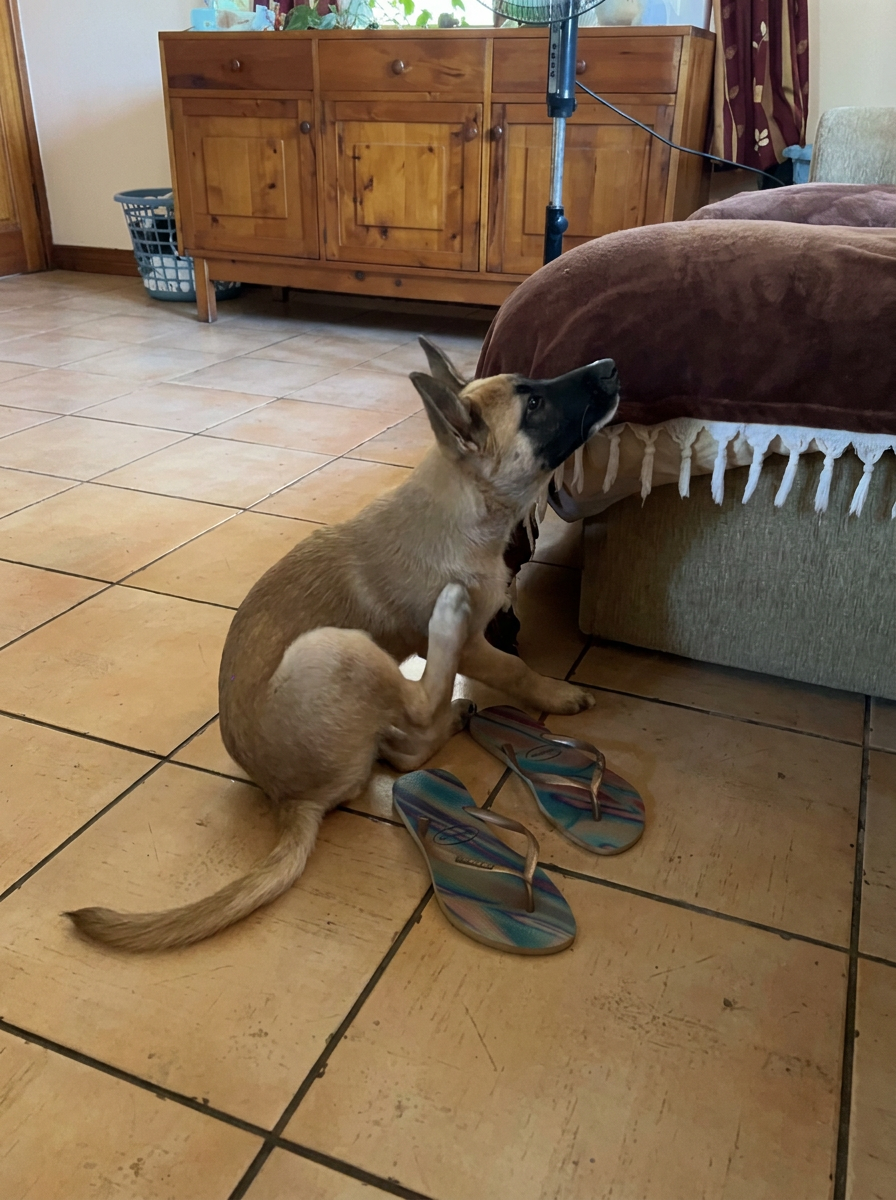
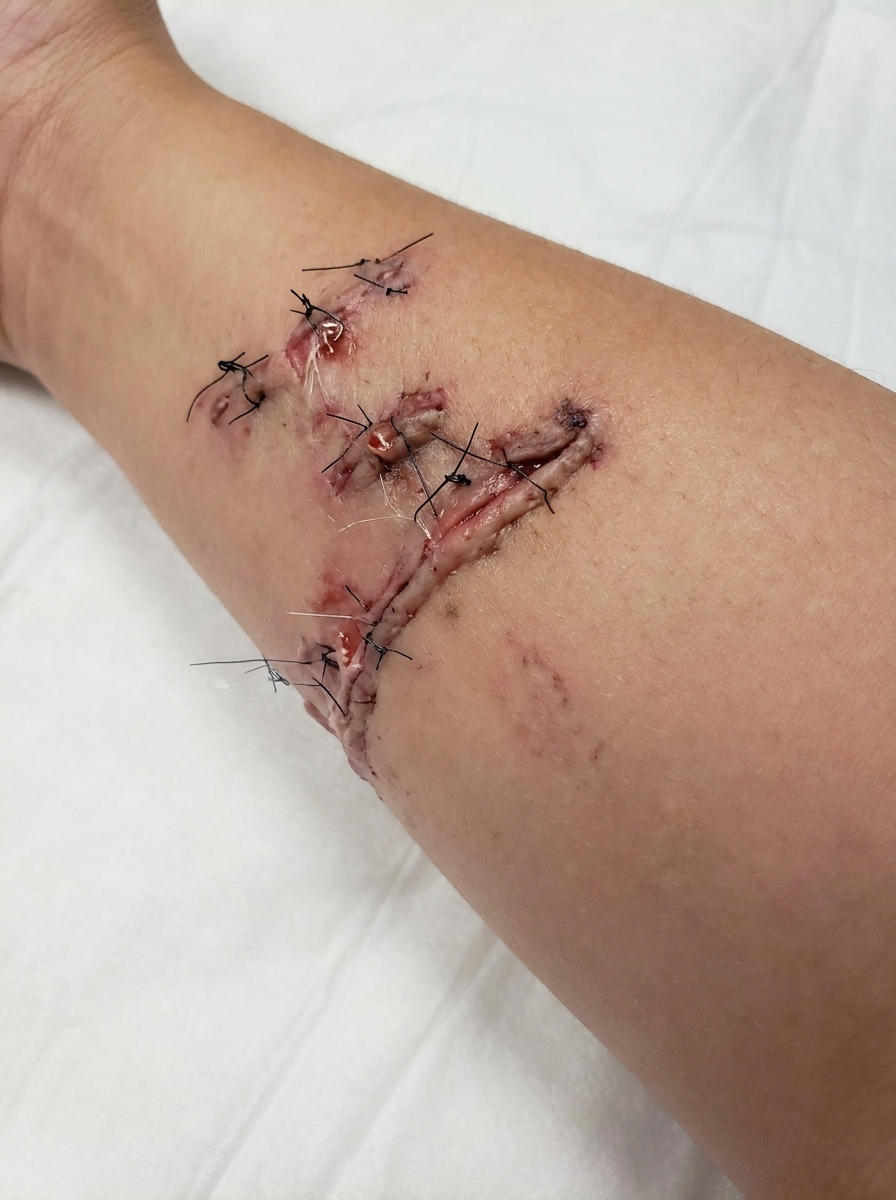
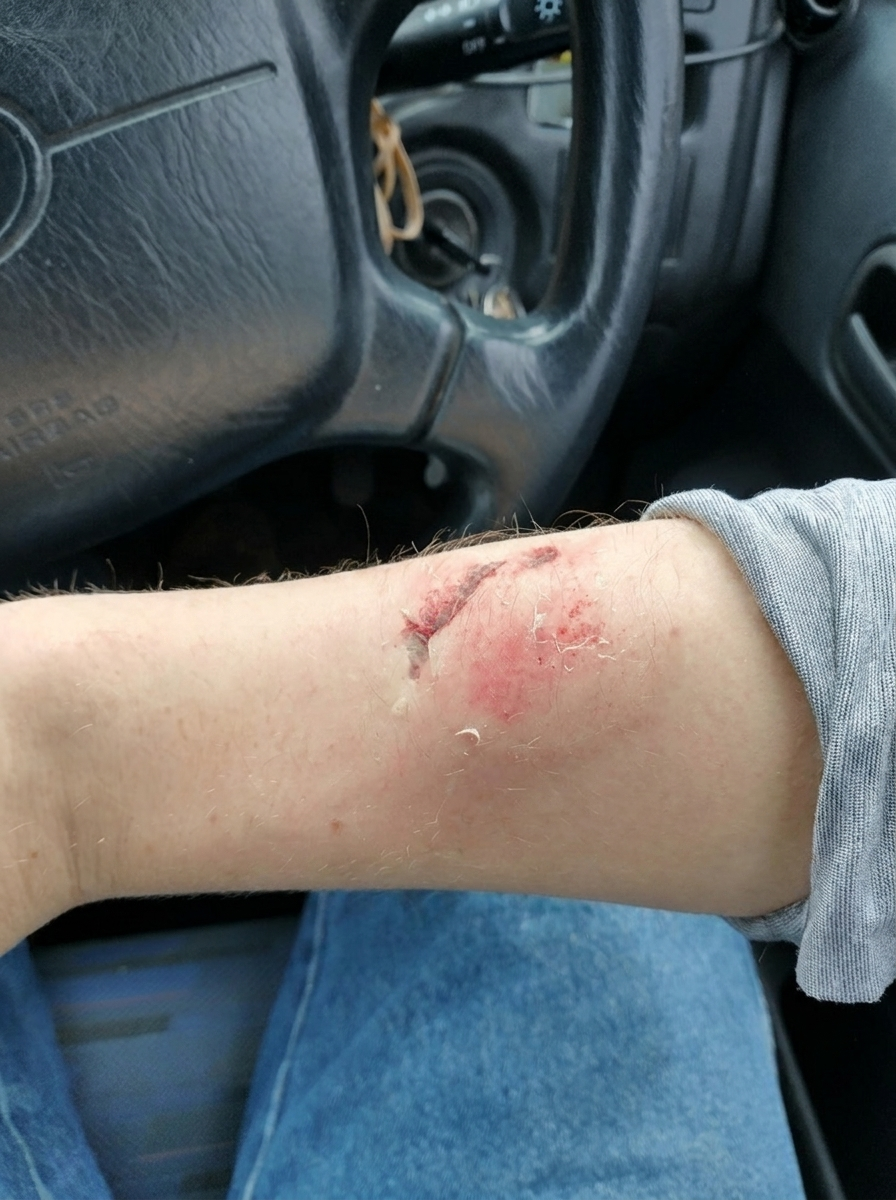
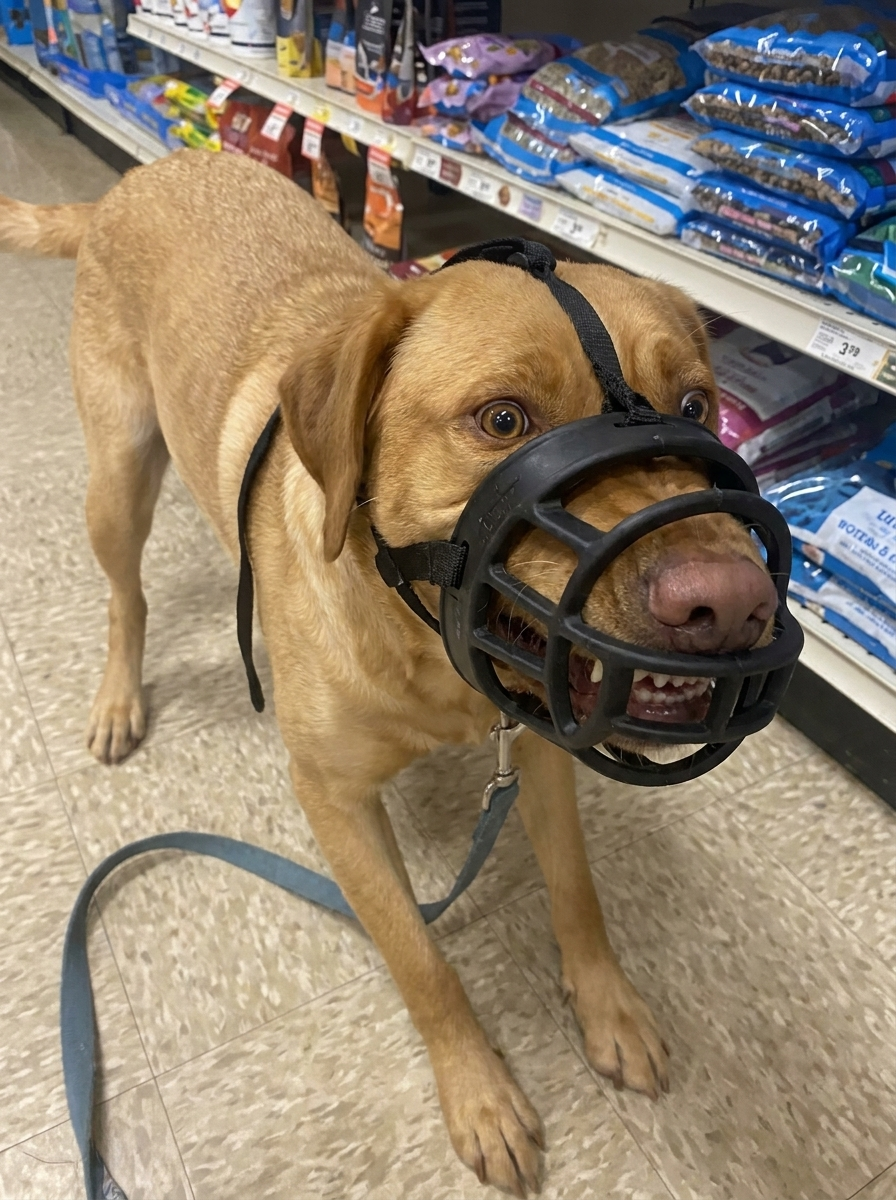
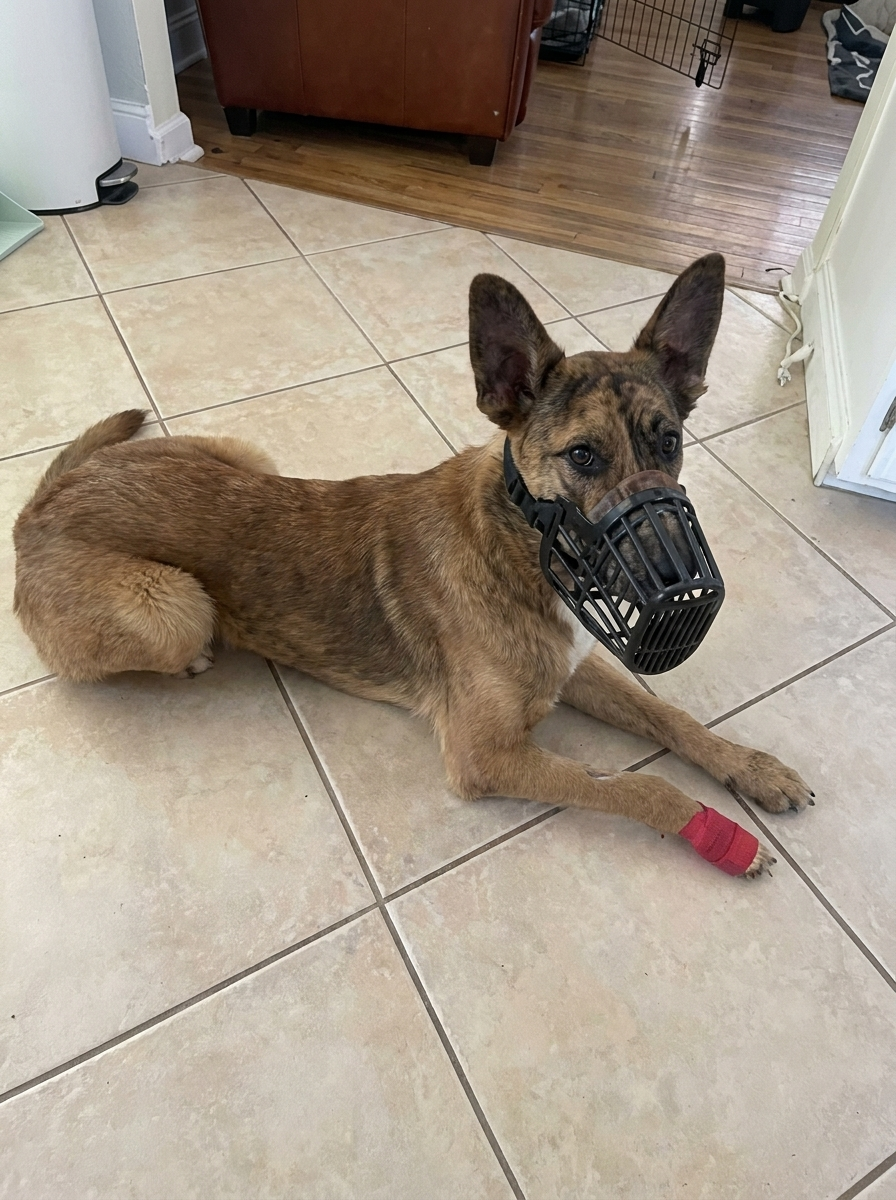
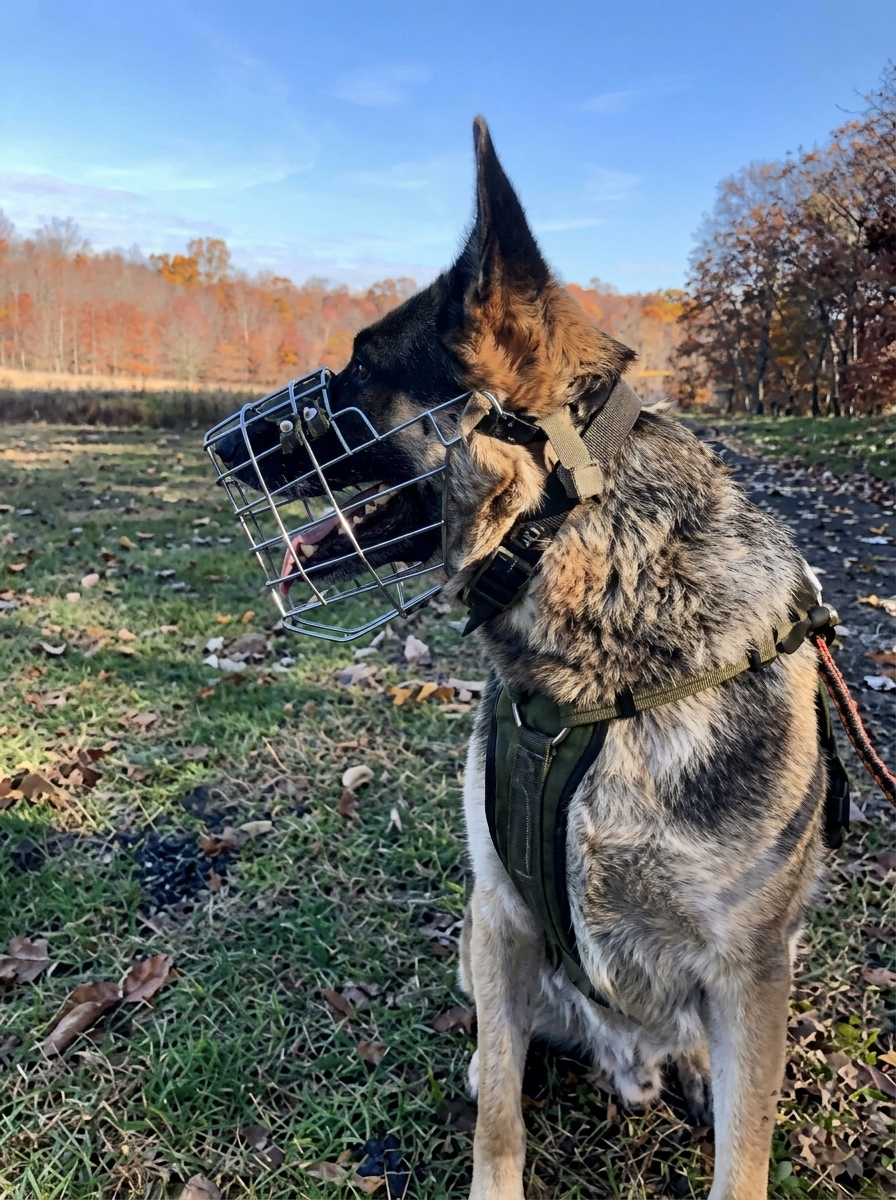
At 3:47 PM on a Tuesday, Bear was classified as dangerous by animal control. At 3:49 PM, his owner signed the euthanasia consent form. He was 4 years old. His owner was still in the waiting room when it was over. My name is Dr. Patricia Wells, DVM. I've worked at Lakeview Animal Hospital for fourteen years. In that time I've watched hundreds of reactive dogs come through our doors. I couldn't sleep for three days after Bear died. What I found should have been taught in vet school. But the pet supplement industry has been sitting on it — because it threatens their most profitable product category. Here's what happened. Bear was a 4-year-old Belgian Malinois with a heart full of loyalty and a gut full of dysfunction nobody had ever checked. His owner wasn't negligent. In fact, David was the kind of owner we wish every client was. He'd tried everything to avoid this day. He'd spent $6,800 on three different trainers, a board-and-train program, two veterinary behaviorists, and prescription Prozac. He'd tried every management tool on the market — gentle leaders, front-clip harnesses, basket muzzles, calming treats. He had done everything "right." Because he was so diligent, we ran every test in the book. Bloodwork: perfect. Thyroid panel: normal. There was no medical reason to think Bear wouldn't get better. But here is the secret nobody told David: when a reactive dog's gut-brain connection is broken, no amount of training will fix it. It doesn't matter how good the trainer is. It doesn't matter how consistent the owner is. When the gut can't produce serotonin, the brain stays in fight-or-flight permanently. At 3:47 PM, despite everything being "by the book," Bear bit a jogger on the trail. Drew blood. Animal control showed up at David's house that afternoon. I had to call David and tell him his dog was gone. He said the words that still haunt me: "But I did everything you told me to do." And he had. That's what made me sick to my stomach. He followed the protocol. I followed the protocol. And Bear still died. He didn't die from neglect. He died from the "Gold Standard" of reactive dog care. And he's not the only one. Every month, reactive dogs with "perfect bloodwork" escalate to biting despite training. Their owners did everything right. Trained. Medicated. Managed. If your dog is lunging and getting worse despite everything you've tried — the same clock that was ticking for Bear is ticking right now. That night, I went home and looked at my own dog. Koda. My 5-year-old Border Collie. My shadow. She has a history of leash reactivity that I'd been managing with training protocols for two years. She was getting better — slowly. But after Bear, I pulled her file and ran a gut microbiome analysis for the first time. The result: severely depleted postbiotic metabolites. Gut dysbiosis index: 7.8 out of 10. I sat at my desk staring at those numbers. A dog I'd been working with for two years. A dog I thought I understood. And I'd never once checked her gut. When I told my colleagues Dr. James Carter and Dr. Rachel Moore what I'd found, both of them looked at me like I'd lost my mind. "You're a vet." "You know reactivity is behavioral." "The gut-brain connection is for researchers, not practitioners." And they were right that the research was new. But I'd seen Bear. I'd seen David's face. And I wasn't willing to keep pretending the protocol was working when dogs kept dying. So I started digging. Here's what they don't teach you in vet school: 95% of serotonin — the "calm" neurotransmitter — is produced in the gut. Not the brain. When a dog's gut microbiome is disrupted, serotonin production drops. The brain gets stuck in fight-or-flight mode. And the dog lunges. Every walk. Every time. It's not "just their breed." It's not poor socialization. It's not a training issue. It's a gut dysfunction causing a brain dysfunction. And calming supplements — no matter how expensive, how "clinically proven" the label claims — don't fix the gut. L-theanine calms the brain temporarily. It doesn't restore serotonin production. CBD reduces anxiety signals. It doesn't heal the gut lining. Probiotics add bacteria. But if the gut lining is already damaged, those bacteria can't colonize. They pass through without creating lasting change. The supplement keeps selling. The dog keeps lunging. I wasn't calm when I realized this. I spent six months calling supplement manufacturers. Demanding Certificates of Analysis. Third-party testing. Postbiotic content documentation. Most wouldn't return my calls. But I'm a scientist before I'm a believer. If postbiotics actually worked, why hadn't I heard about them? And more importantly — were the products on the market actually what they claimed to be? I've seen too many "miracle" supplements turn out to be garbage. So I did what any scientist would do. I ordered every calming and gut health supplement I could find for dogs. Amazon bestsellers. "Vet recommended" brands. Products with thousands of five-star reviews. I ordered twelve brands. I paid $380 out of pocket. And I sent all twelve to an independent lab for testing. Because I needed to know what was actually in these products. What the lab results revealed made me want to scream. Ten out of twelve products were contaminated, under-dosed, mislabeled, or missing the active compounds entirely. PawCalm (Popular on Amazon): Label claimed 5 billion CFU. Tested at 1.2 billion. 76% less than advertised. VetriScience Composure ("Veterinarian Recommended"): The "calming blend" was cut with 40% rice flour. No measurable postbiotic content. Zero. Zesty Paws Calming Bites ("Best Seller"): Tested positive for inactive bacterial strains — the probiotics were dead before the bottle was even sealed. One product had heavy metal contamination. Two had undisclosed fillers that blocked absorption entirely. I sat there staring at the report, shaking. These were the bestsellers. The ones with thousands of five-star reviews. The ones I had recommended to clients. And they were either garbage — or actively making the problem worse. There were only two products that came back clean. One of them was CalmAxis. They sent their Certificate of Analysis within an hour of my call. Third-party tested, every batch, for purity, potency, and contamination. Postbiotics — not just probiotics. The actual beneficial metabolites and compounds that healthy gut bacteria produce, delivered directly to the gut lining, bypassing the need for colonization. I asked them one more question. "Do you supply any rescue organizations or rehabilitation centers?" There was a pause. "Yes. Riverside Canine Rehabilitation Center in Denver. They've been using our protocol for three years." I drove to Denver the next week. What I saw in the first ten minutes made my hands shake. Riverside takes in the dogs other rescues won't touch. Severe reactivity cases. Dogs that had failed multiple training programs. Dogs that had bitten. Dogs considered unadoptable. There were 34 of them. The director, James, walked me to a 6-year-old German Shepherd named Rex. Rex's intake photo — taped to the kennel — showed a dog with a basket muzzle, four handlers required for basic movement, behavioral notes that read "extreme danger." The photo was dated four months ago. James opened the kennel. Rex walked out on a loose leash. Passed two other dogs in the hallway. Glanced at them. Kept walking. My hands started shaking. I checked four more dogs. Same story. Dogs with intake photos that looked like behavioral horror cases — now walking calmly, taking treats around triggers, some already in adoption proceedings. I asked James the question point-blank. "How?" He smiled. "Come see." In the back office, he introduced me to their consulting vet — Dr. Maria Chen, DVM. Eight years working with rehabilitation cases. She'd left a traditional practice because, in her words: "I got tired of watching dogs get euthanized for behavioral issues that were actually biological." The same words that had been haunting me since Bear. I asked her directly. "What are you doing differently?" She leaned back in her chair. "We stopped treating the behavior and started treating the gut." She pulled up the intake data on her screen. Of the last 89 dogs admitted with severe reactivity — 84% had clinically compromised gut microbiomes. "The gut can't produce serotonin," she said. "So the brain never comes out of survival mode." "You can train around it. Manage it. Medicate it." "But until you fix the gut, the dog never truly calms." She pulled a printed research study from her desk. "There are seventeen peer-reviewed papers published since 2020 on the gut-brain axis in canine behavior." "Not one of them is in standard vet school curriculum yet." I stared at the study. Feeling sick. "Why has no one told me about this?" I asked. Dr. Chen shrugged. "Because a $3,200 board-and-train is more profitable than a $54 supplement." "Training programs. Behaviorists. Prescription medications. That's where the money is." "If every owner knew a compromised gut was driving the reactivity, the industry's approach would change overnight." She wasn't wrong. I drove home that night and looked at Koda. She was lying on the couch. Tail wagging. No idea what I'd just seen. I ordered CalmAxis that night. I thought: if it works for the dogs at Riverside, it can work for her. Week 1: Still reactive on walks. But she came down from triggers faster. Week 2: We passed a dog on the trail across a field. She looked. She didn't lunge. Week 3: A dog appeared around a corner — close, no warning. Koda stiffened. Looked at me. Kept walking. I stopped on the path. I couldn't remember the last time that had happened. Week 4: Full walk around the lake. Three dogs. Two off-leash. Koda looked at each one. Kept walking every time. Week 6, I ran her gut microbiome panel again. Postbiotic metabolites: normal range. Dysbiosis index: 2.1. Down from 7.8. I sat in my office and cried. Because I could have helped Bear. If your dog is reactive on walks and getting worse despite training, you're not dealing with a behavior problem. You're dealing with a gut dysfunction that training was never designed to fix. If your dog shows any of these signs, their gut-brain connection is likely broken right now: → Lunges at dogs, people, or vehicles on walks → Can't take treats when they see a trigger → Reacting gets worse over time despite training → Needs 50+ feet of distance to stay calm → Freezes, stares, or "locks on" before lunging → Started snapping or air-biting → Prescribed medication that helped but didn't solve it The reactivity isn't the disease. It's the warning sign. Lunging becomes snapping. Snapping becomes biting. Biting means euthanasia. Bear went from "lunging at dogs" to "euthanized after bite incident" in six months. Six months. That's how fast it can escalate. The Two Choices You Have Right Now Choice 1: Keep training. Keep managing. Keep medicating. And watch the reactivity continue to escalate — because the gut dysfunction driving it is still there, still getting worse, every single day. Choice 2: Fix the root cause. Give the gut what it's missing. Restore serotonin production. Let the brain finally come out of fight-or-flight. The postbiotic supplement I trust after testing twelve brands: CalmAxis. We've now put over 840 dogs on this protocol across our practice and partner clinics. 89% show measurable improvement within 30 days. Jennifer's dog Milo, 5-year-old German Shepherd: "He would lunge at every dog we passed. Three trainers, a behaviorist, Prozac. Started snapping at people. Three weeks on CalmAxis, he walked past another dog without pulling. I genuinely think this saved his life." Kevin's dog Stella, 3-year-old Pit Bull mix: "Six months of reactivity classes. Still barked and lunged at everyone. Week three on CalmAxis, she saw a jogger and didn't react. First time in two years." Don't buy from Amazon — counterfeits have been reported. Only order from trycanislabs.com directly. 👉 trycanislabs.com/products/calmaxis-chews P.S. The dog I told you about at the beginning — Bear's owner spent $6,800 doing everything right. Training. Medication. Management. It didn't matter, because nobody ever checked the one system that was actually broken. Don't wait until it's too late. P.P.S. CalmAxis doesn't pay me to post this. I post this because I've watched too many dogs get euthanized for something that was fixable. After fourteen years and 31,000+ dogs at Lakeview Animal Hospital, this is the only supplement I've seen actually change gut health, behavior, and outcomes. Your dog deserves that chance.
79% of reactive dogs in training had this gut issue.
Three veterinarians at Lakeview Animal Hospital discovered what the pet supplement industry has been hiding from dog owners for years.
ORDER NOWLike this ad? Make it yours.
Crush rebuilds this exact creative around your product — your brand, your colors, your offer — in about a minute.