Brian Davidson
 Facebook ad: “Finally get relief”
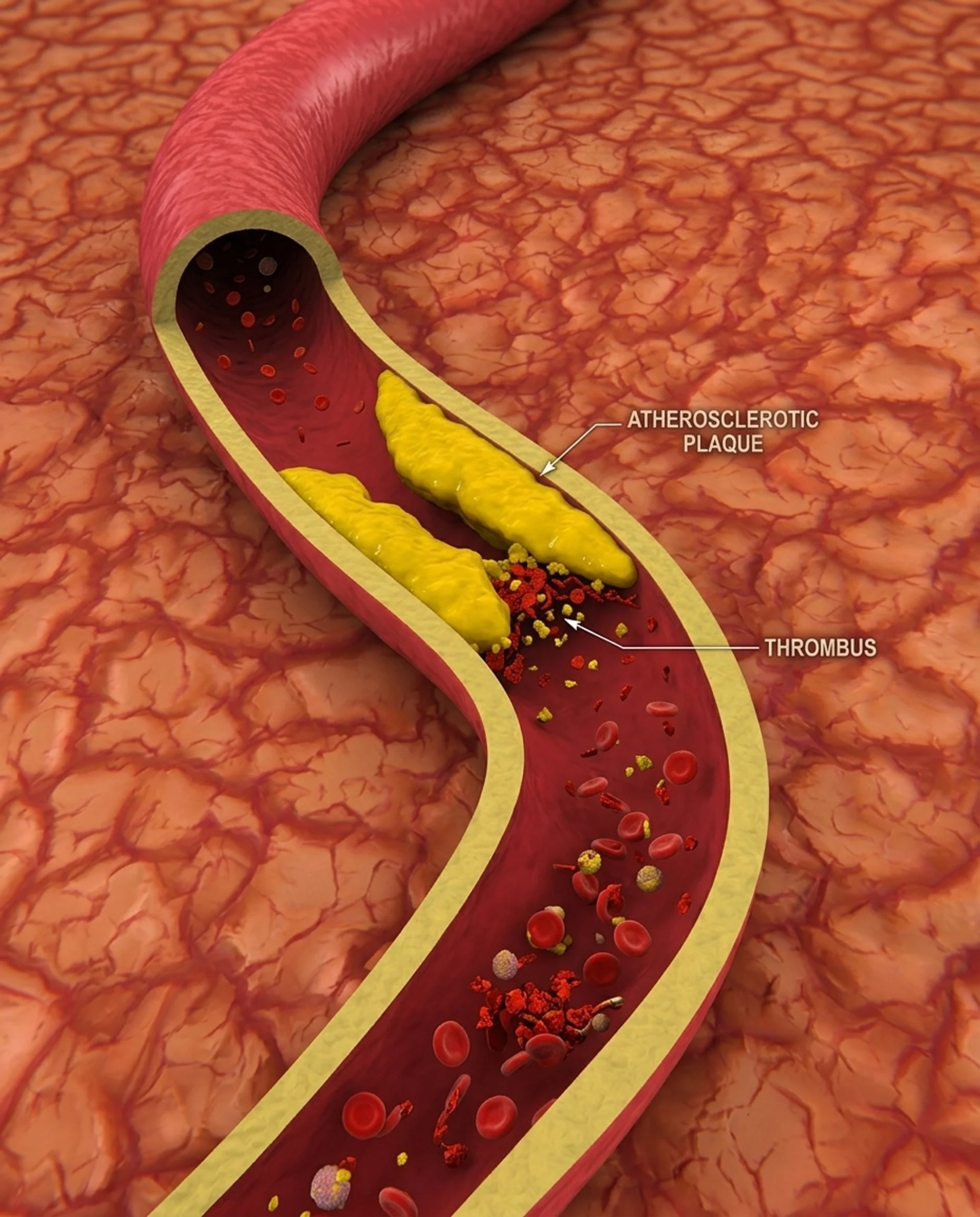
Running for 21 days since October 12, 2026. Crush last saw it on November 2, 2026.
Run by Brian Davidson on Facebook. Crush is not the advertiser and does not verify its claims. See this ad in Meta's Ad Library(opens in a new tab)
Make your own version of this ad
Crush makes it, launches it in your own Meta ad account, scales the winners and pauses the losers.
About this ad
- Meta Ad Library ID
- 1084224587565201
- Platforms
- Facebook, Instagram, Audience Network, WhatsApp and Threads
- Relaunches
- 2
- Niche
- Skincare & Beauty
Ad text
If you’re dizzy when you walk through the grocery store, but every neurologist keeps saying “it’s vestibular migraine” — I need you to read this. Because I just spent eighteen months and $6,300 learning what no specialist will tell you. I was standing in the cereal aisle when it happened again. That floating feeling. Like I was on a boat. The fluorescent lights seemed too bright. The shelves felt like they were closing in. I grabbed my cart with both hands. Closed my eyes. Waited for it to pass. I’m 52. I’ve had this “drunk without drinking” feeling for eighteen months. Where grocery shopping becomes impossible. Where you hold onto the cart the entire time just to stay upright. Six doctors. Four specialists. Three MRIs. Brain MRI — “No abnormalities.” Vestibular testing — “Within normal limits.” Blood panels — “All values normal.” Blood pressure — “118 over 76. Textbook.” “It’s vestibular migraine. We’ll put you on preventatives.” But it wasn’t vestibular migraine. Doctor number three started me on Topiramate. Three months. $340. Made me feel like I was thinking through fog. Still dizzy. My wife found me on the bathroom floor one morning. I’d been trying to shave. The dizziness hit so hard I had to sit down mid-stroke, half my face still covered in foam. “Brian, maybe the vestibular migraines are just... harder to treat,” she said gently. But nobody had ever shown me it’s vestibular migraine. No scan. No test. Just a word they gave me after everything else came back clean. Doctor number four switched me to Propranolol. Took it for five months. Still dizzy. My blood pressure dropped so low I felt faint getting out of bed. Doctor number five added a vestibular suppressant. It numbed the signal and made me drowsy. The dizziness stayed exactly where it was. Doctor number six suggested Botox injections for the “migraine.” $1,200. Felt worse for three weeks. The breaking point was my daughter’s engagement party. I’d been looking forward to it for months. I spent the entire evening sitting in a corner. Too dizzy to stand and mingle. “Dad, are you okay?” “Just a bad day, honey.” I was disappearing. That night, 1:47 AM, I was searching again. “Vestibular migraine misdiagnosis” “Preventatives don’t work for dizziness” That’s when I found it. A forum. Real people describing exactly what I was feeling. And the first thing I learned stopped me cold. There is no test for vestibular migraine. There’s no scan that shows it. No blood marker. No scope they can put in your ear. It’s what they call it when everything else comes back clean. Which means the diagnosis is only ever as good as the list of things they ruled out. And there was one thing that was never on the list. Blood flow. Here’s what I learned: Your inner ear isn’t just for hearing. It’s your balance center — fluid-filled canals that tell your brain which way is up. And the whole thing runs on a single artery. Thinner than a strand of hair. Unlike every other organ in your body, it has no backup. Your heart has spare routes. Your brain has a full loop. If one vessel narrows somewhere else, another picks up the slack. Your balance center has one line in. Nothing behind it. Now here’s what happens to that line as you get older. Two things. Neither one shows up on any test they ran on me. First, the vessel stops opening properly. Your blood vessels stay relaxed and wide because of a gas your body makes called nitric oxide. It’s the signal that tells the vessel wall to open. You make less of it every decade. Stress and inflammation drop it further. So the vessel gets stiffer. And narrower. Second, the blood gets stickier. Platelets — the tiny cells that make blood clot — start clumping together when they shouldn’t. Water runs straight through a coffee stirrer, but honey, pushed just as hard, barely moves. Anywhere else in your body, neither one matters. There’s a backup route. But in a tube thinner than a hair, with nothing behind it? A slightly stiffer vessel and slightly stickier blood is enough to close it down. And your balance cells are some of the hungriest cells you own. They need constant oxygen to keep telling your brain where your head is. Starve them and they don’t die. They just stop sending clear signals. So your eyes tell your brain you’re standing still. Your ear says otherwise. That mismatch is what you feel. Result? Dizziness. Imbalance. That constant floating feeling. None of this shows up on a blood pressure cuff either. That cuff they squeeze around your arm shows how hard your heart pushes. It doesn’t show how wide the vessel opens, or how easily the blood moves once it gets there. That’s why mine was 118 over 76 and I still couldn’t finish a grocery run. They weren’t just treating the wrong thing. They were pushing in the wrong direction. Standard vestibular migraine protocols were never going to catch this. The tests show your brain is fine. And it is fine. Nobody’s checking the flow. One person mentioned an extract. Ginkgo biloba. It works on both problems at once. Helps the vessel open. Keeps the platelets from clumping. Multiple people said it worked when the medications failed. One comment stopped me: “Had ‘vestibular migraine’ for two years. Tried five preventatives. This is the only thing that’s ever touched it.” 2:15 AM. Ordered it. I started taking one capsule every morning. I told myself I’d give it two months before I decided anything. Day four: the room felt a little more still. Not steady. Just less. I told myself it was a good day. Day eleven: made it through the checkout line without white-knuckling the cart. Both hands loose. Bagging my own groceries. First time in eighteen months. Then came day fourteen. I shaved. Standing up. Tilted my head back, leaned into the mirror, finished the whole thing. No floor. No foam drying on my face while I waited it out. I cried. Over being able to shave in the morning. Week three: the “ears feeling full” sensation stopped. Just stopped. And the mornings got easier — I wasn’t lying still for ten minutes negotiating with my head before I got out of bed. I swung my legs over the side and stood up. Like it was nothing. Week five: the boat feeling disappeared. I could turn my head. Look up. Bend down. I felt steady for the first time in eighteen months. Week six: Went back to the neurologist who’d tried three different preventatives on me. “I treated the circulation,” I said. “The thing you never measured.” He looked confused. “But we determined it was vestibular migraine. That’s why the medications—” “You determined it wasn’t anything else you tested for. You never tested for this.” Week eight: Took my daughter shopping. Full day. Mall with fluorescent lights. Crowds. Zero dizziness. Completely normal. My buddy Mark has had the same symptoms for two years. Same medication merry-go-round. Same diagnosis without a headache. “It’s not vestibular migraine,” I told him. “There’s no test for that. There’s just a list of things they checked. And this wasn’t on it.” He ordered it that night. Texted me nineteen days later: “The constant swaying is GONE.” That’s what we are. Not migraine patients with treatment-resistant symptoms. Running one hair-fine artery with no backup — narrowing with age, feeding a balance center that went quiet. Creating real symptoms that no migraine protocol tests for. And it’s fixable. Last week was my daughter’s wedding. I walked her down the aisle. Steady. Danced with her. Stayed for the entire reception. “Dad, I’m so glad you’re feeling better,” she whispered. Because I wasn’t treatment-resistant. I didn’t have a migraine to resist treatment. It was the one artery running to my balance center. Closing a little more every year, and blood too sticky to push through it. Creating constant misery. While every neurologist kept adjusting a prescription for a headache I never had. The one I take is from Resa Organics. It’s the standardized specification. Not the $8 bottle off the pharmacy shelf — the version that’s actually been studied. And it works on both problems at once, because there are two different compounds in it doing two different jobs. One opens the pipe. It gets the vessel wall to relax again, the way it used to. The other thins what’s moving through it. It stops the platelets from sticking together. Stiff vessel. Sticky blood. One for each. That’s what the standardization means. 24% flavone glycosides, 6% terpene lactones — measured, every batch. Nobody’s measuring either one in the cheap stuff. The result? The hair-fine artery opens back up. Blood reaches the balance center. And the cells that went quiet start reporting again. If you’re reading this at 2 AM, wondering why the preventatives aren’t working — you’re not treatment-resistant. Your neurologist isn’t wrong about your brain being fine. They’re just not looking at what feeds your balance. I lost eighteen months to a diagnosis that was never more than a process of elimination. And the one thing that mattered was never in the process. Don’t wait for medication number six. It won’t work. Because you don’t have vestibular migraine to suppress. Your dizziness is real. Your suffering is real. The solution is too. Two capsules. Every morning. That’s what six neurologists and five medications couldn’t fix. That’s what gave me my life back. 52 years old. No migraine. Zero dizziness. Just me. Steady. Believed. Alive again. https://www.resa-organics.com/pages/adv-1 Try Resa Organics risk-free for 90 days. Click the link.
Where the ad sends people
resa-organics.com
Finally get relief
Resa Organics
See details: resa-organics.com(opens in a new tab)