
Inactive· since Aug 11, 2026
- 10
- days it ran
- 0
- relaunches
Ad copy
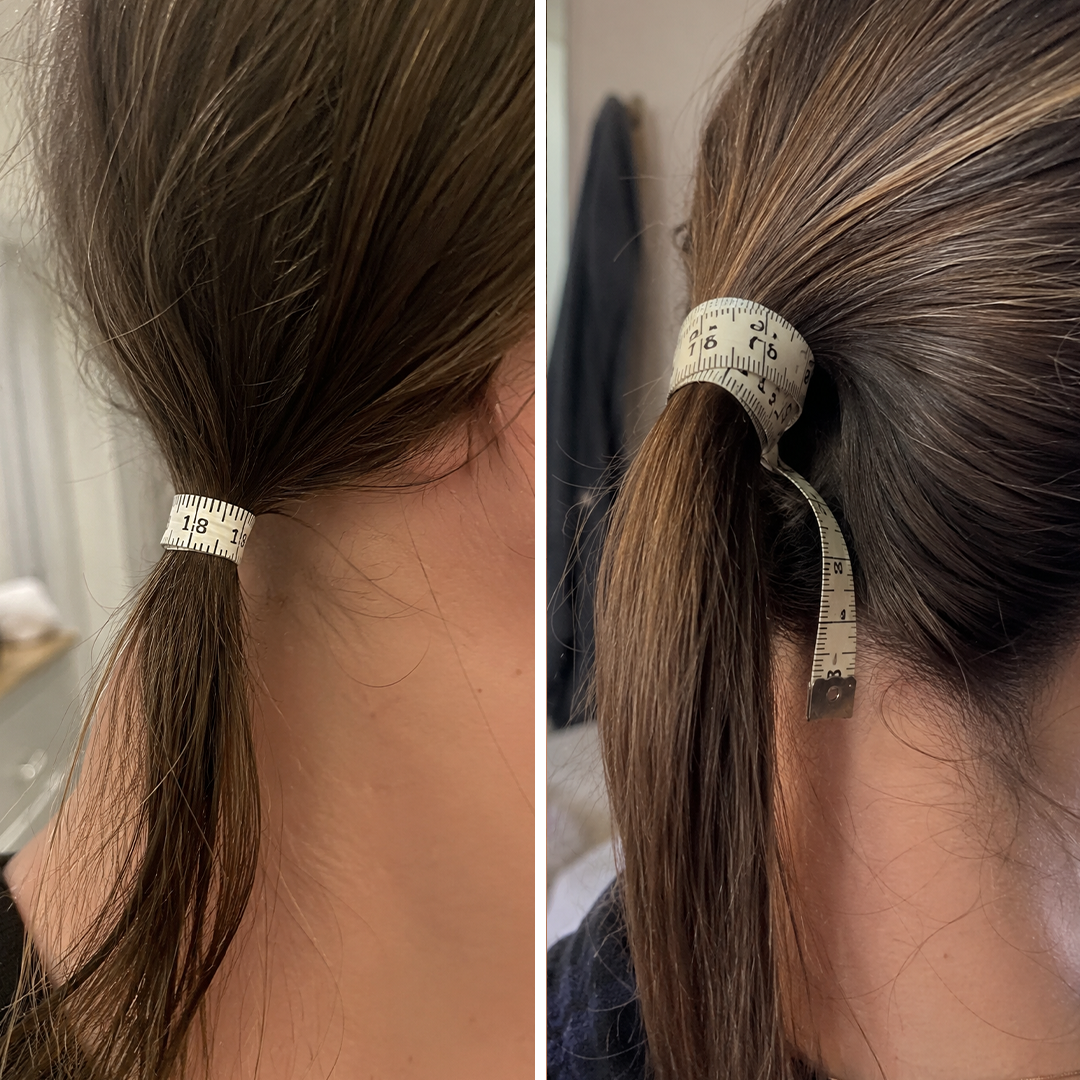
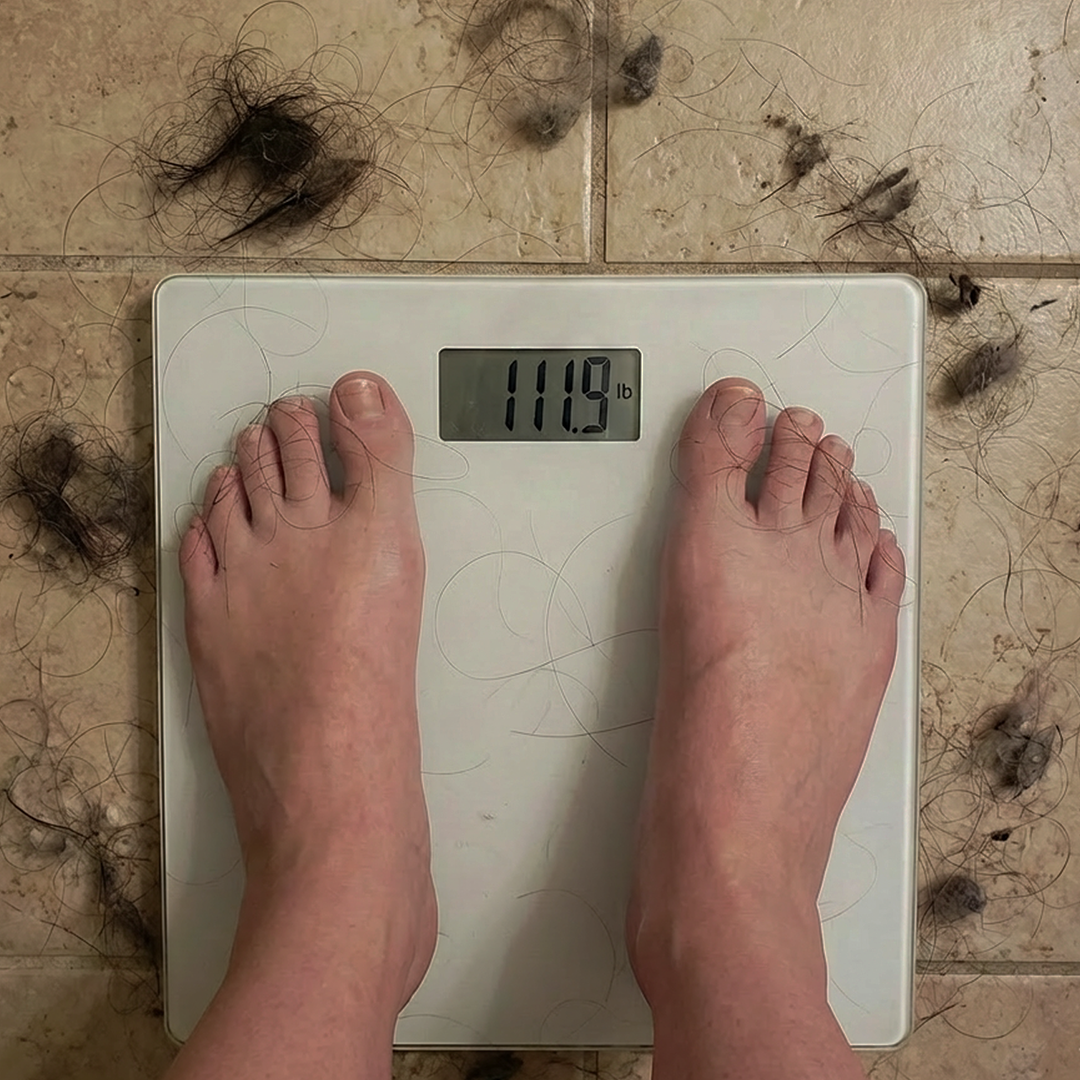
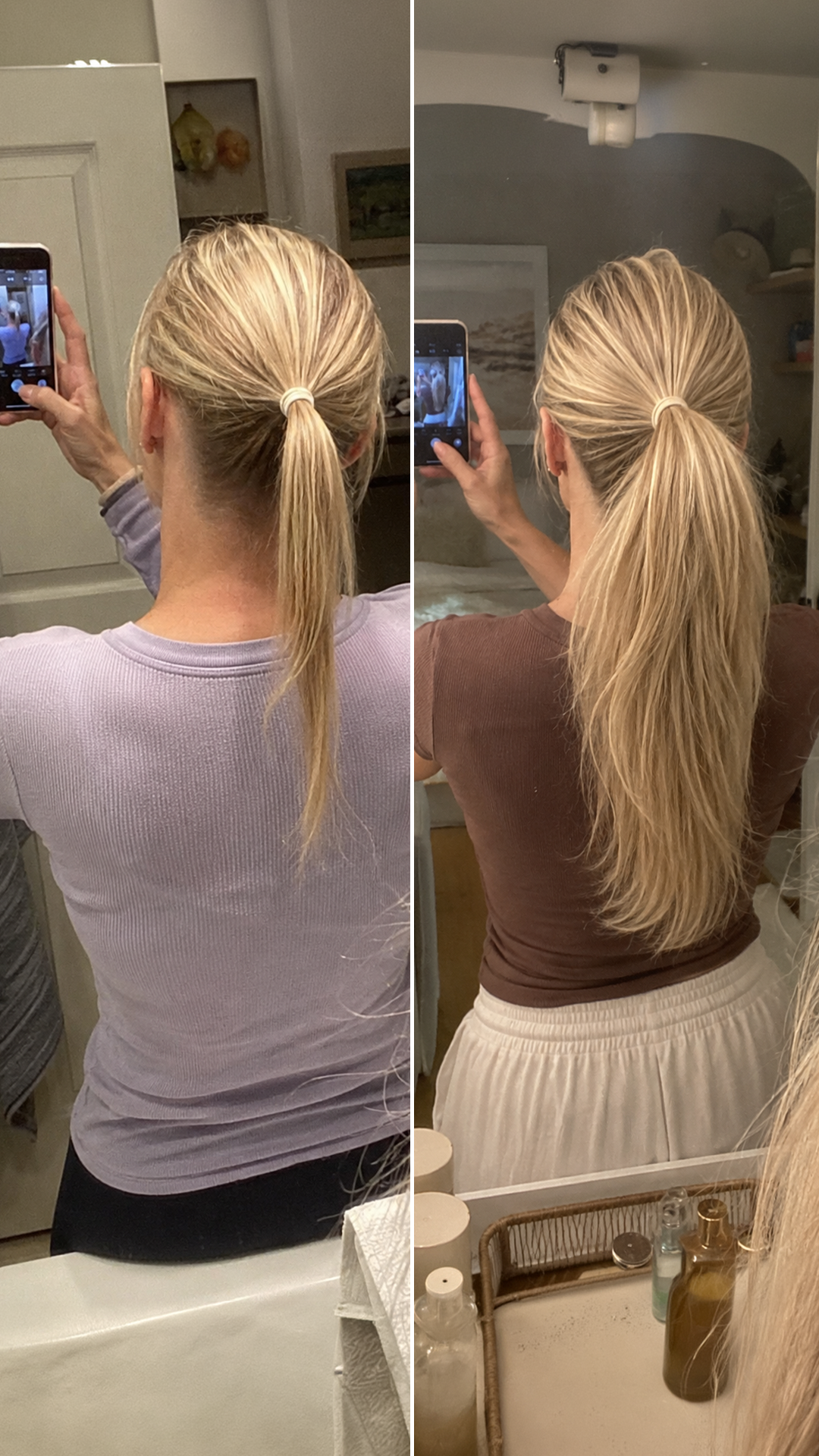
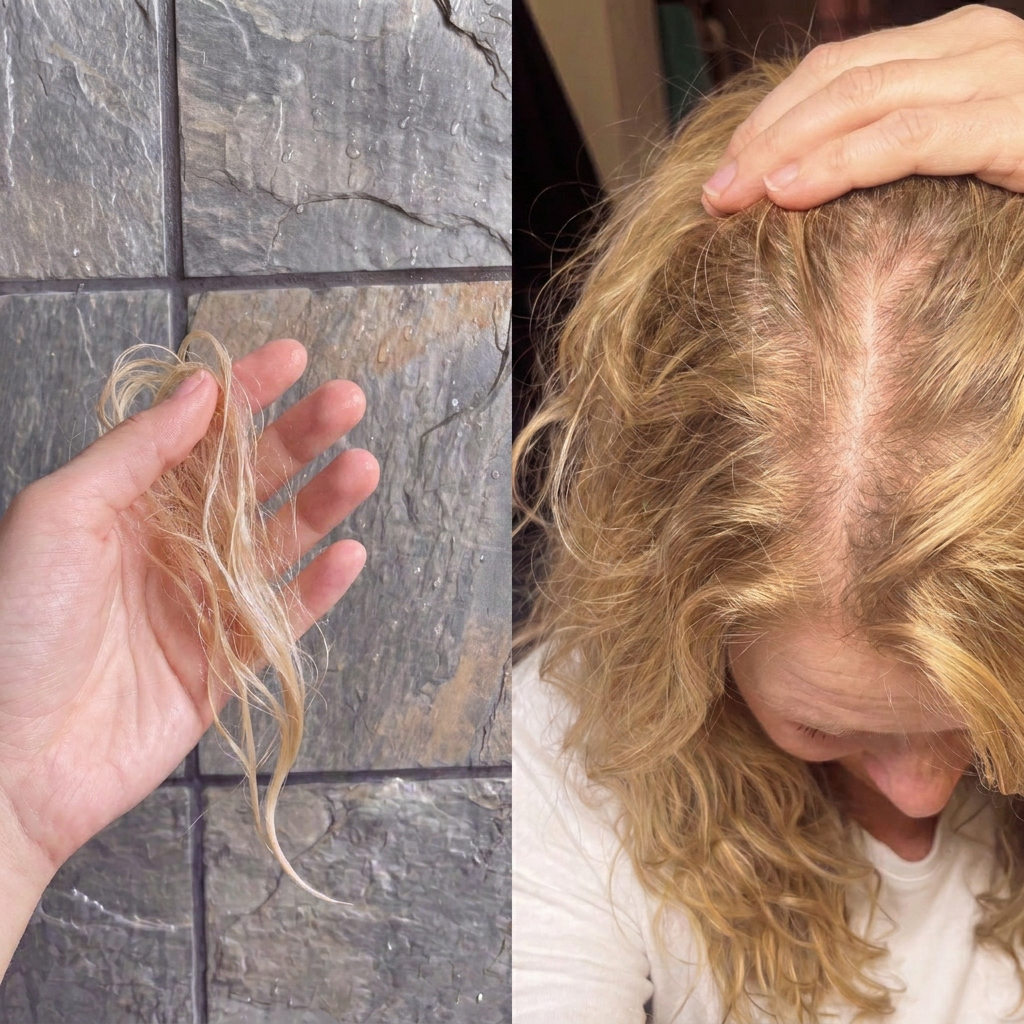
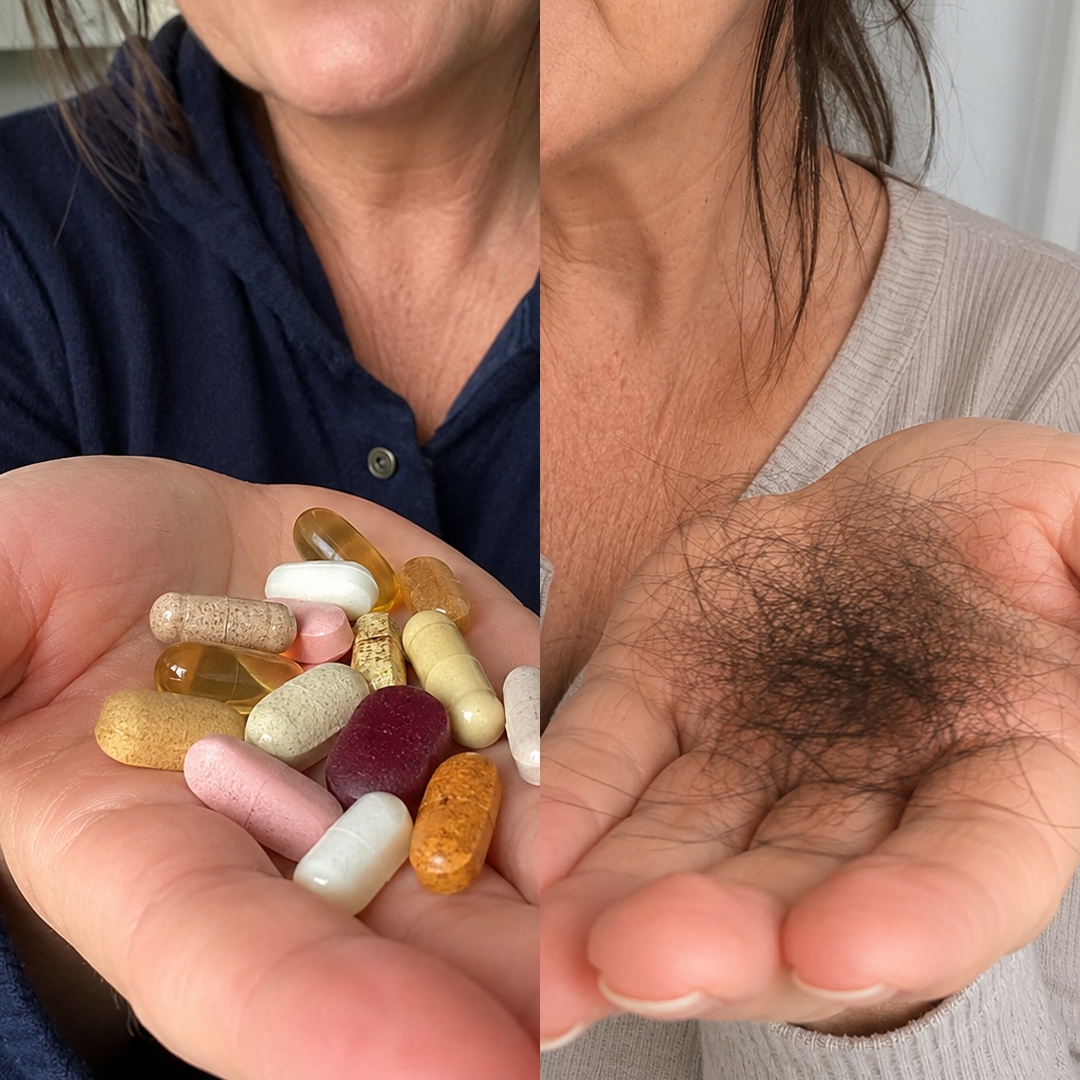
My dermatologist drew two arrows on a napkin. Then he showed me why the $800 I’d spent on supplements made no sense at all. He reached across the desk, pulled a paper napkin from beside his coffee, and drew a tiny circle in the middle. Then he drew two arrows. One pointed up. The other pointed down. “Every hair on your head is getting one of these two instructions,” he said. I looked at the napkin. Then at him. Then back at the napkin. Because I had come into his office expecting him to tell me I was missing something. Iron. Biotin. Protein. Some expensive nutrient I had never heard of before. I had already spent more than $800 on hair supplements over the previous year. But before I tell you how those arrows solved my hair loss, you need to understand why I was there in the first place. I was sitting in the corner of his office with my hair pulled over to one side. Not because I liked it that way. Because that was the only way I could hide how wide my part had become. I had been doing that for months. Every time I looked in a mirror, I moved my hair a little farther over. Every time someone took a photo, I found a way to stand underneath softer light. And every time I washed my hair, I tried not to look too closely at what was left in the drain. I had already tried the sensible things. Hair vitamins. Biotin. Collagen powder. A supplement that came in a box covered with words like “follicle support” and “healthy growth.” Another one that promised to give my hair the nutrients it needed. I took them consistently. That was the part that bothered me most. I had not bought one bottle, forgotten about it, and blamed the product. I had spent more than $800 trying different formulas over time. I had kept them beside my coffee machine so I would not miss a dose. I had carried them whenever I travelled. I had compared ingredients. I had done what every woman is told to do when her hair starts thinning. Give it more of what it needs and be patient. But my hair kept getting thinner. And I could not understand why. I knew menopause was involved. But “it’s hormones” did not tell me what to do next. It did not tell me why the part was widening day by day. It did not tell me whether the follicles were still capable of growing hair. And it definitely did not tell me why the supplements had done nothing. “It’s hormonal” was true. But it did not help me. I could not put “hormonal” on my scalp. I could not use it to decide which product was worth trying. I could not tell whether the problem was temporary, permanent, reversible, or already too far gone. So I kept looking for a more useful explanation. That is how I ended up in the dermatologist’s office. The appointment was supposed to be simple. I wanted to know whether menopause had caused some kind of nutritional deficiency. Maybe I was missing something. Maybe my body was not getting enough of the right building blocks. Maybe there was one ingredient I had not tried yet. That was what I expected my dermatologist to say. Instead, he took a napkin from the counter. He put it between us. Then he drew a circle. “This,” he said, pointing to the circle, “is the dermal papilla.” He explained that it sits at the base of the follicle. The follicle’s nerve centre. The decision-maker. Every day, it sends one of two basic instructions. Grow. Or let go. He drew the first arrow pointing upward. “Grow.” Then the second arrow pointing downward. “Let go.” That was it. I remember thinking that it sounded almost too simple. Then he explained why that simple decision mattered so much. “The papilla never goes silent,” he told me. “Menopause just changes what it’s telling your follicles to do.” A follicle does not randomly produce a healthy hair one day and release it the next. There is a signal behind the process. The papilla is loaded with estrogen receptors. For most of my life, estrogen had helped keep that decision tilted toward growth. So when estrogen was steady, the instruction stayed in the direction of growth. Then menopause changed the environment. And this is where I had been wrong. I thought the follicles were shutting off and dying. But the papilla sits several millimetres below the scalp surface. He explained to me that when researchers compared the papilla between healthy and balding scalps, they found the same cells, in the same proportions. The exact same cells are still there, still signalling. It has not shut down. It has just changed what it is signalling for. The grow arrow is no longer winning as often. The let-go arrow is being sent more frequently. A few more follicles receive that instruction today. A few more tomorrow. Nothing dramatic happens on one particular day. That is why most women do not catch the hair loss at the beginning. You do not wake up one morning and suddenly have a completely different head of hair. You notice the part after it has already widened. You notice the ponytail after it has already become smaller. You notice the drain after the daily signals have been moving against you for months. Then he turned the napkin over and drew a second circle. This one he left empty. “And this is the other half,” he said. Because when a follicle lets go of a hair, it is supposed to start another one straight away. One out, one in. That is how it has worked your entire life. After menopause, some of them let go and then never start the next one. They do not close up. They do not die. They sit there empty, producing nothing at all. And that explained something I had been confused about for two years. Some months I barely shed anything. I would check the drain, check the brush, and there was hardly a thing there. And my part was still wider than it had been. That is why. The shedding had slowed. The not-replacing had not. I was losing more and growing less, at the same time, and no supplement on earth was going to touch either one. That was the explanation I had been looking for. But I remember staring at that napkin because, for the first time, my hair loss did not sound like a vague problem with my hormones or my age. If the problem is that the signal has shifted, the solution has to send the right signal. And if some of them have already stopped, the solution has to start those too. That was the first time I understood what a menopause-specific hair product would need to do. Not just provide ingredients. Not just make the hair look thicker. Not just block something associated with another type of hair loss. It would need to change the signal at the nerve center, and reach the ones that had already gone quiet. He pointed me to a routine called KilgourMD. It was developed by a Stanford-trained dermatologist after he saw his own mother go through menopause hair loss. It is two serums, because there are two different problems. The first is the Prevention Serum. The key ingredient is AnaGain, derived from pea sprout. It sends the growth signal directly, increasing it by up to 60%. At the same time, it turns the shedding signal down by 80%. Two directions. The growth signal up. The shedding signal down. That is the first circle on the napkin, the one still signalling. The second is the Treatment Serum, and that one is for the empty circle. The key ingredient is Redensyl, and it works on the cells at the base of the follicles that stopped producing entirely. Almost everything sold for hair works on hair you still have. Holding it, thickening it, keeping it growing. All useful, and none of it any help at all to a follicle that already stopped. Redensyl is the one aimed at those. In its studies it grew over ten thousand new hairs across a scalp, from follicles that had been sitting there doing nothing. One changes the instruction. The other starts the ones that stopped listening. They are both applied to the scalp once a day, right before going to bed. Under a minute for the pair of them. Here’s what happened after I started. The first 2 weeks, I did not see anything, as expected. But by week 6, the shedding was more or less gone. I no longer had to peel a clump of hair from the drain every time I washed my hair. After 12 weeks, my part stopped widening, and there were tiny baby hairs along my hairline, standing up when I pulled it back. Not a dramatic curtain of growth. Just new growth that had not been there in the same way before. My ponytail was not what it had been ten years earlier. I am not going to pretend it was. But the direction had changed. And that mattered more to me than anything else. I was not watching the problem move steadily away from me anymore. Instead, I was steadily reversing the damage, day by day. And I’m not an outlier. The routine has published clinical data behind it. In one of the studies, the participants’ starting point was 4 hairs growing for every 1 hair shedding. After 90 days, that ratio had changed to 7 hairs growing for every 1 hair shedding. From four to one. To seven to one. Nearly double the growth-to-shedding ratio. Now you’ve got two roads. Change nothing, keep buying the supplements, and the signal stays off. The shedding keeps compounding, the part keeps widening, and the follicles sitting empty keep sitting. Or give the signal back, and start the ones that already stopped. Hand your follicles the two things they’ve actually been missing, a minute a night, while the window to regrow them is still open. That is what the KilgourMD routine gave me. A way to benefit from the fact that the papilla never goes silent. A way to send the growth signal directly, and a way to reach the ones that had already gone quiet. And you don’t have to take my word for it. Dr. Kilgour, the dermatologist who developed it, guarantees results in 90 days. If you don’t see less shedding and new growth in 3 months, you get all your money back. Both bottles, one email, and you keep them. After spending more than $800 on products that never addressed the actual instruction, that mattered to me. I did not want to gamble on another bottle without a way to find out whether it was right for me. One thing before you go, and please read this part. Only buy it from the real KilgourMD site. There are copycats all over Amazon riding on the name. Cheap knockoffs in near-identical bottles, hoping you won’t look twice. One of them literally spelled it “Kiligour.” Another “Kilgore.” Those are not the tested formula, and you’re putting them on your scalp every single night. That’s not something to gamble on. The real thing is only sold in one place, and I’ve linked it below. P.S. Keep track of your supplements and nutrition too. I mean that. Menopause changes a lot of things and the right building blocks for your body matter. It’s just not hair advice. It never was. Your follicle was never starving for it. P.P.S. If you only take one of the two, take the Prevention Serum. That’s the one that changes the instruction and stops it getting worse. But it works on follicles still in the cycle, and it cannot reach the ones that already stopped, which is the entire reason the second one exists. P.P.P.S. Don’t sit on this the way I did. A follicle that’s been getting shedding signals for a few months wakes up fast. One that’s been sitting empty for two years may not wake up at all. Empty is fixable. Gone isn’t.
If your hair never came back after menopause, read this
Dermatologist-developed, the best hair growth products for thinning hair. Reduce hair fall by 30% in two months, and stimulate hair follicle growth by 200%. No known side effects.
LEARN MORELike this ad? Make it yours.
Crush rebuilds this exact creative around your product — your brand, your colors, your offer — in about a minute.