
Inactive· since Jul 11, 2026
- 5
- days it ran
- 4
- relaunches
Ad copy
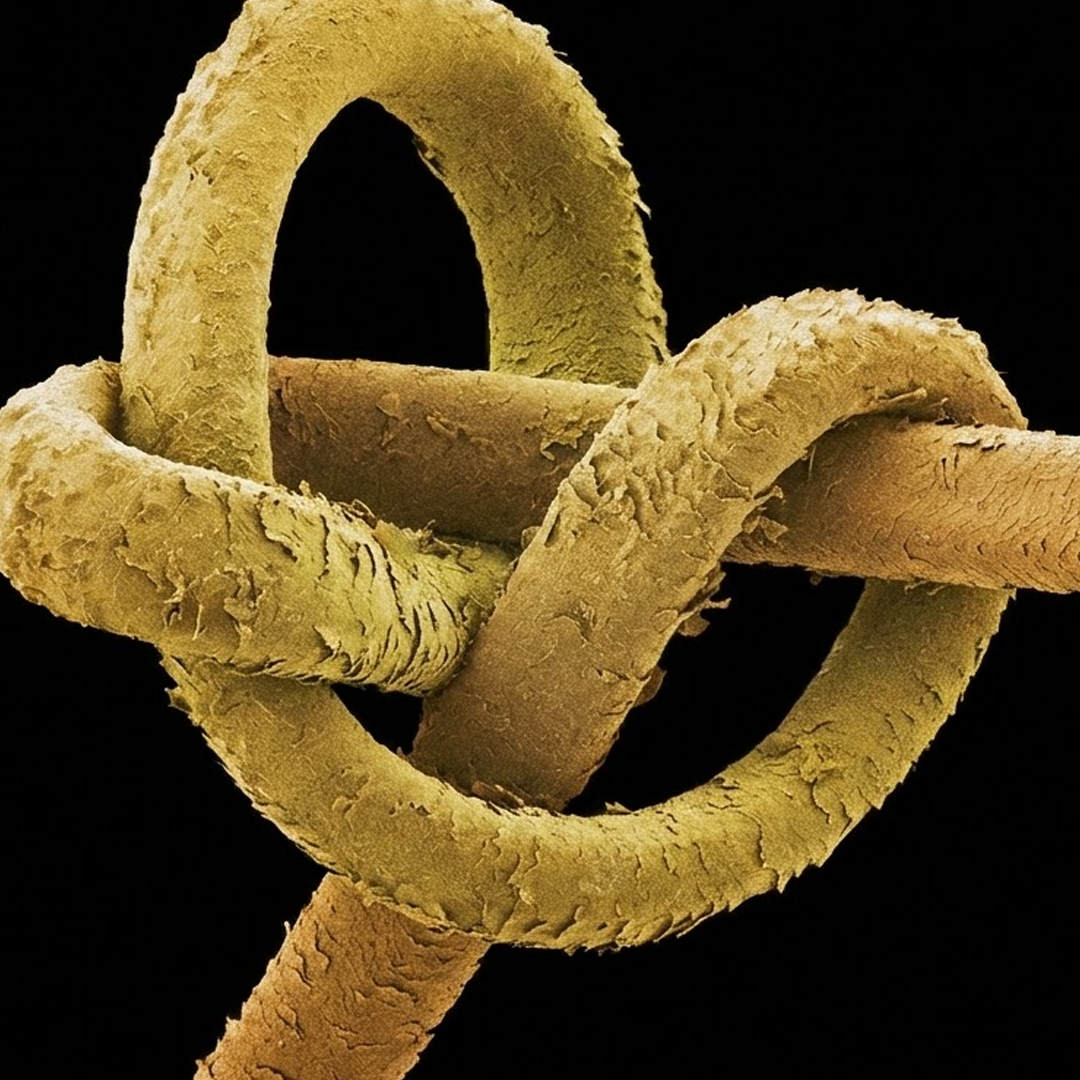
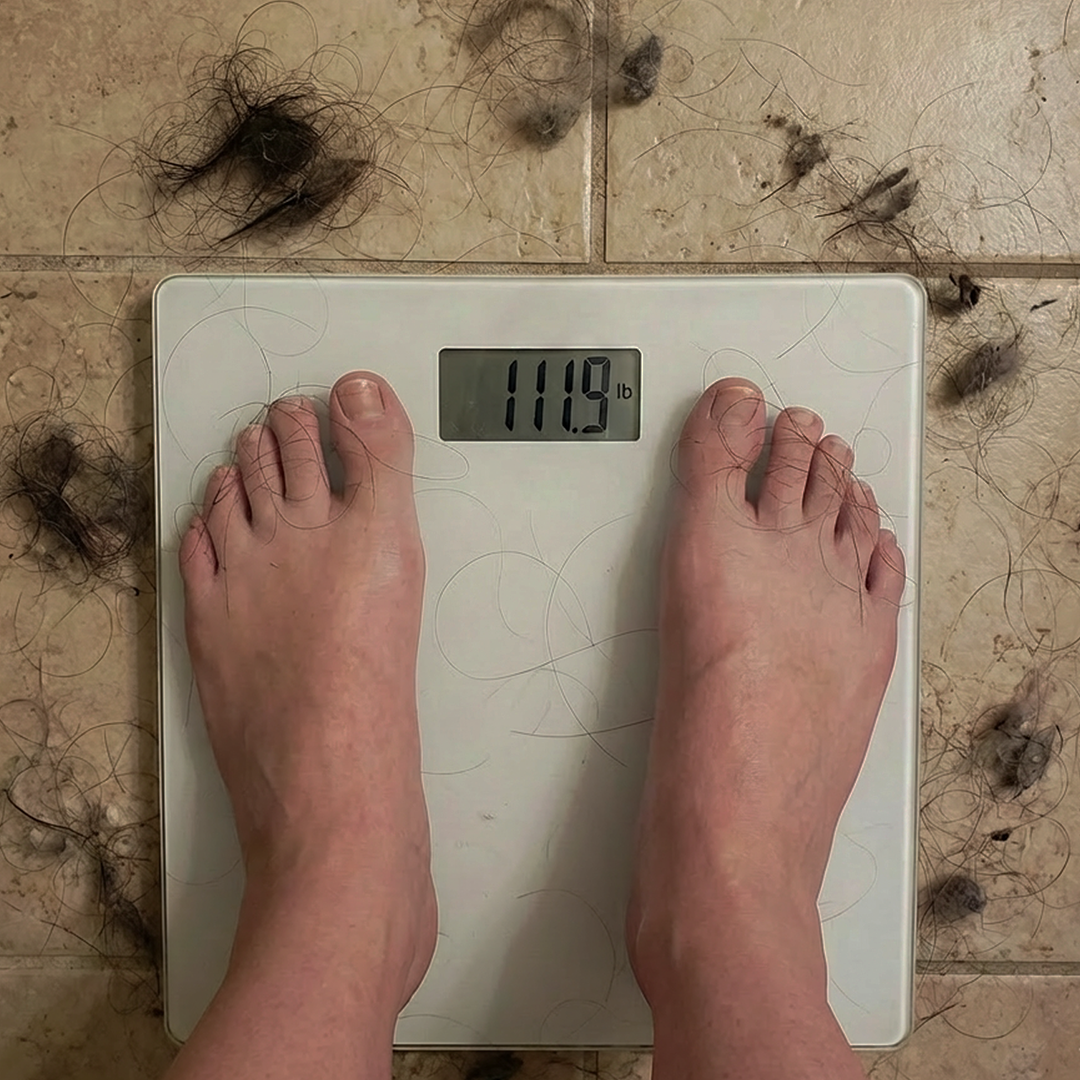
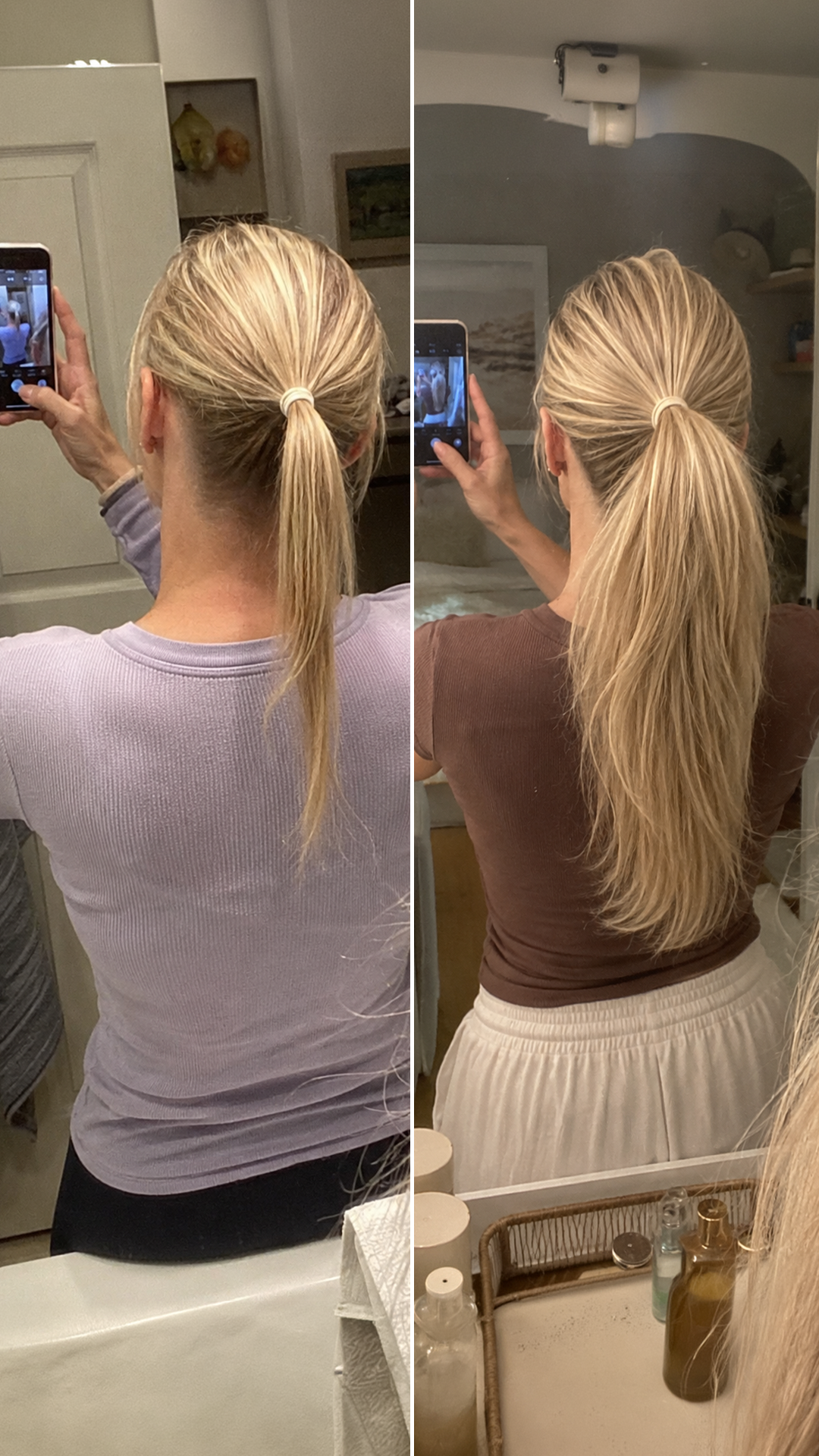
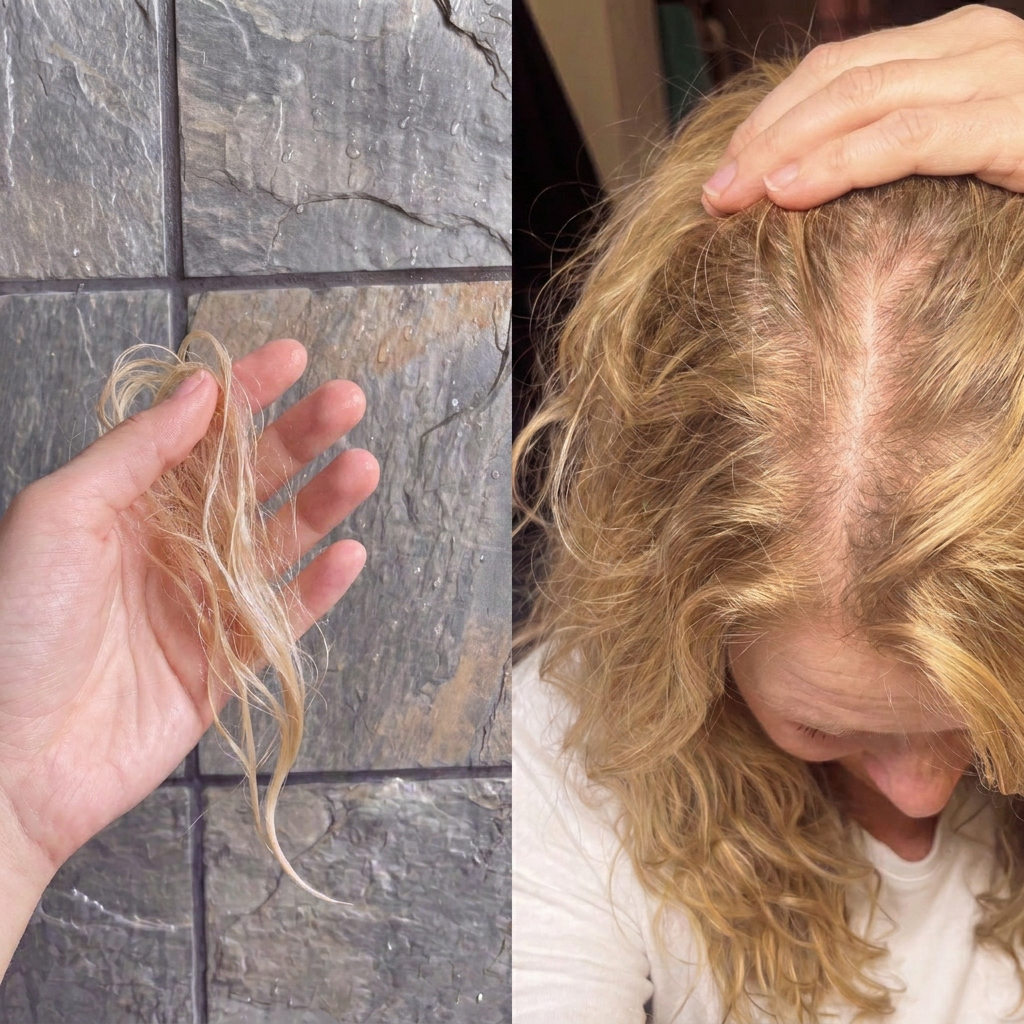
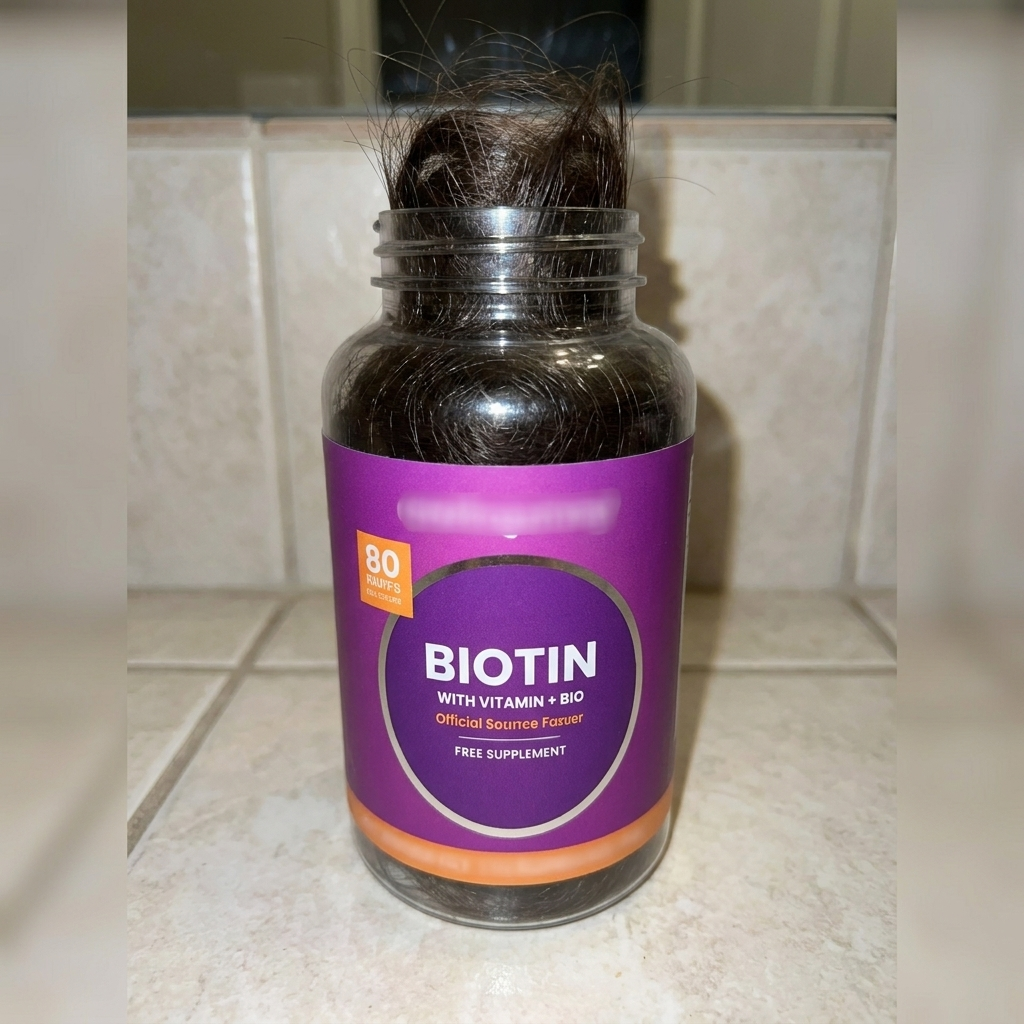
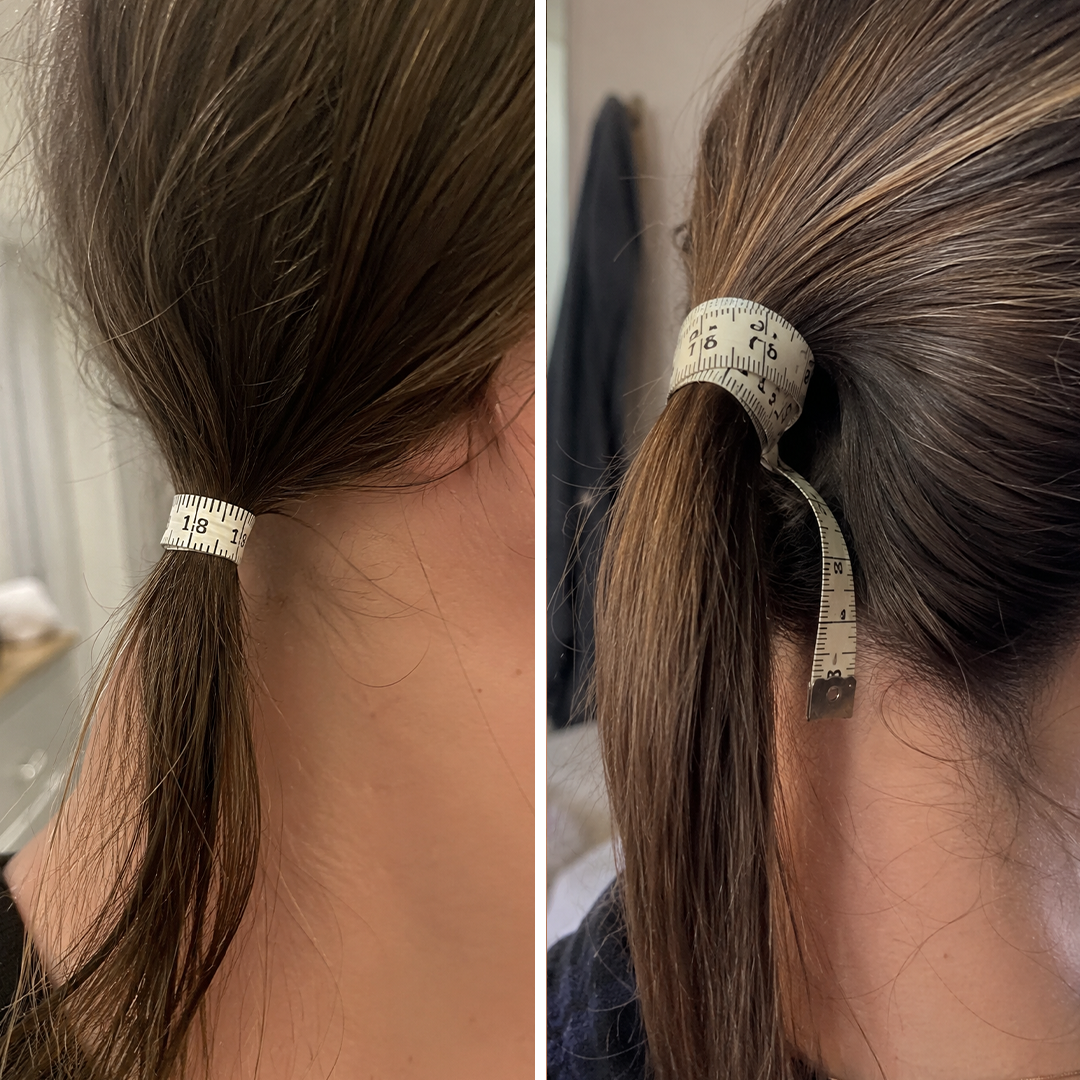
Please stop trying to regrow your hair through menopause. I know how that sounds. But every time you swallow another biotin, or stir in another collagen powder, or order another miracle supplement, there's a good chance you're aiming at a problem you don't actually have. I spent a year and a half doing exactly that. I want to save you the year and a half. My name is Jessica. I'm fifty-four. I went through menopause at fifty-one. It wasn't dramatic. It happened the way most things in my life have happened, slowly and on its own schedule, without making much of a fuss. I taught high-school English for twenty-eight years in a town outside Grand Rapids, Michigan. I retired two years ago. My husband, Dale, is fifty-seven. We have a daughter in Chicago and a son who still comes for Sunday dinner. I'm telling you all of that because I am not a woman who falls for things. I read every label. I check every review twice. My daughter calls me the most skeptical person she has ever met. And I still spent a year and a half, and more money than I'll admit to Dale, chasing my hair down an aisle of pretty bottles that were never going to help me. It started the way it starts for everyone. Quietly. First it was the drain. I've washed my hair in the same shower for nineteen years, and one winter there was just more of it on the tile when I was done. I told myself everyone sheds. I told myself it was the season. Then it was the ponytail. I've had a thick ponytail my whole life, the kind that made stylists ask if I was really sure I wanted to cut that much off. It used to barely fit through the elastic twice. Eighteen months into menopause, it wrapped three times. The same elastic. The same hands. Less hair in between them. Then it was the part, widening into a little pink road down the top of my head that I kept nudging over to cover. And then it was photographs, the way I started angling my head, hiding the top of it, at my own daughter's engagement dinner. It wasn't vanity. It was grief. I was watching a piece of myself disappear, and I couldn't make it stop. So I did what I think almost every woman does. I went shopping for hope. I stood in the aisle at Target reading every biotin label, convinced the ten-thousand-microgram bottle would somehow do what the five-thousand hadn't. I ordered the forty-seven-dollar collagen powder off Amazon and stirred it into everything, even though it made me gag, because the reviews swore it saved their hair. I spent eighty-nine dollars a month on the expensive one everyone talks about, because surely something that costs that much has to work. Then a rosemary oil off TikTok, whatever menopause influencer was selling it that week. Then another brand. Then another. I watched my bank account drain while my ponytail got lighter in my hand every single week. And it didn't get better. It got worse. And everyone had the same answer for me. It's hormonal. It's just your age. Try the expensive one, it takes six months. Have you thought about just accepting it? So I did the responsible thing. I waited three months for the best dermatologist in the area and paid four hundred dollars for the visit. She ran everything. Thyroid, iron, vitamin D, B12, hormones. All of it came back normal. She smiled and said, your labs look great, whatever you're doing is working. I wanted to scream. She wrote me a prescription for minoxidil. Four months later, after the burning and the shedding that got worse before it was ever supposed to get better, I quit. Nothing added up. If it was hormones, why hadn't hormone therapy fixed it for the women in my online group who were on it? If it was nutrition, why were my labs perfect? Why had four months of the one drug every doctor prescribes done absolutely nothing? I was running out of hope. Then one night, at 2:34 in the morning, I remember the exact time because I'd been lying awake for hours, I picked up my phone and typed something different. Why does menopause hair loss not respond to anything. And that's how I found an article by a Stanford-trained dermatologist named James Kilgour, a name I had never heard. And he explained the one thing no one else had. It was never about my hormones, and it was never about my diet. It was about one strange fact I'd never once considered. Your hair itself doesn't age. It can't. Hold the ends of yours and touch them, and you feel nothing at all, because the only living part is the root, down under the skin. And that root lives in your scalp the way a plant lives in soil. For your whole life, estrogen keeps that soil rich. It holds every root firm, feeds it, and keeps your hair full. When menopause takes the estrogen away, the soil goes poor with it. And poor soil fails in three separate ways at the same time, which is exactly why fixing any one of them alone never works. The first is that the grip lets go. Researchers at the University of Manchester found that menopausal skin makes only about a third of the collagen that holds each hair in place. So roots that should have held for years lift loose at the lightest touch. That was my drain, and my brush. The second is that the root starves. The tiny vessels that feed each one thin out as estrogen falls, so what grows comes in finer and weaker and stalls short. That was my ponytail, wrapping three times instead of twice. And the third is the one that finally gave me hope. Starved long enough, a root goes dormant, but it does not die. It seals off and waits, the way a seed can sit in dead ground for years and still grow the day the rain returns. Studies show up to 30% of the follicles in a thinning scalp aren't dead at all. They've just gone quiet. Nearly a third of what was missing from my part was still down there, alive, waiting for a reason to grow. And then he wrote about the study that proved the follicle was never the problem. Researchers at Rockefeller University took a healthy hair follicle and placed it into healthy scalp. It grew hair, exactly as it should. Then they placed that same follicle into scalp with the changes menopause brings, and it died. It just sat there, and the hair fell. Then they did the reverse. They took failing, dying follicles, the kind any doctor would have given up on, and placed them into young, healthy scalp. And they came back to life. Thick and strong, as though menopause had never touched them. Same follicle. The only thing that changed was the ground around it. It was never the hair. It was the ground underneath it. And sitting there at 2:34 in the morning, everything I'd wasted a year and a half on finally made sense. Biotin did nothing because my strands were never breaking. They were being pushed out whole by soil too poor to hold them. A nutrient I wasn't even short on was never going to fix that. The minoxidil did nothing but make it worse, because all it does is force growth in poor soil, on roots still starving and still letting go. That was the extra shedding. And my labs were normal because a blood test measures your blood. It cannot measure the ground your hair grows in. What sold the skeptic in me was that he hadn't just made claims. He'd done the thing no one in this business ever does. He handed the finished routine to an independent lab and had them count real women's shedding by hand, strand by strand, off a clinical wash and a clinical brush, before and after, each woman measured against her own starting point. The shedding off the wash came down by 68%. And 95% of the women were shedding less within six weeks. It was published in the Journal of Drugs in Dermatology, where any doctor can read exactly how it was done. A number counted by hand, in a real journal, is a very different thing from a milligram figure printed large on a lavender bottle. I'd learned that difference the hard way. The routine is called KilgourMD, and it's two serums. One rebuilds the grip and feeds the root, so the shedding stops. The other reactivates the follicles that had gone quiet and keeps them growing, using an ingredient shown on its own to wake dormant follicles and bring thousands of new hairs back from them. You work them into the scalp at night. About sixty seconds. It's topical, so nothing enters your bloodstream and nothing touches your medication or your next set of labs. Now I want to be as honest with you as I wish someone had been with me. Before I added anything, I called my own doctor's office and told them what it was and what else I take. They told me a topical that stays on the scalp wasn't going to conflict with anything. Please do that too, especially if you're on anything at all. It takes two minutes, and it's the difference between guessing and knowing. I'd spent a year and a half guessing. I started on a Monday, and I'd read enough by then not to expect fireworks. The first two weeks, nothing, and I knew why. Hair works on a delay, and what was falling that week had been set to fall months before I ever changed a thing. I was watching the last of the old damage finish falling. Around week three, there was less on the shower tile. I didn't say anything to Dale. I didn't want to jinx it. Around week six, the ponytail felt heavier in my hand. I actually made him feel it. He held it for a second and said, when did this happen? Week eight, there were baby hairs coming in along my hairline, little ones, all different lengths. And a few months in, my stylist stopped mid-cut and asked if I was growing it out. Seven months in now, the shedding is just normal shedding. The crown has filled back in. My part looks like a part again. And the ponytail has real weight in my hand for the first time since this whole thing started. I'm not going to tell you one routine did all of that by itself. I'd also finally stopped throwing money at things that were working against me. I was sleeping better because I wasn't lying awake at 2:34 in the morning anymore. Several things changed at once, the way they do when a woman finally decides to take something seriously instead of waving it off. All I can tell you honestly is that I added one thing, kept everything else the same, and the months that followed looked nothing like the two years before them. Anyone who offers you a cleaner story than that is selling you harder than I am. There's a ninety-day guarantee, and after the year and a half I'd had, it was the first fair thing anyone in this whole business had offered me. Use it every night for ninety days. If your part isn't filling in, one email gets every dollar back and you keep the bottles. You don't have to prove anything, or send them your labs, or explain yourself. It's made in small batches, so there are stretches when it's in stock and stretches when it isn't. I mention that only so that if you go and it's gone, you'll know why. So here's what I'll leave you with, since I wish someone had left it with me eighteen months sooner. If your labs are normal but your hair is still falling out, stop asking whether your hormones are balanced, and start asking what's happening to the ground your hair grows in. Your follicles aren't broken. They're still down there, still waiting for a reason to grow. Give them one before more of them slip from resting to gone. I've linked what I found below. Or you can go straight here: https://kilgourmd.com/pages/adv-meno-scalp Thank you for reading this far. I hope something here reaches you sooner than it reached me. — Jessica P.S. I want to come back to the part I rushed past, because it's the one that still makes me angry. The biotin I took for a year and a half doesn't only fail to grow hair. In high doses it can scramble your bloodwork, including the very thyroid test your doctor runs to find out why your hair is falling. There's a standing FDA warning about it. The thing marketed hardest for your hair is the one thing that can hide the truth about it. I'll never get those months back. You can skip them. P.P.S. What I use now is two serums, worked into the scalp at night, about a minute before bed. No powder to gag down, no schedule taped inside the cupboard. It's topical, so nothing enters your bloodstream and nothing touches your labs. I keep the bottles on the counter next to Dale's coffee pot. At my age, I've earned a simple morning. P.P.P.S. Please, before you add anything, call your pharmacist or your doctor's office, especially if you take anything for your heart or your thyroid. They have your whole picture. I've written you a letter. There's a difference, and the difference matters. P.P.P.P.S. The guarantee, again, in case you skimmed. Ninety days. Any reason at all. You keep the bottles. Nobody in that aisle of lavender bottles offered me anything close to that in a year and a half, because nobody in that aisle had ever actually counted the hair. P.P.P.P.P.S. Buy it only from the real KilgourMD site. Because of the results, there are copycats now, in near-identical bottles, hoping you won't look twice. One even spelled it Kiligour. Those never went through the trial, and the guarantee doesn't cover them. After everything, I did not come this far to put a stranger's mixture on my scalp every night, and neither should you. — J.
Why does menopause thin your hair?
Dermatologist-developed, the best hair growth products for thinning hair. Reduce hair fall by 30% in two months, and stimulate hair follicle growth by 200%. No known side effects.
LEARN MORELike this ad? Make it yours.
Crush rebuilds this exact creative around your product — your brand, your colors, your offer — in about a minute.