
Inactive· since Jan 14, 2026
- 42
- days it ran
- 5
- relaunches
Ad copy
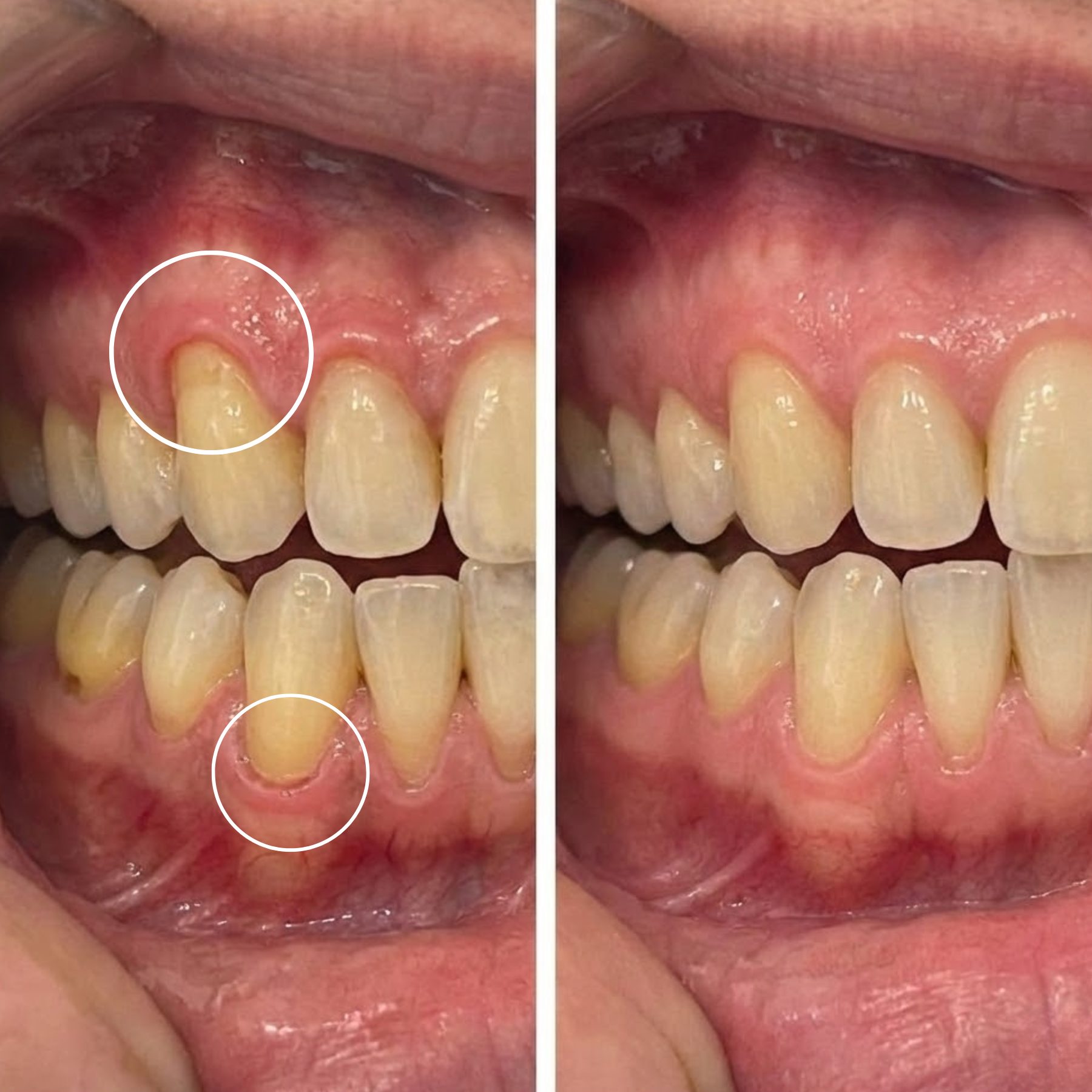
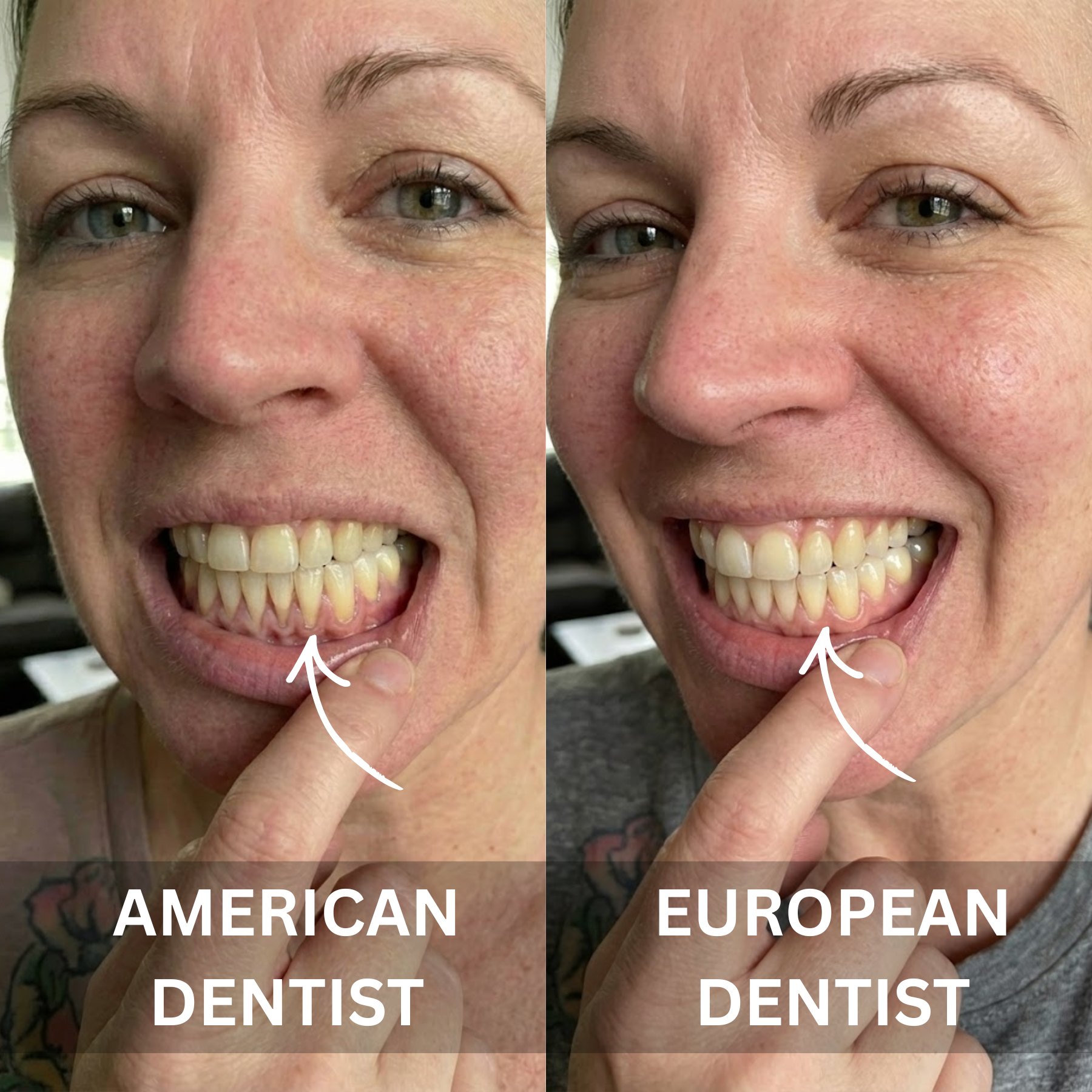
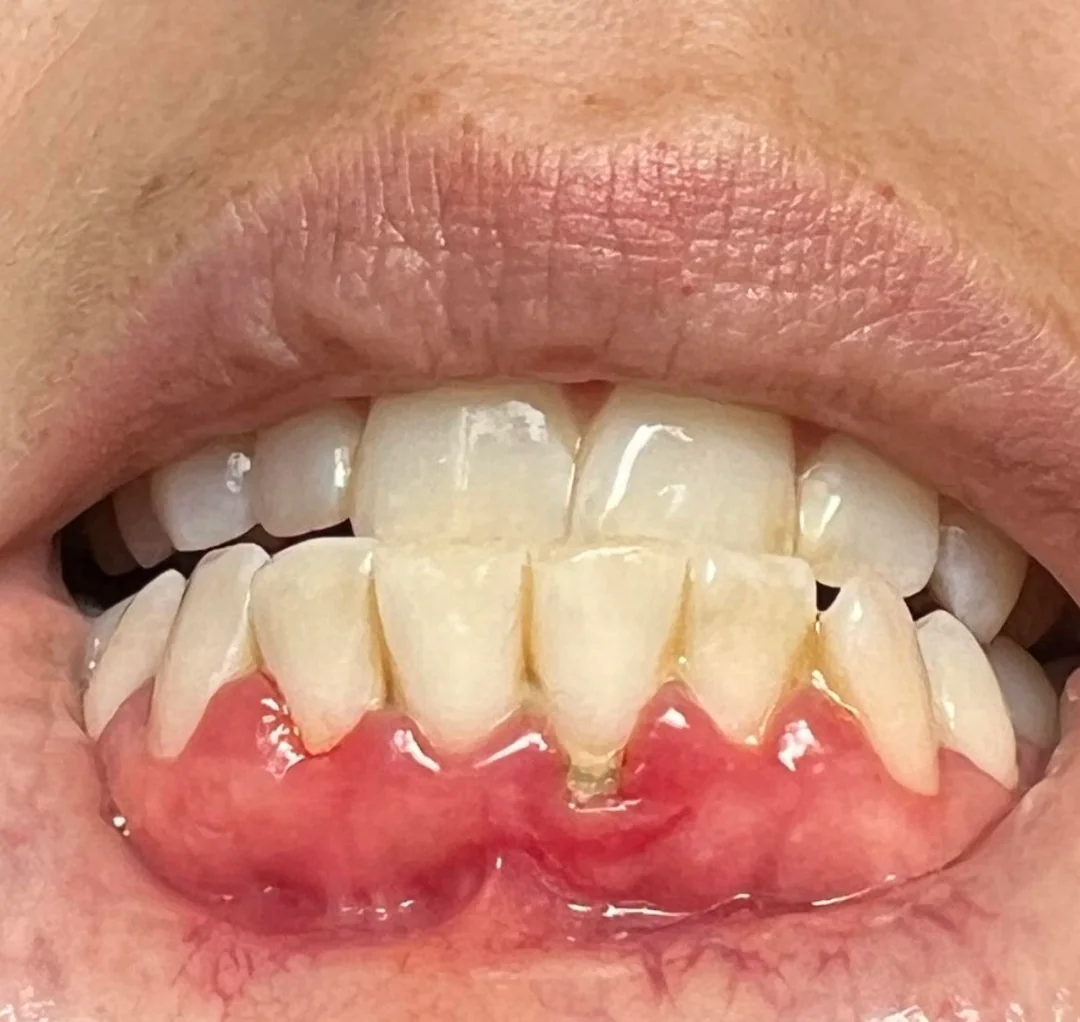
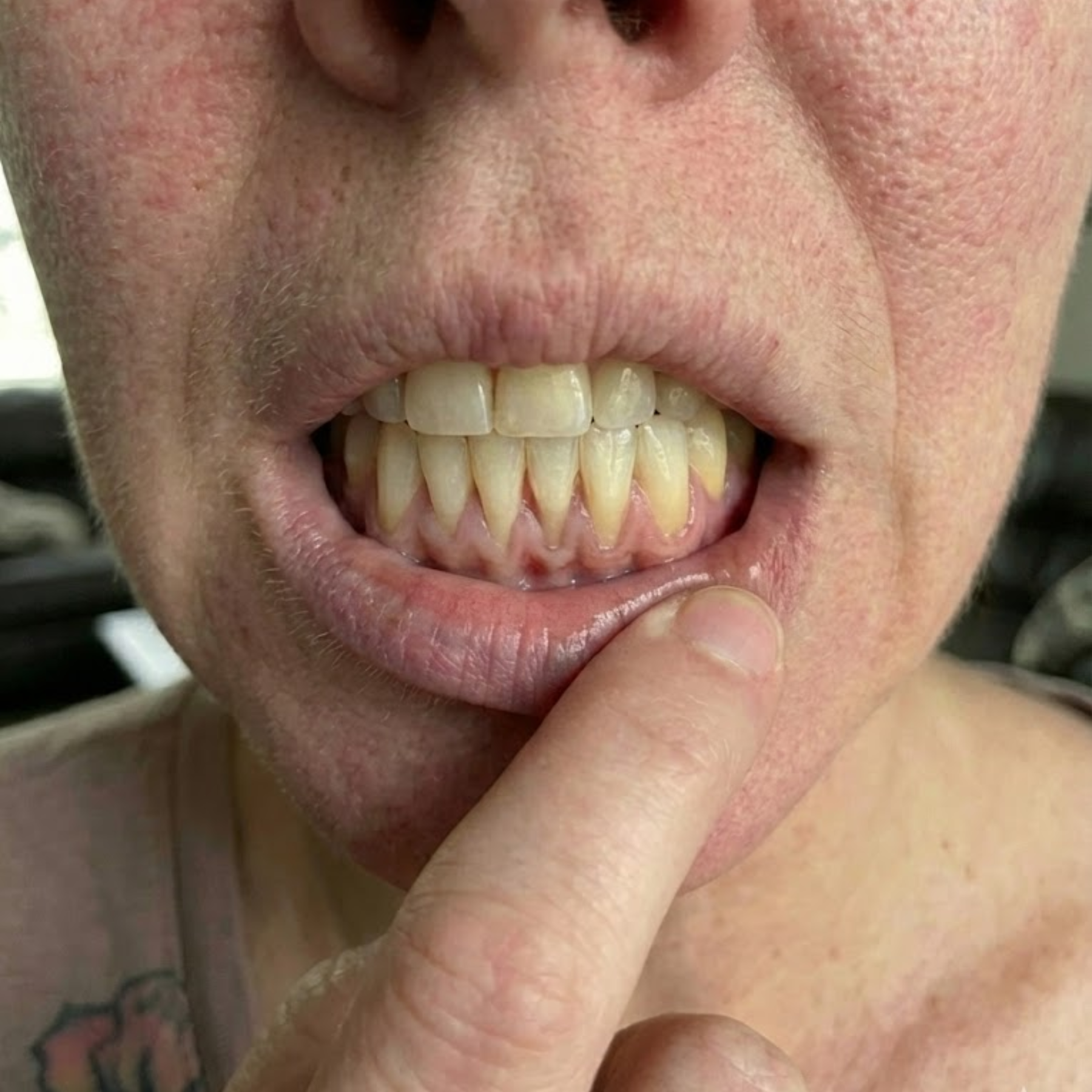
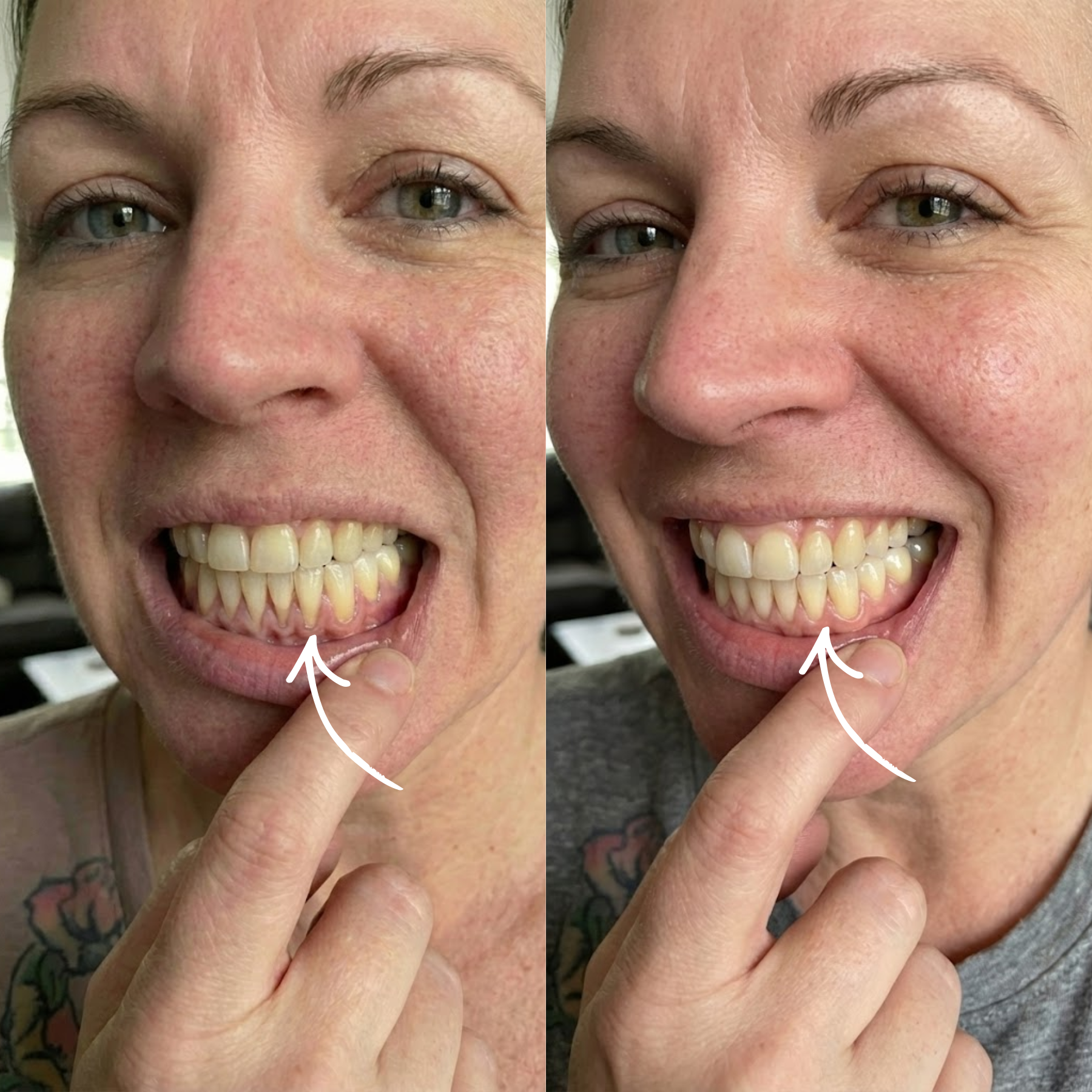
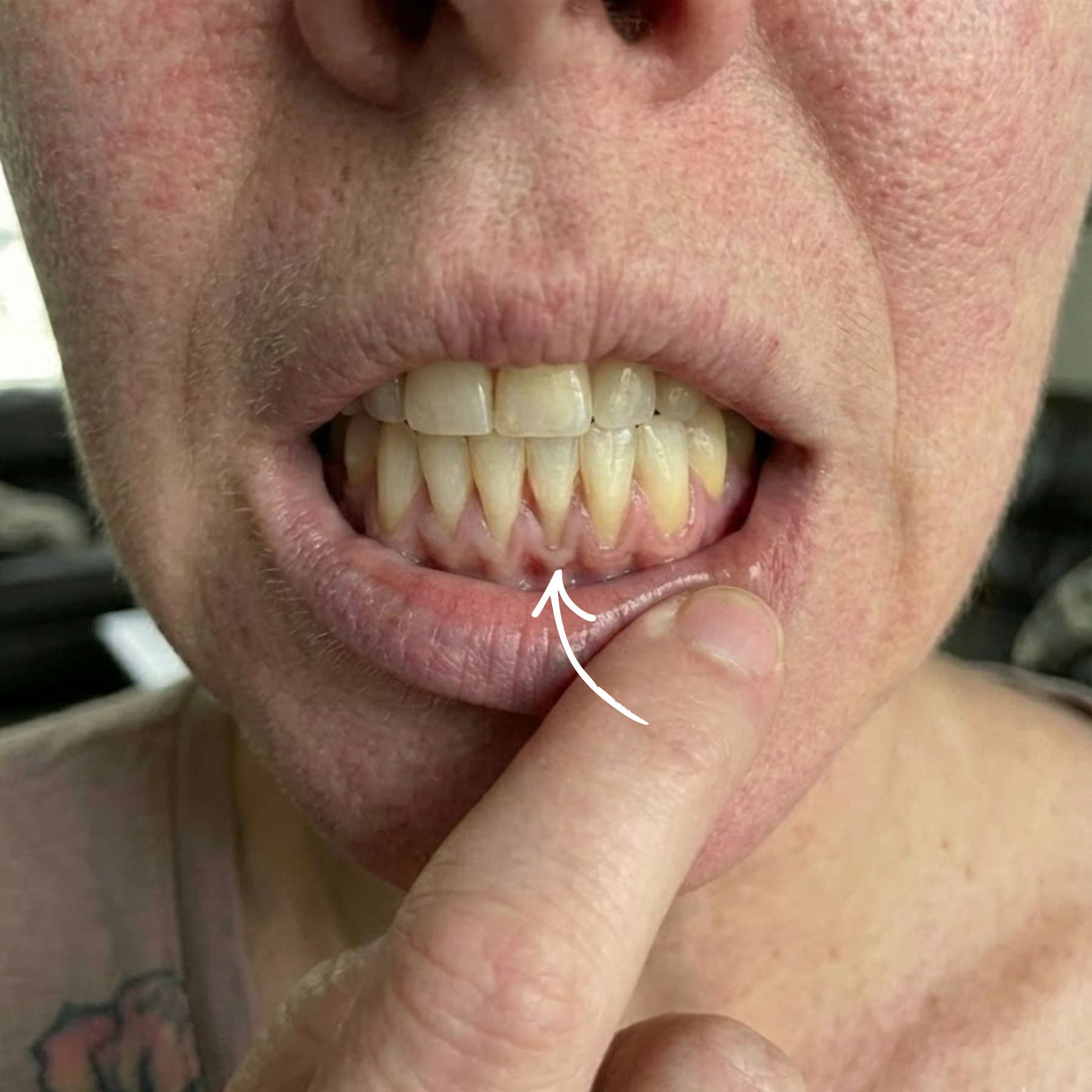
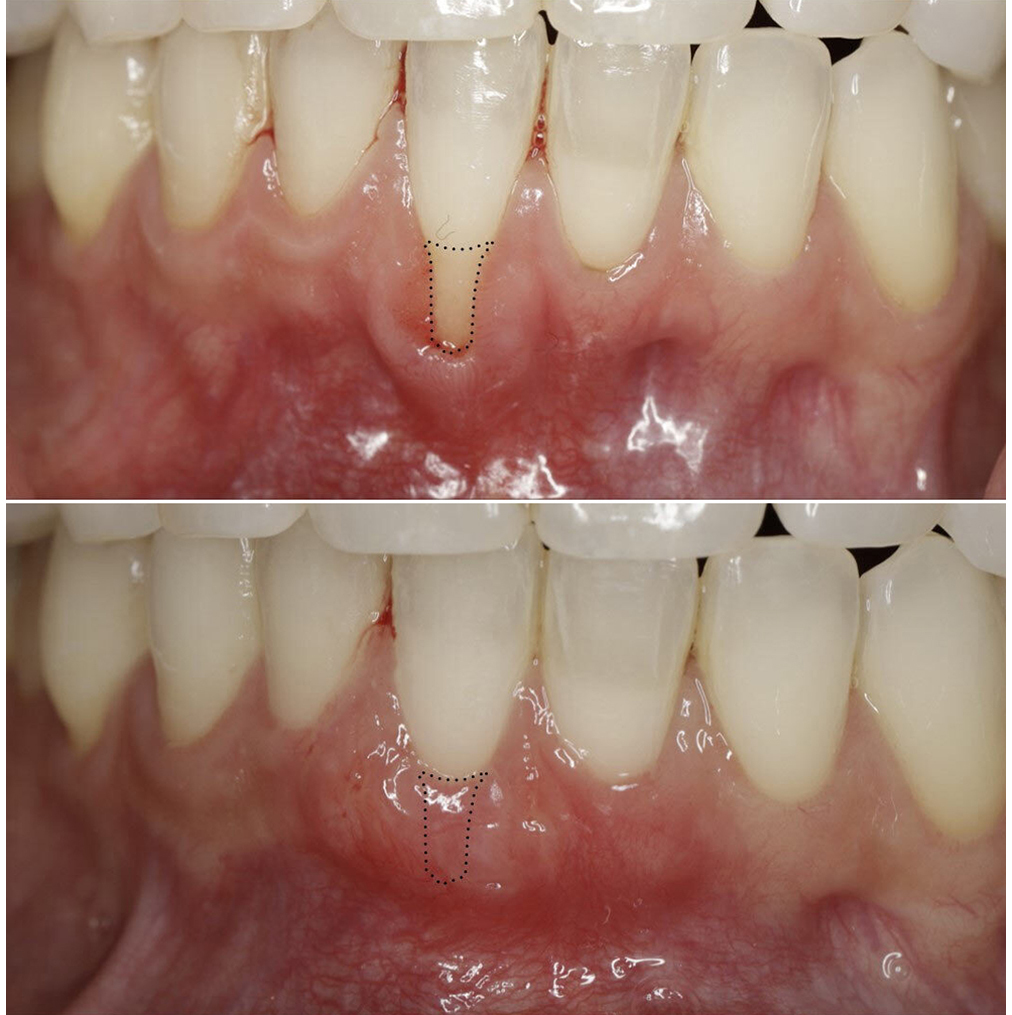
I had a dental emergency on a Mediterranean cruise. The ship's dentist was from Germany. He asked me ONE question that made my American dentist look 15 years behind. I'm 58 years old. My husband and I saved for two years for this cruise. Two weeks through the Mediterranean. Greece, Italy, Spain. Day three, we're at dinner. I bite into a breadstick. Sharp pain shoots through my front tooth. Not just sensitivity. Real pain. I drop the breadstick. Put my hand to my mouth. My husband looks worried. "You okay?" I try to drink water. The cold hits my tooth and I wince. I can't eat. Can't drink. The pain is constant now. That night, I can barely sleep. The next morning, I go to the ship's concierge. "I need to see a dentist." She makes a call. Gets me an appointment that afternoon with the ship's dentist. His office is small. Clean. On Deck 3 near the medical center. Dr. Weber. German accent. Maybe mid-50s. He examines my tooth. Takes an X-ray with a portable machine. "You have some inflammation," he says. "The root is exposed here because of recession. That's causing the sensitivity." He applies something to the tooth. The pain eases immediately. "This will help for now," he says. Then he looks at my gums more closely. "How long has your recession been this severe?" he asks. "About three years," I say. "My dentist back home has been monitoring it." "Has he discussed collagen therapy for your recession?" I stare at him. "What's that?" He looks at me for a moment. Then sets down his tools. "Your gums are made almost entirely of collagen," he says. "It's the structural protein that holds the tissue together and keeps it attached to your teeth." "After age 30, your body produces less collagen every year. By 50, you're making about half as much as you did at 25." "So your gums—no matter how clean they are—start breaking down because they're running out of the material they're made of." I'm listening. But I don't understand why my dentist never explained this. "My dentist never said anything about collagen." Dr. Weber nods slowly. "It's not commonly discussed in American dental training," he says. "Most focus on bacteria and hygiene." "So what do I do?" I ask. "There's research on topical collagen supplementation," he says. "Applying collagen peptides directly to the gum line during brushing. It's showing promising results for moderate recession—especially in patients over 50." "My dentist never mentioned anything like that." "It's relatively new research," he says. "Not standard protocol yet in many places. But if I were you, I'd look into it." I thank him and leave. But I can't stop thinking about it. For the rest of the cruise, it's in the back of my mind. Three years. My dentist had been measuring my recession every six months. Telling me to keep brushing and flossing. But he never once mentioned that my gums were breaking down because of collagen loss. Or that there was research on addressing it. When we got home, I couldn't let it go. The night we unpacked, I opened my laptop. It was 11:45 PM. I started searching. "Collagen gum recession" "Collagen peptides periodontal" "European collagen therapy gums" At 1:30 AM, I found it. A study from Germany. Published in a periodontal journal. They'd tested 600 patients with gum recession. Two groups. Group A: Standard care. Brushing, flossing, regular cleanings. Group B: Same care, plus collagen peptides applied to the gum line. After 12 weeks: Group A continued to recede. Group B showed tissue stabilization. Many showed measurable improvement in gum thickness. I read the conclusion three times. The study was from 2019. Six years ago. I felt something rising in my chest. Not anger. Something else. Disbelief, maybe. My dentist had been monitoring my recession since 2021. Four years. And there was published research—from before he even started monitoring me—showing that collagen supplementation could address it. Why hadn't he mentioned it? I kept reading. More studies. European research. Clinical trials. All showing the same results. At 2:50 AM, I started looking for products. I found a company making a brushing powder with Type 1 collagen peptides. I read the reviews. People describing what I was going through. Recession. Told to just monitor it. Tried the powder. Saw improvement. I ordered it at 3:15 AM. When it arrived, I started immediately. White powder. No taste. Instructions said: wet toothbrush, dip in powder, brush along gum line twice daily. Week one: Nothing obvious. Week two: My gums felt less tender when I brushed. Week four: I looked closely in the mirror. The tissue looked less pale. Less thin. Week eight: I took a photo and compared it to one from two months earlier. The difference was visible. My gums looked healthier. Pinker. The exposed roots weren't as obvious. At three months, I went back to my regular dentist. He measured my recession like always. Then he stopped. "Your recession hasn't progressed," he said. "Actually, some areas look improved. That's unusual." "What changed?" "I had a dental emergency on a cruise," I told him. "The ship's dentist was from Germany. He told me about collagen therapy for recession. I found the research. I've been using a collagen powder." My dentist looked at my chart. "I'm not familiar with that approach," he said. "But the results speak for themselves. Keep doing whatever you're doing." I left his office feeling something I hadn't felt in years. Not angry. Not betrayed. Just aware. My dentist wasn't hiding anything from me. He just didn't know. The research existed. The studies were published. The results were documented. But it wasn't part of his training. It wasn't standard protocol in American dentistry. So he did what he was taught: monitor recession, recommend good hygiene, consider surgery if it gets severe. Meanwhile, in Europe, they'd been using collagen therapy as first-line treatment for over a decade. I'm 59 now. My recession stopped completely. And I think about that cruise ship dentist all the time. The one who took ten minutes to explain what my gums were made of. Something my dentist had never mentioned in three years. If your dentist is "monitoring" your recession with no solution offered, you need to know something. The research exists. European studies. Clinical trials. 600+ patients showing that collagen supplementation can stop progression and improve tissue. Your dentist probably hasn't seen it. Not because he's incompetent. But because American dental training focuses on bacteria control and surgical repair. Nutritional intervention—addressing the structural deficiency—isn't standard protocol yet. So when your dentist says "keep brushing and flossing," he's telling you what he was trained to recommend. But he's not telling you about the research that could actually address why your gums are breaking down. I'll leave a link below to the brand I use. I don't get anything from sharing this. I just know what it's like to be monitored for years with no solution offered. And I know what it's like to have a dentist on a cruise ship—someone I met by accident—explain in ten minutes what my dentist never mentioned in three years. If you're being told to "just monitor it," you deserve to know there's research your dentist might not have seen. Research that could stop your recession without surgery. Research that's been used in Europe as standard protocol for over a decade. You don't have to wait for your dentist to learn about it. You can look into it yourself.
Like this ad? Make it yours.
Crush rebuilds this exact creative around your product — your brand, your colors, your offer — in about a minute.