
Inactive· since Jan 9, 2026
- 47
- days it ran
- 2
- relaunches
Ad copy
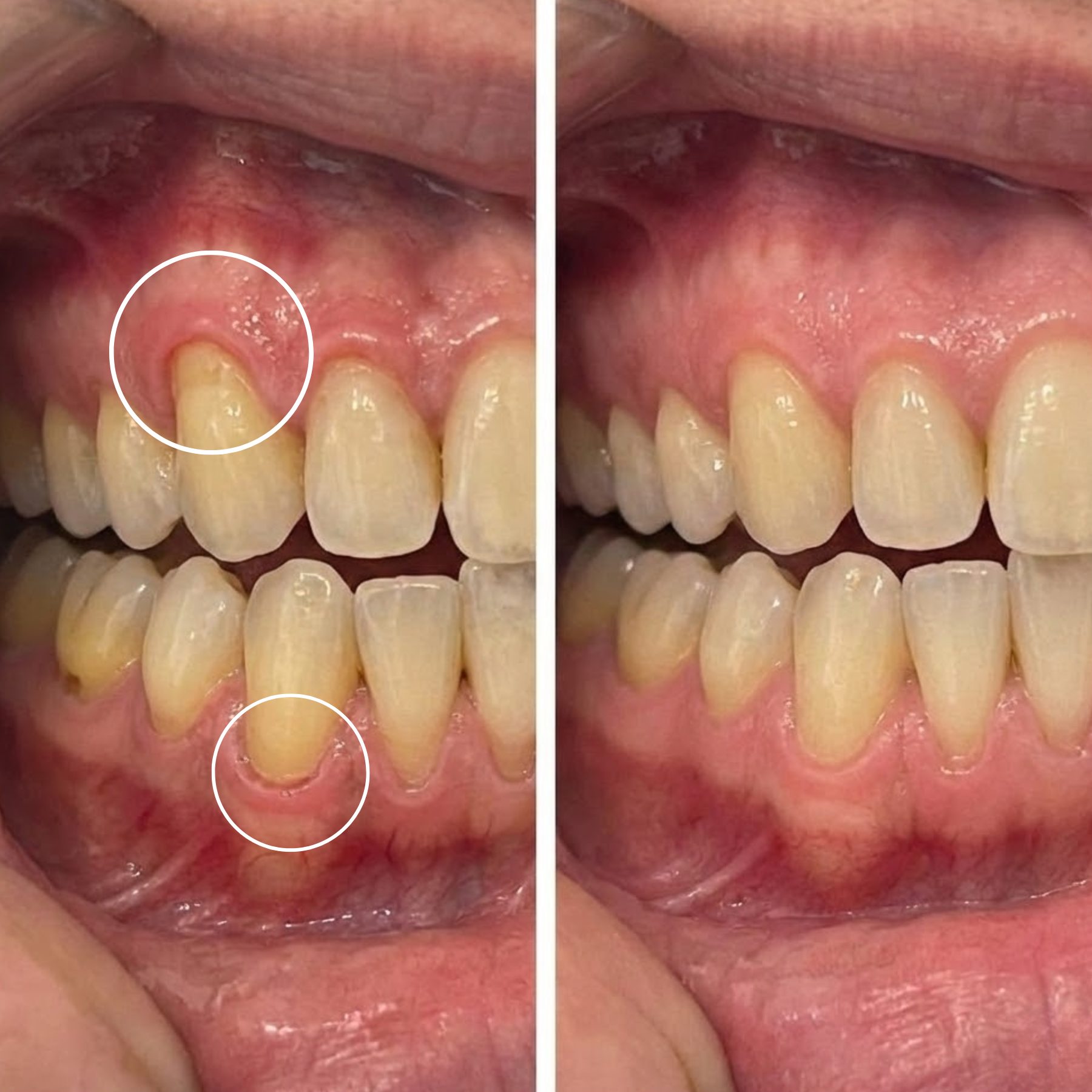
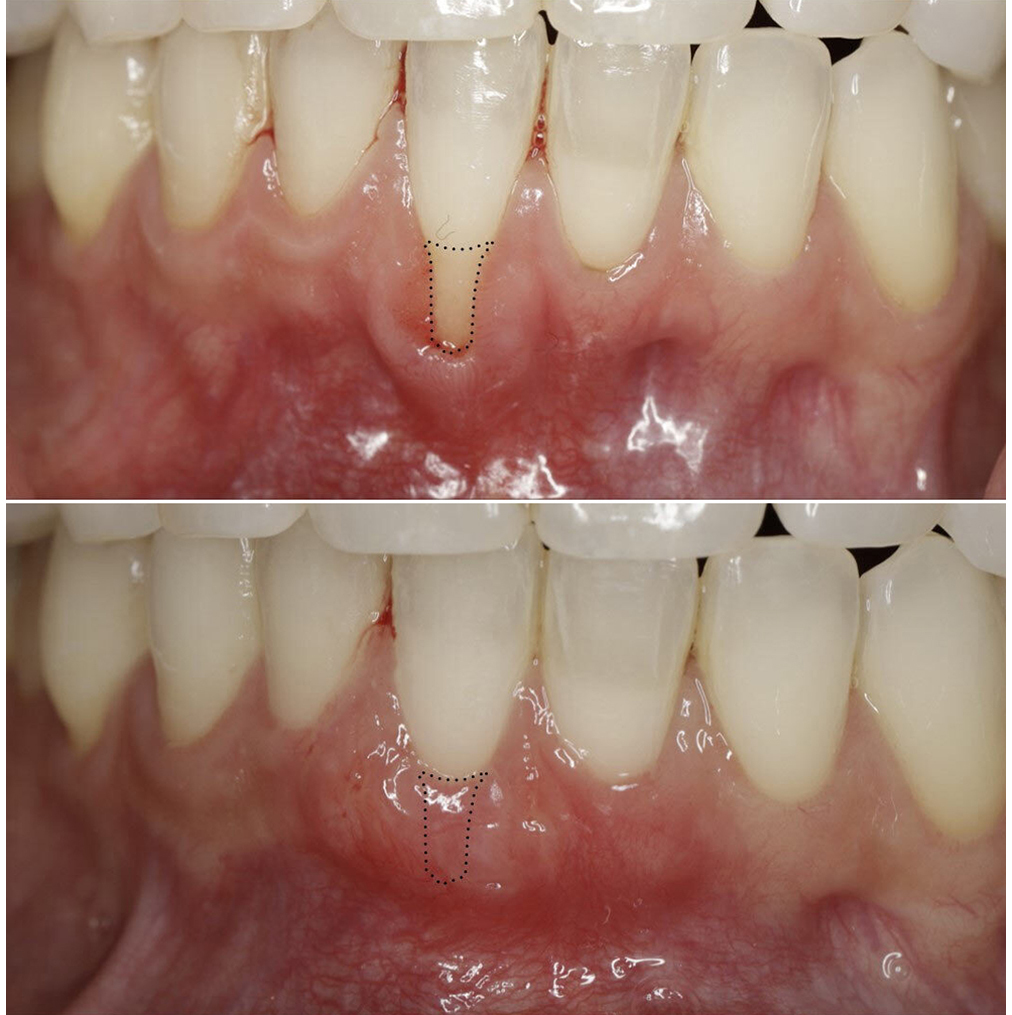
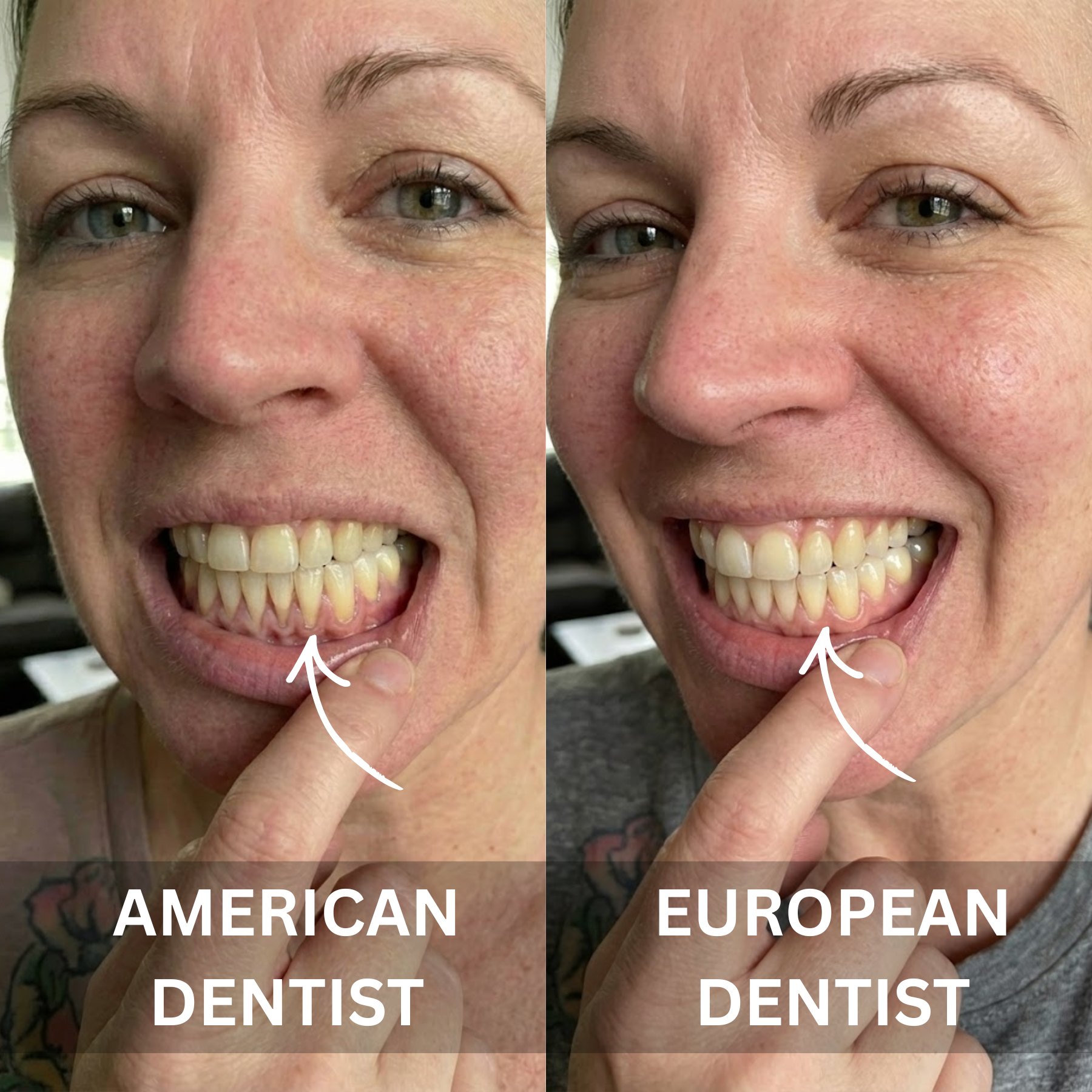
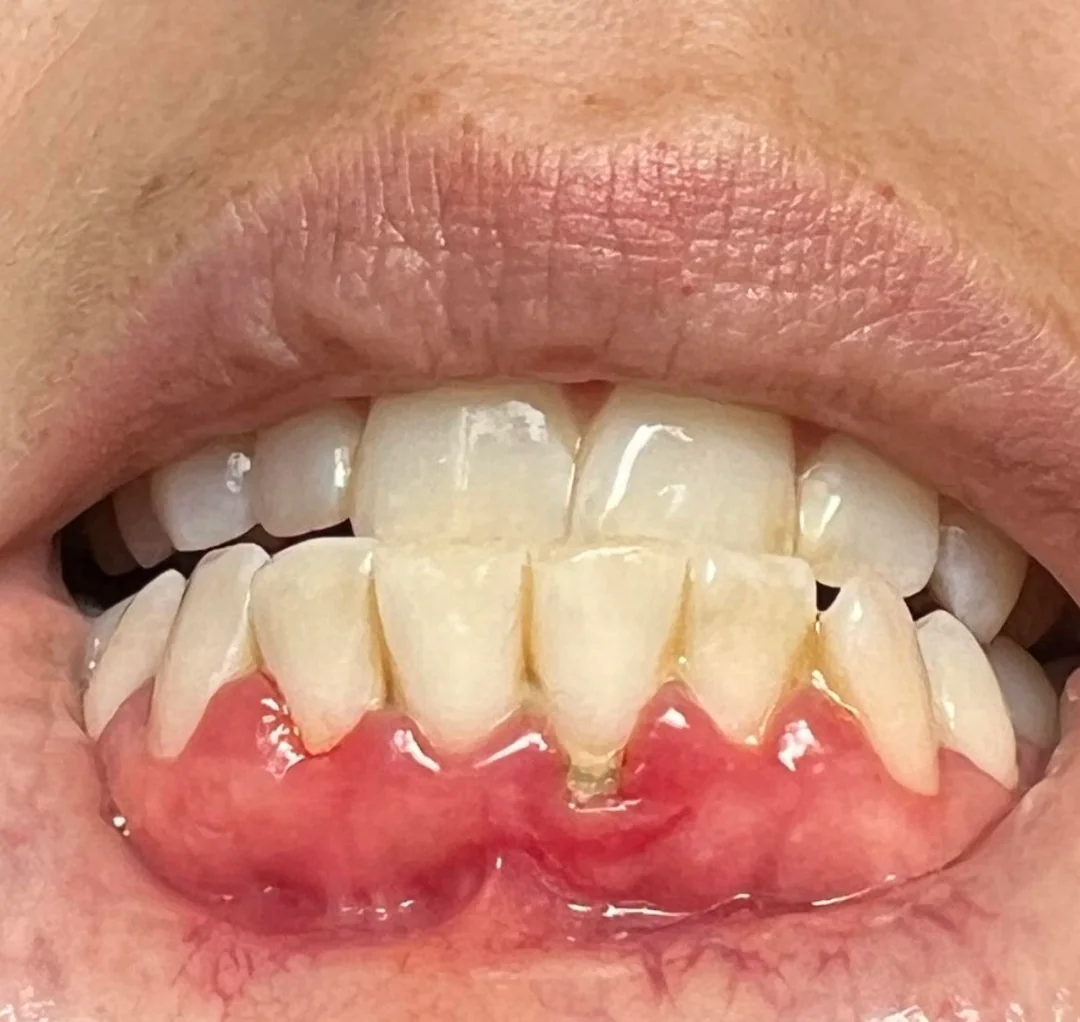
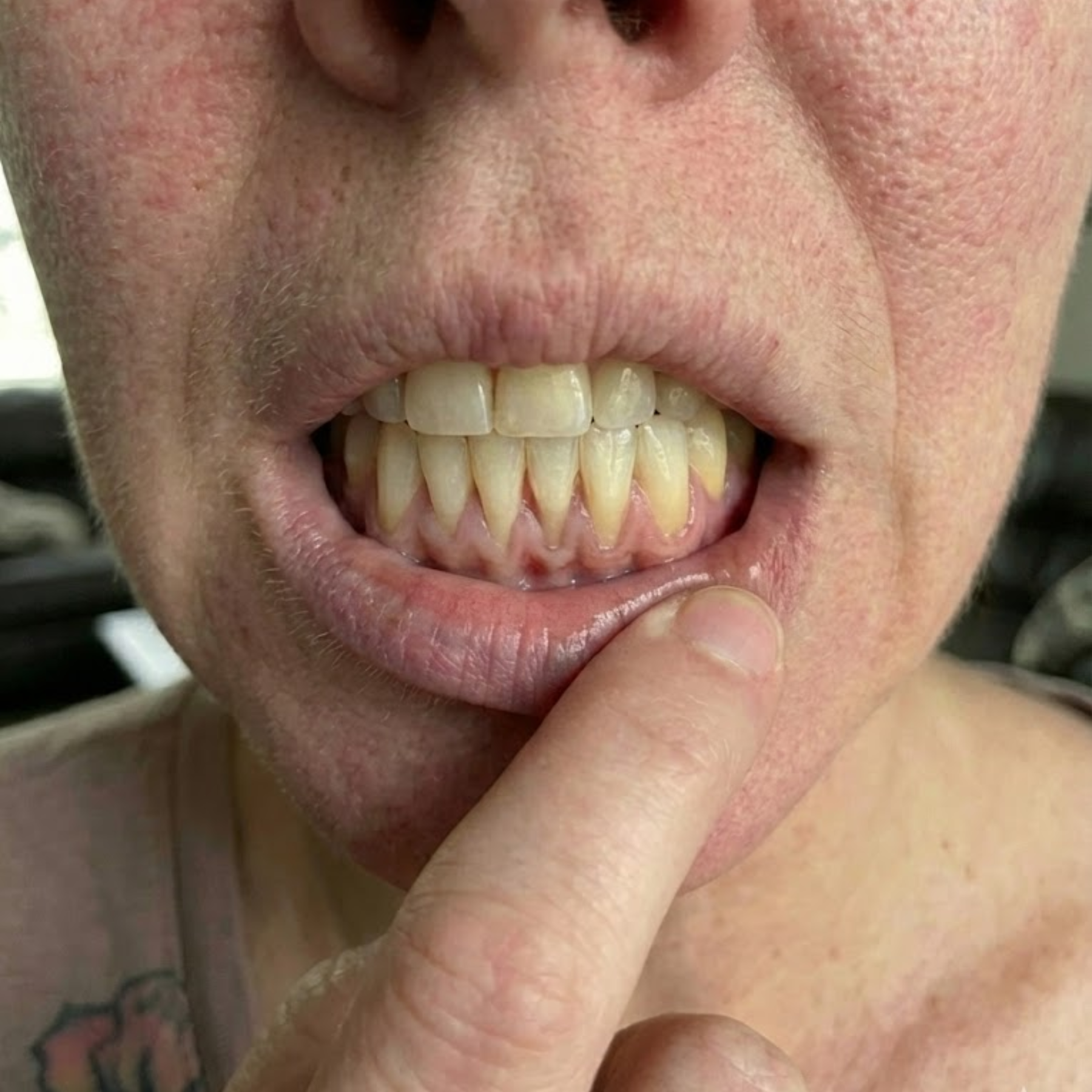
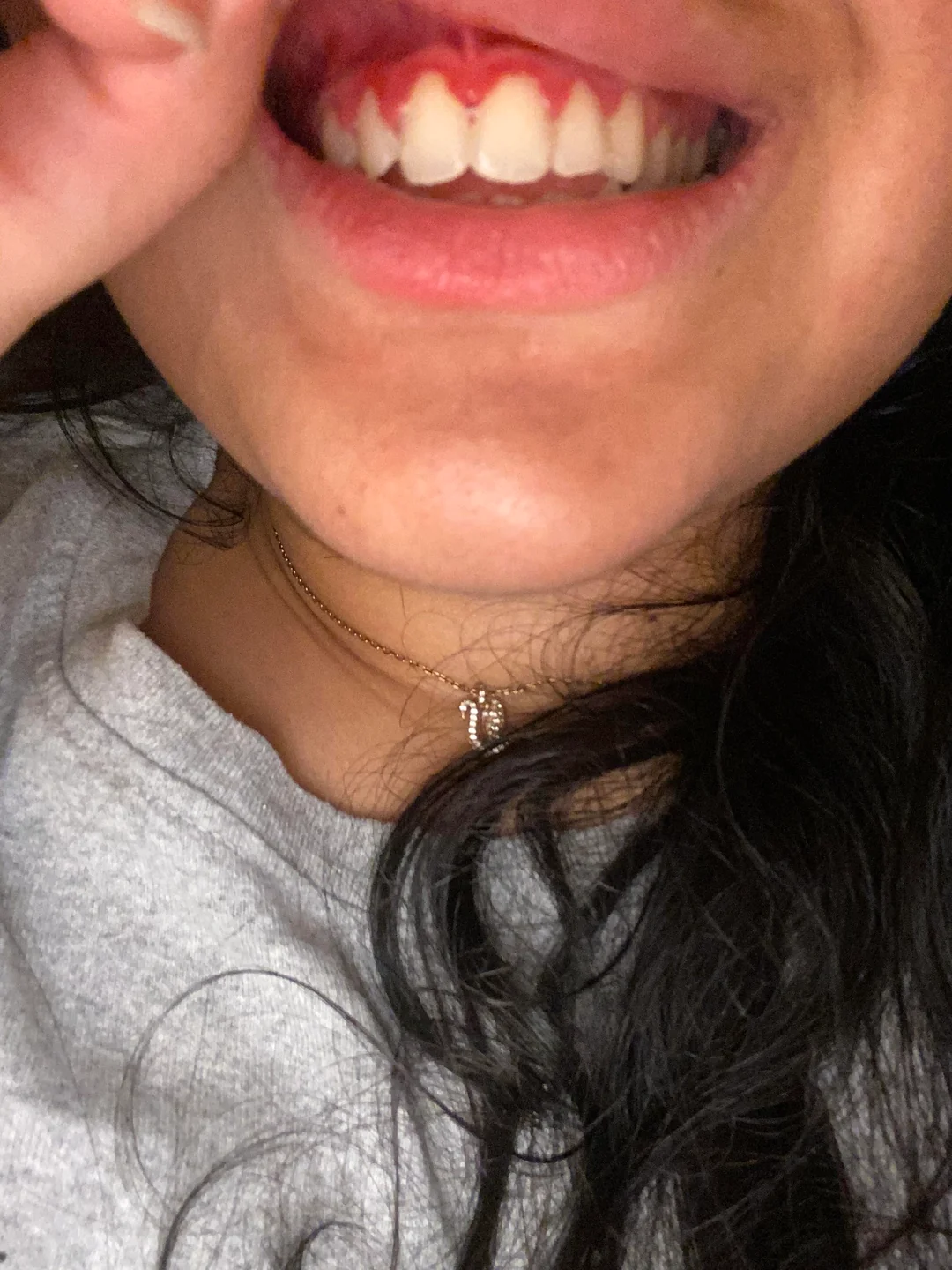
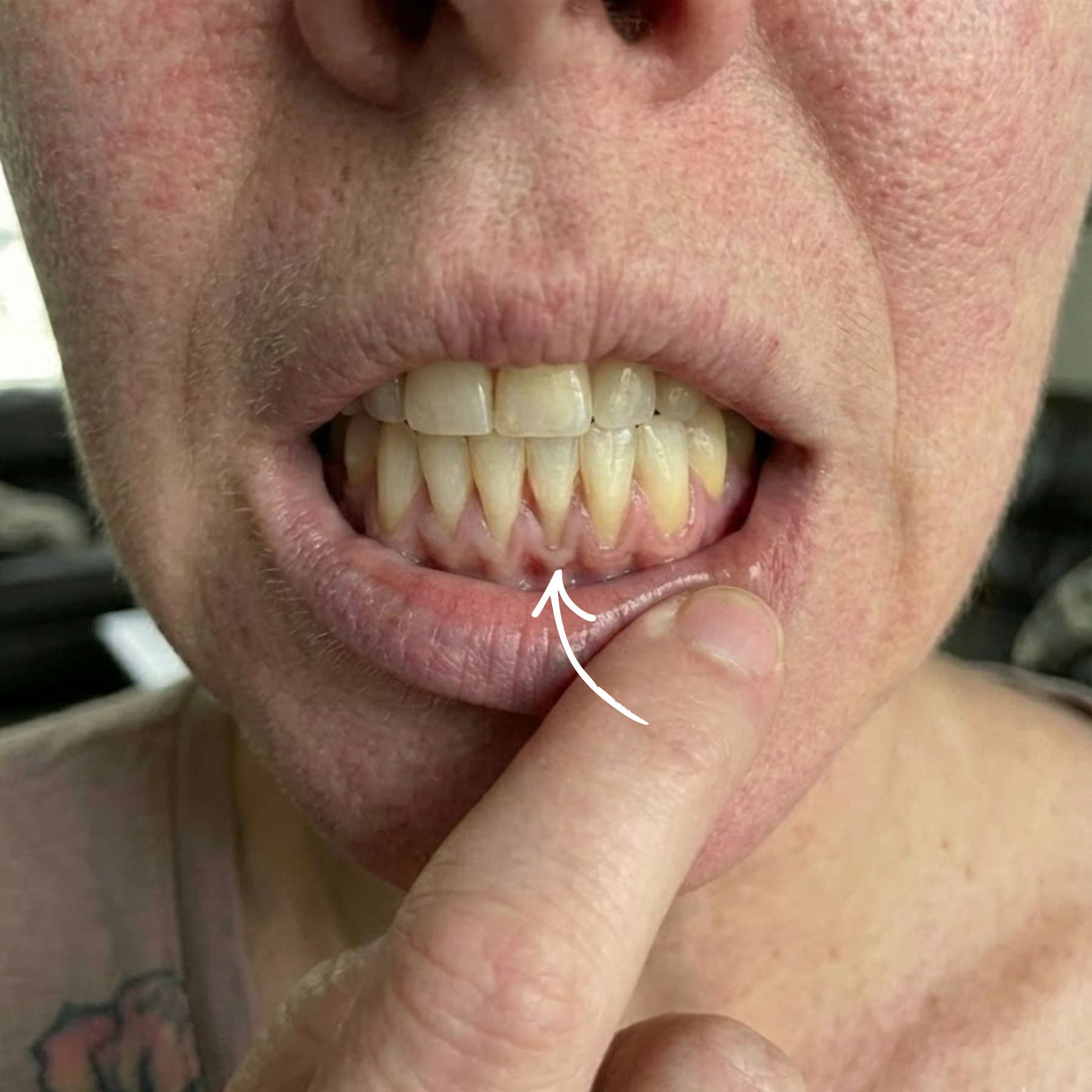
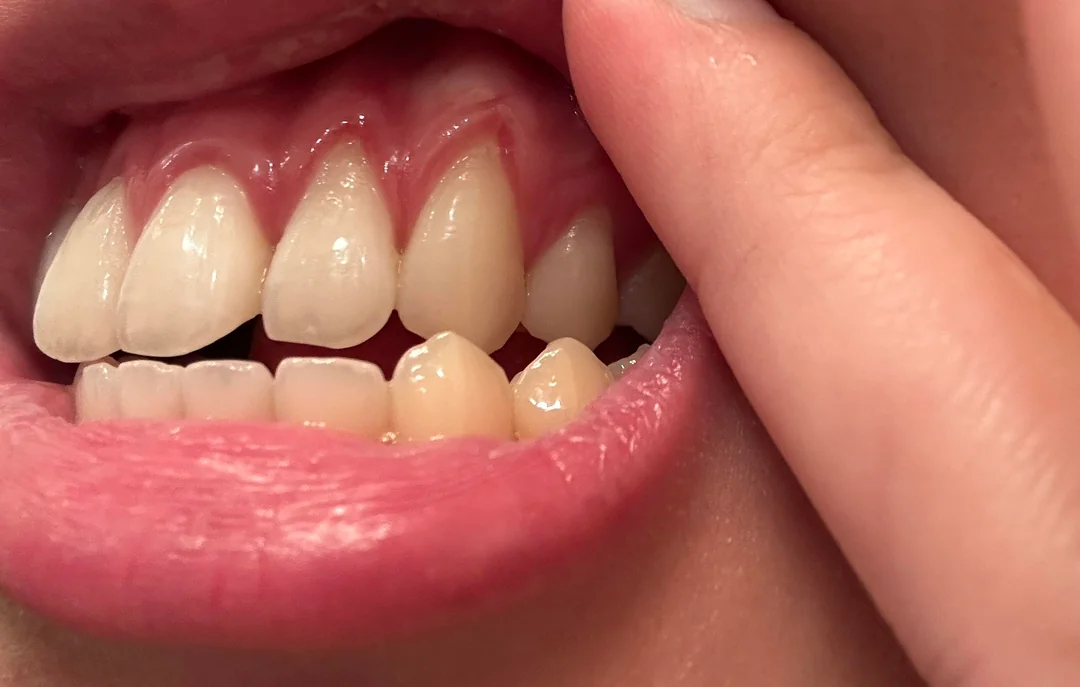
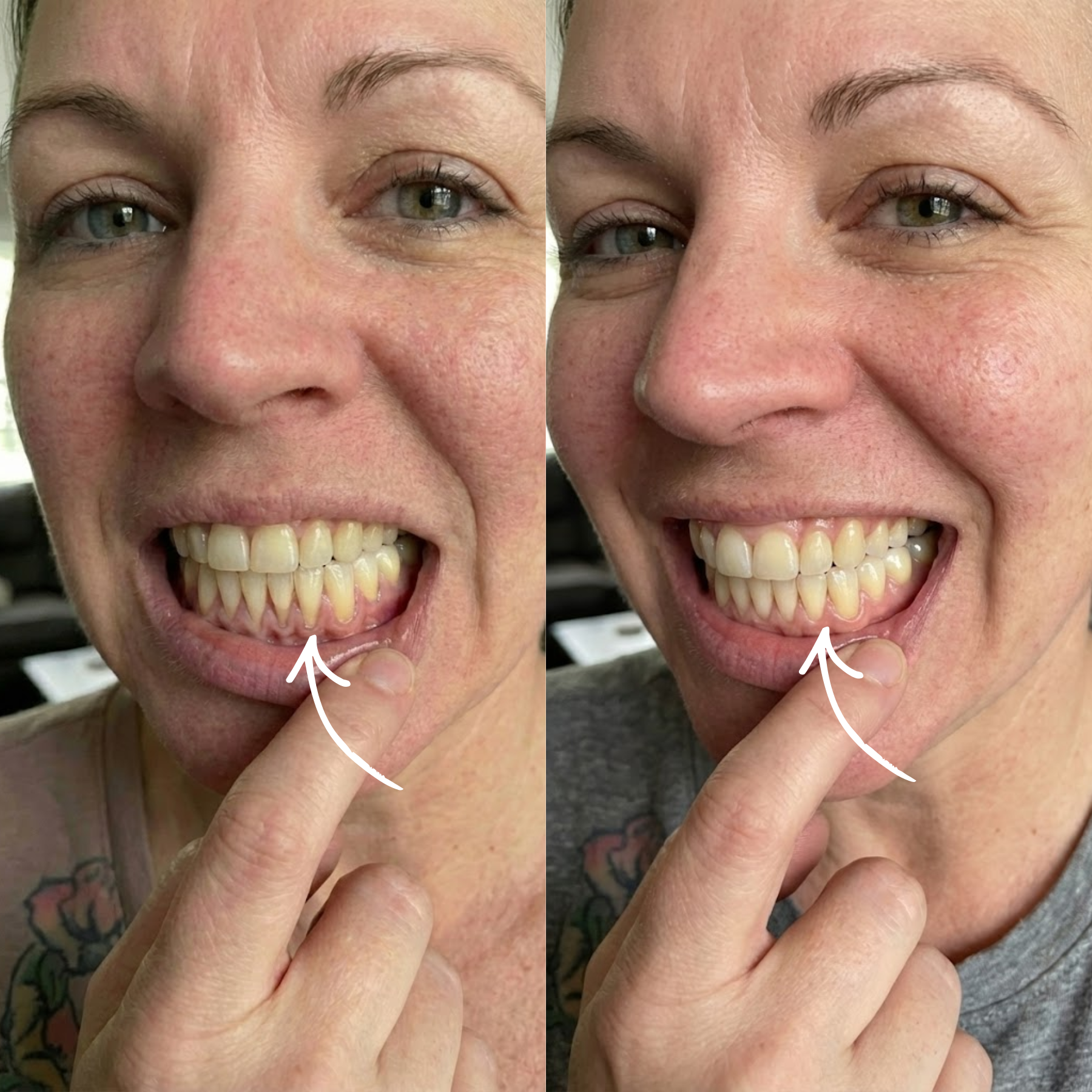
A Swiss dentist looked at my receding gums and asked a question that made my American dentist look 15 years behind. I'm 54 years old. Last September, my husband and I went to Switzerland for our anniversary. Two weeks in the Alps. On day three, I bit into a croissant at breakfast and felt sharp pain shoot through my front tooth. Cold air hurt. Hot coffee hurt. Even breathing hurt. By that afternoon, I needed a dentist. We asked the hotel concierge for an emergency dentist. She made a call and got me an appointment in Zurich that evening. Dr. Weber's office was small. Clean. European in a way I can't quite explain. He spoke perfect English. He examined my tooth. Took X-rays. Looked at my gums. Then he sat back and looked at me. "How long has your recession been like this?" he asked. "About three years," I said. "My dentist back home has been monitoring it." "Has he explained why your gums are receding?" "He said it just happens with age. And to keep brushing and flossing." He looked at me for a moment. "Your gums are made almost entirely of collagen," he said. "It's the structural protein that holds the tissue together and keeps it attached to your teeth." "After age 30, your body produces less collagen every year. By 50, you're making about half as much as you did at 25." "So your gums—no matter how clean they are—start breaking down because they're running out of the material they're made of." I stared at him. "My dentist never explained that." He nodded. "It's not commonly discussed. Most dental training focuses on bacteria and hygiene." "So what do I do?" I asked. "There's research on topical collagen supplementation," he said. "Applying collagen peptides directly to the gum line during brushing. It's showing promising results for moderate recession—especially in patients over 50." "My dentist never mentioned anything like that." "It's relatively new research," he said. "Not standard protocol yet in many places. But if I were you, I'd look into it." He fixed my immediate sensitivity problem. But I couldn't stop thinking about what he'd said. That night, back at the hotel, I couldn't sleep. At 11:30 PM, I opened my laptop. I started searching. "Collagen therapy gum recession" "Type 1 collagen peptides topical" "German study gum recession" At 1:45 AM, I found it. A study from a German periodontal journal. They'd tested 600 patients with gum recession. They divided them into two groups. Group A: Standard care. Brushing, flossing, regular cleanings. Group B: Same standard care plus collagen peptides applied to the gum line during brushing. After 12 weeks, they measured the results. Group A continued to recede. Group B showed tissue stabilization. In many cases, measurable improvement in gum thickness. I read that section three times. Dr. Weber had been right. My dentist had been monitoring my recession for three years. Watching it get worse. But there was research—published research—showing that collagen supplementation could address the actual cause. I kept reading. Study after study said the same thing. Gum tissue is almost entirely collagen. After age 50, your body produces about half as much as it did at 25. So your gums break down because they don't have the structural protein they need. At 3:00 AM, I finally closed my laptop. When we got back to the US two weeks later, I couldn't let it go. I found a company making a brushing powder with Type 1 collagen peptides. The same type from the German studies. When it arrived, I was skeptical. But I kept thinking about Dr. Weber's face when he explained it. The logic made sense. I started using the powder that night. White powder. No taste. Simple instructions: wet toothbrush, dip in powder, brush gently along gum line twice daily. Week one: Nothing obvious changed. Week two: The constant sensitivity I'd gotten used to was less sharp. Week three: I looked in the mirror under bright light. My gums looked less pale. Less thin. Week four: I bit into an apple without thinking. No pain. I kept using the powder every single day. At eight weeks, I took a photo and compared it to one from before Switzerland. The difference was clear. My gums looked pinker. Fuller. The exposed roots weren't as visible. At three months, I went back to my regular dentist for a cleaning. He measured my recession like always. Then he stopped. Measured again. "Your recession has improved," he said. "That's unusual. What changed?" "I've been using a collagen powder," I told him. "A dentist in Switzerland told me to look into it. He explained that my gums are breaking down because my body isn't making enough collagen anymore." My dentist looked uncomfortable. "I'm not familiar with that approach," he said. "We typically focus on surgical options for recession." I wanted to say something. But I didn't. Because Dr. Weber had been right. My dentist wasn't hiding anything from me. He just didn't know. I'm 55 now. My gums are healthy. Pink. Firm. The recession stopped completely. I still use the collagen powder every day. And I think about that appointment in Switzerland. The dentist who took ten minutes to explain what my gums were made of. Something my dentist had never mentioned in three years. Here's what I wish someone had told me three years ago: Your gums aren't receding because of poor hygiene. They're receding because they're made of collagen, and your body isn't making enough anymore. You have to give your gums the structural protein they're missing. Your dentist isn't hiding the answer from you. They just don't know about it yet. I'm not a dentist. I'm just someone who happened to have a dental emergency in the right place. If your dentist has been monitoring your recession with no solution—if you've been told surgery is your only option—if you're doing everything right and still getting worse— You need to know what that Swiss dentist explained to me. I'll leave a link below to the brand I use. I don't get anything from sharing this. I just know what it's like to finally understand what your gums actually need. And I know what it's like to wish someone had told you years ago.
Like this ad? Make it yours.
Crush rebuilds this exact creative around your product — your brand, your colors, your offer — in about a minute.