Charlotte Hartley
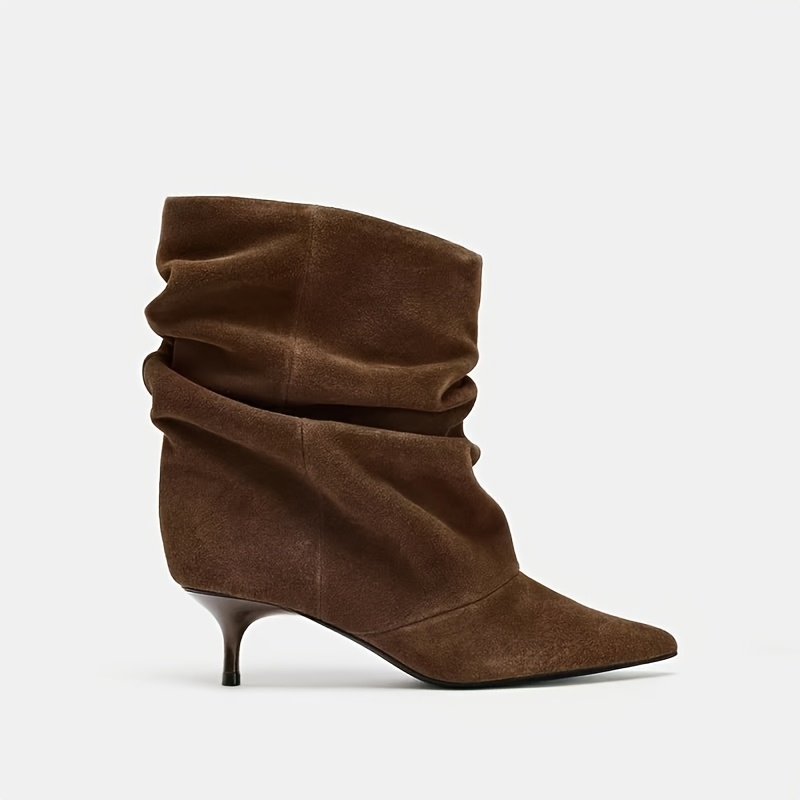
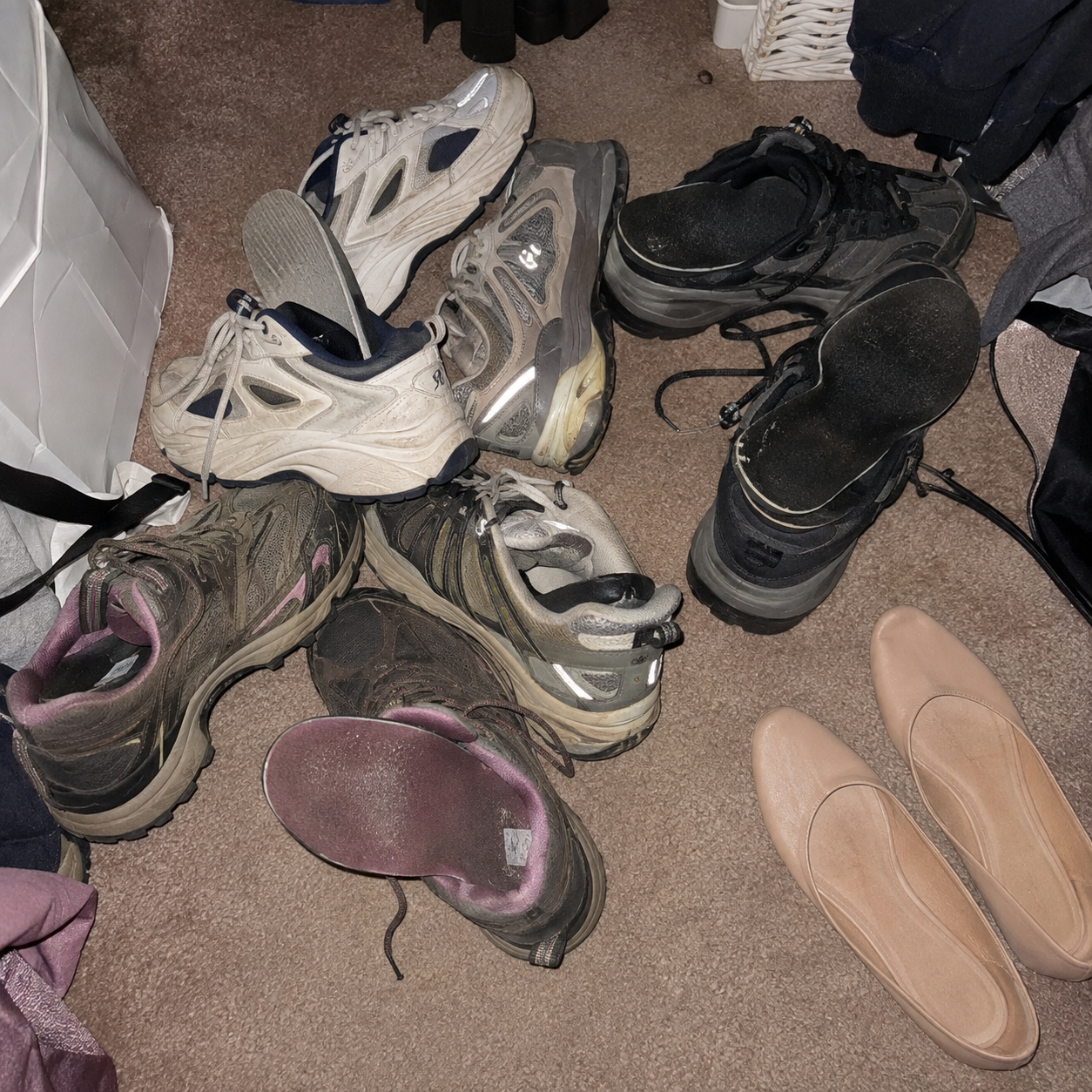
Charlotte Hartley Facebook ad: “Every woman with plantar fasciitis needs to read this.”
Ran for 5 days, from August 4 to August 9, 2026, the last day Crush saw it.
Run by Charlotte Hartley on Facebook. Crush is not the advertiser and does not verify its claims. See this ad in Meta's Ad Library(opens in a new tab)
Want an ad like this for your product?
Crush makes new ad images for your product from this ad: your logo, your product photo, your offer.
Trials from $19.95 USD, then $79.95 USD a month. Cancel anytime.
About this ad
- Meta Ad Library ID
- 1092968399720182
- Platforms
- Facebook, Instagram, Audience Network, Messenger and Threads
- Relaunches
- 0
- Niche
- Fashion & Apparel
Ad text
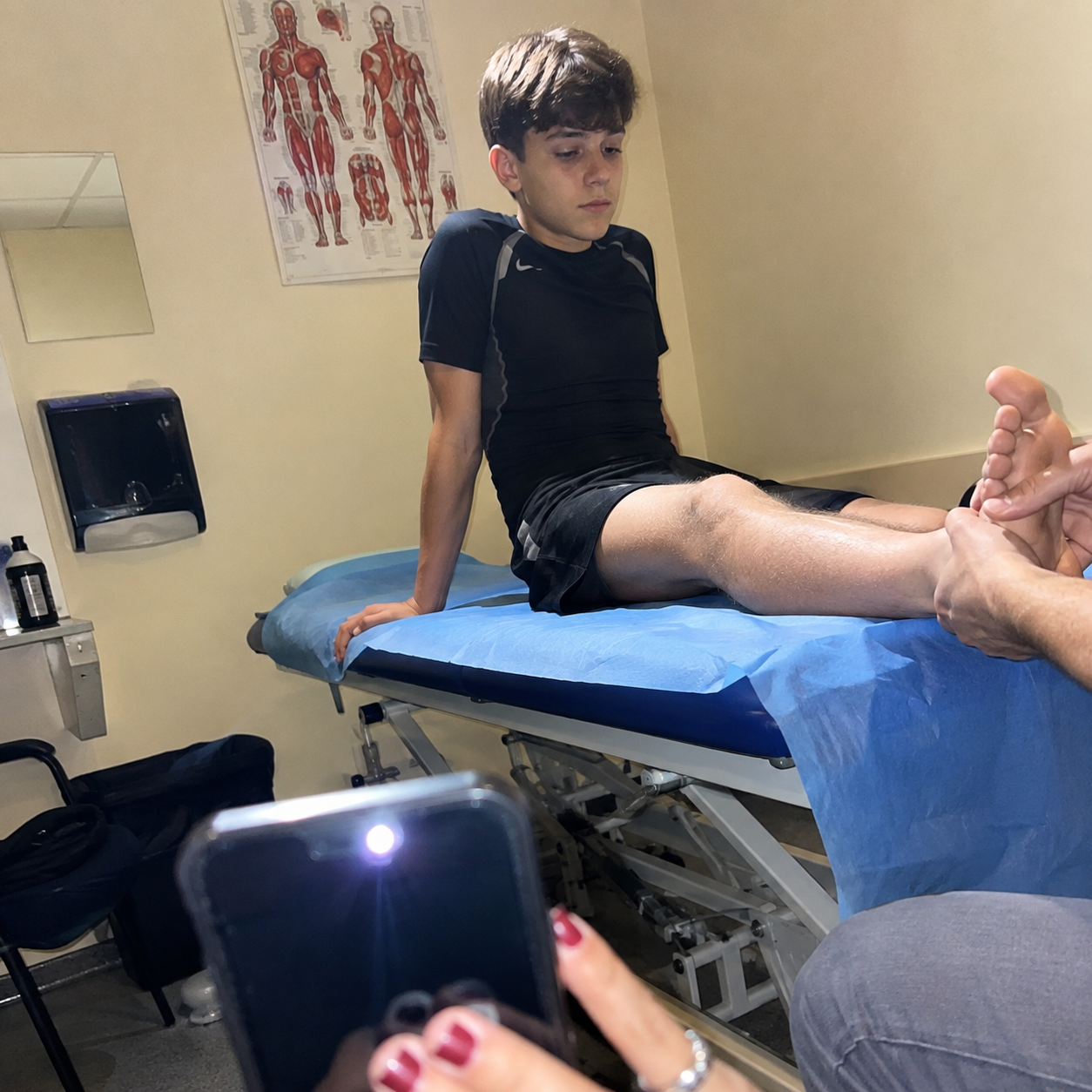
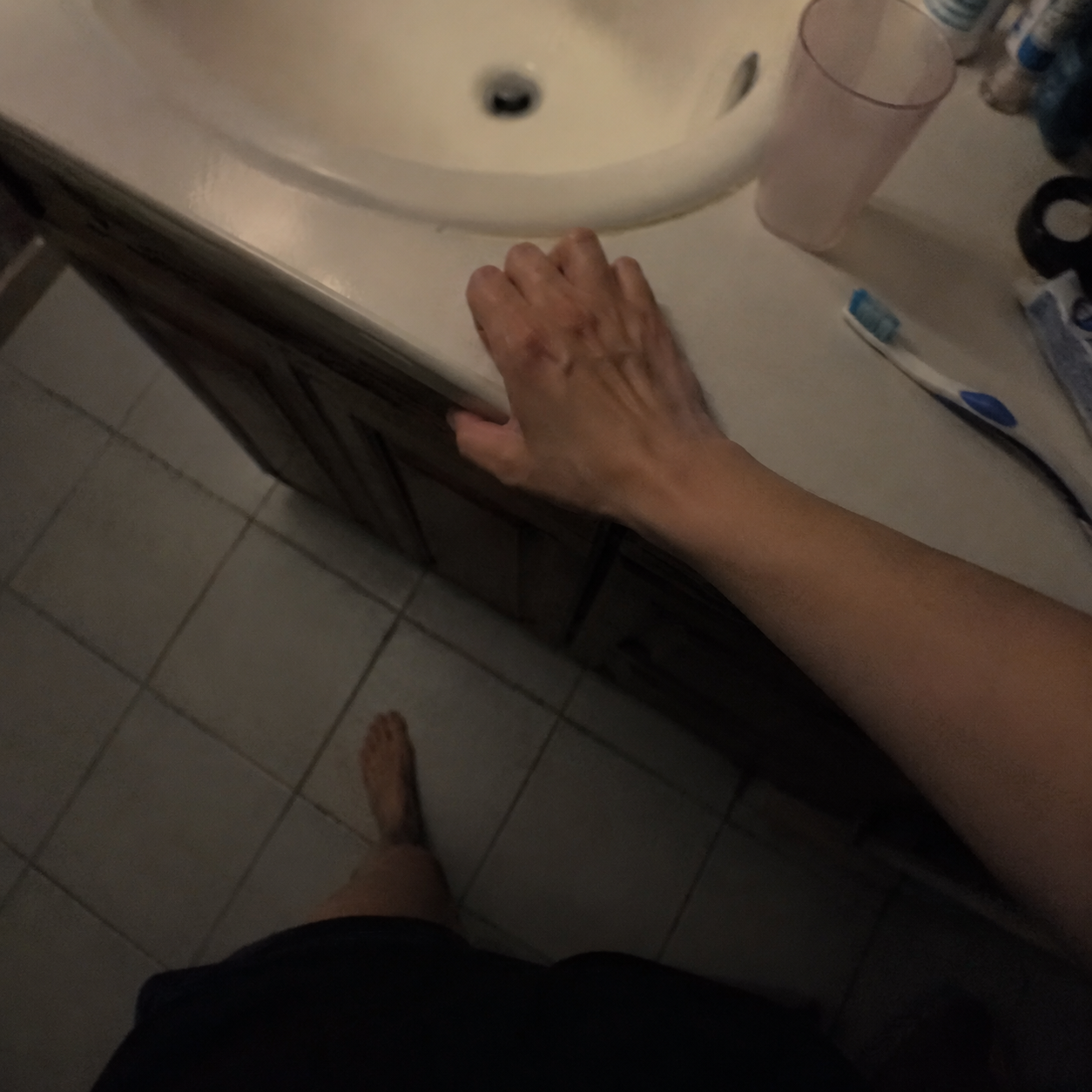
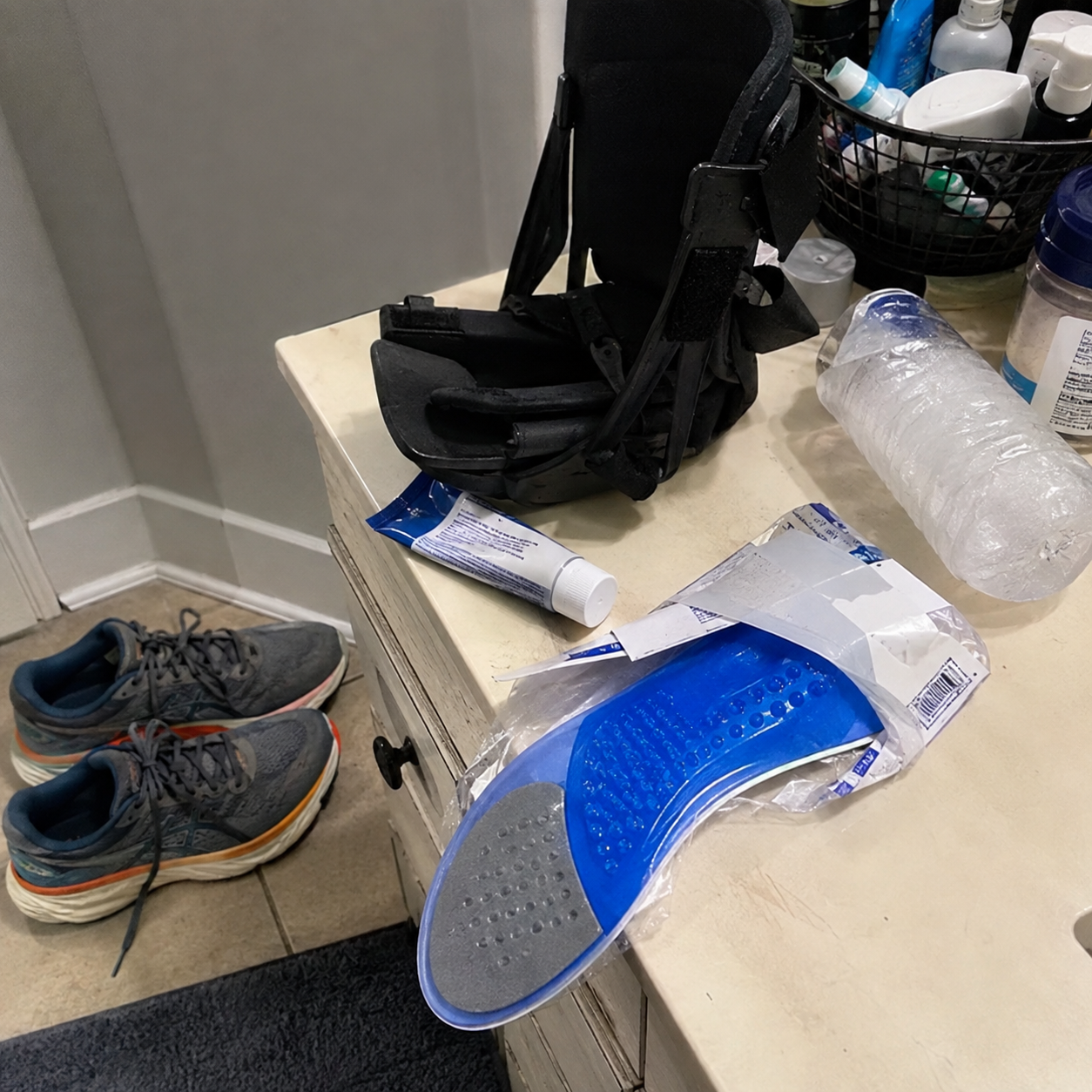
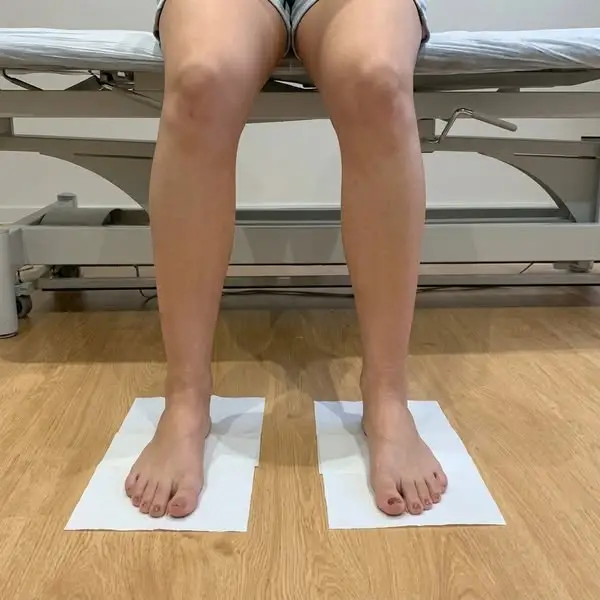
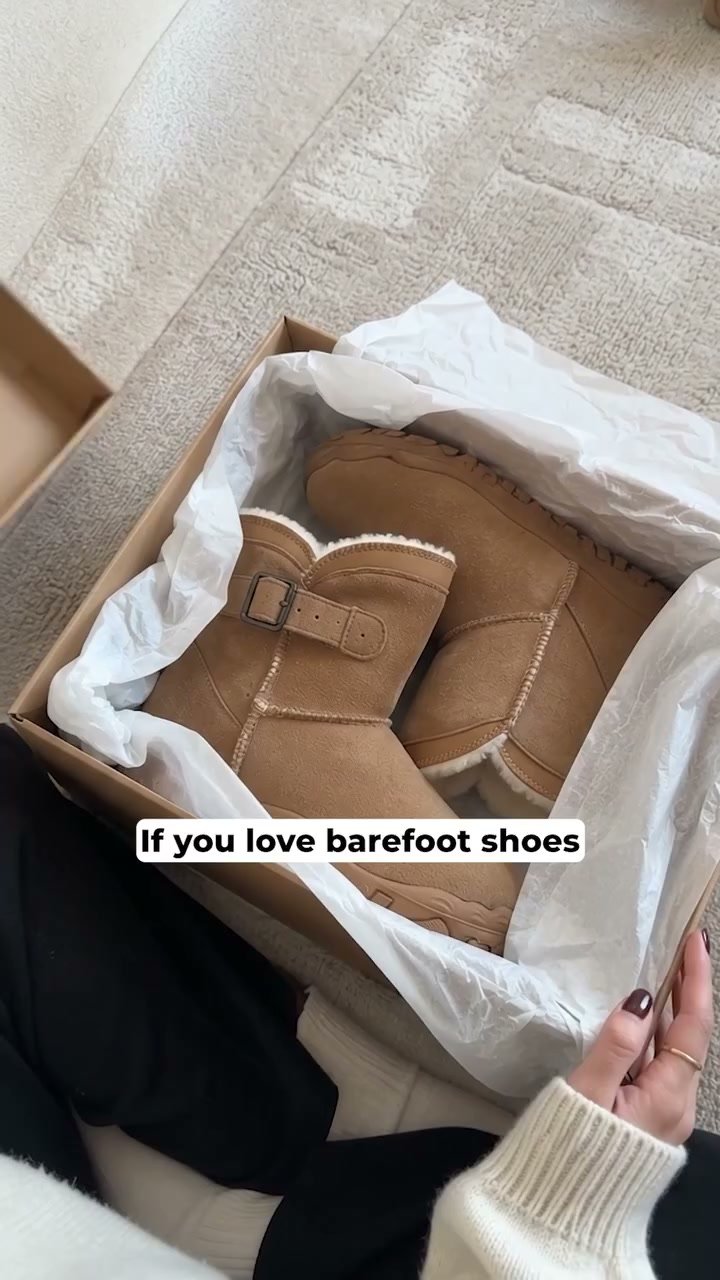
A physiotherapist accidentally cured my plantar fasciitis. He was treating my son's soccer injury. He said one sentence about my son's torn calf muscle and everything I'd believed about my own feet for two years fell apart. But I'll get to that. First I need to tell you what I was doing wrong, because you're probably doing the same thing right now. One. Your feet are getting worse, not better, and the shoes you keep buying are part of the reason. Two. Every "best shoe for plantar fasciitis" list on the internet is pushing shoes with the exact same design flaw that's keeping you in pain. Three. The shoe industry makes more money when your shoes stop working every three months than it ever would by actually fixing the problem. Let me tell you what happened to me, because it's probably happening to you right now. For two years, I "managed" plantar fasciitis the way everyone tells you to. Two years of drugstore gel insoles that felt fine for the first hour of my shift and did nothing by the time the stabbing started. Two years of a night splint that held my foot stretched while I slept and wore off the second my heel touched the floor in the morning. Two years of stretches, calf raises, frozen water bottles rolled under my arch on the couch, every single thing the internet promised, with no change. Two years of cortisone shots that bought me a few good weeks and then handed the pain right back. Two years of expensive orthotics that felt supportive for as long as I wore that one pair of shoes and meant nothing the moment I switched. And every time one of them failed, I'd go back online and pull up another "best shoes for plantar fasciitis" list. I bought what they told me to. The big cushioned trainers. The thick, high-support pair everyone swears by. The soft heel, the firm arch. I rotated through them like prescriptions. They felt incredible for about a week. Then my heels were back on fire by hour four of every shift. Here's the thing I never noticed, the thing it took a stranger to point out. Every single one of those fixes had one thing in common. The insole went under my foot. The splint strapped onto my foot. The shot went into my foot. The orthotic slid beneath my foot. Even the "best" shoes just wrapped my foot in more of the same. Not one of them ever changed the thing my foot was sitting inside all day. And it was getting worse, not better. That was the part I couldn't understand. I was doing everything right, everything the lists and the doctors said, and my feet were further gone than the day I started. The first step out of bed was the one I dreaded. My foot would hit the bathroom tile and it felt like the floor was made of broken glass. I'd grab the sink and wait for it to pass before I could stand up straight. By hour four of every shift, my heels were on fire. Not sore. On fire. I'd find reasons to lean on the counter, to carry the chart to the desk instead of standing with it, anything for a few seconds off my feet. I started walking with a limp on purpose, because I'd learned that if I stepped down normally the stabbing would come. So I rolled my weight onto the outside of my foot and hoped nobody noticed. I stopped standing in the shower too long. I stopped walking barefoot anywhere, even in my own kitchen. I scanned every wet floor at work, because I couldn't trust my own feet to land right. My next appointment was coming up, and I knew how it would go. The doctor would press on my heel, frown, and finally write the prescription for the custom orthotics I'd been putting off. Five hundred dollars I didn't have, for the same kind of thing that had already failed me five times. I had started to believe this was just my body now. Then, on a Tuesday, I took my son to a physiotherapist for a calf he'd torn at soccer. I wasn't there for me. I was the mom in the corner chair, scrolling my phone while a professional worked on my kid. He had my son's leg up, working the calf, explaining the injury to both of us. And then he said the sentence. He was talking to my son, not to me. He said, "The worst thing we could do now is baby this. If we just rest it and cushion it and keep it propped up, the muscle heals short and weak, and you'll tear it again the first hard game back. A muscle has to move and take load to come back right. Protect it too much and you only make it weaker." I don't know why it hit the way it did. I just sat there with my phone in my hand and felt something go cold. Because that was exactly what I'd been doing to my own feet for two years. Cushioning them. Propping them up. Babying them. And wondering why they kept getting weaker. I waited until he was wrapping my son's leg, and I asked him, a little embarrassed, "Can I ask you something that isn't about my son? I've had plantar fasciitis for two years and nothing's worked. Does any of what you just said apply to feet?" He looked at me for a second. "All of it does. Probably more than you want to hear." "The sole of your foot and your calf are the same chain," he said. "Your plantar fascia, your Achilles, your calf muscle, all connected, top to bottom. When your calf is tight and short, it pulls through the Achilles and yanks on the fascia under your heel all day long. That tension is a huge part of what tears it." "Okay," I said, "but my calves aren't tight." "They are. You just can't feel it, because something's holding them short for you. What's the heel like on the shoes you wear all day?" I thought about it. Every shoe I owned had a raised heel. Even the cushioned "supportive" ones. Especially those. "That raised heel is a little ramp," he said. "Stand on it ten, twelve hours a day for years and your calf never has to lengthen. So it shortens. It tightens. And it pulls on that fascia with every step. Your shoe is holding your calf in the exact shortened position I'm telling your son to avoid." "And the cushioning?" I asked. "That's supposed to protect my foot." "Same trap as babying the calf. Your foot has its own muscles, its own arch, its own shock absorbers. Wrap all of that in thick soft foam and they stop working, because the foam does their job. They go quiet. They weaken. And now there's nothing holding your arch up but that one cord, the fascia, carrying the whole load alone. So it fails. That's your plantar fasciitis. You didn't get weak feet by accident. Your shoes trained your feet to be weak." I told him everything I'd tried. The insoles, the splints, the shot, the orthotics, the "best" shoes off every list. He nodded slowly. "Every one of those went on your foot. Add a splint, add an insole, add support. More propping. More babying. The exact opposite of what the tissue needs. And not one of them ever changed the shoe keeping your calf short and your foot switched off in the first place. They were all treating your foot. None of them touched the cause." "Then why," I said, "does every list for plantar fasciitis tell you to buy more cushion and more support?" He almost smiled. "Because it feels good in the shop, it sells shoes, and most people never connect that the shoe is the thing doing the damage. Comfort and healing aren't the same thing. The most comfortable shoe in the store can be the one keeping you injured." "So what do I actually do?" "You need the opposite of everything you've been buying. Flat, so your heel drops level with your toes and your calf finally lengthens and the tension comes off the fascia. Wide, so your toes spread out and your arch gets its muscles back. Thin, so your foot can feel the ground, wake up, and start carrying its own weight again." I must have made a face, because he added, "I know what you've heard. People say barefoot-style shoes cause plantar fasciitis. They don't. People cause it, by going from forty years of propped-up feet to running five miles in flat shoes on day one. It's the same mistake I'm warning your son about. You don't sprint on a healing muscle. You walk. You stand. You let it take load a little at a time. Do it gradually and it's the best thing you can do for those feet." He didn't name a brand. He didn't sell me anything. He taped my son's leg, told me what to look for, and went back to his next patient. A man with no reason on earth to care what shoes I bought had just explained, in five minutes, what two years of doctors and "best shoe" lists never had. That night I did what I should have done two years earlier. I went looking for a shoe built the way he described. Flat. Wide. Thin. And I finally understood why nobody had ever pointed me here. There's no money in it. A shoe that lets your feet get strong is a shoe you stop needing to replace. The industry does far better selling you cushioned trainers that pack down and "wear out" every few months, with a fresh pack of inserts to go with them. A fixed customer is a bad customer. A managed one buys forever. Even among barefoot shoes, I learned, most are made cheap. The sole goes dead in a month and you're back to square one. One brand kept coming up as the one that got it right. neovely, the Solex. Truly flat, heel level with the toe. A genuinely wide toe box, not "wide-ish." A thin, flexible sole that lets your foot move and feel the ground. And, because I stand on wet hospital floors all day, a real non-slip outsole. And thirty days to put them through real shifts, not a lap around the living room. If they did nothing, I could send them back for every dollar, no questions asked. After two years of things that didn't work, one more honest try wasn't going to break me. I'll be straight with you. I expected nothing. I had trained myself to expect nothing. Day two: the first step out of bed was different. Not gone. But quieter. Less like glass. I didn't let myself believe it. End of week one: I made it through a full shift, and the hour-four fire that always stopped me cold just didn't stop me. I sat in my car in the lot afterward, not driving, just noticing that my feet weren't screaming. Week two: a coworker caught up to me in the hallway and said, "You're not limping." Almost like a question. I hadn't told a soul. Week three: I stepped off the curb outside the building without bracing for it. Just stepped down, the way you're supposed to. I stood on the sidewalk for a second feeling my foot land like a normal foot. I'm not too proud to admit my eyes stung. It was such a small, ordinary thing. Week four: my appointment. He did the pressure test, the one where they press the spots on your heel and arch and you tell them where it hurts. He started at the heel, moved to the arch, the inside edge. He stopped. Looked at his notes. Went back to the heel. "When did this change?" he asked. "About three weeks ago," I said. He ran it again, slower, and sat back with a look I'd never gotten from a doctor about my feet. Not concern. Closer to puzzled. "Your sensitivity is down from last time. Noticeably." I told him about the physio, and my son's calf, and the chain that runs from the heel to the calf. About flat, wide, and thin. About how the fascia was never the real problem, it was the shoe holding my calf short and switching my foot off. He typed while I talked. Asked me to spell the brand. Then he closed the laptop. "Whatever you're doing, keep doing it. We'll hold off on the orthotics." That was eight months ago. Most mornings now I forget I ever had it. The first step out of bed is just a step. I walk my shifts. I don't scan the floor anymore. I don't roll my weight onto the outside of my foot. I stand in the shower as long as I like. So here is what I need you to understand, if your feet are getting worse no matter what you buy. It isn't you. And it isn't bad luck. Every fix you've tried went on your foot. The insoles, the splints, the shots, the orthotics, and yes, every "best shoe for plantar fasciitis" on every list. They all added more cushion, more support, more propping, to the exact foot the cushion and the propping were busy weakening. Not one of them ever changed the shoe holding your calf short and switching your foot off with every step. You weren't failing the treatments. They were aimed at the wrong patient. They kept treating your foot and left the cause laced right onto it. That is the whole reason nothing ever lasted, and the whole reason it kept getting worse. Change the shoe, and your foot finally gets to do what my son's calf had to do. Move. Load. Rebuild. Heal. That's all the Solex is. Flat, so your calf lengthens and the tension leaves the fascia. Wide, so your toes and your arch come back. Thin, so your foot wakes up and carries its own weight. Non-slip, so you can do all of it on a wet floor without a second thought. Thirty days to try them on your feet, where it actually counts. If nothing changes, send them back and get all of it back. No questions, no fine print. After everything else, one fair try. But if it works? If by the second morning the first step is a little quieter? If by the end of week one you make it through a full shift without the fire stopping you? If three weeks from now you step off a curb without bracing for it? If a month from now a doctor is running the pressure test twice because something changed in a direction he didn't expect? You'll wish you'd stopped propping your feet up and changed your shoe two years ago. I know I do. 👉 https://neovely.com/products/solex-healthy-non-slip-barefoot-shoes Stop treating the foot. Change the shoe that's been causing it.
Where the ad sends people
neovely.com
Every woman with plantar fasciitis needs to read this.
✅ 100% Money Back Guarantee
Shop now: neovely.com(opens in a new tab)