Charlotte Hartley
Charlotte Hartley Facebook ad: “Every woman with plantar fasciitis needs to read this.”
Ran for 9 days, from August 2 to August 11, 2026, the last day Crush saw it.
Run by Charlotte Hartley on Facebook. Crush is not the advertiser and does not verify its claims. See this ad in Meta's Ad Library(opens in a new tab)
Want an ad like this for your product?
Crush makes new ad images for your product from this ad: your logo, your product photo, your offer.
Trials from $19.95 USD, then $79.95 USD a month. Cancel anytime.
About this ad
- Meta Ad Library ID
- 1731165397800755
- Platforms
- Facebook, Instagram, Audience Network, Messenger and Threads
- Relaunches
- 0
- Niche
- Fashion & Apparel
Ad text
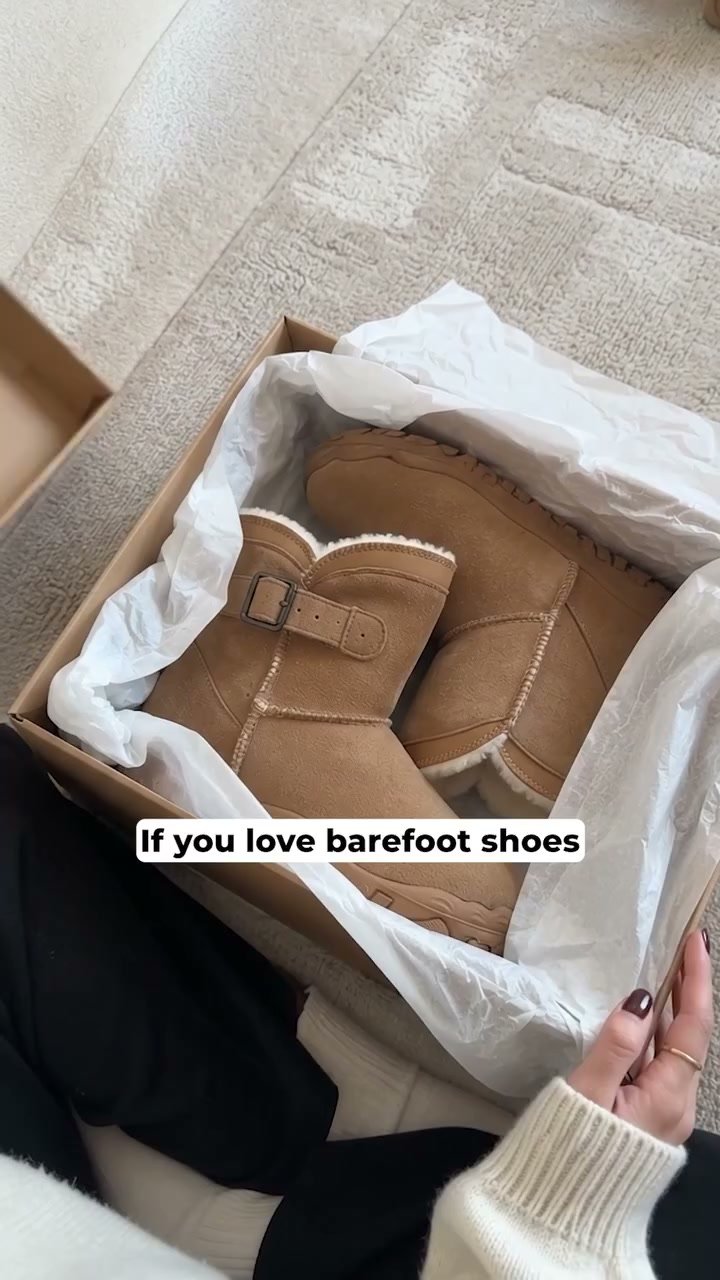
I have been a podiatrist for 17 years. And if your feet feel like you are walking on broken glass... I am about to tell you exactly what they are hiding from you and why they will never tell you the truth. And by the end of this, you are going to be furious. My name is Dr.Charlotte. Board-certified podiatrist and foot and ankle specialist. Seventeen years treating plantar fasciitis, chronic heel pain, and persistent foot pain that nobody could fix. And I am breaking ranks with my own profession to tell you this. Because there are three things happening right now. One. Your feet are screaming at you that something is structurally wrong. Two. The medical system is gaslighting you into thinking you just need to rest when they know you cannot. And three. There is a billion-dollar shoe industry that profits every single day you stay in pain and keep buying their cushioned replacements. So let me tell you what happened with one of my patients. Because her story is going to show you how badly this system is failing people like you. Her name was Sarah. 34 years old. Pediatric nurse. For two and a half years, she dealt with this. Her heels screaming from the moment she stepped out of bed. By hour three of her twelve-hour shift, every step on that hospital floor felt like walking on shattered glass. She had been the nurse who never sat down, never complained, outworked everyone on the unit, and suddenly she was the one hiding in the supply closet stretching her calves and trying not to cry. By the end of every shift, she was limping to her car. The pain was so bad she could barely press the gas pedal on the drive home. She would collapse on the couch and not move until the next morning when the whole thing started over. She stopped going to the gym. Stopped taking her son to the park. Started making excuses to avoid anything that required her to be on her feet outside of work. And the pain on top of everything else. A stabbing in her heel every morning that faded into a deep, burning ache across her entire arch by mid-shift. She described it as someone driving a nail through the bottom of her foot with every single step, hour after hour. And here is what makes me sick to my stomach. She came through my office. Multiple doctors. Her GP. An orthopedic surgeon. Me, the podiatrist. Thousands of dollars in appointments, imaging, cortisone injections, custom orthotics. And you know what every single one of us told her? "Your x-rays look fine." "It is just plantar fasciitis. It takes time." "Get more supportive shoes." "Try these custom orthotics." Try these custom orthotics. This woman could barely walk by the end of her shift and we were selling her a five-hundred-dollar plastic insert and telling her to rest more. Rest. A nurse working twelve-hour shifts on concrete to feed her kid. Rest. Then we put her in the most cushioned shoes we could find. Hokas. Brooks. Two hundred dollars a pair. You know what happened? The first few days felt better. The foam absorbed some of the impact. She thought she had finally found the answer. And by week three, the cushion compressed. The pain came back. Same place. Same intensity. Sometimes worse. The shoes softened the landing. But the tearing in her fascia did not stop. The morning stab did not go away. I watched this woman do everything I told her, spend thousands of dollars, wear my orthotics, buy my recommended shoes, and get worse. Not better. Worse. And I did not understand why. Until a biomechanics researcher stopped me in my tracks at a conference and taught me more about plantar fasciitis in thirty minutes than I had learned in two decades of podiatry training. September 2023. Boston. The Annual Foot and Ankle Biomechanics Symposium. I was standing alone during a coffee break, shifting my weight from heel to heel, trying to relieve the familiar stabbing in my own feet. Because eight months earlier, my own plantar fasciitis had started. And nothing I had been prescribing to patients for seventeen years worked on me either. That is when I noticed him. Dr. James Harmon. Biomechanics and gait researcher. Standing for hours in the exhibit hall. Thin-soled shoes. No orthotics. Walking freely across the hard convention center floor like it was nothing. No limp. No shifting. No visible discomfort after a full morning on his feet. I walked over. "Excuse me. You have been standing all morning on this concrete. How are your feet not killing you?" He smiled. The kind of smile that knows something you do not. He looked down at my thick, cushioned shoes and did not need to ask. "Dr. Charlotte, may I show you something? It will take thirty minutes. But it will change how you understand plantar fasciitis completely." He pulled out a notepad and drew a simple diagram of a foot inside a shoe. "Your treatment model treats plantar fasciitis as a tissue problem at the heel. So you cushion it with foam. Brace it with orthotics. Inject it with cortisone. That is like icing a bruise while someone keeps hitting you in the same spot. You are treating the impact site. Not the thing causing the impact." He tapped the notepad. "This is not a heel problem. It is a calf problem. And the reason your treatments are not working is because you are treating where it hurts. Not what is making it hurt." Here is what is actually going on. Every shoe you have ever worn has a raised heel. Even the ones that look flat. There is a ramp built into the sole that tilts your foot forward, and you have been standing on that ramp for years without knowing it. Standing on that ramp slowly shortens your calf muscle. A shortened calf pulls on your Achilles tendon. Your Achilles pulls directly on your plantar fascia. Your fascia is not being crushed from below by the concrete. It is being torn apart from above by your own calf. And the pain comes from that constant pull. The fascia straining under tension every single step, being pulled at one end and pinned at the other, tearing microscopically with every shift. But here is what nobody ever told me in two decades of podiatry training. The cushion and foam in every supportive shoe are doing the work your foot's own muscles are supposed to do. When your foot sinks into foam all day, the intrinsic muscles of your foot, the ones that hold your arch, stabilize your gait, and distribute load, go to sleep. They atrophy. They stop working. Your fascia ends up holding your entire arch alone. Under your full body weight. On concrete. For ten hours. With zero muscular support. And here is the part that made my stomach drop. Every supportive upgrade I had been prescribing, more cushion, higher heel, stiffer orthotic, was making both problems worse at the same time. More heel lift shortened the calf further. More foam put the foot muscles deeper to sleep. I was not treating plantar fasciitis. I was feeding it. And charging my patients for the privilege. "But here is the critical piece," he said. "You cannot fix this with a night splint or a morning stretch or a cortisone shot. Those address the tissue after the damage is done. The damage is happening during the shift. Every step on that raised heel is another micro-tear. The only way to stop the tearing is to remove the ramp and wake the muscles back up, while she is standing on them." He leaned forward. "A zero-drop sole, same height from heel to toe, lets the calf finally lengthen and stop pulling on the fascia. A thin, flexible sole with a wide, foot-shaped toe box wakes the intrinsic foot muscles back up so they start carrying the arch load again. The fascia stops doing everything alone. And because the fix happens while she stands and works, not while she rests, every shift becomes recovery instead of damage." Then he said something that put everything into focus. "The reason rest never works for these patients is that rest is not what they need. They rest overnight, the fascia partially heals, and then they put on the same ramped, cushioned shoe the next morning and tear it again by lunchtime. The math never balances. But if you remove the ramp and wake the muscles up, the body can finally heal faster than it is being damaged, without missing a single shift." I sat there thinking about every patient I had put in Hokas and custom orthotics. Adding more heel lift. Adding more cushion. Shortening their calves further and putting their foot muscles deeper to sleep with every upgrade I recommended. Here is what makes my blood boil. The biomechanics community has understood this for years. The research on heel-to-toe drop and intrinsic foot muscle atrophy is published. But the connection between raised heels, calf shortening, and chronic plantar fasciitis? Nobody is making that connection in a clinical podiatry setting. Because there is no profit in it. Shoe companies cannot sell you a two-hundred-dollar replacement every three months if they build a shoe that actually fixes the problem. Podiatrists cannot sell you five-hundred-dollar orthotics if the solution is a shoe that lets your foot work the way it was designed to. The money is in keeping you in shoes that cushion the pain after the tearing happens. Not in stopping the tearing in the first place. Every shoe I had recommended for seventeen years added more of the two things causing the problem. Not one of them addressed what was happening at the calf. After that conversation I went looking for a shoe that matched what the research pointed to. Zero drop. Thin, flexible sole. Wide toe box. Slip-resistant for hospital and warehouse floors. Most shoes I found had one or two but not all four. Zero-drop running shoes with no slip resistance. Wide toe box sandals with no workplace durability. Minimalist shoes too flimsy for a twelve-hour shift on concrete. Until I found the Neovely Solex. A barefoot-style work shoe built around exactly the mechanism Dr. Harmon had described. Not a cushioned shoe. Not an orthotic. Something that actually removed the heel ramp, woke the foot muscles back up, and let the fascia stop carrying the arch alone, while being slip-resistant enough for hospital floors and durable enough for a full shift. When I looked at the construction it mapped directly onto what the research pointed to. They understood the mechanism. They built the shoe to match it. I started wearing them myself first. Week 1: Wore them to the clinic every day. The morning stab when I stepped out of bed was noticeably less by day five. Not gone. But less. Day 10: Got through a full day of patients without once reaching for ibuprofen. Week 4: Pressed into my heel first thing in the morning, the spot that used to make me wince. Tender, but the sharp tearing sensation was gone. Week 8: Walked from my car to the clinic on concrete, stood for a full day, and drove home. No limp. No icing. First time in over a year. Then I called Sarah. And every other patient I had failed. "I need to tell you something. The shoes and orthotics I prescribed were wrong. I was cushioning your heel when I should have been lengthening your calf and waking your foot muscles back up. I did not know the difference. But I do now." Sarah, week 6: "Dr. Charlotte, I finished a twelve-hour shift yesterday and walked to my car like a normal person. I have not done that in two years. I almost called you from the parking lot." The morning stab? Gone by week five. She took her son to the park. Started going to the gym again. Stopped counting the hours until she could sit down. She got her shifts back. This is the mechanism they do not want you to know about. Because the second you address the calf shortening and wake your foot muscles back up, you do not need their cushioned shoes anymore. You do not need their five-hundred-dollar orthotics. You do not need their cortisone injections. Your calf stops pulling on the fascia. Your muscles start carrying the arch again. The tearing stops. The pain follows it. And here is what I need you to understand about timing. Calf shortening compounds over time. The longer your calf has been tightening and your foot muscles have been asleep, the harder it is to reverse. Early cases respond faster. Longer-term cases take more time and see slower results. If you have been dealing with this for over a year, do not wait longer. If you have been dealing with heel pain that feels like broken glass, arches that burn by mid-shift, feet that make you limp to your car at the end of every day, and nothing has worked, it is not because you are standing too long. It is not because you need more cushion. It is because the heel lift in your shoes has been shortening your calf and the cushion has been putting your foot muscles to sleep. And nobody is telling you. The Neovely Solex has a 60-day money-back guarantee. If they do not work, you pay nothing. And honestly? Even if you are skeptical, try them for a month. See if your feet respond the way mine did. The way Sarah's did. Because the shoe industry is not coming to save you. They profit too much from selling you cushioned replacements every three months that feed the exact problem you are trying to fix. A biomechanics researcher taught me more in thirty minutes than I learned in two decades of practice. It is about time I passed that lesson on. Go get them. P.S. I have stopped prescribing cushioned shoes and rigid orthotics as a first-line treatment for plantar fasciitis in my practice. I recommend addressing calf length and foot muscle activation first. My colleagues think I have lost my mind. But my patients are walking out of their shifts instead of limping. P.P.S. The cushion your shoes are adding to absorb impact is just putting your foot muscles deeper to sleep while the heel lift keeps shortening your calf. You are padding the landing zone while something tears you apart from above. Stop padding the landing. Stop the tearing. P.P.P.S. Sarah: "Two and a half years of orthotics and cortisone and cushioned shoes and my feet never got better. Two months in these and I finished a double shift without crying in my car. I wish someone had told me sooner."
Where the ad sends people
neovely.com
Every woman with plantar fasciitis needs to read this.
✅ 100% Money Back Guarantee
Shop now: neovely.com(opens in a new tab)