Claire Goodwill
 Facebook ad: “They said she couldn’t handle the hills. She was at the…”
Ran for 3 days, from October 12 to October 15, 2026, the last day Crush saw it.
Run by Claire Goodwill on Facebook. Crush is not the advertiser and does not verify its claims. See this ad in Meta's Ad Library(opens in a new tab)
Make your own version of this ad
Crush makes it, launches it in your own Meta ad account, scales the winners and pauses the losers.
About this ad
- Meta Ad Library ID
- 1095805449717708
- Platforms
- Facebook, Instagram, Audience Network and Threads
- Relaunches
- 0
Ad text
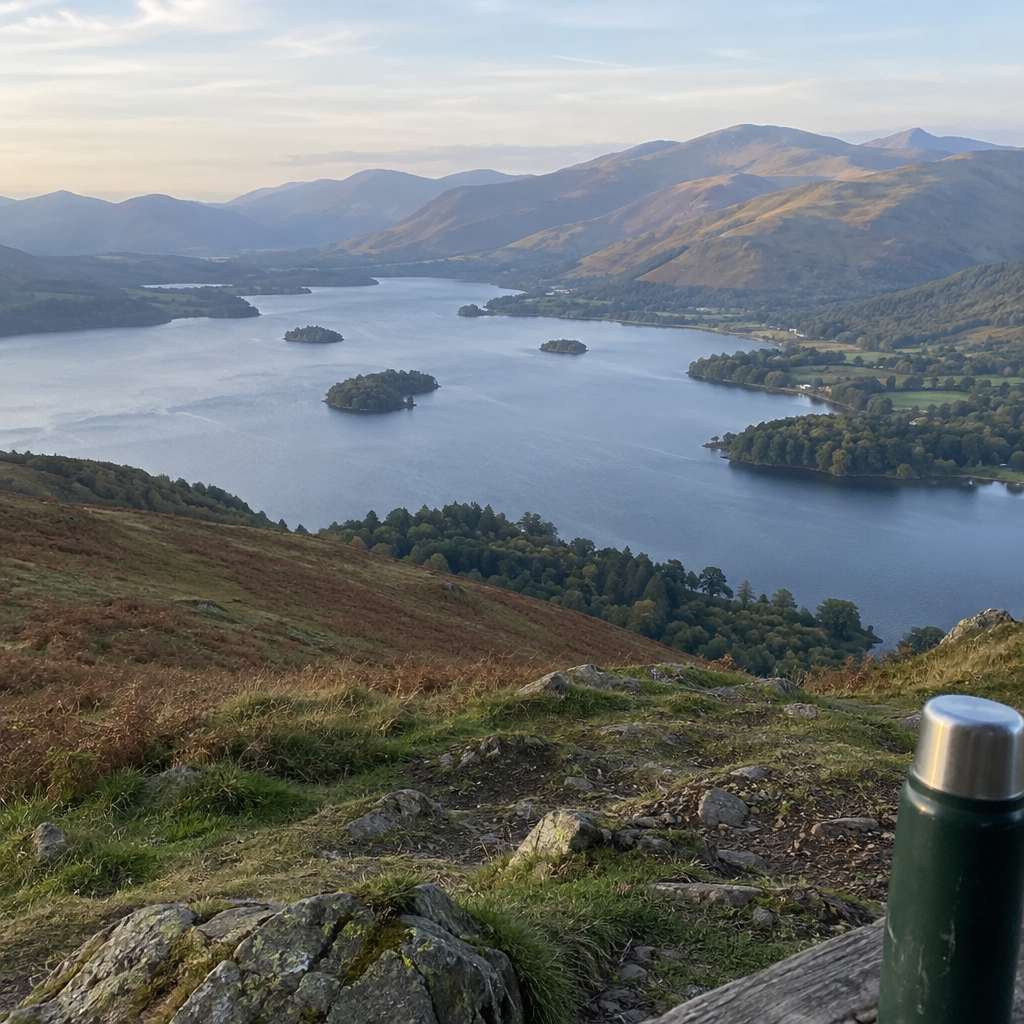
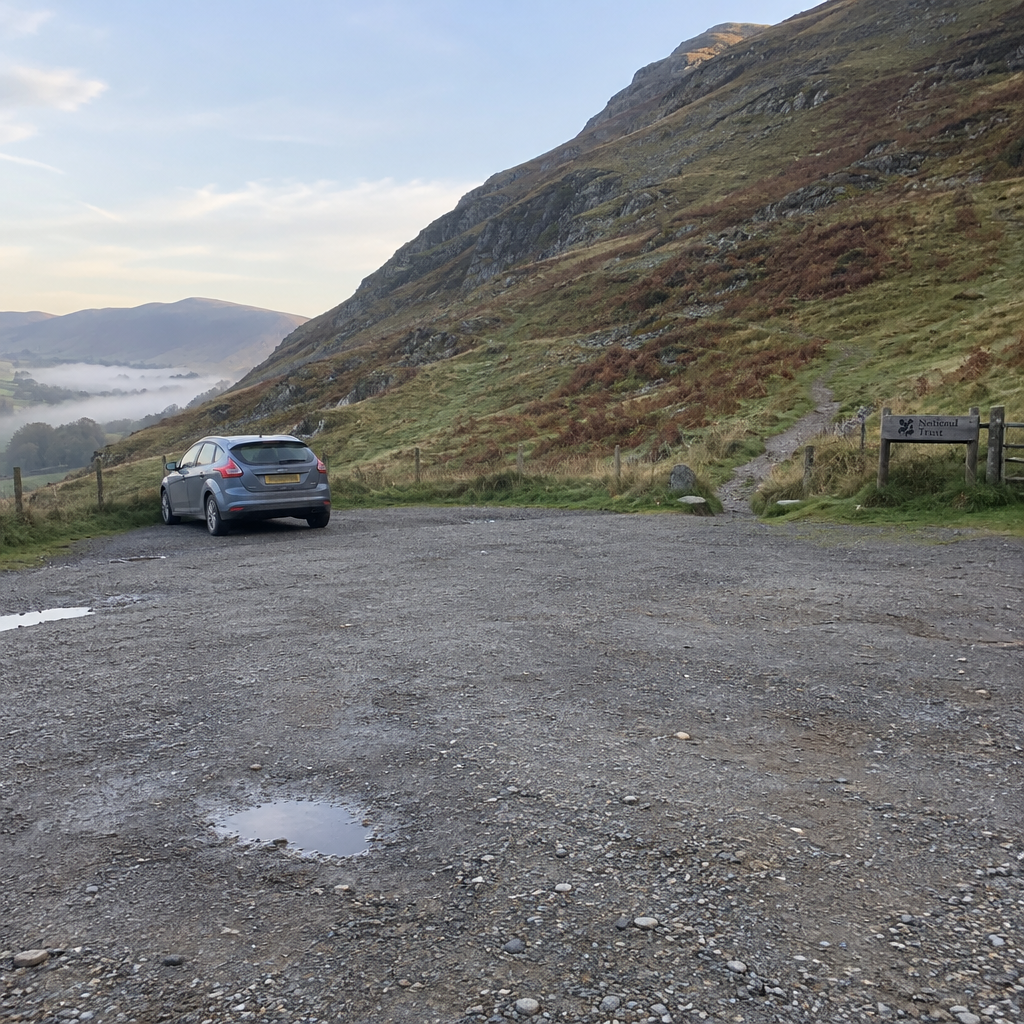
Every September for 14 years I planned our walking weekend in the Lake District. The routes. The cottage. The pub stops. This year they went without me. Not because they told me. Because Karen posted photos in the group chat on a Saturday morning and I was looking at 4 women standing on top of Catbells in the sunshine and I wasn’t one of them. Karen and I have been friends for 18 years. She and Diane, Pam and Louise. Four of us. Every September without fail. I’m the one who finds the cottages, maps the walks, knows which paths get boggy in the rain and which pubs do a proper lunch and aren’t full of tourists. I’ve walked every major route in the Lakes. Catbells, Helvellyn, the Langdale Pikes. I’ve led us over Striding Edge in sideways rain and found us a fire and a bottle of red on the other side. That weekend was mine. I built it. Every year. And this year they stood on my favourite summit and took a photo without me. I called Karen that afternoon. “Oh, Sue.” That voice. The gentle one. The one that sounds like kindness but feels like a door closing. “It was really last minute. Diane had a free weekend and we just thought, why not. And honestly, we didn’t want to put you in a difficult position.” Difficult position. “With your heart thing, Sue. We didn’t know if you’d be up to it. And we didn’t want you to feel like you had to say yes and then struggle.” My heart thing. 6 months earlier my GP had told me my cholesterol was “significantly raised.” She’d printed me a leaflet about fats. She’d mentioned statins. She’d told me to come back in 6 months. I’d mentioned it to the group at dinner one night because that’s what you do with friends you’ve had for 18 years. You tell them things. Within a week it had become “Sue’s heart thing.” Karen started watching what I ate. If I reached for bread she’d do this little look. Not mean. Just a look. Diane sent me an article about women and heart attacks that started with the sentence “you could be next.” Louise asked if I was “allowed” wine at the Christmas meal. My cholesterol result had become public property. And everyone had decided, without asking me, what it meant. It meant Sue was fragile now. Sue needed to be managed. Sue couldn’t handle the hills. Karen kept going on the phone. “But listen, we’re definitely doing a proper one next September. The full weekend. And we’d love you to find us a cottage and put the walks together. You’re so brilliant at that, Sue. Nobody finds the routes you find.” So. I’m not well enough to walk Catbells. But I’m well enough to plan the walk for the people who went without me. I said “sure, Karen. I’ll put something together.” Then I hung up and sat in my kitchen for a very long time. Two weeks later, Karen invited me round for dinner. “Just the four of us. Nothing fancy.” I showed up at 7. The table was set properly. Candles. The good glasses. Everyone already seated. They were exchanging looks when I walked in. After the main course, Karen cleared her throat. “Sue, we’ve been talking. About next September.” My stomach dropped. “We think it might be a good idea to do two levels of walk each day. A harder route and an easier one. So nobody feels pressured to keep up if they’re not feeling it.” She looked around the table. Diane nodded. Pam was looking at her plate. “The easier route would still be gorgeous. Still the Lakes. Just, you know, less elevation. Flatter. More manageable.” She was building me a retirement. In the walking group I’d led for 14 years. Louise leaned forward. “You were really slow on Loughrigg last year, Sue. We didn’t say anything because we didn’t want to embarrass you. But we waited at the top for nearly 40 minutes.” 40 minutes. She’d timed it. “And you were out of breath the whole way up. And at dinner that night you were asleep by half 8. Literally at the table.” She had dates. She had details. She’d been keeping score. Karen put her hand on my arm. “We love you, Sue. You know that. But we don’t want you to hurt yourself. Not with your heart thing. And honestly, we’d feel responsible if something happened on the fell and we were an hour from the nearest road.” Responsible. I looked at Karen. At this woman whose walks I’d mapped. Whose pubs I’d found. Whose cottage I’d booked every year for 14 years. “I understand,” I said. I drove home. I didn’t cry. I was past that. I sat in the kitchen with the lights off and my hands around a cup of tea that went cold. They didn’t know what I’d already done. The week after Karen called me about the cottage, before the dinner, before Louise’s speech, I’d booked my own place for the same weekend. A cottage in Borrowdale. 5 minutes from theirs. A little higher up the valley, with a view of the fell I’d climbed 11 times. I was going to show up and walk every route I’d planned for them. Same paths. Same summits. Same pubs. But after that dinner, it was different. Now I wasn’t just showing up. I was proving something. To Karen, who decided I was fragile without asking me. To Louise, who’d been counting the minutes I was slow. To every woman at that table who’d nodded along while they reorganised my walking group around my decline. But I needed to show up right. And here’s the part I sat with in the dark for a long time. If I showed up the way I was, they’d be right. I’d be slow on the hill. I’d be asleep by 9. I’d stand at the bottom of the climb and every one of them would watch me prove their point. Because Karen wasn’t entirely wrong. I’ll tell you what I hadn’t told her. I was exhausted. I’d been exhausted for 2 years. Not tired. Exhausted. The kind where you sleep 8 hours and wake up feeling like you haven’t slept at all. Where getting out of bed takes 10 minutes of lying there convincing your body to move. My legs felt heavy on the stairs by lunchtime. Not painful. Just thick. Like they were filled with something that didn’t belong there. My ankles swelled every evening. My rings were tight by noon. My face was puffy in every photo and I’d started doing that thing where you offer to take the picture so you’re not in it. I had brain fog so thick I forgot the name of the pub in Grasmere I’d been going to for 11 years. Just stood there in the car park staring at the sign trying to remember. The 3 PM crash was the worst. Every afternoon, like a wall. I’d be fine at 2 and by 3 I could barely keep my eyes open. By the evening I was done. Couch. Telly. Asleep by 9. I’d been to the GP twice about the tiredness. Once she said it was probably perimenopause. Once she said it was stress. Both times she said my bloods were “fine apart from the cholesterol.” Fine. My body was falling apart and everything was fine. So I did what everyone does. I bought things. Fish oil from Boots. £8.99 a month. Two years of it. Didn’t move the number. Didn’t touch the tiredness. Made me burp fish until lunch. A turmeric supplement my friend Diane swore by. £29 a box. Nothing. Plant sterol tablets. Magnesium. A multivitamin. CoQ10 because I read somewhere it helps the heart. A “heart health” supplement from Amazon with 4,000 reviews and a label covered in red hearts. None of it did anything. Every single one promised everything and delivered 2 weeks of maybe feeling slightly better before it all came back exactly the same. My bathroom shelf looked like a pharmacy. And every morning I stood in front of it swallowing pills that weren’t working, feeling the same way I’d felt the morning before. 5 months until September. I called my sister Jenny in Bristol. She’s 60. She’d had the same thing 2 years earlier. Cholesterol raised. GP said cut the fats, mentioned statins, printed the leaflet. The difference is, Jenny’s numbers had come down. Properly. Without the statin. Without the leaflet. Without any of the things on my bathroom shelf. I’d asked her about it at the time and she’d said “I’ll tell you when you’re ready.” I thought she was being dramatic. I was ready now. She came up the following weekend. Sat at my kitchen table with a cup of tea and talked for an hour. She said the thing that changed everything. “Your GP is watching your cholesterol number. That’s all she’s watching. She sees the number go up, she says cut the fat or take the pill. The number is the whole conversation. But the number isn’t the problem. The number is what happens because of the problem.” She asked me to think about a garden hose. When the hose is new, the inside is smooth. Water flows through easily. After years of use, the inside of the hose starts to crack. Gets rough. Gets stiff. Scale builds up on the rough patches. The flow gets slower. The pressure builds. “That’s your blood vessels,” she said. “The inside lining has been breaking down for years. Getting rough, getting inflamed, getting stiff. And once it’s rough, the cholesterol in your blood starts catching on it. It snags. It sticks. It hardens. Plaque builds up. The vessels get stiffer and narrower.” She tapped the table. “That’s not a cholesterol problem, Sue. That’s a damaged lining problem. The cholesterol is what gets caught. The rough lining is what catches it. And everything your GP told you to do, everything on your bathroom shelf, all of it is aimed at the cholesterol. None of it touches the lining.” I thought about the fish oil. The plant sterols. The turmeric. 2 years of supplements aimed at the number. Nothing aimed at the surface underneath it. “Your body has two problems,” Jenny said. “The lining is damaged and catching everything that comes through. And the liver is pumping out too much cholesterol that keeps feeding the buildup. You need to heal the lining AND turn down the supply. Two jobs. Nothing on your shelf does either one properly.” She told me about two compounds she’d found in Scandinavian cardiovascular research after her own diagnosis. Both from the same source. Antarctic krill. The first is a natural antioxidant called astaxanthin. It goes to the damaged lining of the blood vessels and calms the inflammation. Helps the cracks heal. Helps the vessels relax and open up again. Doesn’t touch the cholesterol number. Fixes the surface that’s been catching everything for years. The second is the omega 3 fatty acids from the same krill, in a form that actually gets absorbed. The fish oil I’d been taking for 2 years was in the wrong form. Barely any of it made it through. This form is bound to the same material your cell walls are made of. It reaches the liver and tells it to slow down excess cholesterol production. Less cholesterol flooding through. Less to catch on the lining while it heals. One fixes the hose. The other turns down what’s been running through it. “The fish oil didn’t fail because fish oil is a bad idea,” Jenny said. “It failed because it was in a form your body couldn’t use. No astaxanthin. No protection for the lining. It was like posting a letter to the wrong address for 2 years and wondering why nobody wrote back.” She pulled a pouch out of her bag. Dark red softgels. Caliora. Real Antarctic krill oil. 2000mg. Cold processed so the structure stays intact. Astaxanthin still in the oil. Third party tested. “Two softgels with breakfast,” she said. “That’s it. That’s what I’ve been doing for 18 months. My cholesterol dropped from 5.6 to 3.1. My GP asked what I’d changed. I told her. She wrote it down.” I looked at the pouch on my kitchen table and I thought about my bathroom shelf. All those bottles. All that money. All those 2 week improvements that disappeared. I started the next morning. I didn’t tell Karen. I didn’t tell Diane. I didn’t tell Louise. I didn’t tell anyone. By week 2 the 3 PM wall was gone. I was getting to the evening with energy I hadn’t felt in years. Not buzzy energy. Just normal. The kind where 7 PM doesn’t feel like midnight. By week 3 I was sleeping through the night. And waking up actually rested. I lay there one morning realising I’d just opened my eyes and sat up. No 10 minute negotiation with my own body. No heaviness. Just up. By week 4 Paul noticed. He said I looked different. Not thinner. Less puffy. He said the colour was back in my face. My rings fit again. My ankles were normal at the end of the day. By week 6 I walked up the hill near the school, the one I’d been driving around for months because it made my legs burn, and I got to the top without stopping. I stood there slightly out of breath and slightly emotional and I thought about Catbells and I thought about Karen and I thought about September. At week 8 I went for bloods. My cholesterol had dropped from 5.4 to 3.1. My GP looked at the screen. Looked at me. Back at the screen. She asked what I’d changed. I told her. She wrote it down. I drove home and I didn’t call anyone. I opened my laptop and started planning routes. Catbells. Haystacks. The Langdale Pikes. The ridge walk from Helvellyn that I’d led them over 4 times. Every route at full elevation. No “easier option.” No “flatter alternative.” I printed them and put them in a folder. My folder. For my weekend. September. Borrowdale. I arrived Friday afternoon. Their cottage was down the lane. I could see Karen’s car. I unpacked. I made tea. I laced up my boots, the same ones I’d had for 9 years, and I walked down to the lake before the sun went. Saturday morning I was at the Catbells car park at 8 AM. They arrived at half past. Karen first. Diane behind her. Louise and Pam getting out of the back. Karen saw me and stopped. “Sue? What are you doing here?” “Walking Catbells. Same as you.” She looked at Diane. That look. The one where everyone knows something you don’t. “Are you sure that’s a good idea? It’s quite steep today, the path’s been—” “I’ll see you at the top,” I said. And I started walking. I didn’t rush. I didn’t push. I just walked. The same pace I’ve walked that fell since I was 42. The first section is gentle. The second section kicks up. The third section is the scramble, the bit where your hands go down and your legs do the work and you can feel every year you’ve been alive. I went up without stopping once. At the top I sat on the bench facing Derwentwater and got my flask out. 14 minutes later, Karen appeared. Red in the face. Breathing hard. She leaned on the cairn. “God,” she said. “That gets harder every year.” She looked at me. Sitting there. Flask in hand. Breathing normally. “You’re not even out of breath.” “No.” Diane arrived 6 minutes after that. She sat down on the ground and didn’t speak for a while. Louise was last. 11 minutes behind Diane. The woman who’d timed me at 40 minutes slow on Loughrigg was now the last person to the summit. She didn’t look at me. She didn’t need to. I poured her a tea from my flask. That afternoon we walked Haystacks. My route. The one I’d mapped with the waterfall stop and the lunch spot overlooking Buttermere. I was at the lunch spot first. I’d set out the sandwiches and the flapjacks and found the flat rock that faces the water by the time they arrived. Karen sat down heavily. “How are you doing this,” she said. “You’re actually ahead of all of us.” “I always was, Karen. I planned these routes for 14 years.” She didn’t say anything to that. That evening I walked into the pub in Rosthwaite. Their pub. The one I’d booked for them 6 years running. The landlord saw me and came round the bar. “Sue! Haven’t seen you in ages. Your table’s over there.” My table. Because I’d booked it every year. I was halfway through my second glass of wine when they walked in. All 4 of them. I wasn’t asleep by half 8. I was still there at 10 when they started flagging. Pam was yawning into her hand. Diane’s eyes were half closed. Karen said she was “absolutely shattered” from the day. I ordered another glass. Sunday morning. The Langdale Pikes. This is the hard one. The route I’d only ever put on the itinerary for the years everyone was feeling strong. I’d planned it for them once. Karen talked the group out of it because “it’s a lot and we don’t want anyone struggling.” I did it myself. Sunday morning. Started at the New Dungeon Ghyll at 7:30. I was on the summit of Pike of Stickle by 9:15. The whole of Langdale laid out below me. The sky clear from the Pennines to the Irish Sea. I stood there for a long time. Not because I was tired. Because I was remembering every September I’d spent on these fells. 14 years. Every route I’d walked. Every cottage I’d found. Every pub I’d booked. Every view I’d shared. And one year they’d decided I couldn’t do it anymore. I took a photo. Posted it to the group chat. “Pike of Stickle. 9:15 AM. Stunning morning.” Karen replied 4 minutes later. “You did the Pikes??? On your own???” I didn’t reply. That evening, Karen called. “Sue, I need to ask you something.” I waited. “You went up Catbells faster than any of us. You did Haystacks without breaking a sweat. You did the Langdale Pikes on your own on a Sunday morning. 6 months ago you could barely make it up Loughrigg.” Silence. “What happened.” So I told her. About my sister. About the vessel lining that nobody looks at. About a cholesterol number that’s the signal, not the disease. About 2 years of fish oil in the wrong form that never reached where it needed to go. About two compounds from one source that do the two jobs nothing on my bathroom shelf was ever built to do. “My body wasn’t failing, Karen. The lining of my blood vessels had been breaking down for years and nothing I was taking was reaching it. The fish oil, the turmeric, the plant sterols, none of it. All aimed at the number. Nothing aimed at the lining underneath.” She was quiet for a long time. “Why didn’t you tell me in March?” I took a breath. “You didn’t ask me in March, Karen. You told me. You told me I was too fragile. You told me to sit it out. You told me to plan the walks and stay home. And Louise told me I was 40 minutes slow and everyone at that table nodded.” “So I showed up and walked every route I’ve ever planned for you. On my own. Without being managed.” She didn’t say anything. “Goodnight, Karen.” Here’s what I know now. For 14 years I walked every major route in the Lake District. I planned every weekend. Found every cottage. Mapped every path. After a single cholesterol result, 4 women who’d followed my routes for over a decade decided I was finished. They went to my favourite summit without me. They posted photos. Then they asked me to plan the walks I wasn’t invited on. Because apparently I was capable enough to map the route. Just not capable enough to walk it. Louise said I was 40 minutes slow on Loughrigg. Karen said she didn’t want me to hurt myself. They reorganised the entire weekend around my “heart thing.” But my heart wasn’t the problem. The lining of my blood vessels had been breaking down for years. Getting rough, getting stiff, getting inflamed. Everything I was taking was aimed at the cholesterol number. Nothing was reaching the surface underneath where the real damage was building. The tiredness. The heavy legs. The swollen ankles. The fog. The crashing at 3 PM. The being asleep by half 8 at a dinner table. None of that was aging. None of it was perimenopause. None of it was “your heart thing.” It was blood vessels that had stopped doing their job. And nothing I’d been given, not the fish oil, not the diet, not the leaflet, was designed to repair them. Caliora was. Two compounds from one source. One heals the vessel lining. The other turns down the cholesterol that keeps feeding the damage. Two jobs that nothing on my bathroom shelf was ever built to do. My cholesterol dropped from 5.4 to 3.1 in 8 weeks. But that’s the number. The number isn’t the part that matters. The part that matters is standing on Pike of Stickle at 9:15 on a Sunday morning while the woman who said I couldn’t manage Catbells is still asleep in a cottage I found for her. Caliora has a 60 day money back guarantee. If you don’t feel a difference, every penny comes back. They use sustainably harvested Antarctic krill and they do run out between harvests. If it’s in stock when you check, don’t wait. 👉 https://shopcaliora.co.uk/products/caliora-antarctic-krill-oil Krill is a shellfish. If you have a shellfish allergy, this isn’t for you. And if you’re already on a statin, don’t stop it. Tell your GP you’re adding this and ask them to recheck your lipids at 8 weeks. Karen asked me what I’d been doing. She’d spent the whole weekend out of breath. I’d spent the whole weekend ahead of her. Your move.
Where the ad sends people
shopcaliora.co.uk
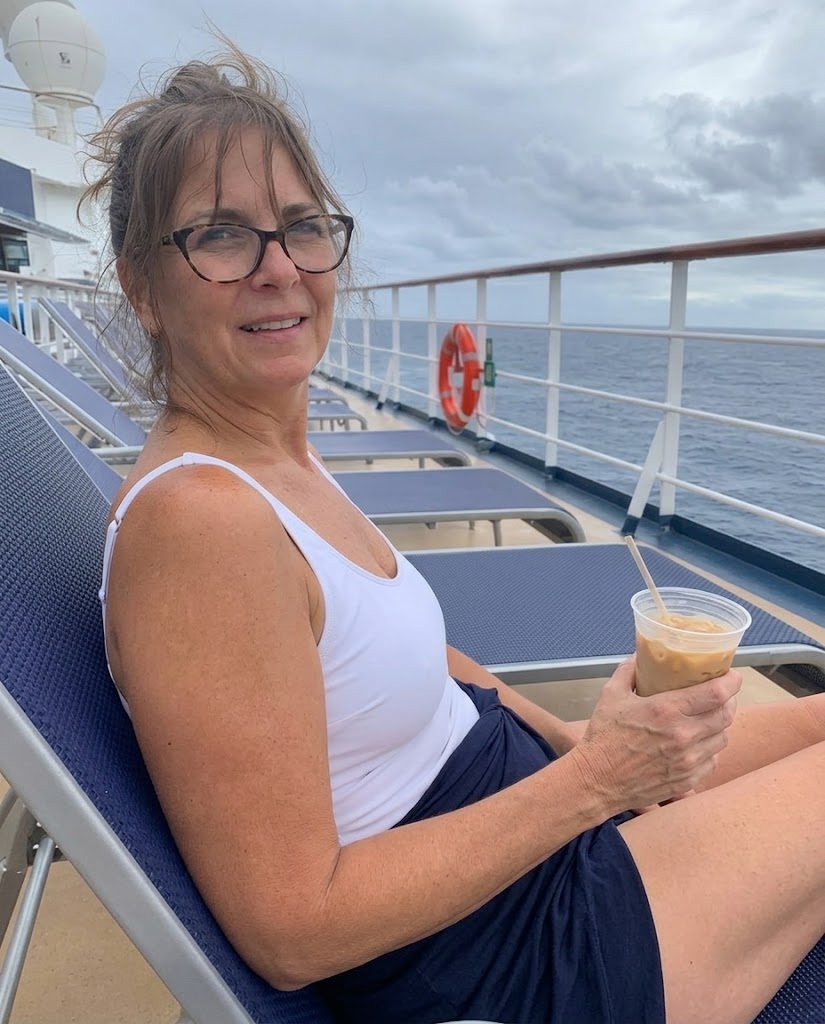
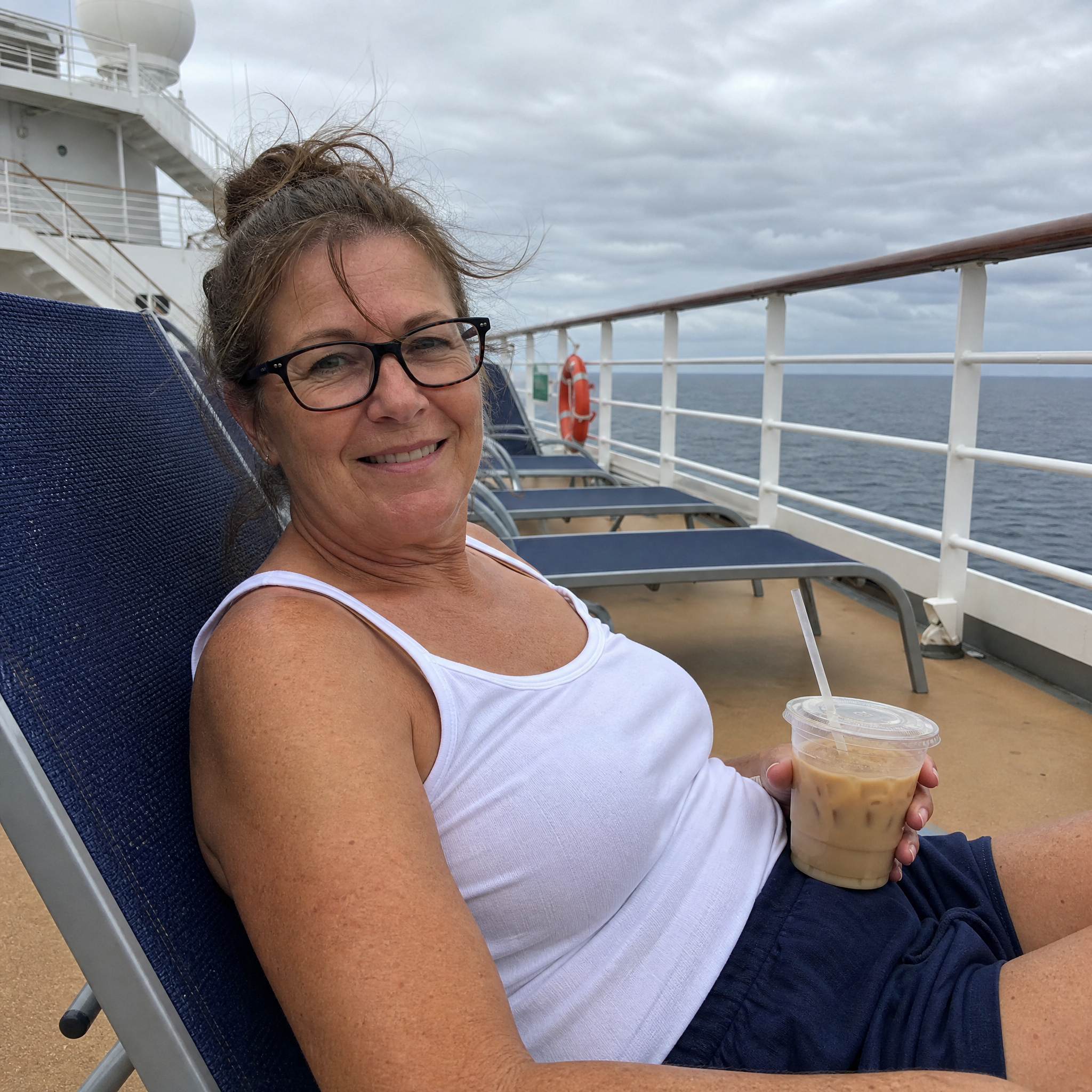
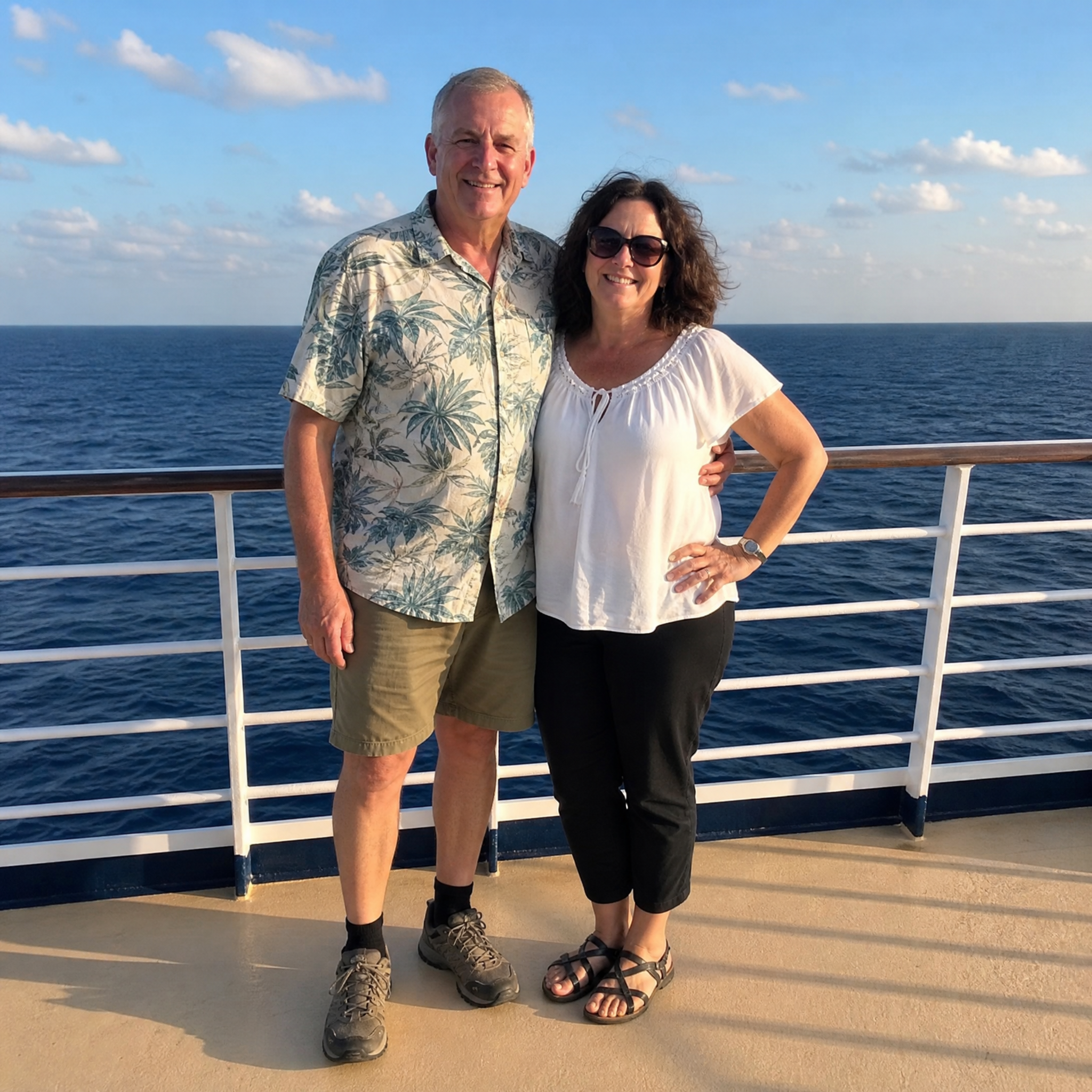
They said she couldn’t handle the hills. She was at the summit first.
Caliora
Shop now: shopcaliora.co.uk(opens in a new tab)