The Thyroid Journal
The Thyroid Journal Facebook ad: “Thyroid”
Ran for 5 days, from October 1 to October 6, 2026, the last day Crush saw it.
Run by The Thyroid Journal on Facebook. Crush is not the advertiser and does not verify its claims. See this ad in Meta's Ad Library(opens in a new tab)
Want an ad like this for your product?
Crush makes new ad images for your product from this ad: your logo, your product photo, your offer.
Trials from $19.95 USD, then $79.95 USD a month. Cancel anytime.
About this ad
- Meta Ad Library ID
- 1102969155872492
- Platforms
- Facebook, Instagram and Audience Network
- Relaunches
- 0
Ad text
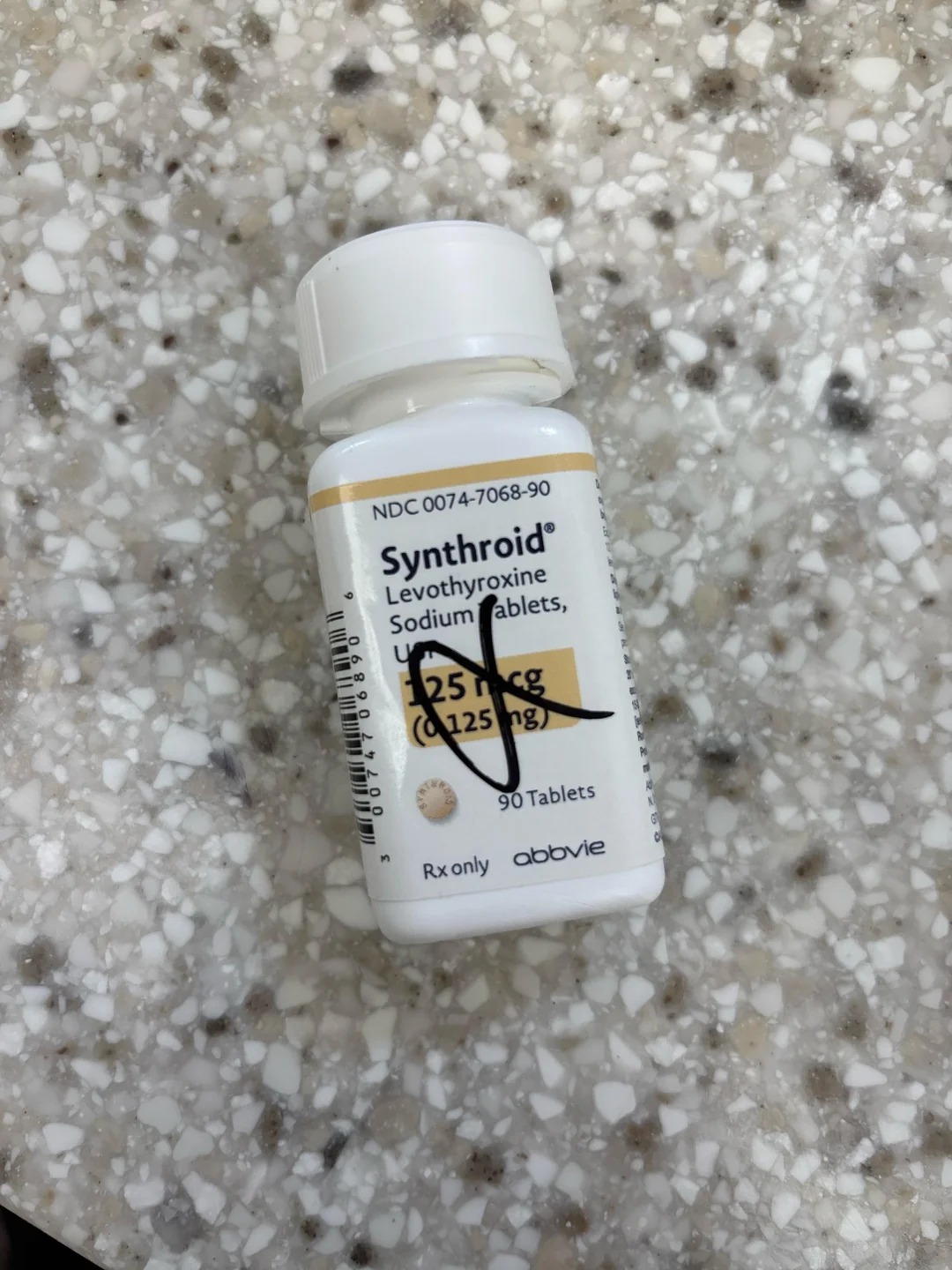
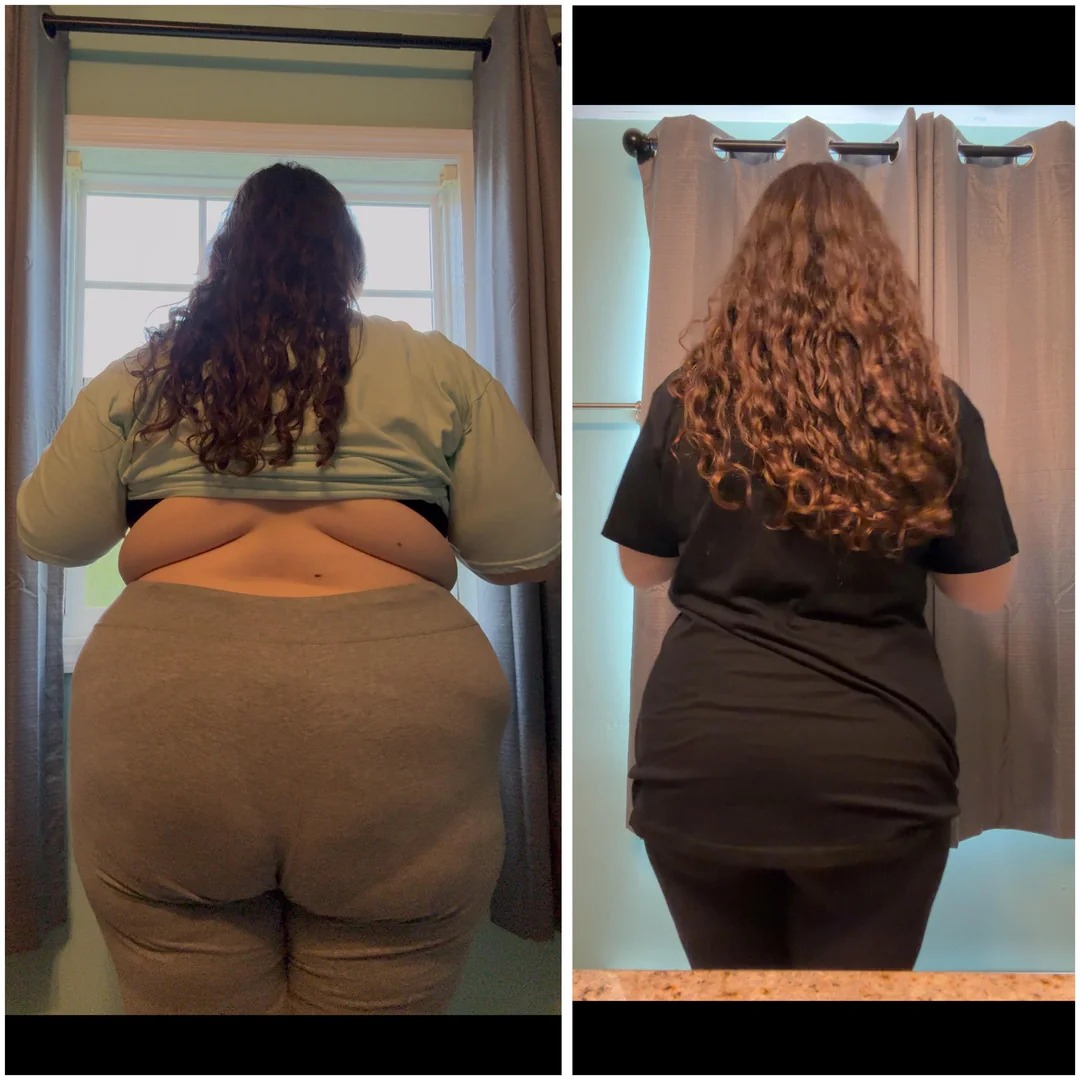
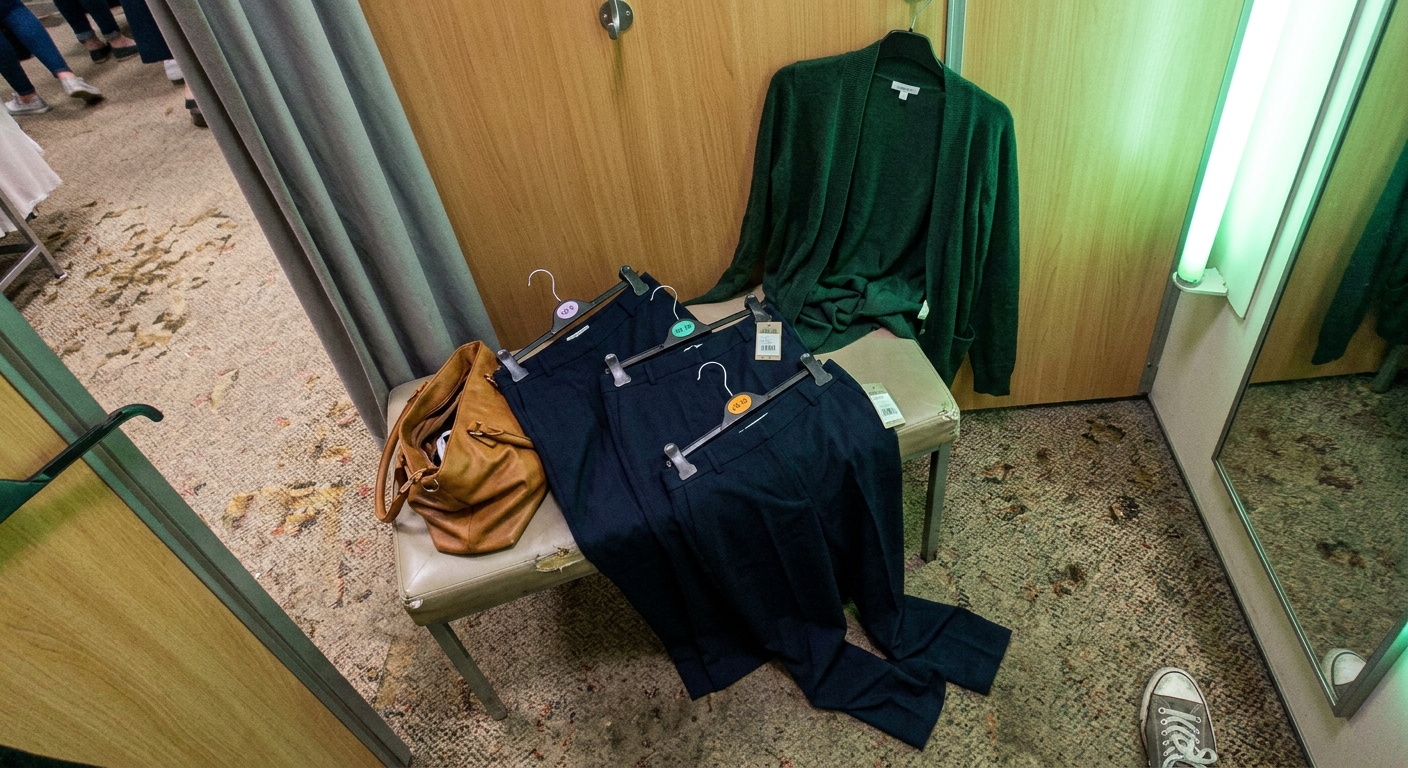
I passed a pair of trousers under the cubicle door to a woman in the changing rooms at M&S last Tuesday and she ended up crying in front of a stranger with her cardigan still on. I didn't know what to do. She was maybe seventy-one. Navy cardigan, good handbag, the sort of woman who still puts lipstick on to go into town. And she had the same pair of trousers over her arm in three different sizes. I'd noticed it in the queue for the cubicles and I'd thought nothing of it. Then I heard her in the one next to mine, going through all three, and then going quiet. I said, through the door, "Do you want me to grab you another size? I don't mind." There was a long pause. Then she said, "That's very kind. I've got all of them." And then she started crying. I'm Laura. I'm thirty-three. I work in the office at a primary school in Stockport and I live about ten minutes from my mum, which is either lovely or a lot depending on the week. I'm telling you this because of what she said to me after she came out of that cubicle. Not because of the trousers. And because three weeks later I'm sat at my kitchen table at twenty past six in the morning with a cup of tea going cold, typing this out, because if one person reads it and does what I did then the last thirty years of that woman's life might count for something. I know that's a lot. Sorry. Let me back up. She came out holding all three pairs. Same trousers. Three sizes. I said something daft like, "They never come up the same, do they." She said, "I don't buy one size any more. I haven't since 1994." She has a wardrobe at home, she told me, with three sections in it. She called them the good weeks, the middling and the rest. She's been dressing out of it for thirty-one years. I asked her, because I'm nosy and because she'd stopped crying and seemed to want to talk, whether she'd been poorly. She said, "I've got an underactive thyroid, love. Since I was forty." Then she said, "Thirty-one years on the tablet and I have never once got back to being me." She talked for about ten minutes, in the bit by the mirrors where they keep the chair nobody sits in. Diagnosed at forty. Put on the tablet. Told the tablet would sort it. Two stone the first two years. Then a bit more. Her bloods, she said, were always fine. Every single time. "They'd ring and say no action needed, and I'd put the phone down and cry." Slimming club on and off since 1996. She could still tell me the syn values of things. She said that like it was funny and then her face went. She said the worst of it wasn't the weight. It was that she stopped being in things. She stopped swimming, because of the changing rooms. She stopped going to the works do. There is not one photograph of her, she said, from about 2003 to about 2015 — she made sure of it. She's in the background of her son's wedding photos because she moved when the photographer put them together. She said, "I've got a grandson who's twenty-two and he's never seen a picture of me smiling." I asked her what the doctors had said, over the years. She said, "Eat less. Move more. Every time. For thirty-one years." And then she said the thing. She said, "And I accepted it, love. That's the bit I'd change. Not the weight. I accepted it." She put all three pairs back on the rail. She didn't buy any of them. She thanked me for being kind. She apologised for "making a show" of herself. She had a proper handshake, better than mine. Then she went off towards the lifts with her handbag over her arm, walking the way you walk when your hips have had enough. I stood in that shop for a good few minutes. I got to my car and I sat in it. When I looked up, the clock said twenty to five and I'd been parked for the best part of an hour. I drove to my mum's, because it was Tuesday and I always take her a bit of shopping on a Tuesday. She was in her chair. Cardigan on, tin of biscuits she doesn't touch on the arm of it, telly on. She'd done my washing, which I've told her forty times not to do. She looked up and said, "You alright, love? You look like you've been crying." I said I was fine. Hay fever. In March. And I sat on her sofa and I looked at my mum properly for the first time in about four years. The elasticated waist on the trousers she wears every day now. The three sizes in her own wardrobe upstairs, which I've known about my whole life and never once thought about. The way she pulls her cardigan across her middle when anyone gets a phone out. I saw that woman in the changing room. I saw the wardrobe with three sections in it. I saw thirty-one years. I went into my mum's downstairs loo and sat on the edge of the bath and cried as quietly as I have ever cried about anything. Because here's what I hadn't been saying. My mum is fifty-eight. She's been on levothyroxine for nine years. Six in the morning, empty stomach, never missed one. Her TSH is 1.8 and every year the surgery rings and says no action needed. She's put on about two and a half stone in six years. She eats less than I do. I've watched her do it. She has porridge, she has soup, she has whatever we're having on a Sunday and half of it comes home in a tub. She walks that dog twice a day in weather I wouldn't go out in. Her GP told her, and I quote, because she repeated it to me in the car park afterwards and laughed about it: "It's a case of eat less and move more, Christine. It isn't complicated." And here is the bit I am ashamed of, and I'm putting it in anyway because I think a lot of people reading this have thought it about somebody they love. Some part of me had half believed him. Not out loud. Never out loud. But in the back of my head, where you keep the thoughts you'd never say, there was a little voice that went: she must be eating more than she says. She'd tell me she'd gained again and I'd say all the right things, and I'd think it. My mum has been fighting her own body for nine years and her daughter was quietly keeping score. I went home. I put the telly on and didn't watch it. I went to bed at eleven and got back up at half twelve and sat on the floor of my front room in the dark with my phone. And I typed in the thing that woman had said. Thirty-one years on the tablet and never got back to being me. I want to tell you what I found, because I'd have told you I understood my mum's condition. She's had it nine years. I've been to appointments with her. I didn't understand it at all. Here's what I thought. Your thyroid packs in, so it stops making a hormone, so you take that hormone in a tablet, and once your levels are right you're topped up and sorted. If you're still gaining after that, that's food. That is missing the most important part. The hormone in the tablet is not the one your body uses. Levothyroxine is T4. T4 is the storage form. It does nothing on its own. Before a single cell can use any of it, your body has to convert it into a different hormone called T3. T3 is the one that actually runs things. It's the one that sets how fast you burn. Your muscles, your gut, your brain, your heart. The tablet fills the store. The tablet does not do the converting. Her body has to do that part itself, every hour of every day. And if the converting isn't happening properly, her blood test still comes back perfectly normal. Because the test measures the store. The store is full. So the surgery rings and says no action needed, and they're reading it correctly. And she is running on a fraction of what she needs. Then I found what actually switches the converting off. Long-term stress keeps a hormone called cortisol raised. Not dramatic stress. The low, constant, never-quite-switches-off kind. My mum nursed my nan for two years. She's had nine years of being told she's fine while feeling like that. That is its own stress, on top of the rest. Constantly raised cortisol gets in the way of the conversion in three places at once. One. It drives fat to settle around the liver, and in that fatty, inflamed tissue the enzyme that turns T4 into active T3 can't do its job. So the hormone from her tablet sits in her blood, reads perfectly on the test, and arrives at her cells as a spare part nobody can fit. Two. It quietly turns down the signal from the brain that tells the thyroid how much to make. Often not enough to move a TSH out of normal. Enough to leave her short. Three. It floods her cells with something called reverse T3. A molecule shaped almost exactly like the active one. It sits in the same locks and turns none of them. A key that fits every door and opens not one. It's like filling the tank every morning while something has the fuel line pinched shut. The gauge reads full. Her blood test reads the gauge. Her doctor is pleased because the gauge reads full. And the engine starves. And then I found the bit that made me put the phone down for a minute. It's a loop. Because when your body isn't getting the active hormone, it slows everything down to cope. You gain. So you eat less, because that's what everybody tells you to do. And going hungry, for months and years, is itself a stress — it raises that same signal higher. Which tightens the block. Which slows you further. Which puts more on. Which makes you cut back harder. That is not a woman with no willpower. That is a system winding itself tighter every year that nobody is looking at. That's why my mum's weight has climbed for nine years without her eating any more than she did in 2016. And it is why that woman in the changing room needed three sizes for thirty-one years. I sat on my front room floor at about half one in the morning and, for the first time since my mum was diagnosed, the whole thing made sense. And I understood why none of it had ever worked. The dose increases. She's had two. Both times she felt a bit better for a fortnight and then exactly the same. More storage hormone, into a store that was already full. Slimming club. Twice. She lost eleven pounds the first time and put thirteen back. Cutting harder pulls the loop tighter — it was never going to hold. Gluten-free for a year. The selenium. The Brazil nuts. The vitamin D. All worth checking, none of them go anywhere near the block. Every single thing my mum has done for nine years has been about eating less or taking more. Not one of them was about the thing standing in the way. I'm not a doctor. I work in a school office. I did my A levels twice and I still can't do percentages without my phone. I'm telling you my level so you know exactly what you're reading. But I understood enough at half one in the morning to know this was a different thing to anything we'd tried. I kept going until about four. And one word kept coming up, in dry, boring, real research. Not wellness blogs. Actual trials, with actual numbers in them, out of Sweden and Germany and Russia. Rhodiola rosea. A root. It grows on Arctic cliffs and on the west coast of Scotland, in salt wind and frost, where nothing else will grow. It isn't sold for thyroids. It isn't a diet pill. It's been studied for one thing — the stress signal. It's the main adaptogen recognised by the European Medicines Agency's own herbal committee. The trials sit at 400 to 600mg a day, on two compounds in the root called rosavins and salidroside. It doesn't push your weight down. It doesn't speed anything up. From everything I read, it works on the signal that's holding the block in place. Take the pressure off the signal and the converting can start doing what it's supposed to. Not another hormone. The thing standing in the way of the hormone she already takes. At about five in the morning I found a comment from a woman on a UK thyroid forum whose mum had been through the same thirty-year version of this. She listed the boring stuff. Sleep. Afternoons. Waistband. And then at the end she wrote: "She let us take a photo of her at Christmas." That's the bit that got me. Not the weight. The photo. I went round on the Sunday and I made her a cup of tea and I said, "Mum. I want you to try something." I told her about the woman in M&S. The three pairs of trousers. The wardrobe with three sections. Thirty-one years. Then I tried to explain the rest of it and I made an absolute hash of it. I kept saying "the tablet isn't the actual one" and drawing on the back of an envelope. But she let me finish. My mum's good like that. When I'd stopped she said, "And what is it you want me to do?" I said, "Sixty days. That's it. You keep taking your tablet exactly as you do. If nothing's shifted in sixty days, I'll never mention your weight again as long as I live. Not once. I'll not bring it up at Christmas, I'll not bring it up ever." She thought about it for a while. She said, "Go on then." That was eleven weeks ago. I want to tell you what's happened since, and I want to be careful about how I say it, because I'm not a medical person and I'm not promising anybody's body will do what my mum's did. But. The first three weeks, nothing at all. She told me on the phone she felt exactly the same and I could hear her being kind about it. Around week three she stopped having her afternoon lie down. She's had one every day since she retired. She just stopped going up. Around week five her rings. She'd not had her wedding ring on properly in about two years and she'd stopped trying. She rang me to tell me and she was laughing at herself for ringing me about a ring. Around week seven her coat. She did the middle button up on her good coat without breathing in and without thinking about it, in the car park at Aldi, and then stood there in the cold doing it up and undoing it again like a lunatic. Around week nine she wore trousers with a proper waistband to my cousin's christening. Not the elasticated ones. She'd had them in the wardrobe since 2019, in the middling section. Around week ten the scale finally moved. I'm not going to tell you what it said, because I don't want anybody reading this to think I'm promising them that number. And honestly the number is not the thing I'd tell you about anyway. The thing I'd tell you about is that she has stopped pulling her cardigan across her middle when somebody gets a phone out. She had her bloods done a fortnight ago. Same dose of levothyroxine she's been on for nine years, not changed by a milligram. The surgery rang. The nurse said her results looked good and asked, in passing, whether she'd changed anything. My mum said, "My daughter's got me on a root." She sent me a photograph last Sunday. Her and my two, on her sofa, all three of them pulling a stupid face. She'd taken it herself. She'd asked them to be in it. There is no message with it. Just the photo. I want to say something to whoever's reading this who has a mum, or a sister, or a wife who's in the middle of this. Or if that's you yourself. You know exactly what I'm describing. The wardrobe in three sizes. The no action needed phone call. Eating less than everybody around you and gaining anyway. Getting out of the photograph. Being told for years, kindly, by people who mean it, that it's a case of eating less and moving more. It isn't that she isn't trying. She's been trying for nine years. That woman in M&S tried for thirty-one. It's that none of it was touching the block. I'm not telling anybody to stop seeing their doctor. Please go. Please get your bloods done. Please rule out what needs ruling out. And keep taking your tablet. My mum has never missed a morning through any of this and her dose has not changed. Any change to a dose is a conversation with your GP, full stop. The one my mum takes is called Rosewyn. It's rhodiola rosea, on its own, nothing else thrown in with it. The reason I picked it over the tubs in the health shop is the label. The research is built on a set ratio of those two compounds — 3% rosavins and 1% salidroside — and Rosewyn prints it. Most don't. If it isn't on the label you've no idea what's in the capsule, which is why so many people try rhodiola, feel nothing, and decide it's rubbish. It's at the dose the trials actually use, not a sprinkle. There's black pepper extract in the same capsule, BioPerine, so it absorbs instead of going straight through you. Third-party tested. One capsule in the morning. I ordered it from their own website rather than a marketplace, because I wanted to know what I was actually getting. They do 60 days money back. You send the tub back, empty is fine, and they refund you. That's the only reason I felt alright spending anything, because I've bought my mum things off the internet before that did nothing. Nobody gives that woman in M&S her thirty-one years back. Nobody gives my mum her nine. This lot at least give you the money back. That mattered to me. https://rosewynhealth.com/pages/thyroid P.S. I went back to that M&S two Saturdays ago. I stood near the changing rooms for about forty minutes like an absolute weirdo, with a tub in my bag and a note with my phone number on it, because I wanted to give it to her. I didn't see her. I don't know her name. I never asked, which I think about a lot. P.P.S. The 60 days is the whole reason there's nothing to lose. Take it every day, and if her body does nothing with it, send the tub back and you get your money back. I read the policy twice before I ordered because I was ordering it for my mum and I didn't want to be the one who'd wasted her money again. P.P.P.S. It's a small company and it does go out of stock. Ours came the next week no bother, but I've started keeping a spare tub in my mum's cupboard now, because I'm not having her run out and lose the thread of it at week three like most people do. P.P.P.P.S. If you've got a woman in your life who dresses out of a wardrobe with three sections in it, tell her about this. I keep thinking about that lady putting all three pairs of trousers back on the rail and going home with nothing. I keep thinking about her grandson who's twenty-two and has never seen a photograph of her smiling. Somebody reading this is thirty-one years away from being her, and somebody else reading this is one year away. My mum was nine years in. She got a photo taken on Sunday.
Where the ad sends people
rosewynhealth.com
Thyroid
Rosewyn
Learn more: rosewynhealth.com(opens in a new tab)