Michael L
 Facebook ad: “If the GRID goes down. Are you prepared?”
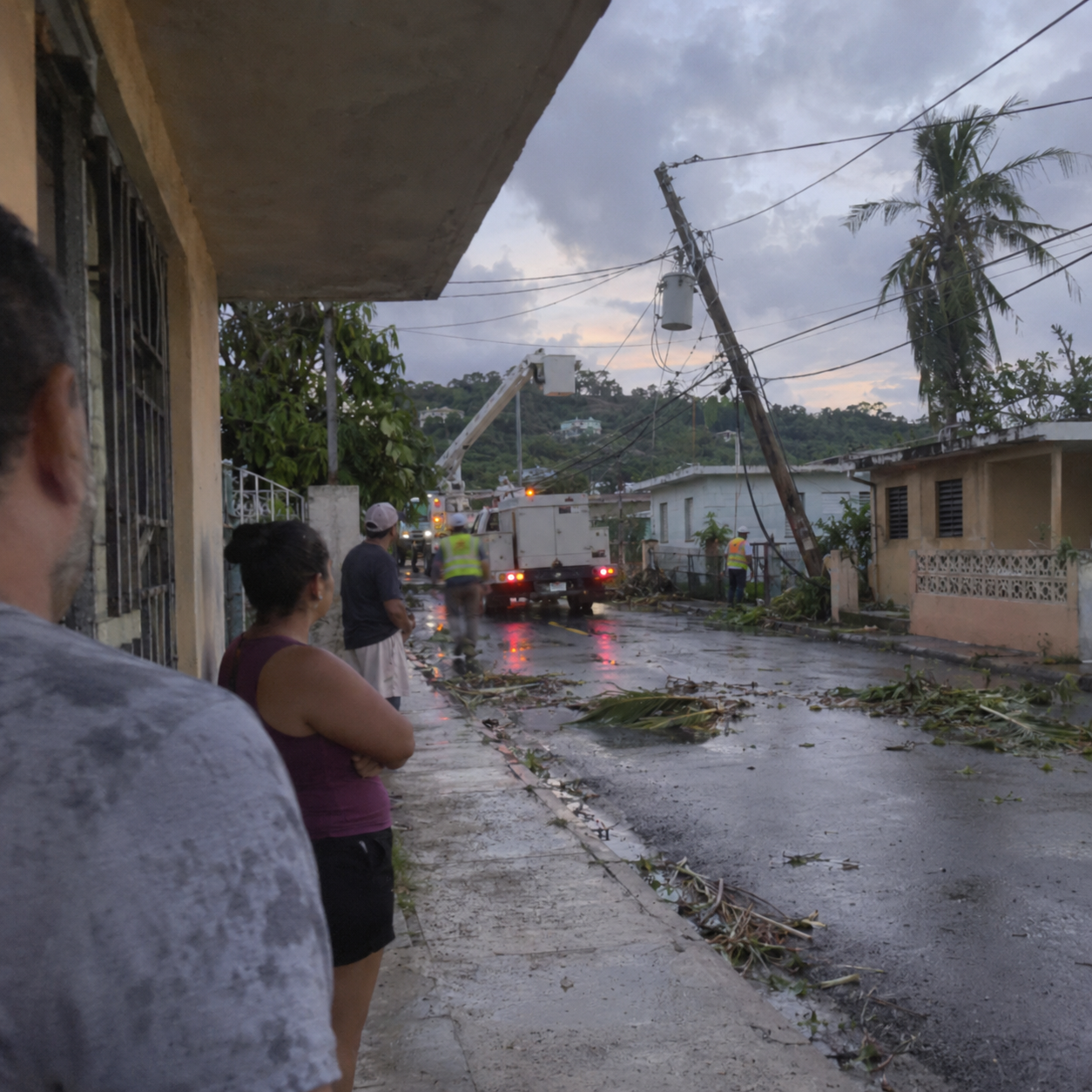
Ran for 1 day, from November 3 to November 4, 2026, the last day Crush saw it.
Run by Michael L on Facebook. Crush is not the advertiser and does not verify its claims. See this ad in Meta's Ad Library(opens in a new tab)
Make your own version of this ad
Crush makes it, launches it in your own Meta ad account, scales the winners and pauses the losers.
About this ad
- Meta Ad Library ID
- 1103993549131245
- Platforms
- Facebook, Instagram, Audience Network, WhatsApp and Threads
- Relaunches
- 0
Ad text
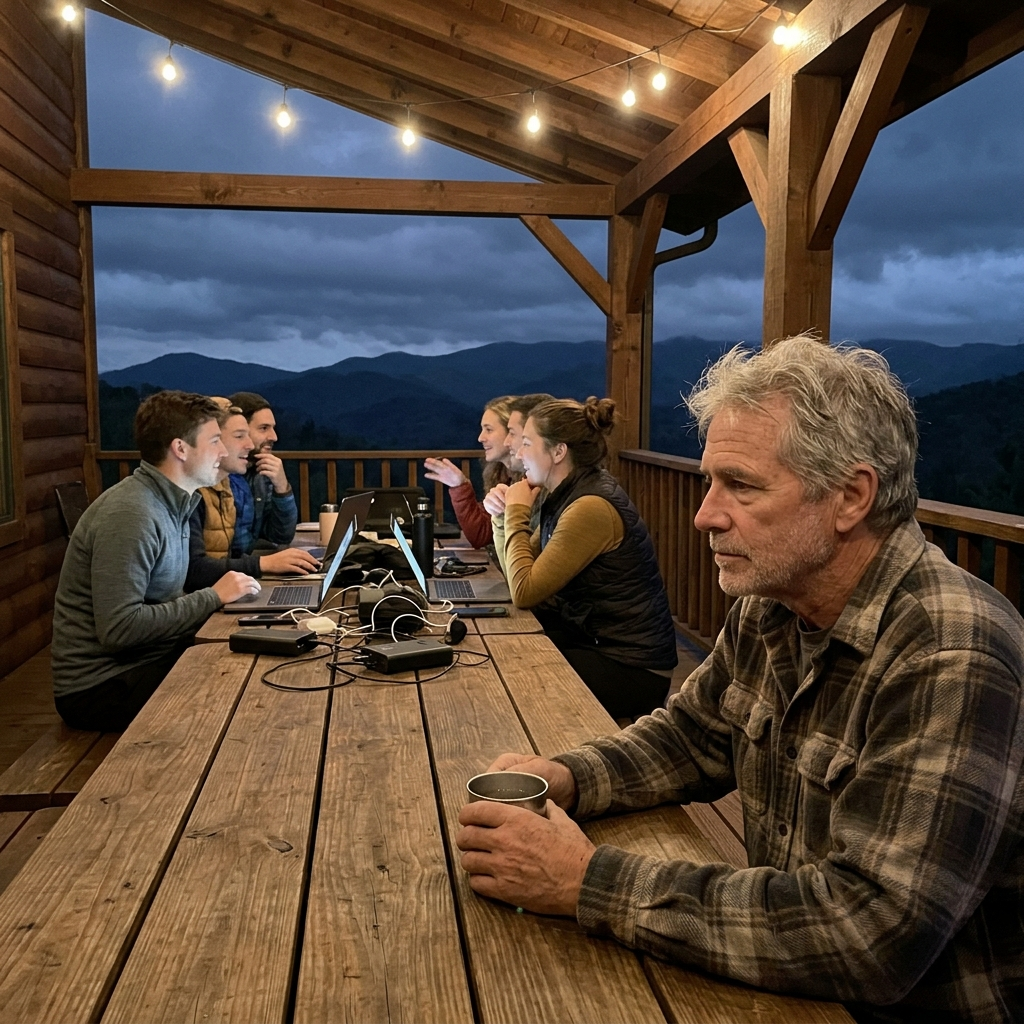
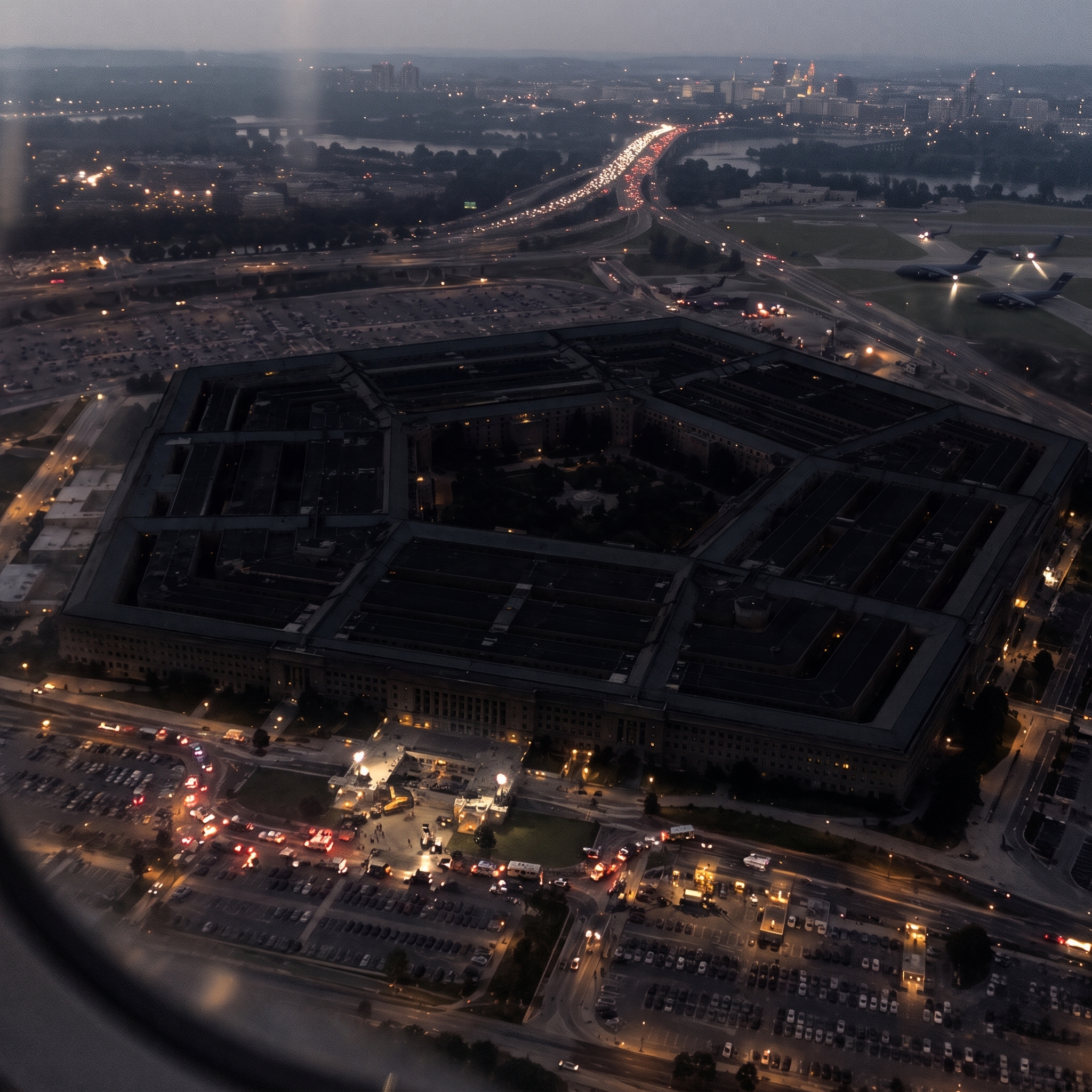
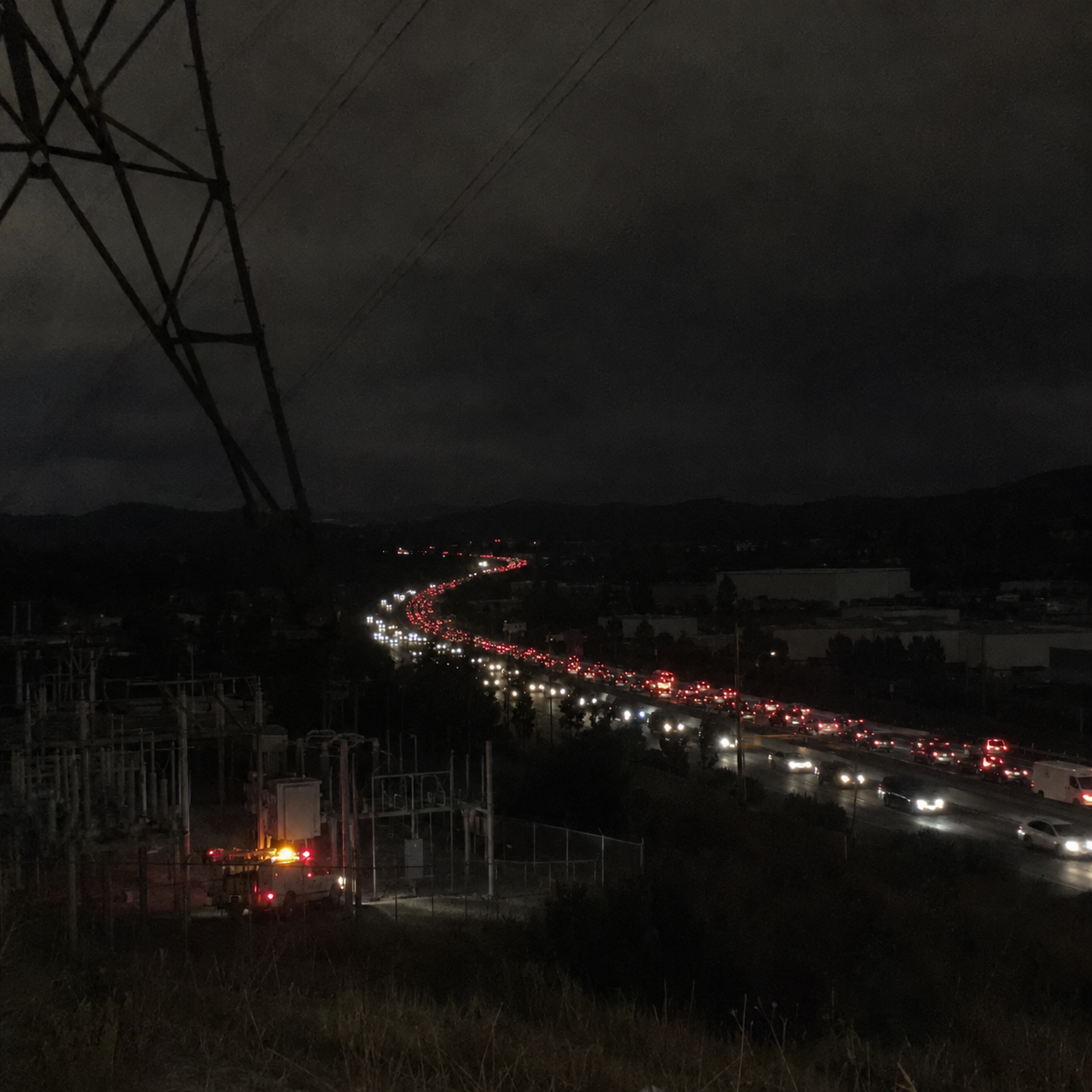
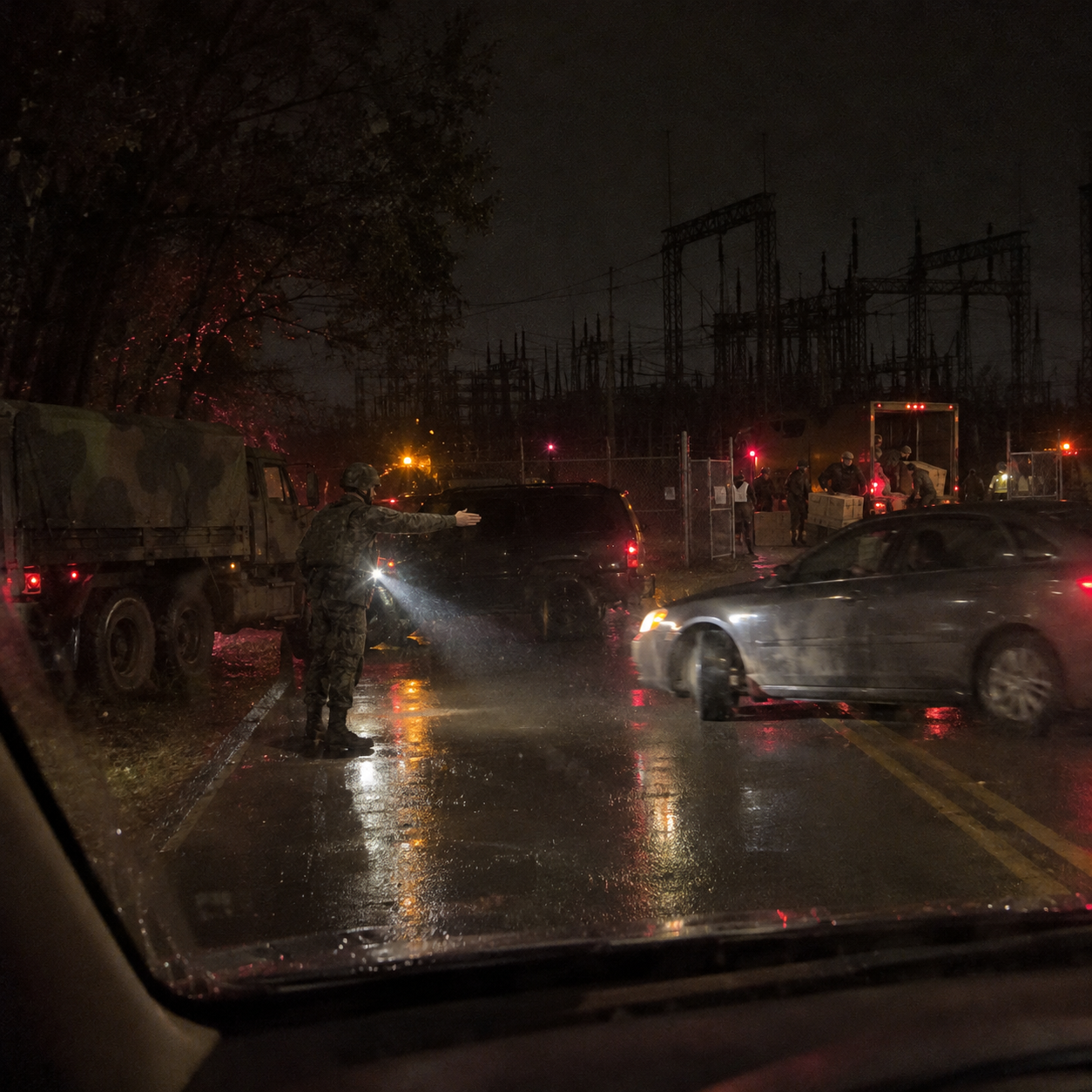
There is a small coastal town forty five minutes outside San Juan, Puerto Rico where the power grid collapses for weeks at a time, yet nobody ever sits in the dark. And when I asked a 76 year old retired military engineer how his house was still completely lit up on Day 14 of a total blackout while his neighbors' generators sat dead in their driveways... he pointed at the bag of AA batteries in my hand and said one sentence that made the last eight years of my disaster research worthless. I study power grid failures and how populations survive them. I have spent the last eight years traveling to the places on earth where the electrical grid fails almost every single week, yet life goes on like nothing happened. I have visited four of the most extreme blackout zones in the world. South Africa, where rolling blackouts called load shedding cut power to millions of homes for 12 hours every single day. Lebanon, where the national grid provides less than two hours of electricity a day and whole cities have to function off the grid. Rural Cuba, where aging power plants fail for weeks at a time every hurricane season. Northern Nigeria, where the national grid has collapsed dozens of times in the last decade alone. Every time I came back to the mainland United States and showed people how those families lived completely unfazed without grid power, Americans said the exact same thing. "Well sure, but those are foreign countries. Different lifestyles. Different climates. They are used to living without modern power. That doesn't apply to American families." So last fall I went to the one American community nobody can say that about. The coastal ridges outside Fajardo, Puerto Rico. United States territory. Forty five minutes from San Juan. The people here are US citizens. They use the US dollar. They shop at Walmart, Costco, and Home Depot. They live in modern houses and rely on the exact same American electrical standards. Except their power grid gets wiped out constantly. Not for two hours during a summer thunderstorm. For weeks and months at a time. And yet the families in this specific pocket of the coast don't panic when the grid goes down. They don't sit in pitch black living rooms waiting for FEMA trucks. They don't fight over packs of D batteries at the hardware store or go broke lining up for five gallon cans of gasoline. When the power cuts out across the entire region, their houses stay bright all night, their kids keep doing their homework at the kitchen table, and their phones never die. The only thing separating them from mainland Americans in Florida, Texas, Louisiana, or Carolina is what they put on their windowsills before the sun goes down. I arranged a stay through a former Army Corps of Engineers contact. The man I stayed with was named Mateo. He is 76 years old. Served twenty years in the US military before retiring to a modest concrete home three blocks up from the water with a covered front porch. He has lived through Category 5 hurricanes and more than forty multi week grid collapses. That detail hit me the first time he told me about his younger brother in Miami. When a hurricane knocked out power in South Florida last year, his brother had a brand new $2,400 gas generator and two toolboxes full of heavy metal flashlights. By Night 3, the generator ran out of gas, every gas station in the county had no electricity to run their pumps, and the humidity had corroded half his backup batteries. His brother's family had to flee to a hotel two hours north just to have light and charge their phones. Mateo stayed right in his house for fourteen straight days without grid power during the last island wide collapse. He hasn't bought a single AA battery or waited in a gas line in over twelve years. The first thing mainland Americans always assume about surviving blackouts in places like Puerto Rico or South Africa is generators. Everyone thinks the secret is having a massive generator chained up in the yard and fifty gallons of fuel in the shed. Or spending $20,000 on solar roof panels. It is written about in every preparedness blog and emergency checklist in America. I have read all of them. I used to recommend them myself. So when I sat down with Mateo on day two and asked how his neighborhood goes through two week blackouts like nothing happened, I expected him to talk about fuel storage and backup generators. He didn't. "Everyone who flies down here from the mainland asks me about generators. Reporters. FEMA workers. Relatives from New York and Florida. They all want to know how much gas we store." He shakes his head. "You know how many mainland Americans have a flashlight in a drawer and a generator in the garage right now? Millions. And with the Pentagon now warning about a 90 day grid blackout on the US mainland, 91% of those families are going to be sitting in complete darkness within 48 hours." He leans forward across the kitchen table. "A generator is fine for an afternoon. I won't lie about that. But a generator is not why my house stays lit for two weeks straight when the power plant fails. And disposable batteries are not why every grandmother on my street sleeps with the lights on and a working phone next to her bed when the whole island goes black." "Then what is it?" "It is what people in South Africa, Lebanon, and these islands figured out years ago while mainland Americans kept buying plastic flashlights. You never fight a blackout with something that runs out." He gets up and walks over to the kitchen windowsill. Picks up a compact, heavy duty black lantern with folded metal handles on top. Built directly into the top of the rugged casing is a solar panel soaking up the afternoon sun through the window glass. "Every morning, I set this on the sill. It drinks the sun for free all day. When the grid goes down at night, I pull the handles up. It floods the whole room with bright light for 25 hours straight, and it charges my phone." He sets it on the table between us and pulls the metal handles up. Instantly, the entire kitchen lights up with crisp, 360 degree white LED light. "When I was still in the military, our field units used this exact style of off grid solar lighting when operating in total blackout zones. A supply officer told me three rules I never forgot. Never trust the power grid. Never depend on fuel you have to line up to buy. And never use a light that eats batteries." "Why not batteries and gas?" I asked. He looked at me the way a veteran looks at someone who has never actually lived through a real collapse. "Because in a real blackout, there is no resupply. Mainland Americans think if the power goes out for 90 days, they will just drive to Home Depot for more batteries or go to Exxon for five gallons of gas. How do you think a gas pump works when the electrical grid is dead? It doesn't. How long do store shelves stay full when a million people panic at once? About two hours." He taps the side of the black solar lantern. "The families in South Africa who deal with 12 hour blackouts every single day don't buy AA batteries. They would go broke in a month. The families in Lebanon who get two hours of grid power a day don't rely on gas cans. They use gear that harvests free power from the sun during the day and runs the house at night." I sat there staring at him. "Mainland Americans buy 4 hours of battery life for a 90 day blackout. Then they wonder why their family ends up trapped in the dark." I need to explain why that sentence hit me so hard. Because in eight years of studying blackouts across four continents, I had seen the exact same thing in every country that lives through constant grid failures. In Johannesburg, South Africa, families keep collapsible solar lanterns with built in USB chargers on their kitchen counters so daily blackouts never interrupt dinner or their kids' homework. In Beirut, Lebanon, shopkeepers line them up in the front window every morning so their homes and stores stay lit all evening without paying a dime for fuel. In rural Cuba, families pass them around the table every night after the state power plant shuts down at dusk. Every population on earth that actually deals with constant blackouts arrived at the exact same solution independently. 100% solar charging. 25 hours of 360 degree room light. Built in USB phone power. Zero disposable batteries. But back home on the US mainland, people still think a rusty flashlight in the junk drawer and two cans of stale gas in the shed is a plan. Mateo introduced me to his neighbors over the next week, right in the middle of a five day regional outage. His neighbor Elena is 81. Lives two doors down. She keeps three of these solar lanterns on her back porch table. While the entire town grid was dead and pitch black outside, we walked past her house at 9 PM and saw her sitting in a brightly lit living room reading a book with her phone plugged right into the side of the lantern on the end table. A local fisherman named Carlos is 58. He told me he used to spend $200 a week on generator gas during long outages until fuel deliveries to the coast stopped for ten days. Mateo gave him a set of these military style solar lanterns. Now he puts one in the kitchen, one in the bedroom, and one in his truck. He hasn't bought a drop of generator fuel or a pack of batteries in three years. The woman who runs the local bakery is 63. She told me she always shakes her head when she sees mainland news reports of Americans fighting in store aisles every time a winter storm or hurricane warning is announced. "They panic because everything they own dies after the first night. Down here, the power goes out and nobody even blinks. We just pull our lanterns open and keep making dinner." And then she said something Mateo had already told me, almost word for word. "Batteries are for tourists. The sun is for surviving." I kept thinking about the contrast. Back on the mainland, in places like Texas, Florida, Louisiana, and North Carolina, one bad ice storm or hurricane hits and millions of Americans are thrown into complete chaos within 24 hours. Their flashlights flicker out because the batteries in the drawer corroded a year ago. Their phones die by morning, cutting them off from family and emergency alerts. Their generators either won't start or run out of gas on Day 2, and they can't bring them indoors at night without risking lethal carbon monoxide poisoning. Meanwhile, in places where the grid collapses every single week, families live through multi week blackouts like it is a normal Tuesday. They don't hoard batteries. They don't sit in gas lines. They don't light dangerous candles around their kids. They just let the sun charge their lanterns for free all day, and light up their whole house for 25 hours at night. When I got back home, I looked at the recent Pentagon warnings about the US power grid with completely different eyes. Defense officials and federal energy reports have confirmed that our aging electrical grid is vulnerable to a 90 day collapse from severe weather, transformer failures, or grid attacks. And just like Mateo said, 91% of Americans are relying on a backup plan that shares four fatal flaws. First, standard flashlights eat batteries alive. A normal flashlight burns through fresh batteries in 2 to 4 hours. To survive a 90 day blackout, you would need hundreds of dollars in disposable batteries just to see inside one room. Second, batteries rot in storage. Half the AA and D batteries sitting in American kitchen drawers right now have already lost their charge or leaked acid from humidity. Third, generators starve for fuel and can't come inside. Once your gas cans are empty after 48 hours, gas stations cannot pump fuel when the grid is down. And you cannot run a generator inside your house at night. Fourth, a dead phone leaves you completely cut off. Regular flashlights cannot charge your phone. Once your battery hits zero on Day 1, you have no way to call family, check road closures, or receive emergency broadcasts. Four fatal flaws built into what 91% of Americans keep in their garage. The 3 in 1 military style solar lantern Mateo showed me bypasses all four at once. Because the solar panel is built directly into the top of the heavy duty casing, it charges itself 100% for free sitting on any sunny windowsill or porch. You never need an outlet, and you never buy a single battery. When you pull the metal handles up, the high efficiency LED array floods an entire room with 360 degrees of bright white light for 25 hours straight on a single charge. That is two full nights of room filling light from one afternoon in the sun. And built right into the side is an emergency USB power bank port. When every wall outlet in your neighborhood is dead, you plug your phone cord straight into the lantern to keep your phone alive. I ordered a set for my own house the night I got back home, plus a few extras for my parents. I set them right on my kitchen windowsill and forgot about them. Two weeks later, a severe windstorm knocked out three substations in our county. The power went out at 7 PM on a Thursday and didn't come back on until Sunday afternoon. Every house on my street went pitch black. By Friday night, my neighbor was out in his driveway in the rain cursing at a generator that wouldn't turn over, and our neighborhood group chat was full of people asking if any stores two towns over still had D batteries. Inside my house, it didn't even feel like an emergency. I pulled open one lantern on the kitchen island and another on the living room table. Both rooms flooded with bright white light. My wife and I plugged our phones into the USB ports on the sides, kept them charged the whole weekend, and set the lanterns out on the back patio each morning while we drank coffee so the sun could top them right back up to 25 hours. We didn't spend a single dollar on batteries. We didn't smell gasoline. We didn't sit in the dark for a single minute. For the first time in my life, a multi day blackout happened and we treated it just like Mateo's street did. Like nothing happened at all. If you live in an area where storms knock out the power lines, or if you have seen the recent Pentagon warnings about a 90 day grid blackout and realized that a drawer of old AA batteries and two cans of gas won't get your family past the first weekend, stop relying on backups that run out. Every community on earth that survives real, long term blackouts uses gear that makes its own power every morning when the sun comes up. Right now, the company that makes these heavy duty 3 in 1 solar lanterns is running a special Buy 2, Get 1 Free blackout deal on their official page below. That gives you three full lanterns for the price of two, so you can keep one in the kitchen, one in the living room, and one in your bedroom or car glovebox staying charged 24/7. Every order is backed by a 30 day money back guarantee. Set them on your windowsill for an afternoon, turn off the lights in your kitchen, and pull the handles up. If you aren't amazed by how bright they light up the whole room and how easily they charge your phone, send them back for a full refund. They sell out constantly whenever severe storms hit the news. Tap the link below to check if the Buy 2, Get 1 Free offer is still in stock before the next blackout hits.
Where the ad sends people
sacredoak.store
If the GRID goes down. Are you prepared?
LIMITED STOCK AVAILABLE!
Shop now: sacredoak.store(opens in a new tab)