Michael L
 Facebook ad: “30 Years Keeping Military Power Grids Running Taught Me…”
Ran for 8 days, from November 11 to November 19, 2026, the last day Crush saw it.
Run by Michael L on Facebook. Crush is not the advertiser and does not verify its claims. See this ad in Meta's Ad Library(opens in a new tab)
Make your own version of this ad
Crush makes it, launches it in your own Meta ad account, scales the winners and pauses the losers.
About this ad
- Meta Ad Library ID
- 1665845665095143
- Platforms
- Facebook, Instagram, Audience Network, WhatsApp and Threads
- Relaunches
- 0
Ad text
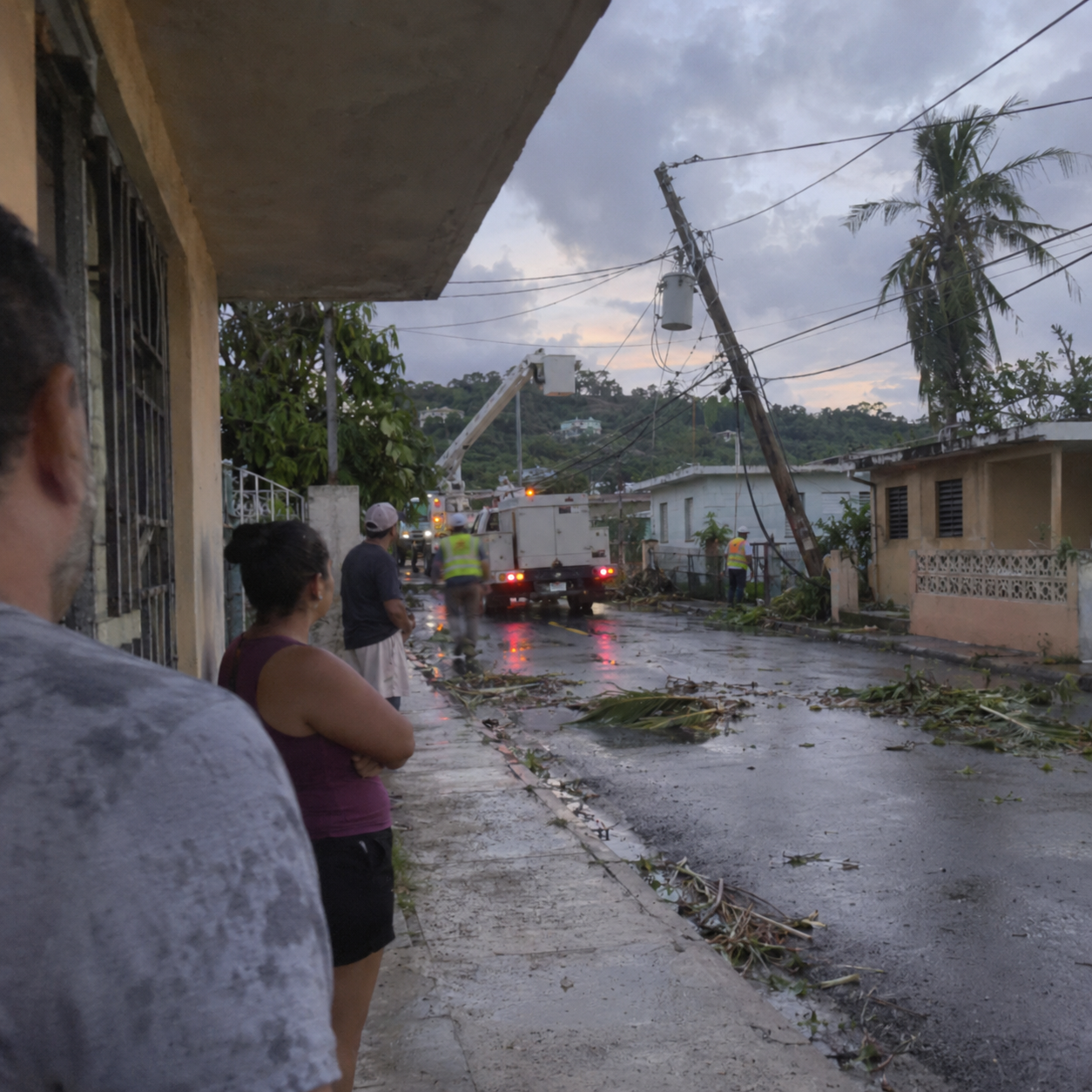
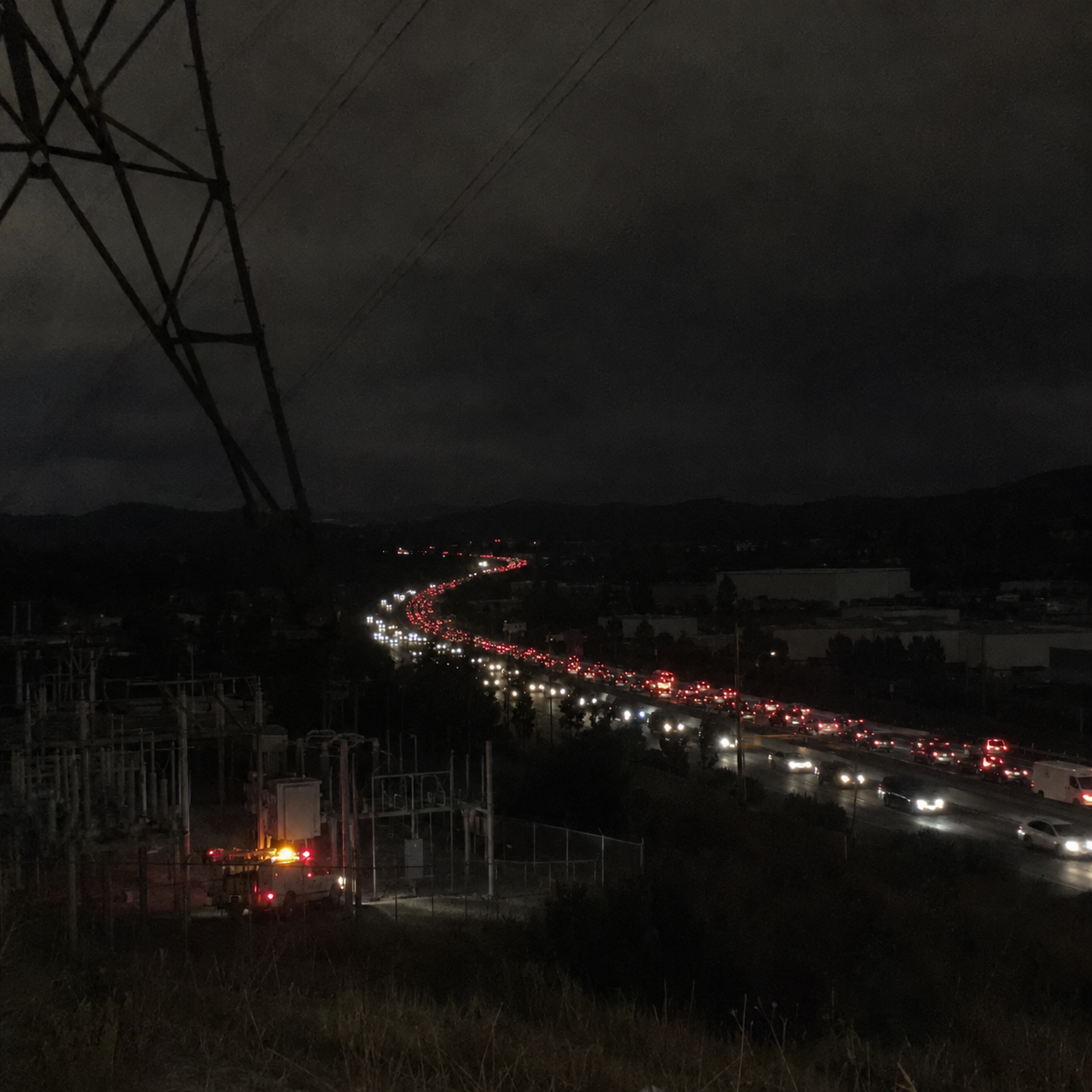
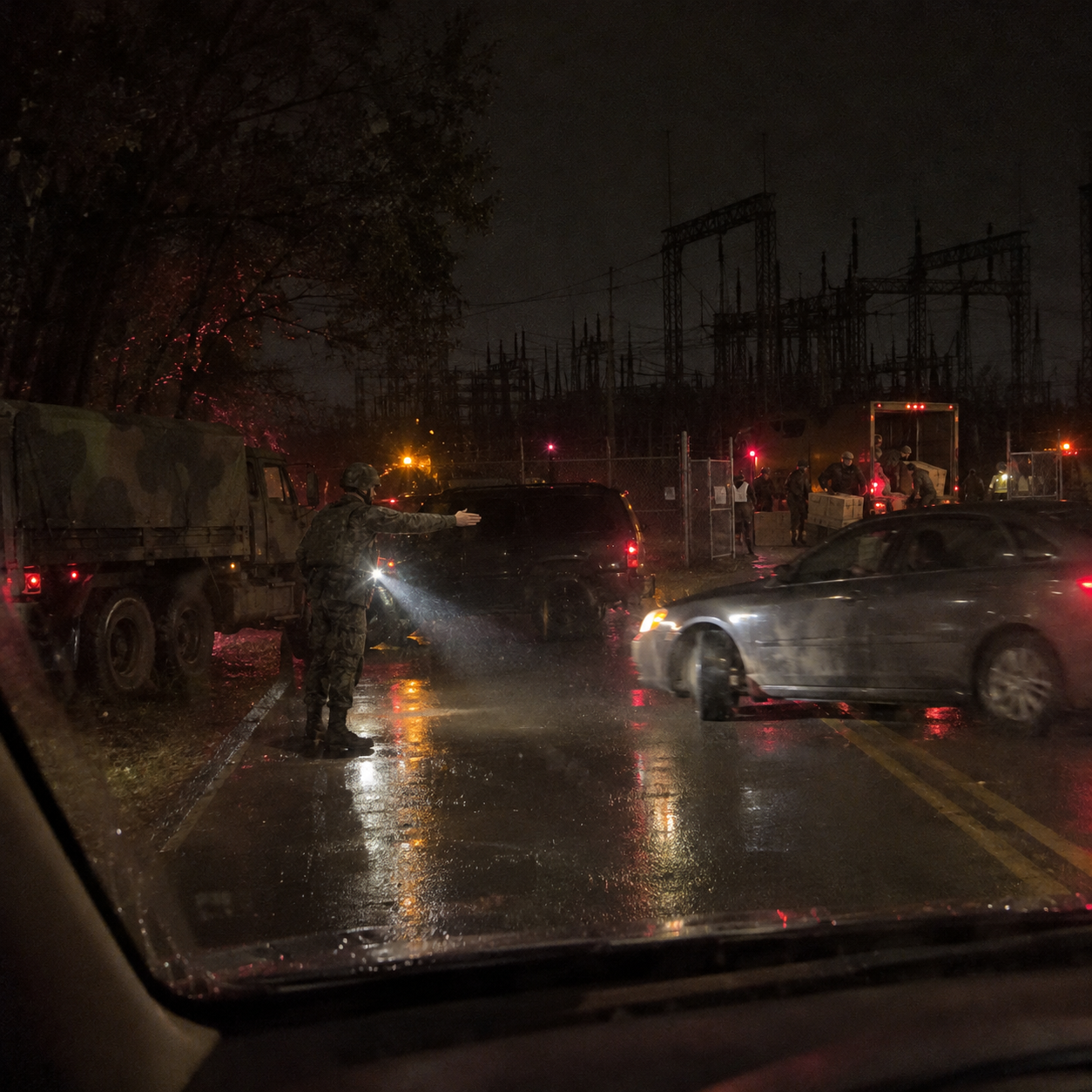
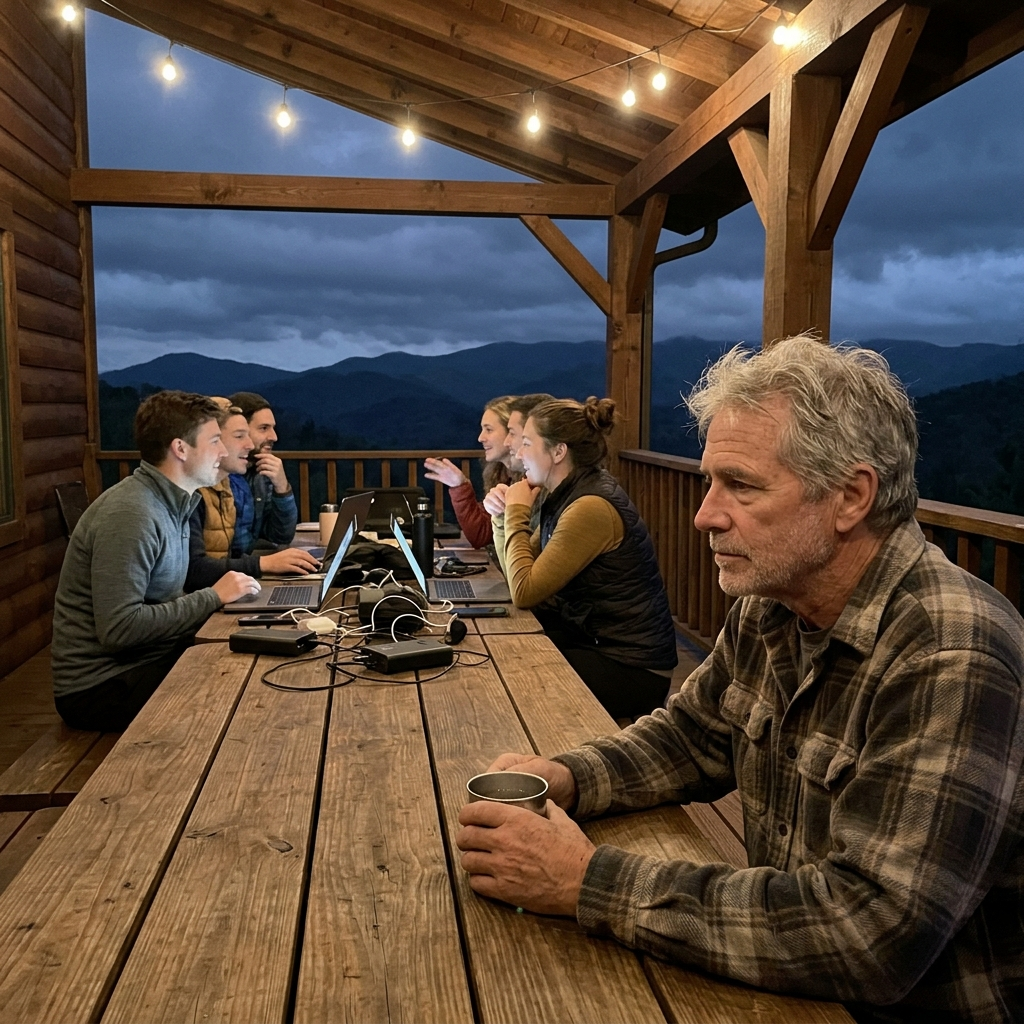
I am 66 and I Still Go Up to the Blue Ridge Mountains Alone. Last Month, a Lodge Full of 20 Year Olds Thought I Was Lost. I Kept Military Grids Running for 30 Years. Three Little Black Cylinders on My Table Told Them Why Nobody Knew. It was a Tuesday evening at a timber lodge and cabin camp high up in the North Carolina mountains. I had just driven five hours up the switchbacks in my fourteen year old Tacoma. My weathered canvas duffel bag is older than most of the people who were staying there. I unlocked Cabin Four at the end of the gravel path and set my bag by the door. Then I walked up to the covered cedar deck outside the main lodge, where everyone sits at night. There were about twelve of them around a long picnic table. All young. All in their twenties and early thirties. All wearing brand new merino wool pullovers and talking at once. They saw gray hair. A quiet man their grandfather's age in a faded fleece flannel shirt carrying a tin mug of hot black tea. Nobody was rude. They just looked through me. The way you look at a chair you do not plan to sit in. One young man from Austin had just bought a lifted truck with an overland rack and a massive portable gas generator bolted into the bed. A girl from Atlanta was showing off a sleek aluminum tactical flashlight her boyfriend had ordered from a wilderness catalog. Another couple had two heavy lithium power bank bricks sitting next to their laptops on the cedar planks. I sat at the far end of the long table with my tea and listened. A tall twenty something boy in a quilted vest looked down the table at me. He smiled, very kindly. "Are you lost, sir?" he asked. "The heated resort hotel with the elevator is three miles down the valley road." Everyone laughed softly. I laughed too. I told him no, I was staying in Cabin Four. "Oh, cool," he said. Then he turned right back to the boy with the overland truck. I am used to it. Since my wife Ellen passed away four years ago, I walk into a mountain lodge or step out onto my suburban cul de sac at home, and I can see what the younger couples are thinking. What is this fragile old man doing here by himself? Who is checking on him? At nine forty that night, the spring rain turned to freezing rain. We heard the first white oak snap up on the ridge like a rifle shot. Ten minutes later, a three hundred year old hemlock came down across the high voltage valley transmission lines and blew two county substations at once. Every light in the lodge, the cabins, and the valley below vanished in the same heartbeat. The silence that followed was heavy and complete. On Night One, the twenty year olds thought it was an adventure. They laughed in the dark, clicked on their expensive aluminum tactical flashlights, set out four plastic battery lanterns from their trunks, and plugged their phones into their pocket power banks. The tall boy in the vest walked over to my end of the deck with a spare tea light candle in a little glass jar. "Here you go, sir," he said gently, like he was handing a warm blanket to a child. "In case it gets too dark in your cabin tonight. We have plenty of gear if you need anything." I thanked him politely and walked back to Cabin Four without turning on a flashlight. Because my three little matte black cylinders were already sitting on my cabin windowsill where I had placed them at three o'clock that afternoon. By Wednesday afternoon, the county sheriff's radio broadcast announced that glaze ice had closed the mountain pass and utility crews could not rebuild the valley substation until Saturday. And by Thursday evening, forty eight hours into the blackout, the adventure was over. If you have never watched a group of modern households test their emergency gear across forty eight hours of real darkness, let me tell you how fast the illusion falls apart. On Thursday afternoon, all twelve of those young people gathered around the long cedar table in the freezing lodge common room and piled every flashlight, camping lantern, and power bank from their seven vehicles and the lodge supply closet onto the wood to see what still worked. There were eighteen flashlights and battery lanterns on that table. Fourteen of them were stone cold dead. Seven of the flashlights from their gloveboxes and hall closets at home had never even turned on because the alkaline AA and D batteries inside had rotted from humidity and leaked a thick white crust of potassium hydroxide acid over the metal springs. The other seven had burned through every fresh battery in the camp in less than four hours on Tuesday and Wednesday nights. One couple had lit three glass jar candles on their cabin nightstand on Wednesday night until their dog bumped the table in the pitch dark, shattering the glass and catching a wool blanket on fire before they stamped it out with their boots. On disaster response deployments, I saw the same thing over and over, because open candles during power outages cause more than one thousand five hundred house fires every single year. And what about the boy with the lifted truck and the gas generator that cost thousands of dollars? He had fired it up on Wednesday morning. For eight hours, that ninety decibel engine roared so loud it echoed off the mountain walls and gave everyone in the camp a splitting headache. Then the tank ran dry at dusk. He drove down to the crossroads gas station at the bottom of the mountain to buy five gallons of fuel, only to sit in front of dark pumps because gas stations need electricity to pump fuel out of the underground tanks. When he tried to run the generator on the last pint of stale fuel close to the cabin porch out of the freezing rain, the lodge caretaker shut it off immediately because lethal carbon monoxide exhaust was drifting straight through the cabin window frames. Worst of all were their phones. Every sleek lithium power bank on that table was blinking zero percent. Once a power bank gives your phone one or two charges, it turns into a dead plastic brick unless you have a live wall outlet to plug it into. By Thursday at dark, eleven of the twelve young people had dead black phones in their hands. No way to call their parents. No way to check road closures. No way to dial 911 if someone slipped on the ice. At seven o'clock on Thursday night, the common room was pitch black and forty four degrees. Nobody was talking about volcanos or overland trucks anymore. I walked up the steps from Cabin Four carrying my tin mug of tea and the three compact matte black cylinders from my windowsill. Each one was about five and a half inches tall when closed, no bigger than a standard coffee mug, with two thin silver wire handles folded flush down the ribbed sides. I set them down in the middle of the long cedar table. Then I reached out, gripped the twin silver wire handles on the first cylinder, and pulled straight up. The top slid open to about eight inches tall, and a clear inner cylinder flooded the entire thirty foot timber room with warm, crisp 360 degree white LED light. I pulled the second one open. Then the third. Then I took my white phone charging cord, plugged it into the built in USB port on the side of the first black cylinder, and set my phone down on the wood. The screen lit up bright green at ninety eight percent battery. The tall boy in the quilted vest stared at the table like I had just performed a magic trick. "Wait," he said. "How do you still have battery? Where did you charge those?" "I did not plug them in anywhere," I said. "They sat on my cabin windowsill all day." That was it. Every single person in the room turned to my end of the table. A twenty four year old girl named Maya with a wool beanie and a dead phone in her hand sat down across from me. "Wait a second," she said, pointing at the square solar collector recessed flush into the top cap of my lantern. "Are those solar? Look how bright they are. How long do they stay on?" "Twenty five hours on a single charge," I said. "And if you push the top halfway down and click the side button, the bottom beam works as a long range directional flashlight." "Where did you even learn about something like that?" the boy with the dead generator asked. "Thirty years on the job," I said. Maya leaned her elbows on the table. "What kind of work did you do?" So I told them. For thirty years, I was a senior electrical grid engineer for United States military bases and a high voltage disaster response lineman. In the nineties, I kept forward operating zones lit in total blackout zones where waiting on a fuel convoy got men killed. In 2017, after Hurricane Maria tore the entire power grid off the island of Puerto Rico, I spent four months in the coastal towns outside Fajardo working alongside local utility crews. The whole table went dead quiet. The boy with the tactical flashlight put his dead phone down on the wood. "I came home from Fajardo and threw every alkaline battery flashlight and gas can out of Ellen's and my garage," I told them. "While mainland Americans panic after twenty four hours in the dark, every grandmother in Fajardo keeps three of these collapsible solar lanterns lined up on her kitchen windowsill. On Day Fourteen of a total grid blackout, while mainlanders would be fighting over empty battery shelves, those families were reading books in brightly lit living rooms at nine o'clock at night with their phones plugged straight into the side of the lantern." I looked down at my tea mug. "The Pentagon and Department of Energy assessments we worked from were crystal clear. The mainland United States electrical grid is vulnerable to a ninety day collapse from severe winter ice storms, transformer failures, or cyber attacks. If you rely on a standard flashlight that eats batteries in four hours, you would need five hundred and forty D batteries just to survive a ninety day blackout. Mainland Americans buy four hours of battery life for a ninety day blackout. On my crew, we had a saying we repeated on every deployment. Batteries are for tourists, and in a real blackout, there is no resupply." And then I stopped. I felt my face go warm. I could hear myself talking in the quiet lodge, and I worried I sounded like an old man lecturing a room full of kids. "Anyway," I said softly, pushing the second and third lanterns down the table toward them. "You can plug your phones into the USB ports on the sides if you need to call your families." Nobody left the table. Four of them plugged their dead phones in rotation over the next two hours so everyone could text their parents that they were safe. When the others finally went to their bunks around eleven, Maya stayed behind at the table with me. "Why did you stop earlier?" she asked. "I do not like to brag or lecture," I said. "Nobody wants to hear a sixty six year old widower go on about power grids and the old days." She laughed. "Roy, those guys were bragging all Tuesday night about gear that died before Thursday morning. You did not say a single word. You just listened." Then she pointed at the three glowing lanterns on the cedar table. "You never had to bring it up," she said. "You just set these down in the dark, and everyone had to ask." Then she said the thing I have been thinking about ever since. "It is not bragging if they ask." I smiled. And then my throat got a little tight. For four years since Ellen died, I had kept my rules quietly to myself while younger neighbors on my street treated me like a helpless old widower who needed someone to check his smoke detectors. Nobody ever asked what I spent thirty years doing. Why would they? They saw gray hair and a flannel shirt. They saw the cover. Nobody opened the book. Maya pulled a notebook out of her jacket pocket and asked me where the lanterns came from so she could write it down for everyone before morning. I told her it is called the 3 in 1 LED Lantern. "Fajardo taught me the rule of three," I told her. "You never buy just one. You keep three on your sunny kitchen windowsill all year round. When a storm knocks out the substation, one stays in the kitchen, one goes in the living room or bedroom, and one stays by the front door or in your truck glovebox." The next morning before the sun even cleared the pines, six of the twenty year olds were standing on the deck asking me to spell the exact name so they could order the Buy 2, Get 1 Free set the second they got cell service at the bottom of the mountain. Maya knocked on my cabin door on Saturday morning when the snowplow finally cleared the road. "Make them ask, Roy," she whispered, grinning. I drove home to my suburban cul de sac that afternoon. The first thing I did when I walked into my kitchen was set my three 3 in 1 LED Lanterns back in their spot on the sunny windowsill above my sink. Kitchen. Master bedroom. Front hallway. I stood there for a long time looking at them. Ellen used to wipe down that sunny windowsill above the sink every morning. Four years since she left, and our house was still taking care of everyone on the street. I got a little teary. The first person at home to ask was my fourteen year old grandson, Lucas, when he came over for Sunday dinner four days later. He walked over to the kitchen sink, picked up one of the compact black cylinders off the windowsill, and turned it over in his hands. "Grandpa, what are these three black cylinders on your window?" "Pull the silver handles up," I told him. He pulled them up, and the kitchen flooded with bright white LED light. His eyes went wide. Then I showed him how the top solar panel charges it for free from the sun, how the bottom button turns it into a long range flashlight, and how the USB port on the side kept twelve stranded campers' phones alive for four days in the Blue Ridge mountains. "You used these in Puerto Rico, Grandpa?" Lucas asked. "Why did you never tell me about the ninety day grid test?" "You never asked," I said. He sat at my kitchen island and asked questions about Puerto Rico and the military grids until ten o'clock that night. Before he went home, I handed him a brand new set of three from the Buy 3, Get 2 Free bundle I had ordered for his mother's house. Two weeks ago, a severe spring thunderstorm blew the transformer at the end of our suburban cul de sac at eight thirty at night. Every two story house on our street went pitch black. Within twenty minutes, my thirty something neighbor Brad across the street was out in his driveway pulling the cord on a gas generator that would not start, and our neighborhood group chat was full of young parents asking whose flashlights still had working D batteries. At nine o'clock, there was a knock on my front door. It was Brad and his wife, holding their toddler and two phones at four percent battery, staring through my front window at my brightly lit living room. "Mr. Morales," Brad asked, looking bewildered. "How are all your lights on? Do you have a whole house battery wall we do not know about?" By nine thirty, four of the young couples from our cul de sac were sitting around my kitchen table drinking coffee in the bright 360 degree light of my windowsill lanterns with their phone cords plugged into the USB ports. Nobody asked if I needed someone to check on me. Nobody looked through me like an empty chair. Maya was right. It is not bragging if they ask. And when every house on the street goes dark, they always ask. I am 66, and my house is never going dark. P.S. Do not wait for the next ice storm or substation failure to find out what has happened to the batteries inside your kitchen drawer. Go to your hall closet tonight and turn every flashlight you own on for four hours. Eight out of ten household flashlights either have white acid crust on the springs right now or will die before midnight. P.P.S. The lantern Ellen and I kept on our windowsill is the 3 in 1 LED Lantern. It is about the size of a coffee mug when closed, charges itself automatically from sunlight on any windowsill via the built in top solar panel, pulls open for twenty five hours of 360 degree room light, folds down into a directional flashlight, and has an emergency USB port on the side to charge your phone when every wall outlet is dead. P.P.P.S. Every order is backed by a full 30 day money back guarantee starting the day your package arrives at your door. Put them on your windowsill, test them in a dark room, and plug your phone into the side. If they do not outperform every flashlight in your house, send them back for a full refund. P.P.P.P.S. Right now on their official website, they are running a special Buy 2, Get 1 Free bundle (three lanterns total, the exact windowsill rule of three from Fajardo) and a Buy 3, Get 2 Free family bundle so you can keep three at home and give a set to your kids or aging parents. They sell out fast whenever grid warnings or storms hit, so check the link below while the bundle is still active.
Where the ad sends people
sacredoak.store
30 Years Keeping Military Power Grids Running Taught Me One Rule
Keep 3 On A Sunny Windowsill. Buy 2, Get 1 Free Official Bundle.
Shop now: sacredoak.store(opens in a new tab)