Oral Health Central
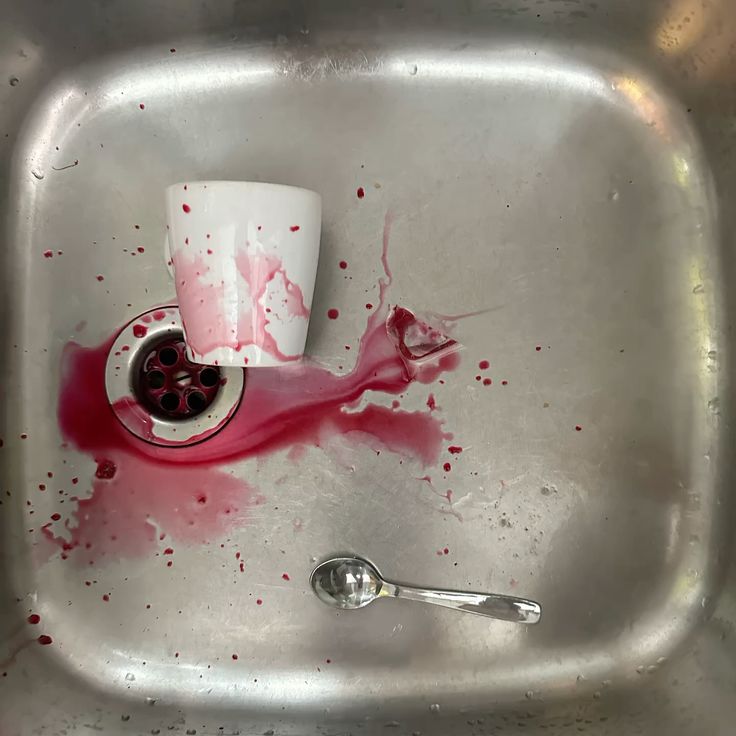
Oral Health Central Facebook ad: “The Real Reason Your Gums Won’t Stop Receding.”
Started on January 18, 2026.
Run by Oral Health Central on Facebook. Crush is not the advertiser and does not verify its claims. See this ad in Meta's Ad Library(opens in a new tab)
Want an ad like this for your product?
Crush makes new ad images for your product from this ad: your logo, your product photo, your offer.
Trials from $19.95 USD, then $79.95 USD a month. Cancel anytime.
About this ad
- Meta Ad Library ID
- 1108976894577230
- Platforms
- Facebook, Instagram, Audience Network, Messenger and Threads
- Relaunches
- 0
Ad text
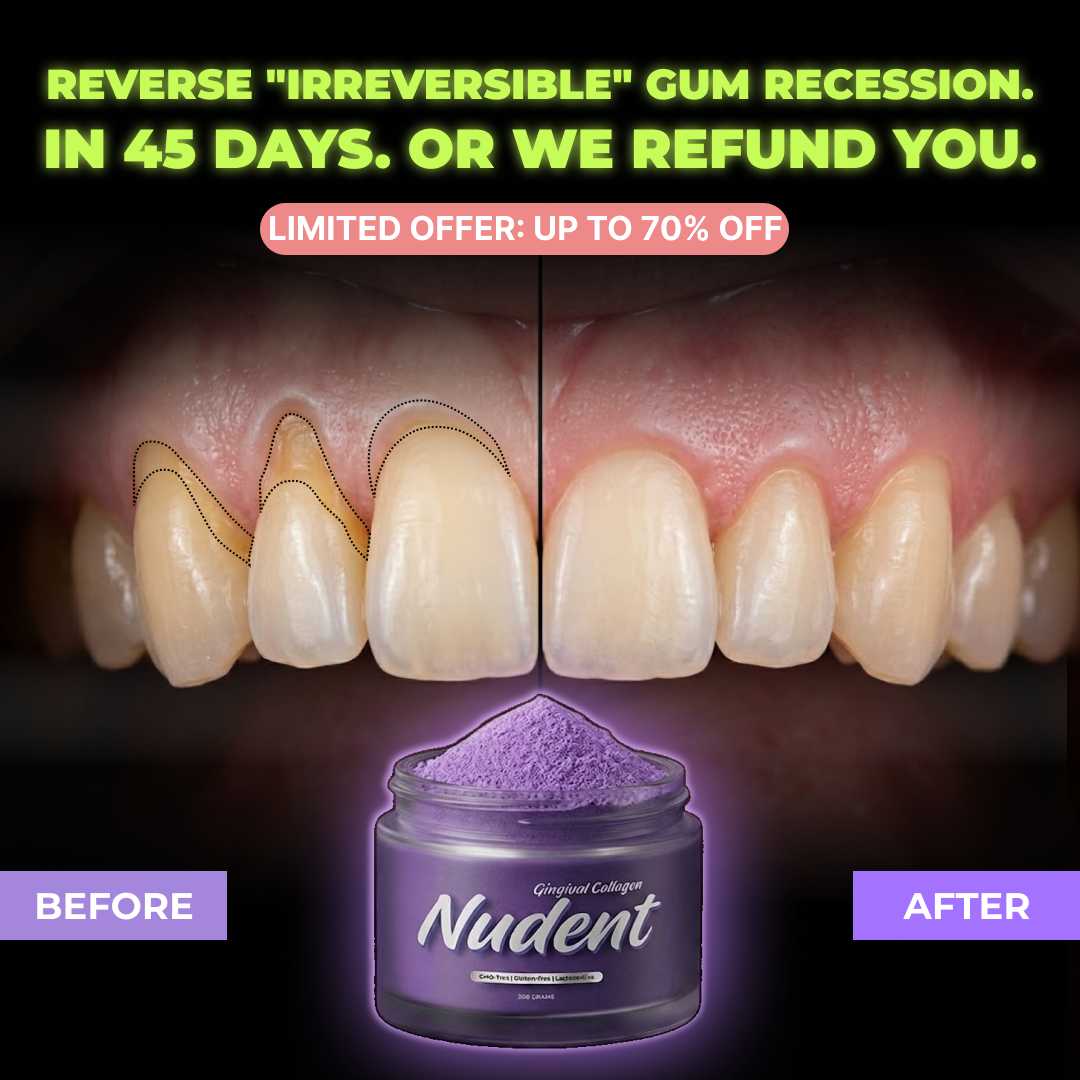
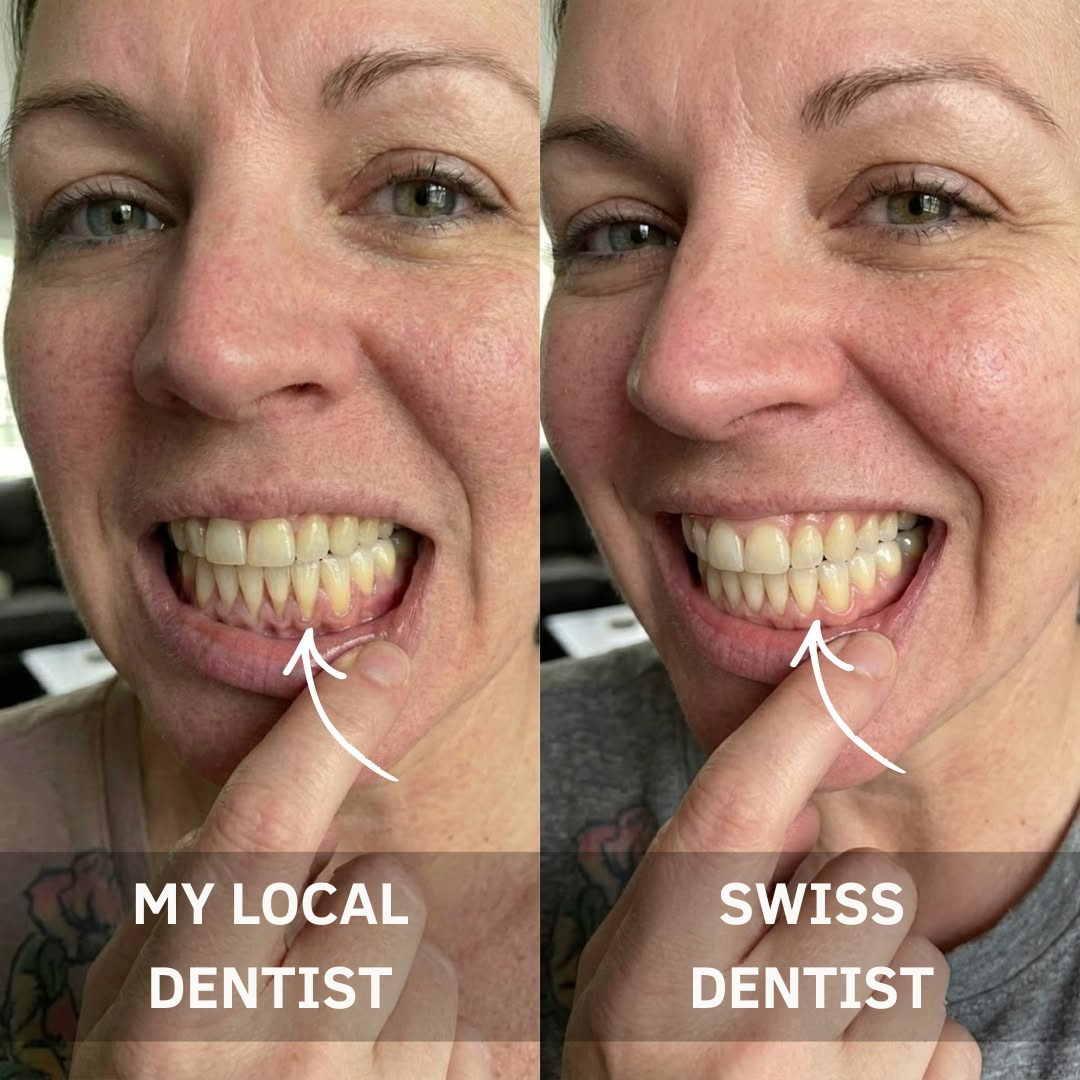
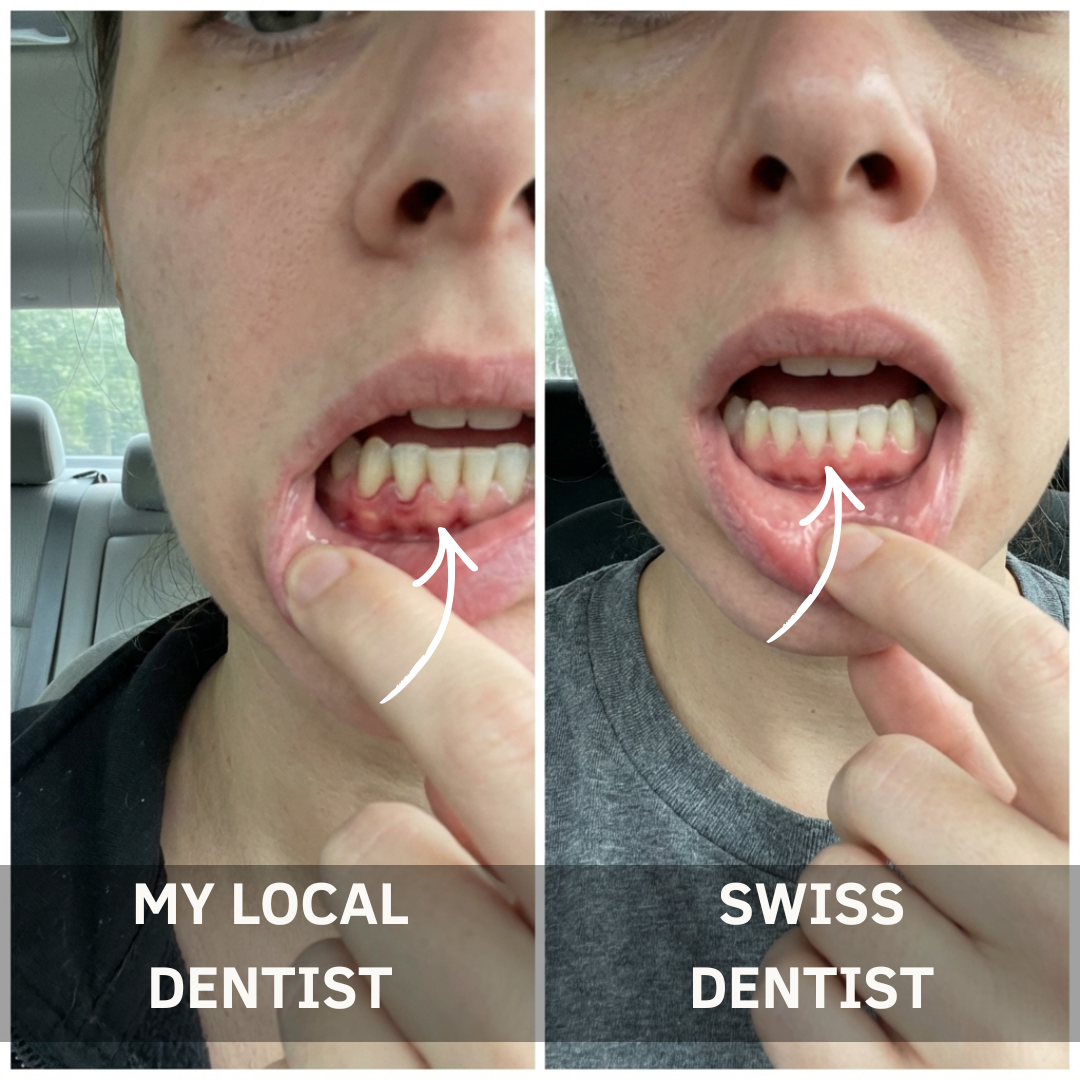
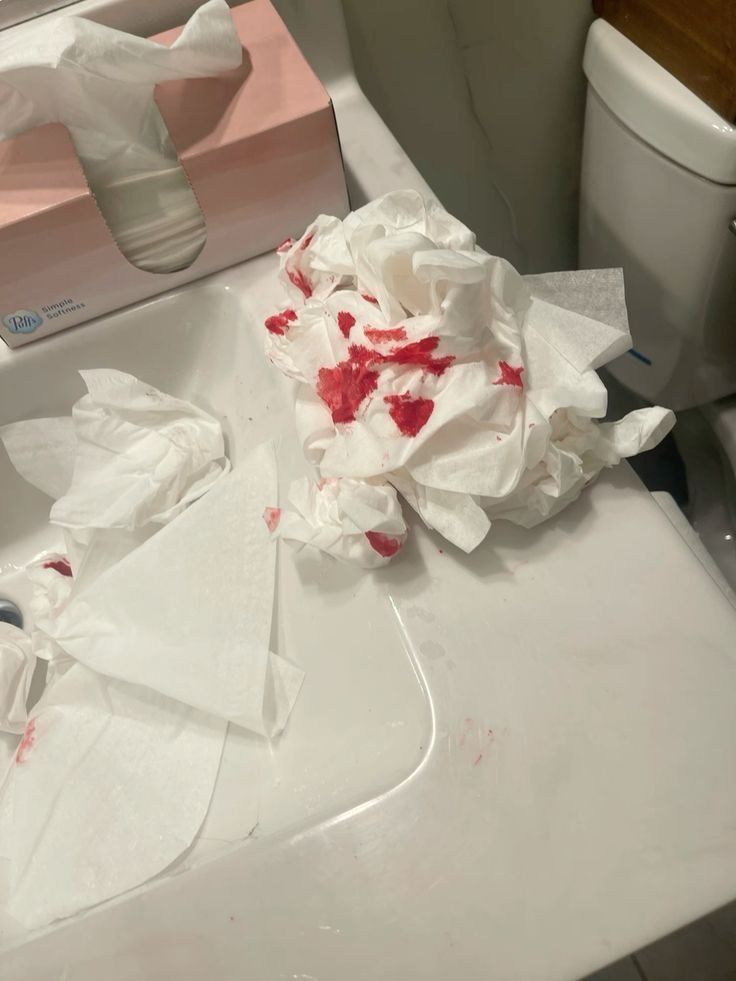
I rinsed my brush and saw the blood swirling in the sink. I had been ignoring that for four years. Until a retired dentist explained to me what was actually happening. I am 52 years old. My gums bled every time I brushed. Not much. Only a little pink in the sink. My dentist always said the same thing. "Floss more often." So I did. Religiously. But the blood kept appearing. Every morning. Every night. That pink in the sink became part of my routine. I normalized it. "It’s probably normal at my age," I told myself. But six months ago, I noticed something else. Mis teeth looked longer. The gums had receded. I could see the dark yellow of the roots peeking out. And the sensitivity—my God, the sensitivity. Hot coffee hurt. Cold water was unbearable. In my last cleaning, my hygienist measured the pockets. "You have some that are 4 millimeters," she said. "We are going to monitor them." That night I couldn't sleep. I searched Google for "4 mm gum pockets." I found horror stories. Deep scaling. Graft surgeries. Tooth loss. I felt panic. Two weeks later, I went to my mother-in-law's birthday party. There he was. Dr. Martínez. Retired dentist. 73 years old. He had been practicing for 40 years before retiring. He was sitting alone in a corner, so I approached him. "Can I ask you a dentist question?" I said to him. He smiled. "They always ask me questions at parties." I told him everything. The bleeding. The recession. The 4 mm pockets. He listened with patience. Then he looked at me directly. "Have they explained to you what really causes the bleeding?" "Bacteria," I said. "That’s why I use floss and mouthwash." He shook his head. "That is part of the story. But it’s not the whole story." He leaned forward. "Constant bleeding is a sign that the tissue is weak. Fragile. It cannot defend itself." "Why?" I asked. "Because it is made of collagen. And after 35, your body produces less every year." I stood there looking at him. "Collagen keeps the gum tissue dense, firm, resistant. Without enough collagen, the tissue becomes thin. Fragile. It bleeds easily." "You cannot solve a structural problem with cleaning," he said. "It is like trying to fix a crumbling wall with paint." That night, when I got home, I couldn't stop thinking about what he had said. At 11:30 PM, I started searching. "Gum tissue collagen" "Why gums bleed every day" "Gum collagen deficiency" At 1:15 AM, I found a study from a periodontology journal. Explicaba exactly what Dr. Martínez had said. The gingival tissue is composed of 95% Type 1 collagen. It is the structural protein that gives the tissue its density, firmness, and resistance. After 30, collagen production drops approximately 1% each year. At 50, you produce almost half of what you produced at 25. Without enough collagen, the tissue becomes porous. Fragile. Vulnerable. That is why it bleeds. Not because of a lack of cleaning. Because of a lack of structural material. The study mentioned something else. It talked about "Sharpey’s Fibers." I had never heard that term. They are the collagen micro-fibers that anchor the gums to the teeth. When these fibers weaken, the gums "detach." Pockets form. Bacteria enter. The recession accelerates. I sat up in bed. For four years, I was cleaning. But my gums were starving for collagen. The study went further. They tested collagen peptides applied directly to the gum line. After 12 weeks: The group that used collagen showed a 67% reduction in bleeding. The tissue density improved significantly. The pockets began to stabilize. The hygiene-only group continued bleeding. I kept searching. I found a brand called Blanqia. They made a powder with Type 1 collagen peptides, Vitamin K2, and nano-hydroxyapatite. Vitamin K2 directs calcium toward the bones and teeth instead of the arteries. Nano-hydroxyapatite was developed by NASA for astronauts who lost bone density in space. I ordered it that night. White powder. Flavorless. Simple instructions. Wet the brush. Run it through the powder. Gently brush the gum line. I started the next morning. Day 3: Less blood in the sink. Week 1: The pink had almost disappeared. Week 2: For the first time in four years, I spat into the sink and didn't see anything pink. I stood there looking at the white sink. No blood. Week 3: The sensitivity began to decrease. Week 4: I could drink hot coffee without pain. At eight weeks, I went for my cleaning. The hygienist measured the pockets. She measured again. "This is... unusual," she said. "Your 4 mm pockets are now 3." When my dentist came in, he looked at the measurements. "There is a notable improvement. What have you been doing?" "A collagen powder," I told him. "To rebuild the tissue." He looked at me with curiosity. "Interesting. Keep doing what you are doing." Now I am 52 years old. My gums are pink. Firm. They no longer bleed. That image of the pink-stained sink every morning—gone. I brush and see only white. I still use Blanqia every day. Because Dr. Martínez was right. You cannot solve a structural problem with cleaning. This is what I wish I had known four years ago: If your gums bleed every time you brush—it’s not because you don't use enough floss. It is because the tissue is weak. Fragile. Starving for collagen. Cleaning removes bacteria. But it does not rebuild the tissue that is failing. That is why the bleeding continues. That is why the pockets deepen. That is why the recession advances. Your dentist is not hiding this from you. It is simply not part of the standard protocol. They are trained to measure and monitor. Not to address the structural cause. I am not a dentist. I am just someone who normalized blood in the sink for four years. If every morning you see that pink swirling—if you have tried everything your dentist recommends and nothing works—if you feel like your mouth is slowly falling apart— You need to know what that retired dentist explained to me at a party. I will leave a link below to the brand I use. I don't receive anything for sharing this. I only know what it feels like to see blood in the sink every day and think it’s normal. And I know what it feels like to finally see a clean sink.
Where the ad sends people
nudent.co
The Real Reason Your Gums Won’t Stop Receding.
Nudent
Shop now: nudent.co(opens in a new tab)