Vascular Wellness Report
 Facebook ad: “My Kidneys Were Stable. My Life Wasn't.”
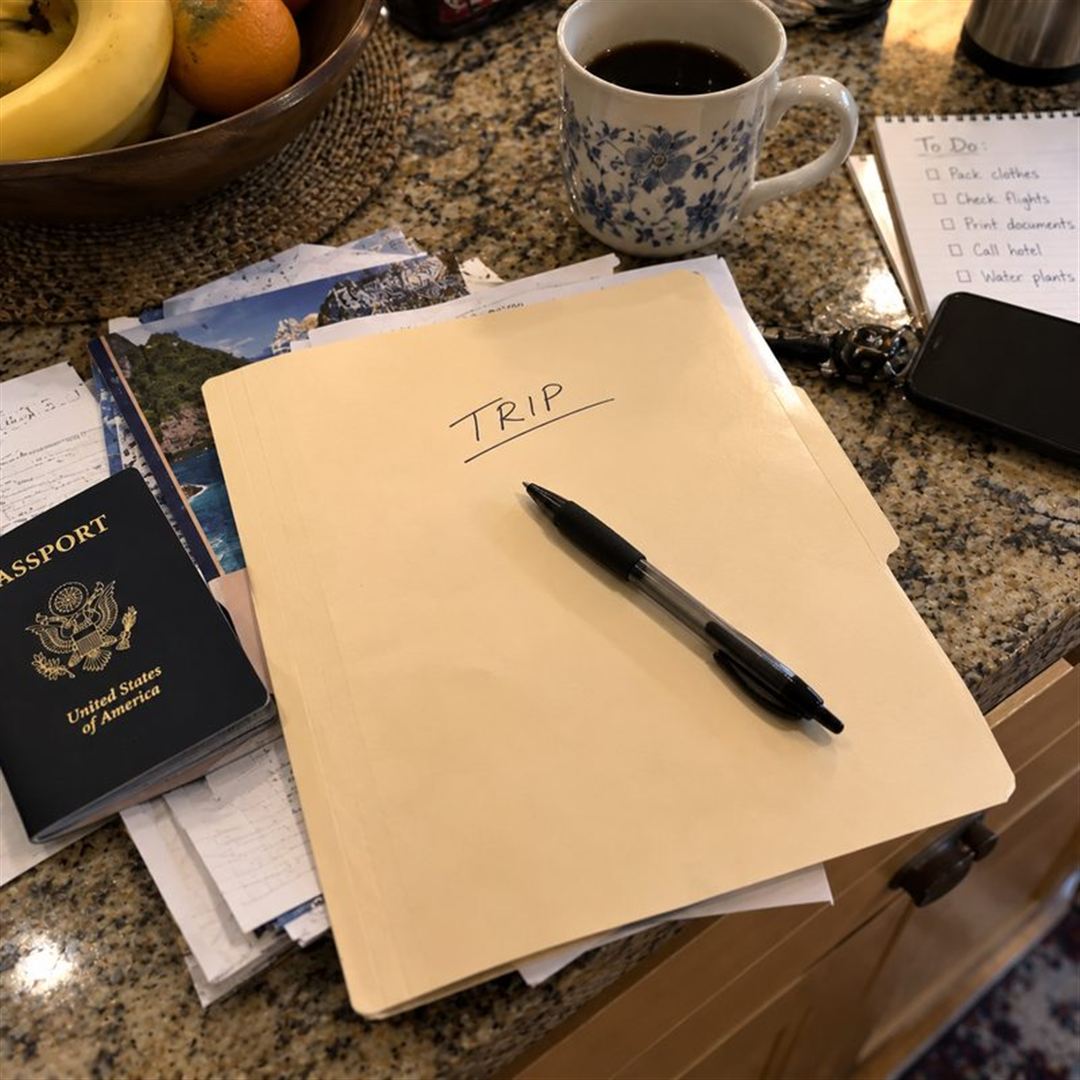
Ran for 3 days, from October 25 to October 28, 2026, the last day Crush saw it.
Run by Vascular Wellness Report on Facebook. Crush is not the advertiser and does not verify its claims. See this ad in Meta's Ad Library(opens in a new tab)
Make your own version of this ad
Crush makes it, launches it in your own Meta ad account, scales the winners and pauses the losers.
About this ad
- Meta Ad Library ID
- 1129638969487059
- Platforms
- Facebook, Instagram, Audience Network and Threads
- Relaunches
- 0
Ad text
I threw out every banana and potato in the house and drank water until I was up four times a night, and my doctor still called my kidneys "stable." Meanwhile, the trip confirmation email sat in my inbox for four months, and I opened it twice a week just to look at the dates. I booked it back in March, paid the deposit, bought new walking shoes, and printed the whole itinerary and put it in a folder on the counter. I never went. Every few days I'd open the email again and think, maybe after the next blood draw, maybe when I know more. And every night I came home, checked my labs online one more time, googled "stage 3 CKD stable" at midnight, and that was the end of my day. I was not ignoring my kidneys, and I need you to understand that, because I spent six months wondering if I was doing enough. People who ignore things don't count every milligram of salt, or buy kidney cleanse tea from the health food store that smells like dirt and costs thirty dollars. I was trying, and that was the cruel part, because I was trying harder than I had ever tried at anything. And I was fading anyway. The exhaustion came first, not tired from a long day but tired like I'd been awake for three days straight. I'd sit down after dinner, and that was it, eyes closed, gone. Then the brain fog rolled in, thick and constant. I'd stand in the kitchen and forget what I'd come in for. I'd read the same email three times and still not know what it said. And then one morning I looked in the mirror and my face was puffy, and by evening my ankles were swollen enough that my socks left deep grooves in them. I was 62, not 80, not retired, and not sick according to anybody official. I was still working full weeks and still doing everything a capable person does. But something in me had stopped planning past the next blood draw, and my wife knew it, and neither of us said it out loud. I need to tell you what I wish someone had told me six months earlier, because I keep seeing the same posts, from people just like me and from their spouses, over and over: "My doctor says my kidneys are stable, so why do I feel like I'm waiting for something terrible?" "What can I actually DO between blood draws?" If any of that sounds like your house, please read this. I know it's long, and I know you have things to do, but I would have paid anything for someone to explain what I'm about to explain. The call came on a Thursday afternoon. My doctor's voice was calm, almost casual. "Your eGFR is 48. That's stage 3 chronic kidney disease. It's stable. Come back in three months, and we'll recheck." I sat there with the phone against my ear, waiting for more. There wasn't more. I asked what I could do to help myself. He said, "Nothing. We're going to watch your labs." I thanked him, hung up, and sat at the kitchen table staring at the printout I'd brought home from the last blood draw. Stage 3, stable, come back in three months. That was the entire plan. If my kidneys were stable, why did I look in the mirror every morning and see someone I didn't recognize? Nobody had an answer for me. So I tried harder: I googled at midnight, read forums, and cut salt so low my food tasted like cardboard. I drank more water, because every article says hydration helps, and all the extra water did was send me to the bathroom four times a night and make me feel like I was drowning from the inside. I threw out bananas and potatoes because I read potassium was dangerous at stage 3, even though nobody had told me my potassium was high. Then I bought a kidney cleanse tea from the health food store. It smelled like dirt and tasted worse. I drank it every morning for three weeks and nothing changed. Then I tried a "complete kidney support" formula with 19 ingredients, which sounds impressive until you realize 19 ingredients in two capsules means a pinch of everything and a real dose of nothing. On day 87 after that phone call, my wife moved the trip folder off the counter and into the drawer. She told me later she couldn't stand looking at it anymore. It hurt too much. I noticed that night. I opened the drawer, looked at the folder, and closed it again. I didn't say anything for a long time, and then I said, "Leave it there." She did, and she didn't ask why, which is one of a thousand reasons I married her. The trip folder was not just a trip folder. It was the version of myself I was refusing to let go of. So we started reading properly, the two of us at the kitchen table, and not because I'm against doctors. I take my blood pressure pill every single day, exactly as prescribed, and I have never missed a dose. I just could not accept that "stable" and "come back in three months" was the entire plan while my life sat on hold. And after weeks of reading, one thing finally made it all click for me. Everyone was watching my number. The doctor watched the eGFR, I watched the eGFR, and the forums argued about the eGFR all day long. But eGFR is just the scoreboard. Nobody was talking about what was actually starving the filters. Here's what I learned, and I'm going to say it the way I finally understood it. Your kidneys are not just plumbing. Each kidney filters blood through about a million tiny loops of blood vessels called glomeruli. That's where the work happens. Inside the lining of those tiny vessels is an enzyme called eNOS that makes nitric oxide, a tiny gas that tells the vessels to relax and open so blood can flow through. But age, years of high blood sugar, high blood pressure, and long-term painkillers like ibuprofen or naproxen turn eNOS down. So less nitric oxide gets made. And when there's less nitric oxide, the tiny vessels feeding the filters tighten. It's like stepping on a garden hose. The water's still running, but nothing's getting through. The filters go short of blood and oxygen. Over time, they stiffen. Protein can slip into the urine. And eGFR slides. Blood pressure and kidneys feed each other. High pressure pushes blood too hard through the filter loops, and they scar. Damaged kidneys can't clear salt and fluid, and they release renin, which raises pressure further. And the whole thing feeds itself. Tighter vessels mean less blood to the filters. Stiffer filters mean worse blood pressure. Worse blood pressure means even tighter vessels, quietly, for months, while the number on the lab report still reads "stable." That is what "we're going to watch your labs" really means. It means we will let the tiny vessels tighten for three more months and then measure what it took. My father never dealt with any of this, and he worked construction until he was 71. He drank coffee every morning and ate what he wanted and never saw a nephrologist in his life. But I'm not my father, and neither are you. So I stopped asking "what are my levels" and started asking a better question. What feeds the tiny vessels so they can make nitric oxide again? That question has a specific answer, and modern research found it. Cocoa flavanols, especially a compound called epicatechin, support eNOS so the body makes more of its own nitric oxide, and the tiny vessels feeding the filters can relax and get blood. The European Food Safety Authority reviewed the research and approved a claim: 200 milligrams of cocoa flavanols a day helps maintain the elasticity of blood vessels, which contributes to normal blood flow. And then I found the kidney trial. The study had 57 patients on hemodialysis, and they got 900 milligrams of cocoa flavanols per study day for 30 days. A single dose improved blood vessel function by 53 percent within hours, compared to 3.3 percent on placebo. Before you say it, I know: chocolate is on every avoid list, and nobody with kidney trouble should be eating chocolate bars loaded with sugar and calories. That part matters, and it's exactly why I got picky. Most cocoa in chocolate and supplements is roasted and then alkalized. Alkalizing destroys 60 to 90 percent of the flavanols. Many cocoa products list milligrams of cacao or "extract," not how many cocoa flavanols are actually inside, so you have no idea what dose you're getting. I decided a real answer had to pass a few tests. It had to support eNOS and nitric oxide at a dose backed by research, not just throw cocoa powder in a capsule and hope. It had to be standardized to cocoa flavanols, with the number on the label, so I knew exactly what I was taking. It had to be cold-extracted, never roasted or alkalized, so the flavanols stayed intact. It had to be third-party tested for purity and safety, because I was not about to add something to my day that could hurt my kidneys further. The potassium and phosphorus levels had to be negligible to zero. And it had to be simple. Two capsules once a day. No powders to mix, no scoops to measure, no new food rules. Neurobella Advanced Flavanol Cocoa Formula was the first thing I found that passed all of them. It has 1,200 milligrams of cocoa flavanols per serving, six times the European-approved amount. It's cold-extracted, never roasted or alkalized, third-party tested, and GMP-certified, with no sugar and no artificial additives. The potassium and phosphorus levels in the capsules are negligible to zero. 👉 https://try.neuro-bella.com/neurobella-advance-ckd/adv I kept taking my blood pressure pill exactly as prescribed. Here's what happened in my house. Around week 3, I woke up one morning and realized I'd slept through the night. No bathroom trips. No waking up at 2 AM to check my labs online again. I didn't say anything about it for days, because I didn't want to jinx it. By month 2, the brain fog lifted. I could read an email once and actually understand it. I stayed awake past dinner for the first time in six months, and my wife looked at me like she was seeing someone she'd missed. And at my next three-month recheck, my eGFR was 49. It didn't drop. For the first time since the diagnosis, "stable" actually felt stable, not like waiting for the other shoe to drop. The trip folder is not in the drawer anymore. I opened it two weeks ago, called the resort, and rescheduled. We're going in October. I came home last night and told my wife the dates, and she stood there in the kitchen with her hand over her mouth, and then she started crying, and I realized she'd stopped believing we'd actually go. That may sound small. If you have ever stopped planning past the next blood draw, you know it is not small. 👉 https://try.neuro-bella.com/neurobella-advance-ckd/adv Richard M. P.S. If your eGFR is in the 40s or 50s and the plan you were handed is "come back in three months," you have three months, so use them. The tiny vessels don't wait. The earliest changes show up in how you feel between blood draws. P.P.S. If your spouse sent you this, read it twice. They're not nagging. They're watching you put life on hold while everyone waits. P.P.P.S. Neurobella backs it for 90 days, every penny, no questions asked, even on empty bottles. That's long enough to see the next blood draw. 👉 https://try.neuro-bella.com/neurobella-advance-ckd/adv
Where the ad sends people
https://neuro-bella.com/
My Kidneys Were "Stable." My Life Wasn't.
90-day money-back guarantee
Shop now: try.neuro-bella.com(opens in a new tab)