
Active· since Feb 20, 2026
- 205
- days running
- 1
- relaunches
Ad copy
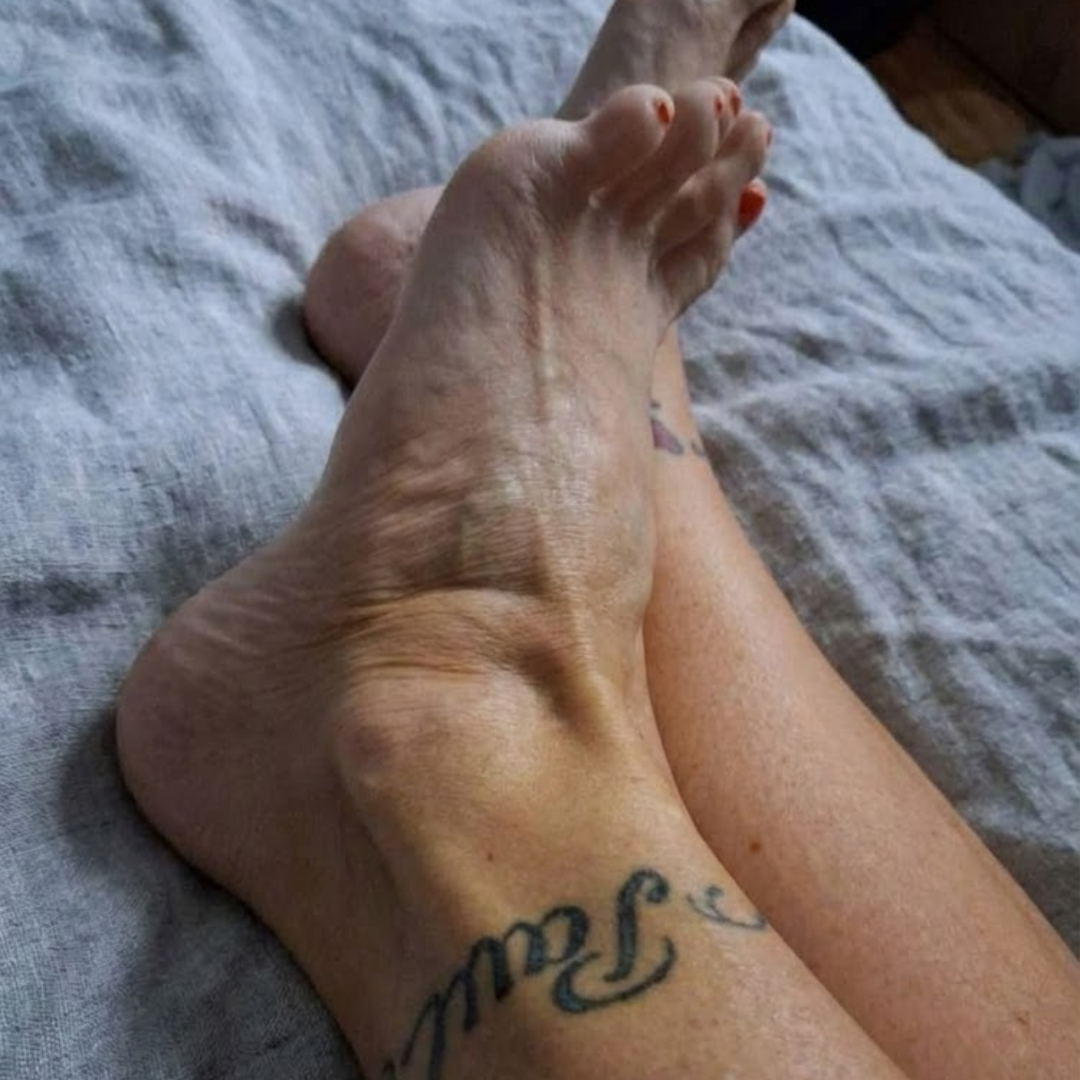
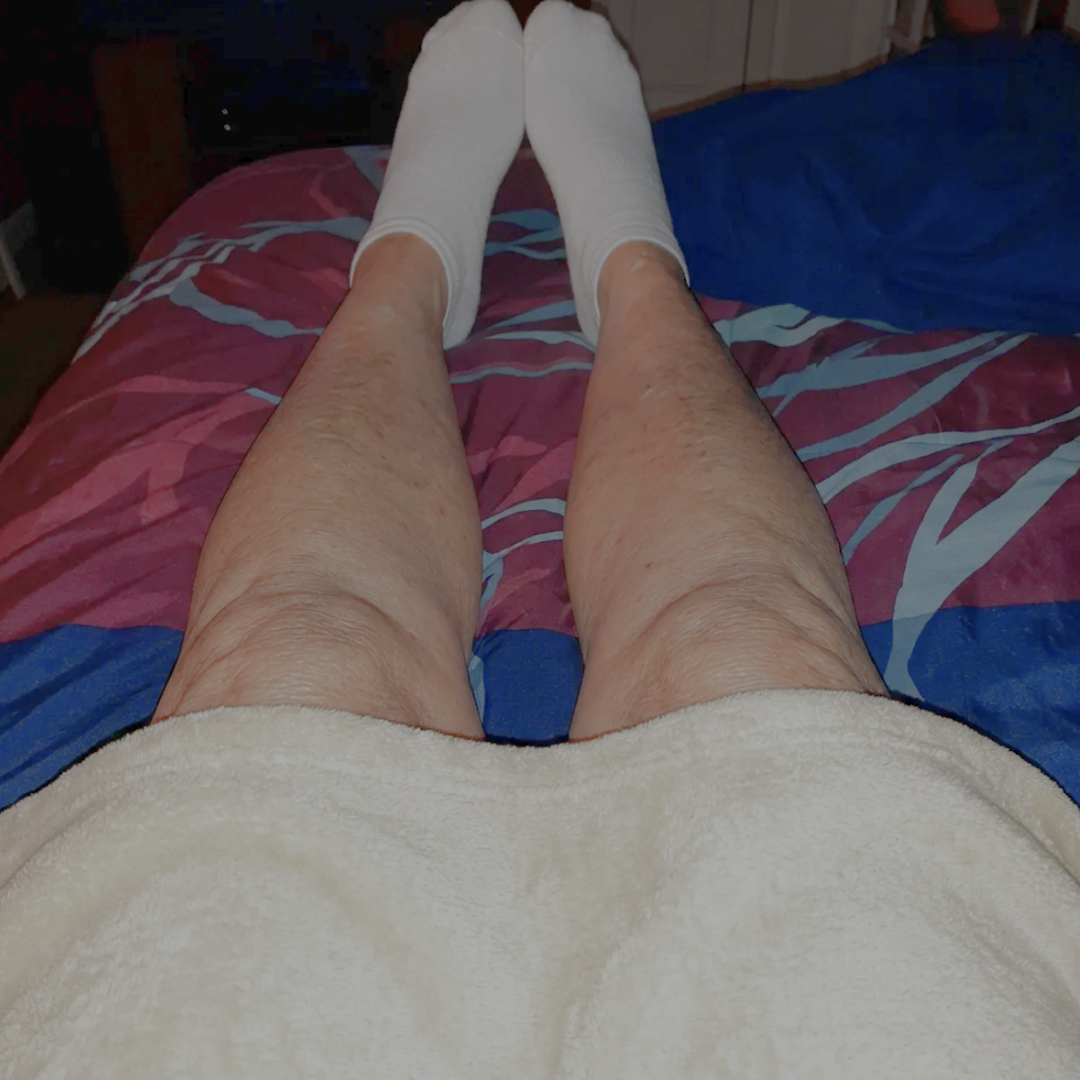
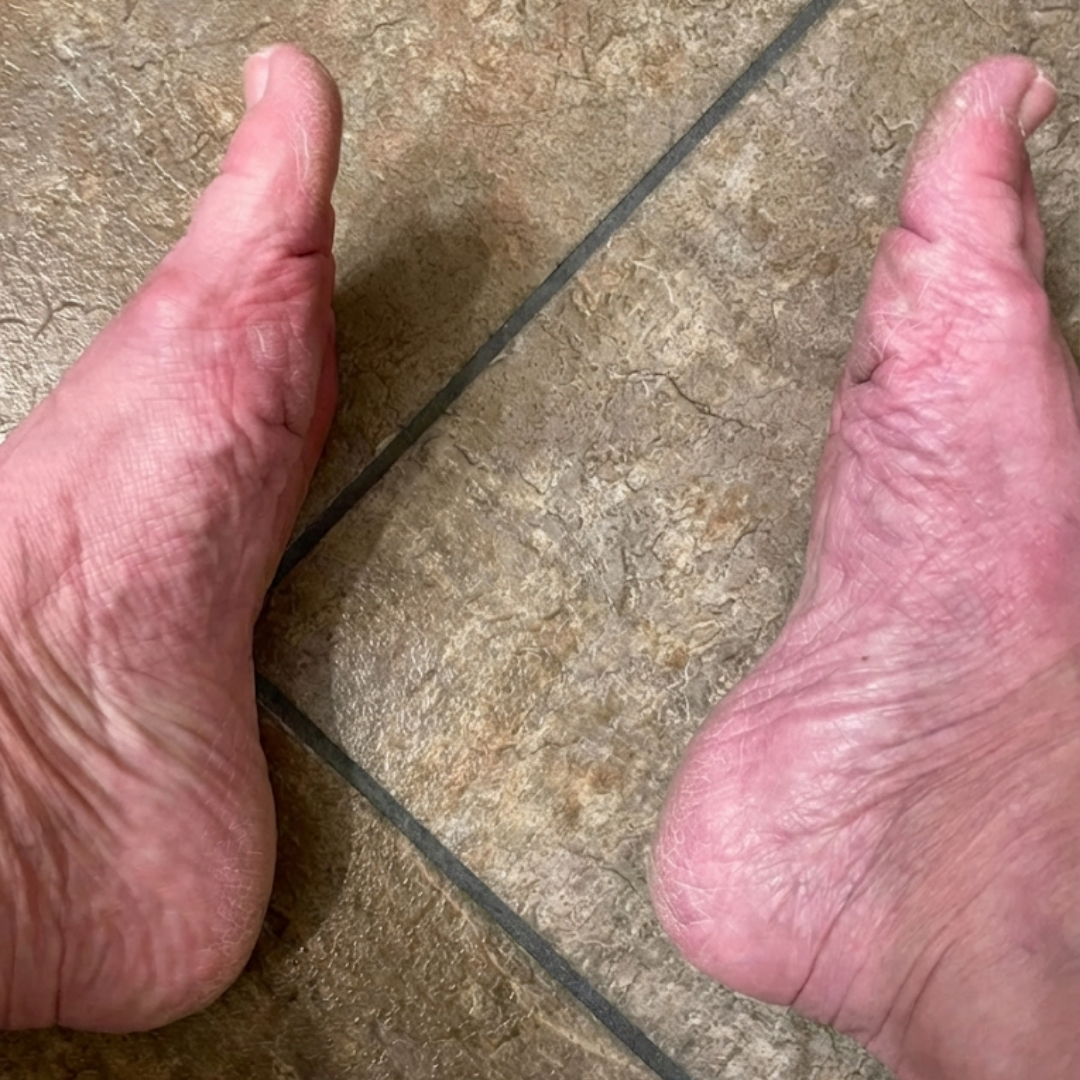
I told my son I didn't want to post this. He said, "Mom, someone needs to know." He's probably right. Eight months ago, I was measuring my hallway for grab bars. Not because I'm elderly. Not because I had a surgery. Because the neuropathy in my feet had gotten so bad that I couldn't walk from my bedroom to my kitchen without bracing myself against the wall. I'm 67 years old. I taught third grade for 31 years. I was on my feet every single day — recess duty, field trips, classroom circles on the floor with 8-year-olds. I could outpace half my students. Now I can't walk to my own mailbox. It started three years ago, about four months after I finished chemo. They told me the chemo might cause some tingling. "Peripheral neuropathy," the oncologist called it. "It usually resolves on its own within a few months." It didn't resolve. The tingling never went away. It settled into my toes like it had moved in permanently. A low-grade buzzing that I noticed most at night. I mentioned it at my follow-up. My oncologist said, "Give it time. The nerves are still recovering." So I gave it time. Six months. A year. The tingling didn't recover. It turned into burning. Not a gentle warmth — a deep, searing heat across the soles of both feet that started every evening around 7 p.m. and didn't let up until morning. I'd lie in bed staring at the ceiling with my feet sticking out from under the covers, tears running down my temples, thinking: I survived cancer for this? I survived the diagnosis. The surgery. The chemo that made me lose my hair, my appetite, and 22 pounds I couldn't afford to lose. I rang the bell. I was supposed to be done. But the neuropathy — the thing they barely mentioned, the footnote on the side effects sheet, the "it usually resolves" afterthought — became worse than anything the cancer itself had put me through. Because at least with cancer, there was a plan. A protocol. An end date. With neuropathy, there's nothing. Just "manage it." My doctor's first move? Gabapentin. 300 milligrams, three times a day. I trusted her. I'd trusted her through cancer. So I took every pill. The first two weeks, it dulled the burning. Maybe 20 percent. But by week three, I was a different person. I couldn't remember my students' names — children I'd taught for years. I'd run into former students at the grocery store and stand there smiling while my brain scrambled for a name I'd said ten thousand times. I gained 16 pounds in two months. After fighting to gain weight back during chemo, the irony of medication weight gain was almost cruel. And the fog. God, the fog. My son would call and I'd forget what we talked about by the time I hung up. I started writing everything down — conversations, appointments, where I parked my car. My kitchen counter looked like a crime scene investigation board. Sticky notes everywhere. I told my doctor the gabapentin was ruining me. She increased the dose. Then she added Lyrica. $380 a month. My Medicare Part D covered some of it, but I was still paying $140 out of pocket. $140 a month for a pill that made me drowsier, foggier, and didn't stop the burning. A retired teacher on a pension. Paying $140 a month to feel worse. Nobody pointed out the absurdity. While the medications were failing me, the neuropathy was advancing. The numbness crept from my toes through the soles of my feet. Then to my arches. Then past my ankles. I couldn't feel the floor. People who don't have neuropathy don't understand what that means. It means you stand up and your brain gets no feedback from your feet. No texture. No temperature. No sense of where the ground is relative to your body. So you compensate. You grip things. You shuffle. You stop trusting your own legs. I stopped going to the farmer's market on Saturdays — the thing I looked forward to most every week — because the uneven ground terrified me. I stopped visiting my former school for the holiday concert because I couldn't navigate the crowded hallway. I stopped gardening. I stopped walking the neighborhood. I stopped accepting dinner invitations because I was afraid of falling in someone else's house. My world shrank to my living room, my bedroom, and the path between them. Then came the fall. A Sunday morning. I was walking to the bathroom. My left foot caught the edge of the hallway rug — a rug I'd walked over a thousand times — and because I couldn't feel it, I didn't correct. My ankle rolled. My knee buckled. I went down and hit the hardwood. I didn't break anything. But I laid there for what felt like an hour, staring at the ceiling, and the only thing I could think was: This is how it starts. This is the fall that leads to the next fall. And the next one breaks something. And the one after that puts me in a facility. I thought about my mother. She fell at 74. Broke her hip. Never walked independently again. Spent her last three years in a care home watching television and waiting. I swore that wouldn't be me. But lying on that hallway floor at 67, I understood for the first time that swearing doesn't stop it. Only standing up does. And I wasn't sure how much longer I could do that. My son lives about an hour away. He came over that afternoon. When he walked in, he looked around the house and I could see him cataloging things. The grab bar I'd installed by the back door. The non-slip mat in the bathroom. The furniture rearranged to create clear paths. He didn't say anything about it. But I saw his jaw tighten. We sat at the kitchen table. I tried to act normal. Poured the tea. Made small talk about his kids. "Mom," he said quietly. "You're not okay." I started crying. I hadn't cried in front of him since the cancer diagnosis. I told him everything. The burning that never stops. The medication fog that stole my mind. The $3,800 I'd spent on creams and supplements and devices that did nothing. The fall. The rug. My mother. He didn't say anything for a long time. Then he said: "I'm going to figure this out." I wanted to believe him. But I'd heard that before. From my oncologist. From my primary care doctor. From the neurologist who spent 11 minutes with me and handed me another prescription. "Figuring it out" always meant another pill. Another cream. Another $40 bottle of supplements. I didn't have fight left for another disappointment. Four days later, he called. His voice sounded different. Not urgent exactly — determined. "Mom. I found something. And I need you to hear me out before you say no." When he showed up that Saturday, he was carrying a box. "Before you say anything," he said. "I know you've been burned by every product that promised to help your neuropathy. I know you don't trust health gadgets. But just... trust me. Please." He pulled out a vibration plate. I actually laughed. "Sweetheart, a vibration plate? Those are exercise machines. I see ads for them on Facebook between the miracle creams and the magnetic bracelets." He didn't flinch. "Not this one, Mom. This is the VibratingWell Harmonic Vibration Plate. It's designed specifically for neuropathy. And before you dismiss it, look at what I found." He opened his laptop. My son is a pharmacist. He reads clinical studies the way I used to read lesson plans — carefully, critically, looking for what's actually there versus what someone wants you to believe. Five studies. Published in peer-reviewed medical journals. Indexed on PubMed. Conducted at Willamette University, Brigham Young University, Kyungdong University. Sham-controlled. Randomized. The real standard. "Mom, here's what nobody told you. Your nerves aren't just damaged from chemo. They're starving." He turned the laptop toward me. "Chemo damages the blood vessels that feed your peripheral nerves. Less blood gets through. Less oxygen reaches the nerves. Without oxygen, they can't function. They burn. They go numb. They stop communicating with your brain. That's why your balance is gone." Then he said the thing that made everything click. "Every medication you've taken for three years — gabapentin, Lyrica, all of it — they block pain signals in your brain. Mom, not a single one sends more blood to your feet. They've been treating the smoke alarm while the house keeps burning." He showed me study after study. Brigham Young University: A single session of whole body vibration significantly increased skin blood flow in neuropathic feet. Published in the Journal of Diabetes Science and Technology. Willamette University: Sham-controlled trial. Significant pain reduction at 2 and 4 weeks. Effects persisted 1 to 5 weeks after treatment stopped. Kyungdong University: 21% improvement in vibration perception threshold after 6 weeks. Meaning nerves were literally sensing more. Another study: Significant improvements in balance, mobility, and quality of life. Five studies. Different universities. Different countries. All reaching the same conclusion. And across every single one: zero adverse effects. "Compare that," he said quietly, "to what gabapentin and Lyrica have done to you." He closed the laptop and turned the plate over. "See this surface, Mom? These raised nodules? That's a shiatsu texture. It's designed to stimulate the pressure points on the bottom of your feet — the exact spots where nerve endings are most concentrated. No other plate in this price range has it." He pulled out a booklet. "And this is a protocol guide based on the actual clinical studies. Session timing, intensity progression, the whole thing. You're not guessing. You're following what the researchers used." He looked at me. My son. The little boy who used to bring me dandelions from the playground. Standing in my kitchen at 41 years old with a laptop full of PubMed studies and a box he'd been carrying in his trunk for a week. "Mom, I can't watch you shrink. I can't watch your world get smaller. You survived cancer. You're not going to lose to neuropathy. Not if I can help it." I'm a retired teacher. I've seen every "revolutionary learning tool" and "classroom miracle" that turned out to be junk. I know hype when I see it. But I realized: He's not trying to sell me something. He's trying to save me. So I said yes. Not because I believed it would work. Because he's my son. And the look on his face — the same fear I saw when I told him about the cancer — told me he needed me to try as much as I needed to try. Plus, he pointed out it came with a 30-day money-back guarantee and a 1-year warranty. "Mom, if it doesn't work, you send it back. Zero risk. But you have to try." That evening, he set it up in my living room. Took about two minutes. I sat in my armchair — because I didn't trust my balance to stand — and put my feet on the plate. Fifteen minutes. Lowest setting. The shiatsu nodules pressing gently against the soles of my feet. And about six minutes in, something happened that I did not expect. My feet got warm. Not burning-warm. Not capsaicin-warm. Not the temporary surface warmth from a heated sock. Warm from inside. Like blood was actually flowing down there. I looked at my feet and I felt — actually felt — the nodules under my soles. Texture. Pressure. Sensation that wasn't pain. I hadn't felt anything under my feet that wasn't pain or nothing in over two years. I called my son over. "Feel my feet." He touched them and stopped. "Mom. They're warm." We looked at each other. And I could see the tension in his face release. Just slightly. Because for the first time in three years, something had actually happened. Week one: The burning at night dropped by half. I went from waking every 90 minutes to sleeping three and four hours at a stretch. I stopped reaching for the ibuprofen on my nightstand. It was still there. I just didn't need it. Week two: I slept through the entire night. My son called in the morning and said, "You sound different, Mom." I said, "I slept seven hours." He went quiet. Then he said, "Finally." Week three: I stood up from my chair without grabbing the armrest. Walked to the kitchen without touching the wall. Didn't realize I'd done it until I was already pouring my tea. Then I stood there holding the kettle and cried. Because that's what getting something back feels like — you don't notice it happening until it's already happened. Week four: I started using the plate standing up, holding the back of a kitchen chair. The shiatsu nodules — I could feel every single one. Distinct pressure points. My feet were talking to my brain again. Week six: I walked to the end of my driveway and got the mail. Then I kept walking. Down the block. Past the neighbor's house. Past the stop sign. I walked four blocks before I turned around. I wasn't even thinking about my feet. I was looking at the dogwood trees. Week eight: I went to the farmer's market. For the first time in over a year. Uneven ground. Crowds. I walked the whole loop. Bought tomatoes and a jar of local honey. Stood in line without holding onto anything. A woman I know from my old school said, "Donna, where have you been?" I said, "Coming back." I went to my oncologist for a follow-up. She asked about the neuropathy. I told her about the VibratingWell. About the studies. About the warm feet and the sleeping and the balance. She looked at me for a long time. Then she said: "I wish I'd known to tell you this when the neuropathy started." Me too. If I had found this two years ago — when the tingling first settled in and my oncologist said "give it time" — I might have avoided all of it. The gabapentin fog. The 16 pounds. The Lyrica at $140 a month. The $3,800 on products that didn't work. The fall. The hallway rug. The grab bars. The world getting smaller and smaller until I was measuring my house for safety equipment instead of living in it. All of it. That's why I'm sharing this. Because if you recognize ANY of what I described — the burning feet at night, the numbness spreading, the balance disappearing, the medication fog, the world shrinking, the doctor who says "we just manage it" — please don't wait. And I know there are other cancer survivors reading this right now. Women and men who fought through chemo and won, only to find out the neuropathy it left behind is its own kind of prison. Survivors who were told "it usually resolves" and are still waiting years later. I see you. I was you. Before you go looking for a vibration plate, I need to warn you: Most of the ones on Amazon do NOT work for neuropathy. I know because after my results, four women from my cancer survivor group bought cheap ones. Not a single one felt improvement. One of them returned hers after a week because the vibration was too aggressive and made her feet ache. Here's why the cheap ones don't work: Most vibration plates are built for fitness. Flat, smooth surfaces designed for squats and weight loss. Standing on a generic fitness plate for neuropathy is like using a megaphone to whisper. Wrong tool. Wrong purpose. The VibratingWell is different for two specific reasons: The shiatsu-textured surface. Raised nodules positioned to stimulate the nerve-dense pressure points on the soles of your feet — the exact areas where neuropathy kills sensation first. No other plate in this price range has a surface designed for neuropathic feet. It's the difference between a general multivitamin and a targeted treatment. The neuropathy protocol guide. Generic plates ship with a fitness workout poster. VibratingWell includes a protocol based on the actual published clinical studies — exact session timing, frequency, and intensity progression for neuropathic feet. You're not guessing. You're following the science. I've told everyone in my cancer survivor group. Five of them have bought one. Every single one has called me within the first two weeks. Same thing, every time: "My feet are warm." One of them — Patricia, 72, chemo-induced neuropathy for four years — called me crying. "Donna, I didn't realize how much I'd given up until I started getting it back." That's what chronic neuropathy does. It takes things from you so slowly you forget they were yours. The sleep. The balance. The confidence. The farmers market. The garden. The walks. You adjust to losing them one by one. Until something gives them backand you realize how much was stolen. The VibratingWell sells out regularly. I've watched it go out of stock twice since I got mine. Each time it was gone for weeks. Last month, a woman from my survivor group finally decided to order one. It was sold out. She said she'd wait. Three weeks later she fell getting out of her car and fractured her elbow. She called me from urgent care and said: "I should have ordered it when you first told me." I don't want that to be you. If you're reading this and it's in stock — get it. Don't think "I'll do it later." Because here's the thing about neuropathy: It doesn't wait for you to be ready. The numbness spreads. The balance gets worse. The falls get more dangerous. And every week you wait is another week your nerves continue to starve. You already survived the hard part. Don't let the side effect become worse than the disease. The VibratingWell Harmonic Vibration Plate comes with a 30-day money-back guarantee and a full 1-year warranty. If you don't feel a difference, you get every penny back. But I'm confident you will. Because I felt it. My entire survivor group felt it. Patricia felt it after four years of nothing working. Don't wait until you're on the floor staring at the ceiling thinking about your mother. Don't wait until your son starts measuring your hallway for grab bars. Don't wait until a fall takes something you can't get back. Don't wait until it's too late. Get it now. While it's in stock. While it's still 43% off. While you still can. 👉 https://www.vibratingwell.com/neuropathy — Donna Rafferty, 67 Retired third-grade teacher, 31 years Cancer survivor Chemo-induced neuropathy survivor And someone who wishes she'd found this sooner
Like this ad? Make it yours.
Crush rebuilds this exact creative around your product — your brand, your colors, your offer — in about a minute.