
Active· since Apr 30, 2026
- 139
- days running
- 0
- relaunches
Ad copy
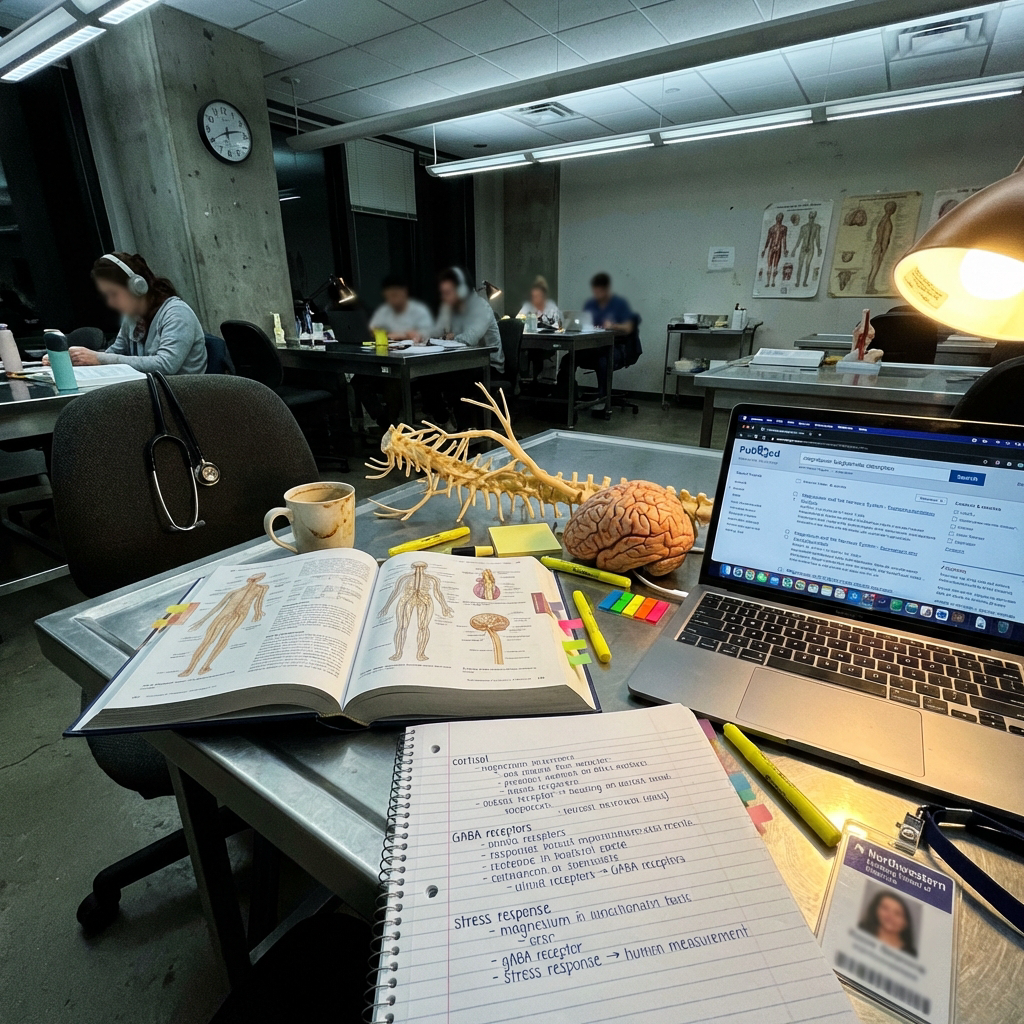
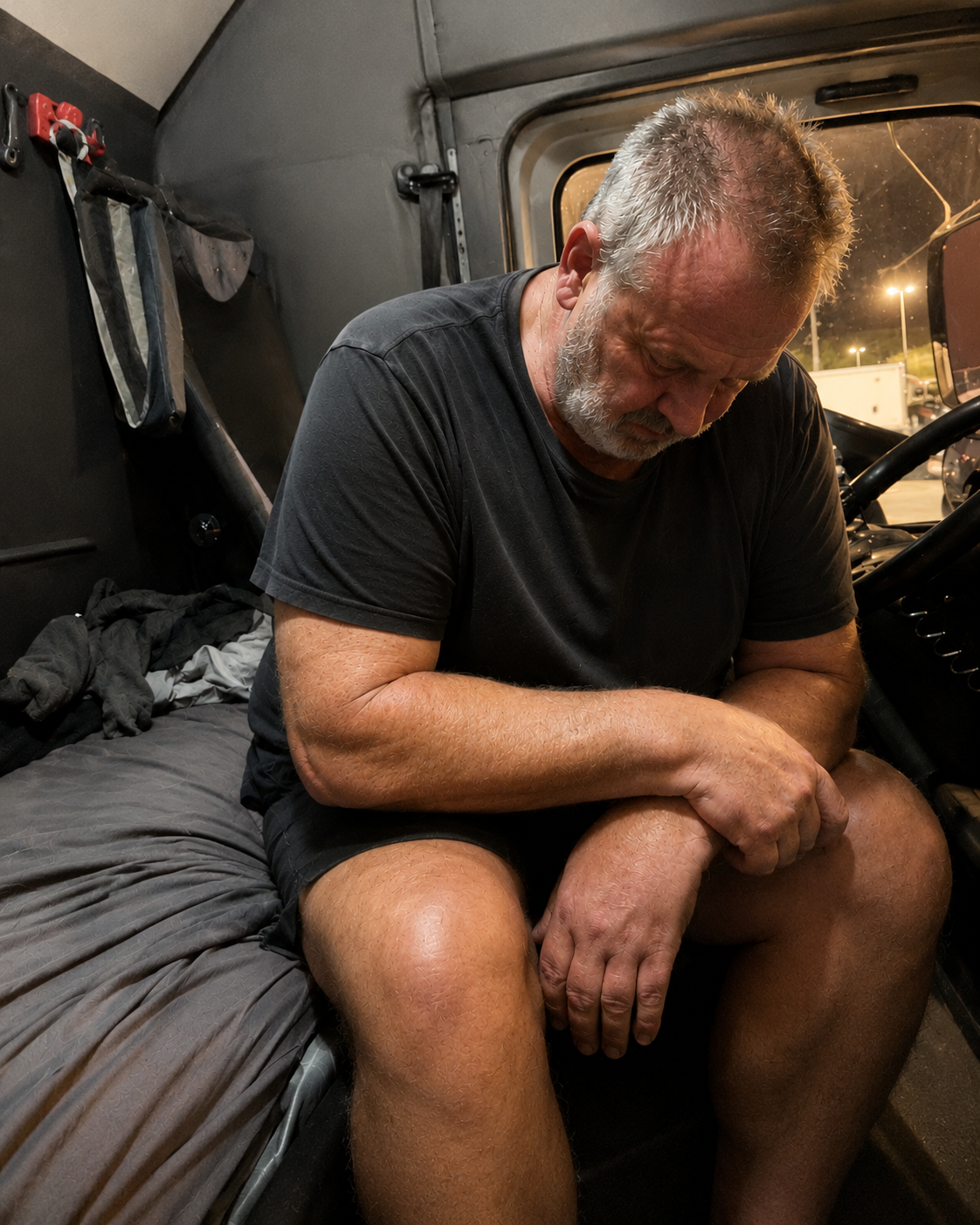
If your A1C is 5.7 or higher, your liver is dumping glucose into your blood while you sleep. The reason your doctor never told you this is because the real villain isn't your diet. It's cortisol. Cortisol that never switches off. Here's what's happening inside your body right now. Every time your cortisol spikes — from stress, from poor sleep, from skipping meals, from the low-grade anxiety of modern life — your liver gets a direct signal to dump glucose into your bloodstream. It's a survival mechanism. Your body thinks you're being chased. It floods your blood with sugar so your muscles have fuel to run. But you're not running. You're sitting at your desk. Lying awake at 3 AM. Stuck in traffic. Answering emails. The glucose hits your bloodstream. Your pancreas fires insulin to deal with it. Your cells — already exhausted from doing this 40 times a day — start ignoring the insulin signal. That's insulin resistance. The glucose has nowhere to go. So your liver does the only thing it can. It converts the extra glucose to fat and packs it around your organs. That's visceral fat. That's the belly that won't move no matter how clean you eat. That's why you're tired by 2 PM no matter how well you slept. That's why you're hungry an hour after dinner. That's what an A1C of 6.1 looks like from the inside. And here's why cutting carbs doesn't fix it. You're not eating the glucose. Your own liver is making it. Every cortisol spike triggers a fresh dump of glucose into your bloodstream no matter what's on your plate. You can eat nothing but grilled chicken and vegetables and your cortisol will still tell your liver to flood your blood with sugar at 2 AM while you sleep. Your A1C measures all of it. Every spike. Every dump. Averaged over three months. That's why you did everything your doctor told you and your A1C went up anyway. You were fighting your fork when you should have been fighting your cortisol. I learned this the hard way. My doctor handed me my bloodwork results fourteen months ago. "A1C is 6.1. That puts you in the prediabetic range." I asked him what I should do. "Lose weight. Cut carbs and alcohol. If it's not below 5.7 in six months we'll need to start medication." My dad spent the last 15 years of his life on diabetes medication. He died at 68. The last three years he was injecting insulin into his stomach at the kitchen table every morning before breakfast. That night I couldn't sleep thinking about him. I'd been doing everything right for the past eight months. Eating less. Cutting sugar. Walking at lunch. Skipping the beer at dinner. I'd lost 18 pounds. My A1C went up anyway. From 5.9 to 6.1. Two months later my brother-in-law called me. He'd just come back from a 5-day biohacking camp in Sedona, Arizona. He'd been prediabetic too. His numbers had dropped to normal range. He told me to go. I flew out a week later. The camp sat in the red rocks outside town. Twelve men in the program. Five days. Bloodwork on day one. Bloodwork on day five. Cortisol mapping. Glucose tracking. Sleep monitoring. Sauna. Cold plunges. Hikes through the canyons at sunrise. Day two I sat down with the camp's medical director. His name was Dr. Reyes. He'd run an endocrinology practice in Phoenix for twenty years before he opened the camp. He pulled up my bloodwork on his laptop. He said, "Your fasting glucose is 118. Your A1C is 6.1. You've been told to cut carbs." I nodded. He said, "It won't work. Not on its own. You don't have a diet problem. You have a cortisol problem." He turned the laptop around so I could see the chart. He said, "Your liver has two jobs that matter for blood sugar. It stores extra glucose when your blood sugar is high. And it releases glucose slowly between meals to keep your brain fueled." He said, "Cortisol overrides both. Cortisol tells your liver to RELEASE glucose. Right now. Hard trigger. Doesn't matter if you just ate. Doesn't matter if it's 3 AM. The cortisol fires and the liver dumps." He said, "You've been running on high cortisol for years. You sleep badly. You wake at 3 AM. You stress at work. Each one is a fresh signal to your liver to flood your blood with glucose. Your A1C is the average of all those dumps." He said, "You're not failing your diet. You're losing a battle you don't even know you're fighting. The battle isn't against carbs. It's against cortisol." I asked him how I shut the cortisol down. He said, "Magnesium. Specifically magnesium bisglycinate. Magnesium is the trigger for GABA. GABA is the brake in your brain that tells your cortisol to stand down. Without enough magnesium your cortisol has no off switch. It stays elevated all day and all night. Your liver never stops dumping glucose. Your A1C never drops." He said, "Magnesium deficiency is the hidden driver of cortisol-related prediabetes that nobody in conventional medicine is talking about. A 20-dollar mineral doesn't generate billions in pharmaceutical revenue. The medication path does." He said, "This is what we put on every nightstand at this camp. Every guest. Every night. The men who come here for prediabetes reversal don't go home with a prescription. They go home with a bag of gummies and a bloodwork plan." He pulled a small bag out of the cabinet behind him and put it on his desk. Magnesium Bisglycinate. I went and looked up the research that night in my room. A study in Diabetes Care found that higher magnesium intake was significantly associated with lower risk of type 2 diabetes — independent of diet. A clinical trial in the Journal of Human Nutrition and Dietetics showed that magnesium supplementation reduced fasting blood glucose and improved insulin sensitivity in prediabetic patients. A meta-analysis covering over 500,000 patients found that for every 100mg increase in daily magnesium intake the risk of developing type 2 diabetes dropped by 15%. Not a little. 15%. Per 100mg. Magnesium runs over 300 biological functions in the human body. It's the activation switch for the GABA response that deactivates cortisol. It directly regulates the liver's glucose release. It improves insulin sensitivity in muscle and liver cells. And 80% of adults are chronically deficient in it. Modern farming has stripped magnesium from the soil. Stress burns through what's left in your body. Every cortisol spike makes your kidneys flush more magnesium out through your urine. The more stressed you are the more magnesium you lose. The more magnesium you lose the less your cortisol can deactivate. The less your cortisol deactivates the more glucose your liver dumps. The more glucose your liver dumps the higher your A1C climbs. A biological trap that no low-carb diet ever addresses. A biological trap that medication never touches. The medication suppresses the symptom. It doesn't fix the cortisol. It doesn't restore the GABA response. It doesn't replenish the magnesium deficiency driving the whole cascade. The dosage always goes up. Prediabetes on medication almost always becomes type 2 diabetes eventually. You're not failing your treatment. The treatment is failing to address what's wrong. I came home from Sedona and ordered a bag of magnesium bisglycinate that night. Here's what I want to tell you honestly about the timeline. The first week I didn't notice much. Week two I started sleeping through the night. Properly. Not waking up at 3 AM with my mind racing. Seven hours straight. I hadn't done that in years. Week three the afternoon energy crashes I'd had every single day for as long as I could remember started disappearing. I made it to 5 PM without reaching for coffee. Then 6 PM. Then I stopped noticing it because it just wasn't happening anymore. The hunger that used to hit me an hour after every meal stopped. My belt notch moved in. Week four I bought a home glucose monitor and started testing. Fasting blood sugar before breakfast: 96. It had been sitting at 118 for months. Two hours after dinner: 104. It had been spiking to 161. I tested every day for three weeks. Same pattern. Lower. Stable. At three months I went back to my doctor. He pulled up the bloodwork. He stared at the screen for a moment longer than felt normal. "A1C is 5.4." He looked up. "That's normal range. That's a significant drop. What have you changed?" I told him about the cortisol connection. About the magnesium bisglycinate. About what Dr. Reyes had said in Sedona. He'd heard of magnesium. Not the cortisol-glucose cascade. Not the GABA connection. Not the liver's role as a glucose dump on a cortisol hair trigger. He wrote it down. He said, "Whatever you're doing, keep doing it. You don't need medication." 6.1 to 5.4. In three months. Without a prescription. Without starving on a diet I couldn't sustain. Because I wasn't fighting a diet problem. I was fighting a cortisol problem. And cortisol has one off switch. Bisglycinate means the magnesium is bound to two glycine amino acids. Those two glycine carriers do two things nothing else can replicate. First. They escort the magnesium directly past your gut lining and across the blood-brain barrier. That's where the GABA receptors live. That's where the cortisol off switch is located. Second. Glycine itself is a calming amino acid that lowers cortisol and drops your core body temperature at night — the trigger for deep sleep. Deep sleep is when your liver resets its glucose regulation. Deep sleep is when insulin sensitivity restores. Deep sleep is when the cortisol cascade finally gets interrupted. Fix the sleep. Fix the cortisol. Fix the liver. The A1C follows. The energy returns. The belly starts to move. The hunger fades. The form Dr. Reyes used at the camp was a gummy. 100 percent bisglycinate. A full therapeutic dose. Sugar-free. No stomach issues. That sugar-free part matters when your blood sugar is the thing you're trying to fix. Most gummies on the shelf are loaded with sugar. The ones at the camp had none. You're not adding the very thing you're trying to lower. Here's why the gummy format matters specifically for blood sugar. Gummies start absorbing the moment they hit your mouth. Through the lining under your tongue and along your cheeks. They bypass your stomach acid. By the time you're asleep the bisglycinate is already crossing the blood-brain barrier and activating your GABA response. Capsules have to survive stomach acid first. For anyone over 45 with reduced stomach acid production, absorption drops before the magnesium ever reaches your bloodstream. The gummy bypasses all of that. Take two gummies before bed. The bisglycinate crosses the blood-brain barrier. GABA activates. Cortisol drops. Liver stops dumping glucose on a hair trigger. Blood sugar stabilizes through the night. Fasting glucose drops. Post-meal spikes shrink. A1C starts falling. Not because you're eating less. Because you finally turned off the thing that was telling your liver to flood your blood with sugar in the first place. My A1C was 6.1. My doctor wanted to put me on medication. My A1C is 5.4 now. I never took a single pill. I didn't have a blood sugar problem. I had a cortisol problem caused by one mineral deficiency nobody ever tested for. I linked a full breakdown of the exact bisglycinate I use. 👇 Read it here.
Like this ad? Make it yours.
Crush rebuilds this exact creative around your product — your brand, your colors, your offer — in about a minute.