
Active· since Mar 12, 2026
- 183
- days running
- 3
- relaunches
Ad copy
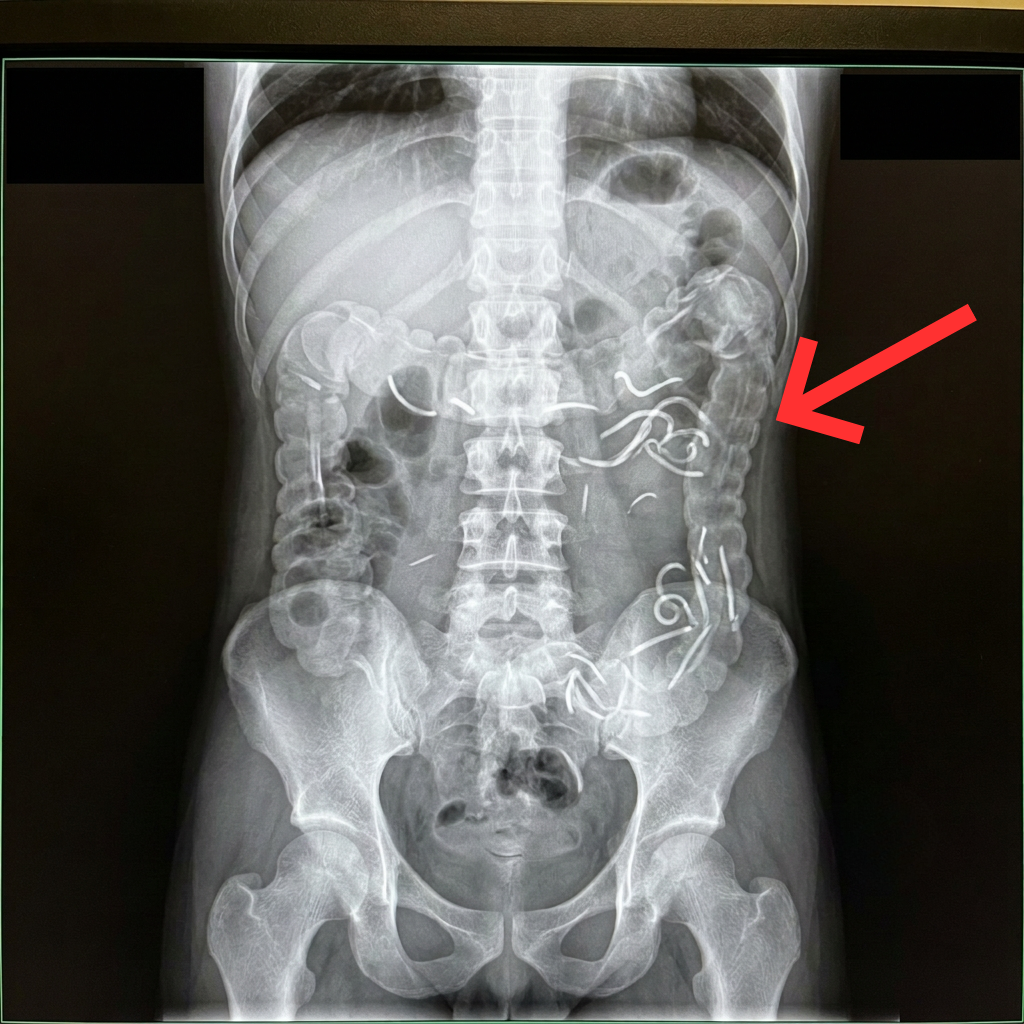
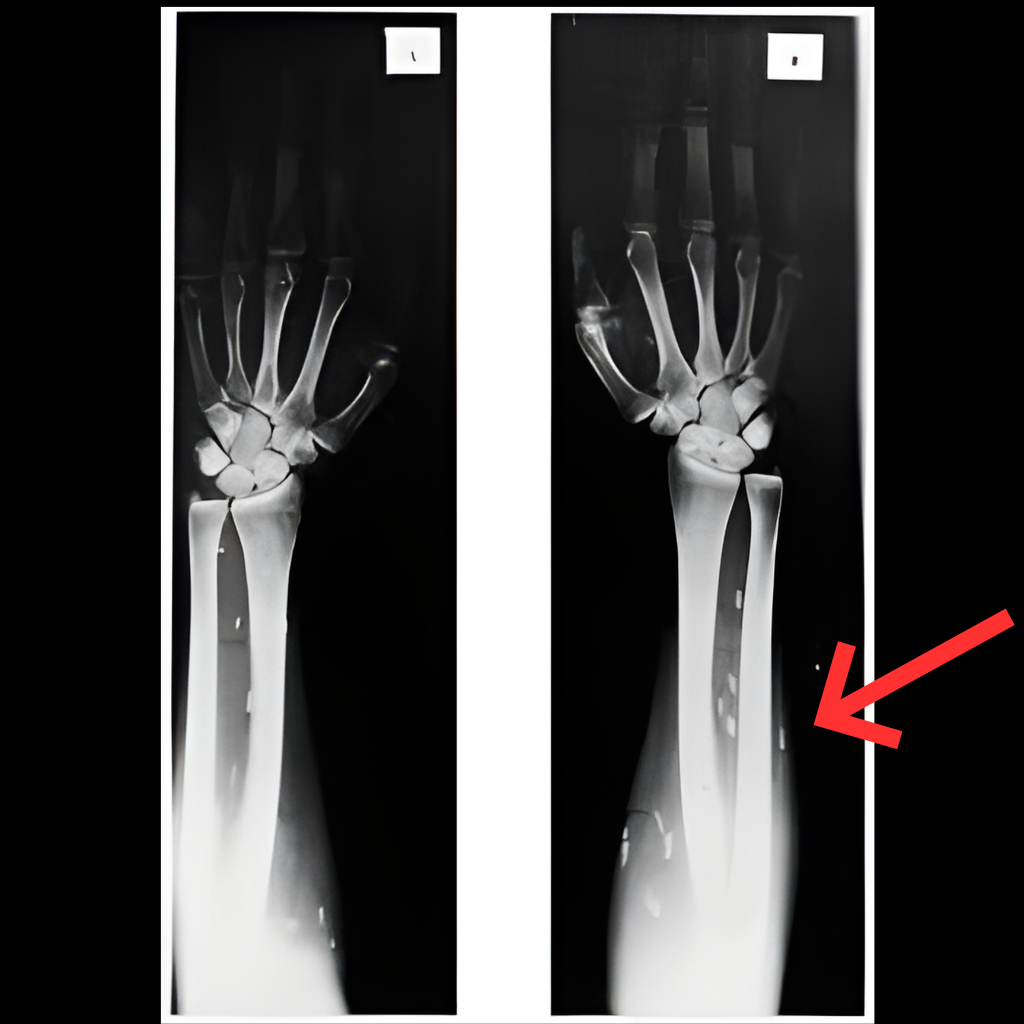
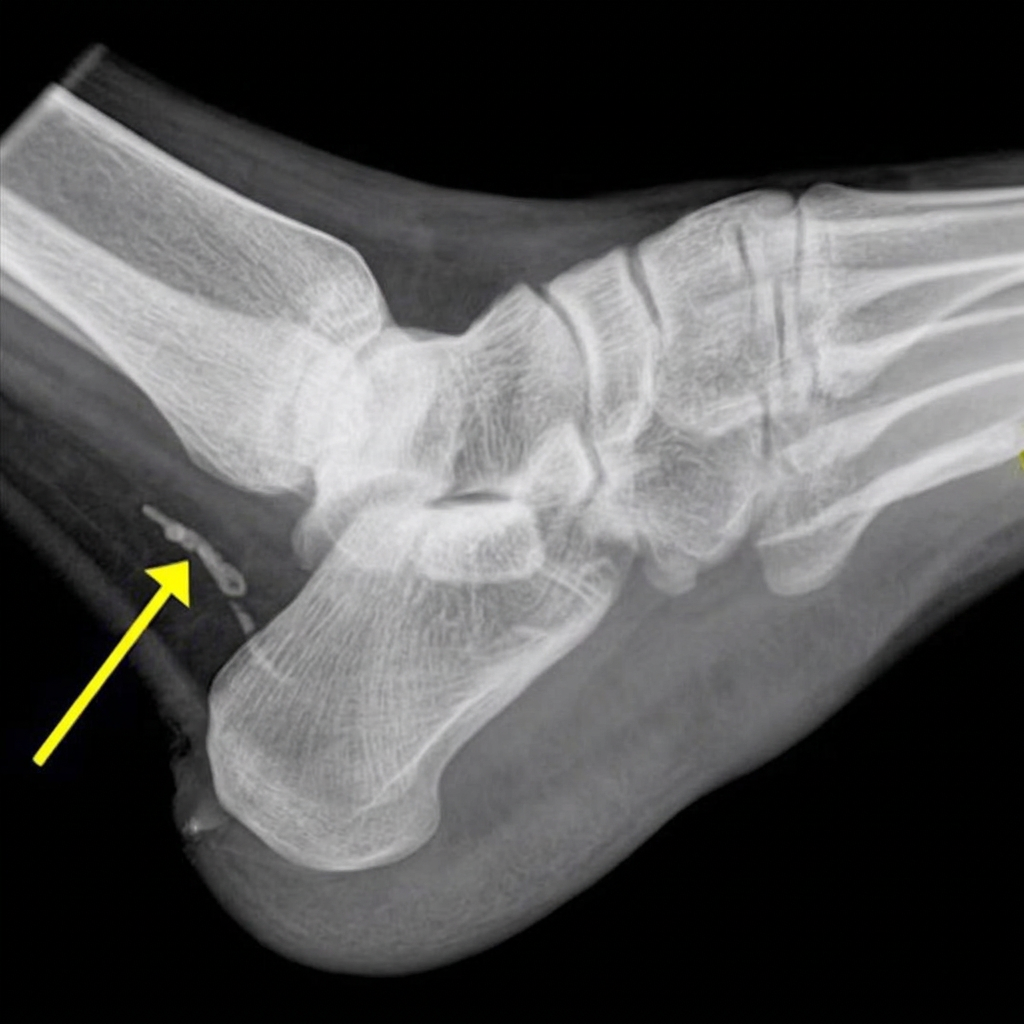
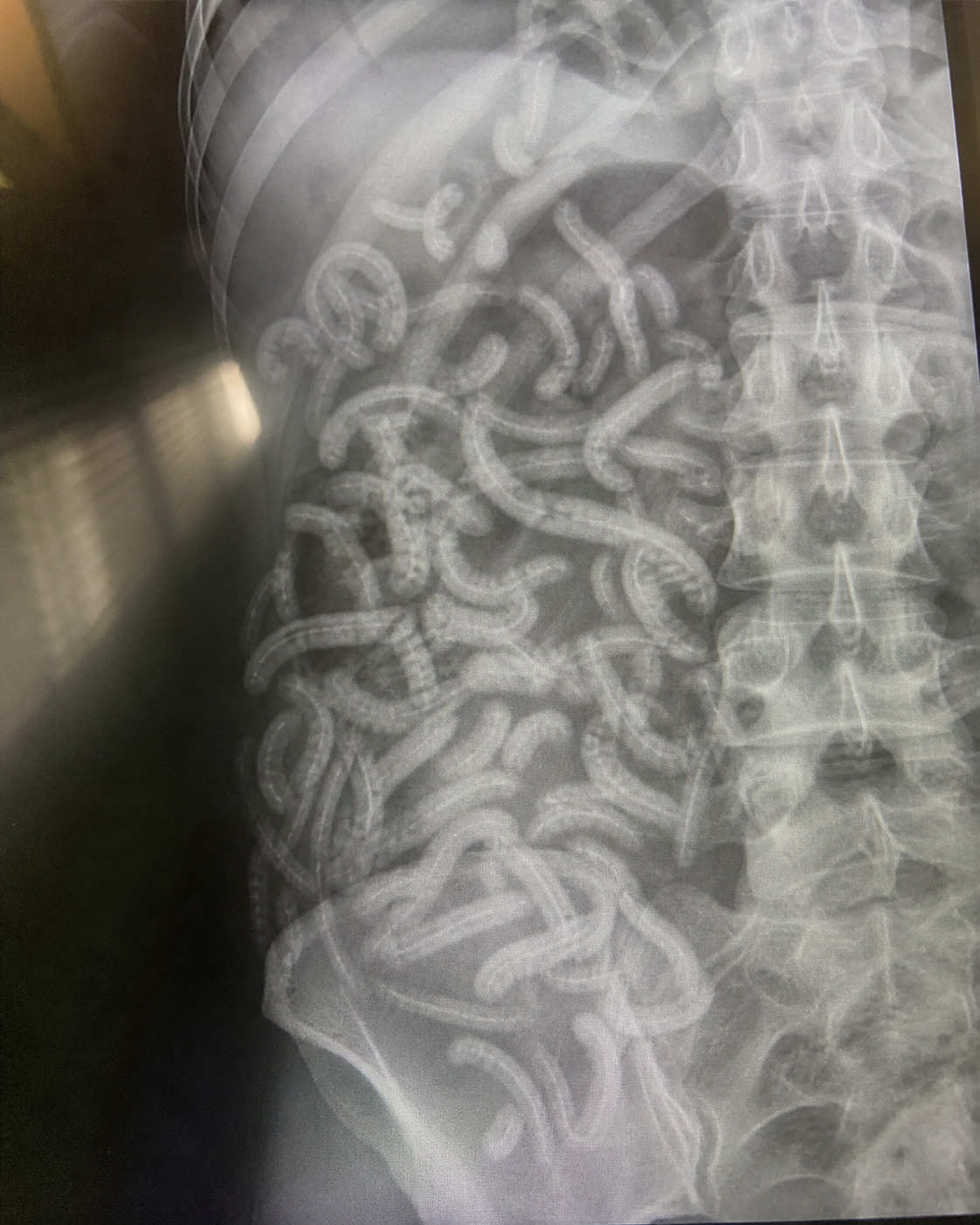
I've diagnosed 3,400+ pediatric GI cases in 14 years as a children's gastroenterologist. When a parent brings in a child with dark circles, stomach aches at bedtime, and behavioral regression, I already know what happens if they follow standard advice. "It's probably allergies. Let's refer to the allergist." Three months later: same symptoms. Now we're adding a gastro referral. Six months later: behavioral evaluation. $1,200 in specialist copays. Zero resolution. I'm Dr. Marcus Thompson, pediatric gastroenterologist specializing in gut-brain axis disorders and intestinal microbiome dysfunction in children under 10. When my own 4-year-old son started waking up angry every morning, grinding his teeth at night, and refusing to eat anything except goldfish and plain pasta — I refused to accept "it's just a phase." Because I've read the charts. I've seen what happens when we dismiss these symptoms. Dark circles at age 3. "Just allergies." By age 4, behavioral evaluation. ADHD diagnosis. Medication by age 5. Stomach aches at bedtime for 6 months. "Functional abdominal pain." By month 12, chronic constipation. MiraLAX dependency. Gastro referrals every quarter. Food refusal at age 3. "Picky eating phase." By age 5, feeding therapy at $150 per session. Sensory evaluation. Occupational therapy. They all come back years later and ask: "Why didn't anyone check his gut first?" Because most pediatricians don't check the gut first. We check everything around the gut. We refer to everyone except the person who should be looking inside it. September 8th, 2024. My son Jaylen. Age 4. He'd been a completely normal, happy, easygoing kid for three and a half years. Then over the course of about 6 weeks, he changed. The meltdowns came first. Not tantrums. Neurological overwhelm. 40-minute episodes where he couldn't be reached. Screaming. Hitting. Arching his back on the floor. Over nothing. The wrong cup. A sock that felt weird. Then the teeth grinding. Loud enough to hear through the wall. Then the food regression. Grilled chicken and vegetables — gone. Only goldfish, plain pasta, nuggets, apple juice. If I put a vegetable on his plate he physically pushed the plate away. Then the dark circles. Deep purple-gray hollows under his eyes. He was sleeping 11 hours. The circles didn't care. Then the stomach aches. Every single night at bedtime. Holding his belly. Crying. Every night. My wife wanted to call the pediatrician. I said give me one week. Because I knew what the pediatrician would do. I've watched it happen 3,400 times. Dark circles — allergist referral. $250. Stomach aches — gastro imaging. $300. Behavior — developmental evaluation. $450. Food refusal — feeding therapy. $150/session. $1,200+ in fragmented billing. Each specialist looking at their piece. Nobody assembling the picture. September 8th. 11:47 PM. Jaylen was finally asleep after 45 minutes of stomach ache crying. I opened my laptop. I didn't search what most parents search. I didn't search "toddler behavior problems" or "dark circles in kids" or "picky eating phase." I searched the parasitology literature. Because I'm a GI specialist. And this symptom cluster — in a previously healthy child with sudden onset — maps to one diagnosis that American pediatrics systematically ignores. Intestinal parasitic infection. The CDC data: 1 in 5 Americans carry parasites without knowing it. In children in group care settings, prevalence is significantly higher. Pinworms alone affect an estimated 20-40 million Americans annually. The pathophysiology: Parasites deplete tryptophan and tyrosine — precursors to serotonin and dopamine. Result: irritability, emotional dysregulation, inability to self-regulate. Looks exactly like ADHD on an evaluation checklist. Parasites activate during nocturnal hours — particularly between 1-4 AM. Result: bruxism, restless sleep, night waking, night terrors. Parasites signal through the vagus nerve for sugar and simple carbohydrates — the substrates they require for survival. Result: compulsive carb cravings, rejection of nutrient-dense food. Looks exactly like sensory food aversion. Chronic parasitic burden causes nutrient malabsorption and low-grade immune activation. Result: periorbital hyperpigmentation — dark circles. Looks exactly like allergic shiners. Nocturnal parasitic activity in the intestinal lumen. Result: bedtime abdominal pain. Looks exactly like functional abdominal pain or constipation. One organism. Five symptoms. Five potential specialist referrals. Five billing codes. Zero resolution. I ran a comprehensive stool panel on Jaylen the next morning. Not the standard ova and parasite test that returns false negatives 70% of the time. A PCR-based molecular panel. Results in 48 hours. Positive. Blastocystis hominis. Moderate burden. My 4-year-old son. Clean house. Good neighborhood. Both parents in medicine. Organic groceries. Private daycare. Parasites don't check your zip code. They check your gut environment. September 10th. I started researching intervention options. Prescription antiparasitics: metronidazole, nitazoxanide. Effective but aggressive. Side effect profile in pediatric patients includes severe GI distress, nausea, metallic taste, behavioral worsening during treatment. I prescribe these when necessary. This wasn't necessary yet. Standard herbal protocols: wormwood, black walnut hull, clove. I reviewed the pharmacokinetics. These compounds have antimicrobial activity. But they operate in the intestinal lumen — the open space of the gut. They kill what's floating in the open. The problem: parasites don't just float in the lumen. They adhere to the intestinal mucosa and produce extracellular polymeric substance — biofilm. A protective matrix that standard botanicals and even some prescription agents cannot penetrate. This is pharmacology, not opinion. Biofilm-protected organisms survive antimicrobial intervention at rates 100-1,000x higher than planktonic organisms. This is established in wound care, dental medicine, chronic UTI research, and cystic fibrosis. The same principle applies in the intestinal tract. Standard herbal cleanses kill planktonic parasites. Biofilm-embedded organisms survive. When the cleanse stops, repopulation occurs from the protected reservoir. Symptoms return in 3-4 weeks. This is why every parent who's tried Joy Spring, wormwood drops, or standard herbal protocols reports the same pattern: temporary improvement followed by complete relapse. The cleanse didn't fail. It couldn't reach the reservoir. I needed a compound with demonstrated anti-biofilm activity at the mucosal level. Carvacrol. The primary phenolic compound in Origanum vulgare — wild oregano oil. Over 200 peer-reviewed publications on antimicrobial and anti-biofilm activity. But concentration is the critical variable. Most commercial oregano oil standardizes to 25-55% carvacrol. The minimum inhibitory concentration for biofilm disruption in the literature is consistently at or above 70%. Below 70%: the compound interacts with the biofilm surface but does not achieve structural disruption. It touches the shield. The shield holds. At 70%+: the compound penetrates the extracellular matrix and compromises structural integrity. The biofilm breaks. The organisms are exposed. Most products on the market don't reach 70%. Most don't disclose their carvacrol percentage. Second compound: thymoquinone from Nigella sativa — black seed oil. While carvacrol handles biofilm disruption and antimicrobial activity, thymoquinone operates on intestinal barrier restoration. It upregulates tight junction protein expression — specifically occludin and claudin-1 — reducing intestinal permeability. In plain language: carvacrol tears down the wall the parasites are hiding behind. Thymoquinone rebuilds the gut wall so nothing can break back in. Kill without repair = reinfection through compromised barrier. Temporary fix. Kill with repair = elimination plus barrier restoration. Resolution. I couldn't find a single commercial product that combined both compounds at therapeutic concentrations in one formulation. Then I found a softgel that combined wild oregano oil standardized to 70% carvacrol with black seed oil. Both compounds. One capsule. The delivery mechanism solved the compliance problem. The softgel is pricked with a pin, oil expressed, combined with MCT or coconut oil as a carrier — preventing dermal irritation — and applied transdermally to the plantar surface of the feet. The stratum corneum of the plantar skin is thin with high pore density. Transdermal absorption bypasses first-pass hepatic metabolism and gastric acid degradation. The child doesn't taste it. Doesn't know it's happening. 30 seconds at bedtime. September 11th. I started Jaylen on the protocol. Days 1-3. No change. Expected. Biofilm disruption takes 72-96 hours to initiate. Days 4-5. Increased irritability. Looser stools. Fatigue. Classic Herxheimer response. Biofilm disruption releasing endotoxins. Inflammatory cytokine surge. I expected this. I pushed through. Day 6. Diaper contents changed significantly. I documented it clinically. I won't describe it here. Day 10. The stomach aches stopped. Jaylen went to bed without holding his belly for the first time in 8 weeks. Day 14. Sleep normalized. No bruxism audible on the monitor. No 3 AM waking. Deep, consolidated sleep. Day 18. He pointed at my plate — grilled salmon — and said "Can I try that?" He ate three pieces. First non-processed food he'd voluntarily consumed in two months. Day 21. His preschool teacher sent a message: "I don't know what changed but Jaylen has been incredible this week. Sitting through circle time. Using words instead of hitting. Playing cooperatively." Week 4. Dark circles visibly fading. Side-by-side photos confirmed. Periorbital hyperpigmentation resolving as nutrient absorption normalized. Week 6. Follow-up stool panel. September PCR: Blastocystis hominis — moderate burden. October PCR: negative. Cleared. His chart now shows the longest gap between GI-related visits in his life. I showed my colleague the sequential panels. She said "If the herbal intervention cleared this without pharmaceutical agents, and the biofilm disruption is what made the difference — we need to be recommending this before we write referrals." I agreed. And then I left a system that would rather bill for four specialist referrals than run a $20 stool panel. If your child has this symptom cluster — and I need you to count carefully: ✗ Constant irritability or meltdowns that appeared suddenly ✗ Dark circles under their eyes ✗ Stomach aches at bedtime ✗ Teeth grinding at night ✗ Restless sleep or waking between 1-3 AM ✗ Only wants carbs and sugar — refuses everything else ✗ Scratching at skin, clothes, or bottom 2-3 of these: the gut should be your first investigation, not your last. 4 or more: you're almost certainly looking at what I found in Jaylen. Your pediatrician will likely refer you to an allergist, a gastro, and a behavioral specialist. That's $1,200 and 6 months of watching your child struggle while each specialist looks at their fragment. Or you can address the gut first. While the reversal window is still open. Before the behavioral patterns become entrenched. Before the nutritional deficits compound. Before someone writes ADHD on your child's chart and hands you a prescription. September 8th. Jaylen's symptom cluster: 7 out of 7. Standard protocol would have predicted: allergist referral, gastro imaging, behavioral evaluation, possible medication by spring. October 20th. Jaylen's stool panel: negative. Symptoms: resolved. Specialist referrals needed: zero. 42 days. That's how long it took from first application to negative panel. I'm not saying ignore your pediatrician. I'm saying understand what "it's just a phase" actually means. It means watching predictable progression while billing for the observation. Your child's symptoms are telling you something. Don't spend 6 months and $1,200 waiting for four specialists to hear what the gut is saying right now. — Dr. Marcus Thompson, MD Pediatric Gastroenterologist, 14 years Board Certified in Pediatric Gastroenterology P.S. — The softgels I used on Jaylen are Germ Gems by Helix Health. Oil of oregano standardized to 70% carvacrol. Black seed oil with thymoquinone. Both compounds, one softgel. Prick, mix with coconut oil, feet at bedtime, socks on. If your child has 4+ of those symptoms and you've been told to "wait and see": Start the protocol. Give it 3-4 weeks. Watch the symptoms. Let the results tell you what's possible when you address the gut first. You can always go back to the referral carousel. But you can't go back in time if you wait too long to act. 30 day guarantee. If nothing changes, full refund. But give it two weeks. Because what shows up around day 5-6 will answer every question the specialists couldn't.
Like this ad? Make it yours.
Crush rebuilds this exact creative around your product — your brand, your colors, your offer — in about a minute.